

2026 hong kong travel guide with sample itinerary & budget is exactly what this guide covers.
Welcome to the 2026 Hong Kong travel guide with sample itinerary and budget. Forget everything you thought you knew about Hong Kong; this dynamic city continues to reinvent itself, with neon-lit markets beneath soaring skyscrapers and ancient temples a short tram ride from cutting-edge art districts. Planning a trip can feel overwhelming, but this guide demystifies Hong Kong travel, offering a practical 3-day itinerary, clear budget breakdown, and essential tips for an unforgettable 2026 adventure.
TL;DR: Hong Kong in 2026 is a vibrant mix of classic icons and new cultural hotspots, best visited between October and December. Use this guide for a seamless 3-day itinerary covering Victoria Peak, Lantau Island, and Kowloon’s bustling markets, with daily budgets ranging from SGD 175 for backpackers to SGD 440 for a comfortable mid-range trip.
Essential Planning for Hong Kong in 2026
Choosing Your Travel Dates
The best time to visit Hong Kong is during the pleasant autumn months from October to December. You’ll enjoy comfortable temperatures around 20-25°C, low humidity, and clear skies perfect for harbour views. If you want to experience festive energy, plan your trip around Chinese New Year in late January or early February for spectacular city-wide celebrations. Be aware, however, that this is peak tourist season, so expect larger crowds and book everything well in advance.
Visas, Connectivity, and Getting from the Airport
Great news for Singaporean passport holders: you enjoy visa-free entry to Hong Kong for up to 90 days. For connectivity, grab a local SIM card or an eSIM upon arrival at Hong Kong International Airport (HKG) for easy data access.
From the airport, the Airport Express is the fastest way into the city, reaching Kowloon in about 21 minutes. For ultimate convenience, your first purchase should be an Octopus Card. This rechargeable smart card is your key to the city—use it on the MTR (metro), buses, trams, ferries, and even at 7-Elevens and bakeries. It saves you from fumbling for exact change and makes moving around a breeze.
Your 3-Day Hong Kong Itinerary
Ready to go? Book Jiuzhou Port Round Trip Ferry Ticket For Hong Kong Macau Ferry Terminal Adult with HolidaySG for instant confirmation.
This packed itinerary balances iconic sights, cultural immersion, and local flavour.
Day 1: Panoramic Peaks and Harbour Lights
Morning: Start your trip with the quintessential Hong Kong experience: The Peak. Take the historic Peak Tram up to Victoria Peak for breathtaking panoramic views of the city’s dense skyline and the harbour beyond. It’s best to go early to avoid the worst of the crowds.
Afternoon: Descend and explore the Central district. Wander through the streets to see the blend of colonial architecture and modern finance. For a guided introduction, consider a tour like this Hong Kong Neon Night Scene tour, which can cleverly combine a visit to The Peak with other Central highlights.
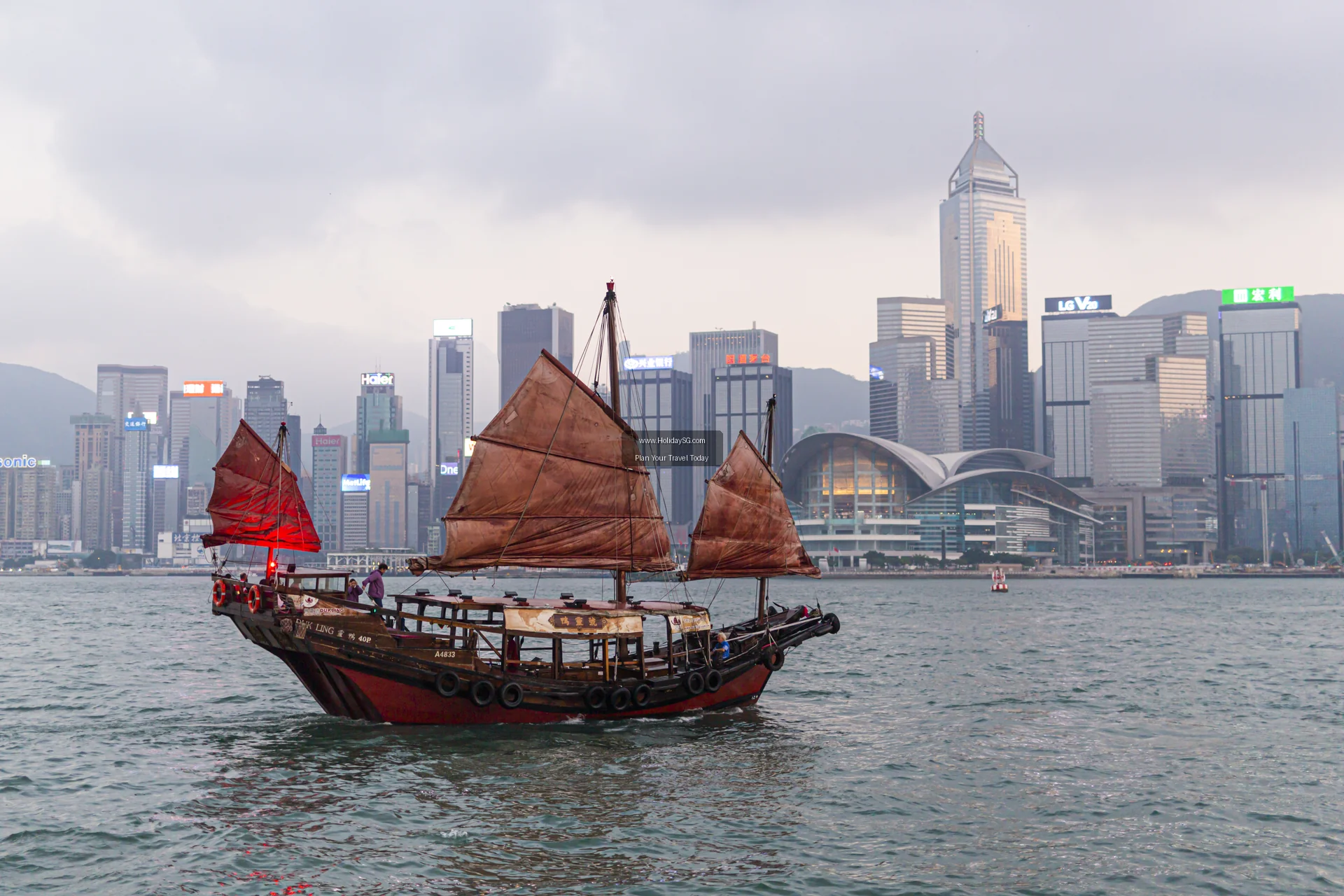
Evening: As dusk falls, make your way to the Tsim Sha Tsui waterfront. Hop on the iconic Star Ferry for a short, magical crossing to Hong Kong Island—a floating history lesson with million-dollar views. Afterwards, find a spot along the promenade to witness the Symphony of Lights, the world’s largest permanent light and sound show illuminating the Victoria Harbour skyline.
Day 2: Spiritual Heights on Lantau Island
Morning: Today is for escaping to the more tranquil Lantau Island. Take the MTR to Tung Chung and board the Ngong Ping 360 cable car. The 25-minute gondola ride offers stunning views of the mountains, airport, and sea, building anticipation for what lies ahead.
Daytime: You’ll arrive at the Ngong Ping Village, home to the majestic Tian Tan Big Buddha. Climb the 268 steps to the base of the statue for impressive views and a sense of serenity. Don’t miss the Po Lin Monastery right next to it, a beautiful complex of traditional Buddhist architecture.
Afternoon: Descend from the spiritual heights to the earthly charm of Tai O fishing village. Explore its stilt houses, sample local seafood snacks, and perhaps catch a glimpse of the pink dolphins for which the area is known. Return to the city in the evening.
Day 3: Kowloon Culture and Market Buzz
Morning: Spend your last morning exploring the traditional neighbourhood of Sheung Wan on Hong Kong Island. Browse the dried seafood shops on Des Voeux Road West and discover antique stores along Hollywood Road. It’s a fantastic area for soaking in old Hong Kong.
Afternoon: Head to Kowloon for a market crawl. Start at the jade and gem markets, then wander through the vibrant stalls of the Temple Street Night Market as evening approaches. This is the perfect place to pick up souvenirs, watch street performers, and dive into the local street food scene.
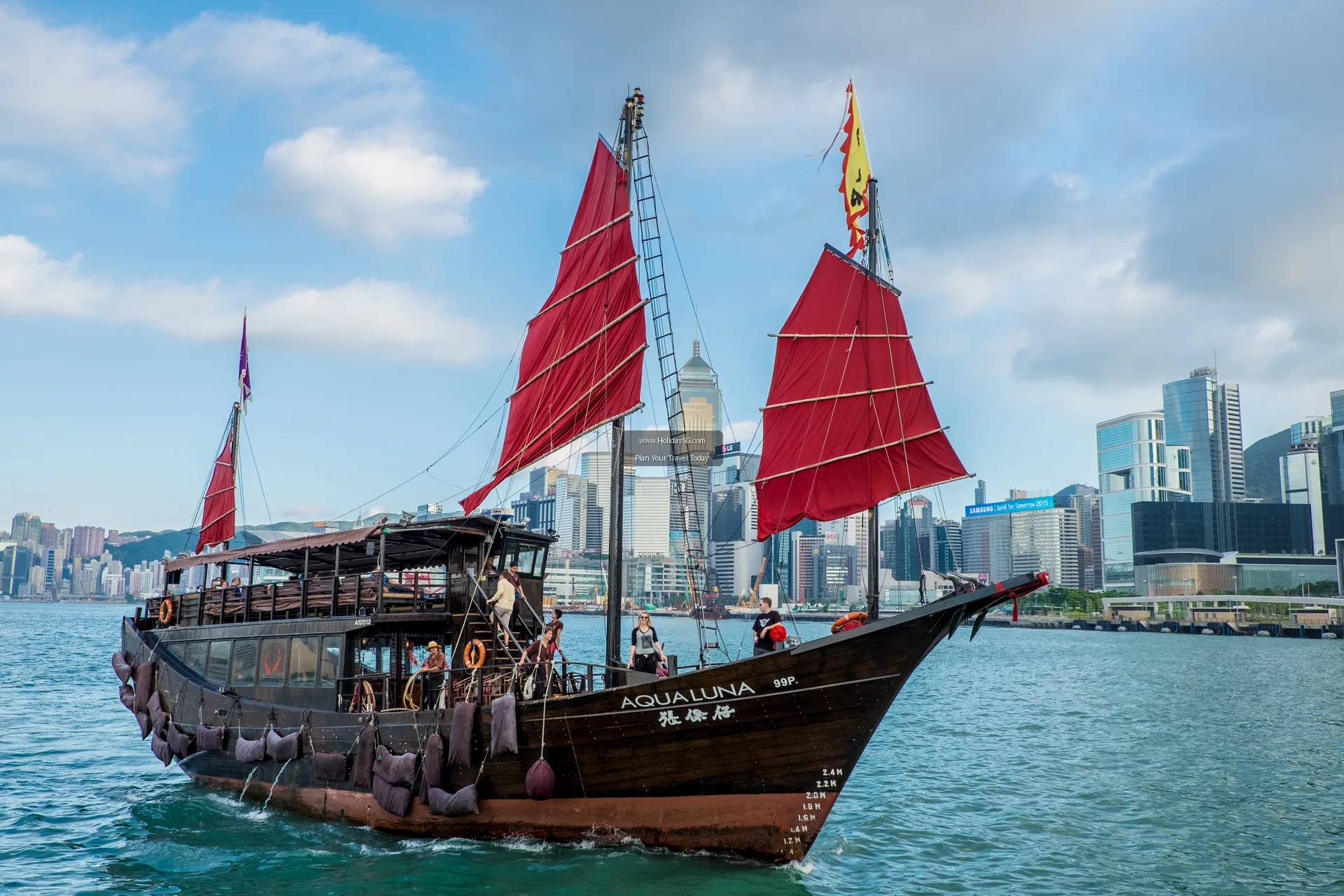
Evening: For a final maritime memory, enjoy a relaxing harbour cruise, taking in the city lights one last time. Alternatively, indulge in a farewell dinner at a bustling cha chaan teng, a quintessential Hong Kong diner.
What’s New in 2026: The West Kowloon Cultural District
Hong Kong’s arts scene is getting a major boost. The West Kowloon Cultural District, located on a stunning waterfront promenade, is the city’s cultural flagship. By 2026, the district will likely have expanded its offerings beyond the already phenomenal M+ museum, the largest museum of visual culture in Asia. New galleries, performance spaces, and public art installations are expected, solidifying this area as a must-visit for anyone interested in contemporary art and design. Plan to spend a leisurely half-day here, combining museum visits with harbourfront dining.
Hong Kong Budget Breakdown
Ready to go? Book Jiuzhou Port Round Trip Ferry Ticket For Hong Kong Macau Ferry Terminal Adult with HolidaySG for instant confirmation.
Your costs will depend on your travel style. Here’s a detailed look at expenses in Hong Kong Dollars (HKD) and approximate Singapore Dollars (SGD).
Accommodation
Places to stay are generally clean and efficient, but space comes at a premium.
- Budget: Hostels and guesthouses: HKD 300-500 (SGD 53-88) per night.
- Mid-Range: 3-4 star hotels: HKD 1,000-2,000 (SGD 175-350) per night.
- Luxury: 5-star hotels and serviced apartments: HKD 4,000+ (SGD 700+) per night.
Food and Dining
Eating is a highlight of any Hong Kong trip. Prices can vary wildly.
- Local Cha Chaan Teng: A classic meal of noodles, rice, or a set lunch: HKD 50-100 (SGD 9-18).
- Mid-Range Restaurant: A meal at a restaurant in a mall or tourist area: HKD 200-400 (SGD 35-70).
- Michelin-Starred Experience: A high-end dim sum lunch or dinner: HKD 500+ (SGD 88+).
Daily Cost Estimates
Combining accommodation, food, local transport, and a few activities, here’s a rough daily estimate per person:
- Budget Traveler: ~HKD 1,000 (SGD 175). Hostels, street food, public transport, free sights.
- Mid-Range Traveler: ~HKD 2,500 (SGD 440). Mid-range hotel, mix of local and restaurant meals, key attractions.
- Luxury Traveler: HKD 5,000+ (SGD 880+). Premium hotel, fine dining, private tours, first-class everything.
Tips for a Smooth Hong Kong Adventure
A little local knowledge goes a long way.
- Cultural Etiquette: Tipping is not customary or expected in restaurants or taxis. When visiting temples like Po Lin, dress modestly by covering your shoulders and knees. Learning a few Cantonese phrases like “m̀h’gōi” (thank you) is always appreciated.
- Practical Advice: The tap water in Hong Kong is perfectly safe to drink straight from the tap, saving you money on bottled water. The Octopus card is not just for transport; use it to pay at convenience stores and even some chain restaurants. To make the most of your travel between mainland China and Hong Kong, especially from Shenzhen, consider a ferry ticket from Jiuzhou Port for a convenient cross-border journey.
Recommended HolidaySG Tours
Ready to go? Book Jiuzhou Port Round Trip Ferry Ticket For Hong Kong Macau Ferry Terminal Adult with HolidaySG for instant confirmation.
- Hong Kong Neon Night Scene Central Market Ding Ding Bus Centennial Tai Kwan Cable Car To The Peak Day Tours
- Jiuzhou Port Round Trip Ferry Ticket For Hong Kong Macau Ferry Terminal Adult
- Hong Kong Local
- Hong Kong Esim Free Roaming Mobile Data
- Huizhou Hong Kong Cross Border Transfer Transfer Services To Hong Kong Airportkowloontsim Sha Tsuicauseway Baywest
Your 2026 Hong Kong Adventure Awaits
Hong Kong in 2026 promises the thrilling energy it’s always been known for, now enriched with deeper cultural offerings and new experiences. From the heights of The Peak to the spiritual calm of Lantau and the vibrant chaos of its markets, this city caters to every type of traveler. With this guide in hand, you’re ready to navigate the streets, savour the dim sum, and discover why Hong Kong remains one of Asia’s most captivating destinations. Start planning your itinerary today.
Ready to explore? Check out our Jiuzhou Port Round Trip Ferry Ticket For Hong Kong Macau Ferry Terminal Adult to kick-start your journey!
Book with HolidaySG for the best prices on Jiuzhou Port Round Trip Ferry Ticket For Hong Kong Macau Ferry Terminal Adult, Huizhou Hong Kong Cross Border Transfer Transfer Services To Hong Kong Airportkowloontsim Sha Tsuicauseway Baywest, Hong Kong Neon Night Scene Central Market Ding Ding Bus Centennial Tai Kwun Cable Car To The Peak Day Tours.
Frequently Asked Questions
Where can I book this / what’s the link?
You can book various Hong Kong tours, transfers, and services directly through HolidaySG. Here are the direct links:
• Jiuzhou Port Round Trip Ferry Ticket (Adult)
• Huizhou to Hong Kong Cross-Border Transfer
• Hong Kong Neon Night Scene & Day Tours
• Hong Kong Local Transfer Services
• Hong Kong eSIM for Free Roaming Data
Do foreigners (non-citizens) need a different ticket, price, or visa for Hong Kong?
Visa requirements for Hong Kong vary greatly by your passport/nationality. Many nationalities, including those from Singapore, enjoy visa-free access for short stays (often 7 to 90 days). There is generally no different “foreigner ticket” for attractions; prices are standard. However, visa rules can change, so it is essential to check the official Hong Kong Immigration Department website for the latest entry requirements specific to your nationality before you travel.
What is the best time (season, or time of day for the site/activity) to go?
The best season to visit Hong Kong is during the autumn months from October to December, when the weather is sunny, cool, and less humid. Spring (March to April) is also pleasant but can be foggy. Summers (June to August) are hot, humid, and prone to typhoons. For activities like the Hong Kong Neon Night Scene Tour, evening is obviously the perfect time. For The Peak, either sunrise or sunset offers spectacular views.
How many days should I spend in Hong Kong?
A recommended first-time trip is 3 to 4 days. This allows enough time to explore major districts like Central, Kowloon, and outlying islands, and hit top attractions. If you plan extensive day trips (e.g., Macau) or deep dives into culture and hiking, consider 5 to 6 days.
What is a typical daily budget for Hong Kong?
Hong Kong can cater to various budgets. A mid-range daily budget (excluding flights) could be around SGD 200-300 per person, covering a 3-4 star hotel, local meals, public transport, and a few paid attractions. Budget travelers can manage with SGD 120-150 by staying in hostels, eating at local cha chaan tengs (diners), and using the MTR.
What is the best way to get from the airport to the city?
The Airport Express train is the fastest and most convenient way, reaching Hong Kong Station in 24 minutes. You can also use the Airport Bus (Cityflyer) for a cheaper option that covers more areas, or book a private cross-border transfer if you are coming from or going to mainland China.
Is Hong Kong family-friendly?
Absolutely. Hong Kong offers excellent family attractions like Disneyland, Ocean Park, the Hong Kong Zoo & Botanical Gardens, and interactive museums. The efficient public transport, clean streets, and abundance of food options make it relatively easy to navigate with children.
Is Hong Kong safe for tourists?
Yes, Hong Kong is generally very safe for tourists with a low violent crime rate. Standard travel precautions apply: watch for pickpockets in crowded areas like markets and the MTR, be cautious with your belongings on busy streets, and keep copies of important documents.
What should I pack?
Pack lightweight, breathable clothing for most of the year, plus a light jacket or sweater for air-conditioned spaces and cooler evenings (especially Oct-Dec). Essential items include comfortable walking shoes, a universal power adapter (Type G plug), an umbrella/raincoat (rain is common), and sunscreen. Don’t forget your eSIM or portable Wi-Fi for connectivity.
What is the local etiquette or customs I should know?
Be polite and queue for everything. A slight nod or smile is appreciated. When receiving business cards or items, use two hands. Tipping is not customary in restaurants (a 10% service charge is often included) or for taxi drivers. Keep your voice down on public transport.
What are some must-try local foods?
Do not leave without trying: dim sum (steamed dumplings), roast goose, egg tarts, milk tea, pineapple buns (bo lo bao), and wonton noodles. Explore night markets like Temple Street or the Ladies’ Market for street food snacks.
How do I get around the city?
The MTR (subway) is efficient, clean, and covers most tourist areas. Get an Octopus card for seamless payment on the MTR, buses, ferries, and even convenience stores. The iconic “Ding Ding” trams on Hong Kong Island are great for sightseeing. Ferries are essential for reaching outlying islands like Lamma or Cheung Chau.
Is Hong Kong an accessible destination for travelers with disabilities?
Accessibility has improved significantly. Most MTR stations have elevators and ramps, newer buses are wheelchair-friendly, and many major attractions are accessible. However, older areas, some steep streets (like parts of SoHo), and crowded markets can still be challenging. Planning ahead is recommended.
What is the voltage and plug type in Hong Kong?
Hong Kong uses 220V AC, 50Hz. The standard plug type is the three-pronged Type G (British style). Travelers from Singapore will need a universal adapter for this plug type.
Is tap water safe to drink?
Yes, the tap water in Hong Kong is perfectly safe to drink directly from the tap, as it meets strict WHO standards. However, the taste is different due to residual chlorine, so many people prefer to drink bottled water or tea.
Are there any popular day trips from Hong Kong?
Yes, the most popular is Macau, easily reachable by ferry or the Hong Kong-Zhuhai-Macau Bridge. You can book ferry tickets like the Jiuzhou Port Round Trip Ticket. Other options include hiking on Lantau Island to see the Big Buddha, visiting the fishing village of Tai O, or taking the high-speed train to Shenzhen, China.
Can I use my Singapore mobile plan in Hong Kong?
Check with your Singapore mobile provider for their roaming rates in Hong Kong, which can be expensive. A more affordable and convenient option is to purchase a local Hong Kong eSIM before your trip for data and local calls.
What are the best free attractions in Hong Kong?
Many of Hong Kong’s best experiences are free! These include: Victoria Peak (hike up from the Peak Tram terminus), the Star Ferry crossing, exploring street art in Sheung Wan, walking the Avenue of Stars in Tsim Sha Tsui, and hiking trails like Dragon’s Back.
Is there a good public tour of Hong Kong available?
Yes, for a comprehensive guided experience, consider the Hong Kong Neon Night Scene & Day Tours, which often includes transport, guides, and entry to multiple iconic sites in one package.
How is the weather during Chinese New Year (usually Jan/Feb)?
Weather during Chinese New Year is typically cool and dry, with temperatures ranging from 10°C to 18°C. It’s a festive but very crowded time, with many shops closed for the holiday but decorations and events aplenty. Book everything well in advance.
What are the best neighbourhoods to stay in?
• Tsim Sha Tsui (Kowloon): Central, great harbour views, many hotels.
• Central & Wan Chai (HK Island): Business district, vibrant nightlife, close to attractions.
• Mong Kok (Kowloon): Bustling, budget-friendly, local market culture.
• Causeway Bay (HK Island): Shopping paradise, lively, good transport links.