

Planning your dream trip to the Maldives? Here are 25 Maldives travel tips to know before your trip, from choosing the right season to understanding the costs. This archipelago of 1,192 coral islands offers more than just overwater bungalows and turquoise lagoons – with proper preparation, you can unlock the perfect tropical escape.
TL;DR: The best time for sunny weather is November to April, while May to October offers budget-friendly deals. Choose between a culturally immersive stay on a local island or a private resort experience. Always pack reef-safe sunscreen, carry US dollars for convenience, and consider travel insurance with medical evacuation.
Planning Your Trip: Timing and Budget
Picking Your Season: Sun vs. Savings
The Maldives has two main seasons. The dry season, from November to April, delivers peak sunshine, calm seas, and ideal conditions for diving and island hopping. This is high season, meaning higher prices and more crowds. Conversely, the wet season (May to October) brings rain, stronger currents, and potential storms. However, it also offers significant discounts and fewer tourists. A pro tip is to travel during the shoulder months of November or April for a balance of good weather and slightly better rates.
Decoding the Costs: Resorts vs. Guesthouses
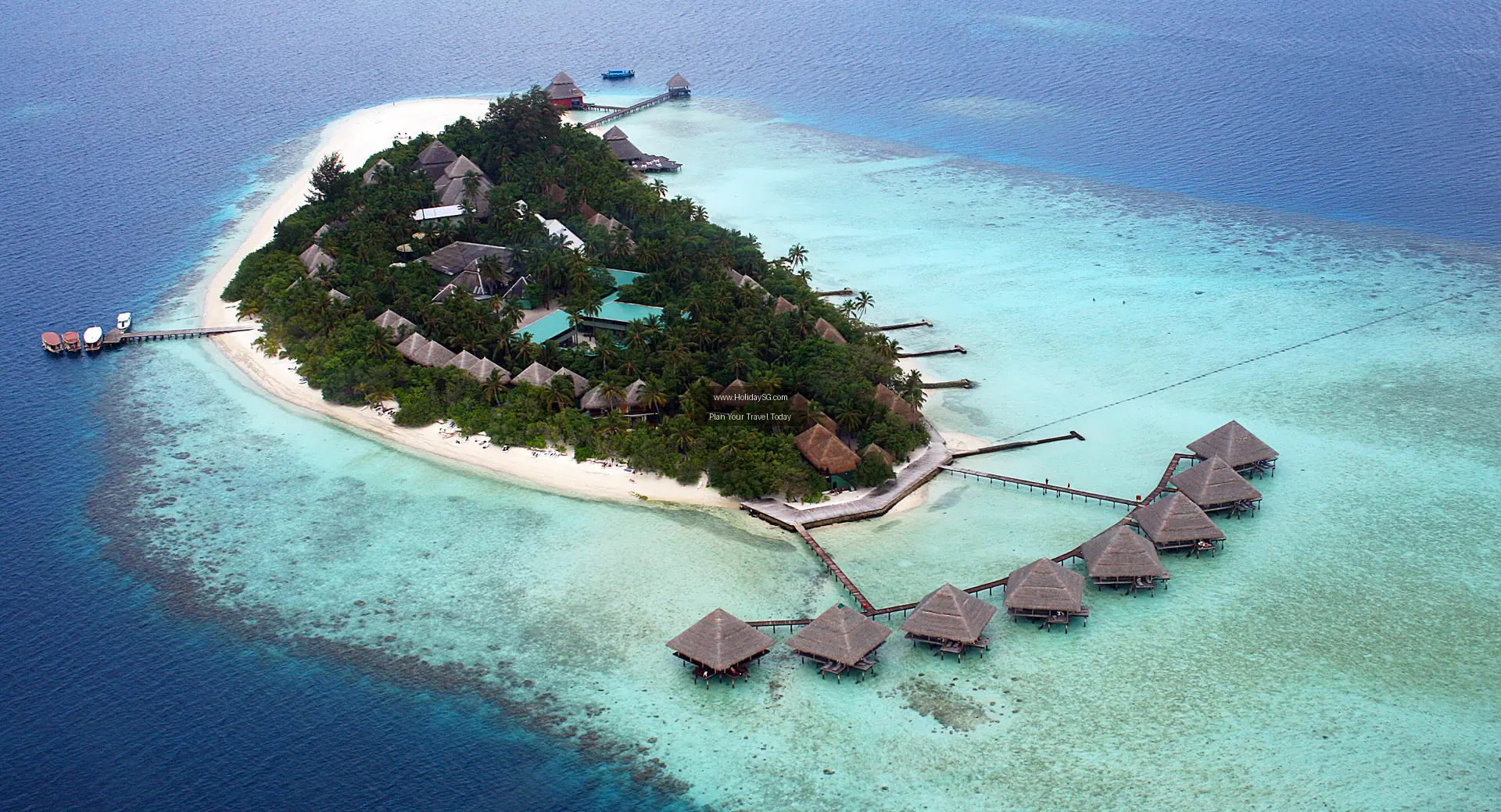
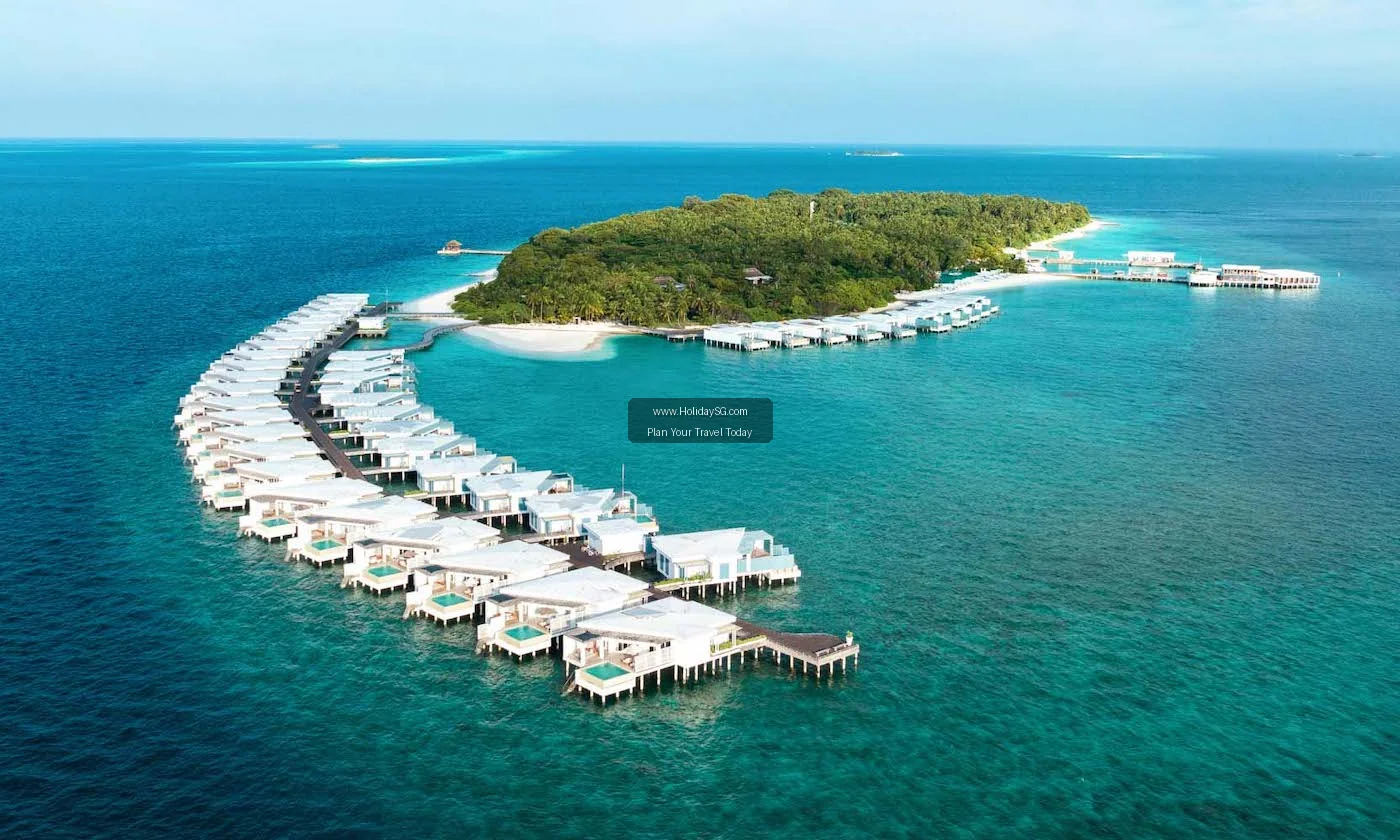
Your Maldives budget will largely be defined by your accommodation. On one end, luxury private resorts offer all-inclusive packages, private beaches, and overwater villas, with nightly rates easily exceeding USD 800 and often surpassing USD 1,500 for top-tier properties. These typically include half-board (breakfast and dinner) and your airport transfer. On the other end, guesthouses on local islands like Maafushi or Thulusdhoo provide a more authentic and budget-friendly experience, with rates starting around USD 150-200 per night. This is a fantastic way to experience Maldivian culture directly.
Choosing Your Island Accommodation
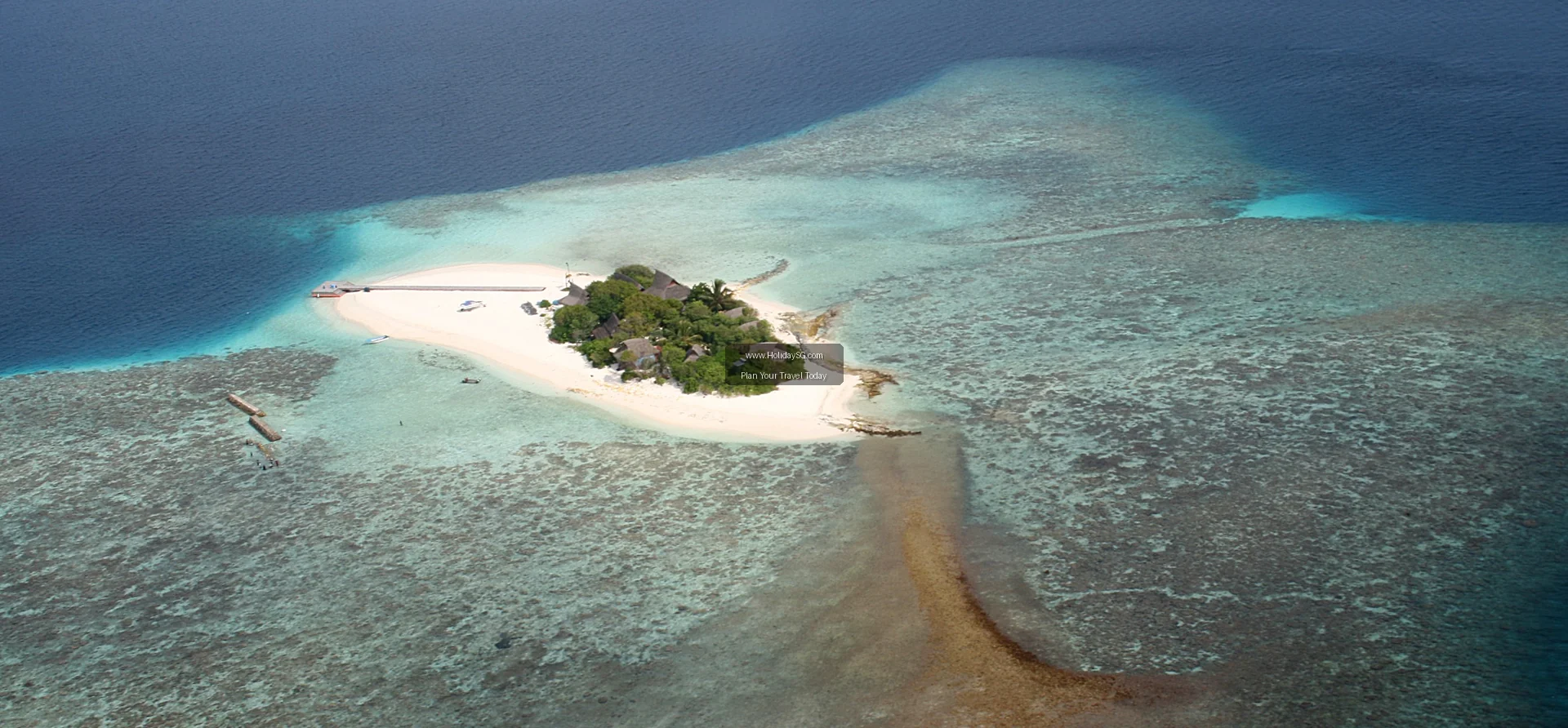
The decision often boils down to privacy versus cultural immersion. A private resort island guarantees seclusion and a curated, all-inclusive holiday. A local island guesthouse places you in a community, where you can dine at local cafes and interact with residents. Many travelers combine both, spending a few nights on a local island for tours and culture, followed by a resort stay for pure relaxation.
Getting There and Getting Around
Ready to go? Book Maldives Day Tour From with HolidaySG.
Visa and Arrival Process
For most nationalities, including Singaporeans, a 30-day tourist visa is issued on arrival in Malé, free of charge. You’ll need a passport valid for at least six months and proof of onward travel and accommodation. The arrival process is straightforward, but ensure your documents are easily accessible.
Navigating Airport Transfers
Your transfer from Velana International Airport (MLE) to your island is part of the adventure. Speedboats are the most common option, reaching resort islands in the North and South Malé Atolls in about 1-1.5 hours. For more remote atolls, you’ll likely take a seaplane, offering breathtaking aerial views but at a higher cost and dependent on weather. Confirm your transfer details with your accommodation well in advance.
Exploring the Capital, Malé
Don’t overlook Malé, the lively, compact capital city. It’s perfect for a half-day exploration before or after your island stay. Key sights include the stunning Grand Friday Mosque, the National Museum, and the vibrant, fragrant fish market. If you’re short on time, consider a guided tour. You can even book a Male Local Food Tour to sample authentic Maldivian cuisine efficiently.
Daily Life and Cultural Considerations
Money Matters
Understanding MVR (Maldivian Rufiyaa) and payment methods is crucial. The Maldivian Rufiyaa (MVR) is the official currency, but US dollars are widely accepted, especially at resorts. Credit cards are common in tourist areas, but it’s wise to carry some cash for small purchases on local islands.
Ready to explore? Check out our Maldives Day Tour From for an incredible day trip experience.
Book these with HolidaySG:
- The Original Villimale Eco Walking Tour
- Sandbank Snorkeling And Sunset Cruise Experience
- Male Island Hopping Tour
Book with HolidaySG online for Maldives Day Tour From, The Original Villimale Eco Walking Tour, Sandbank Snorkeling And Sunset Cruise Experience.
More Photos from HolidaySG
Frequently Asked Questions
Where can I book these tours and experiences?
You can book tours directly through HolidaySG. For example, a popular day tour starting from Hulhumale is the Maldives Day Tour. Other recommended experiences include The Original Villimale Eco Walking Tour, the Sandbank Snorkeling and Sunset Cruise, a Male Local Food Tour, and the Male Island Hopping Tour.
Do foreigners (non-citizens) need a different ticket, price, or visa for the Maldives?
Visa requirements are generally straightforward. Most nationalities, including Singaporeans, receive a free 30-day tourist visa on arrival. Tour prices are typically the same for all tourists. However, visa policies can change, so it is always recommended to check the official Maldives Immigration website for the most current entry requirements specific to your nationality before traveling.
What is the best time (season, or time of day for the site/activity) to go to the Maldives?
The best season is during the dry northeast monsoon (hulhangu) from December to April, offering sunny days and calm seas ideal for diving, snorkeling, and beach activities. The wet southwest monsoon (rasdhun) from May to November brings more rain but often has lower prices and fewer crowds. For specific activities like snorkeling or sunset cruises, mornings often have calmer seas and better visibility, while late afternoon is perfect for sunset experiences.
How many days are enough for a trip to the Maldives?
For a comprehensive holiday combining relaxation and exploration, 5 to 7 days is ideal. If you’re staying at a single resort and simply want to unwind, 3 to 4 days can be sufficient. A shorter 2-3 day trip can work if you focus on the capital region and nearby islands, but you will feel rushed.
What is the typical cost of a Maldives vacation?
Costs vary dramatically. Budget travelers can expect to spend S$200-400 per day per person, staying in guesthouses in local islands. Mid-range trips (resort stays in standard villas) typically cost S$600-1,200 per day per person. Luxury resort stays with overwater villas can easily exceed S$1,500+ per day per person. Food, transfers, and tours are additional major expenses.
How do I get to the Maldives from Singapore?
The primary way is by air. Direct flights operate from Singapore to Velana International Airport (MLE) in Malé, operated by Singapore Airlines and the Maldivian national carrier, Maldivian. The flight duration is approximately 4.5 hours.
Is the Maldives family-friendly?
Yes, the Maldives can be very family-friendly, especially at larger resorts that offer kids’ clubs, shallow lagoons for safe swimming, and family-sized villas. Some resorts even have water parks and dedicated family beaches. The natural, calm lagoon environment is also inherently safe for children.
What should I pack for the Maldives?
Pack lightweight, breathable clothing (cotton, linen), swimwear, a hat, and high-SPF sunscreen. A reusable water bottle is essential. For resort stays, smart-casual evening wear is often required for restaurants. Don’t forget insect repellent, waterproof bags for electronics, and if you plan to snorkel, consider bringing your own mask and snorkel for hygiene and fit.
Is it safe to travel to the Maldives?
What things cost in Maldives
Live HolidaySG prices for the experiences in this guide, so you can sanity-check a budget before you commit.
| Experience | Where | From price |
|---|---|---|
| Huvandhumaa Lounge Velana International Airport | Male | From S$53.34 |
| Kashimaa Lounge Dharavandhoo Island Airport | Dharavandhoo | From S$26.19 |
| Moonimaa Lounge Velana International Airport | Male | From S$53.34 |
| Maldives Day Tour from Hulhumale | Maldives | From S$312.13 |
| Male Island Hopping Tour | Maldives | From S$210.74 |
| Sandbank, Snorkeling, and Sunset Cruise Experience in Hulhumal... | Maldives | From S$183.61 |
| The Original Villimale Eco Walking Tour | Maldives | From S$83.00 |
| Malé Local Food Tour | Maldives | From S$89.00 |
Choosing the right type of island stay
The Maldives offers three main kinds of stay: resort islands, where a single property occupies an entire island; local islands, which are inhabited communities with guesthouses; and liveaboard boats that cruise between atolls. Resort islands suit couples and families who want privacy and full service, while guesthouses on local islands give a closer look at daily life. Liveaboards suit divers and keen snorkellers who want to reach the reefs at dawn. Decide which mood you want before you compare prices, since the experience varies widely.
Getting between the islands
Transfers are a big part of the Maldives experience. Resort islands are reached by speedboat, seaplane or domestic flight, and each option has a different cost and time. Seaplane transfers offer dramatic views but depend on weather and daylight, while speedboats are quicker for islands close to the airport. Check the transfer time and the last departure before you book, especially for flights that land late.
Comparing the main stay types
The table below compares the three main stay types by the setting, the type of traveller and the main consideration to keep in mind.
| Stay type | Setting | Typical traveller | Main consideration |
|---|---|---|---|
| Resort island | Private island with full service | Couples and families | Higher cost and transfer fees |
| Local island guesthouse | Inhabited island community | Budget and culture travellers | Local customs and dress codes |
| Liveaboard | Boat cruising between atolls | Divers and snorkellers | Limited space and seasickness |
Frequently asked questions about the Maldives
When is the best time to visit?
The dry season, roughly from December to April, is the most popular, with calmer seas and clearer skies. The wet season brings short showers and can offer lower prices.
Do I need to book activities in advance?
Popular dives, sandbank picnics and sunset cruises are best booked ahead, especially in the high season.
Is the Maldives expensive?
Resort stays are costly, but local island guesthouses and day trips can be much more affordable. Compare the full cost, including transfers and meals, before you choose.
Respecting local rules and customs
The Maldives is a Muslim country, and local islands follow conservative customs. Dress modestly when you leave your resort, and avoid swimwear away from the beaches of your resort. Alcohol is generally available only at resorts and on liveaboards, and it is not sold on local islands. Respecting these rules keeps your visit comfortable and supports the communities you visit.
Marine life and responsible snorkelling
The reefs are among the healthiest in the world, and they are fragile. Avoid touching coral, do not stand on the reef flat, and use reef-safe sunscreen. Feed no fish, and keep a safe distance from turtles and manta rays. Many resorts run house reefs where snorkellers can see fish and coral without a boat.
Frequently asked questions about planning
How many nights should I stay?
Four to five nights allows time to rest, dive or snorkel and take one excursion. Longer stays suit those who want to explore several atolls.
What should I pack?
Pack lightweight clothes, a modest cover-up for local islands, sun protection, a reef-safe sunscreen, and any medicines you need.
Budget planning and value
Costs in the Maldives depend heavily on the type of stay. Resort prices usually include meals and some activities, which can make the total easier to predict. Guesthouses and local meals cost far less, but transfers and excursions still add to the budget. Ask what is included before you book, and compare the total price per night after taxes and transfers, since these can change the ranking of two options.
Honeymoon and special occasions
Many couples choose the Maldives for a honeymoon or an anniversary. Overwater villas, private dinners on the beach and sunset cruises are popular choices. Tell the resort in advance if you are celebrating, since they can often prepare a surprise. Book the most popular villas early, especially in the dry season.
Frequently asked questions about budget and occasions
Are all-inclusive packages worth it?
They can be good value for families and couples who plan to eat and drink at the resort every day. Compare the package with the à la carte prices to see whether it suits you.
Can I use a card on the islands?
Resorts accept major cards, but local islands and small shops often prefer cash. Carry local currency for small purchases.
Reading the Atoll Map Before You Choose an Island
Most first-time visitors pick an island from a brochure and only later realise how far it sits from the airport, the capital or the dive centre they had in mind. The Maldives is laid out as a long chain of atolls running north to south, and each atoll is a ring of coral reef enclosing a lagoon. Some atolls are tightly packed with resorts close together, while others are wide and sparsely populated, with journeys of an hour or more between the nearest islands. Before you compare any two properties, look at which atoll each one belongs to and whether it sits on the outer rim or inside the lagoon. An outer-rim island usually has more open ocean, stronger currents and better channels for drift snorkelling, while an inner-lagoon island tends to offer calmer water and easier access to shallow house reefs.
Distance matters more than most people expect. A resort that looks close on a map may still need a domestic seaplane, a speedboat or a combination of both, and each leg adds time, weather risk and cost. If you are travelling with small children, elderly relatives or anyone prone to seasickness, shorter transfers are worth paying attention to. Ask the property directly how the transfer is made, how long it takes, and what happens if the flight or boat is delayed. Those answers are often more useful than any photograph of the beach.
Look also at whether the island is a dedicated resort, a local inhabited island with guesthouses, or a stay on a larger resort island with shared facilities. Inhabited islands have their own rules about alcohol, dress and public behaviour, while resort islands operate largely under their own code. Both can be excellent, but they feel very different in daily life, and it helps to choose the one that matches the kind of holiday you want.
Seaplanes, Speedboats and the Last Leg of the Journey
For many visitors the most memorable part of the trip is the first sight of the lagoon from the air. Seaplane transfers are operated by dedicated companies and usually depart from a central hub near the international airport, with flights timed around daylight. Because seaplanes fly visually, schedules can shift with wind, cloud and tide, and baggage allowances are typically tighter than on a commercial airliner. Pack a soft bag, keep the heaviest items in your hand luggage where allowed, and confirm the weight limit in writing with your resort before you leave home.
Speedboats are the usual choice for islands within reach of the capital or the main airport jetties. Ask whether the boat is covered, how many passengers it carries, and whether life jackets are provided for children. Calm weather makes a short crossing pleasant, but a rough sea can make an hour feel very long, so take a seasickness remedy before you board if you are prone to it. Some properties also run a combined transfer that starts with a boat and finishes with a short hop by seaplane. Check the official source for current timetables and any operator rules, as these change from season to season.
Do I need to book my transfer separately from my room?
In most cases the resort arranges the transfer for you, and the cost is either included in the room rate or added as a separate line on your invoice. Some independent guesthouses expect you to arrange a boat yourself. Confirm the arrangement, the pick-up point and the contact number for the day of travel, because a missed connection can cost a full day on a remote island.
Reading the Reef Before You Step in the Water
The reef is the reason most people come to the Maldives, and it is also the easiest thing to damage by accident. Coral grows slowly, and a single careless fin kick can break a branch that has taken years to form. Before entering the water, stand on the beach for a few minutes and watch the surface. Look for areas where the waves break white, which usually mark the reef edge, and the calmer patches where the water is a paler turquoise, which often mark sand or shallow coral heads. Entering through a sandy channel rather than over living coral protects both the reef and your own feet.
Good buoyancy is the single most useful snorkelling skill. Practise in waist-deep water, keep your arms close to your body, and kick from the hips rather than the knees. If you find yourself standing on coral, lift your fins and move slowly backwards. Many visitors also learn that a mask fitted properly makes a bigger difference than any other piece of equipment, so try a few styles at a dive shop before you leave home if you can.
Is it safe to snorkel alone from a beach villa?
Snorkelling alone is best avoided, even in shallow water. Currents can shift quickly on the outer reefs, and a tired swimmer can be carried further out than expected. Stay within sight of the beach, use a brightly coloured float if the property supplies one, and tell someone on the island where you plan to go. Guided snorkel trips usually include a boat escort, which makes them a sensible choice for anyone who is less confident in open water.
Sun, Heat and Water: Preparing Your Body for the Tropics
Heat and humidity are constant in the Maldives, and the sun is strong even on cloudy days because light reflects off the white sand and the water. Many visitors underestimate how quickly they can burn during a short walk along the beach or a long session on a boat deck. Build your exposure up gradually over the first two days, drink more water than you think you need, and rest in the shade during the middle of the day. Heat tiredness often shows up as a headache or a flat mood rather than obvious sunburn, so treat those signs seriously.
Sunscreen choice is also worth thinking through. Reef-safe formulas are widely recommended, and many resorts ask guests to avoid certain ingredients in the lagoon. Apply sunscreen at least fifteen minutes before entering the water, and reapply after swimming and towelling dry. Rash vests or lightweight long-sleeved swim shirts are increasingly popular because they reduce the amount of sunscreen you need on your back and shoulders. Check with your pharmacist or doctor about any medication that makes skin more sensitive to light.
Drinking water is another practical matter. Most resorts supply bottled water or filtered water in rooms, and many guesthouses provide refill stations. Ask before you drink from the tap, and bring a small bottle that you can carry on day trips. A simple first-aid kit with plasters, antiseptic, rehydration sachets and any personal prescriptions will save a lot of trouble on a remote island where a pharmacy may be a boat ride away.
Should I travel with travel insurance for the Maldives?
Travel insurance is strongly worth considering for any remote island trip, particularly if your plans include water sports, seaplane transfers or medical cover for existing conditions. Read the policy carefully, check whether water activities are covered, and keep a copy of your policy number on your phone. Check the official source for current medical and evacuation arrangements before you travel.
Packing for Coral Islands Without Overloading Your Bag
Packing for the Maldives is a balance between comfort and the strict baggage limits of seaplanes and small boats. Most of your time will be spent in swimwear, light cover-ups and sandals, so there is little need for heavy clothing. Choose quick-drying fabrics, and pack a single smart outfit for a dinner or a special occasion. Many resorts have a relaxed dress code at breakfast and lunch, but some restaurants on inhabited islands ask guests to cover shoulders and knees, so bring at least one modest option for visits to local areas.
Electronics deserve a little planning. A waterproof phone pouch is inexpensive and useful for boat trips and sandbar picnics. Bring a powerbank, check your adaptor type, and keep your camera charged, because electricity on some islands is limited to certain hours in guesthouses. Sealed dry bags are also helpful for passports and cash during island hopping, since spray and sudden rain can arrive without warning.
- Reef-friendly sunscreen, a rash vest and a hat with a strap for boat rides.
- A soft duffel bag or foldable bag for the seaplane allowance.
- Your own mask and snorkel if you are particular about fit, plus a spare set of plasters.
- A reusable water bottle, rehydration sachets and any prescribed medicines in their original packs.
- A small torch for walking paths after dark on quieter islands.
A Sample Seven Day Rhythm on a Resort Island
Many travellers find that the easiest way to plan a Maldives stay is to think in rhythms rather than fixed itineraries. A typical resort week might begin with a slow arrival afternoon, followed by a morning swim before breakfast and a quiet pool session in the heat of midday. The second day could include a guided snorkel trip to a house reef and a sunset cruise. The middle of the week often works well for a half-day excursion to a neighbouring island, a visit to a local market or a cultural trip to the capital, while the last days can be kept free for diving lessons, spa treatments or simply reading in the shade.
The advantage of a rhythm is that it leaves room for weather. Rain can roll across the lagoon for an hour and disappear, or it can settle in for most of the day. Choosing activities that can be moved from one day to the next keeps the holiday relaxed. Ask the resort which activities are weather-dependent and which can be booked for a later date, and keep the first and last days of your stay flexible in case a seaplane or boat is delayed.
How much time should I leave for a day trip to a neighbouring island?
Allow at least half a day for the boat ride, the activity itself and the return, and a full day if you want to explore a village or spend time on a sandbank. Travel times depend on the distance and the sea state, so build in a buffer before your flight home. Confirm the last departure time with the operator on the day, because schedules can change with the tide and the season.
Respecting Island Life Beyond the Resort Walls
The Maldives is a Muslim nation, and life on the inhabited islands follows customs that visitors are asked to respect. Public displays of affection are best kept discreet, and swimwear is generally expected to stay on resort beaches and in the water rather than in villages. Many visitors find that a simple shirt and a sarong make a respectful choice for walks around a local island. Photography deserves the same care: ask before taking pictures of people, and avoid photographing local homes or children without permission.
Conversations with local staff and residents are often the highlight of a visit. A few words of greeting in Dhivehi are warmly received, and a smile goes a long way. Tipping practices differ between resorts, guesthouses and boat crews, so ask the property what is customary and check whether a service charge is already included on your bill. Check the official source for current guidance on local rules before you travel, as regulations can be updated.
Booking, Payment and Keeping Your Plans Clear
Clear planning on paper saves a great deal of stress on the island. Keep a single document with your resort confirmation, transfer times, contact numbers and the names on each booking, so anyone helping you can see the full plan at a glance. Note which activities need advance booking, such as diving courses and sunset cruises, and which can be arranged on arrival. Read the cancellation and change terms for each booking before you pay, since rules differ between properties and operators.
Payment methods on remote islands can be limited, so carry enough cash in US dollars or local currency for tips and small purchases, and confirm which cards the resort accepts before you arrive. Keep receipts for activities, and save copies of your passport and visa details on your phone. If you booked through a third party, keep that booking reference handy in case the property needs to check it against the reservation system.
What should I do if my booking details change after I have paid?
Contact the provider as soon as you know about the change, in writing, and quote your booking reference. Ask what options are available, how long any amendment will take and whether any fee applies. Refund and change rules vary, so check the official terms of the provider and keep a record of every message you exchange.
Final Checks Before You Fly Home
The last day of a Maldives holiday tends to pass quickly, and it is easy to forget small details. Settle your bill a day before departure so you are not rushing at the front desk, and confirm the departure time of your seaplane or boat with the transfer desk. Repack your bag with the lightest items on top, since the baggage check for small aircraft can be strict. Keep a few local notes or photographs for your records, and leave any unused cash or medicines with the resort staff if they can use them.
Before you leave the lagoon for the last time, take a moment to look at the water. The colours that drew you to the islands are the result of a delicate reef system, and the simple habits you practised during the trip, from careful fin work to reef-friendly sunscreen, are what keep it healthy for the next group of visitors.
Plan the rest of your trip
- Maldives visa requirements - Check who needs a visa, the documents and the processing time.
