

A 5-day siem reap itinerary for families is exactly what this guide covers.
Siem Reap, Cambodia’s gateway to the ancient world of Angkor Wat, offers an enchanting blend of history, culture, and natural beauty. Set in the country’s northwest, this charming city is a popular destination for families looking to explore one of the most significant archaeological sites on Earth. This 5-day itinerary provides a comprehensive guide to help you make the most of your visit, whether you’re planning a budget-friendly trip or seeking luxurious accommodations.
Introduction to Siem Reap and Angkor Wat
Siem Reap is not just a city; it’s a living museum that houses the world’s largest religious monument—Angkor Wat. Founded in the 12th century as the capital of the Khmer Empire, Angkor Wat was built by King Suryavarman II to honor his mother and stands testament to Cambodia’s rich heritage. The temple complex covers an area of over 400 square kilometers and includes hundreds of temples, palaces, and other structures.
Day 1: Arrival and Exploring Angkor Wat
Upon arrival in Siem Reap, transfer to your hotel and check-in. Spend the afternoon exploring Angkor Wat, one of the world’s largest religious monuments. Marvel at its intricate carvings and stunning architecture. In the evening, enjoy a traditional Khmer dinner.
Day 2: Bayon Temple and Ta Prohm
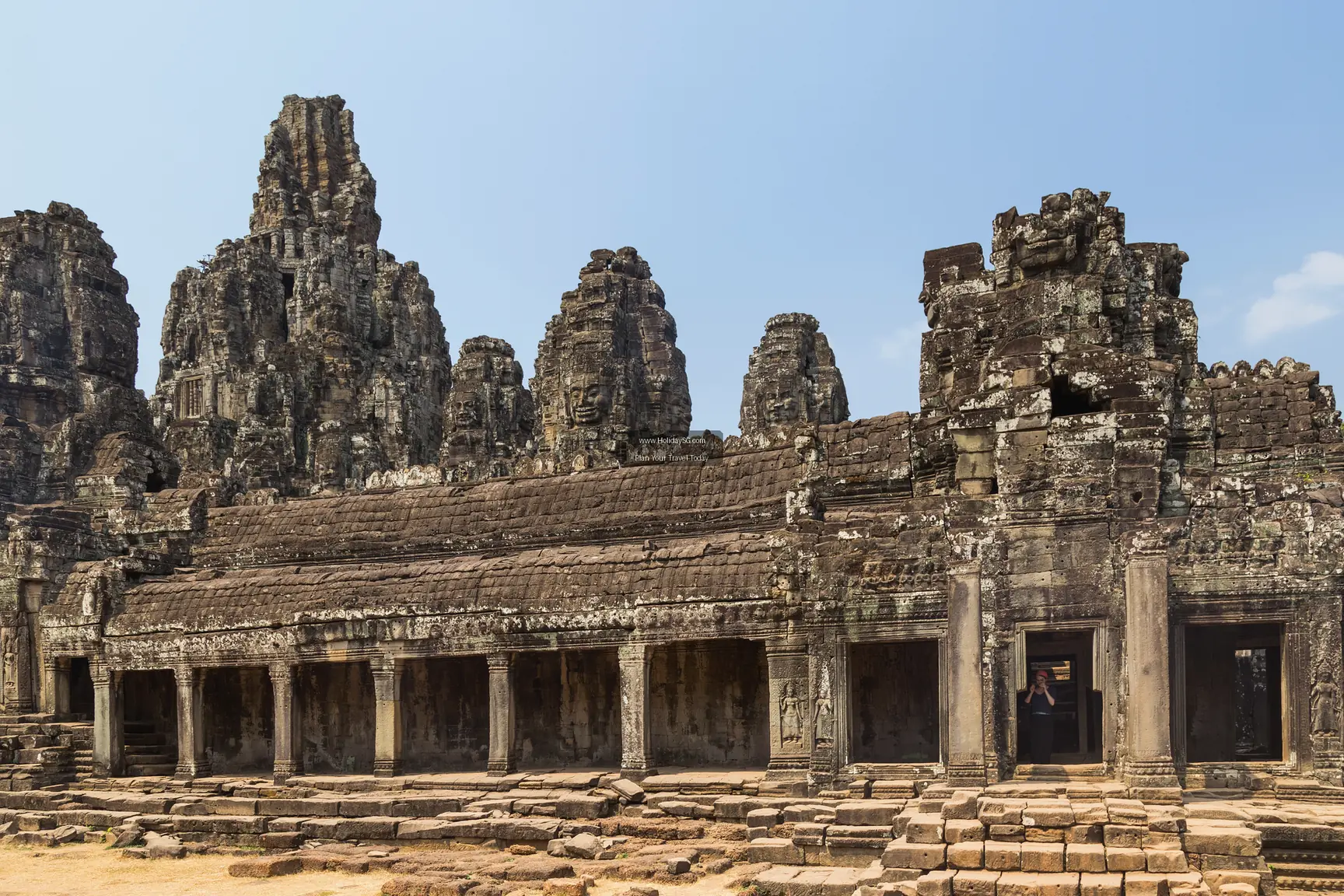
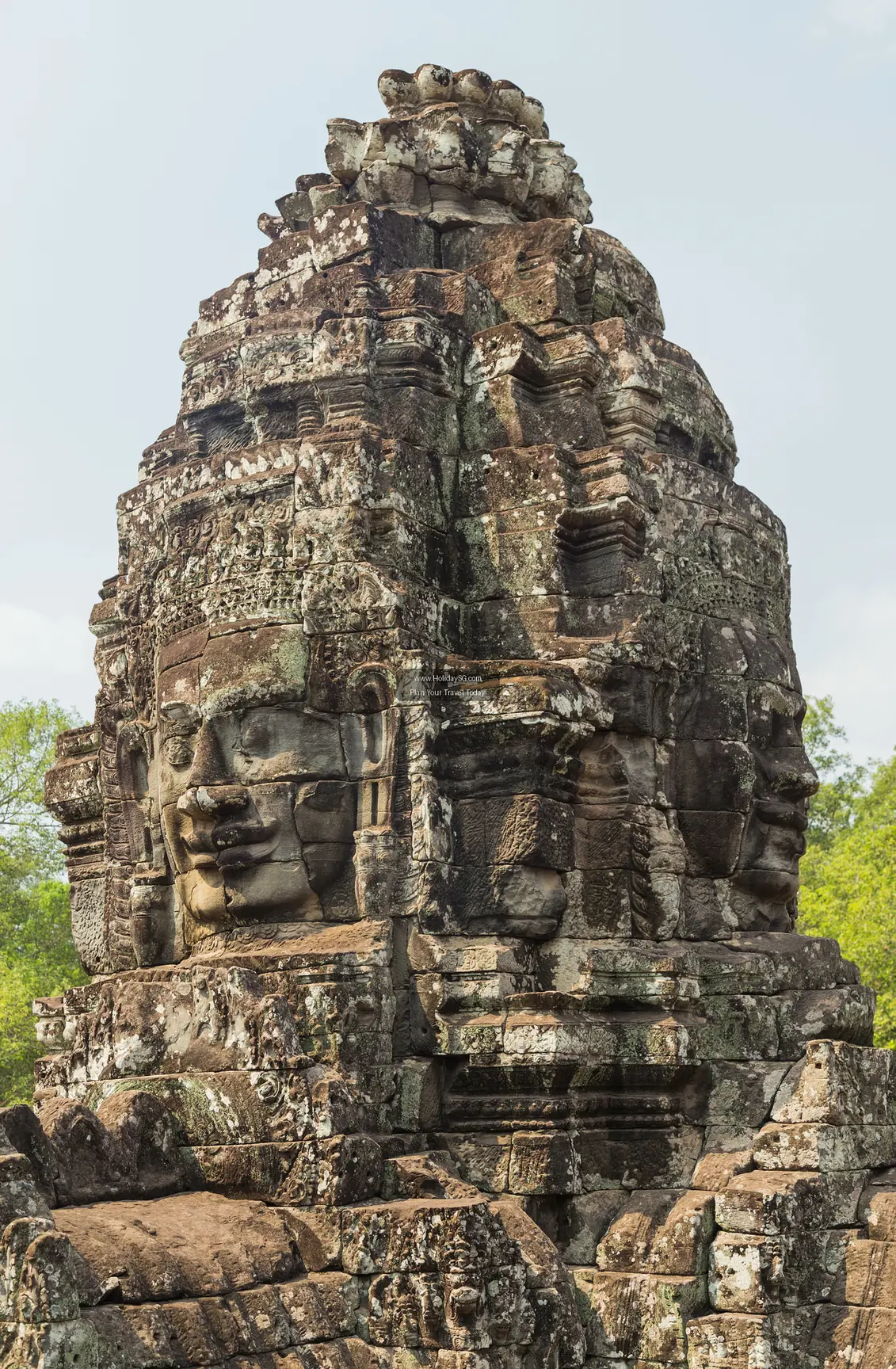
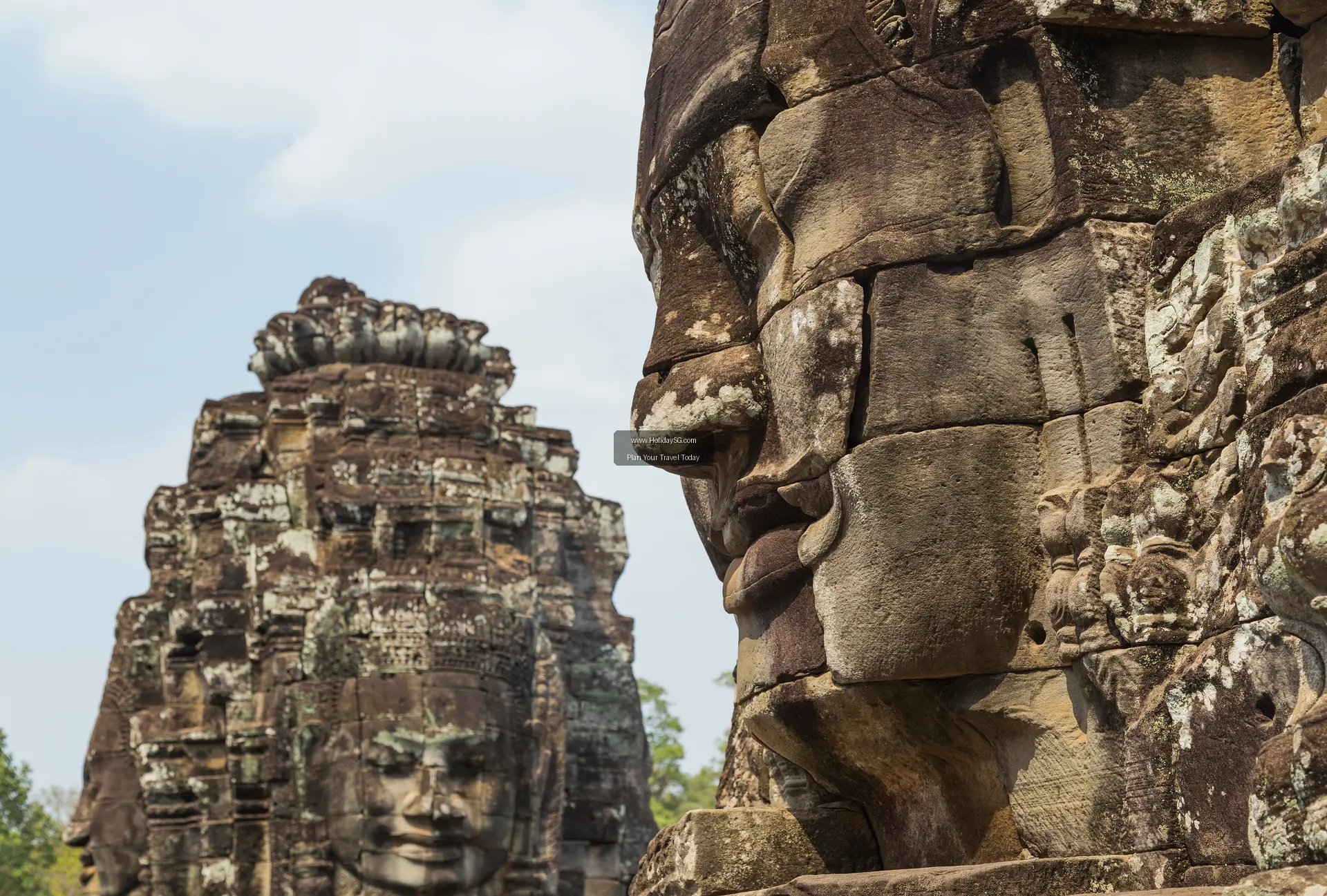
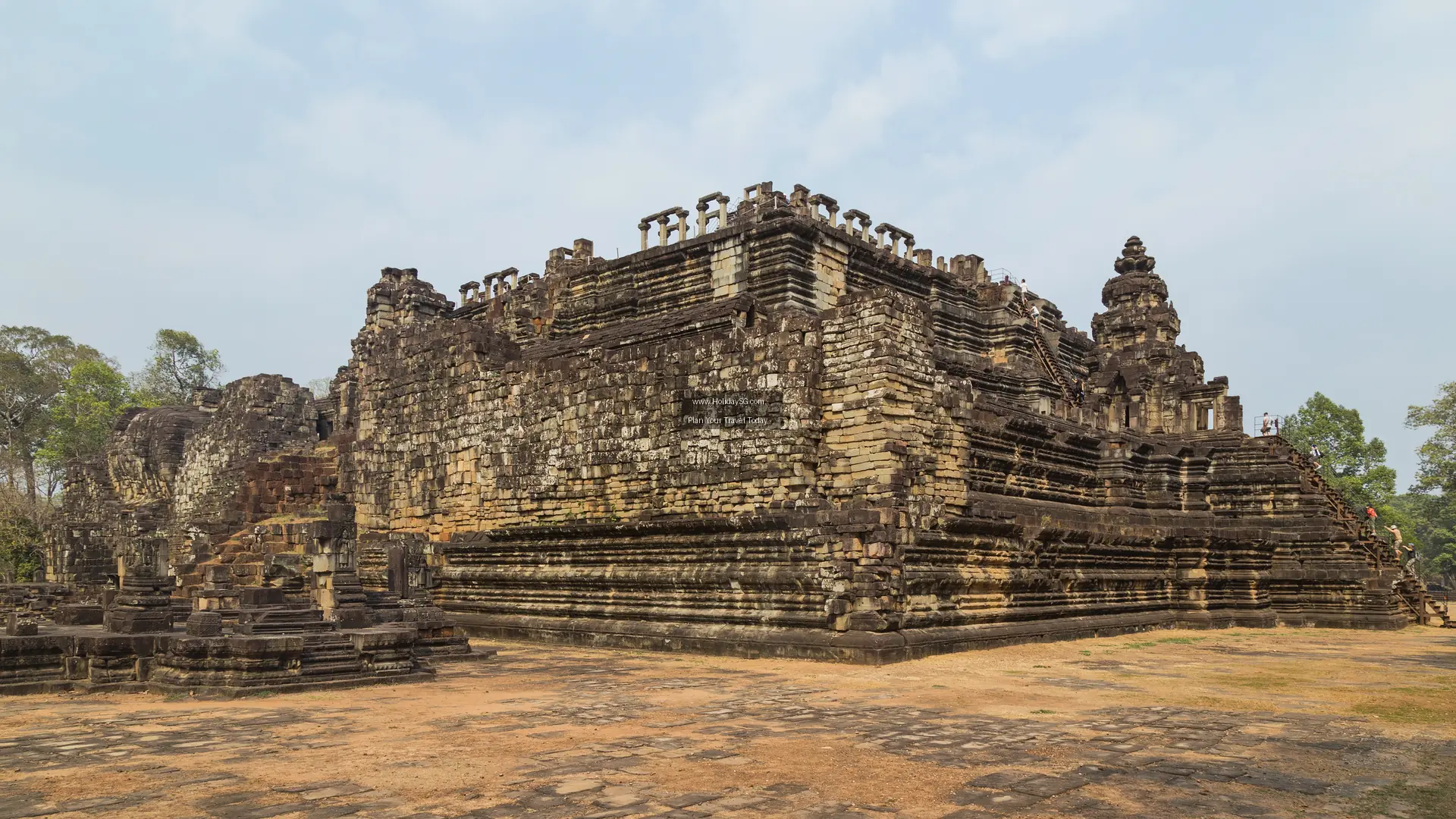
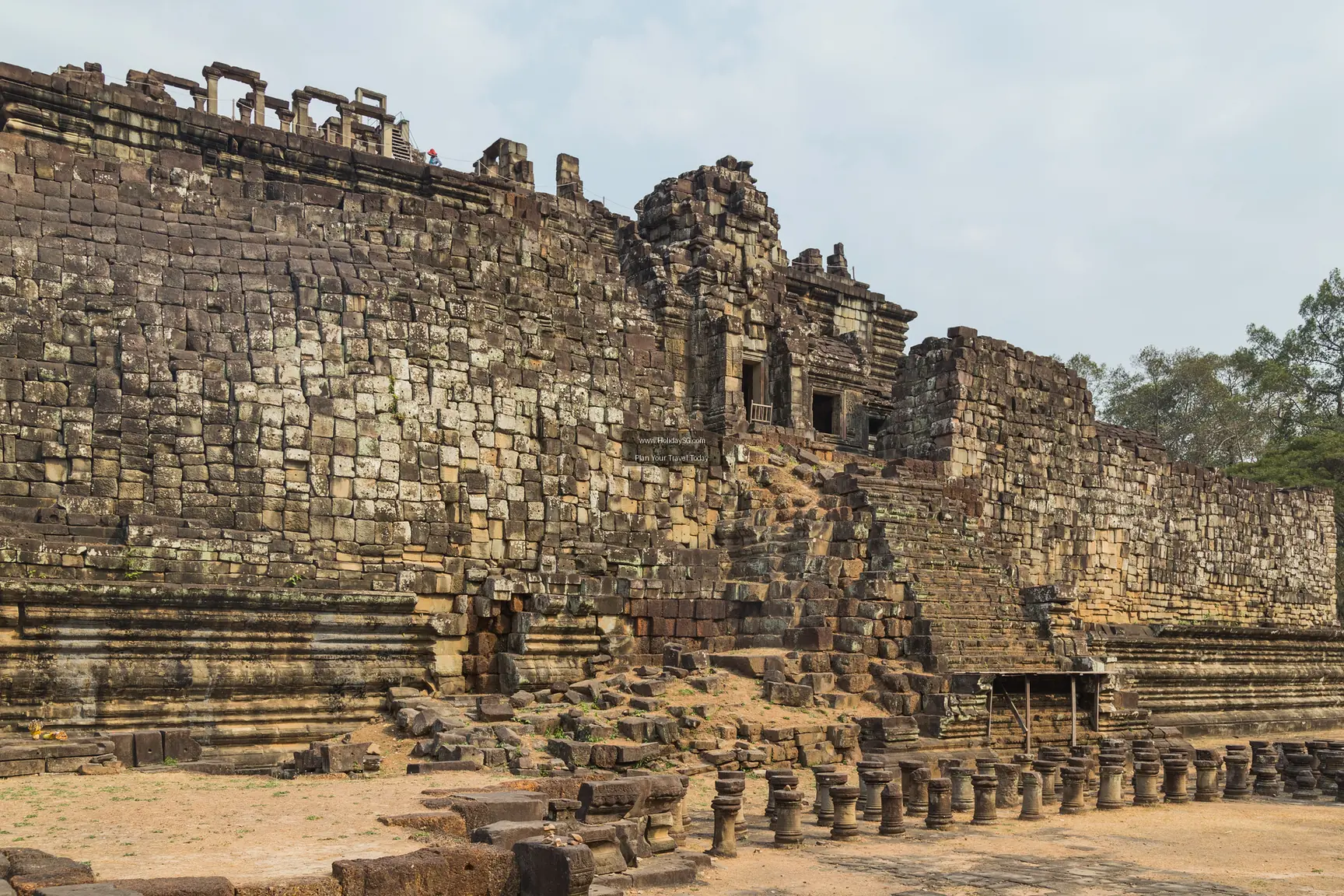
Start your day early to avoid the crowds and explore the iconic Bayon Temple, known for its massive stone faces. Continue to Ta Prohm, famous for its trees growing out of the ruins. Enjoy a picnic lunch at the nearby temple complex before returning to Siem Reap.
Day 3: Tonle Sap Lake and Banteay Srei
Take a day trip to Tonle Sap Lake, one of the largest freshwater lakes in Southeast Asia. Visit the floating villages and learn about local life on the lake. In the afternoon, explore Banteay Srei, known for its beautiful pink sandstone carvings.
Day 4: Angkor Thom and Ta Keo
Explore the ancient city of Angkor Thom, including the iconic Terrace of the Elephants and the Bayon Temple. Visit Ta Keo, a temple dedicated to Shiva, known for its unique architecture. Enjoy a relaxing evening in Siem Reap.
Day 5: Battambang and Departure
Take a day trip to Battambang, known for its colonial architecture and vibrant nightlife. Visit the Wat Ek Temple and explore the old town before returning to Siem Reap. In the evening, enjoy one last dinner in Siem Reap Town before making your way back home.
Recommended HolidaySG Tours
- Siem Reap Sunrise at Angkor Wat Temple Within 7km
- Siem Reap Car Transfer to Lunch/Dinner in City Around Trip Within 10km
- Siem Reap Bike Tour to Top Temples and Market
- Siem Reap Day Trip to Tonle Sap Lake
- Siem Reap Car Transfer to Battambang and Back
Ready to explore? Check out our Siem Reap Bike The Angkor Temples Full Day 30km Tour With Lunch →.
Book these with HolidaySG:
- Siem Reap Half Day Car Rental In City Within 20km
- Siem Reap Full Day Car Rental In City Within 20km
- Siem Reap Surise At Angkor Wat Temple Within 7km
- Siem Reap Car Transfer To Lunchdinner In City Around Trip Within 10km
Book with HolidaySG online for Siem Reap Bike The Angkor Temples Full Day 30km Tour With Lunch, Siem Reap Half Day Car Rental In City Within 20km, Siem Reap Full Day Car Rental In City Within 20km.
Frequently Asked Questions
Where can I book this / what’s the link?
Do foreigners (non‑citizens) need a different ticket, price, or visa for Cambodia?
Most non‑Cambodian visitors need a visa to enter Cambodia. Many nationalities can obtain an e‑visa online in advance or a visa on arrival at major entry points, usually for a fee of around US $30–$35. Ticket prices for attractions such as Angkor Wat are the same for all visitors, but some tours may offer discounted rates for children. Because visa policies can change, it’s safest to verify the latest requirements on the official Cambodian Ministry of Foreign Affairs website or the e‑visa portal before you travel.
What is the best time (season, or time of day for the site/activity) to go?
The ideal period to visit Siem Reap is during the dry season, from November to February, when temperatures are milder and rainfall is minimal. For the iconic Angkor temples, early morning (around sunrise) offers cooler temperatures, softer light for photography, and fewer crowds. Late afternoon, especially around 3–4 pm, is also pleasant for exploring the outer temple complexes before the heat builds up.
How much should a family expect to spend on a 5‑day Siem Reap itinerary?
Budget varies by travel style, but a mid‑range family of two adults and two children can expect roughly: accommodation US $80–$150 per night; meals US $30–$60 per day; private transport US $15–$25 per day; Angkor Pass US $37 per adult (children under 12 free); guided tours and activities US $150–$250 for a full‑day family guide plus optional extras. Overall, a comfortable budget ranges from US $1,200 to $1,800 for the entire 5‑day stay, excluding international flights.
Is Siem Reap family‑friendly and what should we pack for kids?
Siem Reap is very family‑friendly, with attractions that appeal to children such as the Angkor sunrise, the Angkor Butterfly Centre, and the floating villages on Tonle Sap. Most hotels offer child‑care services, swimming pools, and easy‑access rooms. Pack lightweight, breathable clothing, a hat, sunscreen, comfortable walking shoes, a reusable water bottle, a small day‑pack for snacks and wipes, a rain poncho for occasional showers, and a basic first‑aid kit with any necessary medication for children.
What things cost in Cambodia
Live HolidaySG prices for the experiences in this guide, so you can sanity-check a budget before you commit.
| Experience | Where | From price |
|---|---|---|
| 4 Hours Phnom Penh Capital Tour by Cyclo | Phnom Penh | From S$102.41 |
| Chamka Sne Boat Ticket | Phnom Penh | From S$16.00 |
| Angkor Lounge Siem Reap-Angkor International Airport | Siem Reap | From S$37.06 |
| (Free e-SIM) Classic Angkor Wat Sunrise or Sunset Full DayTour | Siem Reap | From S$16.40 |
| Siem Reap Car Charter Small Circle or Big Circle Tour with sun... | Siem Reap | From S$26.33 |
| Siem Reap Happy Horse Riding | Siem Reap | From S$85.64 |
| Tonle Sap half-day tour with free Hi-Tea at Shitamini hotel | Siem Reap | From S$94.16 |
| Cooking class at Shinta Mani | Siem Reap | From S$76.65 |
Quick answers
Do children need their own Angkor pass or can they share one ticket?
Children aged 12 and under enter the Angkor Archaeological Park without a ticket, making it significantly cheaper for families. Children aged 12 to 18 pay the child rate, which is roughly half the adult price. Each person must enter the gates and be counted, but young children will not need individual documentation.
What's the difference between a 1-day, 3-day, and multi-day Angkor pass for families?
A 1-day pass lets you see Angkor Wat at sunrise and a few other temples, but feels rushed with young children. A 3-day pass (valid over three consecutive days) is more realistic for families because it allows morning temples, afternoon rest time at the hotel, and evening returns when crowds thin. Most families with children under 10 benefit from the 3-day option rather than cramming everything into one exhausting day.
How early do we need to arrive at Angkor Wat for sunrise with kids?
Plan to leave your hotel by 5:00 AM to reach the western entrance by 5:30 AM, giving you time to find a good viewing spot before sunrise at around 6:15 AM (exact time varies seasonally). Young children will be tired, so consider bringing a stroller or carrier for toddlers, and pack water bottles because the site can be crowded and vendors charge inflated prices.
Can we hire a driver for the entire 5-day Siem Reap itinerary instead of booking group tours?
Yes, private drivers are widely available and often cost less than organised tours when split among a family. Hiring a driver gives you flexibility to rest when children are tired, skip sites that don't interest your family, and eat at local restaurants rather than tour-group lunch spots. Expect to negotiate rates directly with drivers through your hotel or driver-hiring services in Siem Reap.
Transportation options for your 5-day Siem Reap itinerary
Most families assume they must book a tour bus or hire a single driver for the entire trip. In reality, Siem Reap works better when you mix transport methods depending on each day's distance and how your children are managing heat and fatigue.
For temple circuits within the Angkor Archaeological Park (Days 1, 2, and 4), hiring a private driver or tuk-tuk for the full day is simpler than catching shared vans. Your driver can wait while you explore, adjust timing if a child gets overwhelmed, and drive slowly past roadside scenes that might interest older children. The cost per kilometre is reasonable when shared among four to six people.
For longer journeys like Tonle Sap Lake (Day 3) or Battambang (Day 5), minivan services with fixed routes leave from central Siem Reap and seat around eight passengers. These are cheaper than private hire but run to schedules and make scheduled stops, so they work well if your family is comfortable with a structured day. The drive to Tonle Sap takes approximately one hour; the drive to Battambang is two to three hours depending on road conditions.
Practical tip: Ask your hotel to arrange transport the evening before you travel so you know the pickup time and driver's name, rather than confirming on the morning of your trip when confusion and delays are more likely.
Angkor temple tickets and passes explained for families
Ticket pricing and eligibility rules confuse many families because children under 12 are free, but there's no consolidated family ticket. You'll buy passes at the Angkor Archaeological Park ticket office, located on the road between Siem Reap town and the temples, roughly 15 kilometres north-west of central Siem Reap.
How far in advance should we buy Angkor passes?
You can purchase passes on the same day you visit, and most ticket offices remain open until 5:00 PM. However, buying your pass the evening before saves time on sunrise mornings when queues build up quickly. If you decide to extend your stay or return for an extra day, you can always purchase additional passes without penalty.
Do we need to carry our passes at all times inside the park?
Yes. Rangers conduct random checks at major temples, and you must show your pass. Laminated passes withstand humidity and sweat better than paper, so consider requesting one at purchase or tucking passes into a small waterproof pouch.
The 3-day pass is valid for three full calendar days and can be used on non-consecutive days if you want a rest day mid-itinerary, though this is uncommon for families. Some families purchase a 1-day pass on arrival to visit Angkor Wat and one or two temples, then return home early rather than commit to the full 3-day experience. There's no premium for returning later—you simply specify your dates when buying.
Practical tip: Take a digital photo of each family member's pass number and purchase receipt on your phone in case a pass is lost or damaged during the day.
Pacing the 5-day Siem Reap itinerary with children of different ages
The itinerary assumes your family can handle four to six hours of temple walking daily, which works for children aged seven and up. Families with toddlers or children who tire easily should reshape the schedule to avoid frustration and meltdowns that turn cultural experiences into misery.
Is the 5-day itinerary realistic for children under seven?
Yes, but you'll need to reduce temple-walking time and build in rest days. Most children aged four to six can manage two to three hours of temple exploration before heat exhaustion or boredom sets in. Many families with young children spend Day 1 and Day 2 doing lighter activities like a morning at Angkor Wat followed by an afternoon swimming at the hotel pool, rather than visiting multiple temples in succession.
Which temples on the 5-day itinerary are most kid-friendly?
Angkor Wat itself is flat and relatively easy to navigate with young children because pathways are well-maintained. Ta Prohm, famous for its huge tree roots and jungle atmosphere, captivates older children (ages 8+) because it feels like a movie set or adventure scene. Bayon Temple's massive stone faces and carved galleries are visually striking for all ages but involve steep internal stairs that older kids navigate better. Tonle Sap Lake activities (boat tours, floating villages) appeal to children who prefer sitting and observing over walking.
Children aged 10 and up usually engage with the historical and architectural details when guides explain temple construction and carvings. Younger children respond better to stories (gods, legends, the jungle reclaiming temples) and concrete activities like spotting wildlife or climbing safe stairs.
Practical tip: Hire a guide for at least one full day who has experience leading families, as they'll know which temples to prioritise based on your children's ages and patience levels, and can tell stories that hold children's attention better than written signs.
Weather and seasons for your 5-day Siem Reap itinerary
Timing your trip around Cambodia's monsoon seasons dramatically affects your family's comfort. Many families book during the cooler, drier months without realising that this is peak tourist season with large crowds at temples and inflated accommodation prices.
When is the worst time to visit Siem Reap with children?
May to September is the south-west monsoon season, bringing daily afternoon downpours and high humidity. While rain makes early mornings cooler for sunrise temple visits, afternoon thunderstorms can strand your family indoors or turn temple exploration into a muddy, slippery experience. Children's shoes get waterlogged, stone steps become treacherous, and frustration levels spike when plans change unexpectedly. Malaria risk, though low in Siem Reap town itself, is higher during wet months in rural areas like parts of Tonle Sap.
What's the ideal season for a 5-day Siem Reap itinerary with kids?
November through February offers dry weather, lower humidity, and cooler temperatures (roughly 20 to 28 degrees Celsius), making temple-walking comfortable even for young children. This window is also when Tonle Sap Lake is at its highest level, so boat tours access floating villages more easily. The trade-off is that these months draw peak tourist crowds; temple queues form earlier, accommodation prices are highest, and popular restaurants and tour guides fill up quickly.
March and April are hot and dry but less crowded than peak season. Temperatures exceed 35 degrees Celsius, and children struggle with heat-related exhaustion during midday temple visits. Many families offset this by starting temples at 5:30 AM, resting from 11:30 AM to 3:30 PM at the hotel, then resuming evening exploration.
Practical tip: Book accommodation in advance if travelling November to February, as popular family-friendly hotels fill up months ahead. If you travel shoulder season (October or April), expect heat or occasional rain but enjoy lower room rates and smaller temple crowds.
Food safety and restaurant choices for families in Siem Reap
Stomach issues can derail a family trip faster than any other travel problem. While street food in Siem Reap is delicious and worth experiencing, families with young children or sensitive digestion need a practical approach to eating safely.
Which restaurants are reliable for families concerned about food safety?
Established restaurants in the Old Market neighbourhood (Krong Siem Reap) and around Angkor street cater to international tourists and maintain consistent hygiene standards. Restaurants like Malee Bai Toey (Thai cuisine) and Mahob Khmer (Cambodian) are well-reviewed by families because they offer familiar flavours alongside local dishes, have clean kitchens, and serve freshly cooked meals rather than pre-prepared food sitting at room temperature.
International hotel restaurants (even mid-range hotels) sterilise water, cook meat thoroughly, and maintain temperature controls, making them safer choices than unknown street stalls if your child has a sensitive stomach. The price premium is worth the peace of mind and reduced likelihood of illness disrupting your itinerary.
Are there Cambodian dishes that are safer or easier for children to digest?
Fish amok (steamed fish curry cooked in banana leaf) is cooked at high temperature and wrapped in layers, reducing contamination risk. Rice and noodle dishes are generally safer than raw vegetables; ask for cooked vegetables rather than fresh salads. Chicken dishes are lower-risk than seafood caught in Tonle Sap, which can carry parasites if undercooked. Request tap water as tap instead of ice water; most restaurants understand and provide bottled water instead.
Practical tip: Pack oral rehydration salts and child-friendly antimotility medication (after consulting your doctor before travel) so you can manage minor digestive issues without visiting a clinic and losing a day of your itinerary.
Health and safety considerations for a 5-day Siem Reap itinerary
Siem Reap itself is safe for tourists, with low crime rates in tourist areas. However, the tropical climate and temple exploration present different hazards than urban travel in developed countries, and your family needs practical preparation.
Should children take malaria medication for the 5-day Siem Reap itinerary?
Malaria risk in Siem Reap town and major temples is very low compared to rural forested areas. However, Tonle Sap Lake regions (where you'll travel on Day 3) have higher risk, particularly during wet season. Consult a travel medicine doctor four to six weeks before your trip; they'll advise whether medication is necessary based on your children's ages and the exact regions you're visiting. Most families visiting only central Siem Reap and daytime activities do not require malaria medication, but individual medical history varies.
What vaccinations do children need for Cambodia and the Siem Reap area?
Routine childhood vaccinations should be up to date. Typhoid and hepatitis A vaccines are commonly recommended for Cambodia travel; Japanese encephalitis vaccination is optional depending on itinerary and season. Your family doctor or travel medicine clinic will personalise recommendations based on your children's ages and health history. Book a consultation eight weeks before travel to allow time for multi-dose vaccine schedules.
Heat exhaustion is a real risk during temple exploration. Children overheat faster than adults and may not communicate thirst until they're already dehydrated. Bring water bottles for every family member, refill from sealed bottled water sources, take regular shaded rest breaks, and watch for signs like loss of appetite, irritability, or lack of sweating in the heat.
Practical tip: Research international clinics in Siem Reap (Angkor Hospital for Children, Khmer-Soviet Friendship Hospital) and save their phone numbers in your phone before you travel. English-speaking medical staff are available at larger facilities, reducing stress if a child falls ill.
More quick answers
Do children need their own Angkor pass or can they share one ticket? Children under 12 typically enter free on most Angkor temple passes, though this rule can change. Check the official Angkor Enterprise website before your trip to confirm age cutoffs and whether your specific pass type covers free entry for all your children.
Can we hire a private driver for the whole 5-day Siem Reap itinerary instead of group tours? Yes, absolutely. A private driver with air-conditioned vehicle costs significantly less than group tours when split among families and gives you flexibility to leave temples early if kids get tired or skip activities entirely.
What's the difference between 1-day, 3-day, and multi-day Angkor passes for families? One-day passes cover the main circuit in a single sunrise-to-sunset push (exhausting with young kids). Three-day passes let you spread temples across multiple mornings and afternoons, which works much better for children who tire easily. Multi-day passes (4+ days) are rarely worth it for a 5-day Siem Reap itinerary unless you're staying longer.
When is the worst time to visit Siem Reap with children? August through October brings intense monsoon rain, flooded roads around Tonle Sap Lake, and mosquito-borne illness peaks. November to February is the sweet spot: cool, dry, and best for family travel in Cambodia.
More angkor temple tickets and passes explained for families
Many families arrive at Angkor Wat expecting to buy tickets on the spot and waste an entire afternoon in queues instead. The Angkor Enterprise ticketing system operates from a single booth on the road to the temples, and lines can stretch 90 minutes during peak season. You'll need to show up with cash in Cambodian riel or US dollars, which means either changing money beforehand or visiting an ATM in town.
The three-day pass is the workhorse option for families doing the 5-day Siem Reap itinerary. It doesn't force you to use all three days consecutively; you can split temple visits across two days and take Day 3 for a rest day exploring Siem Reap Old Town or the markets near Pub Street. This pacing prevents the burnout that hits when you try to see Angkor Wat, Bayon, Ta Prohm, and Ta Keo in one relentless day.
Children's ticket eligibility varies by pass type and often depends on height rather than age. Bring your children's passport data pages just in case the ticketing officer asks for identification. Practically speaking, once you have your pass, you must carry it every time you enter temple grounds. Temple guards do check at the entrances to Angkor Wat, the Bayon, and Ta Prohm, so don't leave your passes in the hotel safe.
Sunrise at Angkor Wat creates magic—the temple reflects in the pond, the sky turns pink, and crowds are thinnest in the first hour after dawn. But "magic" requires arriving by 4:45 AM, which means waking your family at 3:30 AM and getting them into a tuk-tuk in near-darkness. If you have children under five or anyone prone to meltdowns when tired, consider skipping the sunrise push entirely.
A middle ground works better for many families: arrive at the Angkor Wat main gate by 6:15 AM. You'll miss the peak sunrise colors but catch soft morning light without the 4 AM wake-up. The ticketing booth opens at 5 AM, so you can buy your pass and be inside the temple by 6:30 AM, which still feels like an early start but doesn't destroy the day.
Bring a headlamp or phone flashlight for your kids so they can see the temple paths safely in low light. Many families rent a tuk-tuk driver for the night and pay him to wait; he'll have the vehicle running with air conditioning, which becomes a lifesaver if kids need to rest while you're exploring. The 6:15 AM arrival gives you two solid hours of temple exploration before the heat climbs and energy crashes.
Which temples on the 5-day Siem Reap itinerary are most kid-friendly?
Ta Prohm wins the "wow factor" for children because the jungle has reclaimed parts of the temple, with massive tree roots draped over stone walls like nature's playground. Kids see it as a real-life adventure game. However, Ta Prohm gets overwhelmed with tour groups by 9 AM, and the crowds destroy the experience. Visit it either before 7:30 AM or after 3:30 PM when most visitors have moved on.
Banteay Srei feels less imposing than the mega-temples because it's smaller and more intimate. The intricate carvings captivate children's curiosity, and it sits on the northern edge of the main temple circuit, so you can drive straight there without fighting crowds on the central roads. The 45-minute drive from your hotel is a trade-off: longer journey time, but quieter temple time.
Quick answers (part 3)
Do children need their own Angkor pass? Yes. Every person entering the temples requires a separate ticket, including children under 12. There are no child discounts or family bundles.
What's the difference between 1-day, 3-day, and multi-day passes for families? A 1-day pass covers sunrise to sunset in one visit. A 3-day pass spreads temple visits over three calendar days and costs roughly double, giving you breathing room with younger children. Multi-day passes are not a standard option beyond three days.
How early should we arrive for sunrise with kids? Arrive at your hotel's meeting point by 4:30 a.m. if your tour operator is collecting you. Independent visitors should reach the western gate of Angkor Wat by 5:15 a.m. to secure a spot before crowds build.
Can we hire a private driver instead of joining group tours? Yes. Many families prefer this for flexibility and comfort, though it costs more than shared tours. A private driver with air-conditioned vehicle typically charges per day, not per person, which favours larger families.
Checking current Angkor pass prices and ticketing rules for your 5-day itinerary
Angkor pass prices change without warning, and regulations shift season to season. Rather than relying on outdated figures, check the official Apsara Authority website directly before booking your 5-day itinerary. They publish current rates, ticket types, and any operational changes.
Tickets are printed on-site at the main gate, not sold online. Arrive early to avoid queues, especially if you're collecting passes for a full family. Peak hours for ticketing are 5 a.m. to 6 a.m., so arriving before 5 a.m. for sunrise visits means you'll also complete your ticket purchase quickly.
One practical detail: your pass photo is taken on the spot. Children often find the camera and booth unsettling, so prepare them mentally, and bring a small toy or snack reward for after. The ticket itself includes a colour photograph and must be worn visibly throughout your temple visits or you'll be turned back at checkpoint entrances.
Do we need to carry our passes at all times inside Angkor park?
Yes. Park rangers randomly check tickets at entry points to individual temples and at checkpoints along major routes like the road from Angkor Wat to Bayon Temple. Forgetting yours means a walk back to the gate or a stern warning.
A practical tip: laminate each pass in a clear plastic sleeve or use a small fabric neck pouch to keep tickets dry and legible. Sweat and humidity degrade the photo and bar code quickly. Children's passes are particularly fragile because smaller hands hold them less carefully.
How far in advance should families buy Angkor passes?
You cannot buy Angkor passes online in advance. Tickets are issued only at the gate on arrival, so no planning is required beyond showing up early. However, if you're booking a private guide or joining a tour operator, they typically collect your group and handle the ticketing process on your behalf, which saves time.
Arrange your transport and guide bookings 2–3 weeks beforehand if possible. During peak season (November to February), accommodation and driver availability tighten quickly. Purchasing your 5-day itinerary package early ensures you get your preferred time slots and the guide or driver you want, rather than settling for afternoon departures that don't suit young children's energy levels.
Things to book on this trip
Plan the rest of your trip
- HolidaySG eSIM plans for Cambodia - Buy a data plan before you fly and install it on your phone.
- Cambodia visa requirements - Check who needs a visa, the documents and the processing time.
- Hotels in Siem Reap, Cambodia - Compare hotels and check room rates for your dates.
