

Vacation packages in indonesia – compare vacation packages is exactly what this guide covers.
Vacation Packages in Indonesia: A Complete Comparison Guide
Indonesia is a dream destination for many Singaporean travellers, offering an incredible spectrum of experiences. You can find a package for every style of holiday, from a relaxing week in Bali’s luxury resorts to an adventurous liveaboard trip through Komodo National Park. But with so many options across thousands of islands, choosing the right vacation package can feel overwhelming. This guide breaks down the most popular Indonesian holiday itineraries, compares costs, and gives you the practical advice needed to book with confidence.
Indonesian vacation packages range from classic 7-day Bali retreats to 14+ day multi-island adventures. Your choice depends on your budget, time, and interests—whether it’s culture, diving, or pure relaxation. Key planning factors include timing your visit for the dry season (April-Oct), understanding package inclusions, and arranging the right visas and inter-island transport.
Exploring Popular Package Itineraries
Ready to go? HolidaySG eSIM plan for Indonesia.
The Classic Bali Retreat (7-10 Days)
This is the quintessential introduction to Indonesia. These packages typically focus on the cultural heart of Ubud, with its rice terraces, art markets, and yoga studios, combined with the beach vibes of Seminyak or the iconic sunset views at Tanah Lot temple. A standard package includes airport transfers, 4-5 star accommodation, daily breakfast, and guided tours to major sites. For a more active twist, consider an Ubud Adventure Cycling tour through the countryside.
- Best for: First-time visitors, couples, and families seeking a blend of culture and relaxation.
- Pacing: Relaxed with optional activities. Expect 1-2 guided tours per day with free time.
The Island Hopping Adventure: Bali & Lombok (10-12 Days)
This package expands your horizons beyond Bali. After exploring Bali’s highlights, you’ll travel east to the more rugged and less crowded island of Lombok, known for its pristine beaches and the majestic Mount Rinjani. It often concludes with a few nights in the Gili Islands, where you can swim with turtles and enjoy a car-free paradise. The journey itself becomes part of the adventure, using fast boats to hop between islands.
- Best for: Adventurous couples, solo travellers, and those wanting to see a different side of Indonesia.
- Pacing: Active and fast-paced, with regular travel days between destinations.
The Komodo & Flores Expedition (5-7 Days)
This is a bucket-list trip focused on one of the world’s most unique natural wonders. Packages usually involve a 3-5 day liveaboard cruise through Komodo National Park, offering the chance to see Komodo dragons in their natural habitat on Rinca Island, snorkel or dive at world-class sites like Batu Bolong, and relax on the famous Pink Beach. Alternatively, land-based tours from Labuan Bajo on Flores provide a shorter, more economical option.
- Best for: Wildlife enthusiasts, divers, snorkelers, and those seeking a true expedition.
- Pacing: Activity-intensive. Liveaboards are immersive, with scheduled hikes, dives, and snorkel sessions.
The Cultural Deep Dive in Yogyakarta (4-6 Days)
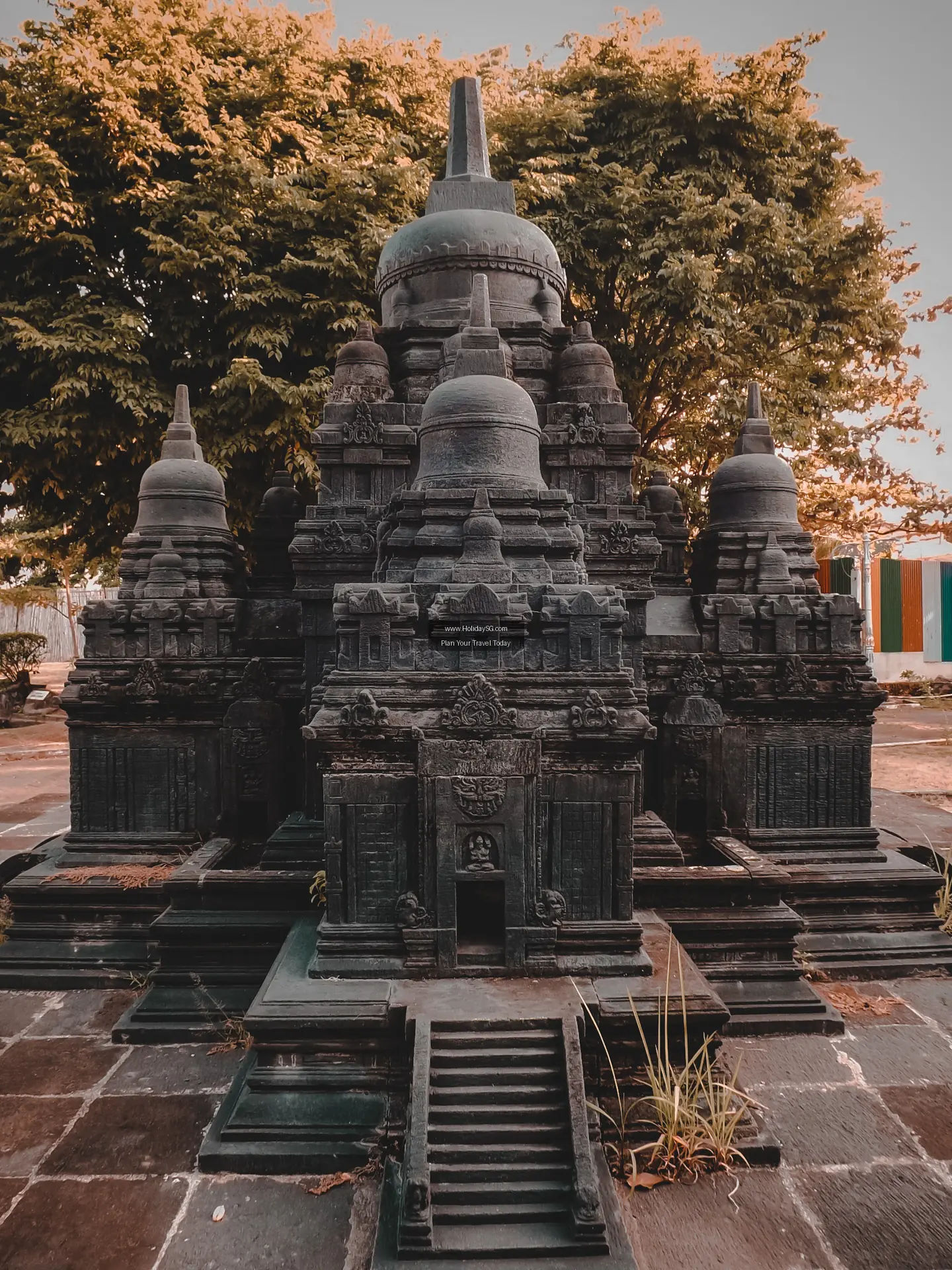
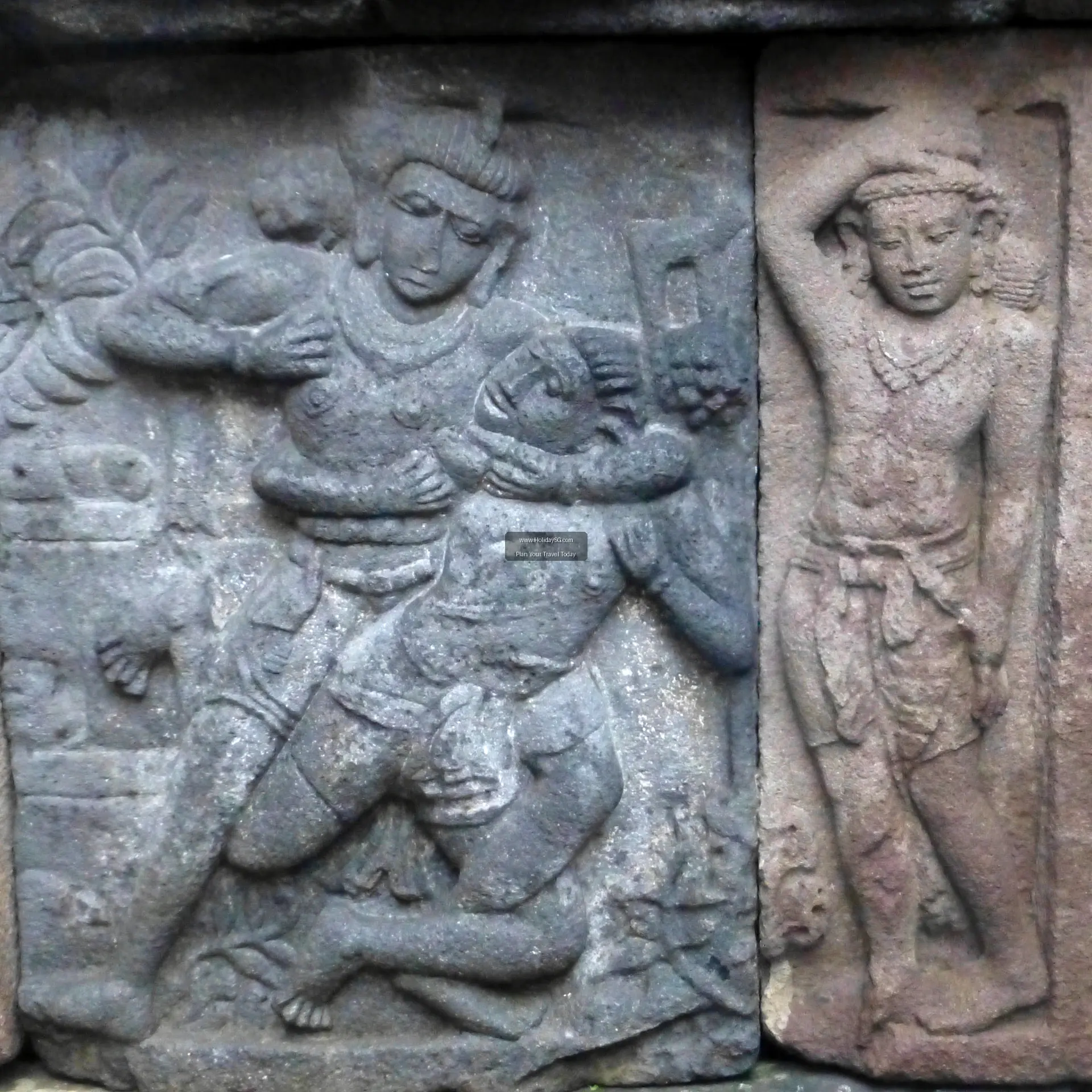
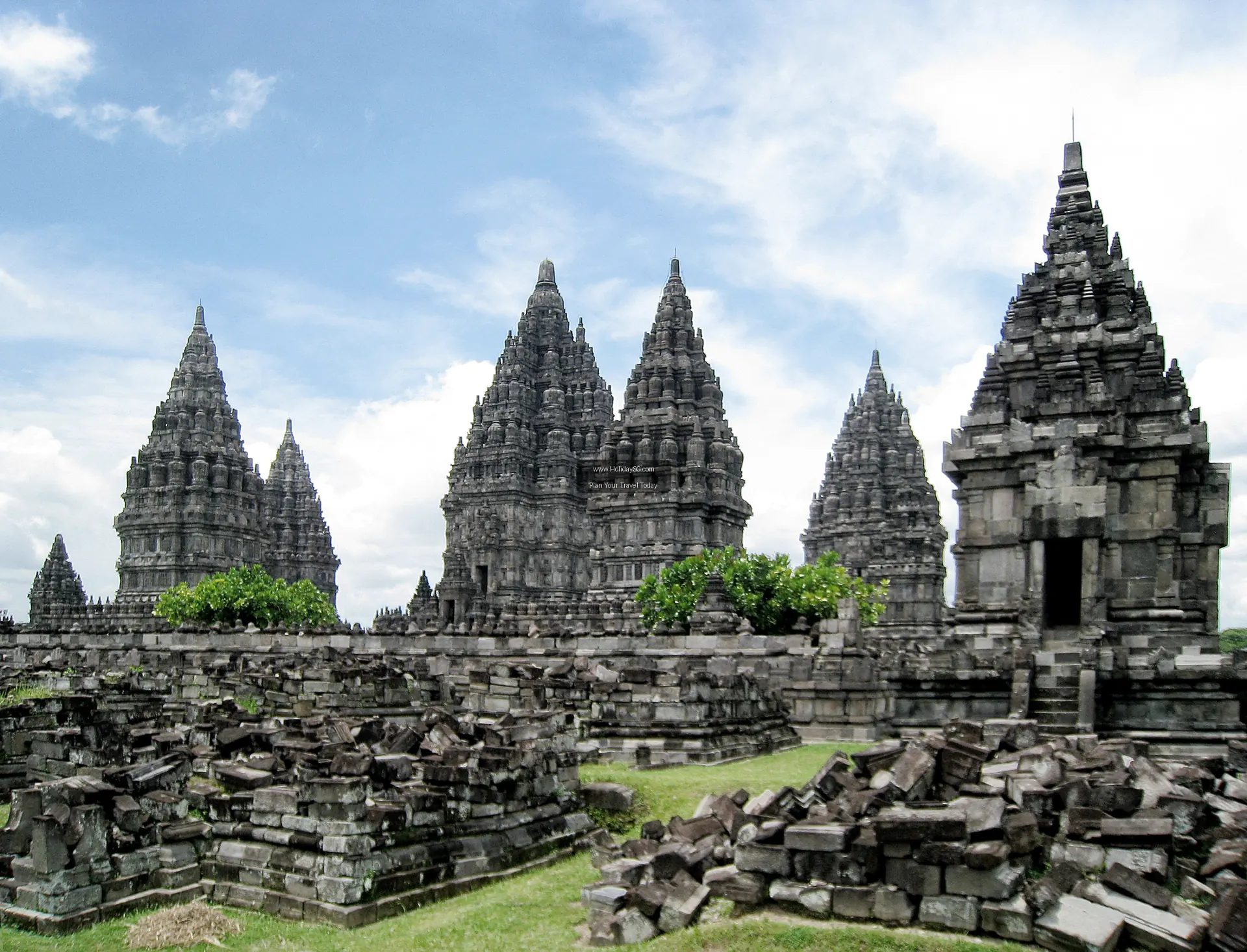
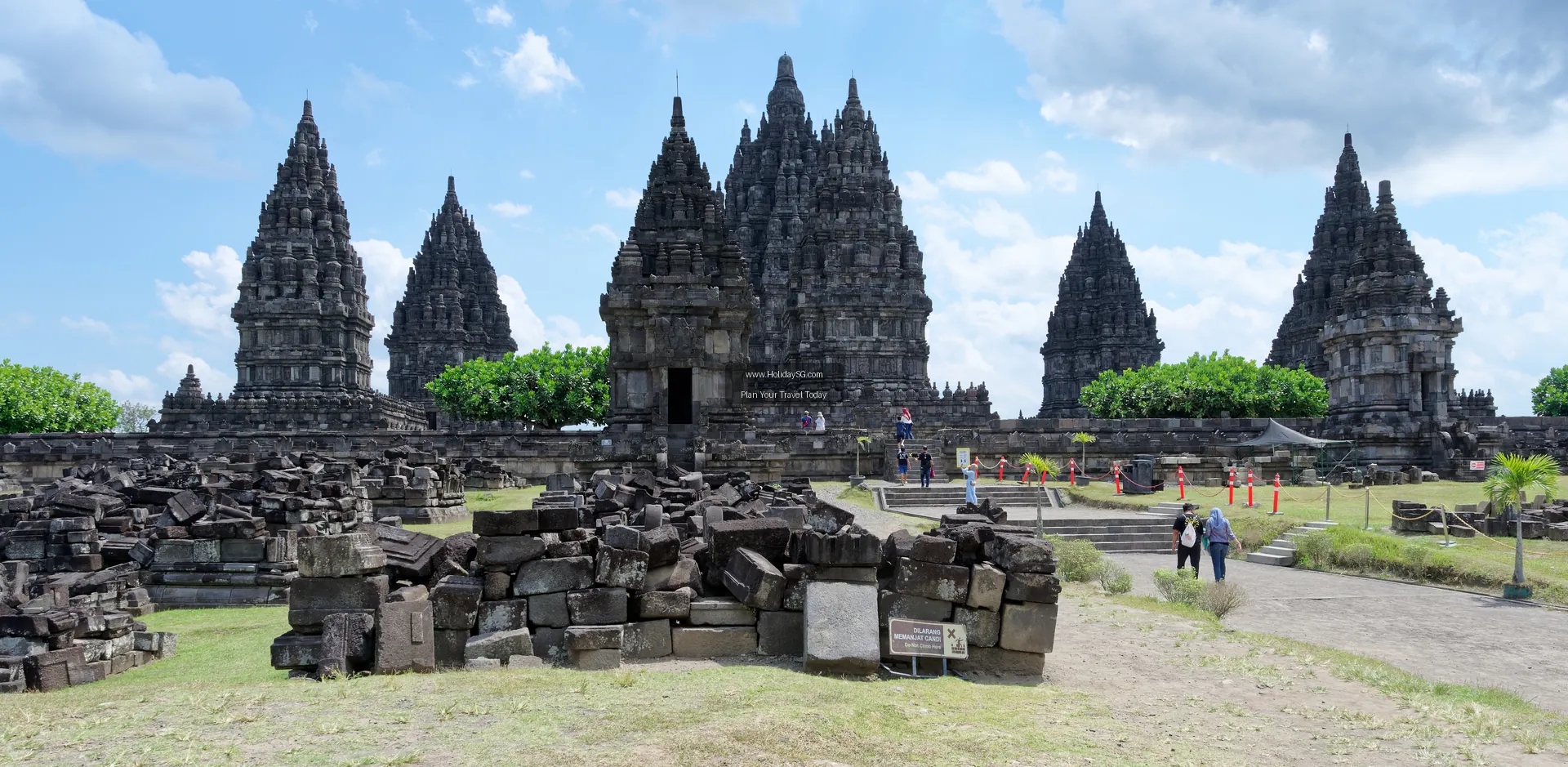
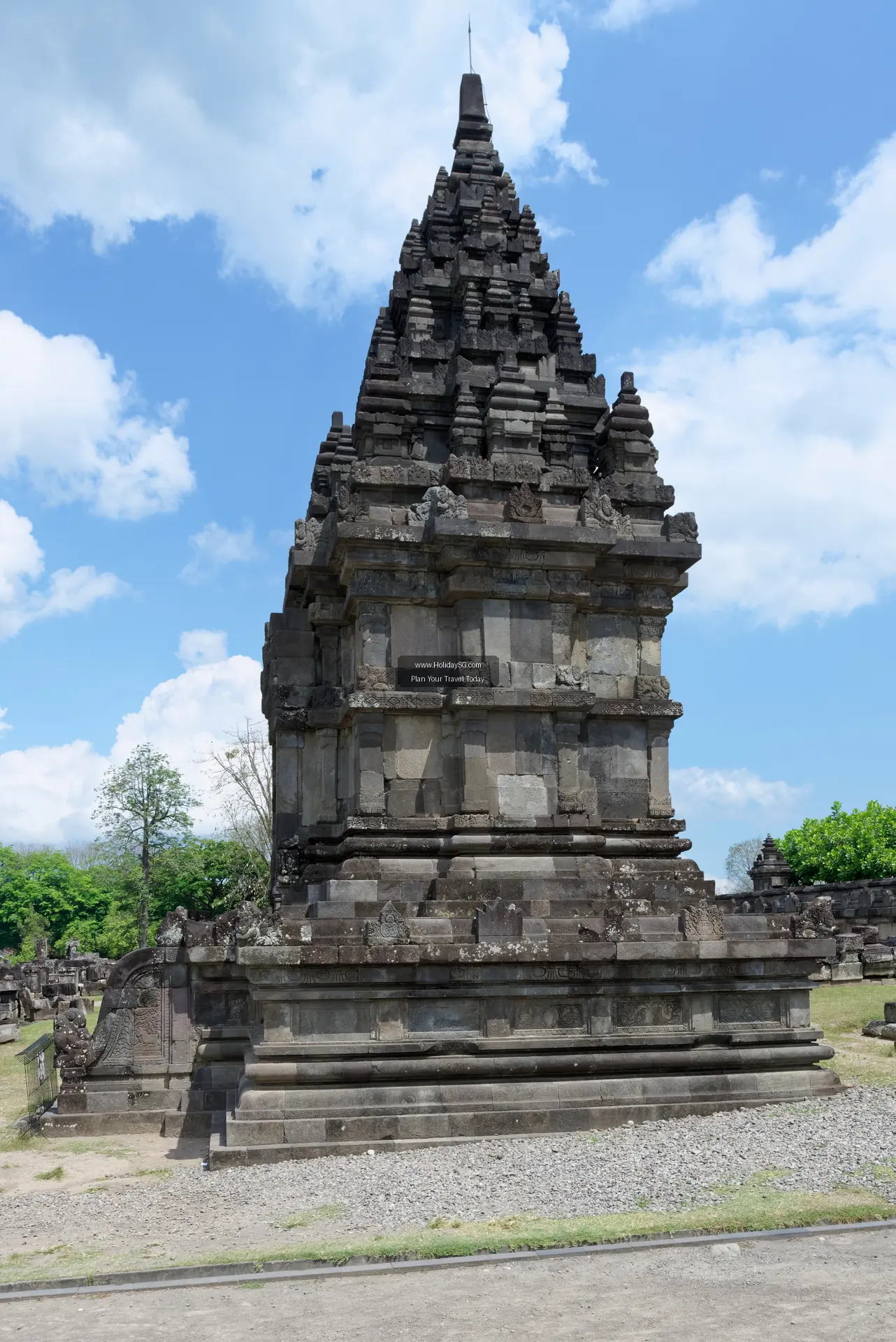
For a profound cultural immersion on the island of Java, Yogyakarta is unrivalled. Packages here centre around witnessing the sunrise over the ancient Buddhist temple of Borobudur and exploring the intricately carved Hindu complex of Prambanan at sunset. You’ll also discover the Sultan’s Palace (Kraton), traditional batik workshops, and vibrant street art. It can be easily combined with a beach extension in nearby Semarang or Solo.
- Best for: History buffs, culture lovers, and photographers.
- Pacing: Moderate, with significant time spent exploring archaeological sites.
The Ultimate Luxury Escape in Raja Ampat (7+ Days)
For pristine marine biodiversity and remote luxury, Raja Ampat in West Papua is the pinnacle. Packages here command a premium due to the region’s remoteness and high conservation fees. You’ll stay in an overwater bungalow or liveaboard, with days spent snorkelling or diving with manta rays and thousands of fish species in the world’s richest coral triangle. This is a true escape from the ordinary.
- Best for: Luxury travellers, serious divers and snorkelers, and nature purists.
- Pacing: Relaxed but activity-focused around the water. Travel to get here is part of the journey.
The Multi-Island Grand Tour (14+ Days)
This is the “greatest hits” of Indonesia, often tailored to your interests. A custom itinerary might weave together the culture of Yogyakarta, the beaches of Bali and Lombok, and the wildlife of Komodo. While it offers an unforgettable breadth of experience, it requires careful planning to avoid travel fatigue. These packages are for those with ample time who want to see as much as possible in one trip.
How to Compare Packages: Key Decision Factors
Budget Tiers: What Does Your Money Buy?
Your daily budget dramatically changes the experience.
- Budget ($50-$100/day): Focuses on 2-3 star guesthouses, basic transportation, and simple meals. Tours are often group-based. Expect more public transport and self-guided exploration.
- Mid-Range ($100-$250/day): The sweet spot for many. Includes 4-star hotels, a mix of private and group tours, most meals, and greater comfort. This is where most curated packages land.
- Luxury ($300+/day): Features 5-star resorts or private villas, private drivers, exclusive guided tours, fine dining, and premium inclusions. Costs skyrocket in remote areas like Raja Ampat or Komodo.
Duration & Pacing: Avoiding Travel Fatigue
Be realistic about travel time. A “10-day Bali & Lombok” package includes at least two inter-island travel days. For a shorter trip of 5-7 days, focusing on a single region like Bali or a Yogyakarta culture trip allows for a more relaxing pace. Our guide to Indonesia’s island highlights can help you prioritize if time is tight.
Inclusions vs. Add-Ons: Decoding the Fine Print
Always compare what’s included. Standard packages cover accommodation, airport transfers, daily breakfast, and a few guided tours. Common add-ons that cost extra include scuba diving, snorkelling trips to special spots, spa treatments, lunches and dinners, and entrance fees to specific temples or parks. Ask for a detailed itinerary with clear cost breakdowns.
Timing Your Trip: Weather, Crowds, and Cost
Ready to go? HolidaySG eSIM plan for Indonesia.
High Season vs. Low Season
The general dry season from April to October offers the best weather, with July and August being the absolute peak for crowds and prices, especially during school holidays. The wet season (November-March) brings daily tropical showers, but also lush green landscapes, fewer tourists, and significantly lower prices. Booking during the shoulder months of April-May or September-October often provides the best balance.
Regional Variations are Key
Indonesia’s weather isn’t uniform. While Bali and Lombok follow the classic dry/wet pattern, areas further east like Komodo and Flores can have slightly different rainy periods. Raja Ampat’s best diving conditions are actually during its rainy season (November-April). Always research the specific region you’re visiting.
Practical Planning Essentials
Visas and Entry for Singaporeans
Singaporean passport holders can enter Indonesia visa-free for up to 30 days for tourism. This is for a single entry and cannot be extended. For longer stays, you can opt for a Visa on Arrival (VOA) which is extendable once. Regulations can change, so always check the latest Indonesian immigration website before booking.
Flights and Getting Around
Most international flights land at Ngurah Rai International Airport (DPS) in Bali or Soekarno-Hatta (CGK) in Jakarta. Domestic flights on carriers like Lion Air, Garuda, and Batik Air are essential for hopping between islands efficiently. For shorter distances, such as Bali to Lombok or the Gili Islands, fast boats are a popular and scenic option. Within an island, hiring a private car with a driver for the day is surprisingly affordable and the most convenient way to see the sights without stress.
Health, Safety & Cultural Etiquette
Ready to go? HolidaySG eSIM plan for Indonesia.
Staying Safe and Healthy
Ensure routine vaccinations are up-to-date. Drink only bottled or purified water. When booking activities like volcano treks or scuba diving, always choose reputable, licensed operators. It’s wise to purchase comprehensive travel insurance. For a reliable connection to stay in touch or check maps, consider an HolidaySG eSIM plan for Indonesia before you depart.
Respectful Travel
Indonesia is predominantly Muslim, with Hindu and Christian minorities. Dress modestly when visiting temples and villages—cover shoulders and knees. A sarong is required and usually available for rent at temple entrances. Always ask for permission before taking close-up photos of people. A respectful attitude will be met with incredible warmth.
How to Book Smartly
Compare packages on reputable online travel agencies, but also consider booking directly with local Indonesian tour operators for potentially better value and customization. Read recent traveler reviews on multiple platforms. Ask your provider key questions about group sizes, guide qualifications, exact inclusions, cancellation policies, and what happens in case of bad weather.
Recommended HolidaySG Tours
Ready to go? HolidaySG eSIM plan for Indonesia.
- Ubud Adventure Cycling – A perfect active addition to a classic Bali package.
- Tubing Sungai Oyo – A fun, adventurous excursion to complement your Yogyakarta cultural tour.
- Taman Mini Indonesia Indah – An excellent cultural overview if you have a layover in Jakarta.
- Up At Thamrin Nine – A modern Jakarta viewpoint experience, great for a city stopover.
Choosing Your Indonesian Dream
Whether you opt for the reliable charm of a Bali retreat, the thrill of a Komodo expedition, or the cultural richness of Yogyakarta, Indonesia delivers unforgettable memories. Use this comparison to match a package to your travel style, budget, and timeframe. With its blend of natural beauty, deep culture, and warm hospitality, Indonesia awaits your next great adventure.
Book with HolidaySG online for Esim Indonesia Telkomsel Unlimited Travel Sim Indonesia Global, Taman Mini Indonesia Indah, Ubud Adventure Cycling.
Frequently Asked Questions
Where can I book these activities in Indonesia?
You can book each specific activity through the following links: For the essential travel SIM, get the HolidaySG eSIM plan for Indonesia. To explore cultural themes, visit Taman Mini Indonesia Indah. For a biking tour, book the Ubud Adventure Cycling. For a unique city view, reserve a spot at Up At Thamrin Nine. For river tubing adventure, schedule the Tubing Sungai Oyo.
Do foreigners (non-citizens) need a different ticket, price, or visa for Indonesia?
Generally, many attractions list separate (often higher) prices for international tourists compared to Indonesian citizens. Entry requirements, including visas, can change. Most nationalities can obtain a Visa on Arrival (VoA) or a Visa-Free Entry for a limited period, but it is crucial to check the latest official regulations from the Indonesian immigration authorities or your country’s foreign affairs website before you travel to ensure you have the correct visa for your trip.
What is the best time (season, or time of day for the site/activity) to go?
The best time to visit Indonesia is during the dry season, which typically runs from April to October. For outdoor activities like Ubud Adventure Cycling or Tubing Sungai Oyo, mornings are ideal to avoid the midday heat and potential afternoon rain showers. Indoor attractions like Up At Thamrin Nine or Taman Mini Indonesia Indah can be visited year-round.
How long should I spend in Indonesia for a good vacation?
A minimum of 7 to 10 days is recommended to experience more than one region without feeling rushed. For example, a classic 10-day itinerary might include 3-4 days in Jakarta, 4-5 days in Bali for beaches and culture, and 2-3 days in Yogyakarta for temples and adventure.
What is a typical daily budget for a tourist in Indonesia?
Daily costs vary widely. Budget travelers can manage on $25-50 USD per day (staying in hostels, eating at warungs, using local transport). Mid-range travelers should expect $50-150 USD per day for comfortable hotels, restaurant meals, and guided tours. Luxury travel has no upper limit.
Is Indonesia a family-friendly destination?
Yes, Indonesia is very family-friendly. Many hotels and resorts have kids’ pools and clubs. Attractions like Taman Mini Indonesia Indah are designed for all ages. Activities like gentle Ubud Adventure Cycling tours on quiet roads can be suitable for older children.
What are the main regions/cities to visit for a first-timer?
For first-timers, the most popular regions are Bali for its beaches and Hindu culture, Yogyakarta on Java for the iconic Borobudur and Prambanan temples, and the capital Jakarta for its museums and urban life. Lombok and the Gili Islands are also excellent for a more relaxed beach vibe.
What should I pack for a trip to Indonesia?
Pack lightweight, breathable clothing that covers shoulders and knees for temple visits. Bring high-SPF sunscreen, a reusable water bottle, insect repellent containing DEET, and a universal power adapter. A light rain jacket or poncho is essential, even in the dry season. Comfortable walking shoes are a must.
How easy is it to get around Indonesia?
In cities, you can use ride-hailing apps like Grab or Gojek for affordable and convenient motorbike or car rides. Between major islands, domestic flights are quick and numerous. For shorter distances, tourist buses or private car hires are common. In Bali, renting a scooter is popular but requires an international driving permit and caution.
Is Indonesia safe for tourists?
Indonesia is generally safe for tourists, but standard travel precautions apply. Be mindful of petty crime like pickpocketing in crowded areas. Respect local customs and dress modestly when visiting religious sites. It’s also wise to check current travel advisories for specific regions, particularly in more remote areas.
What is the local etiquette I should know?
The left hand is considered unclean, so use your right hand for giving and receiving items. When visiting a home or temple, it’s polite to remove your shoes. A smile and a gentle nod are common forms of greeting. Always ask for permission before taking photographs of people.
What’s the food like and are there options for dietary restrictions?
Indonesian cuisine is delicious, featuring rice, noodles, and rich spices. Nasi goreng (fried rice) and satay are national favorites. Vegetarian and vegan options are widely available, especially in tourist areas like Bali. For other allergies, communicating them clearly in Bahasa Indonesia or with a translation card is recommended.
Do I need to get any vaccinations before traveling?
Consult your doctor or a travel health clinic well in advance. Routine vaccinations should be up-to-date. Hepatitis A and Typhoid are often recommended for travelers. Depending on where you are going and for how long, vaccines for Hepatitis B, Rabies, or Japanese Encephalitis might be discussed.
What is the electrical voltage and plug type used?
The standard voltage is 230V, and the frequency is 50Hz. Plugs are predominantly type C and F, the same as those used in most of Europe. It’s advisable to bring a universal travel adapter.
Is drinking tap water safe in Indonesia?
No, tap water is not considered safe to drink. It’s best to drink bottled, filtered, or purified water. Use bottled water for brushing your teeth as well. Most hotels and restaurants provide bottled water.
How can I stay connected with internet access?
The easiest option is to purchase a local SIM card with a data plan upon arrival at the airport. Alternatively, you can order an eSIM in advance for instant connectivity, like the HolidaySG eSIM plan for Indonesia. Most hotels, cafes, and restaurants in tourist areas offer free Wi-Fi.
What are some must-try local experiences or attractions?
Witness a traditional Balinese dance performance, take a sunrise hike up Mount Bromo on Java, explore the vibrant underwater world through snorkeling or diving, and enjoy a traditional Indonesian massage at a local spa.
Are credit cards widely accepted?
In major cities and tourist areas, credit cards (Visa and Mastercard are most common) are accepted at hotels, large restaurants, and shopping malls. However, for smaller shops, markets, street food, and rural areas, you will need cash (Indonesian Rupiah – IDR). ATMs are readily available.
What’s the best way to handle money and currency?
Indonesian Rupiah (IDR) is IDR (Indonesian Rupiah). It’s best to exchange money at official banks or licensed money changers for better rates and security. Notify your bank of your travel dates to avoid card blocks. Using ATMs is a convenient way to withdraw cash as needed.
Can I use my mobile phone and what’s the best way to communicate?
Yes, your unlocked phone will work with a local SIM card or HolidaySG eSIM plan for Indonesia for data and calls. Many locals and tourism workers speak basic English, especially in tourist hubs. Learning a few basic phrases in Bahasa Indonesia, like “Terima kasih” (Thank you) and “Selamat pagi” (Good morning), is appreciated.
Are there any specific items I should not bring into or out of Indonesia?
Indonesia has strict laws against drug trafficking, with severe penalties including life imprisonment. Do not carry packages for others. It is also illegal to export coral, protected shells, and products made from endangered species. Check customs declarations carefully.
What things cost in Indonesia
Live HolidaySG prices for the experiences in this guide, so you can sanity-check a budget before you commit.
| Experience | Where | From price |
|---|---|---|
| 10 Min - 100 Min Bali Helicopter Tours | Departing from Canggu | Bali | From S$150.47 |
| 10 Min - 100 Min Bali Helicopter Tours | Departing from Nusa D... | Bali | From S$150.47 |
| 4WD Jeep Caldera Sunrise Experience by Bali Volcano Jeep | Bali | From S$52.69 |
| 4WD Jeep Mount Batur Sunrise Experience by Bali Volcano Jeep | Bali | From S$60.13 |
| Black Lava Tour | Bali | From S$154.57 |
| Cimory Dairyland Farm Theme Park Gowa | Makassar | From S$4.00 |
| Seafood Dinner in Jimbaran Bali by New Dewata | Bali | From S$6.59 |
| Dairyland Farm Theme Park Prigen | Surabaya | From S$4.00 |
Questions to Ask Before You Sign Any Indonesia Package
A package can look complete on a brochure and still leave gaps once you arrive. Before you agree to anything, ask what exactly is included, which airports and ports are used, and whether internal transfers are private or shared. In a country made of thousands of islands, a transfer that is listed as one line may hide a ferry, a domestic flight and a long road trip. Write down the answers and keep them with your booking so there is no confusion on the day.
Ask who the operator is and what happens if a flight is delayed or a boat is cancelled. Good operators explain their rebooking process in plain language. If the answer is vague, treat that as a warning sign and compare another option. You can also ask for the cancellation and change terms in writing, because these are the rules that matter most when plans shift.
Finally, check the meeting points. Many Indonesian tours start from hotel lobbies, harbours or small offices in busy districts. Note the exact address, the contact number and the time to be ready. A clear pick-up plan is worth more than any extra excursion in the brochure.
Matching a Package to Your Interests, Not Just Your Dates
Indonesia offers very different holidays inside the same archipelago. A family who loves beaches and gentle snorkelling will enjoy a different package from a couple who want volcano treks, surf lessons or temple visits. Start with the activity you would be most disappointed to miss, then build the rest of the package around it. This approach often produces a better trip than choosing the most popular route.
Consider how much you enjoy moving between places. Some travellers are happy to spend one week in one resort and visit a single island in depth. Others want variety and accept more travel days in return. Neither style is wrong, but a package that suits one can exhaust the other. Be honest about your energy levels in the heat and humidity before you choose the number of stops.
Sumatra and Sulawesi: Less Crowded Alternatives
Most packages focus on Bali, Lombok, Java and Flores, but Indonesia's larger islands offer quieter trips. Sumatra has rainforest, lakes and wildlife areas that suit travellers who want nature without large resorts. Sulawesi is known for its unusual shape, marine parks and diving, and for the cultural traditions of its highland villages. These areas usually require more planning, so a package that handles flights and local guides can be a sensible choice.
Expect fewer English-speaking drivers outside the main tourist centres, and allow extra time for road journeys. Roads in mountain regions can be slow after rain, and internet access may be limited. A reputable guide makes these trips far easier, so ask how many guides are assigned and whether they carry a first-aid kit and a local phone.
Are all-inclusive packages worth it in Indonesia?
All-inclusive packages can be useful for families or first-time visitors who prefer one point of contact for every transfer. They are less useful when your interests change once you arrive, because fixed meals and schedules can limit flexibility. Compare the list of inclusions with what you would buy anyway, and check the official source for current entry rules before you commit to any dates.
Ferries, Domestic Flights and the Real Cost of Moving Around
Moving between islands is the most common surprise for visitors. Ferries can be slow and sometimes rough, while domestic flights are quicker but depend on weather and schedule changes. A package that combines both will usually spend a meaningful part of the holiday in transit. Count the travel days in each option, then ask how many hours of each day are spent on the move rather than in a place you came to see.
Leave a buffer day before international flights, especially if your route crosses a sea passage. Ferry timetables can change for weather, and a missed boat can cost a full day. Keep a copy of your itinerary offline, and make sure your guide has your mobile number as well as the hotel name.
Packing and Climate: Dressing for Heat, Rain and Cool Mountain Nights
Indonesia is hot and humid for most of the year, but highland areas such as Bromo and the Dieng Plateau can be cool at night. Pack lightweight clothing that covers the shoulders and knees for temples and villages, plus one warm layer for early mornings on volcano routes. Quick-dry fabrics help in the rainforest, and a light rain jacket is useful in every season.
Bring sun protection, a refillable water bottle and insect repellent with a strong formula. Shoes with good grip matter more than fashion on wet trails and boat decks. Keep valuables in a small waterproof pouch when you are on open boats, and carry a copy of your travel insurance details.
Working Out Your Own Package Cost Checklist
Comparing packages is easier when you list the same items for each one. Write down the flights, hotels, transfers, activities, meals, tips, entry fees, travel insurance and any internal flights or ferries. Then mark which items are included, which are optional and which are paid on the spot. A package with a lower headline figure can cost more once you add the items it leaves out.
Check the currency and the payment method in every quote. Ask whether any fee is added for card payments, and whether the figure is shown in Singapore dollars or in another currency. Our team can explain the amount on your booking, but always confirm the final total in writing before you pay, and check the official source for any current government charges that apply to your trip.
Reading the Itinerary Line by Line Before You Pay
Once you have shortlisted two or three packages, read each daily itinerary line by line. Look for the start time, the length of each activity and the travel time between stops. A day that lists three sights often means several hours on the road, and a sunrise trek usually needs a pick-up before dawn. Mark any day that feels too full, because those are the days most likely to cause fatigue or missed connections.
Check whether the itinerary says which meals are included and where they are served. Some packages give a lunch voucher for a restaurant that may be far from the afternoon activity. Ask whether bottled water is provided on tours and boats, since it is an easy item to forget in a tropical climate and can add up over a long trip.
Local holidays and observances that change your plans
Indonesia's religious and national holidays can shift opening hours, transport and the mood of a destination. Before you choose a package, check whether your dates fall on a major local observance. On the Balinese day of silence, streets are quiet and the island's airport largely closes, and visitors are expected to stay indoors and keep the noise down. During the fasting month of Ramadan, some restaurants and shops change their hours, and the atmosphere in the evenings is different. A package that suits one time of year may need a different schedule at another.
Ask your provider how they handle these days. A good operator will tell you in advance if a tour is paused, a meal is moved or a transfer time changes. If a package does not mention local holidays at all, put the question to them in writing. The answer will tell you a good deal about how carefully the trip has been planned.
Boat trips, watersports and sea conditions
Many packages include boat rides, snorkelling trips or diving days, and all of them depend on the sea. Wind and swell can change from one morning to the next, and a crossing that looks calm from the harbour may feel rough once the boat leaves. Ask whether the boat has life jackets for every passenger, whether a crew member is trained in first aid, and what the plan is if conditions become too rough to continue.
If you tend to feel seasick, bring the tablets or patches your doctor recommends and take them before you board rather than after. Choose a seat near the middle of the boat, where the motion is usually gentler, and keep your eyes on the horizon. For snorkelling and diving, be honest about your swimming ability. A reputable operator will match you to a suitable activity and will not push you into water you are not comfortable in.
Tipping guides and boat crews is common practice in many parts of the country. If someone has looked after you well on a long day, a small tip in cash is a welcome gesture, and it is worth asking your provider what they expect so you are not caught out at the end of the trip.
Things to book on this trip
Plan the rest of your trip
- Indonesia visa requirements - Check who needs a visa, the documents and the processing time.
- Hotels in Indonesia - Compare hotels and check room rates for your dates.
