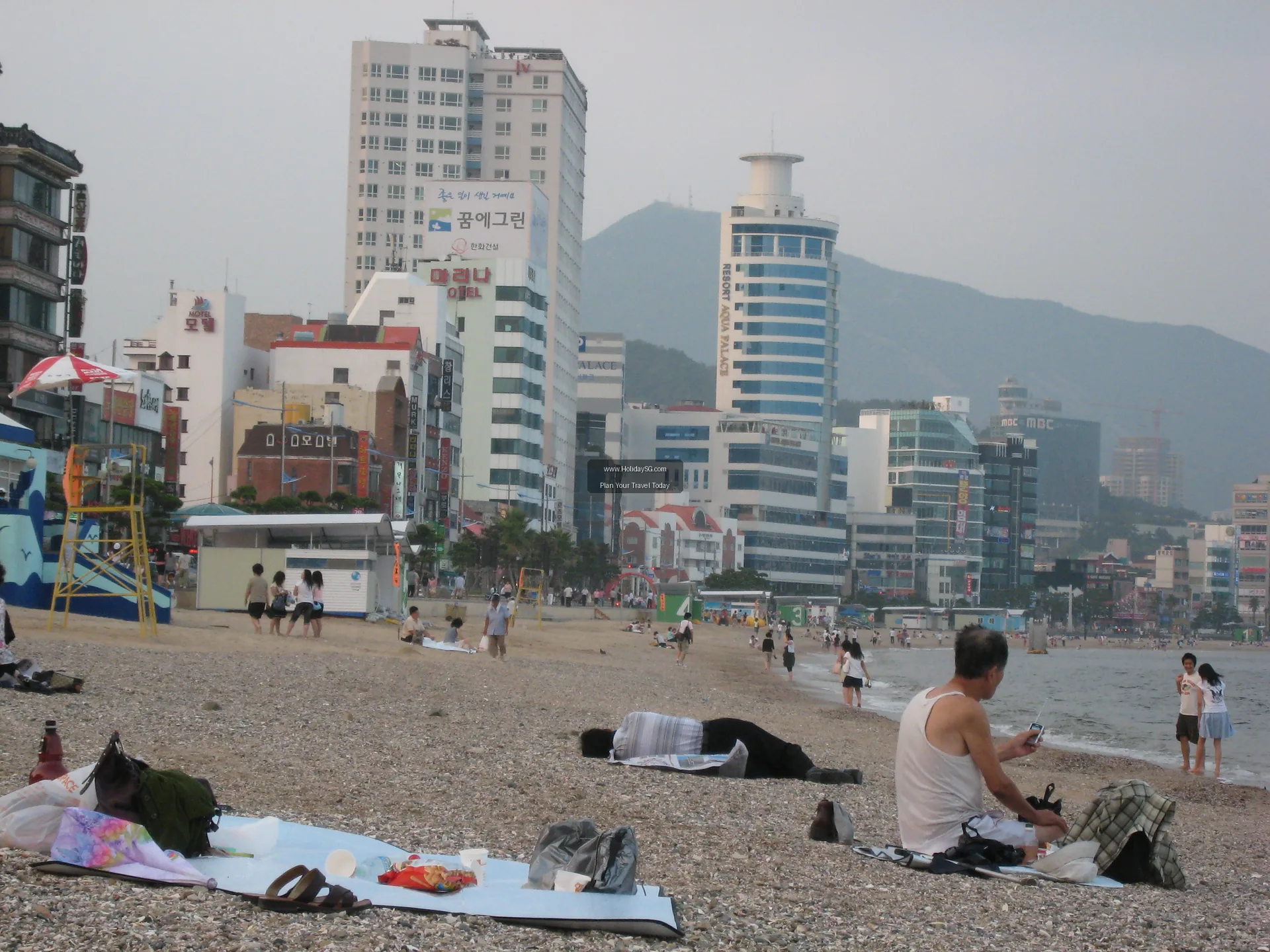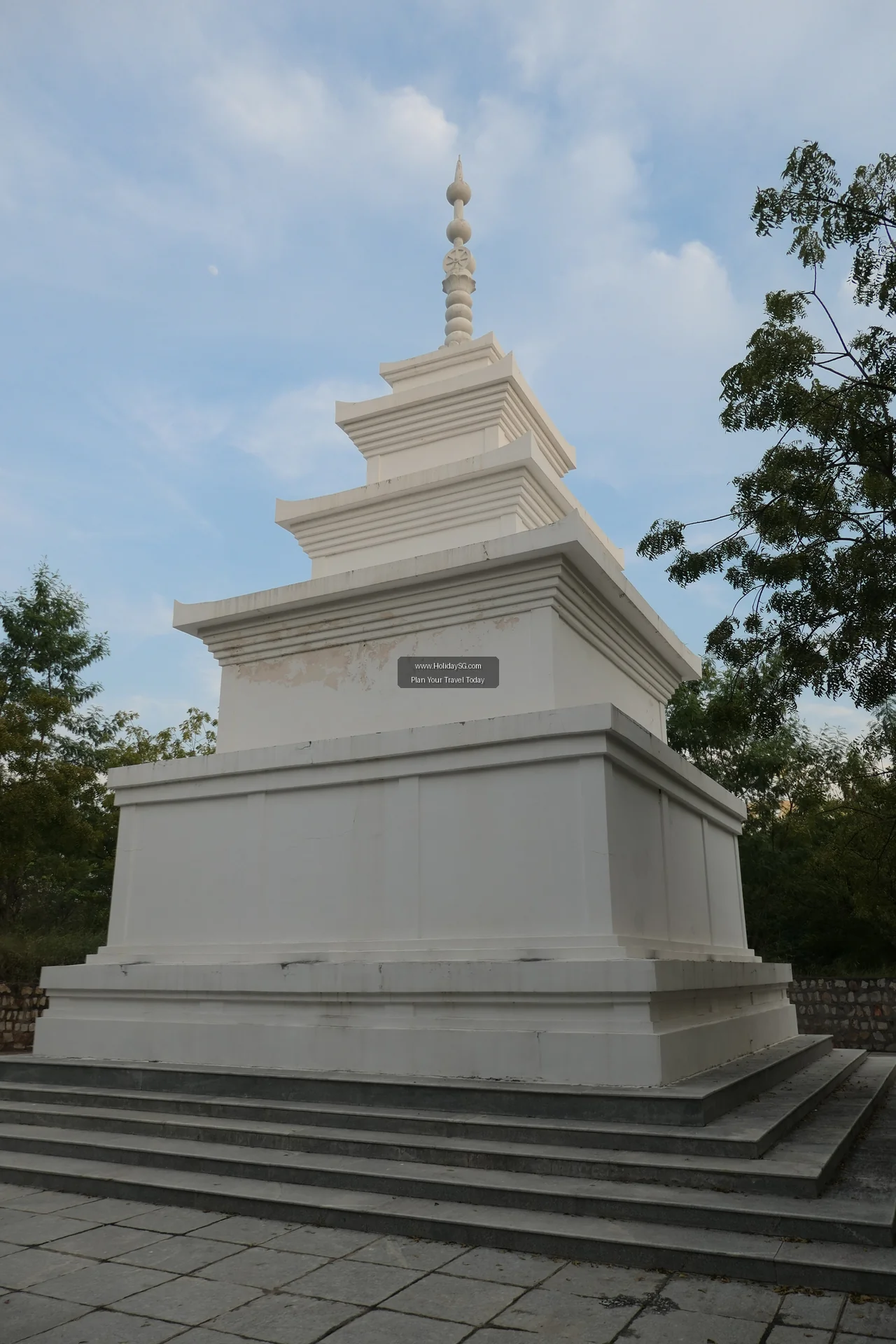

Here is something most people do not realise until they are standing on the platform at Busan Station: you can be walking between thousand-year-old royal tombs in Gyeongju in roughly the time it takes to cross Singapore by MRT at rush hour. Busan is Korea's second city and a brilliant base in its own right, all beaches, fish markets and hillside villages, but it also sits at the centre of a surprisingly rich corner of the country. Ancient capitals, island harbours, mountain temples and a whole different city with its own food culture are all within a day's return journey.
The catch is choice. Look at a map of Gyeongsangnam-do and Gyeongsangbuk-do, the two provinces that wrap around Busan, and it is tempting to try to see everything. This guide is here to help you pick well. We have pulled together what actually works as a day trip from Busan, how long each one really takes door to door, who each trip suits, and a few honest notes on what to skip. We have also cleared up some confusion you may find elsewhere online: a few places often listed as "day trips from Busan" are nowhere near Busan at all.
Prices mentioned are HolidaySG "from" prices at the time of writing (September 2026). Train times, bus times and opening hours change with the season, so treat anything time-sensitive as a starting point and check on the day.
The short answer: which day trip suits you?
If you only have one spare day, this table should settle it. Journey times are typical one-way estimates from central Busan and can stretch at weekends and in peak seasons.
| Day trip | Why go | Typical one-way time | Effort | Best for |
|---|---|---|---|---|
| Gyeongju | The old Silla capital: royal tombs, temples, a lit-up palace pond | About 30–40 min by KTX to Singyeongju, then local bus or taxi; around 1 hr by intercity bus | Easy | First-timers, history lovers, families |
| Tongyeong | A pretty harbour town, mural village, cable car over island-dotted sea | Around 2 hrs by express bus | Moderate | Photographers, seafood lovers, slow travellers |
| Geoje | Island scenery, a famous botanical island garden, clifftop viewpoints | Around 1–1.5 hrs by bus to Gohyeon, plus local transfers | Moderate to high without a car | Garden lovers, couples, drivers |
| Tongdosa (Yangsan) | One of Korea's most important Buddhist temples, set in pine forest | Around 30–50 min by bus | Easy | Quiet half-day, temple lovers |
| Ulsan | Rocky coastal park, early sunrises, an industrial city with a softer side | Around 20–30 min by KTX to Ulsan Station, plus buses | Easy to moderate | Coastal walkers, repeat visitors |
| Daegu | A big inland city with markets, cafés and mountain temples | Around 45–60 min by KTX | Easy | Food lovers, shoppers, city people |
| Gijang and the east coast (within Busan) | The seaside temple, sky capsules along the old railway line | 40–60 min by metro/bus or tour | Easy | Anyone short on time |
If you are torn, go to Gyeongju. It is the one trip we have never heard anyone regret, and it is so easy that you can decide at breakfast and still be back in Busan for dinner at Jagalchi.
Before you go: getting around from Busan
Busan is well connected, but the options can feel muddled if you have not used Korean transport before. Here is how it breaks down.
KTX and other trains
The KTX high-speed train runs from Busan Station, which is on metro Line 1 near the old port. It is the quickest way to Gyeongju (Singyeongju Station), Ulsan and Daegu. The catch is that KTX stations are often built on the edge of town, so the time you save on the train you can partly lose getting from the station into the centre. Singyeongju Station, for example, is a bus or taxi ride from the tomb area. Slower trains also leave from Bujeon Station in the Seomyeon area for some routes, which can suit you if you are staying there.
If you plan to use trains a lot across a longer Korea trip, a rail pass can be worth doing the maths on. The Korea KTX / KORAIL 2-, 3-, 4- or 5-day pass is from around S$69.33 on HolidaySG (at the time of writing, September 2026). For a single trip to Gyeongju and back it will not pay off, but if you are combining Busan day trips with a train to Seoul, it often does. Passes usually have rules about seat reservations and which trains you can use, so read the conditions before relying on it.
Intercity and express buses
Buses are the unsung heroes of Korean travel. They go directly into town centres, they are cheap, and for places like Tongyeong or Geoje they are the only sensible public option. Busan has two main terminals: Busan Central Bus Terminal (Nopo, at the northern end of metro Line 1) for routes heading north and east such as Gyeongju and Tongdosa, and Busan Seobu (West) Bus Terminal at Sasang for routes heading west such as Tongyeong and Geoje. Getting the terminal wrong is one of the most common mistakes visitors make, so check before you leave the hotel.
Guided day tours
A tour makes the most sense when the sights are spread out and poorly served by public transport, or when you simply want someone else to handle the logistics. Gyeongju is a great example: the headline sights are several kilometres apart, and a guided day lets you see Bulguksa, the tomb park and the city centre without juggling bus timetables. The Gyeongju UNESCO World Heritage Site and Sky Capsule day tour from Busan is from around S$109 on HolidaySG (at the time of writing, September 2026) and pairs the ancient capital with a ride on Busan's coastal sky capsules.
Driving
Renting a car opens up Geoje and the south coast beautifully, but you will generally need an International Driving Permit that is valid for Korea, and city driving in Busan is not relaxing. For most visitors on a short trip, trains and buses are enough.
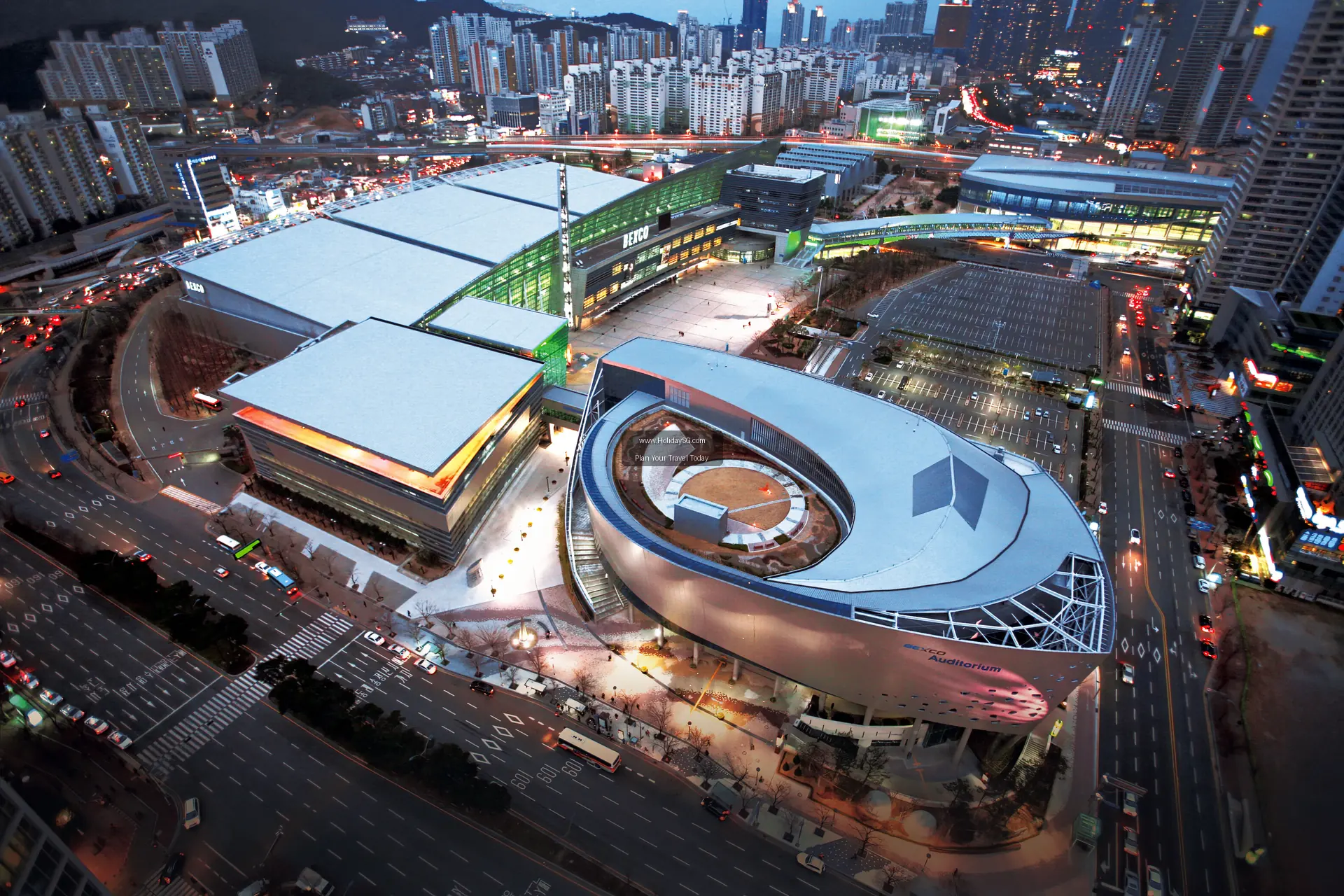
Gyeongju: the museum without walls
For nearly a thousand years Gyeongju was the capital of the Silla kingdom, which eventually unified much of the Korean peninsula. What makes it special today is not one big monument but the density of history. Grassy royal burial mounds rise between cafés and hanok roofs. Stone pagodas stand in rice fields. You can rent a bicycle and ride from a seventh-century observatory to a royal pond in a few minutes. Koreans sometimes call it a museum without walls, and after a day there it is hard to disagree.
What to see
- Daereungwon Tomb Complex: a park of huge grassy burial mounds in the town centre. One tomb, Cheonmachong, has been opened so you can see how these tombs were built and what was found inside. It is quiet, green and slightly surreal.
- Cheomseongdae: a small stone tower, often described as one of the oldest surviving astronomical observatories in East Asia. It is modest in size but it is the image on half the postcards in town, and it sits in open fields that are lovely in spring and autumn.
- Donggung Palace and Wolji Pond: the reconstructed pavilions of a Silla palace reflected in a pond. Go at dusk. When the lights come on, the reflections are the single most photographed scene in Gyeongju, and it gets busy, so be patient for your shot.
- Bulguksa Temple: a UNESCO-listed temple on the slopes of Tohamsan, famous for its stone staircases and two pagodas, Dabotap and Seokgatap. It is outside the town centre, so budget travel time.
- Seokguram Grotto: further up the mountain from Bulguksa, a granite Buddha in a man-made grotto, also UNESCO-listed. You see it through glass, and the visit is short, but the setting and the drive up are part of the experience.
- Hwangnidan-gil: the lanes near the tombs, full of hanok cafés, bakeries and small shops. This is where you will find the famous Gyeongju bread, a small pastry filled with red bean.
- Gyeongju National Museum: if you want context for everything you are seeing, this is the place. The Silla gold crowns are the highlight for most visitors.
How to do it in a day
Take an early KTX or intercity bus. The intercity bus has the advantage of dropping you in town, a short walk or taxi from the tomb area. Spend the morning around Daereungwon, Cheomseongdae and Hwangnidan-gil, which are all walkable. After lunch, take a bus or taxi out to Bulguksa, and if you have energy, continue up to Seokguram. Come back to town for Donggung Palace and Wolji Pond at dusk, then head back to Busan. It is a full day but not a stressful one.
If that sounds like too many bus connections, this is exactly where a tour earns its price. Honestly, the most common complaint we hear from independent travellers is not about Gyeongju itself but about waiting for the bus to Bulguksa.
Tips that make a difference
- Rent a bicycle in town for the central sights. The area is flat and there are cycle paths between the tombs and the pond.
- Spring (for cherry blossom around Bomun Lake and the town) and autumn (for gingko and maple around Bulguksa) are glorious and also the busiest times. Weekdays help.
- If you love Gyeongju, consider staying a night. Many people who do it as a day trip wish they had seen the town after the day visitors leave.
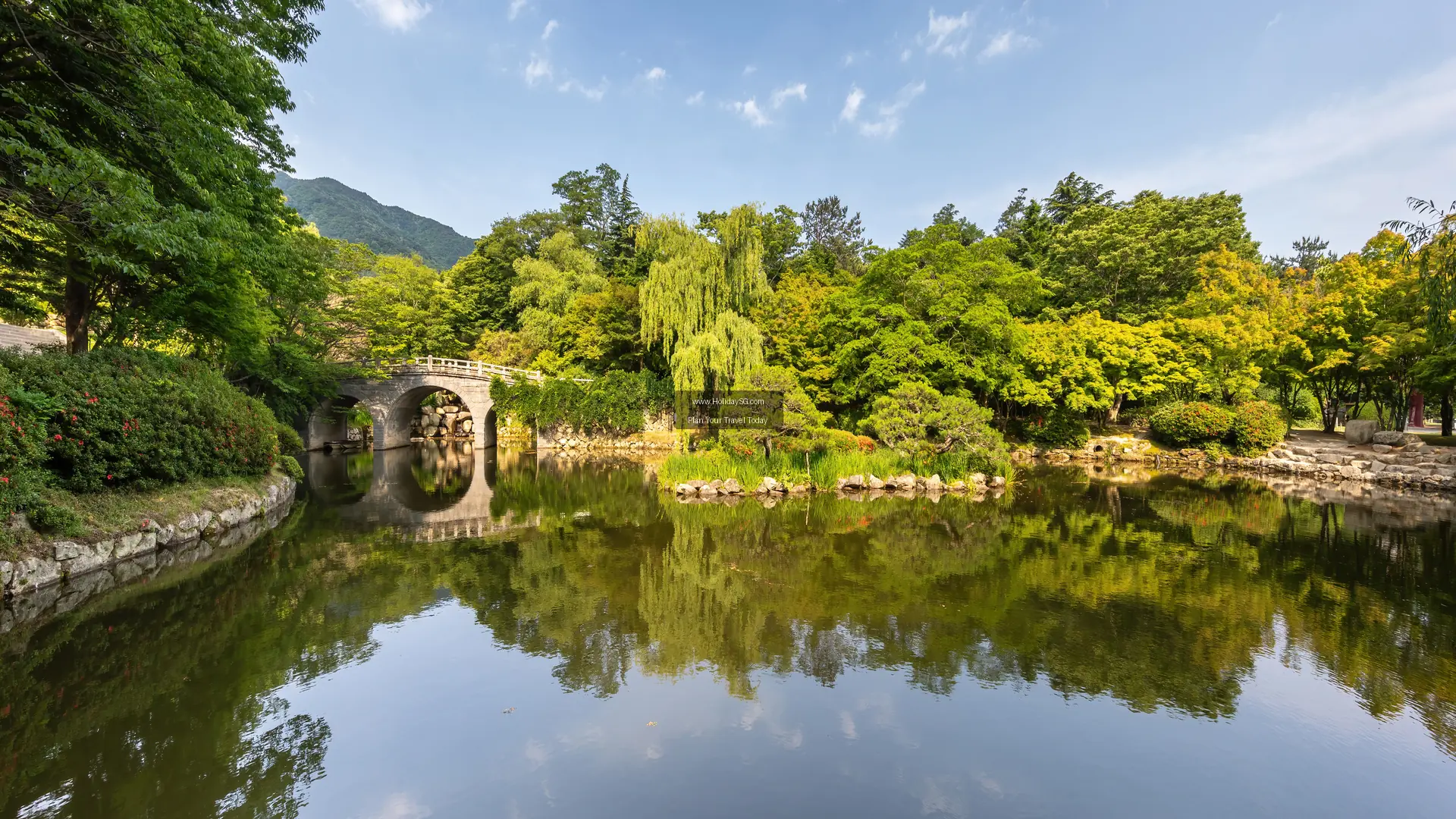
Tongyeong: the harbour town everyone falls for
Tongyeong is the trip for people who like the sea but want something gentler and prettier than a big city beach. It is a working harbour town on the south coast, with a scatter of islands offshore that makes the view from any high point look like a painting. Koreans have a long-running affection for it; it has produced well-known artists, writers and composers, and it is sometimes nicknamed the Naples of Korea, which tells you something about how it looks from above.
What to see
- Dongpirang Mural Village: a hillside neighbourhood covered in murals, with views over the harbour. It is smaller and calmer than Busan's Gamcheon, and many visitors prefer it for that reason.
- Hallyeosan cable car: a long cable car up Mireuksan, with a panorama over the islands of the Hallyeo Maritime National Park. On a clear day this is one of the finest views on the whole south coast. It can close in strong wind, so have a back-up plan.
- Jungang Market: the waterfront seafood market. Come hungry.
- The harbour promenade: easy walking, fishing boats, and plenty of cafés.
What to eat
Tongyeong is known for oysters (the south coast is one of Korea's big oyster-growing areas, especially in the cooler months) and for chungmu gimbap, small rolls of plain rice in seaweed served with spicy squid and radish kimchi on the side. It is simple, cheap and exactly right after a morning of walking. You will also see a local sweet, ggulbbang, a honey-glazed bread filled with bean paste, sold all over town.
How to do it in a day
Take an express bus from Busan Seobu Bus Terminal at Sasang. The ride is typically around two hours, so leave early. Start with the cable car while the air is clearest, walk down through Dongpirang in the late morning, eat lunch around Jungang Market, and give yourself a slow afternoon on the waterfront before the bus back. Four hours of bus time for a day trip is a lot, and that is the honest trade-off here. If you have more time, Tongyeong is a lovely overnight stop.
Geoje: islands, gardens and big views
Geoje is Korea's second-largest island, connected to the mainland by bridges and, from the Busan side, by an undersea tunnel and bridge link that shortened the journey dramatically when it opened. The island has a split personality: big shipyards on one side and wild, green coastline on the other. For visitors, it is all about the coast.
What to see
- Oedo Botania: a private island turned into a manicured Mediterranean-style garden, reached by boat from several harbours on Geoje. Boats usually include a loop around the Haegeumgang rock formations when the sea allows. Sailings depend on the weather and the tide of visitors, so check on the day.
- Windy Hill (Baram-ui Eondeok): a grassy headland with a windmill and sweeping views. It became famous from Korean dramas and is a popular photo stop.
- Hakdong Mongdol Beach: a beach of smooth black pebbles instead of sand. The sound of the waves pulling back over the stones is the reason to go.
Is it a good day trip?
It depends on your transport. With a car, Geoje is one of the best day trips on the south coast. Without one, you will spend a lot of the day on local buses between scattered sights, and the boat to Oedo adds its own schedule. If you are relying on public transport, pick two things (Oedo and Windy Hill are close to each other) rather than trying to do the whole island. Some travellers combine Geoje and Tongyeong over two days, which is a very pleasant way to see the region.
Tongdosa: a temple morning in the pine forest
Tongdosa, in Yangsan just north of Busan, is one of Korea's most important Buddhist temples. It is one of the "Three Jewel Temples" of Korean Buddhism, the one that represents the Buddha himself, and it is said to enshrine relics of the Buddha. Because of that, the main hall has no Buddha statue; instead, a window looks out onto the relic stupa. It is one of those details that stays with you.
The approach is half the pleasure. A path runs for a couple of kilometres along a stream through old, twisting pine trees before you reach the temple buildings. Walk it slowly. On a weekday morning it is quiet enough to hear the stream the whole way.
Tongdosa is an easy half-day by bus from Busan Central Bus Terminal. It pairs well with a relaxed afternoon back in the city, and it is a good choice for a day when you do not want another long journey. Temples are active places of worship; dress modestly, keep your voice down in the halls, and do not step on the raised thresholds of the doorways.
If you like temples, remember that Busan has its own famous one too: Beomeosa, on the slopes of Geumjeongsan in the north of the city, reachable by metro and a short bus ride. It is a lovely, easy half-day if you do not want to leave the city.
Ulsan: rocky coast and early sunrises
Ulsan is best known as an industrial city, home to car factories and shipyards, and that is precisely why so few foreign visitors think of it. But the coastline is lovely, and it is one of the easiest day trips from Busan by KTX.
- Daewangam Park: a coastal park with pine woods and dramatic rock formations, connected by a footbridge. The walk along the cliffs is the main draw.
- Ganjeolgot: a cape known as one of the first places on the Korean mainland to see the sunrise, especially around New Year when crowds gather.
- Taehwagang National Garden: a riverside garden famous for its bamboo grove and seasonal flowers.
Ulsan suits repeat visitors and coastal walkers more than first-timers. If you have already been to Gyeongju, it is a good "next" trip. The KTX station is well outside the centre, though, so factor in bus time from the station.
Daegu: a different Korean city for the day
Daegu is Korea's inland counterpoint to Busan. It is hotter in summer and colder in winter, surrounded by mountains, and has a strong food and market culture. Travellers who already love Korean cities often enjoy it more than they expect, precisely because it is less set up for tourists.
- Seomun Market: one of the largest traditional markets in Korea, famous for fabrics and, in the evening, a night market with street food (check the schedule, as it has changed over the years).
- The modern history alleys: a walking route around the old centre with churches, missionary houses and stories from the early twentieth century.
- Kim Kwang-seok Street: a mural-lined alley dedicated to a much-loved folk singer.
- Palgongsan and Donghwasa: a mountain with a cable car and a large temple on its slopes, a bus ride from the centre.
Daegu is famous among Koreans for food. Look out for makchang (grilled pork or beef intestines, much more appetising than it sounds when done well), and flat dumplings sold at Seomun Market. The city centre is compact and well served by its metro, so a day there is easy once you are off the KTX at Dongdaegu Station.
Closer to home: Busan's own east coast and the Gijang area
Not every day trip needs a train. Some of the most rewarding day outings stay within Busan's city limits but feel like a different place.
Haedong Yonggungsa and Gijang
Haedong Yonggungsa is a temple built on rocks right at the edge of the sea, in the Gijang district to the north-east of Haeundae. Unlike most Korean temples, which sit in mountain valleys, this one faces the waves, and the setting is spectacular, especially early in the morning. It is very popular, so go early or accept that you will share it.
Blueline Park and the sky capsules
Along the old railway line between Mipo (near Haeundae) and Songjeong, Busan turned a disused coastal track into Blueline Park. There is a beach train at ground level and small, colourful sky capsules running on an elevated track above it, with the sea right beside you. It is gentle, photogenic and a favourite with families and couples. Book ahead at weekends and in summer; slots do sell out.
Several HolidaySG tours combine these east-coast sights into a single day, which saves a lot of bus-hopping. The Busan one-day city tour with the Blueline Park beach train, Haedong Yonggungsa, Songdo Skywalk and Gamcheon Culture Village is from around S$50.32, while the more comprehensive Max Out Busan tour with the sky capsule and a yacht ride is from around S$129 (both at the time of writing, September 2026). They are a good choice for your first full day, before you head out of the city.
Places you will see listed that are not really Busan day trips
Search for "day trips from Busan" and you will find some confusing suggestions. A few honest corrections, so you do not plan around them:
- Hwaseong Fortress is in Suwon, just south of Seoul. It is a wonderful place, but it is a day trip from Seoul, not Busan.
- Nami Island, Pocheon and Seoraksan are all in the north of the country, around Seoul and Gangwon-do. Again, great trips, but from Seoul.
- Jeju Island is a flight away. You could technically fly there and back in a day, but you would spend most of it in airports. Give Jeju at least two or three nights.
- Beaches such as Haeundae and Gwangalli are inside Busan. They are great, but they are part of your Busan stay, not a day trip.
Three ways to plan your day trips
How you use your spare days depends on how long you have in Busan. Here is what we would do.
If you have one spare day
Gyeongju, without question. Take an early train or bus, see the tombs and Cheomseongdae in the morning, Bulguksa after lunch, and Wolji Pond at dusk. If you would rather not deal with local buses, book the guided Gyeongju tour and enjoy a day without timetables.
If you have two spare days
- Day 1: Gyeongju, as above.
- Day 2: Busan's east coast: Haedong Yonggungsa early, Blueline Park sky capsule mid-morning, lunch in Gijang or Songjeong, then an afternoon at Haeundae. Or, if you prefer something quieter, Tongdosa in the morning and a lazy afternoon in the city.
If you have three or more spare days
- Day 1: Gyeongju.
- Day 2: Tongyeong by express bus, with the cable car and seafood lunch.
- Day 3: Daegu by KTX, for markets and food, or Ulsan for the coast.
Mixing a "big" trip with a "light" day keeps you from burning out. Korean public transport is excellent, but four hours of buses two days in a row will wear anyone down.
Seasons and timing
The south-east of Korea has four distinct seasons, and your day trip choices should follow them.
| Season | What it is like | Best day trips | Watch out for |
|---|---|---|---|
| Spring (roughly March–May) | Mild, cherry blossom in late March to early April | Gyeongju, Tongyeong, Daegu | Weekend crowds during blossom season; book trains early |
| Summer (roughly June–August) | Hot, humid, monsoon rains in early summer | Coastal trips, Geoje, Blueline Park | Typhoon season can cancel boats and cable cars; Daegu gets very hot |
| Autumn (roughly September–November) | Clear skies and autumn colours | Everything, especially Gyeongju and Tongdosa | Peak domestic travel around the Chuseok holiday |
| Winter (roughly December–February) | Cold, dry and usually clear | Gyeongju, Tongyeong (oyster season), Ulsan sunrise | Short days; start earlier |
A special mention for spring: Jinhae, part of Changwon to the west of Busan, holds one of Korea's biggest cherry blossom festivals, usually in late March or early April. It is gorgeous and extremely crowded. If your dates line up and you do not mind a crowd, it is a memorable day out. If you hate crowds, Gyeongju's blossom is just as pretty and easier to enjoy.
Avoid major Korean holidays for long-distance trips if you can. Around Seollal (Lunar New Year) and Chuseok (the harvest festival), trains and buses sell out, and highways can be jammed. Those dates move each year with the lunar calendar, so check them when you book.
What to pack for a day trip
- A T-money or similar transport card: works on Busan's metro and buses, and on buses in many other cities too. Top it up in convenience stores.
- Comfortable shoes: Gyeongju, Tongyeong and every temple involve more walking and stairs than you expect.
- Cash in won: cards are widely accepted, but small market stalls, some local buses and temple donation boxes still prefer cash.
- A map app that works in Korea: some international map apps have limited walking and transit directions in Korea. Korean map apps with English menus generally give better bus routes.
- Layers: coastal wind at cable car tops and headlands can be much colder than the city.
- Data: a local SIM or eSIM makes checking timetables and booking last-minute trains much easier.
Food worth planning your day around
Half the pleasure of day trips in this region is eating something you cannot get in Busan, or at least not as good. A quick cheat sheet:
- Gyeongju: Gyeongju bread and chalboribbang (barley pancakes filled with red bean); ssambap restaurants near the tombs, with many small side dishes and leaves to wrap rice.
- Tongyeong: oysters in season, chungmu gimbap, honey bread, and fresh seafood at Jungang Market.
- Daegu: makchang, flat dumplings, and market snacks at Seomun.
- Busan itself: when you come back tired, go for dwaeji gukbap (pork and rice soup) or milmyeon (Busan's wheat-noodle cousin of cold naengmyeon). Both are proper Busan comfort food.
Common mistakes we see
- Going to the wrong bus terminal. Busan has two main intercity terminals at opposite ends of the metro. Check which one serves your route before you set out.
- Underestimating the last mile. KTX stations are often outside town. A "30-minute" train to Gyeongju can easily become an hour to the tombs once you include the bus.
- Trying to do Bulguksa, Seokguram, the tombs and Wolji Pond without a plan. It is doable, but only if you know your buses. Otherwise, choose a tour.
- Skipping the weather check. Cable cars, boats to Oedo and the sky capsules can pause in strong wind or heavy rain. Look at the forecast the night before and keep a plan B.
- Planning a day trip to somewhere that is not near Busan. Nami Island and Hwaseong are Seoul trips. Jeju is a flight.
- Booking nothing ahead during Korean holidays. Trains and popular slots like the Blueline Park sky capsule sell out.
- Cramming too much in. One well-chosen destination per day beats three rushed ones.
Frequently asked questions
What is the best day trip from Busan?
For most people, Gyeongju. It is close, easy to reach by KTX or intercity bus, and has enough UNESCO-listed history, food and scenery for a full, varied day. If you have already been, Tongyeong is our pick for a second trip.
How do I get from Busan to Gyeongju?
Take the KTX from Busan Station to Singyeongju Station (typically around 30–40 minutes) and then a local bus or taxi into town, or take an intercity bus from Busan Central Bus Terminal at Nopo, which drops you near the centre in roughly an hour. A guided tour is the simplest option if you want to cover Bulguksa and the town in one day.
Is a KORAIL pass worth it for day trips from Busan?
For one or two short day trips, usually not. It becomes worthwhile when you combine several train journeys within the pass window, for example a Busan–Seoul train plus day trips to Gyeongju and Daegu. Compare the pass price with the individual fares for your plan before buying.
Can I do Tongyeong as a day trip without a car?
Yes. Express buses leave from Busan Seobu Bus Terminal at Sasang and take around two hours each way. It is a long day, so leave early and check the last return bus before you set off.
Do I need to book tours or tickets in advance?
For weekends, public holidays, spring blossom season and summer, booking ahead is sensible, especially for trains, guided tours and the Blueline Park sky capsule. On quiet weekdays you can often decide the day before.
What should I wear to Korean temples?
Modest, comfortable clothes. You do not need to cover your head, but avoid very short shorts or revealing tops, and wear shoes you can slip off easily if you want to enter a hall. Keep quiet during prayers and do not step on raised door thresholds.
Is Jeju a day trip from Busan?
Not really. It requires a flight, and by the time you add airport time you would see very little. Jeju deserves at least two or three nights of its own.
Which day trip is best with children?
Gyeongju (bicycles, big open tomb parks and plenty of snacks) and the Blueline Park sky capsules on Busan's east coast are the easiest with kids. Long bus rides to Tongyeong or Geoje can be hard work for small children.
Our take
If we had one spare day in Busan, we would take the early bus to Gyeongju, rent bikes around the tombs, eat far too much Gyeongju bread and stay for the lights on Wolji Pond. With a second day, we would stay closer to home: Haedong Yonggungsa in the morning and a sky capsule ride along the coast. Tongyeong and Daegu are for when Busan has already won you over and you want more.
If you would rather someone else handle the connections, the Gyeongju and sky capsule day tour covers the essentials in one go, and the Busan one-day city tour is a gentle introduction to the city's coast before you head further afield. Planning to see a lot of Busan's paid attractions in a short time? The Visit Busan Pass, from around S$43 on HolidaySG (at the time of writing, September 2026), bundles entry to many of them. For more ideas across the country, start at our South Korea destination page.