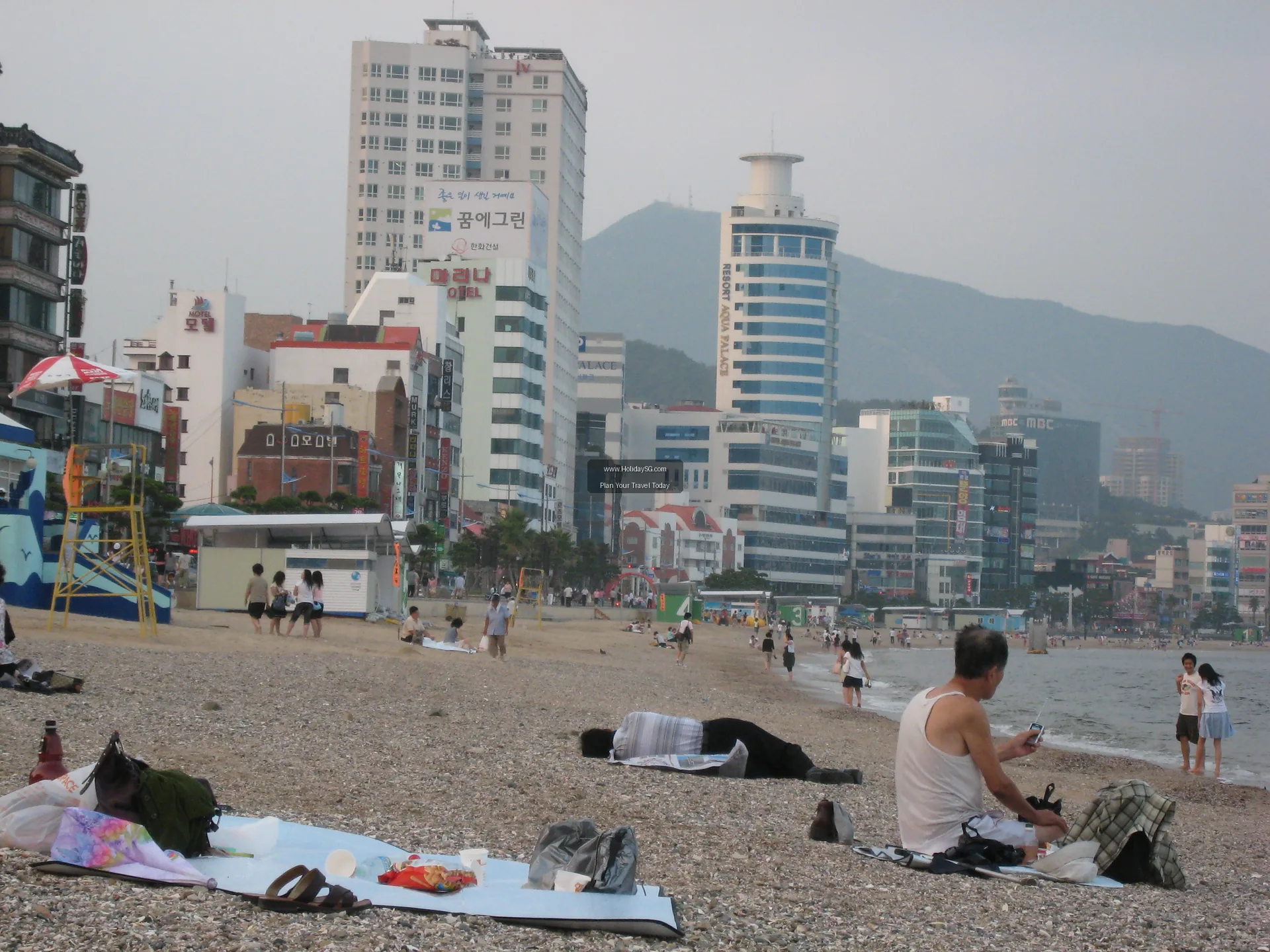
The first time I went looking for "Seoul's night markets" I made the mistake of expecting Taipei or Bangkok: one big roped-off street, a hundred stalls, a start time and an end time. Seoul does not work like that. Its night-market life is spread across a handful of neighbourhoods that each do one thing well after dark. Gwangjang is the covered food hall that fills up at dinner. Myeongdong is the carts that roll out at dusk and vanish around eleven. Dongdaemun is wholesale fashion that only really gets going after midnight. Hongdae is less a market than a street party with snacks. And the Han River has its own warm-season pop-up market that comes and goes with the calendar. I have now done all of them, several more than once, and this is the guide I wish someone had handed me at Incheon: which market to go to on which night, what to eat first, what to skip, how to pay, and how to get home when the subway has stopped.
How Seoul's night markets actually work
The thing to understand before you plan anything is that "night market" in Seoul is a loose idea rather than a fixed venue. There are traditional covered markets (Gwangjang, Namdaemun, Tongin) that open in the morning and whose food alleys simply stay busy into the evening. There are street-food strips (Myeongdong, Hongdae) that exist only because carts set up there at dusk. There are wholesale malls (Dongdaemun) where the "market" is six floors of fabric and fashion open till five in the morning. And there are seasonal pop-ups, the best known being the Bamdokkaebi Night Market, which has historically run on Friday and Saturday evenings in warmer months at riverside spots like Yeouido Hangang Park. Each has a different rhythm, a different payment culture and a different closing time, so you cannot treat them as interchangeable.
My rough rule after a few trips: go to a traditional market for dinner at six or seven, go to a street-food strip for a second dinner at nine, go to Dongdaemun for shopping at midnight if you still have legs, and save the riverside for a weekend when you want to sit down. Trying to do all four in one evening is possible on paper and miserable in practice. The subway closes between roughly midnight and one depending on the line, and a taxi from Dongdaemun to a hotel in Hongdae after one in the morning is not expensive by Singapore standards, but it does involve a queue.
A quick word on what the old version of this post got wrong, since I am rewriting it. There is no "Gangnam Station night market" in any meaningful sense; Gangnam has underground shopping arcades and a lot of restaurants that stay open late, which is not the same thing. Nakwon-dong is known for its instrument arcade and the Jongno 3-ga tent-bar alley rather than a snack market. Insadong and Bukchon are lovely in the early evening but their shops shut around eight and nobody would call them night markets. I have kept them in this guide where they genuinely earn a place in an evening plan, and dropped the pretence everywhere else.
| Market | What it is | Peak evening hours (check on the day) | Nearest subway | Go for |
|---|---|---|---|---|
| Gwangjang Market | Covered traditional market with a famous food alley | About 5 pm to 10 pm; many stalls wind down earlier on Sundays | Jongno 5-ga (Line 1), Euljiro 4-ga (Lines 2/5) | Bindaetteok, mayak gimbap, yukhoe |
| Myeongdong street food | Carts along the main pedestrian streets | Roughly 4 pm to 11 pm | Myeongdong (Line 4), Euljiro 1-ga (Line 2) | Tornado potato, grilled lobster, cosmetics shopping |
| Dongdaemun | Wholesale and retail fashion malls, plus a street-food corner | Retail malls to late evening; wholesale buildings from around 8 pm to 5 am | Dongdaemun History & Culture Park (Lines 2/4/5) | Clothes, fabric, all-night people-watching |
| Hongdae | Student district with buskers, food carts and a weekend craft market | From about 7 pm until very late; craft market usually weekend afternoons | Hongik Univ. (Line 2) | Busking, cheap eats, handmade goods |
| Namdaemun Market | Huge general market, mostly a daytime affair | Food alleys busy until early evening; some wholesale stalls overnight | Hoehyeon (Line 4) | Galchi jorim alley, kalguksu, bargain homewares |
| Bamdokkaebi (Hangang) | Seasonal riverside pop-up with food trucks and craft stalls | Historically Fri–Sat evenings in warm months; dates change yearly, check before going | Yeouinaru (Line 5) for the Yeouido site | Food trucks, picnic mats, skyline views |
Gwangjang Market: start here, and start hungry
If you only have one evening, Gwangjang is the one. It is a century-old covered market in Jongno, and while the fabric and hanbok stalls on the upper floors and side aisles are a daytime business, the central food alley is at its best from late afternoon through to around ten at night. You come out of exit 8 at Jongno 5-ga station, walk about two minutes, and you are suddenly under a low roof with steam rising off a hundred griddles and ajummas in aprons waving you to a stool. The noise, the smell of sesame oil and frying mung bean, the little plastic cups of makgeolli: it is the Seoul night-market scene most people have in their heads, and for once the reality matches.
Eat in this order and you will not regret it. First, bindaetteok, the mung-bean pancake. It is ground fresh in a stone mill in front of you, fried in a lot of oil, and served with a soy-vinegar dip and a pile of raw onion. One pancake is a meal for two people if you are planning to keep eating, so share. Second, mayak gimbap, the "addictive" mini seaweed rolls that come a dozen to a plate with a mustard-soy dip; they are small, cheap and the perfect palate cleanser between heavier things. Third, if you are brave, yukhoe: raw beef tartare with pear and a raw egg yolk, served at a cluster of dedicated restaurants down one of the side alleys. It is far better than it sounds and the shops that specialise in it have been doing it for decades. Round off with hotteok (sweet filled pancake) or a cup of sikhye, the sweet rice drink, from a cart near the exits.
Two practical notes. Many Gwangjang food stalls are cash-first; some take cards and local payment apps now, but the small plates and the drinks are quicker and friendlier with won in your hand, so bring ₩30,000 to ₩50,000 per person for a proper graze. And the seating is a bench or a stool at the stall, which means you will be elbow to elbow with strangers. That is the point. On Sunday evenings a noticeable number of stalls close early, so if Sunday is your only option, go at five rather than eight.
If you would rather have someone order for you and then be driven to the river afterwards, there is a guided evening that does exactly that: Seoul Night Tour Highlights with Gwangjang Market and a Han River cruise, from S$73.19 at the time of writing. It runs three to four hours, the cruise ticket and transport are included, and the food you eat in the market is paid for by you on the spot, which I actually prefer because you can go as big or as small as you like. A near-identical version swaps the cruise for a walk to a riverside pavilion park with a skyline view: Gwangjang Market food and a Han River night-view stroll, also from S$73.19. I would pick the cruise version in spring or autumn and the stroll version in summer when sitting on a boat deck in the humidity is less of a treat.
Myeongdong after dark: carts, cosmetics and the lobster question
Myeongdong is the market that most visitors stumble into without planning, because it sits between so many hotels. During the day it is a cosmetics and fashion district; from about four in the afternoon the carts roll out along Myeongdong-gil and the cross streets, and by seven the main drag is a slow river of people holding skewers. It is unapologetically tourist-facing, prices are higher than Gwangjang, and the food is built for photographs. None of that stops it being fun.
What I would actually buy: the tornado potato on a stick (a spiral-cut whole potato, fried, dusted in cheese or onion powder), the egg bread (gyeran-ppang, a sweet little loaf with a whole egg baked into it, perfect on a cold night), tteokbokki from any cart with a queue of Koreans rather than tourists, and the grilled cheese-topped scallops if you like seafood. What I would skip: the whole grilled lobster tails with cheese that every second cart advertises. They look spectacular, they cost roughly what a sit-down meal costs, and the lobster is usually small and overcooked. Spend that money on a second round of bindaetteok at Gwangjang the next night.
The cosmetics shops along the same streets stay open until ten or eleven and will chase you with free samples. This is genuinely the easiest place in the city to stock up on sheet masks and sunscreen; the big chains price-match each other and most will do a tax refund on the spot if you spend over the threshold and show your passport, so carry it. On a weeknight the crowd thins after nine and you can actually get photographs without strangers' elbows in them. On Friday and Saturday it does not thin at all.
Myeongdong is also where I would base a first-timer who wants to walk to a night market every evening. From here Gwangjang is one stop on the subway or a twenty-five-minute walk, Namdaemun is ten minutes on foot, and Dongdaemun is three stops. If your hotel is here, you can do a different market every night without ever taking a taxi.
Dongdaemun: the all-night fashion market that is not really about food
Dongdaemun confuses people because it is called a market and the thing it mostly sells is not snacks. The area around Dongdaemun Design Plaza (DDP, the silver spaceship building by Zaha Hadid) is ringed by fashion malls. The retail ones, such as Doota and the Migliore-type buildings, run from late morning until late evening and are where ordinary visitors shop. The wholesale ones behind them open at around eight in the evening and trade until four or five in the morning, because that is when buyers from boutiques across Korea arrive to restock. Walk through one at one in the morning and you will see shop owners with trolleys of plastic bags, fabric being cut on the floor, and nobody at all bothered about your single T-shirt.
That said, you can buy one T-shirt, and the prices in the wholesale buildings are genuinely lower if you ask politely and do not need a fitting room. Try on in the retail malls first so you know your Korean size (sizing runs small; a Singapore M is often a Korean L), then go hunting in the wholesale floors. Cards are accepted in most shops; cash gets you a slightly better price in the wholesale ones, but do not expect dramatic haggling. This is not that kind of market.
The food side of Dongdaemun lives in two places. One is the row of carts and tents in the streets around the malls, selling the usual tteokbokki and sundae (blood sausage) and, in winter, bungeoppang, the fish-shaped red-bean pastries. The other is the dakhanmari alley near Dongdaemun station proper, where restaurants serve a whole chicken in broth for the table; it is not a market dish exactly, but it is the thing I crave on a cold night in that neighbourhood and most places take last orders around ten, so eat first and shop after.
If you want to see Dongdaemun by day before you see it by night, the Yellow Balloon City Tour Bus (from S$22.81 at the time of writing) runs a traditional culture loop from a ticket booth at DDP past the palaces and old city gates. It is an open-ceiling double-decker, so bring a hat in October sun and a jacket for the top deck as the afternoon cools. I did the loop in the afternoon, got off at DDP at dusk, walked through the design plaza as its lights came on, and was in the mall streets by seven. That is a good order.
Hongdae: busking, student snacks and the weekend craft market
Hongdae is the neighbourhood around Hongik University, and it is the closest Seoul gets to a night market that is also a party. The "market" is the Hongdae Free Market, a weekend craft and art fair in the little playground park near the university that historically runs on Saturday afternoons from spring to autumn, selling handmade jewellery, prints, zines and ceramics by art students. Check dates and hours before you go; it does not run in deep winter and it shuts around dusk. The night-market feel comes afterwards, when the pedestrian streets fill with buskers, dance crews with portable speakers and food carts selling cup-tteokbokki, fried chicken by the cup and the chewy Korean-style corn dogs rolled in sugar or potato cubes.
This is the area to go when you are travelling with teenagers or in your twenties, or when you simply want to be out at eleven without it feeling late. The crowd skews very young, the streets are safe and well lit, and the food is the cheapest of any market in this guide. It is not the place for a serious meal; think of it as dessert-and-a-show after dinner elsewhere. If you want a sit-down dinner first, the back streets towards Yeonnam-dong and Mangwon are full of small restaurants, and Mangwon Market a short bus ride away is a proper traditional market with far fewer tourists than Gwangjang, though most of its stalls close by eight.
One honest note: Hongdae on a Friday or Saturday night is loud, and the bars around the main streets get rowdy in a way that Myeongdong never does. I found it good-natured, but if you are travelling with small children I would come on a weekday evening, see a couple of busking sets, eat a corn dog and leave by ten.
The Han River: Bamdokkaebi, cruises and a picnic you float
Seoul's most atmospheric night-market experience is also the one you can least plan around from abroad. The Bamdokkaebi Night Market ("night goblin market") is a city-run pop-up that has historically run on Friday and Saturday evenings during the warmer months at riverside parks, Yeouido Hangang Park being the best-known site, with food trucks, handmade-goods stalls and people on picnic mats facing the skyline. The dates, sites and even whether it runs change year to year, and by October it is usually in its final weeks or already finished for the season. Check the Seoul city or Hangang park announcements once you have your travel dates rather than relying on any blog, this one included.
Even if the pop-up market is not running, the riverside at Yeouido on a mild evening is worth your time. Locals order fried chicken by phone to be delivered to the park, lay out a mat and watch the lights on the bridges; the convenience stores at the park entrances sell cup ramyeon and have hot-water machines to cook it in. That is a night market of a sort, and it costs almost nothing.
The organised way to see the river is a cruise, and the one most night tours use is the ELand Cruise from Yeouido dock, from S$16.07 at the time of writing. It is a seventy-minute loop, sailings run through the day until late evening, and the boarding point is a short walk from Yeouinaru station exit. You need your passport or an ID to board and to fill in a quick boarding form, so do not leave it at the hotel. The evening sailings are the ones to book; the live music is cheerful rather than concert-grade, but the city lights off the water are genuinely lovely and the open deck in October is cool enough to want a jacket.
If the big boat sounds too much like a school trip, the Golden Blue Marina yacht sailing (from S$28.58) is a sixty-minute experience, of which about forty minutes is actually on the water, on a much smaller yacht with a drink included. Sunset slots are the ones to want. And for a group of up to six who would rather drive themselves, the Tubester at Banpo Sebitseom (from S$31.85) is a round, six-seat electric boat you steer yourself around the floating islands by Banpo Bridge, with no licence needed. It is priced per boat, so it gets cheap per head if you fill it, and late-afternoon into dusk is the slot to pick so you get both daylight and the LED show on the islands. Hours vary by day and season; check on the day.
The evening-only neighbourhoods: Insadong, Bukchon and the Jongno tent bars
I want to be straight about these three because the previous version of this post called all of them night markets and they are not. Insadong is a street of traditional craft and tea shops that is at its best in the late afternoon and shuts around eight; Bukchon Hanok Village is a residential neighbourhood of old houses where the city asks visitors to keep quiet and leave by early evening; and Nakwon-dong is known for its instrument arcade. What they do offer is a lovely first half of an evening that ends, if you walk ten minutes east, at Gwangjang.
The plan that works: spend the hour before sunset in Bukchon for the view down the hanok rooftops towards Namsan (the lane behind the Bukchon-ro 11-gil viewpoint is the famous one; please do not shout or film residents' doorways), walk down through Insadong as the lanterns come on and pick up a cup of sweet hotteok or a tube of the hand-pulled "dragon's beard" candy from a street cart, then continue to the Jongno 3-ga area. There, behind the subway station, is a long alley of pojangmacha, the orange tent bars where office workers eat grilled seafood and gopchang (intestines) and drink soju on plastic chairs until very late. It is loud, cheap, smoky and one of my favourite places in the city. From there Gwangjang is a short walk if you still have room.
If you want the palace-and-hanok half done properly rather than on your own, the Gyeongbokgung Palace and Bukchon Hanok Village stroll (from S$54.45) is a guided day that includes the palace ticket, the changing-of-the-guard ceremony and a hanbok experience; it runs six to eight hours, so it finishes in time for you to do the Insadong-Jongno-Gwangjang walk on your own afterwards. Hanbok rental is usually an extra, so budget for it separately.
What to eat, and in what order
Korean market food is heavier than Southeast Asian market food. Everything is fried or in a sauce, portions are generous, and after three stalls you will be full. So the strategy is to share everything and to pace the heavy items. Here is the running order I settled on, with where each thing is best, so you can graze with a plan instead of grabbing whatever is nearest.
| Dish | What it is | Best market for it | Rough price (₩, check on the day) | Eat it when |
|---|---|---|---|---|
| Bindaetteok | Mung-bean pancake, fried crisp, with a soy-vinegar dip | Gwangjang | 5,000–7,000 per pancake | First, while you are hungriest |
| Mayak gimbap | Mini seaweed rice rolls with mustard dip | Gwangjang | 4,000–6,000 per plate | Between heavy dishes |
| Yukhoe | Raw beef with pear and egg yolk | Gwangjang side alley | 15,000–25,000 per plate | As the sit-down centrepiece |
| Tteokbokki | Rice cakes in sweet-spicy gochujang sauce | Any cart with a local queue; Hongdae is cheapest | 3,000–5,000 per cup | Standing, on the move |
| Gyeran-ppang | Sweet egg bread | Myeongdong | 2,000–3,000 each | Cold nights, as a hand-warmer |
| Tornado potato | Spiral-cut fried potato on a skewer | Myeongdong | 4,000–5,000 | Photo first, then eat fast while hot |
| Hotteok | Pan-fried pancake filled with brown sugar and nuts | Insadong carts, Namdaemun | 1,500–2,500 | Dessert; let it cool a minute, the sugar is molten |
| Bungeoppang | Fish-shaped pastry with red bean | Dongdaemun street carts, winter only | 1,000–2,000 for two or three | Walking between malls at midnight |
The prices in that table are what I paid or saw on boards in 2025 and 2026 and are meant as a sanity check, not a promise; a cart can charge what it likes and the tourist strips charge more than the covered markets. Vegetarians will find Gwangjang easiest: bindaetteok is usually vegetarian (ask, some add pork), the mini gimbap is vegetable-filled, and there are stalls doing japchae and jeon pancakes. Anyone with a shellfish allergy should be careful with the Myeongdong carts, which grill seafood on the same hot plates as everything else. Spice levels are moderate by Singapore standards; Korean "spicy" is mostly sweet-heat from gochujang rather than chilli-padi heat.
Money, cards and how to pay without getting stuck
Korea is a card country for shops and restaurants, and a cash country for market stalls, and foreign cards sit awkwardly between the two. Big-chain cosmetics shops, convenience stores, the Dongdaemun malls and sit-down restaurants will take a Singapore Visa or Mastercard without fuss. The stalls at Gwangjang and the carts at Myeongdong and Hongdae are a different story: some have card terminals, many prefer cash, and a few accept only local transfer apps that a visitor cannot use. The practical answer is to carry ₩50,000 to ₩100,000 in small notes for an evening of market eating, and to top up at a bank ATM rather than the convenience-store machines, which often charge more for foreign cards.
The thing that made market evenings easier for me was a WOWPASS card (from S$7.00 at the time of writing). It is a prepaid card for non-Korean visitors that you load at kiosks in the airport and around the city using foreign cash, including Singapore dollars, and that works like a local debit card at any card terminal, so a stall that takes cards but not foreign cards will take it. It also has a built-in T-money balance for the subway and buses, which you load separately at the same kiosks or at a station. One card, two balances, no fumbling for coins at the turnstile at midnight. Keep in mind that the T-money balance and the payment balance are separate pots; I ran the transit side dry once and had to find a kiosk at eleven at night.
If you would rather have your phone sorted before you land, a bundle like the LG U+ eSIM with a T-money card (from S$13.44) gets you unlimited data on a local network and a transit card in one pick-up at the airport. Unlimited data matters more than you would think at a market: you will be translating menu boards with your camera, checking which Dongdaemun building is still open, and summoning a taxi at one in the morning. Set up takes ten to fifteen minutes at the counter.
| Where you are paying | Singapore credit card | WOWPASS / local prepaid card | Cash (won) | T-money |
|---|---|---|---|---|
| Gwangjang food stalls | Sometimes | Usually, where there is a terminal | Always, and fastest | No |
| Myeongdong / Hongdae carts | Rarely | Sometimes | Always | No |
| Cosmetics shops, Dongdaemun malls | Yes | Yes | Yes; may help in wholesale floors | No |
| Convenience stores | Yes | Yes | Yes | Often, for small purchases |
| Subway, buses | No (single-journey ticket machines take cash) | Via its T-money balance | Single tickets only | Yes, the normal way |
| Taxis | Usually | Usually | Yes | Many accept it |
Getting there and, more importantly, getting back
Every market in this guide sits on the subway, and the subway is the way to arrive. Line 1 to Jongno 5-ga for Gwangjang, Line 4 to Myeongdong, the three-line interchange at Dongdaemun History and Culture Park for DDP, Line 2 to Hongik University for Hongdae, Line 5 to Yeouinaru for the river. Trains run every few minutes in the evening and a ride across the centre is a couple of thousand won on T-money. The catch is the last train. Depending on the line and direction, last departures from central stations fall somewhere between about half past eleven and half past midnight, and the gaps between trains stretch out after eleven. If you are at Gwangjang at ten you are fine; if you are deep in a Dongdaemun wholesale building at one, you are taking a taxi.
Taxis in Seoul are cheaper than at home and plentiful around Dongdaemun and Hongdae late at night, though the queue at the DDP rank on a Saturday can run twenty minutes. Use a ride-hailing app with an English interface rather than flagging on the street; it removes the address conversation entirely. Late-night surcharges apply after around ten or eleven, and the fare from Dongdaemun to a Hongdae hotel still came in well under ₩20,000 on my last trip. Night buses (the N-prefixed routes) also run through the small hours along the main corridors and take T-money; they are slower but they exist.
Arriving from the airport, the AREX express train (from S$9.09 at the time of writing) is the sane choice if you land in the evening and want to be eating at a market the same night. It is non-stop from Incheon to Seoul Station in roughly forty-three to fifty-one minutes depending on the terminal, has luggage racks, and from Seoul Station you are one or two subway stops from Namdaemun and Myeongdong. I landed at seven, was checked in by nine and had a tornado potato in my hand by half past.
If you plan to cram the paid attractions into the daytime so your evenings are free for markets, a Discover Seoul Pass (from S$78.31) bundles entry to dozens of attractions for a 24, 48 or 72-hour window and has T-money built in. It only pays off if you genuinely hit three or four paid attractions a day, so do the maths against your actual list before buying; a trip that is mostly markets, palaces and walking does not need it.
Three evening itineraries that actually fit
Here is how I would spend three nights if markets were the point of the trip. Each one assumes you start around five in the afternoon, which in October is roughly an hour before sunset, and each one ends somewhere you can get home from without a problem.
| Evening | 5–7 pm | 7–9 pm | 9 pm onwards | Getting home |
|---|---|---|---|---|
| Classic first night | Bukchon viewpoint at golden hour, walk down through Insadong | Gwangjang food alley: bindaetteok, gimbap, yukhoe | Jongno 3-ga tent bars for one drink, or straight to bed | Line 1 or 5 before midnight |
| River night | 63 Building or Yeouido park for sunset | Evening ELand cruise or yacht from Yeouido | Bamdokkaebi if it is running; otherwise chicken and a mat in the park | Line 5 from Yeouinaru, last trains around midnight |
| Shopping night | Myeongdong carts and cosmetics as the stalls open | Three stops to Dongdaemun; dakhanmari dinner, then retail malls | Wholesale buildings after ten, DDP lights, bungeoppang in winter | Taxi or night bus; subway if you leave before midnight |
| Young crowd night | Mangwon Market before its stalls close | Dinner in Yeonnam-dong back streets | Hongdae busking streets, corn dogs, a sauna to finish | Line 2 from Hongik Univ., or stay out |
For the river night, the sunset stop I would pick is 63 SkyPicnic (from S$21.18 at the time of writing), an indoor picnic set-up on the 60th floor of the gold 63 Building at the eastern end of Yeouido, with the river and the bridges laid out below. Allow an hour to ninety minutes, book a late-afternoon slot so you see the light change, and note that sunset and weekend slots cost more. From there it is a walk along the riverbank to the cruise dock.
And for the night you want to stay out past the last train, do what Koreans do and end at a jjimjilbang. Sparex at Dongmyo (from S$13.38) is a modern bathhouse right outside Dongmyo station on Lines 1 and 6, one stop from Dongdaemun, open through the night. You pay for admission, change into the cotton pyjamas they give you, soak in the hot pools, sweat in the clay and salt rooms, eat a boiled egg and a cup of sikhye, and sleep on a mat in the common hall until the first train. Plan on two to four hours if you are not staying over. Body-scrub packages cost extra and are an experience in their own right; the ajumma does not hold back. Hours and packages can change, so check on the day.
Seasons, weather and what October is like
Seoul has four proper seasons and the markets feel different in each. Spring (April to June) and autumn (September to November) are the comfortable ones: mild evenings, dry air, the river cruises pleasant on deck. Early October specifically is close to perfect, with daytime highs around twenty degrees and evenings cool enough for a light jacket but not cold. The Bamdokkaebi season is usually wrapping up around now, the Hongdae craft market is still running on weekends, and the Myeongdong carts are at full strength for the autumn holiday crowds.
Summer (July and August) is hot, humid and wet; the monsoon rains come in bursts, the covered markets are fine but the street carts and the riverside are miserable in a downpour, and the Han River cruise's open deck is a sweat box until after dark. If you are coming in summer, make Gwangjang and Dongdaemun your markets and leave the river for a clear evening. Winter (December to February) is cold in a way Singaporeans underestimate, routinely below zero at night, and the street carts respond by switching to hot food: bungeoppang, hotteok, roasted sweet potatoes, cups of odeng broth. Honestly, a winter night at the Dongdaemun carts with a paper cup of fish-cake soup is one of my favourite memories of the city. Dress for it: thermal layers, a real coat, gloves you can eat with.
Public holidays are the other variable. Over Chuseok (the autumn harvest holiday, which falls in late September or early October depending on the lunar calendar) and the Lunar New Year, many traditional-market stalls close for several days and Gwangjang in particular can be a ghost town, while the Myeongdong carts and the Dongdaemun malls mostly carry on. Check the dates against your trip; if they overlap, plan your Gwangjang night for either side of the holiday.
Etiquette, safety and the small things nobody tells you
Seoul's markets are safe at night in the ordinary sense: the main risk is a lost wallet or a wrong turn, not anything worse, and solo women travellers I know rate the city highly. The real etiquette points are small. At a Gwangjang stall you sit where you are pointed and you order from the person whose stall you are sitting at, not the one next door, even if her pancakes look better. You do not photograph a vendor's face without asking, though a nod and a lifted phone usually gets a smile and a yes. You put your rubbish in the stall's bin or carry it to the next public bin; Seoul has very few street bins and locals notice litter. You use both hands, or your right hand with the left touching your forearm, to hand over money to an older vendor, and you will get change the same way.
On the Myeongdong strip, carts are licensed and prices are posted, so you will not be overcharged in any dramatic way, but there is no haggling either; the old post's advice to haggle for electronics belongs to a different decade and a different market. In the Dongdaemun wholesale floors, the staff are busy with trade buyers and will not chase you; take that as neutral rather than rude. In Bukchon, the residents have put up polite signs asking visitors to be quiet and to leave by late afternoon or early evening; honour that. The best thing you can bring to any Seoul market, apart from cash, is a few words of Korean: "igeo juseyo" (this one, please) and "gamsahamnida" (thank you) carry a long way.
Keep emergency numbers in your phone: 112 for police, 119 for ambulance and fire, and 1330 for the Korea Travel Hotline, which has English-speaking staff and will even translate for you if you hand the phone to a vendor. I have used 1330 to settle a question about which exit to take and they were unbothered by how trivial it was.
Visa and entry for Singaporeans and Indian passport holders
Two quick notes before you book flights, because the rules here have changed more than once in the past two years. Singapore passport holders are among the nationalities currently under a temporary exemption from the K-ETA electronic travel authorisation; at the time of writing that exemption runs until the end of December 2026 and allows visa-free stays of up to ninety days for tourism. Exemptions get extended or ended by government notice, so look at the current position shortly before you fly. If K-ETA is required again, it is an online application with a small fee of about ₩10,000, usually processed within about seventy-two hours, and valid for multiple entries over three years or until your passport expires.
Indian passport holders are not visa-exempt and need a C-3 short-term visit visa for tourism, which has a fee of roughly US$40 and typically takes around ten working days to process, so start early. We have a plain-language breakdown of the current options, fees and documents on our South Korea visa requirements page, and HolidaySG can assist with the application if you would rather not deal with the forms yourself. Whatever your passport, carry the physical document in the evenings: the Han River cruises check ID at boarding, the jjimjilbang checks age, and tax refunds at the cosmetics shops need it.
Frequently asked questions
Which single night market should I choose if I only have one evening?
Gwangjang Market. It is the most authentic, the food is the best, it is cheap, and it is a few minutes' walk from the Jongno tent-bar alley if you want to keep going afterwards. Arrive around six so you get a stool before the dinner rush and so you have time to walk over to Insadong beforehand while the lanterns are coming on.
Are Seoul's night markets open every day?
The street carts in Myeongdong and Hongdae and the food alley at Gwangjang operate most evenings, with Gwangjang quieter and partly closed on Sundays and over the big public holidays. The Dongdaemun wholesale buildings generally close one night a week, often Saturday night into Sunday. The Bamdokkaebi riverside market and the Hongdae craft market are weekend-only and seasonal. Treat every opening time in this guide as "typical" and check on the day.
How much cash should I bring for a market evening?
For a generous food crawl at Gwangjang or Myeongdong, ₩30,000 to ₩50,000 per person covers four or five dishes and a drink. Add more if you plan to buy souvenirs from stalls rather than shops. Keep it in small notes; a ₩50,000 note for a ₩3,000 skewer gets you a sigh.
Is it safe to walk around Dongdaemun or Hongdae after midnight?
In my experience, yes. Both areas are busy, well lit and full of people until very late, and Seoul's general crime rate is low. The ordinary precautions apply: watch your phone in a crowd, do not get into an unmarked taxi, and know how you are getting home before the last train.
Can I do a night market with young children?
Myeongdong at six or seven on a weekday is the easiest: wide streets, lots of sweet snacks, and a hotel never far away. Gwangjang works if your children are happy on a stool and not fussy about smells. I would keep small children out of Hongdae on weekend nights and out of the Dongdaemun wholesale buildings altogether; neither is dangerous, just loud and late.
Do I need to book the night tours or river cruises in advance?
The guided evening tours have fixed departures and limited seats, so booking a few days ahead is sensible, especially for Friday and Saturday. If you book through HolidaySG, e-tickets are emailed after our team confirms your booking, and our support team is reachable from 9 AM to 11 PM Singapore time if something changes. The ELand cruise and the yacht sailings sell individual tickets too, but the popular sunset and evening slots do fill on weekends.
Are the markets vegetarian-friendly?
Gwangjang is the easiest, with bindaetteok, vegetable gimbap, japchae and jeon. The Myeongdong carts lean heavily on meat and seafood but the potato, egg bread and sweet snacks are fine. Say "gogi an meogeoyo" (I do not eat meat) and point at what you want; most vendors will tell you honestly if something has pork or fish stock in it.
What should I wear?
Comfortable closed shoes, because the floors at Gwangjang are wet and the Dongdaemun streets are crowded. A layer for the evening in spring and autumn, a real coat in winter, and something you do not mind smelling of frying oil afterwards. If you are ending the night at a jjimjilbang, you will be given pyjamas, so there is nothing to pack for that beyond a hair tie.
Experiences mentioned in this guide
Each of these has its own photo above, so here they are as a plain list with the "from" price at the time of writing. The markets themselves are free to walk into; these are the tours, boats, passes and cards that made my evenings easier.
- Seoul Night Tour Highlights: Gwangjang Market and Han River cruise – from S$73.19
- Seoul Night Tour Highlights: Gwangjang Market and Han River night-view stroll – from S$73.19
- ELand Cruise on the Han River from Yeouido – from S$16.07
- Golden Blue Marina yacht sailing on the Han River – from S$28.58
- Tubester self-drive boat at Banpo Sebitseom – from S$31.85
- 63 SkyPicnic in the 63 Building, Yeouido – from S$21.18
- Yellow Balloon open-top city tour bus from DDP – from S$22.81
- Gyeongbokgung Palace and Bukchon Hanok Village guided stroll – from S$54.45
- Sparex Dongmyo jjimjilbang admission – from S$13.38
- WOWPASS prepaid card with T-money – from S$7.00
- LG U+ eSIM with T-money card, airport pick-up – from S$13.44
- Discover Seoul Pass (24, 48 or 72 hours) – from S$78.31
- AREX express train, Incheon Airport to Seoul Station – from S$9.09
Planning a Seoul trip around the markets? Most of the evenings in this guide cost almost nothing beyond what you eat. The few things worth booking ahead are the guided Gwangjang and Han River night tour, a river cruise slot, and your airport train. Browse everything we sell in Seoul on our Seoul page, or check entry rules first on the South Korea visa requirements page. Prices shown are "from" prices at the time of writing, and e-tickets are emailed after our team confirms your booking.