

Day trips from tokyo is exactly what this guide covers.
Tokyo offers a wealth of day trip options that cater to all interests and budgets. From natural wonders like Mount Fuji and Hakone to cultural experiences in Kyoto and Saitama, there’s plenty of choice.
Whether you’re looking for adventure, relaxation, or simply a break from the city, these day trips are a great way to discover more about Japan beyond its famous landmarks. Remember to check the transportation options and itineraries in advance to ensure a smooth trip.
Book these with HolidaySG:
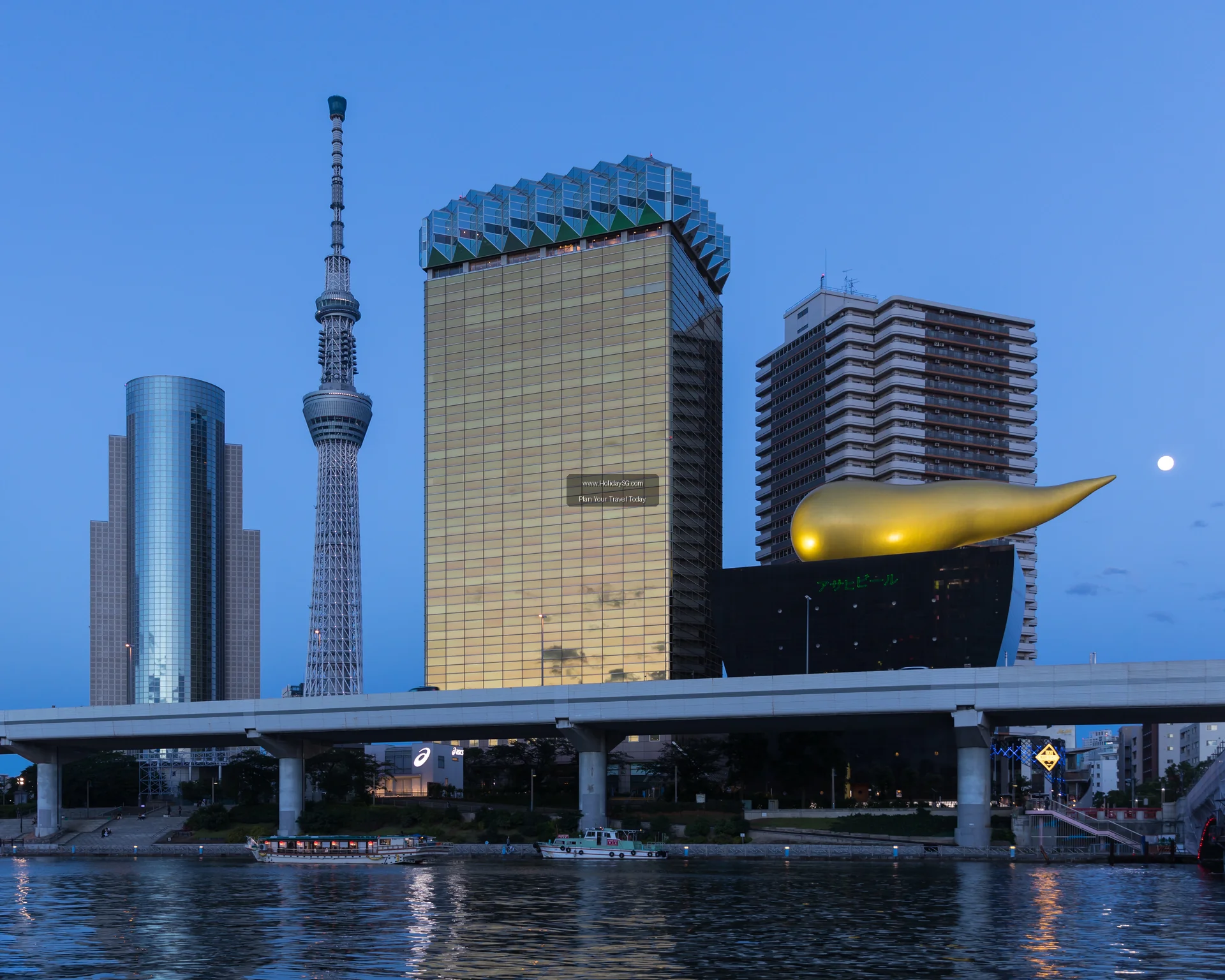
- Why Why Japan English Standup Comedy Show In Tokyo Day Tours
- Limit Aut Tokyo Private Autumn Leaves Photography Tour Day Tours
- Kamakura Railway Yokohama Night View Kamakura High School Station Tsurugaoka Hachimangu Shrine One Day Tour In Tokyo
- Yurikamome Enjoy Pass Yurikamome 1 Day Pass Tokyo Toyosu Manyo Club Discount Combo Ticket Convenient For Daiba Are
- Tokyo Bay Ginza Shinbashi By Night 25 Hrs Day Tours
Book with HolidaySG online for Why Why Japan English Standup Comedy Show In Tokyo Day Tours, Limit Aut Tokyo Private Autumn Leaves Photography Tour Day Tours, Kamakura Railway Yokohama Night View Kamakura High School Station Tsurugaoka Hachimangu Shrine One Day Tour In Tokyo.
Frequently Asked Questions
Where can I book this / what’s the link?
Do foreigners (non‑citizens) need a different ticket, price, or visa for Japan?
Visa requirements depend on your nationality. Most short‑term tourists from many countries can enter Japan visa‑free for up to 90 days, but it’s essential to verify the latest rules on the Ministry of Foreign Affairs of Japan website or with your nearest Japanese embassy. Ticket prices for trains, buses or tours are generally the same for residents and visitors, though some discount passes may be limited to Japanese nationals.
What is the best time (season, or time of day for the site/activity) to go?
The ideal season for day trips from Tokyo is spring (late March‑May) when cherry blossoms are in full bloom, and autumn (October‑November) for comfortable temperatures and vibrant foliage. For specific activities, early morning is best to avoid crowds at popular spots like Mount Takao or the coastal town of Kamakura, while late afternoon offers beautiful golden‑hour lighting for photography.
How much time should I allocate for a typical day trip?
Most day‑trip destinations are within 1‑2 hours of Tokyo by train, allowing you to spend 4‑6 hours exploring the main attractions, plus travel time. If you want a relaxed pace with time for meals and optional side‑activities, plan a full 8‑10‑hour day.
What should I pack for a day trip from Tokyo?
Bring a comfortable pair of walking shoes, a lightweight rain jacket (especially in the rainy season June‑July), a reusable water bottle, and a small daypack. If you’re heading to mountainous areas, pack a sweater as temperatures can drop quickly. Don’t forget your passport or ID, a cash card for small purchases, and a portable Wi‑Fi device or SIM for navigation.
What things cost in Japan
Live HolidaySG prices for the experiences in this guide, so you can sanity-check a budget before you commit.
| Experience | Where | From price |
|---|---|---|
| Museum of Aeronautical Sciences | Chiba | From S$4.00 |
| Fuji-Q Highland | Fujiyoshida | From S$17.21 |
| Kamogawa Seaworld | Chiba | From S$12.00 |
| Mount Fuji Day Trip | Tokyo | From S$41.92 |
| Private Kamakura plus Yokohama Tour - English Speaking Driver | Tokyo | From S$808.24 |
| Tokyo: Mount Takao Guided Hiking Tour Day Tours | Tokyo | From S$141.44 |
| LEGOLAND Discovery Center Tokyo | Tokyo | From S$18.28 |
| Tokyo Hanabiyori | Tokyo | From S$5.20 |
Quick answers
How far can you realistically travel on a day trip from Tokyo? Most practical day trips reach destinations within 60 to 90 minutes by train. Nikko sits about 2 hours away; Kamakura takes 50 minutes. Push beyond two hours and you'll spend half your day commuting, leaving little time to explore.
Do you need a Japan Rail Pass for day trips from Tokyo? Not necessarily. A seven-day pass costs around 29,650 yen and makes sense only if you plan multiple intercity journeys. For occasional day trips, individual tickets or regional IC cards like Suica usually cost less.
Why does weather matter so much for Tokyo day trips? Many destinations rely on natural beauty or outdoor temples. Heavy rain obscures Mt. Fuji views from Hakone; typhoon season (September–October) can close hiking routes in Nikko. Spring and autumn offer the clearest visibility and most comfortable walking conditions.
What's the biggest mistake visitors make when planning day trips from Tokyo? Trying to cover too much in one day. Squeezing Nikko's shrines, Kamakura's temples, and a hot spring visit into eight hours leads to rushed, forgettable experiences. Choose one location and give it proper attention instead.
Understanding Japan's train network for seamless day trips from Tokyo
Most visitors arrive expecting Tokyo's trains to be simply "excellent," then discover the city operates dozens of separate railway companies with confusing fare structures. The Tokaido Shinkansen connects long-distance cities; local lines like the Odakyu Railway head west toward Hakone; the JR East Chuo Line reaches the Izu Peninsula. Mixing these without understanding transfers drains money and time.
Before booking your first day trip from Tokyo, spend fifteen minutes on the official Hyperdia or Google Maps transit planner to map exact routes. These tools show you which train company operates each segment, platform numbers at Tokyo Station, and whether you need to switch lines. Tokyo Station and Shinjuku Station handle most outbound traffic, but some routes depart from smaller terminals—Odawara trains leave from Odawara-bound Odakyu platforms, not JR lines.
Suica or Pasmo cards work across 99 percent of the network and eliminate fumbling with individual tickets at vending machines. Load 2,000 yen onto a card for a single day trip—you'll use only half if traveling to Kamakura, or the full amount to Nikko. When you return to Tokyo, unload any balance at convenient stores or vending machines throughout the city.
A practical tip: download the Tabelog or Google Maps apps offline before leaving Tokyo. Station WiFi works inconsistently on crowded mornings. Having a map already cached prevents you from missing your stop or getting turned around at a small station with minimal signage in English.
Nikko day trips: tackling Japan's most demanding shrine route
Nikko sits roughly 140 kilometers north of Tokyo and ranks among Japan's most visited spiritual destinations, yet the 2-hour journey deters many travelers who misjudge the time commitment. The Toshogu Shrine complex sprawls across a forested mountainside with multiple temple halls, each separated by steep stone stairs and winding paths. Unlike Kamakura's compact temples, Nikko demands serious stamina—expect three to four hours just walking between the main sites on uneven terrain.
Leave Tokyo by 7 a.m. to maximize your time. The Tobu Railway Nikko Line departs every 30 minutes from Asakusa Station, roughly costing 2,700 yen return. Arriving around 9 a.m. gives you until 5 p.m. before you need to catch the return train. Head directly to the Toshogu Shrine's main entrance; don't waste energy walking through the town center first. Buy a combination ticket covering both Toshogu and Rinnoji temples for around 1,000 yen; individual tickets cost more.
The Shinkyo Bridge, a scarlet wooden arch spanning the Daiya River, marks the official shrine approach. Beyond it, the stone staircase begins—thousands of steps climb toward Toshogu's inner sanctum. Most visitors stop midway, paying respects at the ornate Yomeimon Gate, then loop back. Few make the final push to Tokugawa Ieyasu's actual mausoleum at the summit, meaning you'll find genuine solitude there.
Eat lunch around 1 p.m. at one of the small restaurants near the base stations—yuba (tofu skin) and soba are local specialties. Bring water and electrolyte tablets; the mountain air and stone paths exhaust people faster than expected. A practical tip: rent a walking stick at the bridge entrance for 500 yen. Local vendors know the steepness makes descent painful for knees, and the stick genuinely prevents missteps on wet stone.
Kamakura as your entry point: why this coastal town defines Tokyo day trips
Kamakura holds the reputation as Tokyo's safest day trip choice for first-time visitors to Japan, and the stats back it up: 50-minute train ride, accessible temple grounds, small enough to navigate without apps, and close enough that you can bail and return if plans change. The Great Buddha (Daibutsu) sitting in Kotokuin Temple's garden remains Japan's most photographed statue outside Kyoto, but the real reward lies in avoiding it during peak hours and discovering quieter temples instead.
Take the JR Yokosuka Line from Tokyo Station or Shinjuku Station; tickets cost around 900 yen. Arrive by 9 a.m. to beat tour groups. Walk straight from Kamakura Station to Tsurugaoka Hachimangu Shrine, a 15-minute uphill stroll through town. This shrine's vermillion torii gate and pond are far more compelling than the crowded, paid Great Buddha—and the shrine costs nothing.
From Hachimangu, descend toward the coast and explore Hasedera Temple, famous for its 11-headed Kannon statue housed in a wooden hall overlooking Sagami Bay. Entry costs around 400 yen. The coastal walk from Hasedera to Kotokuin Temple takes 20 minutes and passes fishing boats, local cafes, and rocky coves. By the time you reach Daibutsu, you've already seen the better parts of Kamakura without camera chaos.
Eat lunch at small soba shops near Hachimangu rather than touristy restaurants lining the Daibutsu approach. A practical tip: rent a bicycle from one of several shops near the station for 1,000 yen daily. Kamakura's terrain is walkable but hilly; a bike cuts travel time between temples and lets you cover the Enoshima coastal route if you have energy left by afternoon.
Hakone day trips: when to chase Mt. Fuji views and negotiate cable cars
Hakone sits 85 kilometers southwest of Tokyo and advertises itself as Japan's premier mountain resort, but travelers often arrive only to discover Mt. Fuji completely shrouded in cloud. The mountain is visible fewer than 20 days per month on average—spring mornings (March–May) and early winter days (November–December) offer the clearest odds. Humidity in summer causes constant haze; rainy season (June–July) is nearly hopeless.
The Odakyu Railway connects Tokyo's Shinjuku Station to Hakone-Yumoto in 90 minutes, costing roughly 3,070 yen return. From Yumoto, you must take a cable car up to Tonosawa Station (20 minutes), then switch to an ropeway that climbs to the volcanic ash plains at Owakudani. This ropeway is the actual attraction—suspended 1,000 meters above valleys with views of hot springs, sulfur vents, and (on clear days) Mt. Fuji looming beyond. The combined fare for cable car and ropeway is around 1,500 yen.
Owakudani rewards only 45 minutes of exploration—you walk past steaming vents, buy boiled eggs that vendors claim gained sulfur flavor from the geothermal fields, and either see Mt. Fuji clearly or stare into whiteness. On cloudy days, skip Owakudani entirely and instead soak in one of Hakone's public bath houses. Hakone-Yumoto Onsen covers a small town with dozens of facilities; Hakone Ginyu bath house charges around 1,200 yen for access to indoor and outdoor pools overlooking a forest ravine.
A practical tip: check weather forecasts and Mt. Fuji visibility reports the night before. Several Japanese weather sites (check official Japan Meteorological Agency resources) post actual photos from Hakone webcams showing current visibility. If clouds are predicted to clear by afternoon, time your ropeway ascent for 2 p.m., not morning. This simple timing change transforms your visit from frustrating to memorable.
Why spring and autumn make the best seasons for day trips from Tokyo
Japan's travel seasons aren't evenly distributed—spring Cherry blossom season (late March to early April) and autumn leaf-peeping (late October to mid-November) compress half the year's tourists into eight weeks total. This sounds daunting, yet these seasons genuinely deliver superior weather and visibility for day trips. Temperatures hover between 15–20°C, comfortable for walking temple grounds without overheating or freezing. Rain comes predictably between the seasons rather than in surprise downpours.
Spring's cherry blossoms appear for roughly two weeks. Nikko, Kamakura, and areas along the Izu Peninsula fill with pink petals by mid-April. Temples organize evening illumination events, letting you experience familiar sites in a completely different atmosphere. However, blossoms demand precise timing—arrive too early and trees show only buds; arrive late and petals have scattered. Check regional forecasts 10 days prior, not months ahead, as the exact bloom date shifts annually.
Autumn foliage peaks in early November across the Kanto region. Mt. Takao, a 600-meter peak just 50 minutes from Shinjuku, becomes a mass of red and orange maples. Nikko's forests turn centuries-old shades. The air clarity is so superior that Mt. Fuji views from Hakone jump from maybe 30 percent to 80 percent odds. Hiking feels effortless; walking temple steps doesn't leave you drenched in sweat.
Summer carries risks—humidity reaches 80 percent by June; typhoons arrive August through October; crowds double. Winter offers solitude and clear skies but temperatures drop to 5°C at higher elevations. Many mountain temples and shrines report difficulty in winter due to occasional snow. A practical tip: if you're flexible on dates, book flights aiming to land in Tokyo during early April or late October, building your entire trip around these optimal day-trip seasons.
Mt. Takao day trips: hiking Japan's most accessible mountain
Mt. Takao sits just 50 minutes from Shinjuku Station via the Keio Line (around 900 yen return) and climbs only 599 meters, yet receives more annual hikers than Mt. Fuji. The trail density rivals Nikko, but Takao compresses everything into a half-day excursion. Eight separate hiking routes ascend the mountain; most terminate at a temple complex with restaurants, toilets, and vending machines—it's not wilderness, it's a recreational hike with infrastructure.
Route 1 (the main trail) takes 90 minutes to climb and passes a cable car station midway. Skip the cable car for the full hike—the forest canopy provides shade, and steps are well-maintained. Route 6 meanders through forest with minimal elevation gain; Route 8 offers the steepest, most direct approach. Most guidebooks recommend Route 1 up, Route 6 down, combining a real climb with scenic descent through groves where monkeys occasionally appear in branches.
The summit temple serves soba made from local flour and serves it cold in summer, hot in winter. A bowl costs around 1,000 yen. Tables outside the restaurant overlook Tokyo's sprawl—on clear days you see Shinjuku's skyscrapers 50 kilometers away. The summit area is crowded but far less aggressive than Mt. Fuji; you can sit quietly, eat, and recover before descending.
Takao suits families, older travelers, and anyone intimidated by Nikko's steepness. The cable car from the midpoint station costs around 600 yen if your knees rebel. A practical tip: arrive at Takaosanguchi Station (Keio Line terminus) by 8 a.m., well before weekend crowds. Your entire hike, summit meal, and descent can wrap up by 2 p.m., leaving your afternoon free for other Tokyo activities.
Enoshima day trips: combining shrine visits with beach walks
Enoshima sits 60 kilometers southwest of Tokyo as a small island accessible by bridge and is often overlooked by day-trippers fixated on Nikko or Kamakura. The advantage is space—Enoshima receives a fraction of the visitors, meaning you can walk the main Enoshima Shrine complex without queuing, then actually see the ocean instead of dodging cameras.
Take the Odakyu Railway from Shinjuku to Katase-Enoshima Station (about 70 minutes, roughly 1,500 yen return). Walk across the bridge onto the island—take 15 minutes to simply stand midway and absorb the bay views before committing to the shrine route. The main Enoshima Shrine sits at the island's peak; a cable car and escalator system (around 1,000 yen combined) handle the steep climb. Walking the stairs takes 25 minutes and passes smaller shrines and shops selling takoyaki (octopus balls) and kakigori (shaved ice).
The summit shrine is less ornate than Kamakura's Hachimangu but rewards effort with views across Sagami Bay toward the Izu Peninsula. On exceptional days, Mt. Fuji's silhouette appears. The descent path differs from ascent—most people miss this opportunity for variety and simply retrace their steps. Walk down via a separate trail through forested areas, exiting near the island's eastern edge where beaches open up.
Katase Beach, connected to Enoshima by sand, lets you walk alongside the shore for an hour. The beach teems with surfers in winter; swimmers arrive in July and August. Unlike Kamakura's urban closeness, Enoshima offers genuine coastal breathing room. A practical tip: bring a light rain jacket regardless of forecast—coastal wind whips up quickly in afternoon, and the bridge crossing becomes less enjoyable in unexpect wind.
Kawagoe day trips: experiencing merchant-town architecture near Tokyo
Kawagoe, a former merchant town 40 kilometers northwest of Tokyo, preserves wooden warehouses and traditional storefronts dating to the Edo period (1603–1868). Most Tokyo visitors never venture here, assuming all nearby day trips mean temples or mountains. Kawagoe offers something different—a physical walk through Japan's pre-modern commercial landscape with narrow alleys, functioning shops, and restaurants housed in 200-year-old buildings.
Take the JR Kawagoe Line or private rail operator Tobu Tojo Line from central Tokyo; the JR route takes 35 minutes and costs roughly 770 yen. Exit at Kawagoe Station and walk 15 minutes to the Kurazukuri Street (warehouse district). The street is pedestrian-only and lined entirely with dark-timber storefronts. Many building facades date to after the 1893 fire that destroyed the town; local merchants deliberately rebuilt with heavy clay and plaster to resist future flames. Walking here genuinely feels like stepping backward in time.
Explore the Kawagoe Castle museum (around 300 yen admission) for context on the town's samurai history, then walk to Kitain Temple nearby. Kitain houses Japan's oldest preserved buildings for a Buddhist temple structure, predating most Nikko constructions. A small garden inside offers unexpected quiet compared to the street crowds outside.
Lunch at one of the restaurants within the warehouses—sweet potato (imo) dishes are Kawagoe specialties since the region grows them extensively. A restaurant called Ichihachi serves grilled sweet potato skewers and has occupied its space since 1935. Your entire Kawagoe visit fits comfortably into four hours, leaving you time to return to Tokyo by evening. A practical tip: visit on a weekday if possible. Weekends draw organized tour groups that cluster the narrow streets, and the authentic feeling evaporates.
More quick answers
How do you get from Tokyo to Nikko, Kamakura, or Hakone?
Nikko is reached via the Nikko Line or the slower Kinugawa Line from Asakusa (two hours). Kamakura takes 55 minutes on the Yokosuka Line from Tokyo Station. Hakone requires either the mountain railway from Odawara (reached by shinkansen) or a more scenic route via cable car and ropeway. Each destination has multiple train operators, so check which passes apply to your itinerary.
Do I need a Japan Rail Pass for day trips from Tokyo?
Not necessarily. Regional railway companies and local operators often charge less for single journeys than a multi-day pass. Compare the cost of round-trip tickets for each destination before purchasing a pass. A Rail Pass makes sense only if you're covering several prefectures or planning multiple day trips over consecutive days.
What's the difference between a day trip and an overnight stay?
Most destinations can be covered in six to eight hours, but mountain areas like Mt. Takao or Nikko benefit from an extra hour at dawn or dusk. Hakone is genuinely better with an overnight stay since cable cars and hot springs require leisure time. Check the last train back to Tokyo for each location; many mountain routes stop running by 19:00.
How much should you budget per person for a day trip from Tokyo?
Round-trip train fares range from 2,000 yen (Mt. Takao) to 6,000 yen (Nikko or Hakone). Add 1,500-3,000 yen for cable cars, shrines, or museums. Lunch in smaller towns costs 900-1,500 yen for ramen or set meals. Budget 5,000-10,000 yen per person for a comfortable day trip including transport and meals.
Train passes and tickets for day trips from Tokyo
Buying a pass without calculating your specific route wastes money. Tokyo's train ecosystem splits between JR (Japan Railways), private operators, and municipal lines, and they rarely cross-honour tickets. The Odakyu Railway connects Tokyo to Hakone and Mt. Takao with its own packages; the Kintetsu Line reaches Nikko; the Shonan-Shinjuku Line goes to Kamakura. Each operator offers day-trip packages bundling train access with cable car or museum tickets.
Before committing to any pass, map your exact stops. If you're visiting Nikko's Toshogu Shrine and the nearby Lake Chuzenji, you'll need the Nikko Line train plus a cable car ticket. Kamakura visitors typically use only the Yokosuka Line and walk between temples. Hakone requires the Odakyu Romance Car train, a mountain railway, and a cable car, which together cost more than individual tickets but provide commentary and scenic stops.
One practical tip: buy your return ticket immediately upon arrival in any destination. Trains become crowded between 16:00 and 18:00 as tourists return to Tokyo, and you may not get a reserved seat without an advance purchase.
What to expect on cable cars and mountain routes during day trips from Tokyo
Do cable cars and mountain trains operate year-round?
Most do, but schedules compress in winter. Hakone's cable car and ropeway run daily but with reduced frequency between December and February. Mt. Takao's cable car stops operating once daily during heavy snow. Check the operator's website before travel, especially if visiting between November and March.
How steep are the cable cars, and do they feel safe?
Hakone's cable car climbs at a 40-degree angle, which feels dramatic but is engineered for mountains worldwide. You're seated face-forward, so the incline feels less extreme than it looks. Riders with mobility concerns should ask staff at the base station whether they can access cabins; some vehicles accommodate wheelchairs on level sections only.
What's the difference between a cable car and a ropeway?
Cable cars (like those in Hakone) run on tracks and climb steep grades. Ropeways hang from a single cable and offer 360-degree views above the landscape. Hakone's ropeway crosses Lake Ashi and gives you views of Mt. Fuji and volcanic vents; it's thrilling but not for acrophobics.
Mountain attractions near Tokyo cluster around hot springs (onsen) and hiking. Nikko's cable car system is light on infrastructure compared to Hakone; you're mostly walking between shrines and waterfalls. Mt. Takao's cable car is short (six minutes) and primarily for hikers avoiding the steepest switchbacks on descent. Enoshima's escalators and cable car are gentler and designed for leisure visitors mixing shrine walks with beach time.
Quick answers (part 3)
Can I do multiple day trips from Tokyo in one week? Yes. Most destinations take 1.5 to 3 hours by train, so you could visit Kamakura one day, Nikko another, and Enoshima on a third without rushing. Plan recovery days if you're hiking Mt. Takao or exploring Hakone's cable car network.
What's the single most useful ticket for day trips from Tokyo? The Suica or Pasmo rechargeable card covers trains, buses, and cable cars across most destinations. It eliminates buying individual tickets and works on every major carrier mentioned in this guide.
Do I need to book day trips in advance? No. Trains run frequently (every 10-30 minutes on major lines), and shrines, temples, and hiking trails don't require reservations. Book accommodation only if you're staying overnight in Hakone or Nikko during peak season.
What's the biggest mistake people make on Tokyo day trips? Starting too late. Trains from Tokyo station fill quickly between 8 and 9 a.m., and popular sites like Tsurugaoka Hachimangu in Kamakura get crowded by mid-morning. Leave Tokyo by 7 a.m. to avoid queues.
Getting to day trips from Tokyo: which train line serves which destination?
Tokyo's rail network looks chaotic on maps but follows a logical hub system. Most day trips leave from Tokyo Station, Shinjuku Station, or Ikebukuro Station depending on direction. Nikko sits north, Kamakura and Enoshima lie south, Hakone stretches west, and Mt. Takao rises directly southwest.
The Tokaido Shinkansen gets you to Hakone's foothills fastest but costs more than local trains. The Odakyu Line from Shinjuku offers a cheaper, scenic alternative with built-in cable car access. For Nikko, the Tobu Line directly connects Asakusa to Nikko Station in under two hours, avoiding Tokyo Station entirely.
JR East lines dominate southern routes to Kamakura and Enoshima, running every 15 minutes during daylight. Private railways like Odakyu and Kintetsu often bundle transport with cable cars or mountain trains, simplifying logistics if you're combining activities.
Practical tip: Download the Hyperdia or Google Maps apps before your trip. Both show real-time delays and platform assignments, which matter when transferring between train operators.
Prices for day trips from Tokyo: what you'll actually spend
Train fares vary wildly based on distance and operator. A round-trip to Kamakura costs roughly half what Nikko costs because it's closer, but prices change seasonally and with exchange rates. Instead of quoting outdated numbers, check the official Tobu, JR East, Odakyu, or Kintetsu websites directly, where you enter your departure and return stations to see current fares.
Cable car rides in Hakone and mountain trains on Mt. Takao add 1,000 to 3,000 yen per person. Temple and shrine entries typically cost 300 to 1,000 yen. Meals in smaller towns like Kawagoe run cheaper than Tokyo, with ramen or donburi bowls costing 800 to 1,200 yen.
A realistic day trip budget (transport, two meals, cable cars, and shrine entries) ranges from 6,000 to 12,000 yen per person depending on your destination and how much you eat. Hiking Mt. Takao costs almost nothing beyond transport and lunch because it's free to access.
Things to book on this trip
Plan the rest of your trip
- Japan visa requirements - Check who needs a visa, the documents and the processing time.
- Hotels in Tokyo, Japan - Compare hotels and check room rates for your dates.
