

Travel to the philippines: the complete 2026 guide (visas… is exactly what this guide covers.
Introduction: Why the Philippines Should Be Your Next Big Adventure
Imagine waking up to the sound of gentle waves lapping against a powdery white beach. Picture yourself kayaking through a cathedral-like limestone lagoon, its emerald waters glowing under a tropical sun. Envision sharing a feast of grilled seafood and adobo with new friends, their laughter mixing with the rustle of palm fronds. This isn’t a daydream; it’s a typical Tuesday in the Philippines. With over 7,000 islands, this Southeast Asian archipelago offers an intoxicating blend of world-class natural beauty, vibrant culture, and unparalleled warmth from its people. Whether you’re an adrenaline junkie seeking world-class diving, a history buff exploring colonial streets, or simply someone in need of profound relaxation on a pristine shore, the Philippines delivers. This complete 2026 guide to travel the Philippines is your definitive roadmap to planning an unforgettable trip, covering everything from visa policies to island-hopping itineraries.
TL;DR: Most travelers, including Singaporeans, can enter the Philippines visa-free for up to 30 days. Plan your visit during the dry season (November to May), budget for an affordable yet rich experience (approx. SGD 80-120/day), and prioritize destinations like Palawan and Bohol. While generally safe in tourist areas, exercise normal precautions, and you’ll find a country that’s as welcoming as it is beautiful.
Planning Your Trip: The Essentials
Ready to go? Book Philippines Esim with HolidaySG for instant confirmation.
Visa Policies and Entry Requirements for 2026
For many nationalities, including citizens of Singapore, the United States, the United Kingdom, and Australia, entering the Philippines is refreshingly straightforward. You can enjoy a visa-free stay of up to 30 days, provided you have a passport valid for at least six months beyond your arrival date and a return or onward flight ticket. The Philippine Bureau of Immigration occasionally extends this grace period to 60 or even 90 days for certain countries, so it’s always wise to check the latest circulars just before you book. For longer stays or specific purposes like work or study, you’ll need to apply for the appropriate visa in advance.
Best Time to Visit: Weather, Crowds, and Festivals
Timing is everything. The ideal time to visit the Philippines is during the dry season, which runs from November to May. This period offers the best conditions for beach activities, island hopping, and diving. The peak tourist season is from December to February, when the weather is at its coolest and driest, but also when crowds are thickest and prices are highest. March to May brings hotter, more humid conditions, but also fewer tourists and vibrant local festivals like Sinulog in Cebu. The wet or typhoon season (June to October) brings heavy rains and potential storm disruptions, particularly in the northern and eastern regions, making travel less predictable.
Exploring Paradise: Top Destinations & Activities
Palawan: The World’s Best Island & Lagoons
Palawan is the crown jewel of the Philippines, frequently topping global “best island” lists. Its main draws are the stunning lagoons of El Nido and Coron. In El Nido, kayak through the Secret Lagoon or Big Lagoon, surrounded by towering karst cliffs. Coron is a haven for divers, with sunken Japanese ships from WWII resting in clear waters. The Puerto Princesa Underground River, a UNESCO World Heritage site, offers a unique boat tour through a navigable subterranean river. Palawan embodies the tropical paradise fantasy.
Beach Bliss: Boracay and Beyond
Boracay’s White Beach is iconic for a reason: its fine, talc-like sand and turquoise waters are postcard-perfect. It’s a hub for water sports, from parasailing and helmet diving to simply lounging with a fresh mango shake. After its environmental rehabilitation, Boracay has retained its beauty with better-managed tourism. For a quieter but equally stunning beach experience, consider the less-developed shores of Siquijor, the island-province of Catanduanes, or the long, palm-fringed coastline of San Juan, La Union.
Cultural & Natural Wonders: Bohol, Banaue, and Manila
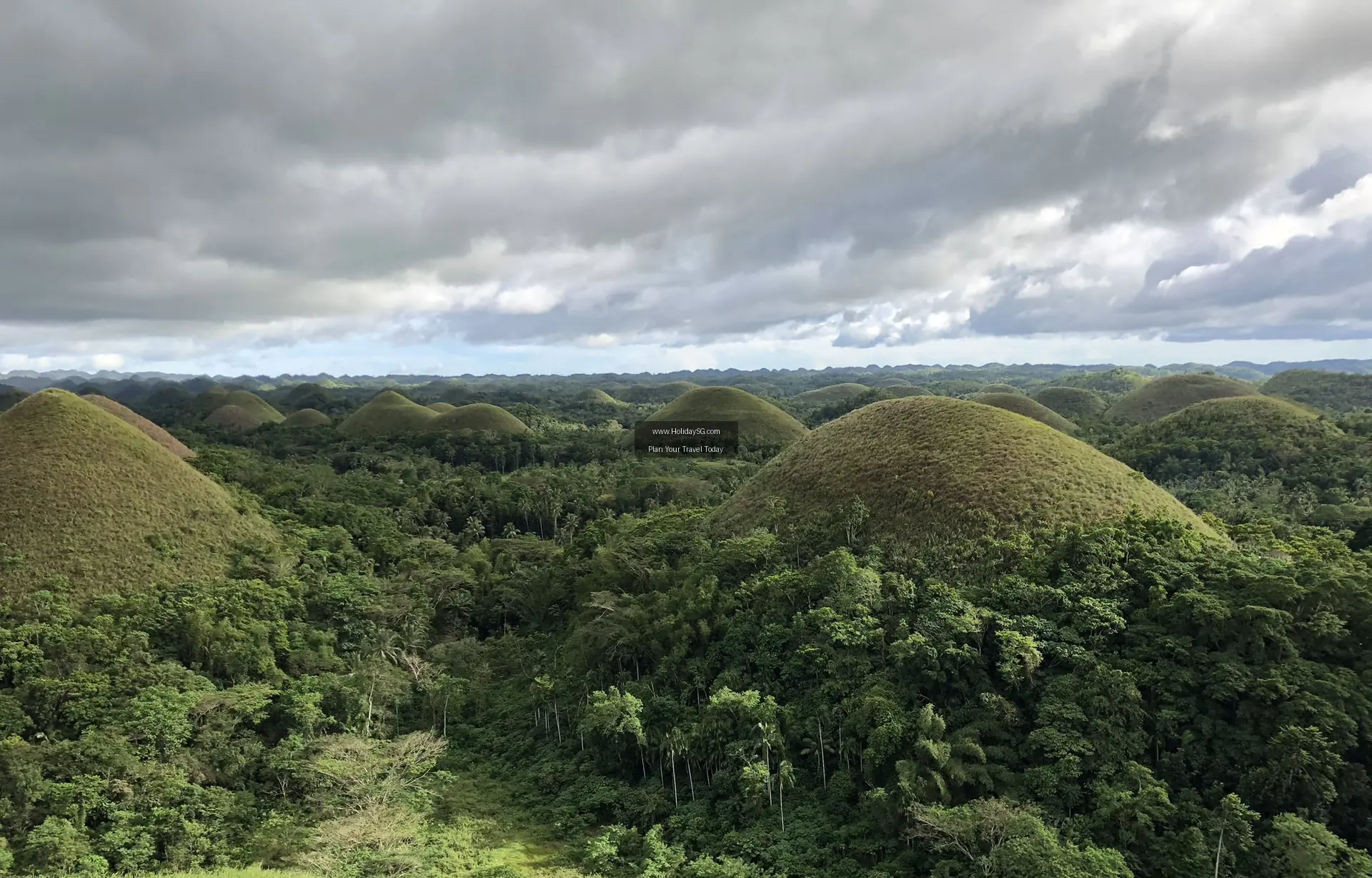
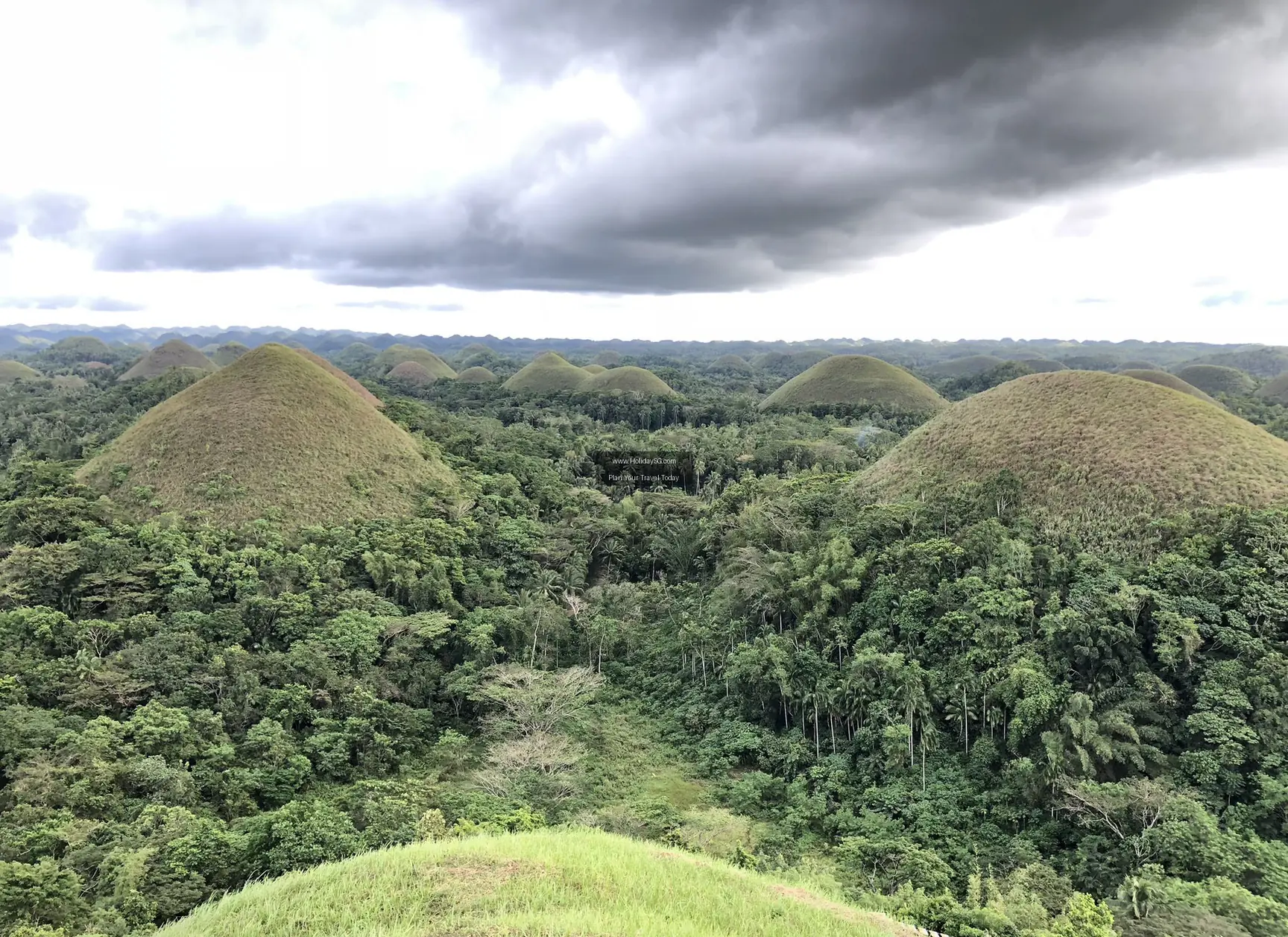
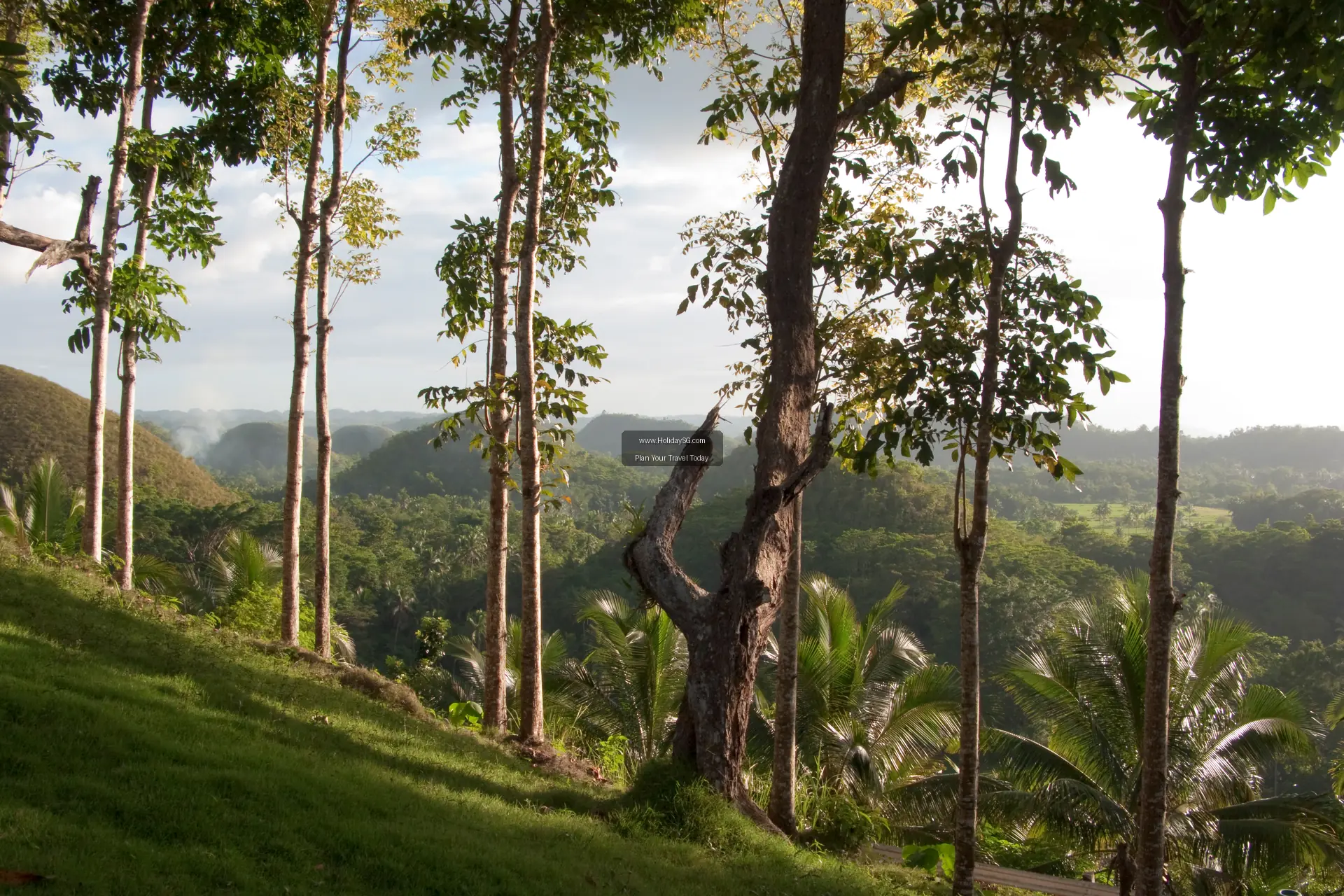
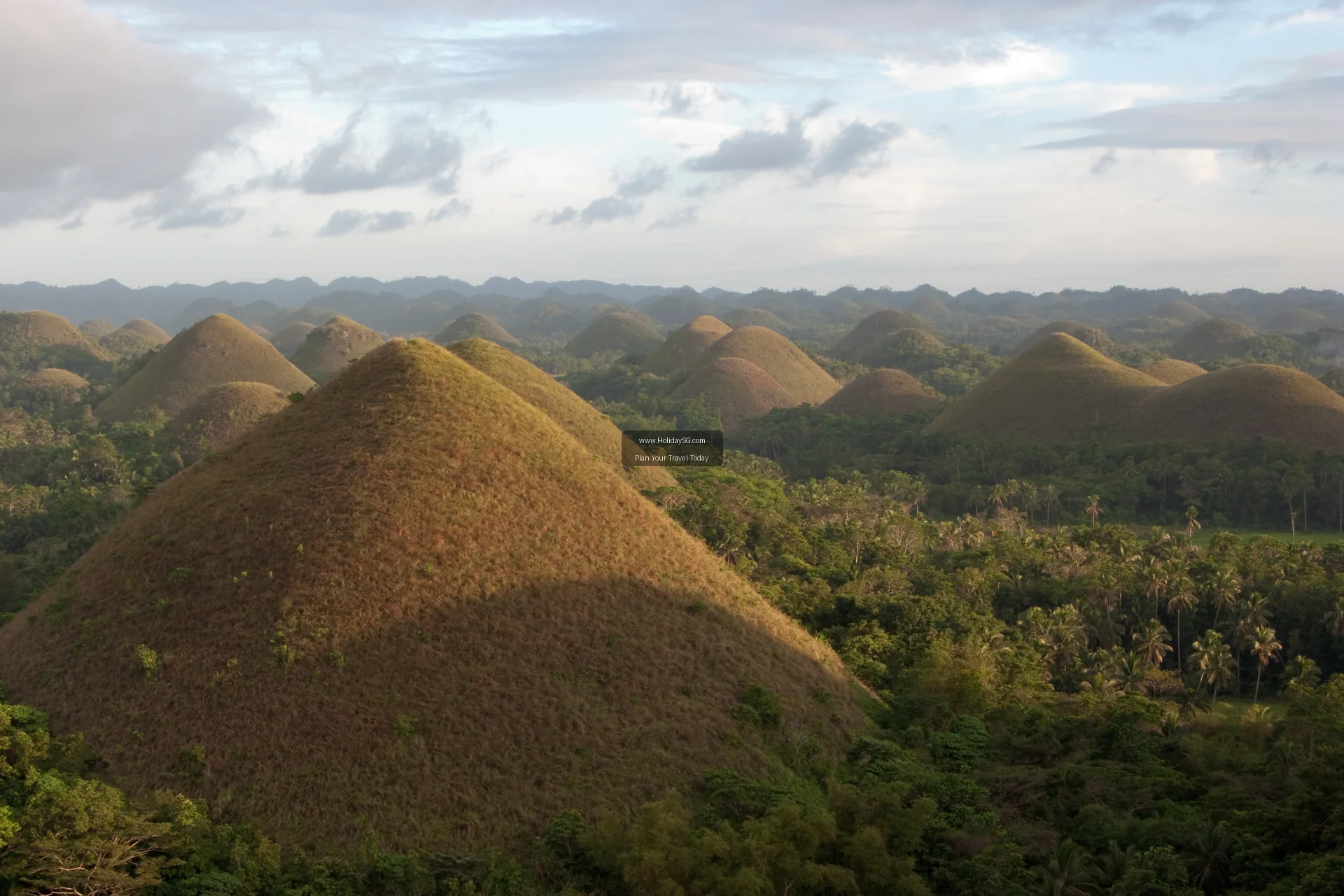
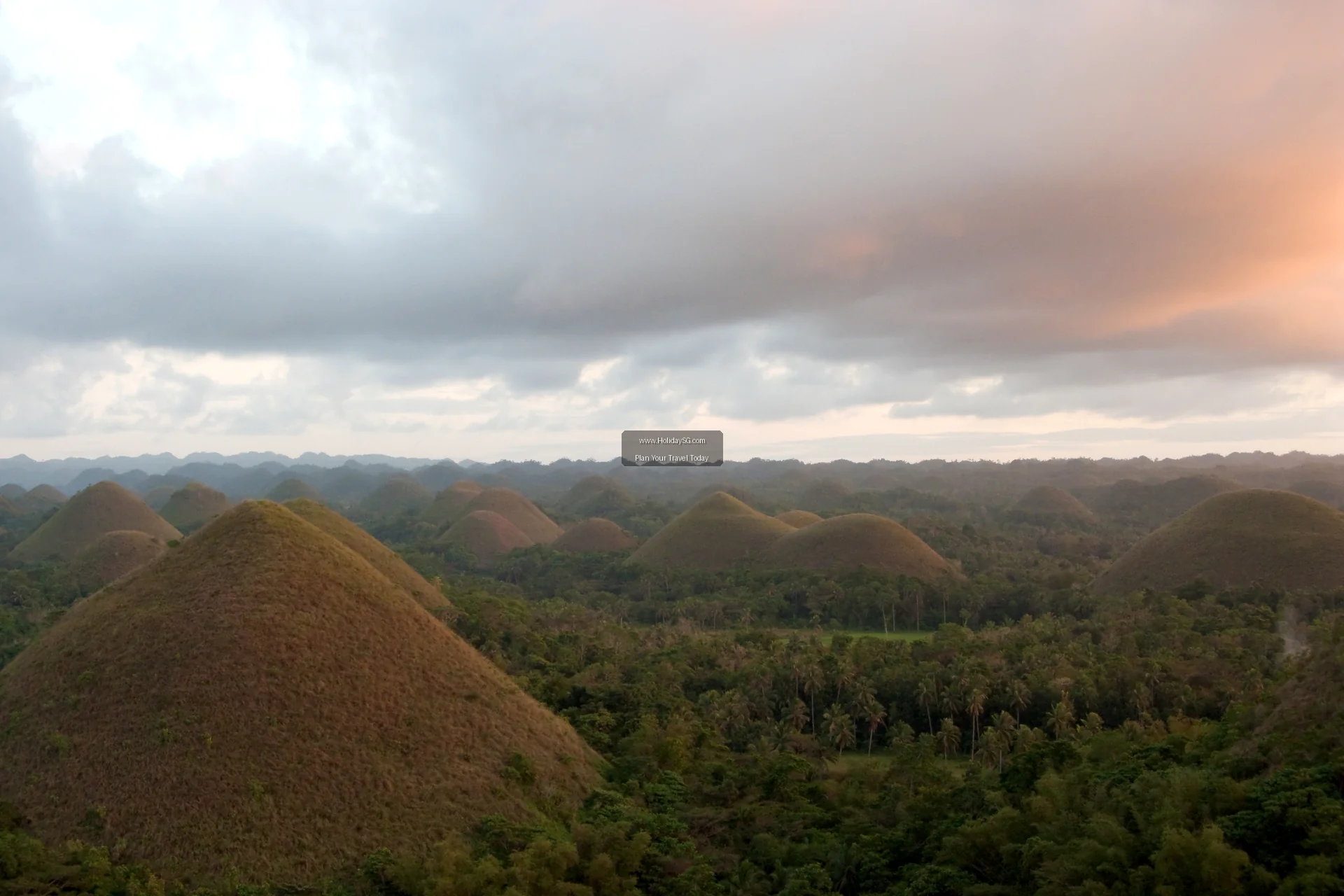
Beyond the beaches, the Philippines’ cultural and natural tapestry is rich. In Bohol, marvel at the Chocolate Hills—over a thousand symmetrical mounds that turn brown in the dry season—and meet the tiny, endemic tarsiers. Journey north to Banaue to witness the awe-inspiring Banaue Rice Terraces, a 2,000-year-old UNESCO site often called the “Eighth Wonder of the World.” In Manila, the capital, step back in time within the walled city of Intramuros, a relic of Spanish colonial rule, and explore its cobblestone streets and historic churches.
Budgeting Your Filipino Adventure
Ready to go? Book Philippines Esim with HolidaySG for instant confirmation.
How Much Will It Cost? A Daily Budget Breakdown
The Philippines is exceptionally friendly to various travel styles. As a budget traveler, you can comfortably get by on approximately SGD 80-120 per day. This would cover a clean dorm or basic private room, local meals (think *sinigang* or *lechon kawali*), public transport, and entry to a couple of attractions. A mid-range experience, with nicer hotels, more restaurant meals, and guided tours, would be around SGD 200-400 per day. A typical local meal at a *carinderia* (eatery) costs SGD 3-5, a bottle of beer is SGD 1-2, and an island-hopping tour averages SGD 30-60 per person.
Money Matters: Currency, Cards, and ATMs
The currency is the Philippine Peso (PHP). While credit and debit cards are accepted in hotels, larger restaurants, and malls, cash is still king. You’ll need PHP for markets, tricycle rides, small guesthouses, and rural areas. ATMs are widely available in cities and tourist towns, but always carry sufficient cash when heading to remote islands. Inform your bank of your travel plans to avoid card blocks.
Getting Around: Transportation Demystified
Flying Between Islands: Airlines and Domestic Flights
With thousands of islands, domestic flights are the fastest way to cover distances. Airlines like Cebu Pacific and AirAsia offer frequent and affordable services connecting Manila and Cebu with major tourist hubs like Puerto Princesa (for Palawan), Tagbilaran (for Bohol), and Kalibo (for Boracay). Booking in advance secures the best fares, which can be remarkably low for the convenience.
Ferry Travel: A Scenic and Affordable Option
For those with more time and a sense of adventure, the ferry network is extensive and budget-friendly. Companies like 2Go Travel and various local operators connect major islands. Journey times vary from a few hours to overnight. It’s a fantastic way to see the archipelago’s coastal scenery and travel like a local. Always check schedules and book tickets, especially during peak seasons.
On the Ground: Taxis, Grab, and Local Transport
Within cities and towns, getting around is easy. In major hubs like Manila, Cebu, and Davao, use the ride-hailing app Grab for convenient and metered rides. Metered taxis are also common. For short distances, iconic jeepneys (modified trucks) and tricycles (motorcycle with sidecar) offer cheap, albeit adventurous, local transport. Just agree on the fare beforehand with tricycle drivers.
Safety, Connectivity, and Practical Tips
Ready to go? Book Philippines Esim with HolidaySG for instant confirmation.
Is the Philippines Safe? Navigating Safety with Confidence
The Philippines is generally safe for tourists in established destinations like Palawan, Boracay, Bohol, and Cebu. The key is to exercise normal precautions: be alert in crowded markets and city centers to deter pickpocketing, avoid flashing expensive jewelry or electronics, and use hotel safes for valuables. It’s crucial to check your government’s travel advisories for the latest information. The southern island of Mindanao, with the notable exceptions of the tourist-friendly islands of Siargao and Camiguin, often has higher-risk warnings. During the wet season, monitor weather updates for typhoon alerts.
Staying Connected: SIM Cards and Internet
Staying online is easy and inexpensive. Local SIM cards from providers like Globe and Smart offer excellent data coverage across most tourist areas. You can buy a travel SIM with a data package at the airport or convenience stores. For ultimate convenience before you even land, consider an eSIM product like the Philippines eSIM from HolidaySG, which lets you activate a local data plan instantly upon arrival, ensuring you’re connected from the moment you touch down for maps, ride-hailing apps, and keeping in touch.
Packing Essentials: What to Bring and What to Leave
Pack light, breathable clothing suitable for a tropical climate. Essentials include strong sunscreen, insect repellent (especially for dengue prevention in urban areas), a reusable water bottle to reduce plastic waste, and a waterproof dry bag to protect your electronics during island-hopping tours. A universal power adapter is necessary for Type A, B, or C plugs. You can leave bulky towels and beach gear behind—guesthouses provide the former, and the latter is often available for rent.
Understanding Filipino Culture and Etiquette
Language: Communicating with Ease
Communication is one of the easiest aspects of a Philippine trip. Both Filipino (based on Tagalog) and English are official languages. English is widely spoken in tourist areas, cities, hotels, and the service industry. You’ll rarely have trouble ordering food, asking for directions, or having a chat. Learning a few basic Filipino phrases like “Salamat” (Thank you) and “Magandang umaga” (Good morning) will, however, be warmly appreciated.
Respect and Customs: From Greetings to Dress Codes
Filipinos are known for their hospitality and politeness. A slight bow or nod is a common, respectful greeting. When speaking to elders or those in authority, using the words “po” and “opo” at the end of sentences shows respect. When visiting churches and religious sites, dress modestly by covering your shoulders and knees. Tipping is not obligatory but is appreciated for good service in restaurants (10% is standard) and by tour guides and drivers.
Recommended HolidaySG Tours
Ready to go? Book Philippines Esim with HolidaySG for instant confirmation.
Ready to book your adventure? Here are some essential services to enhance your Philippine trip:
- Philippines Unlimited 4G/5G Data eSIM – Perfect for travelers who want unlimited, high-speed data throughout their entire journey across the islands.
- Philippines eSIM – A flexible and reliable data solution for your core travel needs.
- Airalo Philippines eSIM Package – A trusted global brand offering straightforward data packages for the Philippines.
- Commbitz Philippines eSIM Package – Another excellent option for ensuring you stay connected with a convenient data plan.
Conclusion: Your Filipino Adventure Awaits
The Philippines is a destination that captivates the heart. From the dramatic landscapes of its islands to the enduring spirit of its people, it offers adventures that linger in your memory long after you’ve returned home. By planning with this guide—securing your entry, budgeting wisely, choosing the right season, and moving with confidence—you’re setting the stage for an incredible journey. Whether you’re diving in Coron, hiking in the Cordilleras, or simply savoring a sunset with a cold beer in hand, the Philippines promises an escape that is both thrilling and deeply soulful.
Ready to start your adventure? Ensure seamless connectivity throughout your trip with our Philippines Esim for easy access to maps, transport apps, and more.
Book these with HolidaySG:
Book with HolidaySG for the best prices on Philippines Esim, Philippines Unlimited 4g5g Data Esim, Commbitz Philippines E Sim Package.
Frequently Asked Questions
Where can I book a Philippines eSIM for my trip?
You can conveniently book a Philippines eSIM online before you travel through HolidaySG. Here are some popular options:
– Philippines E Sim
– Philippines Unlimited 4g5g Data E Sim
– Commbitz Philippines E Sim Package
– Commbitz Philippines E Sim Daily
– Airalo Philippines E Sim Package
Do foreigners (non-citizens) need a different ticket, price, or visa for the Philippines?
Visa requirements depend entirely on your nationality and the purpose of your visit. Citizens of many countries, including Singapore, can enter the Philippines visa-free for short stays for tourism. However, entry rules, permitted durations, and any required fees can change. It is essential to verify the current official requirements by checking the Philippine Department of Foreign Affairs or the embassy/consulate website of your country before booking your trip. There are generally no separate “tourist tickets” for attractions; foreigners pay the same published entrance fees.
What is the best time to go to the Philippines?
The best time to visit the Philippines is generally during the dry season, from November to May. The peak, sunny months are typically February to May. However, the “best” time can vary by region and activity. For example, the eastern coast may see rain earlier, while the best season for diving in Tubbataha Reef is from March to June. Within a day, outdoor activities and island hopping are best started early in the morning. For the most accurate forecast, check weather patterns for your specific destination and travel dates.
How many days should I spend in the Philippines?
A minimum of 7-10 days is recommended to get a good taste of the Philippines, which is an archipelago of over 7,000 islands. For a comprehensive trip covering Manila, a major beach destination (like Palawan or Cebu), and a cultural area, you might need 12-14 days. Shorter 5-7 day itineraries can focus on one key region, such as exploring Palawan’s islands or the beaches of Boracay.
What is a typical daily budget for a traveler in the Philippines?
Daily costs vary greatly. A budget traveler might spend PHP 2,000-3,000 (SGD 50-75), staying in hostels, eating at local eateries (carinderia), and using public transport. A mid-range traveler could spend PHP 5,000-8,000 (SGD 125-200), staying in 3-4 star hotels, dining at restaurants, and taking occasional tours. Luxury travelers can easily spend PHP 15,000+ (SGD 375+) per day. Major tourist destinations like Boracay or El Nido will have higher prices than less-developed islands.
How do I get to the Philippines from Singapore?
The most direct way is by air. Numerous airlines offer direct flights from Singapore’s Changi Airport (SIN) to Manila’s Ninoy Aquino International Airport (MNL). Flight time is approximately 3.5 hours. From Manila, you can take connecting domestic flights to other major destinations like Cebu, Puerto Princesa, or Clark. There are also some direct flights from Singapore to Cebu (CEB).
Is the Philippines a family-friendly destination?
Yes, the Philippines is very family-friendly. Filipinos are known for their warmth and hospitality towards children. Families can enjoy beautiful, relatively safe beaches, interactive cultural experiences, and nature parks. Destinations like El Nido, Bohol, and the beach resorts of Cebu offer activities suitable for all ages. Just be mindful of travel times between islands and choose resorts with child-friendly amenities.
What should I pack for a trip to the Philippines?
Essential items include lightweight, breathable clothing, swimwear, a strong sunscreen (reef-safe if possible), insect repellent, a reusable water bottle, and a quick-dry towel. Pack comfortable walking shoes or sandals, a rain jacket or poncho (especially outside the dry season), and a universal power adapter (Type A, B, or C plugs are common). For island hopping, bring a dry bag for electronics and a basic first-aid kit with motion sickness medication if needed.
Is the Philippines accessible for travelers with disabilities?
Accessibility varies widely. Major cities like Manila have some modern hotels and malls with facilities, but public infrastructure can be challenging. Tourist resorts on major islands often have better access, but natural attractions like beaches and caves may be difficult to navigate. It is crucial to research and contact specific hotels, tour operators, and attractions in advance to understand the exact facilities and limitations.
Is it safe to travel to the Philippines as a tourist?
For most tourists visiting popular destinations, the Philippines is generally safe. However, like any travel, it requires common-sense precautions. Be vigilant against petty theft and scams, especially in crowded areas. Avoid displaying expensive jewelry or electronics. It is advisable to check your government’s travel advisories for the latest information on specific regions, as safety situations can change. Overall, the vast majority of visits are trouble-free.
What is the weather like in the Philippines?
The Philippines has a tropical climate with two main seasons: the dry season (November to May) and the wet/monsoon season (June to October). The hottest months are typically March to May. Even in the dry season, brief showers can occur. During the wet season, rainfall is more frequent and heavy, and typhoon risk is higher, particularly from August to November. Coastal areas may be breezy, while cities can be hot and humid year-round.
What local etiquette or customs should I know?
Filipinos are generally polite and respectful. It’s customary to use “po” and “opo” (formal “yes”) when speaking to elders or authority figures as a sign of respect. Use a slight nod or “mano po” (taking an elder’s hand to your forehead) when greeting older relatives. When entering someone’s home, it’s polite to remove your shoes. Dress modestly when visiting churches or rural areas. Tipping is appreciated in restaurants and for good service but is not always obligatory.
What are the must-try Filipino foods?
Don’t miss these classic dishes: Adobo (chicken or pork stewed in vinegar and soy sauce), Sinigang (sour soup often with tamarind), Lechon (whole roasted pig), Kare-Kare (oxtail stew in peanut sauce), and fresh seafood like grilled pusit (squid). For breakfast, try Tapsilog or Longsilog. For snacks, sample Halo-Halo (a shaved ice dessert) and street food like fish balls or kwek-kwek (deep-fried quail eggs). Pair your meal with local San Miguel beer or calamansi juice.
What are some popular nearby attractions or day trips?
The Philippines is packed with options. From Manila, popular day trips include the historic city of Intramuros, the volcanic landscape of Taal, and the beach resorts of Batangas. From Cebu, you can visit Oslob for whale shark watching or Kawasan Falls. From Puerto Princesa (Palawan), the Underground River is a world-famous excursion. Each major island hub has its own set of nearby natural and cultural attractions.
Can I use my credit cards in the Philippines?
Credit cards are widely accepted at hotels, larger restaurants, shopping malls, and established tour operators in major tourist areas. However, for smaller shops, local markets, tricycle rides, and eateries in rural areas, you will need cash in Philippine Pesos (PHP). ATMs are available in cities and towns, but it’s wise to carry enough cash for your daily needs, especially when traveling to remote islands.
How do I get around within the Philippines?
Transportation options vary by location. In cities, use metered taxis or ride-hailing apps like Grab. For short distances, try tricycles (motorcycles with sidecars) or jeepneys (colorful shared minibuses). For inter-island travel, domestic flights are the fastest option. Ferries and boats connect islands and are a classic part of the experience. Once on an island, you can rent motorbikes or hire local drivers.
Is English widely spoken in the Philippines?
Yes, English is an official language and is widely spoken and understood, especially in tourist areas, hotels, restaurants, and among the younger population. You should have no major issues communicating for travel-related purposes. You may also hear a mix of English and Filipino (Tagalog) in daily conversation.
Do I need any specific vaccinations to visit the Philippines?
While no specific vaccinations are legally required for entry from most countries (including Singapore), it is highly recommended that your routine vaccinations are up to date. Consult your doctor or a travel health clinic before your trip. They may recommend vaccines for Hepatitis A, Hepatitis B, Typhoid, and Rabies, depending on your travel plans and duration of stay. Using mosquito repellent is crucial to prevent dengue fever.
What are the best places for island hopping?
The Philippines is a premier island-hopping destination. Top spots include:
– El Nido and Coron (Palawan): Famous for stunning limestone karsts, hidden lagoons, and pristine beaches.
– Cebu (Malapascua, Bantayan, Moalboal): Offers diverse marine life, from thresher sharks to sardine runs.
– Siargao: Known for its surf culture but also has beautiful islands and lagoons for tours.
– Bohol: Combines the Chocolate Hills with beach-hopping in nearby Panglao and Anda.
What is a unique cultural experience I shouldn’t miss?
One of the most unique cultural experiences is witnessing or participating in a Fiesta. Nearly every town has an annual patron saint’s festival with parades, music, street dancing, and feasting. It’s a vibrant display of community and faith. Another key experience is exploring the Banaue Rice Terraces (a UNESCO site) and learning about the indigenous Ifugao culture. For a musical treat, seek out a performance of Rondalla music, featuring string instruments.