

Philippines attractions – 10 best things to do in philippines is exactly what this guide covers.
Introduction: Your Gateway to Tropical Splendor
The Philippines is more than just a destination; it’s a sprawling invitation to adventure across over 7,600 islands. This guide to Philippines attractions highlights the 10 best things to do in the Philippines. It’s where dramatic limestone cliffs plunge into emerald seas, ancient terraces climb misty mountains, and vibrant marine life thrives on some of the planet’s most biodiverse reefs. Warm, resilient hospitality is the thread that ties it all together, making every journey feel personal. Whether you’re seeking serene beaches, cultural deep dives, or heart-pumping wildlife encounters, this archipelago delivers an unforgettable tapestry of experiences.
TL;DR: The Philippines offers an incredible mix of natural wonders, from the iconic lagoons of El Nido and the ancient Banaue Rice Terraces to ethical whale shark swims in Donsol and world-class diving. Plan your trip during the dry season (Nov-May), budget wisely for inter-island travel, and prepare for an adventure that blends relaxation, culture, and thrilling exploration.
The Top 10 Must-Do Experiences in the Philippines
Ready to go? Book Philippines Unlimited 4g5g Data Esim with HolidaySG.
1. Discover Paradise by Boat in El Nido, Palawan
El Nido is the postcard-perfect heart of Palawan, famous for its towering limestone karsts that shelter hidden lagoons and untouched beaches. The quintessential experience is an island-hopping tour. You’ll kayak through the magical Secret Lagoon, swim in the deep turquoise waters of the Big Lagoon, and relax on the powdery sands of beaches like Seven Commando and Hidden Beach. Tours are organized daily from Corong-Corong and El Nido town, typically costing between PHP 1,200 to PHP 1,500 per person for a full day including lunch and snorkeling gear. It’s the ultimate way to grasp the raw beauty of this corner of Palawan, a highlight we expand on in our guide to exploring the region’s best islands.
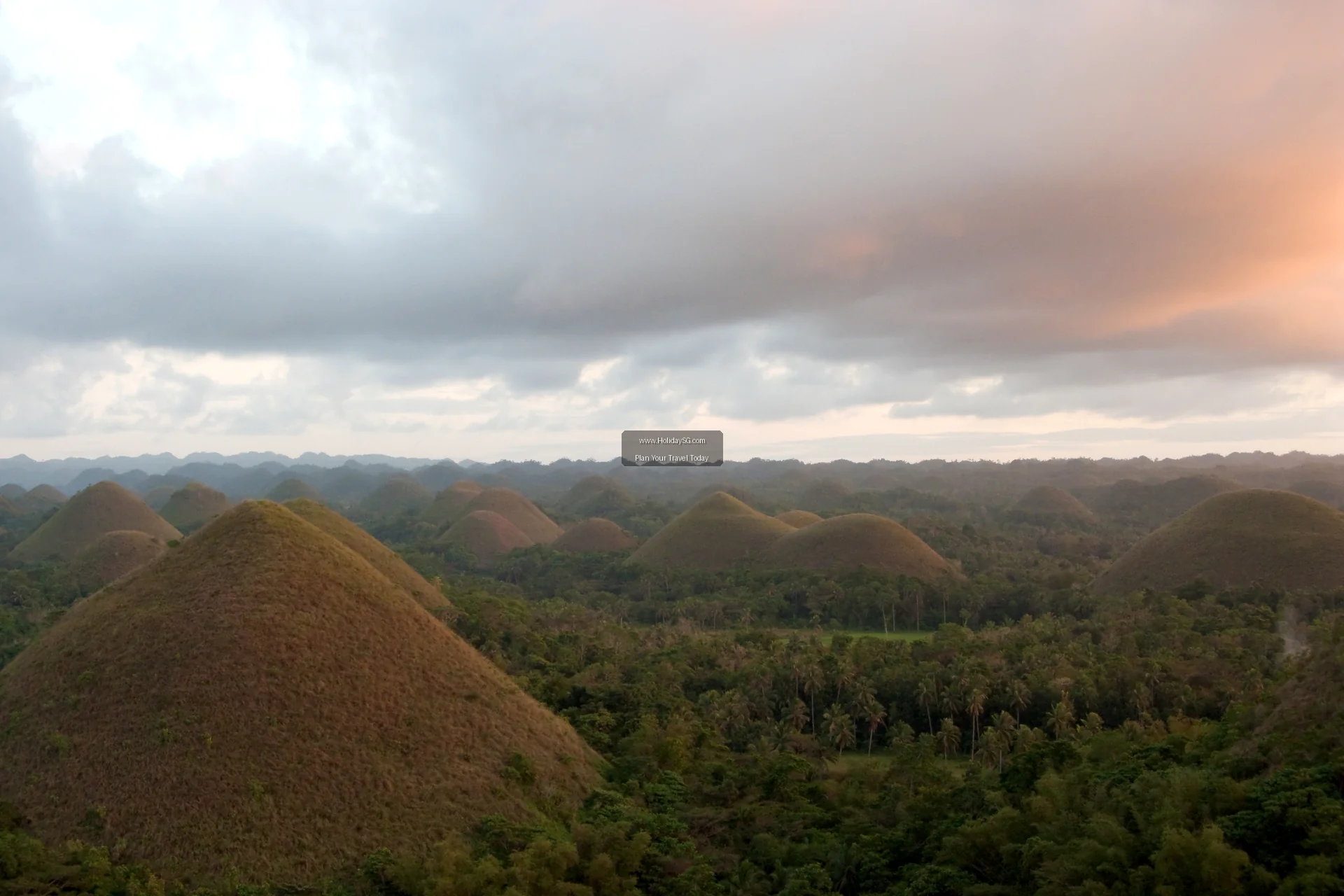
2. Stand in Awe of the Chocolate Hills (Bohol)
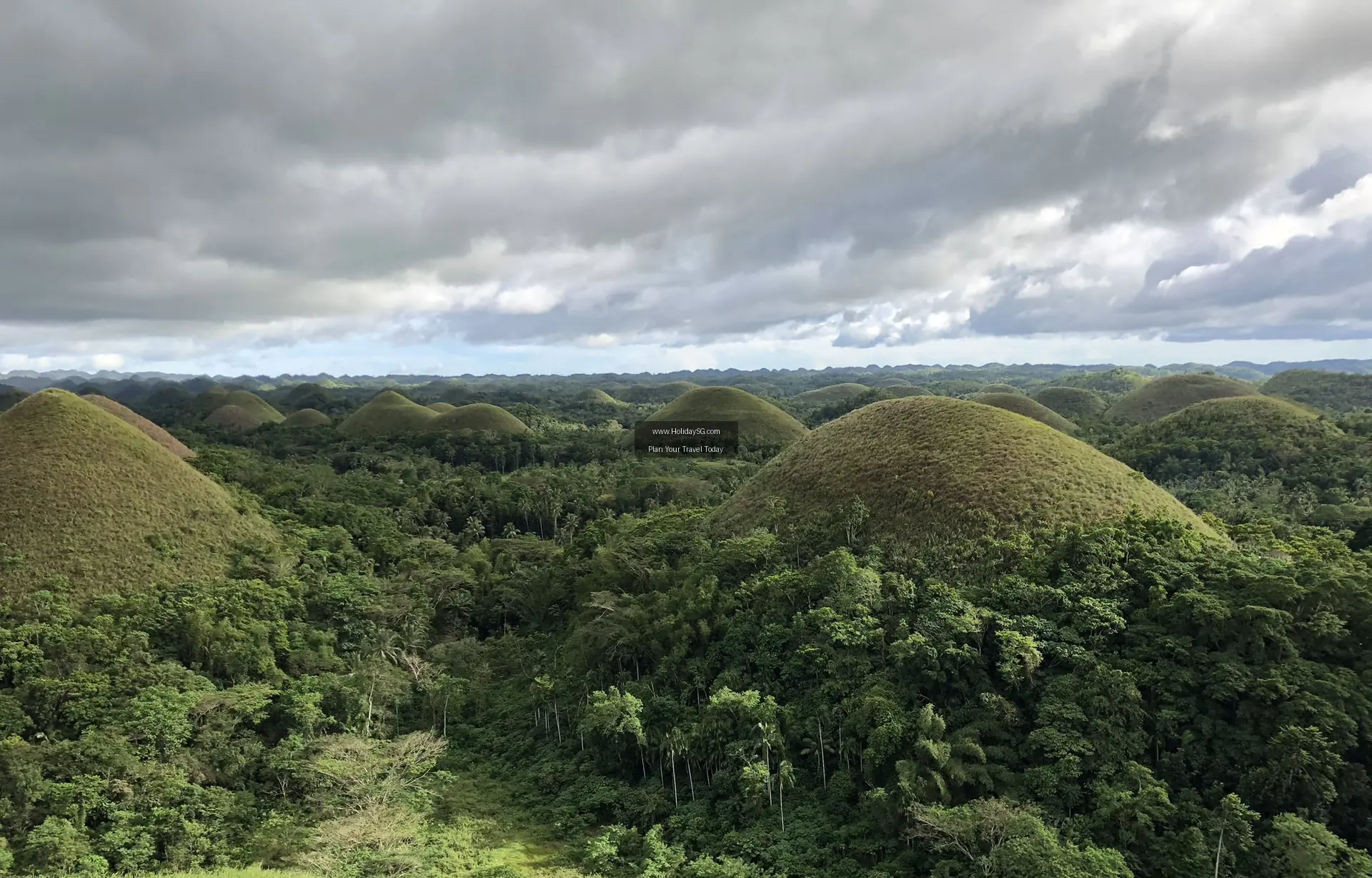
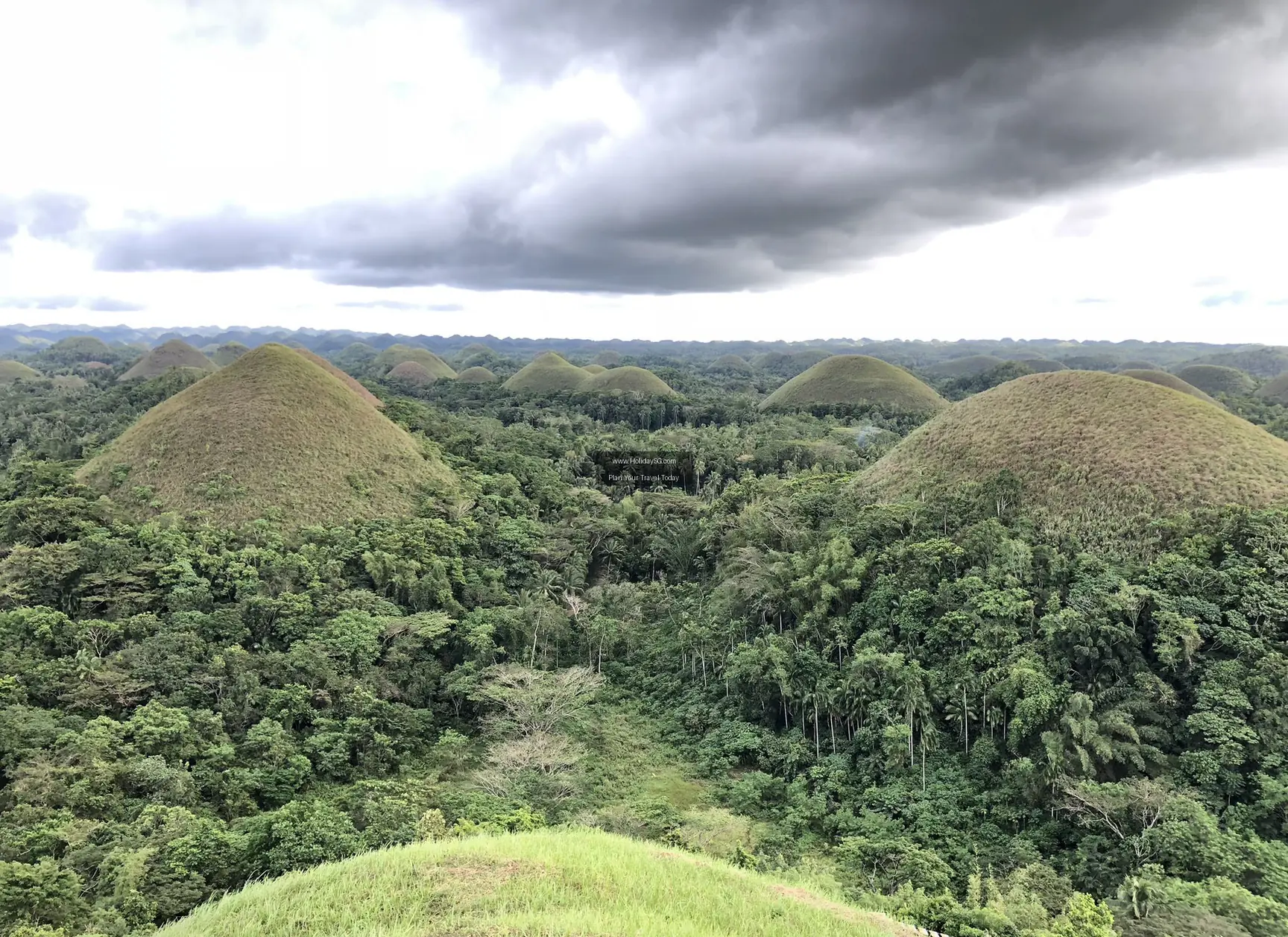
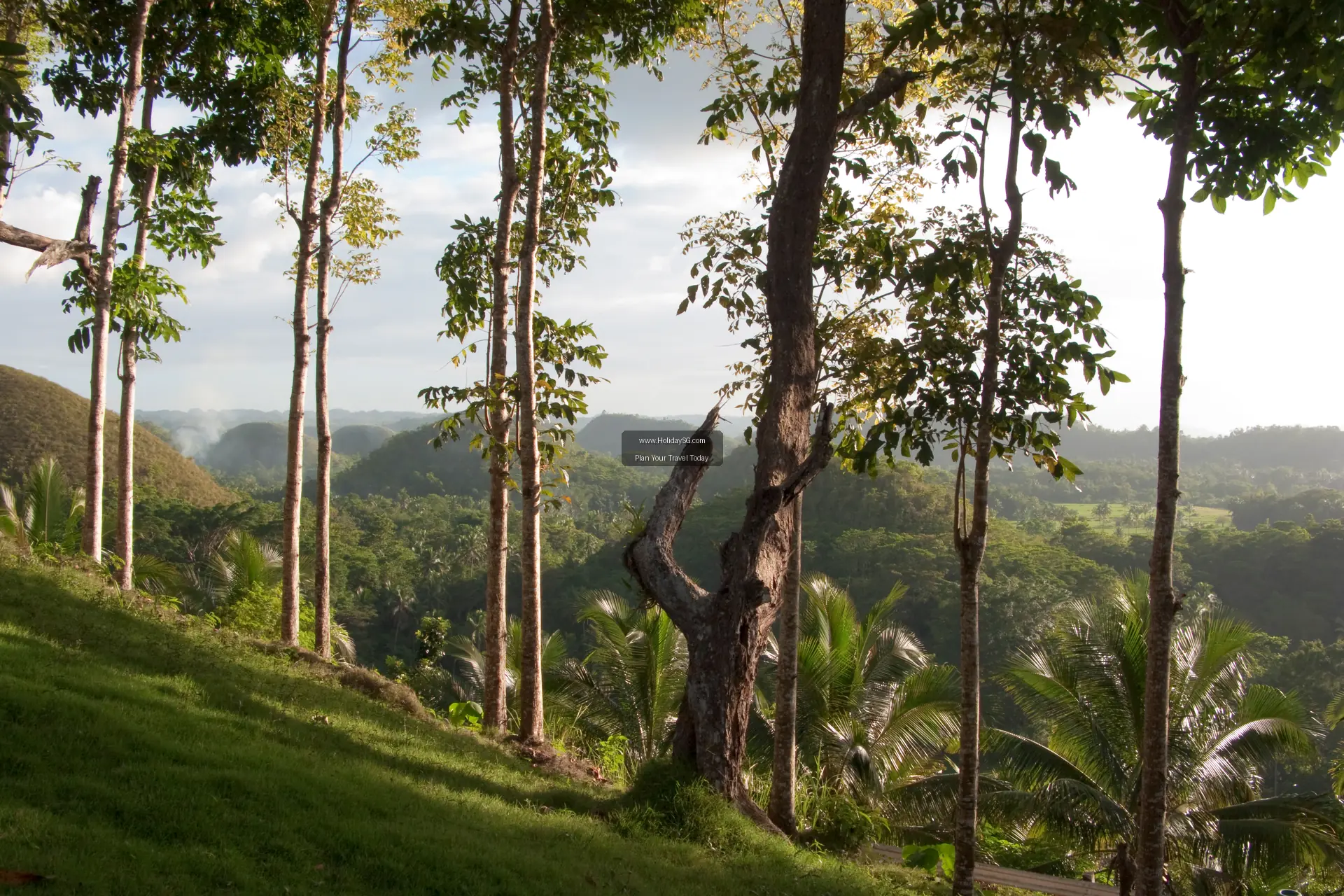
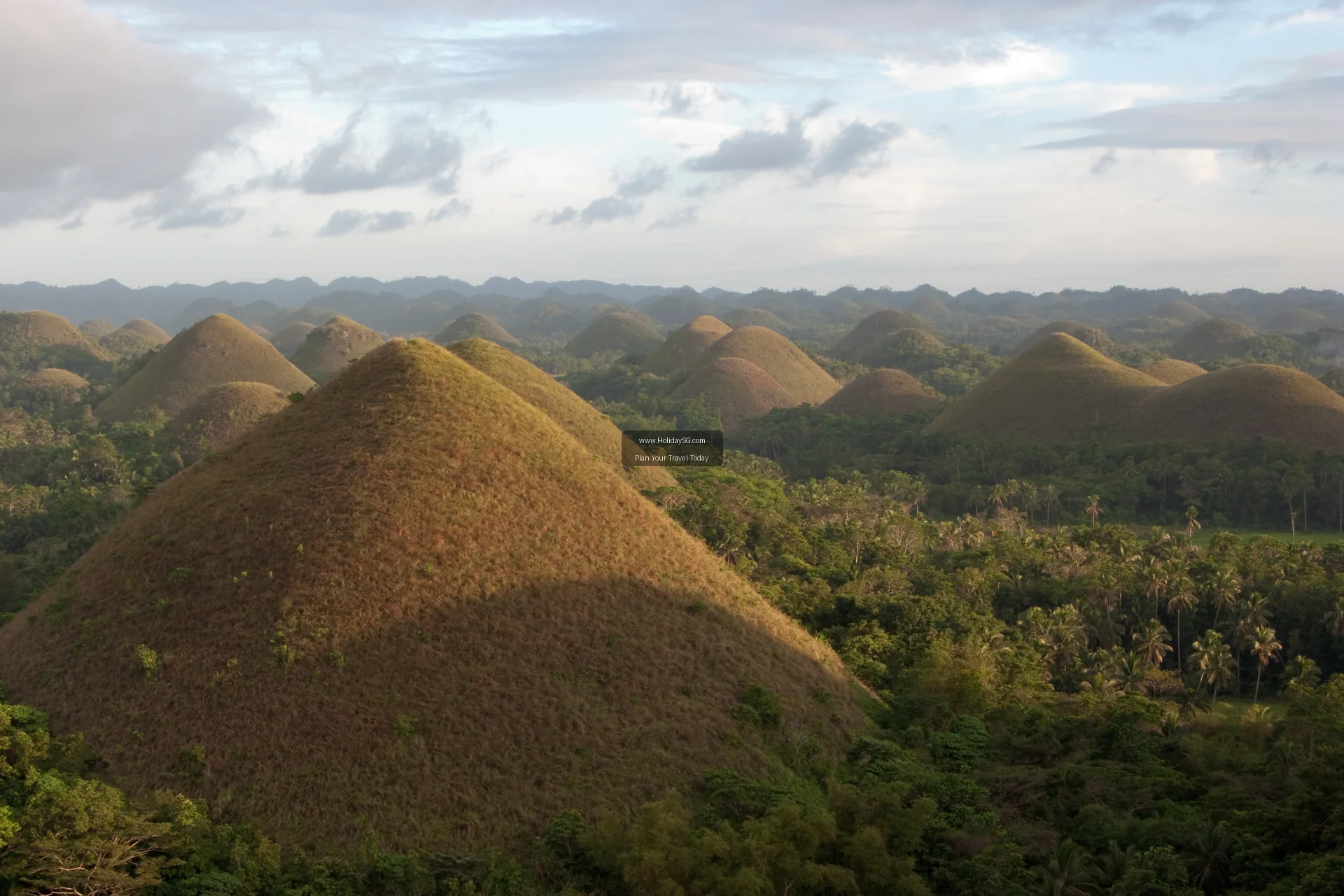
Over 1,200 perfectly symmetrical, cone-shaped hills stretch across the landscape of Carmen, Bohol. During the dry season, the grass-covered mounds turn a rich brown, resembling giant chocolate kisses—hence the name. This surreal geological formation is a UNESCO Global Geopark. The best view is from the main viewpoint complex in Carmen, where you can climb a short staircase for a panoramic vista. Most travelers visit as part of a day tour from the main city of Tagbilaran, which typically includes other Bohol attractions and costs around PHP 2,000-3,000.
3. Ethical Whale Shark Encounters in Donsol
Moving beyond the more commercialized interactions elsewhere, Donsol in Sorsogon province markets itself as the “Whale Shark Capital of the World” for its responsible, research-driven tours. Here, you don’t feed the sharks; instead, a trained local guide accompanies you on a snorkeling trip to spot these gentle giants in their natural habitat. The season runs from November to June. The fee is approximately PHP 650 per person, which includes the guide, boat, and equipment. It’s a profound and respectful wildlife experience that prioritizes the animals’ well-being.
4. Step Back in Time at Intramuros, Manila
Walk the cobblestone streets of Intramuros, the historic heart of Manila and the oldest district in the city. This “Walled City” was the seat of Spanish colonial power for centuries. Explore its fortifications, churches, and plazas at your own pace with a free DIY walk, or dive deeper with a guided tour (PHP 500-800). A must-see is Fort Santiago (entrance PHP 75), a citadel within the walls with profound historical significance. The area is a fascinating, atmospheric contrast to modern Manila, perfect for history buffs and architecture lovers.
5. Marvel at the Banaue Rice Terraces (Ifugao)
Carved into the mountains of Ifugao over 2,000 years ago by hand, the Banaue Rice Terraces are often called the “8th Wonder of the World.” These are not just stunning visuals; they are a living, functional cultural landscape where Ifugao farmers still cultivate rice. The Banaue Viewpoint (entrance PHP 20-50) offers the classic postcard shot. For a deeper connection, embark on a guided trek through the villages like Batad or Bangaan, which can be arranged locally for PHP 1,500 or more. It’s an awe-inspiring testament to indigenous ingenuity.
6. Chase Cascading Waterfalls
The Philippines is dotted with stunning waterfalls, perfect for cooling off. In Cebu, the multi-tiered, milky-blue Kawasan Falls is a major draw, while the more secluded but equally beautiful Dimiao Twin Falls in Bohol offers a quieter experience. On many islands, you’ll find hidden gems like Tinuy-an Falls in Surigao del Sur. When visiting, wear sturdy shoes for slippery rocks, bring a waterproof bag, and be prepared for an entrance fee of PHP 30-100. Always prioritize safety when swimming in natural pools.
7. Savor the Flavors of Manila’s Food and Nightlife
Manila’s culinary scene is electric and diverse. Dive into street food culture with adventurous bites like balut (fertilized duck egg) or sweet, icy halo-halo for PHP 20-100. For a heartier, affordable meal, visit a local *carinderia* (eatery) where dishes cost PHP 80-150. As the sun sets, districts like Poblacion in Makati or Bonifacio Global City (BGC) come alive with rooftop bars, live music, and international restaurants, where a meal averages PHP 300-600. It’s a vibrant glimpse into contemporary Filipino urban life.
8. Plunge into World-Class Underwater Worlds
The Philippines sits within the Coral Triangle, the global epicenter of marine biodiversity. Scuba diving and snorkeling are non-negotiable activities. In Moalboal, Cebu, snorkel just offshore to witness the mesmerizing “sardine run”—a massive, swirling ball of millions of sardines. For serious divers, destinations like Apo Reef Natural Park in Mindoro or the wreck dives of Coron offer unparalleled adventures. The visibility and sheer variety of marine life make Philippine diving unique and accessible for all levels.
9. Find Your Vibe on Siargao
Known as the Philippines’ surfing capital, Siargao offers much more than waves. Rent a motorbike and explore its island-hopping tours. The popular “naked island” tour includes the shifting sandbar of Naked Island, the crystal-clear lagoons and mangroves of Daku, and the coconut-palm-fringed General Luna. The vibe here is irresistibly laid-back, with surf shacks, beachfront cafes, and a strong sense of community. It’s the perfect place to unwind and embrace island time after your adventures elsewhere.
10. Glide Through the Underground River (Puerto Princesa)
A UNESCO World Heritage Site and one of the New7Wonders of Nature, the Puerto Princesa Subterranean River National Park protects one of the world’s longest navigable underground rivers. A guided boat tour takes you through a dramatic cave system, past stunning limestone formations and bat colonies, before emerging into a lush, jungle-clad coastline. It’s a unique ecosystem and a powerful example of the Palawan region’s natural wonders. Book tours in advance, especially during peak season.
Practical Planning for Your Philippines Trip
Best Time to Visit: Seasons & Weather
The ideal time to visit is during the dry season, from November to May. The peak tourist season runs from December to February, when the weather is driest and coolest but prices are higher and popular spots are busiest. The wet season, from June to October, brings higher humidity, afternoon downpours, and the risk of typhoons, though it can still be a good time to visit with fewer crowds.
Budget Breakdown: How Much Does It Cost?
The Philippines can be very affordable. A budget backpacker can get by on PHP 2,500-3,500 per day ($45-65 USD), staying in hostels, eating at local eateries, and using public transport. A mid-range traveler enjoying private rooms, restaurant meals, and more activities should budget PHP 5,000-8,000 per day ($90-145 USD). Key costs include inter-island flights (PHP 2,000-5,000 one-way), food (street food PHP 20-100, restaurant meals PHP 300-600), and attraction fees. Staying connected with a reliable data plan is easy with options like the Philippines Unlimited 4G/5G Data eSIM, ensuring you can navigate and share your journey effortlessly.
Getting Around the Islands
Moving between the thousands of islands is part of the adventure. Your main options are:
- Domestic Flights: The fastest way to cover long distances. Airlines like Cebu Pacific, AirAsia, and Philippine Airlines connect major hubs.
- Ferries: A cost-effective and scenic way to travel. Companies like 2Go Travel and OceanJet have extensive networks. Book tickets online a few days in advance.
- Tricycles & Jeepneys: For short distances within towns and cities, these iconic local vehicles are cheap and plentiful.
Visa, Entry Requirements & Safety
Most nationalities receive a 30-day visa-free entry upon arrival, provided you have a passport valid for at least six months and proof of a return/onward ticket. This can often be extended for up to three years at local immigration offices. Regarding safety, the Philippines is generally welcoming to tourists. Exercise standard precautions: be aware of your belongings in crowded areas, avoid isolated places at night, and stay informed about local conditions. As in any major city, use trusted transport options.
Recommended HolidaySG Tours
Ready to go? Book Philippines Unlimited 4g5g Data Esim with HolidaySG.
Enhance your Philippine adventure with these handy travel essentials from HolidaySG:
- Philippines Unlimited 4g5g Data Esim
- Commbitz Philippines E Sim Package
- Airalo Philippines E Sim Package
- Philippines Esim Free Roaming Mobile Data
Conclusion: Your Philippine Adventure Awaits
From the spiritual tranquility of ancient rice terraces to the adrenaline rush of swimming alongside whale sharks, the Philippines offers a spectrum of experiences as diverse as its islands. It’s a land where profound history, breathtaking nature, and vibrant culture exist in perfect harmony. With thoughtful planning around seasons, budgets, and transport, you can unlock an adventure that feels both epic and intimately personal. The warm embrace of Filipino hospitality ensures that no matter where you go, you’ll leave with incredible memories and likely, plans to return. Ready to explore? Check out our Philippines Unlimited 4g5g Data Esim → to stay connected on your Philippine adventure.
Book these with HolidaySG:
Book with HolidaySG online for Philippines Unlimited 4g5g Data Esim, Commbitz Philippines E Sim Package, Commbitz Philippines E Sim Daily.
Frequently Asked Questions
Where can I book this / what’s the link?
You can book eSIM packages for seamless internet access in the Philippines from HolidaySG. For example, check out the Philippines Unlimited 4g5g Data E-Sim, or explore other options like the Commbitz Philippines E Sim Package and Airalo Philippines E Sim Package.
Do foreigners (non-citizens) need a different ticket, price, or visa for Philippines?
Visa requirements vary by nationality; many countries allow visa-free entry for stays up to 30 days, but others may require a visa. Since rules can change, it’s best to check the official website of the Philippine Department of Foreign Affairs or your local embassy for the most current information.
What is the best time (season, or time of day for the site/activity) to go?
The best time to visit the Philippines is during the dry season, from November to May, with peak tourism from December to February. For specific activities like diving, the calmest seas are from March to June, and for beach visits, mornings or late afternoons are ideal to avoid midday heat.
How many days should I spend in the Philippines to see the main attractions?
A typical trip to experience key attractions like Manila, Boracay, and Palawan takes 10-14 days. For a shorter visit, focusing on one region for 5-7 days is recommended to avoid rushing.
What is the typical cost for a trip to the Philippines?
Costs vary: budget travelers can expect around $50-70 per day, mid-range travelers $100-150 per day, and luxury options higher. This includes accommodation, food, transport, and activities, excluding international flights.
How do I get to the Philippines from Singapore?
Direct flights from Singapore to Manila are available with airlines like Philippine Airlines and Singapore Airlines, with a flight time of about 3.5 hours. For other destinations, connecting flights via Manila are common.
Is the Philippines family-friendly?
Yes, the Philippines is very family-friendly, offering beaches, resorts, and cultural sites with activities suitable for all ages. Many resorts provide child-friendly amenities and services.
What should I pack for a trip to the Philippines?
Pack light, breathable clothing, sunscreen, insect repellent, a hat, comfortable footwear, swimwear, and a waterproof bag. Bring a power adapter for electronics and any necessary medications.
Are there accessibility options for travelers with disabilities in the Philippines?
Accessibility varies; major cities and tourist spots like airports and hotels often have facilities, but rural areas may lack infrastructure. Research specific destinations in advance for detailed accessibility information.
Is the Philippines safe for tourists?
The Philippines is generally safe for tourists, but standard precautions apply: avoid isolated areas, stay aware of your surroundings, and check travel advisories. Petty crime can occur in crowded places.
What is the weather like in the Philippines throughout the year?
The Philippines has a tropical climate with a wet season from June to November and a dry season from December to May. Temperatures are warm year-round, averaging 25-32°C (77-90°F).
What are some local customs and etiquette I should be aware of?
Filipinos value respect and hospitality. Use “po” and “opo” when speaking to elders, remove shoes before entering homes, and avoid public displays of anger. Tipping is appreciated in restaurants and for services.
What are the must-try foods in the Philippines?
Don’t miss local dishes like adobo (vinegar-based stew), sinigang (sour soup), lechon (roast pig), and halo-halo (shaved ice dessert). Street food is popular, but choose busy vendors for hygiene.
What are some nearby attractions to the top sites mentioned in the article?
Near top attractions, you can explore additional sites: in Manila, visit Intramuros or Rizal Park; near Boracay, check out nearby islands for snorkeling; and in Palawan, discover underground rivers or lagoons.
Do I need any vaccinations before traveling to the Philippines?
Consult a healthcare provider for recommended vaccinations, such as Hepatitis A, Typhoid, and routine vaccines like measles-mumps-rubella. Ensure you’re up to date before travel.
Can I use credit cards in the Philippines, or should I carry cash?
Credit cards are accepted in major hotels, restaurants, and malls, but cash in Philippine Pesos (PHP) is essential for markets, small shops, and rural areas. ATMs are widely available in cities.
What is the best way to get around within the Philippines?
For long distances, domestic flights are efficient; for islands, ferries are common. In cities, use jeepneys, tricycles, taxis, or ride-hailing apps like Grab. Renting a car is less common due to traffic.
Are there any language barriers, and what languages are spoken?
English is widely spoken, especially in tourist areas, hotels, and by younger generations. Filipino (Tagalog) is the national language, but regional dialects exist; communication is generally not an issue.
How can I stay connected with internet access while in the Philippines?
Stay connected with an eSIM package for data, such as the Philippines Unlimited 4g5g Data E-Sim from HolidaySG. Wi-Fi is available in most accommodations and cafes, but coverage can be spotty in remote areas.
What are some tips for avoiding tourist scams?
Be cautious with unsolicited offers, use reputable tour operators, agree on prices before services, and keep valuables secure. Avoid isolated ATMs and use hotel safes for money and documents.
What things cost in Philippines
Live HolidaySG prices for the experiences in this guide, so you can sanity-check a budget before you commit.
| Experience | Where | From price |
|---|---|---|
| A Lounge (T1) Ninoy Aquino International Airport | Manila | From S$30.88 |
| A Lounge (T3) Ninoy Aquino International Airport | Manila | From S$30.88 |
| Boracay sunset sailing experience | shared boat/private charte... | Manila | From S$28.89 |
| Ocean Adventure, Subic Bay | Manila | From S$14.14 |
| 4-Wheeler (ATV) Adventure in Rizal/Manila | Manila | From S$81.02 |
| Clark Safari and Adventure Park | Manila | From S$11.00 |
| Avilon Zoo | Manila | From S$47.52 |
| Boracay Island travel photography[Global Philippines Boracay I... | Manila | From S$167.00 |