

10 best things to do in laos: laos attractions (2026) is exactly what this guide covers.
Laos remains one of Southeast Asia’s best-kept secrets—a land of misty mountains, golden temples, and the mighty Mekong River. Unlike its more touristy neighbors, Laos offers an unhurried pace, rich cultural traditions, and breathtaking natural beauty. Whether you’re seeking adventure, relaxation, or cultural immersion, this landlocked gem has something for every traveler. As we look ahead to 2026, here are the 10 best things to do in Laos, along with practical tips to help you plan an unforgettable trip.
Laos is a dream for travelers who love culture, nature, and adventure. From the UNESCO-listed town of Luang Prabang to the mysterious Plain of Jars, the 4,000 Islands, and adrenaline-pumping activities in Vang Vieng, there’s no shortage of incredible experiences. Visit between November and February for the best weather, and budget around $25–$100 per day depending on your travel style.

**1. Explore the UNESCO Town of Luang Prabang**
Luang Prabang is the heart and soul of Laos, a charming riverside town where French colonial architecture meets traditional Lao culture. The entire town is a UNESCO World Heritage Site, and it’s easy to see why. Wander through its narrow streets, visit ornate temples, and soak in the laid-back vibe.
**Visit Iconic Temples: Wat Xieng Thong & Wat Mai**
No visit to Luang Prabang is complete without exploring its stunning temples. Wat Xieng Thong, the most famous, is a masterpiece of Lao architecture with its intricate mosaics and sweeping roofs. Nearby, Wat Mai dazzles with its golden bas-reliefs depicting scenes from the Ramayana. Both temples are best visited in the early morning or late afternoon to avoid the midday heat.
**Witness the Kuang Si Falls & Bear Rescue Center**
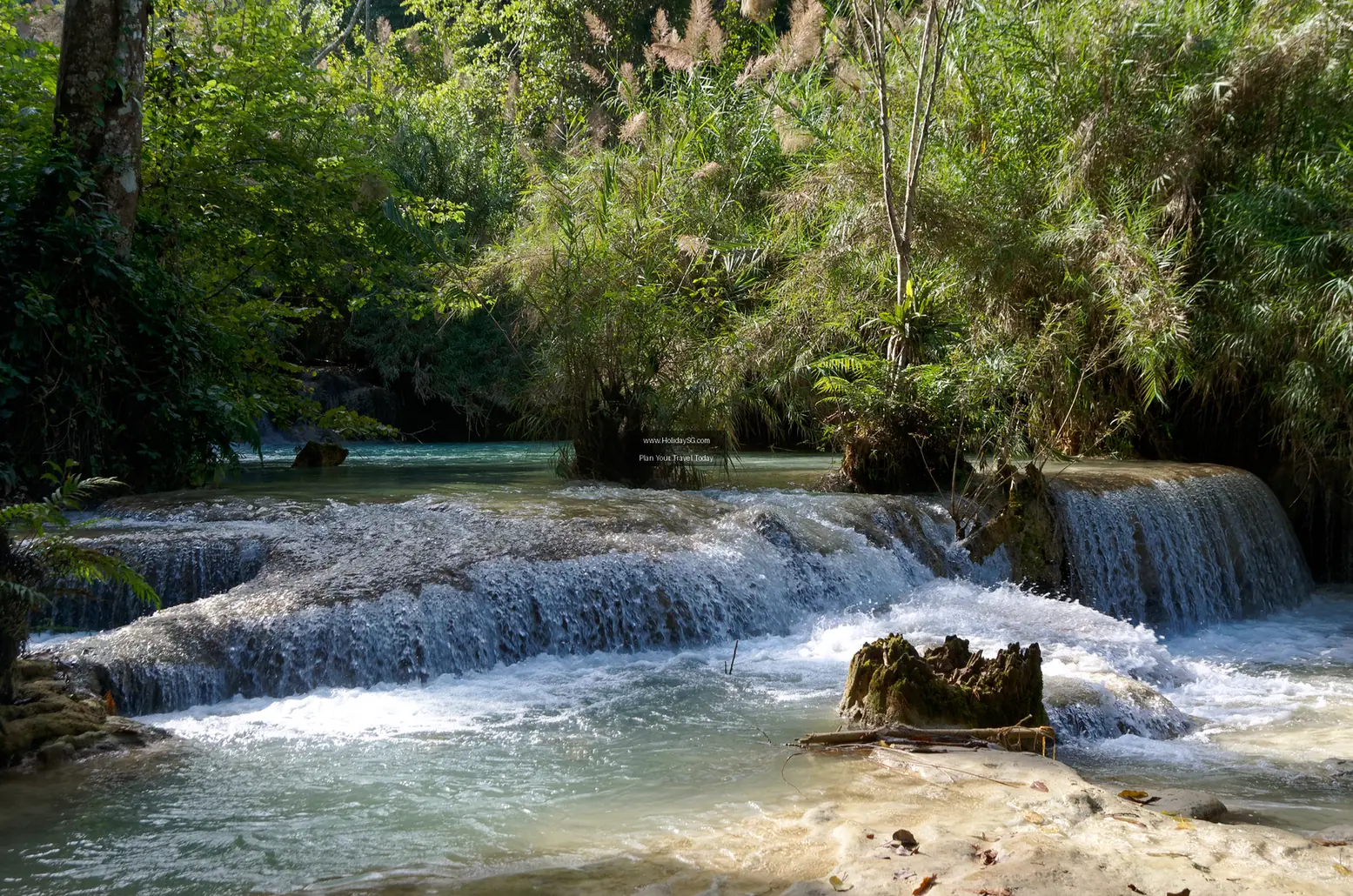
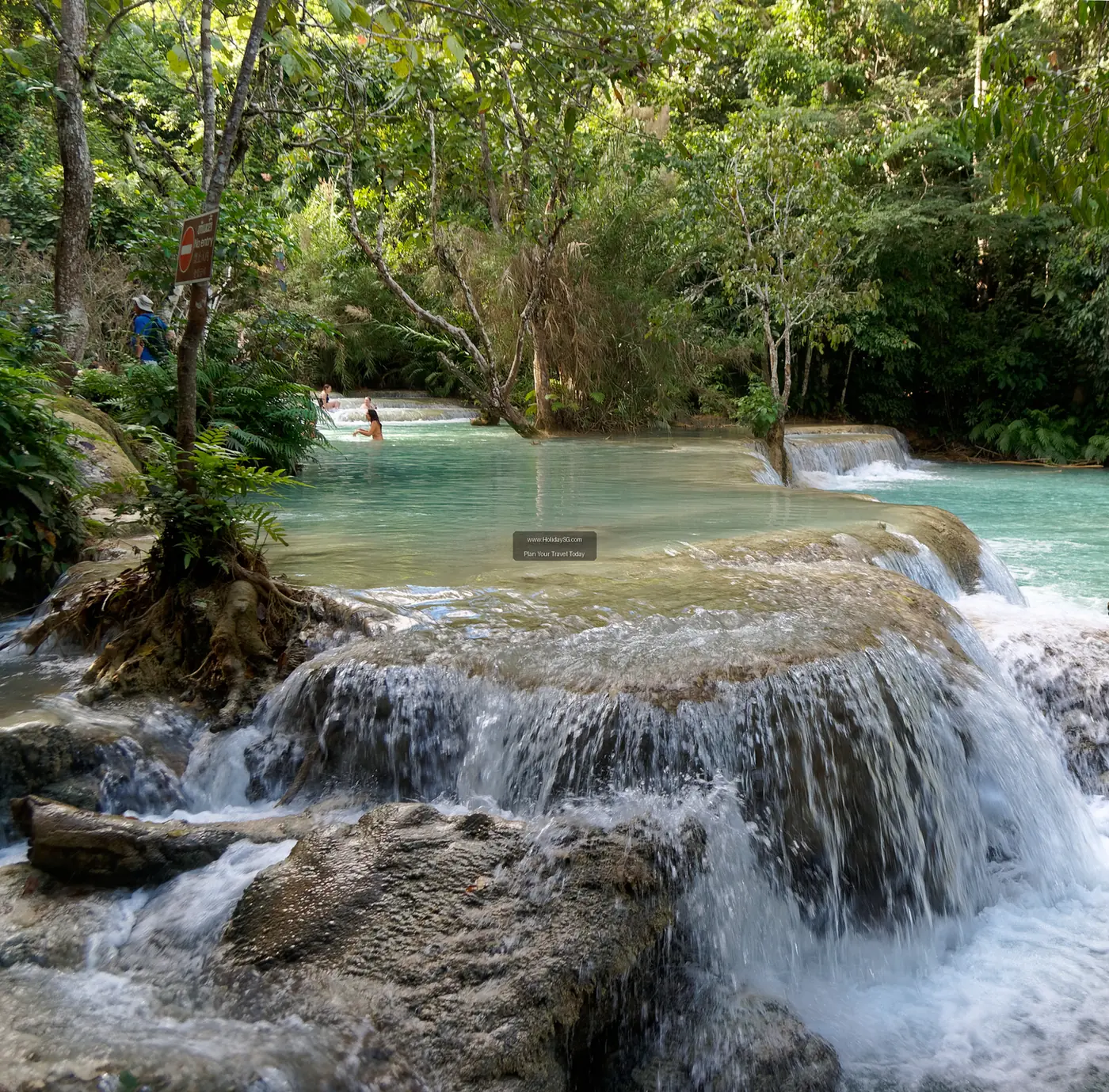
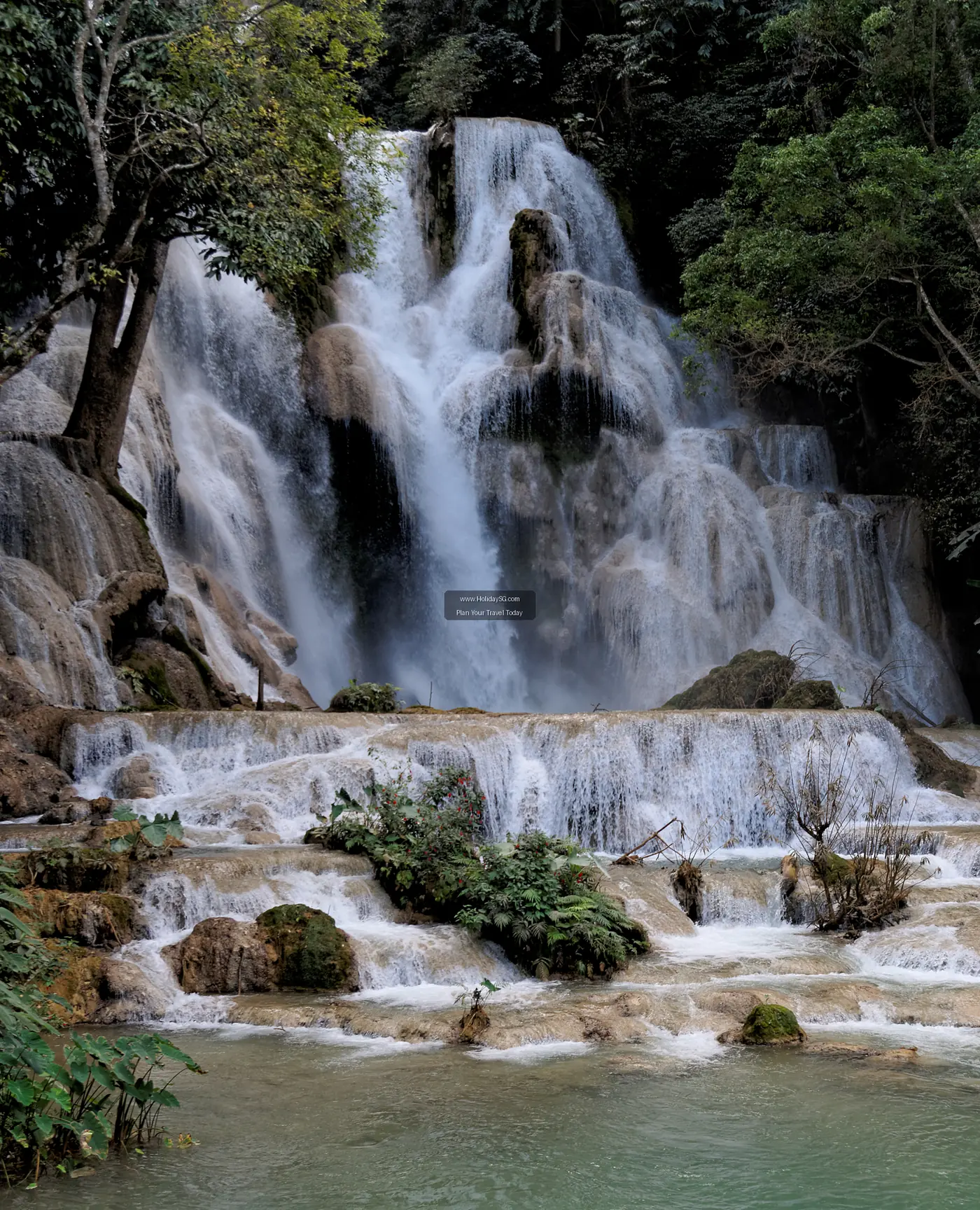
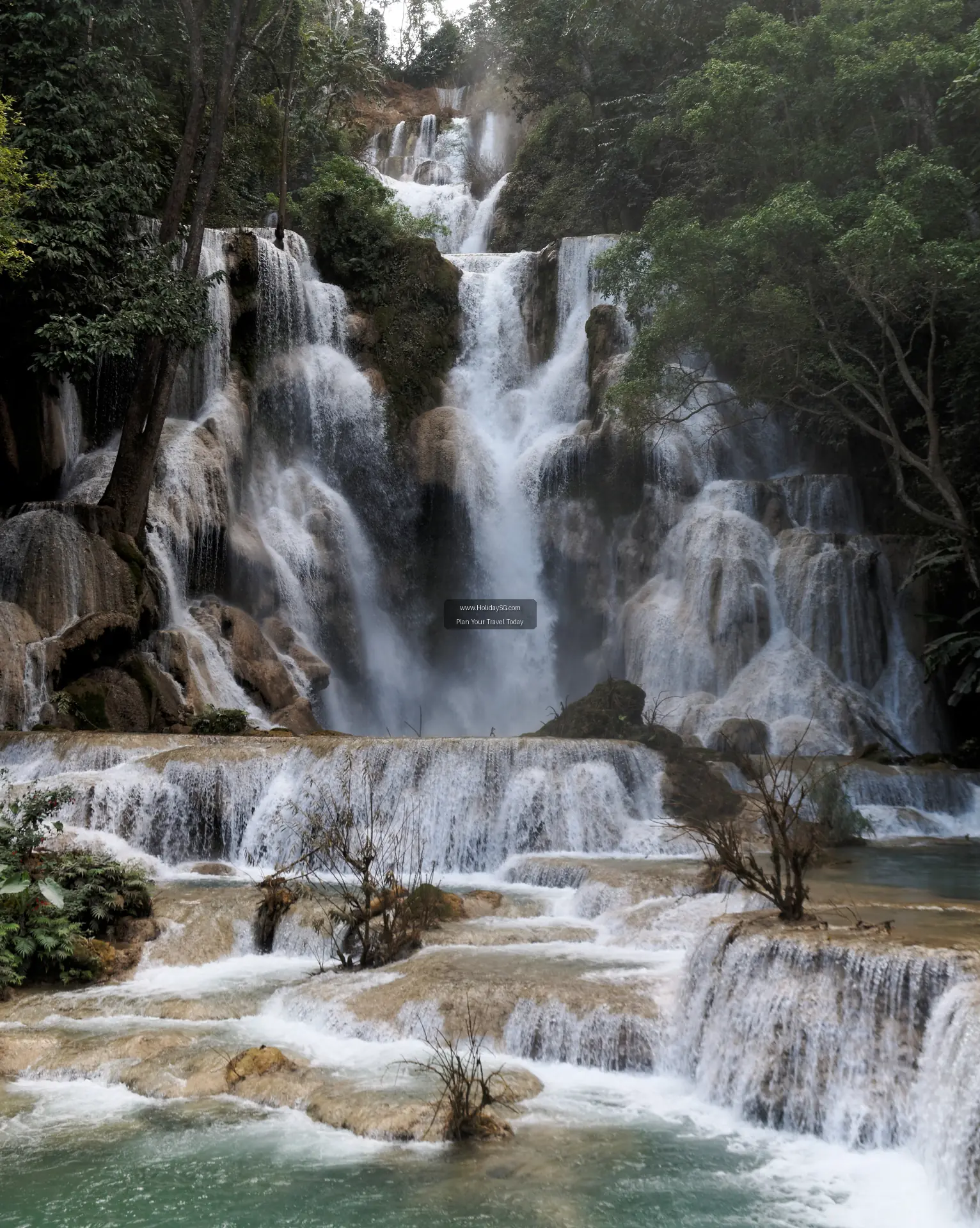
Just 30 minutes from town, Kuang Si Falls is a must-visit. The turquoise cascades and natural pools are perfect for swimming, and the short hike to the top offers stunning views. On the way, stop by the Tat Kuang Si Bear Rescue Center, where Asiatic black bears rescued from the illegal wildlife trade are rehabilitated.
**Climb Mount Phousi for Sunset Views**
For panoramic views of Luang Prabang and the Mekong River, climb the 328 steps to the top of Mount Phousi. The sunset here is magical, with the sky turning shades of orange and pink over the town’s rooftops. Bring water—it’s a steep climb, but the view is worth it.
**Shop at the Night Market & Try Local Street Food**
Luang Prabang’s night market is a feast for the senses. Stroll through stalls selling handmade textiles, silver jewelry, and traditional Lao handicrafts. Don’t miss the food section, where you can sample local delicacies like larb (minced meat salad), sai oua (Lao sausage), and khao soi (coconut curry noodles). For a deeper dive into the local food scene, consider joining a Luang Prabang Evening Street Eats and Night Market Private Tour.
**Take a Mekong River Cruise at Sunrise**
One of the most serene experiences in Luang Prabang is a sunrise cruise on the Mekong River. Watch as the mist rises over the water and monks in saffron robes collect alms along the riverbanks. Many cruises include breakfast and stops at riverside villages, offering a glimpse into local life.
**2. Adventure in Vang Vieng: Limestone Karsts & Thrills**
Vang Vieng is Laos’ adventure capital, where dramatic limestone karsts rise from the Nam Song River. Once known for its wild party scene, the town has reinvented itself as a hub for outdoor activities, from tubing and kayaking to hot air balloon rides.
**Go Tubing or Kayaking on the Nam Song River**
Tubing down the Nam Song River is a rite of passage in Vang Vieng. Rent a tube and float past towering cliffs, stopping at riverside bars for a cold Beerlao. For a more active experience, try kayaking—the river’s gentle rapids are perfect for beginners.
**Soar Over Scenery with a Hot Air Balloon Ride**
For a bird’s-eye view of Vang Vieng’s stunning landscape, book a hot air balloon ride. As you drift over the karsts and rice paddies, you’ll understand why this region is one of Laos’ most photogenic. Sunrise and sunset flights offer the best lighting for photos.
**Explore Tham Nam Cave & Blue Lagoon**
The Tham Nam Cave is a must-visit for adventure seekers. Rent a headlamp and wade through the cave’s underground river, emerging at the Blue Lagoon, a crystal-clear pool surrounded by jungle. The lagoon is perfect for swimming and cliff jumping (if you’re feeling brave).
**Hike to Viewpoints for Stunning Karst Landscapes**
Vang Vieng is surrounded by hiking trails leading to breathtaking viewpoints. Pha Ngern Viewpoint is the most popular, offering panoramic views of the karsts and river below. The hike takes about 1.5 hours, but the reward is worth every step.
**3. Discover Vientiane: Laos’ Charming Capital**
Vientiane may be small for a capital city, but it’s packed with charm. Unlike the bustling capitals of neighboring countries, Vientiane moves at a relaxed pace, with wide boulevards, French colonial buildings, and riverside cafes.
**Marvel at Pha That Luang, the Golden Stupa**
Pha That Luang is Laos’ most important religious monument—a towering golden stupa that symbolizes the country’s Buddhist heritage. The stupa is especially striking at sunset when the golden surface glows in the fading light. Don’t forget to dress modestly (cover your shoulders and knees).
**Visit Patuxai, the “Arc de Triomphe of Laos”**
Patuxai is Vientiane’s answer to Paris’ Arc de Triomphe, but with a Lao twist. Built in the 1960s, the monument commemorates those who fought for independence from France. Climb to the top for views of the city, and explore the small market at its base for souvenirs.
**Wander Through Buddha Park (Xieng Khuan)**
Just 25 km from Vientiane, Buddha Park is a surreal collection of over 200 Buddhist and Hindu statues. The park was built in 1958 by a monk who blended religious philosophies, resulting in a fascinating mix of sculptures. Don’t miss the giant reclining Buddha and the three-story pumpkin-shaped structure.
**Stroll Along the Mekong River Promenade**
Vientiane’s Mekong River promenade is the perfect place to unwind. Grab a drink at a riverside café, watch the sunset, and browse the night market stalls that pop up in the evening. It’s a great spot to people-watch and soak in the local atmosphere.
**4. Unravel the Mystery of the Plain of Jars (Phonsavan)**
The Plain of Jars is one of Laos’ most intriguing archaeological sites. Scattered across the Xieng Khouang Plateau are thousands of ancient stone jars, some weighing several tons. Their purpose remains a mystery—some believe they were used for burial rituals, while others think they stored rice wine for giants.
**Explore the Three Main Jar Sites (Sites 1, 2, & 3)**
There are over 90 jar sites in the region, but the three main ones are open to visitors:
- Site 1 is the largest and most accessible, with over 300 jars.
- Site 2 is smaller but offers a more peaceful experience.
- Site 3 is the most remote, with jars scattered across a hillside.
Hiring a guide is recommended to learn about the jars’ history and the region’s role in the Secret War (Laos’ civil war, which saw heavy U.S. bombing).
**Learn About the Secret War & UXO Legacy**
The Plain of Jars is located in one of the most heavily bombed regions in history. During the Secret War (1964–1973), the U.S. dropped over 2 million tons of ordnance on Laos. Today, UXO (Unexploded Ordnance) clearance is ongoing, and visitors can learn about the war’s impact at the MAG (Mines Advisory Group) Visitor Center in Phonsavan.
**Visit Nearby Ethnic Villages & Local Markets**
Phonsavan is home to several ethnic minority groups, including the Hmong and Tai Dam. Visit local villages to learn about their traditional way of life, and browse the Phonsavan Market for handmade textiles and silver jewelry.
**5. Relax on the 4,000 Islands (Si Phan Don)**
If you’re looking for pure relaxation, head to Si Phan Don (the “4,000 Islands”), a tranquil archipelago in the Mekong River. The pace of life here is slow, with water buffalo grazing on the riverbanks and fishermen casting their nets at dawn.
**Stay on Don Det or Don Khon for Island Vibes**
The two most popular islands are Don Det and Don Khon. Don Det is the backpacker hub, with cheap bungalows and riverside bars, while Don Khon is quieter and more scenic. Both islands are perfect for cycling, swimming, and watching the sunset over the Mekong.
**Chase Waterfalls: Li Phi & Khone Phapheng**
Si Phan Don is home to two of Laos’ most impressive waterfalls:
- Li Phi Falls is a series of cascades with a dark legend—locals believe the falls are haunted by the spirits of those who drowned in the Mekong.
- Khone Phapheng Falls is the largest waterfall in Southeast Asia by volume, with a thunderous roar that can be heard from miles away.
**Spot Rare Irrawaddy Dolphins in the Mekong**
The Mekong River is one of the last places in the world where you can spot the Irrawaddy dolphin, a critically endangered species. Take a boat tour from Don Khon to see these playful creatures in their natural habitat.
**6. Trek the Bolaven Plateau: Waterfalls & Coffee**
The Bolaven Plateau is a lush, elevated region in southern Laos, known for its coffee plantations, waterfalls, and ethnic minority villages. The cooler climate and fertile soil make it one of the most productive agricultural areas in Laos.
**Admire Tad Fane & Tad Yuang Waterfalls**
The Bolaven Plateau is home to some of Laos’ most spectacular waterfalls:
- Tad Fane is a twin waterfall that plunges 120 meters into a jungle gorge. The view from the top is breathtaking.
- Tad Yuang is smaller but equally beautiful, with a series of cascades surrounded by coffee plantations.
**Tour Coffee Plantations & Sample Lao Brews**
Laos is gaining a reputation for its high-quality coffee, and the Bolaven Plateau is the heart of the country’s coffee industry. Visit a coffee plantation to learn about the production process and sample a cup of freshly brewed Lao coffee. Many plantations also offer homestays, where you can experience local life firsthand.
**Visit Ethnic Minority Villages (Katu, Alak Tribes)**
The Bolaven Plateau is home to several ethnic minority groups, including the Katu and Alak. These communities have preserved their traditional way of life, and visiting their villages offers a rare glimpse into Laos’ cultural diversity. Be respectful, ask before taking photos, and consider buying handmade crafts to support the local economy.
**7. Escape to Nong Khiaw: Riverside Serenity**
Tucked away in northern Laos, Nong Khiaw is a picturesque riverside town surrounded by limestone cliffs. It’s the perfect base for hiking, kayaking, and exploring remote villages.
**Hike to Viewpoint Nong Khiaw for Panoramic Scenery**
The Viewpoint Nong Khiaw hike is a must-do. The trail takes about 1.5 hours and rewards you with stunning views of the Nam Ou River and the surrounding karsts. The best time to go is sunrise or sunset, when the light is soft and golden.
**Take a Boat Trip to Muang Ngoi Neua**
From Nong Khiaw, you can take a boat trip to Muang Ngoi Neua, a remote village accessible only by river. The journey takes about 2 hours and offers breathtaking views of the karsts and jungle. Once in Muang Ngoi Neua, explore the village on foot, hike to nearby caves, or simply relax by the river.
**Explore Limestone Caves & Local Fishing Villages**
Nong Khiaw is surrounded by caves, including Tham Pha Tok, a sacred cave with a small temple inside. You can also visit local fishing villages to see how the Nam Ou River sustains the community.
**8. Step Back in Time at Wat Phu (Champasak)**
Wat Phu is a UNESCO-listed Khmer temple complex near Pakse, dating back to the 5th century. The ruins are smaller than those at Angkor Wat but equally impressive, with stunning views of the surrounding countryside.
**Tour the Ancient Khmer Temple Complex**
Wat Phu was built in the same style as Angkor Wat, with intricate carvings and a central sanctuary dedicated to the Hindu god Shiva. The temple is arranged in three levels, symbolizing the Hindu universe, and the climb to the top is rewarded with sweeping views of the Mekong River.
**Climb the Stairs for Mountain & Mekong Views**
The temple is set against the backdrop of Phu Kao Mountain, which is said to resemble a linga (a symbol of Shiva). The climb to the top is steep, but the views of the Mekong and the surrounding plains are unforgettable.
**Combine with a Visit to Nearby Pakse**
Pakse is the gateway to southern Laos and a great base for exploring Wat Phu. The town itself is small but lively, with a night market, riverside cafes, and easy access to the Bolaven Plateau.
**9. Experience Local Culture & Traditions**
Laos is a country rich in culture and traditions, and there are plenty of ways to immerse yourself in local life.
**Participate in a Baci Ceremony**
The Baci ceremony is a traditional Lao ritual to welcome guests, celebrate special occasions, or wish someone good luck. During the ceremony, white strings are tied around your wrists while prayers are recited. It’s a beautiful way to connect with Lao culture and is often offered to tourists as a sign of hospitality.
**Try Lao Cuisine: Larb, Tam Mak Hoong & Sticky Rice**
Lao food is flavorful, fresh, and often spicy. Must-try dishes include:
- Larb: A minced meat salad with herbs, lime, and chili.
- Tam mak hoong: A spicy green papaya salad.
- Khao niao: Sticky rice, which is eaten with almost every meal.
- Sai oua: Lao sausage, often grilled and served with herbs.
For a hands-on experience, join a Luang Prabang Morning Foodie Walking Monk Blessing Tour to sample local dishes and receive a blessing from a monk.
**Attend a Traditional Lao Dance Performance**
Many hotels and restaurants in Luang Prabang and Vientiane offer traditional Lao dance performances. These shows feature graceful dancers in colorful costumes, accompanied by live music. It’s a great way to experience Lao culture in an entertaining format.
**10. Off-the-Beaten-Path Gems**
If you’re looking to venture beyond the usual tourist trail, Laos has plenty of hidden gems waiting to be discovered.
**Trek to the Remote Tad Lo Waterfalls**
Located in southern Laos, Tad Lo is a series of waterfalls surrounded by jungle. The area is less touristy than Kuang Si Falls, making it a peaceful escape. You can swim in the pools, hike to nearby villages, or simply relax in a hammock by the water.
**Visit the Gibbon Experience in Bokeo Nature Reserve**
The Gibbon Experience is a unique eco-adventure in northern Laos. Spend a night in a treehouse high above the jungle canopy, zip-line through the forest, and listen to the calls of wild gibbons at dawn. It’s an unforgettable way to experience Laos’ biodiversity.
**Explore the Kong Lor Cave & Village**
Kong Lor Cave is a 7.5-kilometer-long cave system in central Laos. You can take a boat through the cave, passing by stalactites and underground rivers, and emerge in a remote village on the other side. The journey is like something out of an adventure movie.
**Practical Travel Tips for Laos in 2026**
**Best Time to Visit Laos**
- Cool & Dry Season (November–February): The best time to visit, with pleasant temperatures (15–28°C) and minimal rain. This is peak tourist season, so book accommodations in advance.
- Hot Season (March–May): Temperatures can soar to 40°C, but this is a great time for water-based activities like tubing and kayaking.
- Rainy Season (June–October): The landscapes are lush and green, but some roads and trails may be muddy or inaccessible. Prices are lower, and there are fewer crowds.
**Budget & Costs for Travelers**
Laos is one of the most affordable destinations in Southeast Asia. Here’s a rough breakdown of daily costs:
- Budget Traveler: $25–$40/day (hostels, street food, local transport).
- Mid-Range Traveler: $50–$100/day (guesthouses, restaurants, tours, buses).
- Luxury Traveler: $150+/day (boutique hotels, private tours, flights).
Typical Entry Fees & Transport Costs:
**Visa Requirements & Entry Rules**
- E-Visa: Available for most nationalities ($30–$50), allowing a 30-day stay. Apply online before your trip.
- Visa-on-Arrival: Available at major airports and land borders (check for updates in 2026). Bring a passport-sized photo and USD for the fee.
- Required Documents: Passport with at least 6 months’ validity, proof of onward travel, and sufficient funds for your stay.
**Getting Around Laos**
- Buses: The most common way to travel between cities. VIP sleeper buses are available for long journeys (e.g., Vientiane to Luang Prabang).
- Boats: Slow boats on the Mekong River offer a scenic but slow way to travel (e.g., Huay Xai to Luang Prabang).
- Domestic Flights: Lao Airlines and Lao Skyway operate flights between major cities (Vientiane, Luang Prabang, Pakse).
- Tuk-Tuks & Taxis: Common in cities and towns. Always agree on a price before starting your journey.
**Health, Safety & Cultural Etiquette**
- Vaccinations: Recommended vaccines include hepatitis A/B, typhoid, and tetanus. Check with your doctor before traveling.
- Dress Code: Modest clothing is required for temples (cover shoulders and knees). In rural areas, dress conservatively to respect local customs.
- Safety: Laos is generally safe, but petty theft can occur in tourist areas. Keep valuables secure and avoid walking alone at night in isolated areas.
- Solo Female Travelers: Laos is relatively safe for solo female travelers, but dress modestly and avoid isolated areas at night.
**Money & Connectivity**
- Currency: The Lao Kip (LAK) is the official currency, but USD is widely accepted. Change is usually given in LAK, so carry small bills for rural areas.
- ATMs: Available in cities and towns, but may charge high fees. Withdraw larger amounts to minimize charges.
- Internet & SIM Cards: Wi-Fi is common in cities, but rural areas may have limited connectivity. Buy a local SIM card (Unitel or Lao Telecom) for reliable data. Consider a Laos Unlimited Data 4G/5G eSIM for seamless connectivity during your trip.
**FAQs About Traveling in Laos**
**Is Laos safe for solo female travelers?**
Yes, Laos is generally safe for solo female travelers. However, it’s important to dress modestly, avoid isolated areas at night, and trust your instincts. Petty theft is rare, but always keep an eye on your belongings.
**How many days do I need to explore Laos?**
For a highlights trip, 7–10 days is ideal. This allows time to visit Luang Prabang, Vang Vieng, Vientiane, and the Plain of Jars. For a more in-depth experience, plan for 2+ weeks to explore off-the-beaten-path destinations.
**Can I use credit cards in Laos?**
Credit cards are accepted in cities (hotels, upscale restaurants, and some shops), but cash is essential in rural areas. Always carry enough cash for small purchases and transport.
**What’s the food like in Laos?**
Lao cuisine is fresh, flavorful, and often spicy. Staples include sticky rice, larb (minced meat salad), tam mak hoong (spicy papaya salad), and khao soi (coconut curry noodles). French influences are also present, with baguettes and coffee widely available.
**Is Laos expensive compared to Thailand or Vietnam?**
Laos is generally cheaper for accommodation and food, but prices for tours and transport are similar to Thailand and Vietnam. Budget travelers can get by on $25–$40 per day, while mid-range travelers should budget $50–$100 per day.
**Do I need a guide for attractions?**
Guides are optional for most temples and waterfalls, but they’re recommended for the Plain of Jars and remote treks (e.g., the Gibbon Experience). A guide can provide valuable insights into the history and culture of the sites you visit.
**What’s the nightlife like in Laos?**
Laos has a low-key nightlife scene. Luang Prabang and Vang Vieng have bars and riverside cafes, but there’s no major party scene like in Thailand or Vietnam. Most travelers come to Laos for its natural beauty and cultural experiences, not its nightlife.
**Recommended HolidaySG Tours**
Planning your Laos adventure? Here are some top-rated tours to enhance your experience:
- Luang Prabang Evening Street Eats and Night Market Private Tour
- Luang Prabang Morning Foodie Walking Monk Blessing
- Luang Prabang Local Villages Full Day Private Tour
- Laos Unlimited Data 4G/5G eSIM
- Airalo Laos E-SIM Package
**Final Thoughts: Why Laos Should Be Your Next Destination**
Laos is a destination that captivates the soul. It’s a place where time slows down, where golden temples stand beside rushing waterfalls, and where the Mekong River weaves through landscapes both dramatic and serene. Whether you’re trekking through the Bolaven Plateau, exploring the mysteries of the Plain of Jars, or simply relaxing on the 4,000 Islands, Laos offers a travel experience unlike any other in Southeast Asia.
As you plan your trip for 2026, remember that Laos rewards those who venture off the beaten path. While Luang Prabang and Vang Vieng are must-visits, some of the most memorable experiences await in the country’s remote villages and hidden waterfalls. Pack light, embrace the slow pace, and prepare to fall in love with this enchanting land.
For seamless connectivity during your adventures, don’t forget to grab your Laos Unlimited Data 4G/5G eSIM before you go. Ready to explore? Start planning your Laos getaway today!
Book with HolidaySG online for Laos Unlimited Data 4g5g Esim, Airalo Laos E Sim Package, Luang Prabang Evening Street Eats And Night Market Private Tour.
More Photos from HolidaySG
Book with HolidaySG online for Laos Unlimited Data 4g5g Esim, Airalo Laos E Sim Package, Trekking Longlao To Kuang Si Falls Full Day Private Tour.
Book these with HolidaySG: