

10 of the best places to visit in myanmar is exactly what this guide covers.
Myanmar is a land where golden pagodas glow under the sun, misty mountains hide ancient tribes, and serene lakes reflect stilt-house villages. Unlike its more touristy neighbors, Myanmar offers a rare blend of untouched beauty, deep spirituality, and warm hospitality—all at a fraction of the cost. Whether you’re a history buff, an adventure seeker, or a beach lover, this Southeast Asian gem promises experiences you won’t find anywhere else. From the temple-studded plains of Bagan to the floating gardens of Inle Lake, here’s your guide to the 10 best places to visit in Myanmar.
Myanmar is a must-visit for travelers seeking ancient temples, off-the-beaten-path adventures, and cultural richness. Highlights include Bagan’s sunrise views, Inle Lake’s floating villages, and Yangon’s Shwedagon Pagoda. Plan for 10–14 days, visit between November and February for ideal weather, and budget $30–$150/day depending on your travel style.
Why Myanmar Should Be on Your Travel Bucket List
Myanmar is often called the “last frontier” of Southeast Asia—and for good reason. While countries like Thailand and Vietnam have embraced mass tourism, Myanmar remains refreshingly authentic. Here, you’ll find:
- Ancient wonders: Over 2,000 temples in Bagan alone, many dating back to the 11th century.
- Diverse landscapes: From the Himalayan foothills of Putao to the turquoise waters of Ngapali Beach.
- Rich culture: A mosaic of over 135 ethnic groups, each with their own traditions, festivals, and cuisines.
- Affordability: A mid-range traveler can enjoy comfortable stays, guided tours, and delicious meals for under $100/day.
Whether you’re exploring Mandalay’s royal history, trekking through Shan State’s hill tribes, or simply soaking up the sun on a pristine beach, Myanmar delivers unforgettable moments without the crowds.
10 Must-Visit Destinations in Myanmar
Ready to go? Book Full Day Trekking In Inle Lake with HolidaySG.
Ready to go? Book Full Day Trekking In Inle Lake with HolidaySG.
1. Bagan – The Land of Ancient Temples
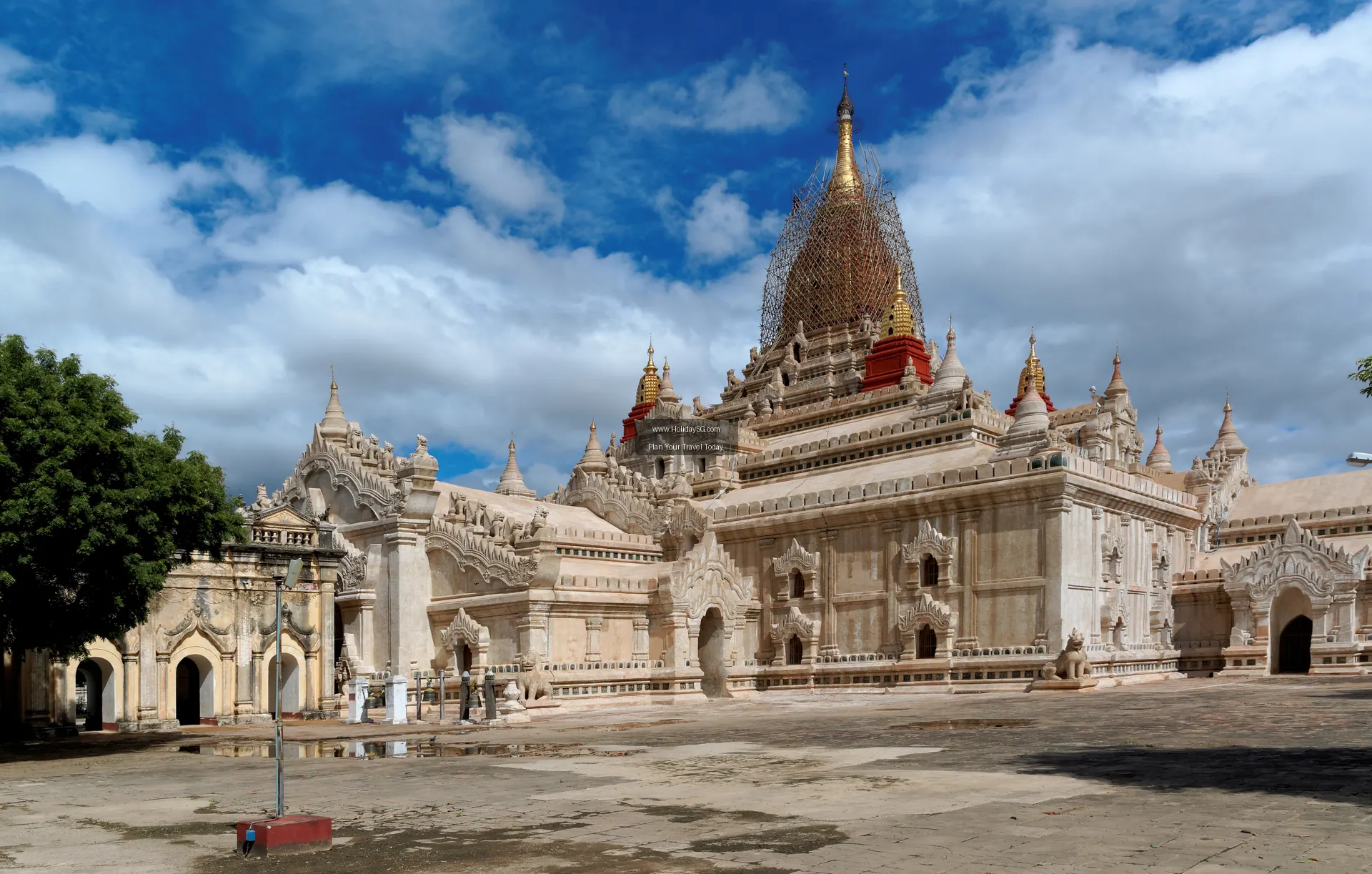
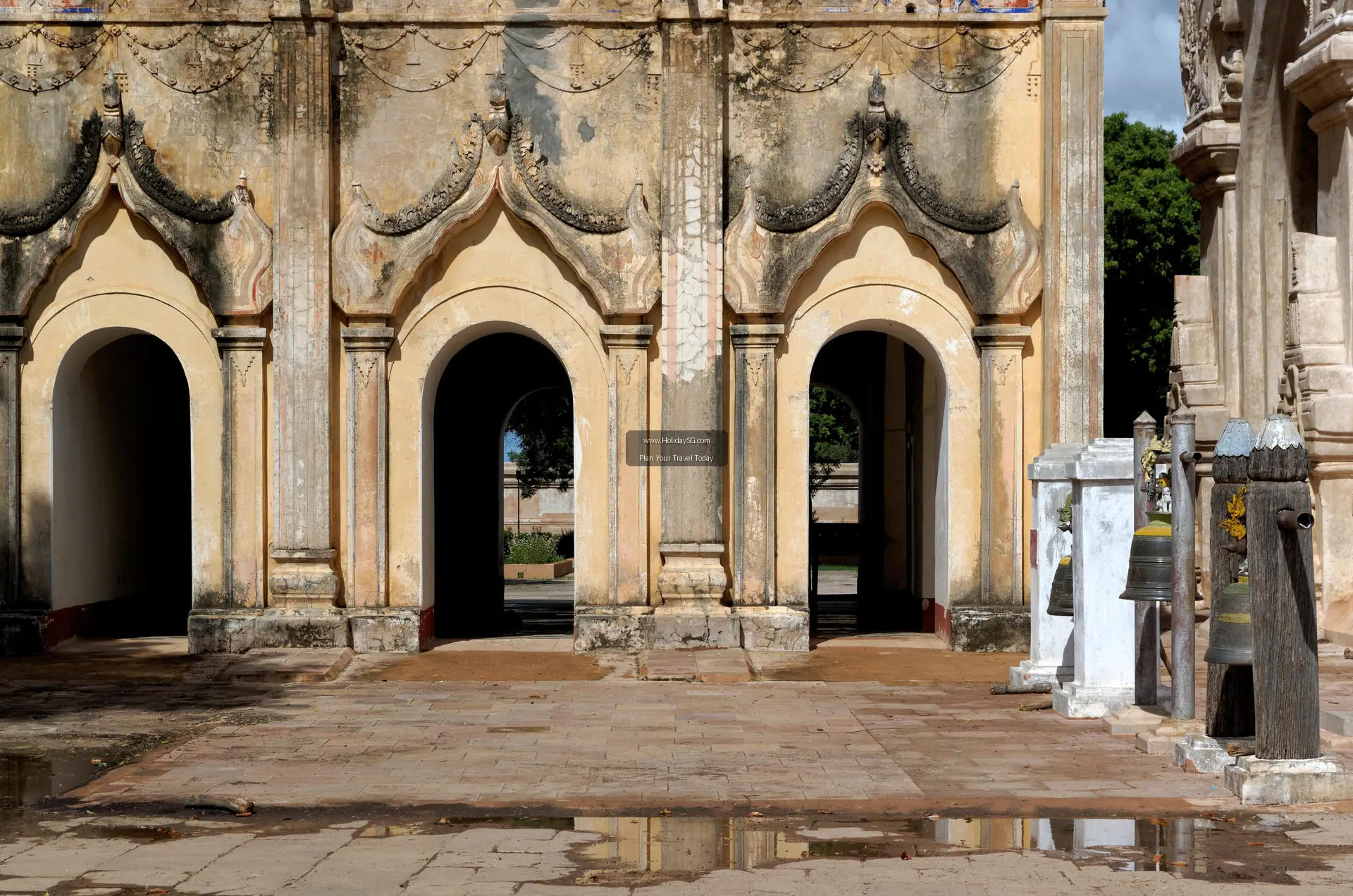
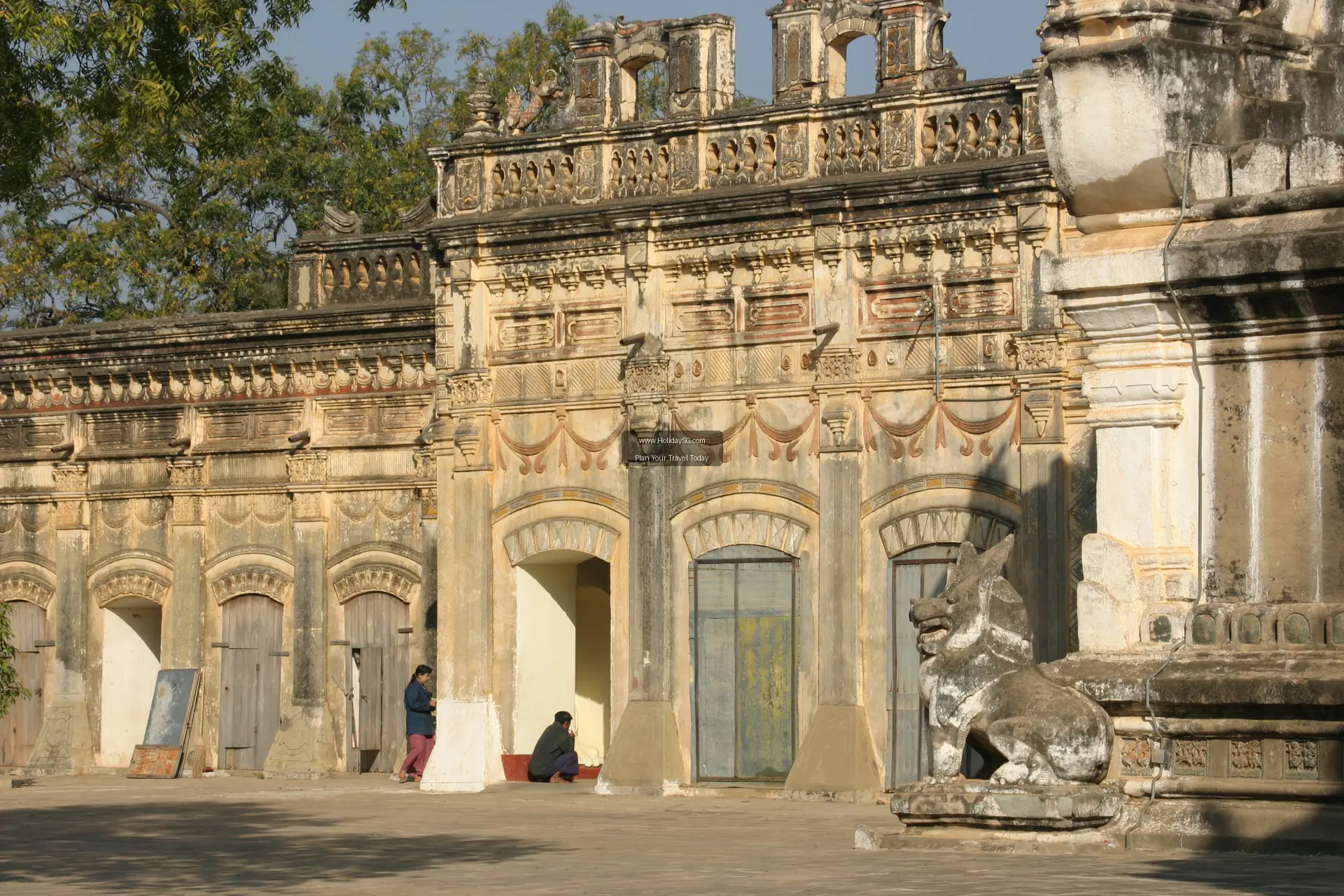
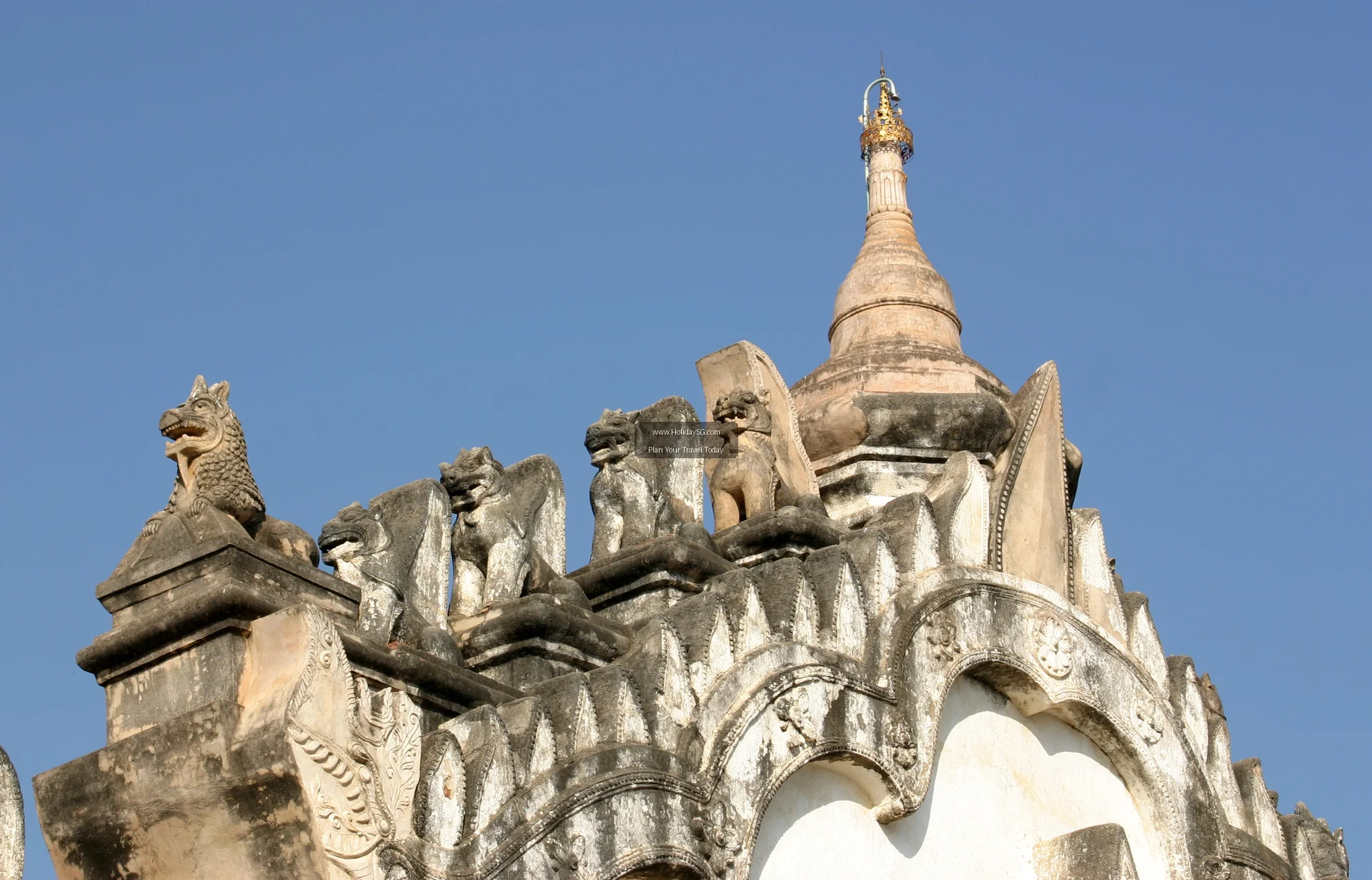
Imagine a landscape dotted with thousands of ancient temples, their golden spires piercing the sky as hot-air balloons drift overhead. That’s Bagan—a UNESCO World Heritage Site and one of Myanmar’s most iconic destinations. Spread across 104 square kilometers, this archaeological zone is home to over 2,000 Buddhist temples, pagodas, and ruins, built between the 11th and 13th centuries.
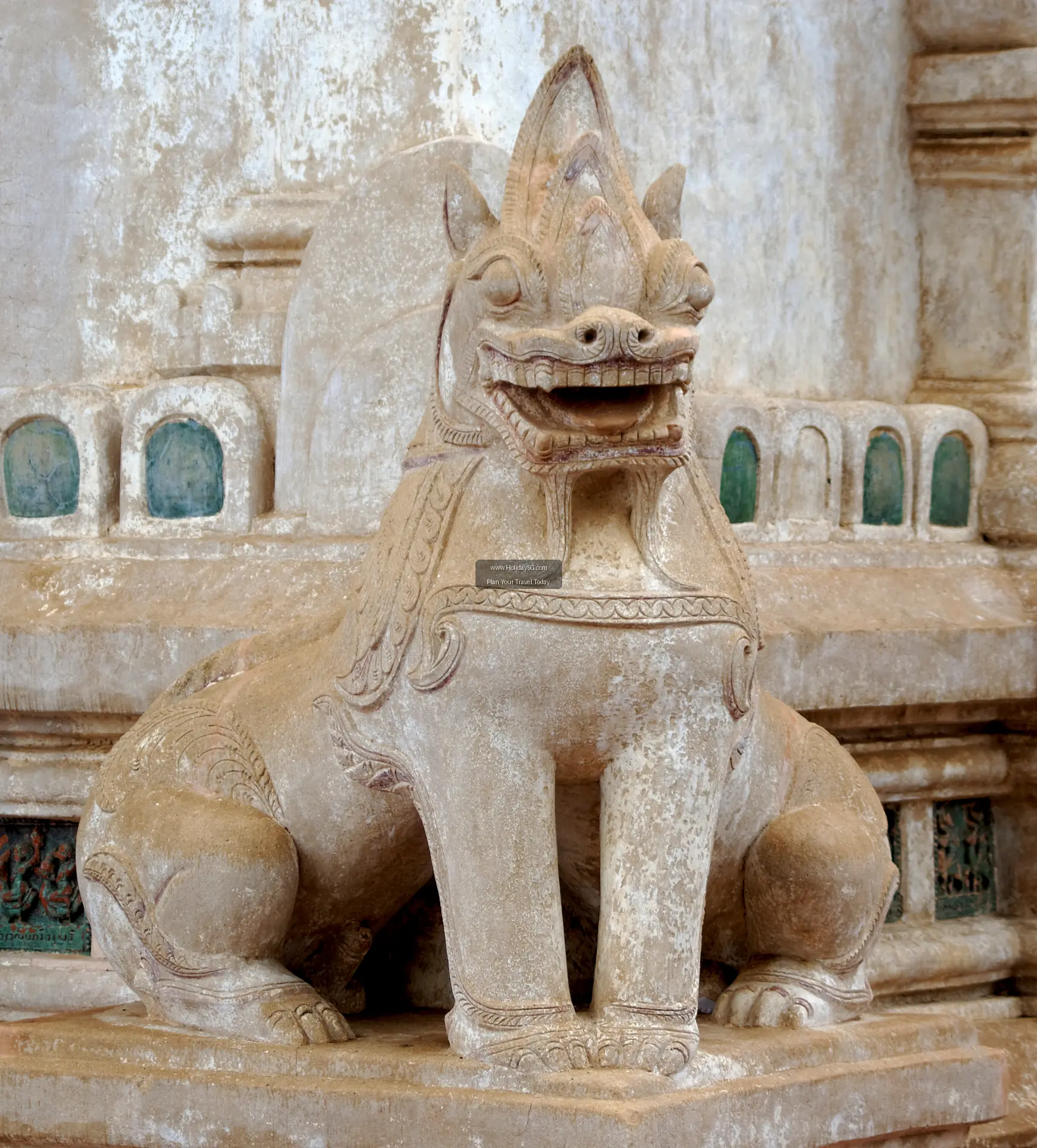
Must-see temples include the Ananda Temple, a masterpiece of Mon architecture; Shwesandaw Pagoda, famous for its sunset views; and Dhammayangyi Temple, the largest in Bagan. For a unique perspective, explore by e-bike (the most popular way to get around), horse cart, or—if your budget allows—a hot-air balloon ride at sunrise. Pro tip: Climb the steps of Tayok Pye Temple for a panoramic view of the plains.
2. Yangon – Myanmar’s Vibrant Capital
Yangon, Myanmar’s largest city, is a fascinating mix of old and new. At its heart stands the Shwedagon Pagoda, a 2,500-year-old golden stupa that glows like a beacon at dusk. The pagoda is not just a religious site but a symbol of Myanmar’s identity, and visiting at sunset is a magical experience as locals gather to pray and meditate.
Beyond the pagoda, Yangon’s colonial heritage shines in buildings like the Secretariat and Sule Pagoda, while the Bogyoke Aung San Market offers a sensory overload of lacquerware, gems, and traditional longyi (sarongs). For a taste of local life, hop on the Yangon Circular Train, a slow-moving ride through rural villages and bustling neighborhoods. Don’t miss the city’s vibrant street food scene—try mohinga (fish noodle soup), samosas, and laphet thohk (tea leaf salad).
3. Mandalay – The Cultural Heart of Myanmar
Mandalay is Myanmar’s second-largest city and a hub of Burmese culture. Climb Mandalay Hill for a sweeping view of the city, then explore the Kuthodaw Pagoda, home to the world’s largest book—729 marble slabs inscribed with Buddhist scriptures. Nearby, the Shwenandaw Monastery is a stunning example of traditional teak architecture.
A short drive from Mandalay, the ancient cities of Amarapura and Inwa (Ava) offer glimpses into Myanmar’s royal past. In Amarapura, walk across the U Bein Bridge, the world’s longest teak bridge, at sunset. In Inwa, explore the ruins of the Bagaya Monastery and the Nanmyin Watchtower. For a deeper dive into Mandalay’s history, consider a day trip to Sagaing or Mingun, where the unfinished Mingun Pahtodawgyi stupa looms over the Irrawaddy River.
4. Inle Lake – A Floating Paradise
Inle Lake is a world apart—a serene freshwater lake where life revolves around the water. Here, fishermen row with one leg wrapped around their oars, stilt-house villages rise from the lake, and floating gardens produce tomatoes, flowers, and other crops. The lake is also home to the Phaung Daw Oo Pagoda, one of Myanmar’s most sacred sites, and the Indein Village, where hundreds of ancient stupas dot the hills.
Exploring Inle Lake by boat is a must. Glide past floating markets, visit a traditional silver-smith workshop, and watch weavers create intricate textiles from lotus fibers. For a more active experience, consider a full-day trekking tour through the surrounding hills, where you’ll meet ethnic minority groups like the Pa-O and Danu. Pro tip: Rent a bicycle and cycle around the lake’s perimeter for a closer look at local life.
5. Ngapali Beach – Myanmar’s Tropical Escape
If you’re craving sun, sand, and seafood, Ngapali Beach is Myanmar’s answer to paradise. Stretching along the Bay of Bengal, this 3-kilometer-long beach boasts powdery white sand, crystal-clear waters, and swaying palm trees. Unlike Thailand’s crowded beaches, Ngapali remains blissfully quiet, with just a handful of boutique resorts and seafood shacks lining the shore.
Spend your days swimming, snorkeling, or kayaking, then feast on fresh crab, prawns, and lobster at beachfront restaurants. For a change of pace, take a boat trip to Pearl Island or visit a local fishing village. Ngapali is also a great base for exploring the nearby Rakhine Yoma Elephant Sanctuary, where you can learn about conservation efforts. Pro tip: Visit between November and April for the best weather.
6. Hsipaw – The Trekking Hub of Shan State
Nestled in the hills of Shan State, Hsipaw is a charming town known for its trekking trails, ethnic minority villages, and laid-back vibe. Unlike the more touristy Inle Lake, Hsipaw offers a raw, authentic experience—think overnight homestays in Palaung villages, tea plantation hikes, and encounters with Shan, Lisu, and Akha communities.
One of Hsipaw’s highlights is the Bawgyo Pagoda, often called “Little Bagan” for its collection of ancient stupas. The town is also a gateway to the Shan Palace, the former residence of the last Shan prince, and the Hsipaw Hot Air Balloon Festival, held every November. For adventure seekers, multi-day treks to Lashio or Namhsan offer stunning landscapes and cultural immersion. Pro tip: Pack light but bring sturdy shoes—some trails can be steep and muddy.
7. Mrauk U – The Hidden Gem of Rakhine State
Often overshadowed by Bagan, Mrauk U is a remote archaeological site that rivals its more famous counterpart. Located in Rakhine State, this ancient city was once the capital of the Mrauk U Kingdom (1430–1785) and is home to hundreds of temples and pagodas, many still standing after centuries of monsoon rains.
Must-visit sites include the Shittaung Pagoda, a fortress-like temple with intricate stone carvings, and the Koe Thaung Temple, the largest in Mrauk U. Unlike Bagan, Mrauk U sees few tourists, making it perfect for those seeking solitude. Explore by boat along the Lemro River, hike to hilltop pagodas, or visit nearby Chin villages to see women with traditional face tattoos. Pro tip: Mrauk U is best reached by a combination of flight (to Sittwe) and boat—plan ahead, as transport options are limited.
8. Kyaiktiyo Pagoda (Golden Rock) – Myanmar’s Sacred Wonder
Perched precariously on the edge of a cliff, the Golden Rock is one of Myanmar’s most sacred Buddhist sites. This gravity-defying boulder, covered in gold leaf and topped with a small stupa, is said to be held in place by a single strand of the Buddha’s hair. Pilgrims flock here to pay their respects, especially during the full moon of Tabaung (March), when the rock is said to glow with divine light.
Reaching the Golden Rock requires a short hike or a truck ride from the base camp at Kinpun. The journey is part of the experience, with vendors selling offerings and monks chanting along the trail. For the best views, visit at sunrise or sunset, when the rock takes on a golden hue. Pro tip: Stay overnight in Kinpun to avoid the midday crowds and witness the rock’s magical transformation at dawn.
9. Hpa-An – Kayin State’s Scenic Wonderland
Surrounded by dramatic limestone karsts and emerald rice fields, Hpa-An is a town that feels like a postcard come to life. Kayin State’s capital is the perfect base for exploring caves, pagodas, and viewpoints that showcase Myanmar’s natural beauty.
Start with Mount Zwegabin, a 722-meter-high mountain that offers panoramic views of the surrounding countryside. The hike takes 4–5 hours round-trip, but the reward is worth it. Nearby, the Saddan Cave is a surreal underground world filled with Buddha statues, stalactites, and a hidden lake. For something more relaxed, visit the Kyauk Ka Lat Pagoda, a golden stupa perched on a limestone pinnacle, or the Lumbini Garden, a peaceful park with a replica of the Buddha’s birthplace.
Hpa-An is also a great place to experience Kayin culture, from traditional dance performances to local delicacies like htamin jin (rice salad). Pro tip: Rent a motorbike to explore the countryside at your own pace—many of the best sights are just a short ride from town.
10. Putao – The Gateway to the Himalayas
For travelers seeking adventure off the beaten path, Putao is Myanmar’s answer to the Himalayas. Located in the far north, this remote town is the starting point for treks into the Khakaborazi National Park, home to Myanmar’s highest peak, Mount Hkakabo Razi (5,881 meters).
Putao is also a cultural crossroads, where ethnic groups like the Rawang and Lisu maintain their traditional way of life. Visit local villages, sample wild honey and foraged mushrooms, and learn about the region’s unique flora and fauna. In winter (November–February), Putao transforms into a birdwatcher’s paradise, with rare species like the white-bellied heron and Blyth’s tragopan spotted in the forests.
Due to its remote location, Putao is best visited with a guide. Treks range from gentle walks to multi-day expeditions, with options to stay in homestays or camp under the stars. Pro tip: Pack warm layers—temperatures can drop below freezing at night, especially in the mountains.
Practical Travel Tips for Myanmar
Best Time to Visit Myanmar
Myanmar’s climate is divided into three seasons, each offering a different experience:
- Peak Season (November–February): Cool, dry weather (20–30°C) makes this the best time for sightseeing and outdoor activities. However, it’s also the most crowded and expensive, so book accommodations and flights in advance.
- Shoulder Season (March–April): Hot (up to 40°C) but dry, with fewer tourists and lower prices. This is a great time to experience Thingyan, Myanmar’s New Year water festival, held in mid-April.
- Low Season (May–October): Monsoon rains (heaviest in July–September) bring lush landscapes and very few tourists. Some remote areas, like Mrauk U, may be inaccessible due to flooding, but destinations like Bagan and Inle Lake remain open.
Visa Requirements & Entry Tips
Most travelers will need a visa to enter Myanmar. The easiest option is the e-visa, which costs $50 and is valid for 28 days. Apply online at the official e-visa website—processing takes about 3 business days. If you’re entering overland from Thailand (e.g., Mae Sot to Myawaddy), check current policies, as some border crossings require pre-arranged permits.
Pro tip: Print a copy of your e-visa approval letter and carry it with you, along with your passport (which must be valid for at least 6 months).
Getting Around Myanmar
Myanmar’s transportation network is improving, but it’s still a good idea to plan ahead:
- Domestic Flights: The fastest way to cover long distances (e.g., Yangon to Bagan). Airlines like Myanmar National Airlines, Air KBZ, and Mann Yadanarpon operate routes between major cities. Book in advance for better prices.
- Buses: Overnight buses are a budget-friendly option for routes like Yangon to Mandalay or Bagan to Inle Lake. Companies like JJ Express and Elite offer comfortable, air-conditioned buses with reclining seats. Tickets cost $15–$30.
- Trains: Scenic but slow, trains are best for short distances or adventurous travelers. The Mandalay to Hsipaw route is a popular choice, offering stunning views of the Shan Hills.
- Local Transport: In cities, use ride-hailing apps like Grab or negotiate fares with taxis. For exploring destinations like Bagan or Inle Lake, rent an e-bike ($5–$10/day) or hire a horse cart.
Budgeting for Your Trip
Myanmar is one of Southeast Asia’s most affordable destinations, but costs vary depending on your travel style:
- Budget Traveler ($30–$50/day): Stay in hostels or guesthouses, eat street food, use local transport, and visit free or low-cost attractions.
- Mid-Range Traveler ($70–$150/day): Enjoy 3-star hotels, restaurant meals, domestic flights, and guided tours. This is the sweet spot for most travelers.
- Luxury Traveler ($200+/day): Splurge on 5-star hotels, private tours, and premium experiences like hot-air balloon rides or private boat charters.
Key expenses to budget for:
Cultural Etiquette & Local Customs
Myanmar is a deeply Buddhist country, and respecting local customs will enhance your experience:
- Dress modestly: Cover shoulders and knees when visiting temples. Some sites provide sarongs for rent if you’re not dressed appropriately.
- Remove shoes: Always take off your shoes before entering temples, pagodas, and even some shops or homes.
- Greetings: Use the traditional “mingalabar” (hello) and “kyay zu tin ba de” (thank you). A slight bow or nod is appreciated.
- Photography: Always ask permission before photographing locals, especially in ethnic minority villages. Avoid taking photos of monks without their consent.
- Respect Buddha images: Never touch or pose disrespectfully with Buddha statues. Avoid pointing your feet at them or turning your back to them.
Health & Safety Tips
Myanmar is generally safe for travelers, but it’s important to take precautions:
- Vaccinations: Recommended vaccines include Hepatitis A/B, Typhoid, Tetanus, and Japanese Encephalitis (for rural areas). Consult a travel clinic 4–6 weeks before your trip.
- Malaria & Dengue: Risk is higher in rural and forested areas (e.g., Putao, Hsipaw). Use mosquito repellent, wear long sleeves at dusk, and consider antimalarial medication if visiting high-risk areas.
- Food & Water: Drink bottled or filtered water, and avoid ice in drinks unless you’re at a high-end establishment. Street food is generally safe if freshly cooked—look for stalls with high turnover.
- Safety: Petty theft is rare, but keep valuables secure in crowded areas. Avoid political gatherings and travel to conflict zones (e.g., parts of Rakhine, Shan, or Kachin States).
- ATMs & Money: ATMs are widely available in cities but may charge fees ($5–$7 per transaction). Carry USD cash (pristine, unmarked bills) as backup, as some hotels and tour operators prefer dollars.
Internet & Connectivity
Staying connected in Myanmar is easier than ever, but coverage can be spotty in remote areas:
- SIM Cards: Buy a local SIM (MPT, Telenor, or Ooredoo) at the airport or a mobile shop. 1GB of data costs ~$5–$10, and coverage is decent in cities.
- Wi-Fi: Available in hotels and cafés, but speeds can be slow. Consider a portable Wi-Fi device if you’re traveling to rural areas.
- VPNs: Some websites (e.g., Facebook, WhatsApp) may be restricted. A VPN can help bypass blocks, but choose a reputable provider.
Common Traveler Questions About Myanmar
Ready to go? Book Full Day Trekking In Inle Lake with HolidaySG.
Ready to go? Book Full Day Trekking In Inle Lake with HolidaySG.
Is Myanmar Safe for Solo Female Travelers?
Myanmar is generally safe for solo female travelers, but it’s important to take precautions. Dress modestly, especially in rural areas, and avoid walking alone at night. Harassment is rare, but it’s always a good idea to trust your instincts. Staying in reputable guesthouses or hotels and joining group tours can also enhance your safety and comfort.
Can I Use USD in Myanmar?
Yes, USD is widely accepted in Myanmar, especially for hotels, tours, and larger purchases. However, you’ll need MMK (Myanmar Kyat) (kyat) for small transactions, like street food, taxis, and market purchases. Exchange rates are better for kyat, so it’s a good idea to carry a mix of both currencies. Pro tip: Bring pristine, unmarked USD bills—torn or damaged notes may not be accepted.
How Many Days Do I Need to Explore Myanmar?
A minimum of 10–14 days is ideal for covering Myanmar’s highlights, such as Yangon, Bagan, Mandalay, and Inle Lake. If you have more time, consider adding destinations like Hsipaw, Mrauk U, or Ngapali Beach. For a deeper exploration, plan for 3+ weeks to include off-the-beaten-path gems like Putao or Hpa-An.
Is English Widely Spoken?
Basic English is spoken in tourist areas, but outside of major cities, communication can be challenging. Learning a few Burmese phrases (e.g., “mingalabar” for hello, “kyay zu tin ba de” for thank you) will go a long way. Hiring a guide is recommended for remote regions, as they can help bridge the language gap and provide cultural insights.
What’s MMK (Myanmar Kyat), and How Do I Exchange Money?
Myanmar’s MMK (Myanmar Kyat) is the kyat (MMK). Exchange money at official counters (e.g., banks, hotels, or authorized exchange booths) to avoid scams. The exchange rate is roughly 1 USD = 2,100 MMK, but it fluctuates—check current rates before exchanging. Pro tip: Carry small bills (1,000–5,000 MMK) for markets and street vendors, as change can be hard to come by.
Are There Any Dress Codes for Temples?
Yes, modest dress is required when visiting temples and pagodas. Cover your shoulders and knees, and remove your shoes before entering. Some temples provide sarongs for rent if you’re not dressed appropriately. Pro tip: Wear slip-on shoes for easy removal when visiting multiple temples.
Can I Drink Tap Water?
No, tap water in Myanmar is not safe to drink. Stick to bottled or filtered water, and avoid ice in drinks unless you’re at a high-end establishment. Many hotels and restaurants provide filtered water, so ask before drinking. Pro tip: Carry a reusable water bottle with a built-in filter to reduce plastic waste.
What’s the Tipping Culture?
Tipping is not mandatory in Myanmar, but it’s appreciated for good service. In restaurants, a 10% tip is standard if a service charge isn’t included. For guides and drivers, small bills (e.g., 1,000–5,000 MMK) are a thoughtful gesture. Pro tip: Carry small denominations of kyat for tipping, as larger bills may be hard to break.
Are There Any Cultural Taboos?
Myanmar has a few cultural taboos to keep in mind:
- Avoid touching people’s heads, as the head is considered sacred.
- Don’t point your feet at people or Buddha images—feet are considered the lowest and dirtiest part of the body.
- Avoid public displays of affection, as they’re considered inappropriate.
- Always use your right hand for giving or receiving items, as the left hand is considered unclean.
What’s the Best Way to Explore Bagan?
Bagan is best explored at your own pace, and there are several ways to do it:
- E-bike: The most popular and affordable option ($5–$10/day). E-bikes are easy to rent and allow you to explore the temples flexibly.
- Horse cart: A romantic and traditional way to see Bagan, especially at sunrise or sunset. Drivers often act as guides, sharing stories about the temples.
- Hot-air balloon: A splurge ($300–$400), but the views of Bagan’s temple-studded plains at sunrise are unforgettable.
- Guided tour: Ideal for travelers who want in-depth historical context. Many tours include stops at lesser-known temples and local villages.
Final Thoughts: Why Myanmar Should Be Your Next Adventure
Myanmar is a destination that captivates the soul. It’s a place where ancient traditions thrive alongside modern life, where golden pagodas stand as testaments to a rich history, and where natural beauty unfolds at every turn. Whether you’re marveling at Bagan’s sunrise, trekking through Shan State’s hill tribes, or relaxing on Ngapali Beach, Myanmar offers experiences that are as diverse as they are unforgettable.
What sets Myanmar apart is its authenticity. Unlike more touristy destinations, Myanmar remains relatively untouched by mass tourism, allowing travelers to connect with its culture, people, and landscapes in a meaningful way. It’s a country that rewards curiosity, whether you’re exploring remote villages, sampling street food, or simply chatting with locals at a tea shop.
If you’re planning a trip to Southeast Asia, don’t overlook Myanmar. It’s a destination that will challenge your perceptions, broaden your horizons, and leave you with memories to last a lifetime. Ready to explore? Check out our Full Day Trekking In Inle Lake and start your adventure today!
Recommended HolidaySG Tours
Ready to go? Book Full Day Trekking In Inle Lake with HolidaySG.
Ready to go? Book Full Day Trekking In Inle Lake with HolidaySG.
Book with HolidaySG online for Full Day Trekking In Inle Lake.
Book with HolidaySG online for Full Day Trekking In Inle Lake.
Frequently Asked Questions
Where can I book this / what’s the link?
Do foreigners (non-citizens) need a different ticket, price, or visa for Myanmar?
What is the best time (season, or time of day for the site/activity) to go?
How many days do I need in Myanmar?
What is the typical daily cost for a traveler in Myanmar?
How do I get around within Myanmar?
Is Myanmar a family-friendly destination?
What should I pack to bring on my trip to Myanmar?
Is Myanmar accessible for travelers with disabilities?
Is it safe to travel in Myanmar?
What is the weather like in Myanmar?
What should I know about local etiquette and customs?
Is the water safe to drink in Myanmar?
What food should I try in Myanmar?
Where are the best places to eat near the temples in Bagan?
What are the must-see nearby attractions from Inle Lake?
Can I use credit cards in Myanmar?
What are the main temples I shouldn’t miss in Bagan?
How do I contribute positively to local communities in Myanmar?
What is there to do in Yangon on a short stopover?
What things cost in Myanmar
Live HolidaySG prices for the experiences in this guide, so you can sanity-check a budget before you commit.
| Experience | Where | From price |
|---|---|---|
| Full day trekking in Inle Lake | Mandalay | From S$42.68 |
| Dream Forest Langkawi | Langkawi | From S$8.75 |
| Mingalar Sky Business Class Lounge Domestic Yangon Internation... | Yangon | From S$15.25 |
| Mingalar Sky Business Class Lounge International Yangon Intern... | Yangon | From S$44.06 |