

15 must-see attractions in laos (+map) is exactly what this guide covers.
Laos is Southeast Asia’s hidden gem—a land of misty mountains, golden temples, and the mighty Mekong River weaving through untouched landscapes. Unlike its bustling neighbors, Laos offers a slower pace, rich culture, and breathtaking natural wonders without the crowds. Whether you’re chasing waterfalls, exploring ancient ruins, or simply soaking in the laid-back vibe, this landlocked paradise promises an unforgettable adventure. Here are 15 must-see attractions in Laos, complete with a map to help you plan your trip.
Laos is a dream for travelers seeking culture, adventure, and tranquility. From the UNESCO-listed streets of Luang Prabang to the mysterious Plain of Jars, this guide covers 15 must-see attractions, plus practical tips on when to visit, costs, and how to navigate the country like a pro.

Why Visit Laos?
Laos is where time slows down. Imagine sipping coffee on a colonial-era balcony in Luang Prabang, watching monks in saffron robes glide past at dawn. Or kayaking through emerald rivers framed by limestone karsts in Vang Vieng, where adventure meets serenity. The country’s Buddhist heritage shines in its temples, while its rural villages offer a glimpse into traditional Lao life. And let’s not forget the food—think fragrant sticky rice, spicy laap (minced meat salad), and French-influenced baguettes left over from colonial days.
Best of all? Laos is one of Southeast Asia’s most affordable destinations. Your budget stretches further here, whether you’re splurging on a riverside boutique hotel or feasting on street food for less than $2.
Best Time to Visit Laos
Ready to go? Book Laos Unlimited Data 4g5g Esim with HolidaySG.
Ready to go? Book Laos Unlimited Data 4g5g Esim with HolidaySG.
Laos has three distinct seasons, each offering a different experience:
- Cool & Dry (November–February): The peak season, with temperatures between 15–25°C. Ideal for sightseeing, trekking, and exploring cities like Vientiane and Luang Prabang. Pack a light jacket for cooler evenings.
- Hot Season (March–May): Temperatures soar up to 40°C, but it’s the best time to visit waterfalls (like Tad Fane) and the 4,000 Islands, where you can cool off in the Mekong. Early mornings and late afternoons are best for outdoor activities.
- Rainy Season (June–October): Lush green landscapes and fewer tourists, but some rural roads become muddy and impassable. Waterfalls are at their most spectacular, and boat trips on the Mekong are magical.
Laos Travel Costs at a Glance
Laos is budget-friendly, but costs vary depending on your travel style:
- Budget Traveler: $20–$40/day (hostels, street food, local buses, and DIY tours).
- Mid-Range: $50–$100/day (guesthouses, restaurants, guided tours, and occasional flights).
- Luxury: $150+/day (boutique hotels, private tours, and domestic flights).
Entry fees for attractions are minimal—expect to pay $1–$5 for temples, $2–$5 for waterfalls, and $3–$10 for caves. Transport is equally affordable: tuk-tuks cost $2–$10 for short rides, while overnight buses range from $5–$20. Domestic flights (e.g., Luang Prabang to Pakse) start at $80.
How to Use This Guide
Ready to go? Book Laos Unlimited Data 4g5g Esim with HolidaySG.
Ready to go? Book Laos Unlimited Data 4g5g Esim with HolidaySG.
This guide highlights 15 must-see attractions in Laos, organized by region for easy planning. Each section includes insider tips, best times to visit, and how to get there. We’ve also included an interactive map at the end to help you visualize your route. Whether you’re planning a 7-day highlights trip or a 2-week deep dive, use this as your roadmap to Laos’ top experiences.
1. Luang Prabang – The Heart of Lao Culture
Luang Prabang is Laos’ crown jewel—a UNESCO-listed town where golden temples, French colonial architecture, and the Mekong River create a postcard-perfect setting. Start your day with alms-giving at dawn, where hundreds of monks walk silently through the streets, collecting offerings from locals. It’s a humbling experience, but remember to observe respectfully (dress modestly, keep your distance, and never touch the monks).
Kuang Si Falls: A Turquoise Paradise
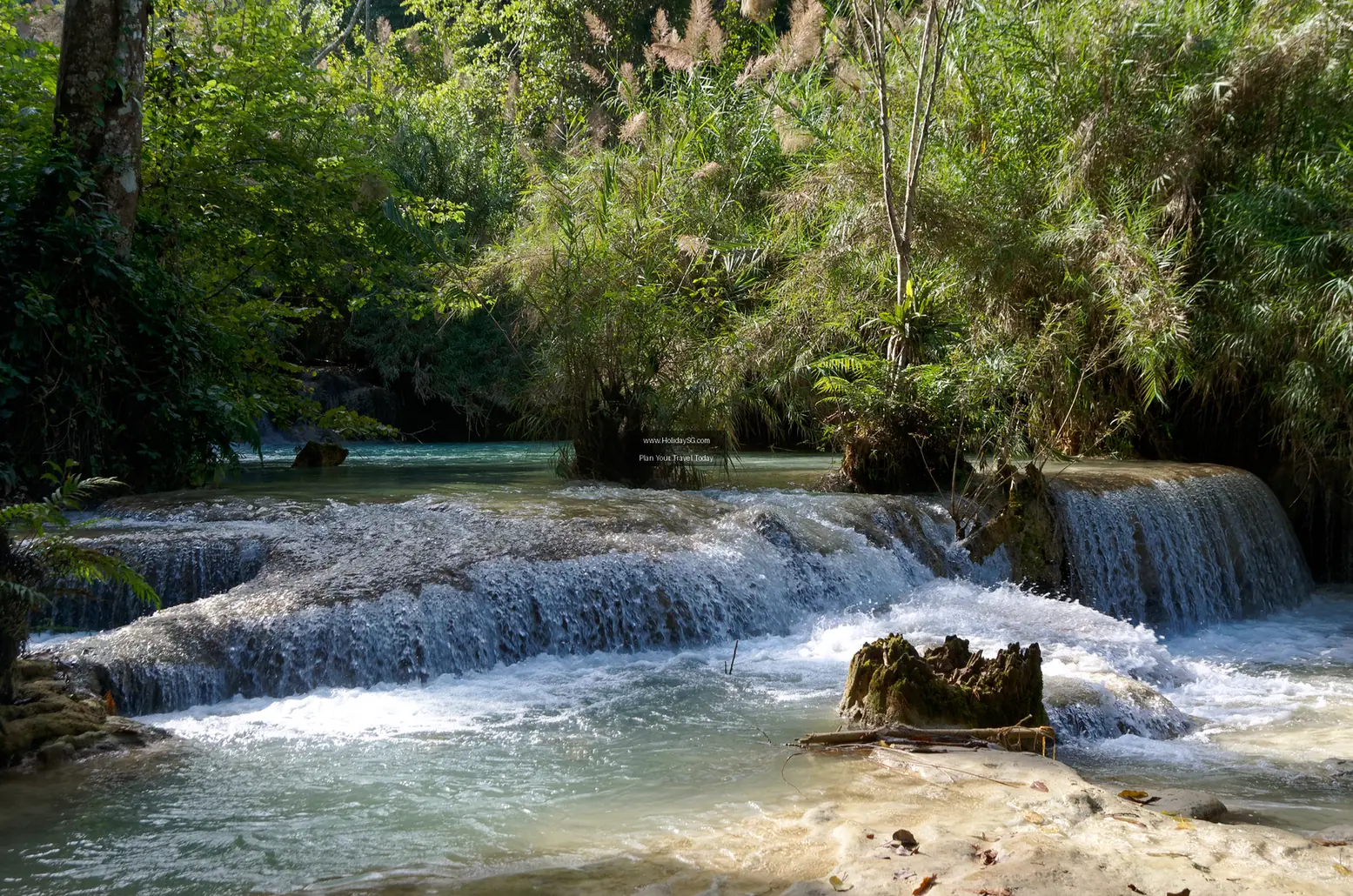
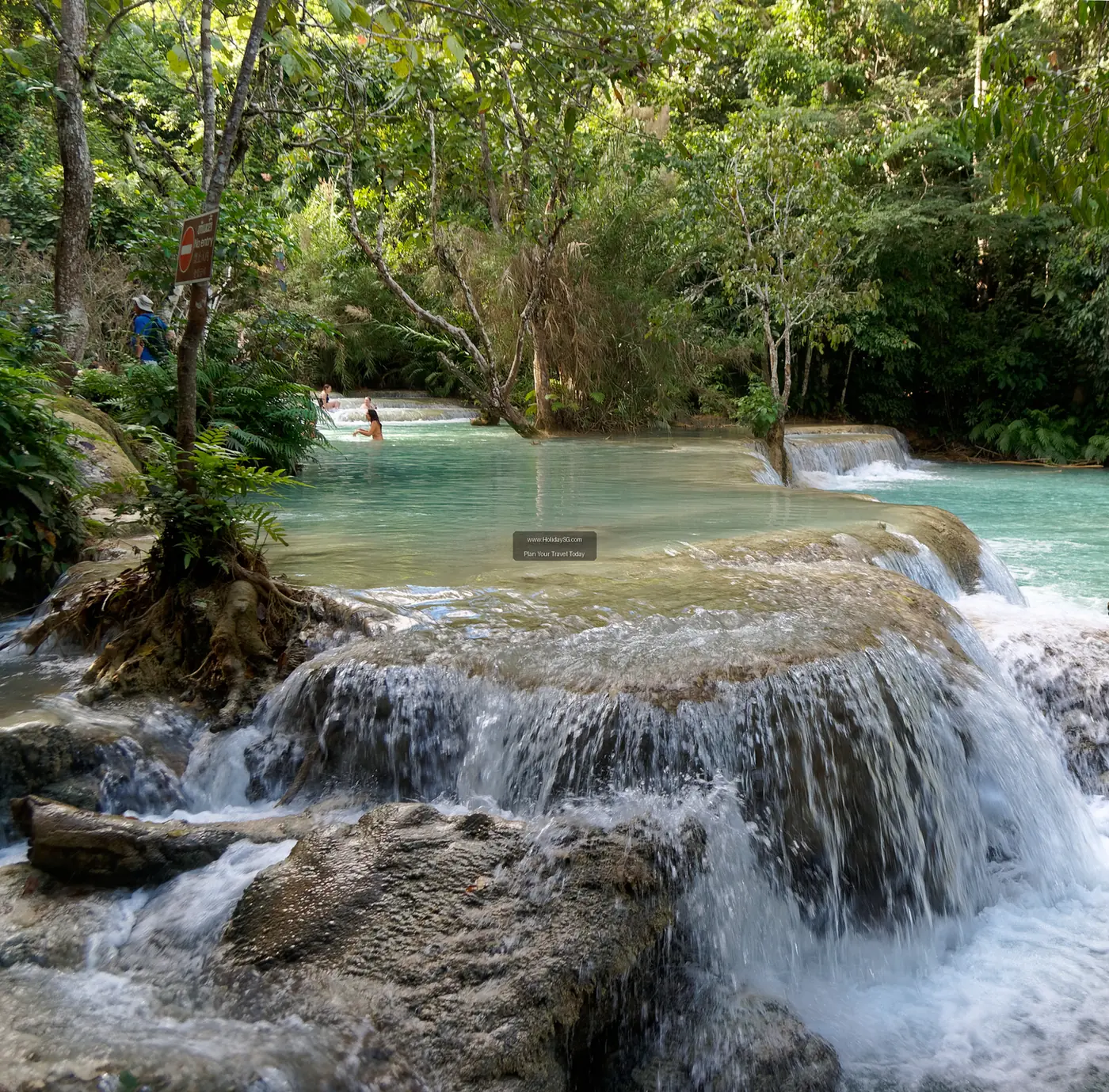
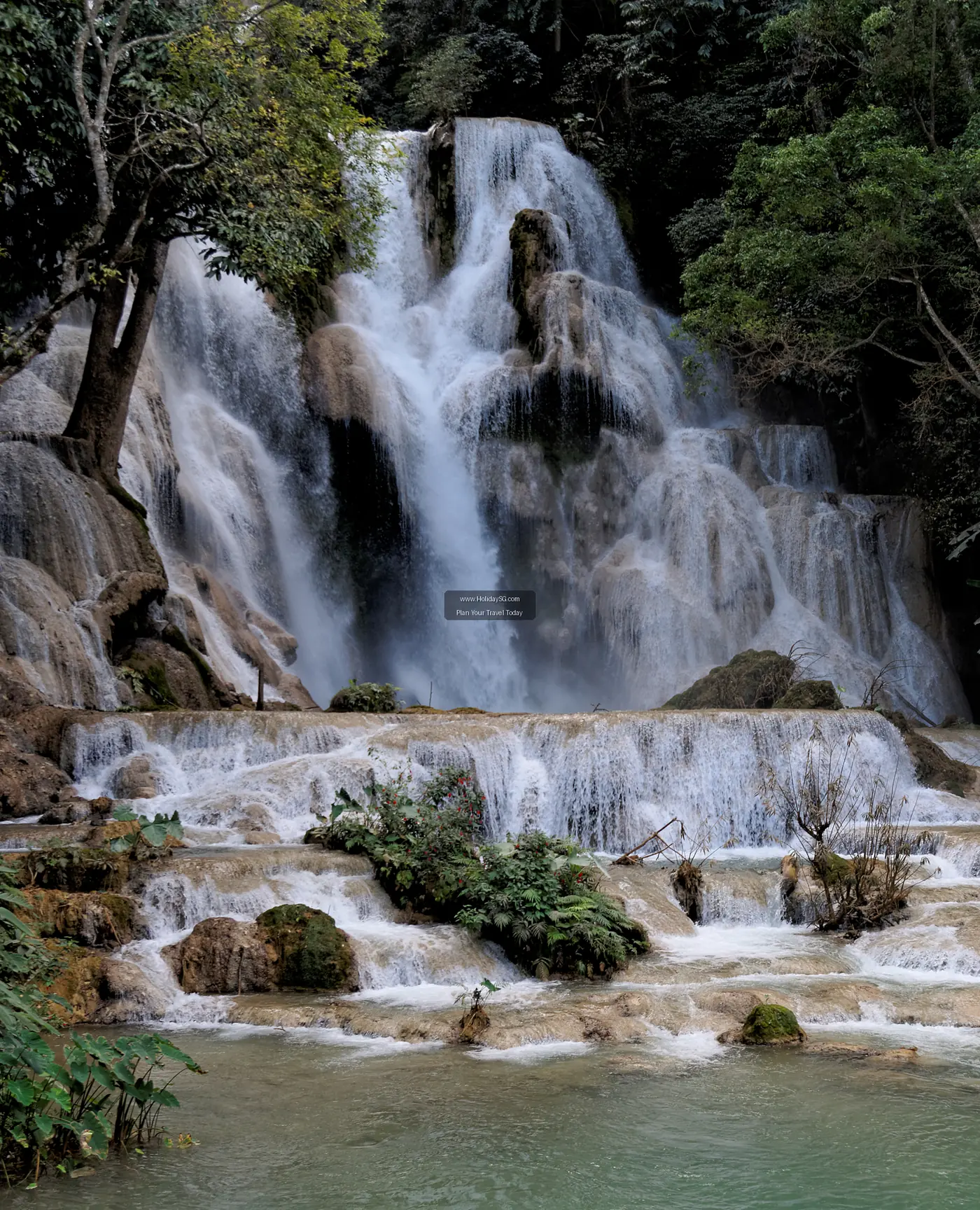
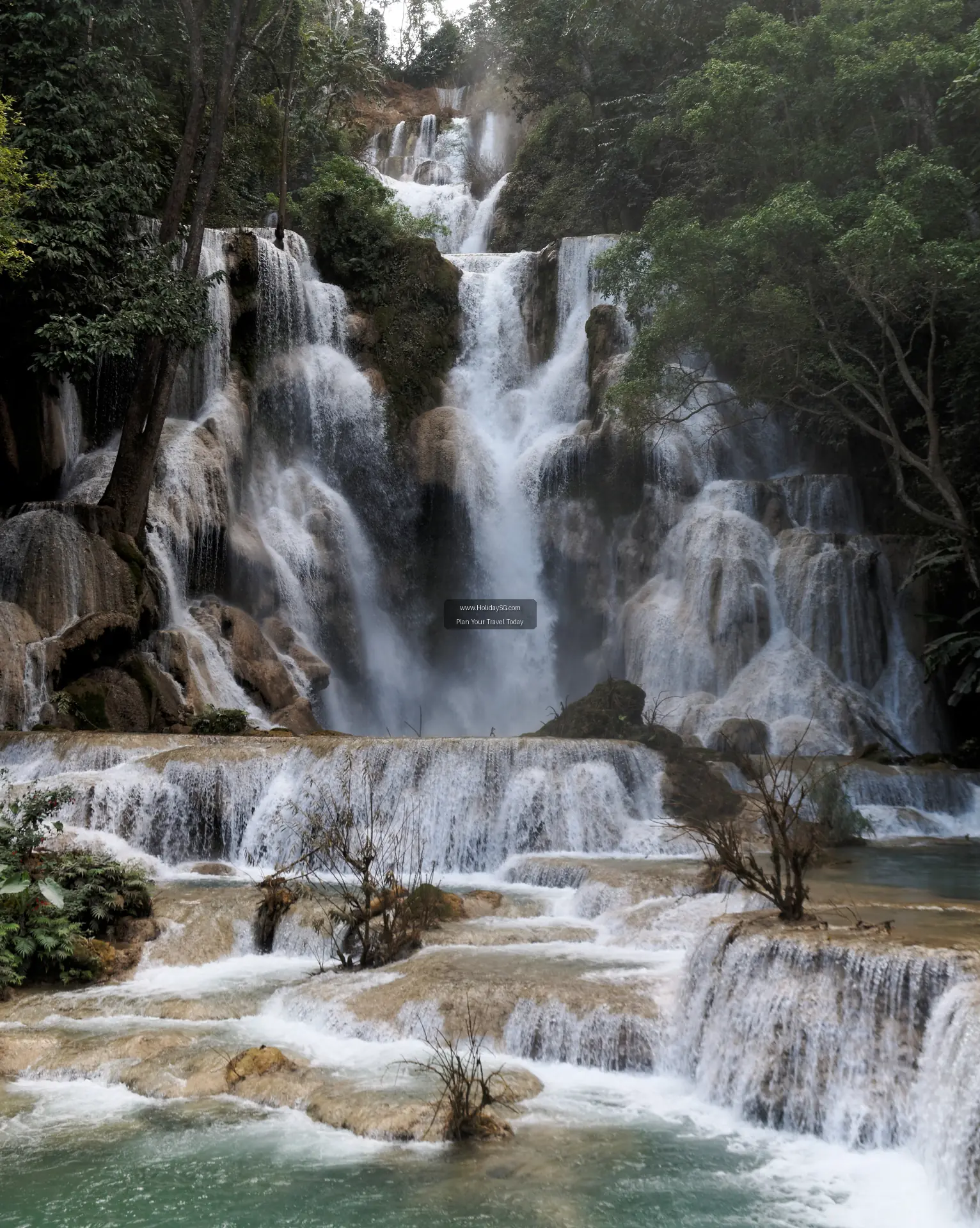
Kuang Si Falls is Luang Prabang’s most famous attraction, and for good reason. The multi-tiered waterfall cascades into vivid turquoise pools, perfect for swimming. Arrive early (before 9 AM) to beat the crowds, and don’t miss the short hike to the top for panoramic views. Nearby, the Bamboo Experience Class at Kuang Si Falls offers a unique way to explore the area while learning traditional Lao crafts.
Mount Phousi: Sunset Views Over the City
For the best sunset in Luang Prabang, climb the 328 steps to the top of Mount Phousi. The 360-degree views of the town, Mekong River, and surrounding mountains are worth every step. Time your visit for late afternoon, and bring water—it’s a steep climb!
Wat Xieng Thong: A Masterpiece of Lao Architecture
Wat Xieng Thong is Luang Prabang’s most stunning temple, with intricate mosaics, gilded carvings, and a sweeping roof that seems to float above the ground. The temple’s sim (ordination hall) is a masterpiece of Lao craftsmanship, and the nearby funeral carriage house displays a massive, ornate hearse used for royal processions.
Night Market & Local Cuisine
Luang Prabang’s night market is a feast for the senses. Stroll along Sisavangvong Road, where vendors sell everything from handwoven textiles to silver jewelry. Don’t leave without trying khao soi (coconut curry noodle soup), sai oua (Lao sausage), and mango sticky rice. For a deeper dive into Lao cuisine, book an evening cooking class, where you’ll learn to weave bamboo and prepare traditional dishes.
2. Vientiane – The Laid-Back Capital
Ready to go? Book Laos Unlimited Data 4g5g Esim with HolidaySG.
Ready to go? Book Laos Unlimited Data 4g5g Esim with HolidaySG.
Vientiane is often overlooked in favor of Luang Prabang, but this sleepy capital has its own charm. With wide boulevards, riverside cafes, and a mix of French and Lao architecture, it’s the perfect place to unwind for a day or two. Unlike other Southeast Asian capitals, Vientiane moves at a leisurely pace—think sunset beers by the Mekong rather than traffic jams.
Pha That Luang: Laos’ Most Sacred Stupa
Pha That Luang is Laos’ most important religious monument—a gleaming golden stupa that symbolizes the country’s Buddhist heritage. Built in the 16th century, the stupa is surrounded by smaller temples and is especially stunning at sunrise or sunset. Dress modestly (cover shoulders and knees) and be prepared to remove your shoes before entering.
Patuxai: The “Arc de Triomphe” of Laos
Patuxai is Vientiane’s answer to Paris’ Arc de Triomphe, but with a Lao twist. Built in the 1960s to honor those who fought for independence from France, the monument offers panoramic views of the city from its observation deck. Climb the stairs for a small fee, or explore the surrounding park, where locals gather in the evenings.
Buddha Park (Xieng Khuan): A Surreal Sculpture Garden
Just 25 km from Vientiane, Buddha Park is a bizarre and fascinating collection of over 200 religious statues, including a giant reclining Buddha and a 40-meter-tall pumpkin-shaped structure. The park was created in 1958 by a Lao monk who blended Buddhist and Hindu mythology. Climb inside the pumpkin for a quirky photo op—it’s a maze of narrow staircases leading to a viewpoint at the top.
3. Vang Vieng – Adventure & Scenic Beauty
Vang Vieng is Laos’ adventure playground, where limestone karsts rise dramatically from the Nam Song River. Once infamous for its party scene, the town has reinvented itself as an eco-tourism hub, with activities like tubing, kayaking, and hot air balloon rides. The landscape here is so surreal, it feels like stepping into a painting.
Tubing & Kayaking on the Nam Song River
Tubing down the Nam Song River is a rite of passage in Vang Vieng. Rent a tube from one of the many shops in town and float past towering cliffs, caves, and rural villages. For a more active experience, try kayaking—paddle through calm stretches or tackle mild rapids. Just be sure to wear a life jacket and avoid alcohol if you’re tubing (the river has strong currents in places).
Tham Nam Cave: Underground River Exploration
Tham Nam Cave is one of Vang Vieng’s most popular attractions. A guide will lead you through the cave’s dark passages, pointing out stalactites and stalagmites along the way. Bring a headlamp or rent one at the entrance—it gets pitch black inside!
Blue Lagoon: A Hidden Oasis
The Blue Lagoon is a series of turquoise pools fed by a natural spring, surrounded by jungle and limestone cliffs. It’s the perfect spot to cool off after a day of adventure. Swim in the crystal-clear water, jump from the rope swing, or relax on the wooden deck. The lagoon is about 10 km from Vang Vieng—rent a bicycle or take a tuk-tuk to get there.
Limestone Karsts & Hot Air Balloon Rides
For a bird’s-eye view of Vang Vieng’s stunning landscape, book a hot air balloon ride at sunrise. As the balloon rises, you’ll float over emerald rice fields, jagged karsts, and the winding Nam Song River. It’s an unforgettable experience, though it comes with a higher price tag (around $150–$200 per person).
4. Plain of Jars (Phonsavan) – A Mysterious Archaeological Wonder
Ready to go? Book Laos Unlimited Data 4g5g Esim with HolidaySG.
Ready to go? Book Laos Unlimited Data 4g5g Esim with HolidaySG.
The Plain of Jars is one of Laos’ most enigmatic attractions. Scattered across the Xieng Khouang Plateau are thousands of giant stone jars, some weighing up to 6 tons. No one knows for sure who created them or why, though theories range from ancient burial sites to storage vessels for rice wine. The jars are spread across several sites, but Site 1 is the most accessible and impressive.
Exploring the Ancient Stone Jars
Site 1 is the largest and best-preserved jar site, with over 300 jars spread across a grassy hillside. The jars vary in size, with some standing over 3 meters tall. A short walk from the entrance, you’ll find a cave with a small shrine—locals believe it was used for cremations. Be cautious when exploring; the area is still littered with unexploded ordnance (UXO) from the Vietnam War. Stick to marked paths and never stray off-trail.
UXO Museum: Understanding Laos’ War History
The UXO Museum in Phonsavan offers a sobering look at Laos’ war-torn past. The country is the most bombed per capita in history, and millions of unexploded bombs still litter the countryside. The museum’s exhibits explain the impact of UXO on local communities and the ongoing efforts to clear the land. It’s a humbling reminder of the resilience of the Lao people.
Best Viewpoints & Sunset Spots
For a panoramic view of the Plain of Jars, hike up to the viewpoint near Site 1. The short but steep climb rewards you with sweeping vistas of the jars and surrounding countryside. Time your visit for sunset, when the jars glow golden in the fading light. Bring a flashlight for the walk back—it gets dark quickly after the sun sets.
5. 4,000 Islands (Si Phan Don) – Mekong Serenity
The 4,000 Islands (Si Phan Don) is a tranquil archipelago in the Mekong River, where time seems to stand still. The islands range from tiny sandbars to larger landmasses like Don Det and Don Khon, where you can rent a bicycle and explore at your own pace. This is the place to disconnect, slow down, and soak in the beauty of the Mekong.
Don Det & Don Khon: Backpacker Paradise
Don Det is the most popular island in Si Phan Don, with a laid-back backpacker vibe. Rent a bicycle and pedal along dirt paths lined with palm trees, stopping at riverside cafes for fresh coconut water or a cold Beerlao. Don Khon, connected to Don Det by a bridge, is quieter and home to the stunning Li Phi Falls. Both islands are car-free, making them perfect for a peaceful escape.
Li Phi Falls: The “Niagara of Southeast Asia”
Li Phi Falls is one of Laos’ most impressive waterfalls, with a series of cascades plunging into the Mekong. The name translates to “Spirit Trap Falls,” as locals believe the falls trap evil spirits. The best views are from the top of the falls, where you can watch the water crash over the rocks. Swimming is possible in some areas, but be cautious of strong currents.
Irrawaddy Dolphins: Rare Wildlife Encounters
The Mekong River is home to a small population of critically endangered Irrawaddy dolphins. The best place to spot them is near Don Khon, where the dolphins surface to feed. Join a boat tour at sunrise or sunset for the best chances of seeing them. It’s a magical experience—these rare creatures are a reminder of the Mekong’s ecological importance.
Recommended HolidaySG Tours
Ready to go? Book Laos Unlimited Data 4g5g Esim with HolidaySG.
Ready to go? Book Laos Unlimited Data 4g5g Esim with HolidaySG.
Ready to explore Laos? Here are some top-rated tours to enhance your trip:
- Evening Baci Ceremony & Home-Cooked Dinner
- Bamboo Weaving & Cooking Class (Half Day)
- Bamboo Experience Class at Kuang Si Falls (Full Day)
- Laos Unlimited Data 4G/5G eSIM (stay connected on the go!)
Laos Travel Tips: Practical Advice for Your Trip
Visa Requirements & Entry Rules
Most travelers need a visa to enter Laos. You can apply for an eVisa online (processing time: 3 days) or get a visa on arrival at major entry points like Luang Prabang, Vientiane, and Pakse. The cost ranges from $30–$50, depending on your nationality. Make sure your passport is valid for at least 6 months beyond your arrival date.
Getting Around Laos: Transport Options
Laos’ transport network is basic but functional. Here are your options:
- Buses: The most common way to travel between cities. Overnight buses (e.g., Vientiane to Luang Prabang) save time and money, but bring earplugs—they can be noisy.
- Minivans: Faster than buses but often cramped. Popular for shorter routes like Luang Prabang to Vang Vieng.
- Slow Boats: A scenic but slow way to travel along the Mekong (e.g., Huay Xai to Luang Prabang). The 2-day journey is an adventure, but bring snacks and a book!
- Domestic Flights: Laos has a few domestic airports (Luang Prabang, Vientiane, Pakse). Flights are pricier but save time for long distances.
- Tuk-tuks & Songthaews: Shared taxis (songthaews) are cheap for short distances, while tuk-tuks are best for short hops in towns.
Money & Budgeting Tips
Laos’ currency is the Lao Kip (LAK), but USD is widely accepted in tourist areas. ATMs are available in cities, but carry cash for rural areas. Here are some budgeting tips:
- Withdraw large amounts of kip at once to avoid multiple ATM fees.
- Bargain politely in markets, but don’t haggle over small amounts.
- Street food is cheap and delicious—try khao jee (Lao baguette sandwich) for less than $1.
- For reliable internet, grab a local eSIM before your trip.
Cultural Etiquette & Dress Code
Laos is a conservative Buddhist country, so dress modestly, especially at temples. Cover your shoulders and knees, and remove your shoes before entering religious sites. When greeting locals, a slight bow with hands pressed together (nop) is polite. Avoid touching people’s heads or pointing your feet at others—both are considered rude.
Health & Safety in Laos
Laos is generally safe for travelers, but take precautions:
- Food & Water: Drink bottled or filtered water, and avoid ice in rural areas. Street food is safe if it’s freshly cooked and busy with locals.
- Mosquitoes: Dengue fever is a risk, so use repellent and wear long sleeves at dawn/dusk. Malaria prophylaxis is recommended for rural areas like the Bolaven Plateau.
- Petty Theft: Keep valuables secure, especially in crowded areas like night markets.
- Road Safety: Traffic can be chaotic. If renting a motorbike, wear a helmet and check your travel insurance covers accidents.
Laos Itinerary Suggestions
Ready to go? Book Laos Unlimited Data 4g5g Esim with HolidaySG.
Ready to go? Book Laos Unlimited Data 4g5g Esim with HolidaySG.
7-Day Highlights Itinerary
Short on time? This itinerary covers Laos’ top attractions in a week:
- Day 1–3: Luang Prabang (Kuang Si Falls, Mount Phousi, night market).
- Day 4: Travel to Vang Vieng (tubing, Tham Nam Cave).
- Day 5: Vang Vieng to Vientiane (Patuxai, Buddha Park).
- Day 6–7: Fly to Pakse, visit Wat Phu, and explore the Bolaven Plateau.
10-Day Classic Laos Route
For a deeper dive, add these stops:
- Day 1–3: Luang Prabang.
- Day 4–5: Vang Vieng (hot air balloon, Blue Lagoon).
- Day 6: Vientiane.
- Day 7–8: Fly to Phonsavan (Plain of Jars).
- Day 9–10: Travel to Nong Khiaw (Pha Daeng Peak, boat trips).
2-Week Adventure & Culture Loop
For the ultimate Laos experience, include these off-the-beaten-path gems:
- Day 1–3: Luang Prabang.
- Day 4–5: Nong Khiaw (trekking, caves).
- Day 6–7: Muang Ngoi Neua (kayaking, village homestays).
- Day 8–9: Vang Vieng.
- Day 10–11: Vientiane.
- Day 12–13: Fly to Pakse, visit Wat Phu and the Bolaven Plateau.
- Day 14–15: 4,000 Islands (Don Det, Li Phi Falls).
FAQs About Traveling in Laos
Is Laos Safe for Solo Travelers?
Yes! Laos is one of the safest countries in Southeast Asia for solo travelers. Violent crime is rare, but petty theft (e.g., pickpocketing) can occur in tourist areas. Stick to well-lit streets at night, and avoid walking alone in remote areas after dark. Solo female travelers should dress modestly to avoid unwanted attention.
How Many Days Do You Need in Laos?
For the highlights, 10–14 days is ideal. This gives you time to explore Luang Prabang, Vang Vieng, Vientiane, and a few off-the-beaten-path destinations like Nong Khiaw or the 4,000 Islands. If you have 3+ weeks, you can dive deeper into Laos’ rural villages and lesser-known attractions.
Can You Cross into Laos from Thailand or Vietnam?
Absolutely! Laos shares land borders with Thailand, Vietnam, Cambodia, China, and Myanmar. Popular crossings include:
- Thailand: Huay Xai (for slow boats to Luang Prabang), Nong Khai (to Vientiane), and Chiang Khong (to Huay Xai).
- Vietnam: Lao Bao (to Savannakhet) and Dansavan (to Phonsavan).
Check visa requirements in advance—some borders offer visas on arrival, while others require an eVisa.
Is Laos Expensive?
No! Laos is one of Southeast Asia’s most affordable destinations. Your money goes further here than in Thailand or Vietnam. Budget travelers can get by on $20–$40/day, while mid-range travelers spend $50–$100/day. Even luxury experiences (e.g., boutique hotels, private tours) are cheaper than in neighboring countries.
What’s the Food Like in Laos?
Lao cuisine is fresh, flavorful, and often spicy. Staples include:
- Sticky rice (khao niao): The foundation of every meal—eaten with your hands!
- Laap: A minced meat salad with herbs, lime, and chili (try laap moo with pork).
- Tam mak hoong: Green papaya salad, similar to Thai som tam but with fermented fish sauce.
- Khao soi: A coconut curry noodle soup with crispy fried noodles on top.
- Sai oua: Grilled Lao sausage with lemongrass and kaffir lime leaves.
For a unique experience, try a home-cooked dinner with a local family—you’ll learn about Lao traditions while enjoying a feast.
Do You Need a Guide for Attractions?
It depends. In cities like Luang Prabang and Vientiane, you can explore independently. For remote sites like the Plain of Jars or Kong Lor Cave, a guide is recommended (and sometimes required). Guides provide historical context, help navigate language barriers, and ensure you stick to safe paths in UXO-affected areas.
Final Thoughts: Why Laos Should Be on Your Travel List
Ready to go? Book Laos Unlimited Data 4g5g Esim with HolidaySG.
Ready to go? Book Laos Unlimited Data 4g5g Esim with HolidaySG.
Laos is a destination that lingers in your memory long after you leave. It’s a place where golden temples glow at sunrise, waterfalls cascade into turquoise pools, and the Mekong River carries stories of ancient kingdoms and resilient communities. Whether you’re seeking adventure, culture, or simply a slower pace of life, Laos delivers.
This guide has covered the country’s top attractions, but the real magic of Laos lies in its people. Take the time to chat with locals, learn a few words of Lao, and embrace the sabai sabai (easygoing) way of life. You’ll leave with not just photos, but stories to tell for years to come. Ready to explore? Stay connected with our Laos Unlimited Data 4G/5G eSIM and start planning your adventure today!
Interactive Map of Laos’ Top Attractions
Plan your route with this map of Laos’ must-see attractions. Click on each marker for details and directions.
[Embed interactive Google Map here with markers for all 15 attractions]
Pin this guide for later and start dreaming of your Lao adventure!
[Insert Pinterest-friendly image with text overlay: “15 Must-See Attractions in Laos (+Map)”]
Book with HolidaySG online for Laos Unlimited Data 4g5g Esim, Airalo Laos E Sim Package, Evening Baci Ceremony Home Cooked Dinner.
Book with HolidaySG online for Laos Unlimited Data 4g5g Esim, Airalo Laos E Sim Package, Trekking Longlao To Kuang Si Falls Full Day Private Tour.
Book these with HolidaySG:
- Trekking Longlao To Kuang Si Falls Full Day Private Tour
- Mekong Fishing Experience Kuang Si Falls
- Luang Prabang Private Cultural Discovery With Alms Giving Museum And Kuang
- Luang Prabang Evening Street Eats And Night Market Private Tour
- Luang Prabang Morning Foodie Walking Monk
- Luang Prabang Local Villages Full Day Private Tour