

Indonesia is a land of staggering diversity—where emerald rice terraces cascade down volcanic slopes, dragons roam wild islands, and turquoise waters hide some of the world’s richest coral reefs. Whether you’re chasing adrenaline-pumping hikes, cultural deep dives, or blissful beach escapes, this archipelago delivers unforgettable experiences at every turn. From the spiritual heart of Bali to the untamed jungles of Sumatra and the underwater wonders of Raja Ampat, Indonesia’s 17,000 islands offer 15 things to do in Indonesia that will leave you spellbound.
Indonesia’s top experiences include trekking Bali’s Mount Batur at sunrise, diving with manta rays in Komodo National Park, and exploring ancient temples like Borobudur. Plan your trip during the dry season (April–October), budget $70–$150/day for mid-range travel, and prioritize ethical wildlife encounters and sustainable practices.
1. Trek Through Bali’s Iconic Rice Terraces and Volcanoes
Bali’s landscapes are postcard-perfect, but nothing compares to seeing them in person. Start in Ubud, where the Tegallalang Rice Terraces unfold like a living painting. Arrive early to beat the crowds and watch farmers tend to their crops using centuries-old subak irrigation systems. For a deeper cultural experience, join a guided tour to learn about Balinese Hinduism and the significance of rice in local life.
No trip to Bali is complete without a sunrise hike up Mount Batur. The 2-hour trek is manageable for most fitness levels, and the reward—a panoramic view of Lake Batur and the surrounding caldera—is worth every step. Pack a jacket (it’s chilly at the summit!) and arrange a guide in advance for safety. Afterward, warm up with a breakfast of eggs cooked by steam from the volcano’s vents.
For beach lovers, Bali’s coastline offers something for every mood. Seminyak is ideal for sunset cocktails and boutique shopping, while Nusa Dua boasts pristine white sands and luxury resorts. Adventurous souls should head to Padang Padang, a hidden cove with dramatic cliffs and world-class surfing.
2. Step Back in Time at Java’s Ancient Temples
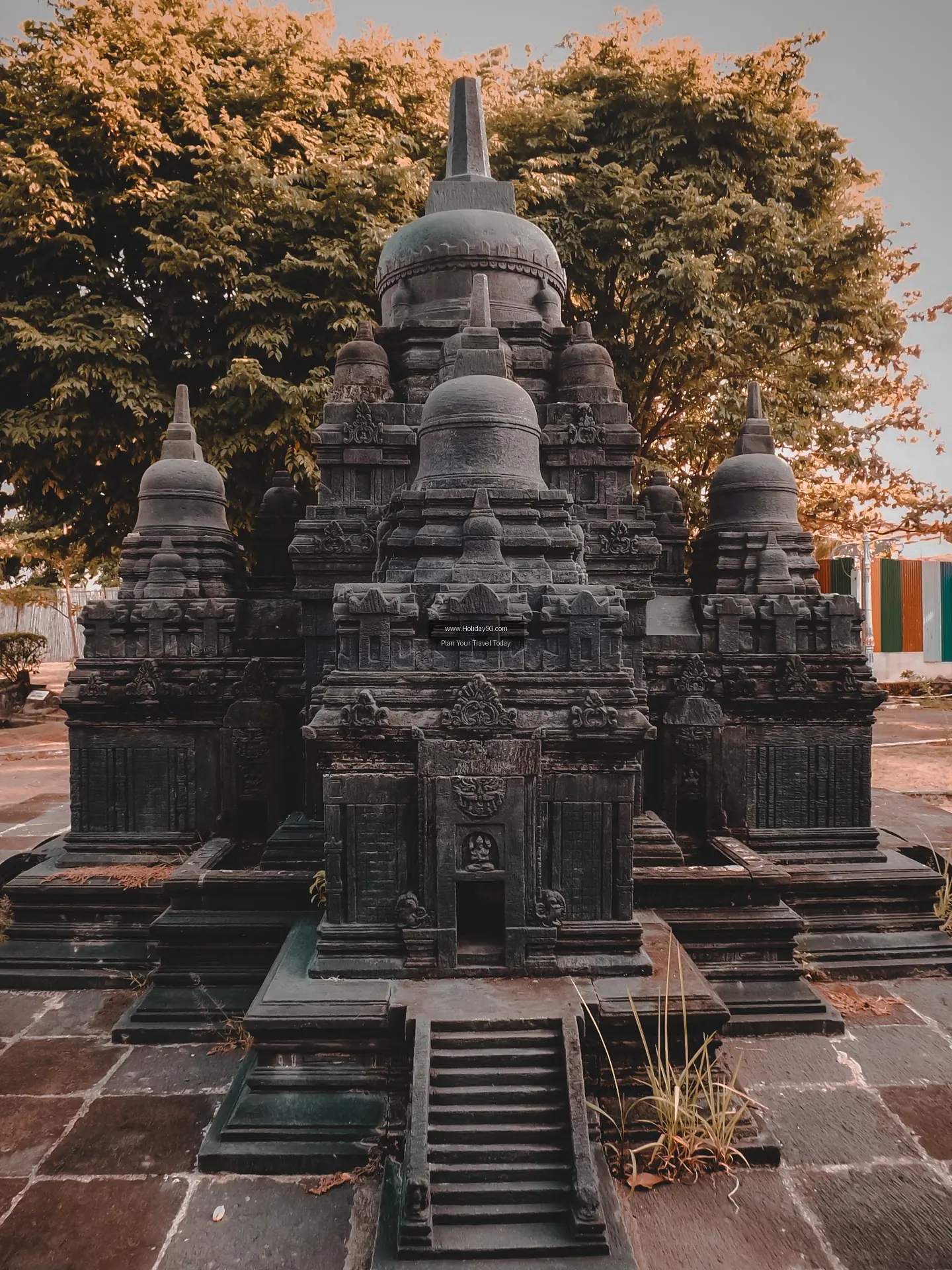
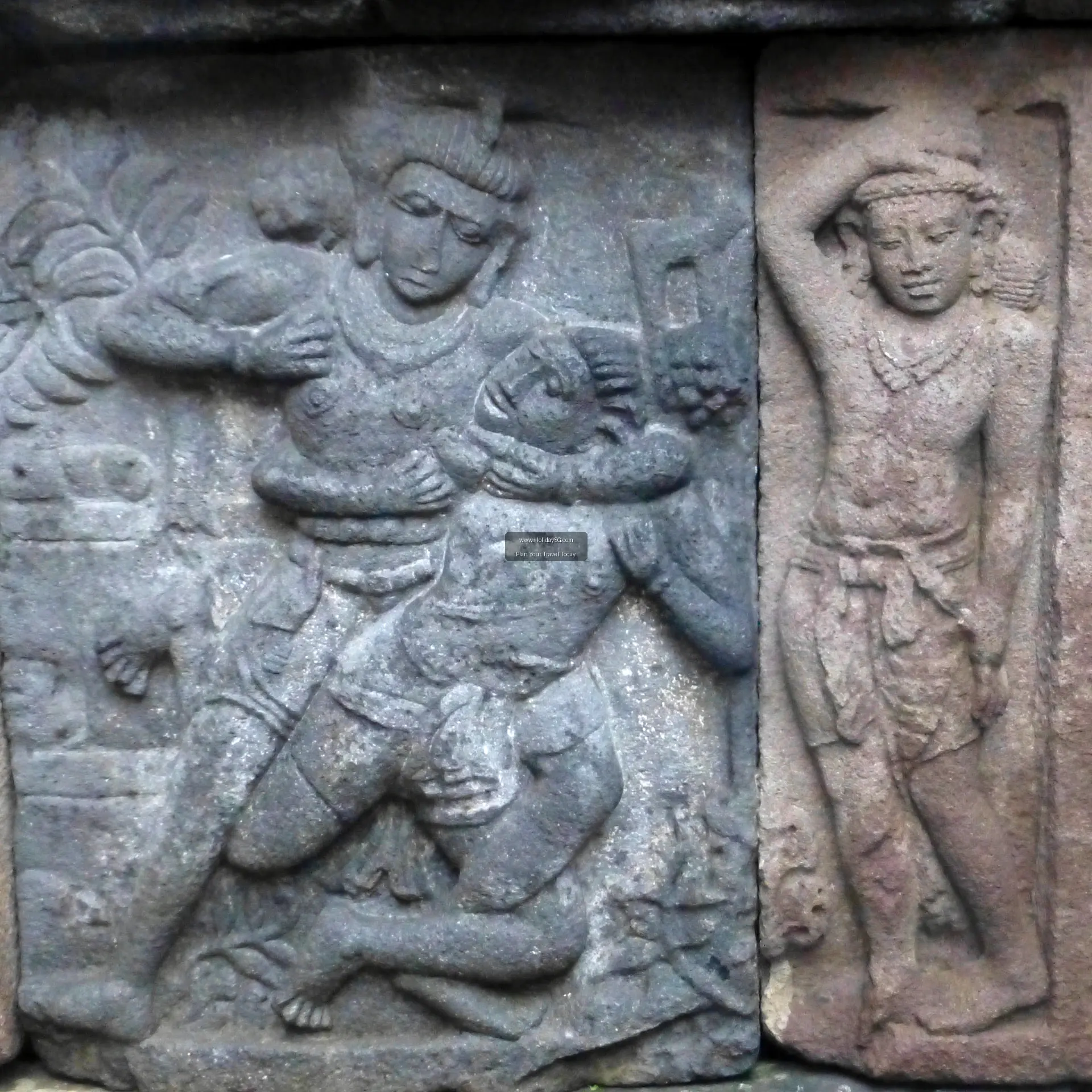
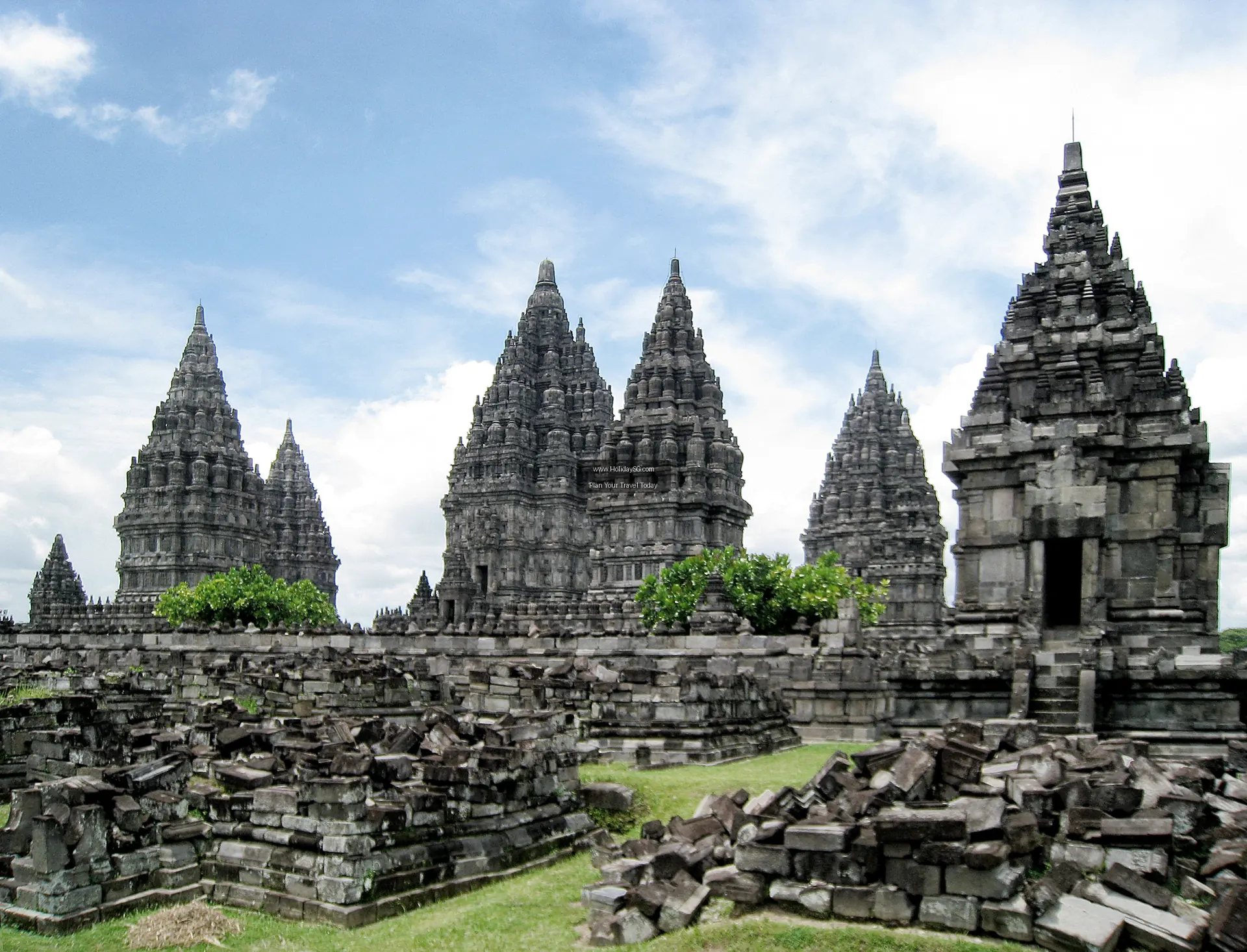
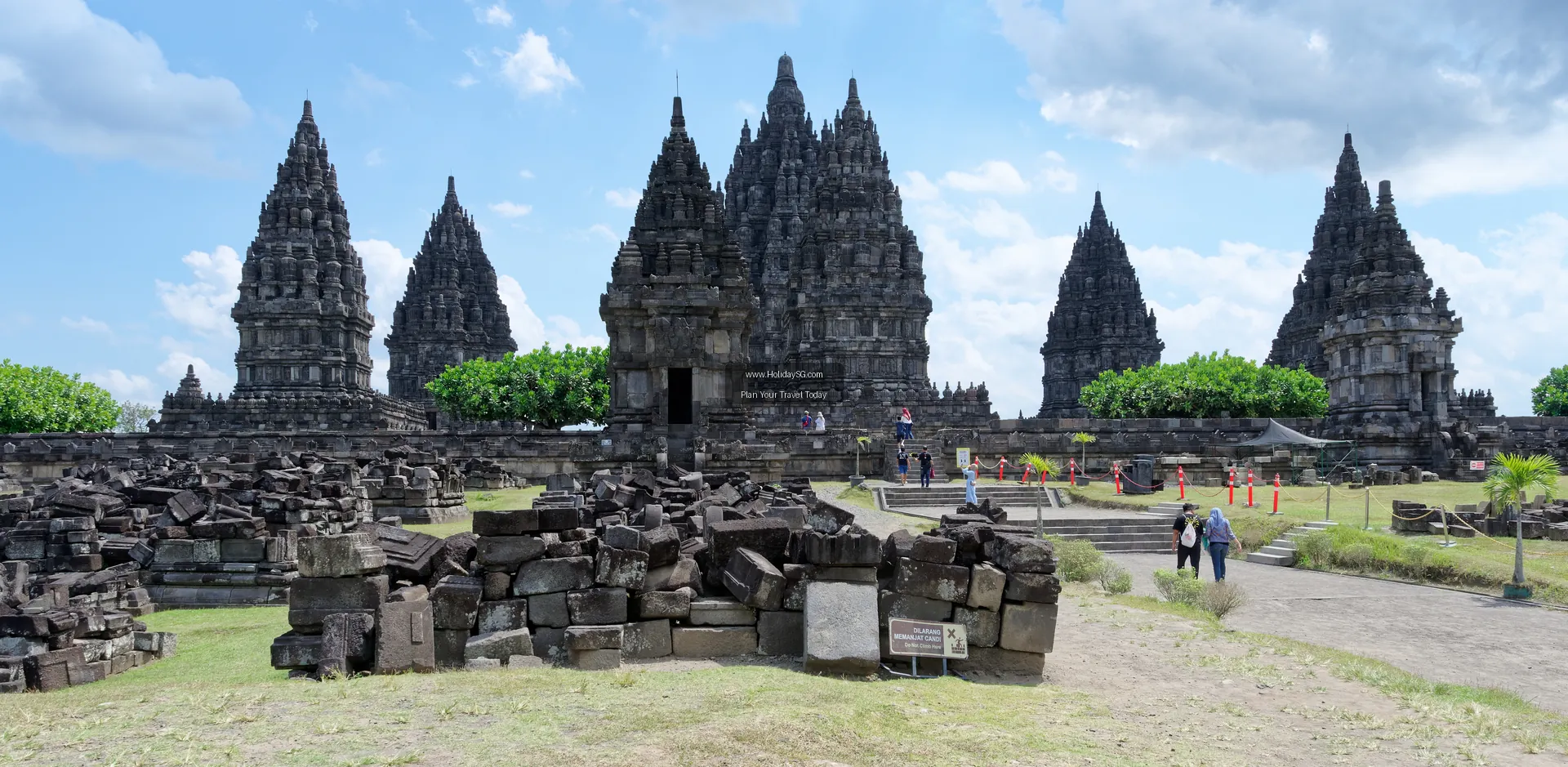
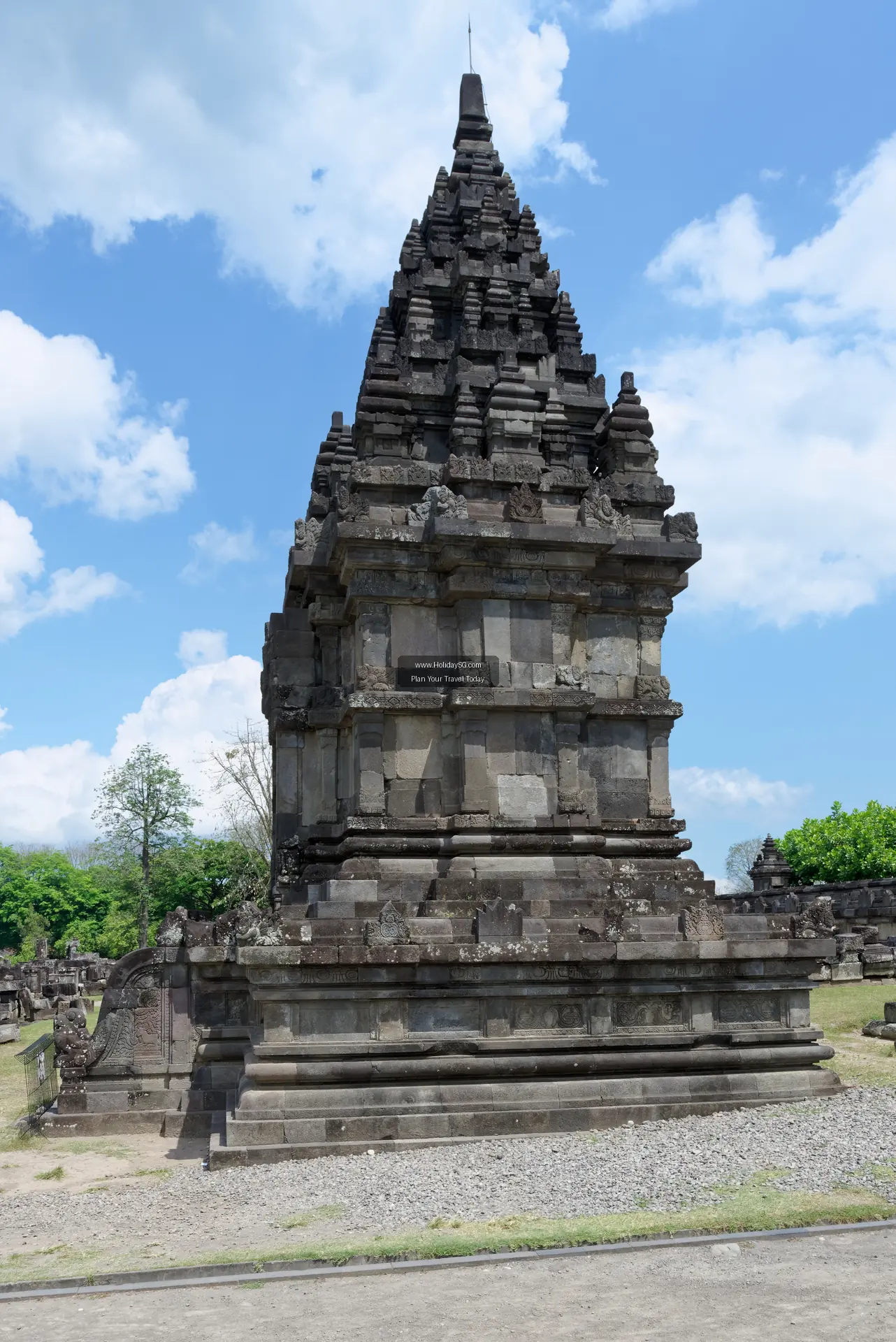
Java is Indonesia’s cultural and historical heartland, home to two of Southeast Asia’s most magnificent temple complexes. Borobudur, the world’s largest Buddhist temple, is a masterpiece of 9th-century architecture. Visit at dawn to watch the sunrise illuminate its 504 Buddha statues and intricate reliefs. Pair your visit with Prambanan, a stunning Hindu temple complex dedicated to the Trimurti gods. The evening Ramayana Ballet performance here is a mesmerizing way to experience Javanese mythology.
For a thrilling adventure, hike Mount Bromo at sunrise. The otherworldly landscape—smoldering craters, vast sand seas, and jagged peaks—feels like another planet. Rent a jeep to navigate the rugged terrain, and don’t miss the chance to visit the nearby Madakaripura Waterfall, Indonesia’s tallest at 200 meters.
Yogyakarta, Java’s cultural capital, is a must-visit for history buffs. Explore the Sultan’s Palace (Kraton), where traditional Javanese arts and crafts thrive, and wander Malioboro Street for batik shopping and street food. If you’re craving a break from temples, spend an afternoon at Timezone Paris Van Java in nearby Bandung, a modern entertainment hub with arcade games and VR experiences.
3. Encounter Komodo Dragons in the Wild
Komodo National Park is one of the few places on Earth where you can see Komodo dragons—the world’s largest lizards—in their natural habitat. These prehistoric creatures can grow up to 3 meters long and weigh over 70 kg, so always follow your guide’s instructions during the trek. The park’s rugged beauty extends beyond its famous reptiles: Pink Beach, one of only seven in the world, gets its rosy hue from red coral fragments mixed with white sand.
Underwater, the park is a diver’s paradise. Manta Point is the best spot to swim with graceful manta rays, while Crystal Rock offers vibrant coral gardens teeming with marine life. If you’re not a diver, snorkeling trips are equally rewarding—just be prepared for strong currents in some areas.
4. Trek Sumatra’s Jungles and Volcanic Lakes
Sumatra is Indonesia’s wild frontier, where dense rainforests and towering volcanoes hide rare wildlife and breathtaking landscapes. Bukit Lawang is the gateway to Gunung Leuser National Park, one of the last places on Earth to see wild orangutans. Join a guided jungle trek to spot these gentle giants, along with gibbons, macaques, and even Sumatran tigers (if you’re lucky).
For a surreal natural wonder, visit Lake Toba, the world’s largest volcanic lake. Formed by a massive eruption 75,000 years ago, the lake stretches 100 km and is surrounded by lush hills and traditional Batak villages. Stay in a lakeside guesthouse, rent a scooter to explore the area, and don’t miss the chance to sample saksang—a spicy Batak pork dish.
5. Dive into Raja Ampat’s Underwater Wonderland
Raja Ampat, in Indonesia’s far east, is often called the “Amazon of the Seas” for its unparalleled marine biodiversity. With over 1,500 fish species and 75% of the world’s coral species, it’s a bucket-list destination for divers and snorkelers. Wayag Lagoon, with its karst islands and turquoise waters, is the region’s most iconic sight—hike to the viewpoint for a panorama that rivals Thailand’s Phi Phi Islands.
For a unique experience, visit Pianemo Viewpoint at sunrise or sunset, when the light paints the lagoon in golden hues. Above water, Raja Ampat is home to rare birds of paradise; join a guided birdwatching tour to spot these vibrant creatures in the wild.
6. Escape to the Gili Islands (Lombok’s Hidden Gems)
Just a short boat ride from Bali, the Gili Islands offer a laid-back alternative to Indonesia’s more touristy spots. Gili Trawangan is the liveliest, with beachfront bars, reggae parties, and a vibrant backpacker scene. Gili Meno, the smallest island, is perfect for couples seeking seclusion—think empty beaches, crystal-clear waters, and sea turtles gliding beneath your feet. Gili Air strikes a balance between the two, with a relaxed vibe and excellent snorkeling right off the shore.
All three islands are car-free, so the best way to get around is by bicycle or cidomo (horse-drawn cart). Don’t miss the chance to snorkel with green sea turtles—they’re a common sight in the shallow waters around the Gilis.
7. Witness Toraja’s Unique Funeral Rituals (Sulawesi)
In the highlands of Sulawesi, the Toraja people practice some of the world’s most fascinating funeral traditions. Unlike Western cultures, Torajan funerals are elaborate, multi-day affairs that can cost families years of savings. If you’re lucky enough to attend one, you’ll witness buffalo sacrifices, traditional dances, and the iconic Tongkonan houses—boat-shaped structures with soaring roofs.
Toraja’s landscapes are equally striking, with emerald valleys, terraced rice fields, and cliffside burial sites where the deceased are laid to rest in caves or hanging coffins. For a deeper cultural immersion, stay in a local guesthouse and join a guided tour to learn about Torajan beliefs and customs.
8. Explore Jakarta’s Urban Energy and History
Indonesia’s capital is a chaotic but captivating mix of old and new. Start at Kota Tua (Old Town), where Dutch colonial buildings house museums, cafes, and street food stalls. Don’t miss Fatahillah Square, the heart of the historic district, and the Jakarta History Museum for a crash course in the city’s past.
For a taste of modern Jakarta, head to Taman Mini Indonesia Indah, a sprawling cultural park that showcases the country’s diversity through traditional houses, museums, and performances. If you’re traveling with kids, Timezone Nipah Mall in Makassar offers a fun break with arcade games and interactive exhibits.
9. Dive into History in the Banda Islands
The Banda Islands, once the world’s only source of nutmeg, are a hidden gem for history lovers and divers. These remote islands were fought over by European colonial powers for centuries, and their nutmeg plantations and Dutch forts are a testament to that turbulent past. Today, the Banda Islands are a peaceful paradise with pristine coral reefs, historic sites, and a slow pace of life.
Snorkel or dive at Pulau Hatta, where vibrant coral gardens and schools of tropical fish await. On land, explore Fort Belgica, a 17th-century Dutch fort with panoramic views of the islands.
10. Chase Waterfalls Across Indonesia
Indonesia’s waterfalls are some of its most breathtaking natural wonders. In Bali, Tegenungan Waterfall is a popular (but still stunning) spot near Ubud, with a refreshing pool perfect for a dip. For something more off-the-beaten-path, head to Sekumpul Waterfall, Bali’s tallest, where multiple cascades tumble into a lush jungle valley.
On Java, Madakaripura Waterfall is a hidden gem near Mount Bromo. At 200 meters, it’s Indonesia’s tallest waterfall, and the hike to the base takes you through a dramatic canyon. For a unique experience, visit Gitgit Waterfall in North Bali, where you can swim in the cool, mineral-rich waters.
11. Surf the Waves of Mentawai Islands
The Mentawai Islands, off the coast of Sumatra, are a surfer’s paradise. Known for their world-class waves and pristine beaches, these remote islands attract surfers from around the globe. Macaronis and Lances Right are two of the most famous breaks, offering long, perfect waves for all levels. Even if you’re not a surfer, the Mentawai Islands are worth visiting for their untouched beauty and laid-back vibe.
12. Discover the Beauty of Flores
Flores is one of Indonesia’s most underrated destinations, offering a mix of natural wonders and cultural experiences. The Kelimutu National Park is home to three crater lakes, each with a different color that changes over time—a surreal sight at sunrise. The island is also a gateway to Komodo National Park, where you can see Komodo dragons and snorkel in crystal-clear waters.
For a cultural experience, visit Wae Rebo, a remote village in West Manggarai known for its traditional Mbaru Niang houses. Stay overnight with a local family to immerse yourself in Flores’ rich culture.
13. Experience the Magic of Tana Toraja
Beyond its famous funeral rituals, Tana Toraja in Sulawesi offers stunning landscapes and unique cultural experiences. The region is known for its cliffside burial sites, where the deceased are laid to rest in caves or hanging coffins. The Lemo Cliff is one of the most impressive sites, with dozens of tau-tau (effigies) staring out over the valley.
Toraja is also home to beautiful rice terraces and traditional villages. Join a guided tour to explore the area and learn about the Torajan way of life.
14. Visit the Pristine Beaches of Belitung
Belitung Island, located off the east coast of Sumatra, is known for its granite boulders and turquoise waters. The island gained fame as the filming location for Laskar Pelangi (The Rainbow Troops), and its beaches are some of the most beautiful in Indonesia. Tanjung Tinggi Beach is a must-visit, with its giant rocks jutting out of the sea and powdery white sand.
For a unique experience, visit Lengkuas Island Lighthouse, a 19th-century structure that offers panoramic views of the surrounding islands.
15. Explore the Cultural Riches of Yogyakarta
Yogyakarta, often called Jogja, is the cultural heart of Java. The city is home to the Sultan’s Palace (Kraton), where traditional Javanese arts and crafts thrive. Explore the palace grounds and watch a gamelan performance or a wayang kulit (shadow puppet) show.
Yogyakarta is also the gateway to Borobudur and Prambanan, two of Indonesia’s most famous temples. Spend a day exploring these ancient sites, then return to the city to wander Malioboro Street for batik shopping and street food.
Practical Travel Tips for Indonesia
Budget and Costs
Indonesia is affordable, but costs vary by region. In Bali and Jakarta, mid-range travelers can expect to spend $70–$150/day, including a 3-star hotel, meals at local warungs and Western cafes, and private transport. In more remote areas like Raja Ampat or Sumatra, costs rise due to limited infrastructure—budget $150–$250/day for diving trips and guided treks.
Transportation
Getting around Indonesia requires a mix of flights, ferries, and private drivers. Domestic flights (e.g., Jakarta to Raja Ampat) are essential for long distances, while ferries connect islands like Bali and Lombok. In cities, Grab (Southeast Asia’s Uber) is reliable, but in rural areas, private drivers (~$40–$70/day) are the best option. For short trips, motorbike rentals ($5–$10/day) are popular, but always wear a helmet and check your travel insurance coverage.
Visa Requirements
Most travelers can enter Indonesia visa-free for 30 days, but check if your country is eligible. If you plan to stay longer, apply for a Visa on Arrival (VOA) for $35, which can be extended once for another 30 days. For remote destinations like Raja Ampat, ensure your passport has at least 6 months’ validity and blank pages for entry stamps.
Health and Safety
Indonesia is generally safe, but take precautions to avoid common travel mishaps. Vaccinations for Hepatitis A/B, Typhoid, and Rabies are recommended, especially for rural areas. Mosquito-borne diseases like dengue and malaria are a risk in Sumatra, Papua, and Lombok—pack DEET repellent and consider antimalarial medication if trekking in remote jungles.
Tap water isn’t safe to drink, so stick to bottled or filtered water. Street food is delicious but can cause “Bali belly”—choose busy stalls with high turnover, and avoid raw vegetables or unpeeled fruit.
Cultural Etiquette
Respect local customs to avoid offending hosts. Dress modestly at temples and religious sites (cover shoulders and knees), and always remove your shoes before entering homes or sacred spaces. When greeting locals, a smile and slight bow go a long way. In markets, bargaining is expected—start at 30–50% of the asking price and negotiate with a smile.
Hidden Gems and Off-the-Beaten-Path Adventures
Ready to go? Book Taman Mini Indonesia Indah with HolidaySG.
Indonesia’s tourism hotspots are incredible, but its hidden gems offer equally rewarding experiences without the crowds.
- Belitung Island: Known for its granite boulders and turquoise waters, Belitung was the filming location for Laskar Pelangi (The Rainbow Troops). Explore Tanjung Tinggi Beach, where giant rocks jut out of the sea, and visit Lengkuas Island Lighthouse for panoramic views.
- Wae Rebo (Flores): This remote village in West Manggarai is home to traditional Mbaru Niang houses—cone-shaped huts made of bamboo and thatch. Stay overnight with a local family to experience Flores’ rich culture.
- Derawan Islands (East Kalimantan): A diver’s paradise, the Derawan Islands offer jellyfish lakes (where you can swim with non-stinging jellyfish), whale shark sightings, and pristine coral reefs.
- Triton Bay (West Papua): One of Indonesia’s least-visited diving destinations, Triton Bay is home to walking sharks, rare critters, and untouched reefs. It’s a dream for underwater photographers.
Sustainable Travel in Indonesia
Indonesia’s natural beauty is under threat from plastic pollution, deforestation, and overtourism. Travel responsibly with these tips:
- Reduce plastic waste: Bring a reusable water bottle and refill at stations (many hotels and cafes in Bali offer free refills). Avoid single-use plastics like straws and bags.
- Support ethical wildlife tourism: Skip attractions that exploit animals (e.g., elephant rides, civet coffee plantations). Instead, visit rescue centers like the Bali Bird Park or Sumatran Orangutan Conservation Programme.
- Choose eco-friendly tours: Opt for small-group tours that prioritize sustainability, like carbon-neutral treks in Mount Bromo or reef-safe diving in Raja Ampat.
- Eat and shop local: Dine at warungs (local eateries) and buy handicrafts directly from artisans. This supports local economies and reduces your carbon footprint.
Festivals and Events Not to Miss
Ready to go? Book Taman Mini Indonesia Indah with HolidaySG.
Indonesia’s festivals are vibrant, spiritual, and deeply rooted in tradition. Plan your trip around these unforgettable events:
- Nyepi (Bali’s Day of Silence): Held in March, this Hindu New Year is a day of complete silence—no lights, no flights, no activities. The island shuts down, and even the airport closes. It’s a surreal experience, with the streets empty and the night sky filled with stars.
- Galungan and Kuningan (Bali): Celebrated every 210 days, this 10-day festival honors the victory of dharma (good) over adharma (evil). Streets are decorated with penjor (bamboo poles), and families gather for feasts and prayers.
- Waisak (Borobudur): Held in May, this Buddhist festival celebrates the birth, enlightenment, and death of Buddha. Thousands of monks and pilgrims gather at Borobudur Temple for a lantern-lit procession.
- Toraja Funeral Ceremonies (Sulawesi): These elaborate rituals, held between July and September, involve buffalo sacrifices, traditional dances, and the construction of tongkonan houses. They’re a rare glimpse into Torajan culture.
FAQs About Traveling in Indonesia
Is Indonesia safe for solo female travelers?
Yes, but take precautions. Dress modestly, avoid walking alone at night in isolated areas, and use trusted transport (e.g., Grab or hotel-arranged drivers). In tourist hubs like Bali and Yogyakarta, solo travel is common and safe.
How many days do I need in Bali?
A 5–7-day itinerary covers Bali’s highlights (Ubud, beaches, temples), but 10+ days are ideal for exploring off-the-beaten-path spots like Sidemen, Munduk, or Nusa Penida.
Can I use USD in Indonesia?
While USD is accepted in tourist areas, Indonesian Rupiah (IDR) is preferred. Exchange rates for USD are often poor, so withdraw IDR from ATMs or exchange money at reputable bureaus.
Is English widely spoken?
In tourist hubs (Bali, Jakarta, Yogyakarta), English is widely spoken. In rural areas, learn basic Bahasa Indonesia phrases like terima kasih (thank you) and berapa harganya? (how much does it cost?).
What’s the best way to avoid “Bali belly”?
Stick to busy street food stalls (high turnover = fresher food), avoid raw vegetables and unpeeled fruit, and drink bottled or filtered water. Pack probiotics and rehydration salts as a precaution.
Do I need a guide for trekking?
For Mount Bromo, Rinjani, or Ijen Crater, a guide is highly recommended for safety and permit purposes. For easier hikes like Ubud’s rice terraces, a guide is optional but enhances the cultural experience.
Recommended HolidaySG Tours
Planning your Indonesia adventure? Check out these top-rated experiences:
- Taman Mini Indonesia Indah – A cultural park showcasing Indonesia’s diversity.
- Esim Indonesia Telkomsel Unlimited Travel Sim Indonesia Global – Stay connected with unlimited data.
- Timezone Paris Van Java – A modern entertainment hub in Bandung.
Indonesia is a destination that captivates the heart and soul. From the spiritual allure of Bali to the untamed wilderness of Sumatra and the underwater paradise of Raja Ampat, this archipelago offers endless adventures. Whether you’re seeking culture, nature, or relaxation, Indonesia delivers unforgettable experiences at every turn. Ready to explore? Start your journey with a visit to Taman Mini Indonesia Indah and discover the rich tapestry of this incredible country.
Book these with HolidaySG:
Book with HolidaySG online for Taman Mini Indonesia Indah, Esim Indonesia Telkomsel Unlimited Travel Sim Indonesia Global, Timezone Paris Van Java.
Book with HolidaySG online for Kereta Gantung At Taman Mini Indonesia Indah, Indonesia Esim Free Roaming Mobile Data, Indonesia Unlimited 4g5g Data Esim.
Book these with HolidaySG:
- Indonesia Esim Free Roaming Mobile Data
- Indonesia Unlimited 4g5g Data Esim
- Funworld Grand Indonesia Shopping Town Arcade
- E Sim Indonesia Data Plan Tourist Travel Esim Internet Total Data E Sim
- E Sim Indonesia Data Plan Tourist Travel Esim Internet Daily Data E Sim
- Commbitz Indonesia E Sim Package
- Commbitz Indonesia E Sim Daily
Frequently Asked Questions
Where can I book this / what’s the link?
Do foreigners (non-citizens) need a different ticket, price, or visa for Indonesia?
What is the best time (season, or time of day for the site/activity) to go?
How long should I spend in Indonesia to cover the best things to do?
What is the typical cost for activities and attractions in Indonesia?
How do I get around Indonesia to visit these top attractions?
Are these activities family-friendly?
What should I pack for a trip to Indonesia?
Is Indonesia accessible for travelers with disabilities?
How safe is it for tourists in Indonesia?
What is the weather like throughout the year?
What local etiquette should I know when visiting Indonesia?
Are there good food options near these attractions?
What are some nearby attractions to combine with these top things to do?
Do I need any vaccinations before traveling to Indonesia?
How can I stay connected with mobile data while in Indonesia?
What are the opening hours for major attractions in Indonesia?
Can I use credit cards in Indonesia, or should I carry cash?
What is the best way to exchange money in Indonesia?
Are there any cultural events or festivals I should plan my trip around?
What things cost in Indonesia
Live HolidaySG prices for the experiences in this guide, so you can sanity-check a budget before you commit.
| Experience | Where | From price |
|---|---|---|
| 10 Min - 100 Min Bali Helicopter Tours | Departing from Canggu | Bali | From S$150.47 |
| 10 Min - 100 Min Bali Helicopter Tours | Departing from Nusa D... | Bali | From S$150.47 |
| 4WD Jeep Caldera Sunrise Experience by Bali Volcano Jeep | Bali | From S$52.69 |
| 4WD Jeep Mount Batur Sunrise Experience by Bali Volcano Jeep | Bali | From S$60.13 |
| Black Lava Tour | Bali | From S$154.57 |
| Cimory Dairyland Farm Theme Park Gowa | Makassar | From S$4.00 |
| Seafood Dinner in Jimbaran Bali by New Dewata | Bali | From S$6.59 |
| Dairyland Farm Theme Park Prigen | Surabaya | From S$4.00 |