

Indonesia is a dream destination for travelers seeking adventure, culture, and breathtaking landscapes. From the lush rice terraces of Bali to the wild jungles of Sumatra and the pristine beaches of Raja Ampat, this vast archipelago offers something for every type of explorer. But before you pack your bags, there are 15 things to know before you go to Indonesia to ensure your trip is smooth, safe, and unforgettable. Whether you’re a first-time visitor or a seasoned traveler, this guide covers everything from visa requirements to cultural etiquette, transportation tips, and more.
Indonesia is best visited during the dry season (April–October) for ideal weather, though shoulder months offer fewer crowds. Visa-free entry is available for 30 days for most nationalities, and bargaining is expected in markets. Stay hydrated with bottled water, dress modestly at religious sites, and use ride-hailing apps like Gojek for convenient travel. Plan ahead for domestic flights and ferries to make the most of your island-hopping adventure.
When to Visit Indonesia: Timing Your Trip Right
Indonesia’s tropical climate means warm weather year-round, but the best time to visit depends on where you’re headed. The dry season, from April to October, is ideal for most regions, including Bali, Java, and Lombok. This period offers sunny skies, lower humidity, and perfect conditions for hiking, beach hopping, and exploring cultural sites. If you’re planning to visit Sumatra or Papua, note that these areas can experience rain even during the dry season, so pack a light rain jacket just in case.
Avoid the peak of the monsoon season, December to January, especially in Bali, Java, and Sumatra, where heavy rains can disrupt travel plans. For fewer crowds and lower prices, consider traveling during the shoulder months (April, May, September, or October). These periods offer a sweet spot between great weather and a more relaxed atmosphere.
Visa Requirements: Entering Indonesia Hassle-Free
Ready to go? Book Taman Mini Indonesia Indah with HolidaySG.
Good news for travelers: Indonesia offers visa-free entry for 30 days to citizens of 169 countries, including Singapore, the US, UK, Australia, and most EU nations. This policy makes it incredibly easy to visit for short trips, whether you’re island-hopping or exploring Bali’s cultural gems. If you plan to stay longer, you can extend your visa for another 30 days by visiting an immigration office (cost: IDR 600,000–800,000).
For those who don’t qualify for visa-free entry, a Visa on Arrival (VOA) is available for around USD 35, extendable once for another 30 days. Always check the latest updates before your trip, as visa policies can change. If you’re unsure, the Indonesian immigration website or your local embassy is the best place to confirm.
Top Attractions You Can’t Miss
Indonesia is a treasure trove of natural wonders and cultural landmarks. Here’s a breakdown of the must-visit destinations:
Bali: More Than Just Beaches
Bali is Indonesia’s most famous island, and for good reason. Beyond its stunning beaches, Bali offers a mix of spirituality, adventure, and vibrant nightlife. In Ubud, wander through the iconic Tegallalang Rice Terraces, where emerald-green paddies cascade down the hillsides. For a spiritual experience, visit Uluwatu Temple, perched on a cliff with panoramic ocean views. Don’t miss the chance to witness a traditional Kecak fire dance at sunset.
If you’re up for an early morning adventure, the Mount Batur sunrise trek is a bucket-list experience. The hike takes about 2 hours, and the reward is a breathtaking view of the sun rising over the caldera. For a more adrenaline-fueled activity, consider Telaga Waja River Rafting, where you’ll navigate rapids surrounded by lush jungle scenery.
Java: History and Volcanoes
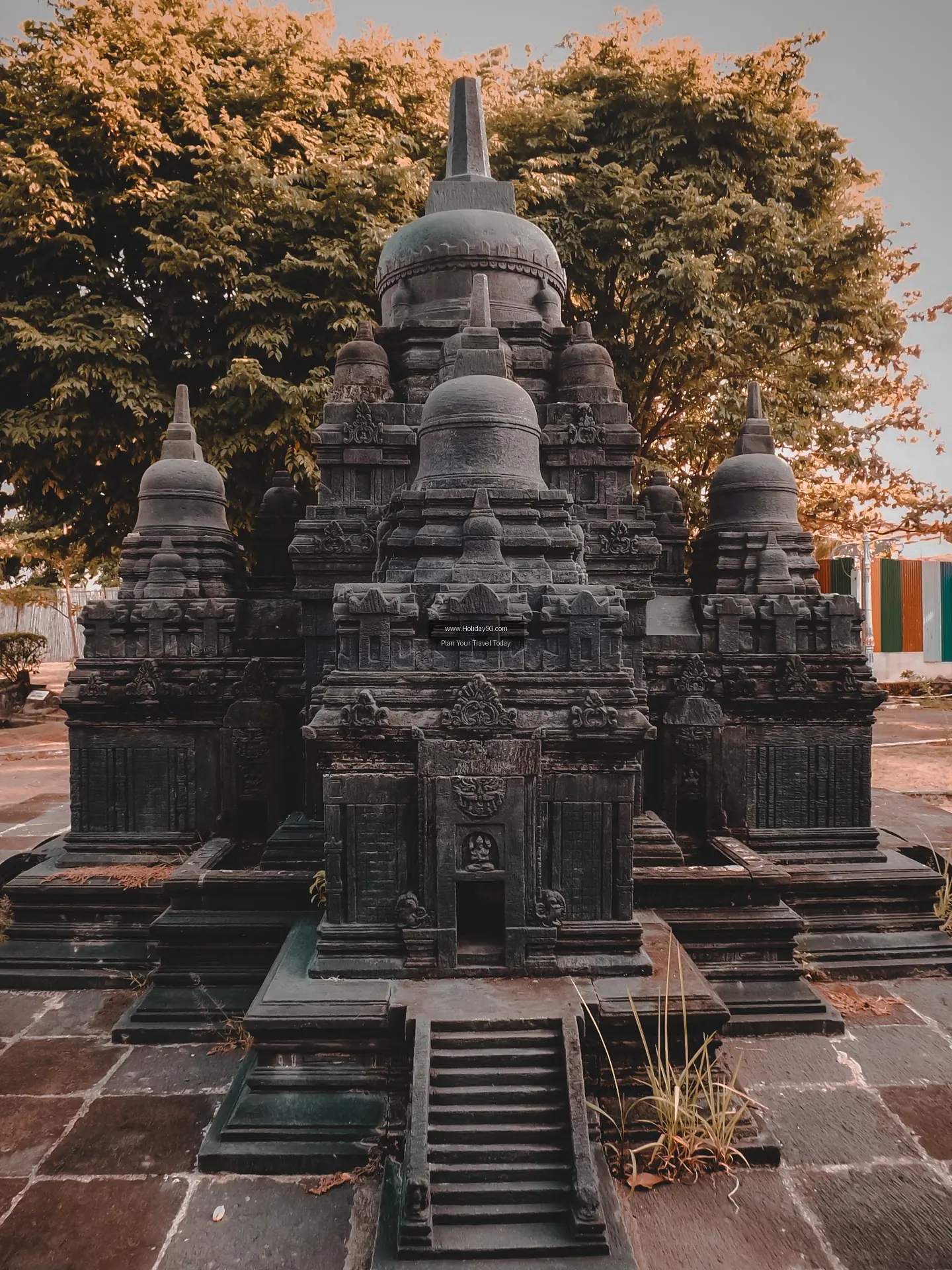
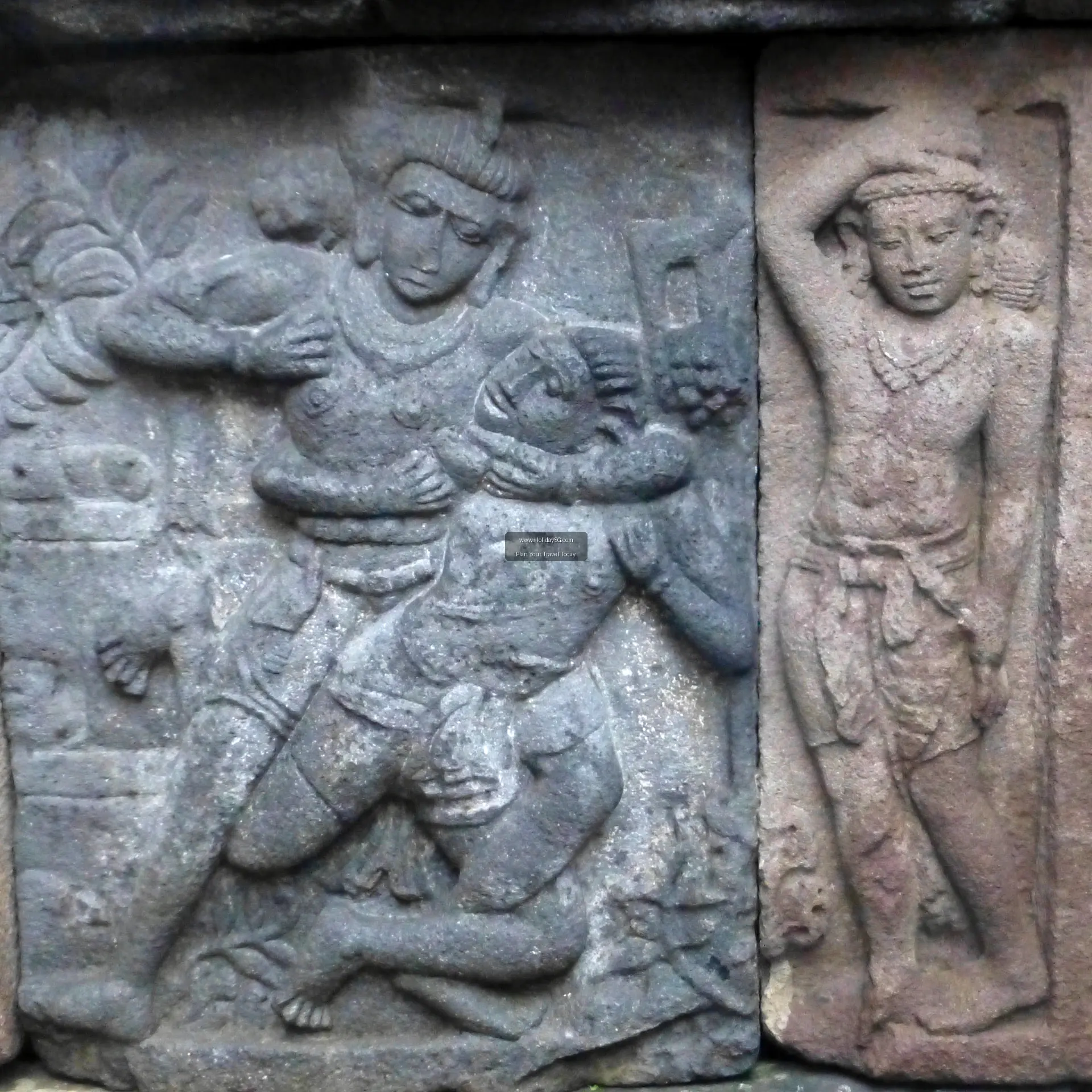
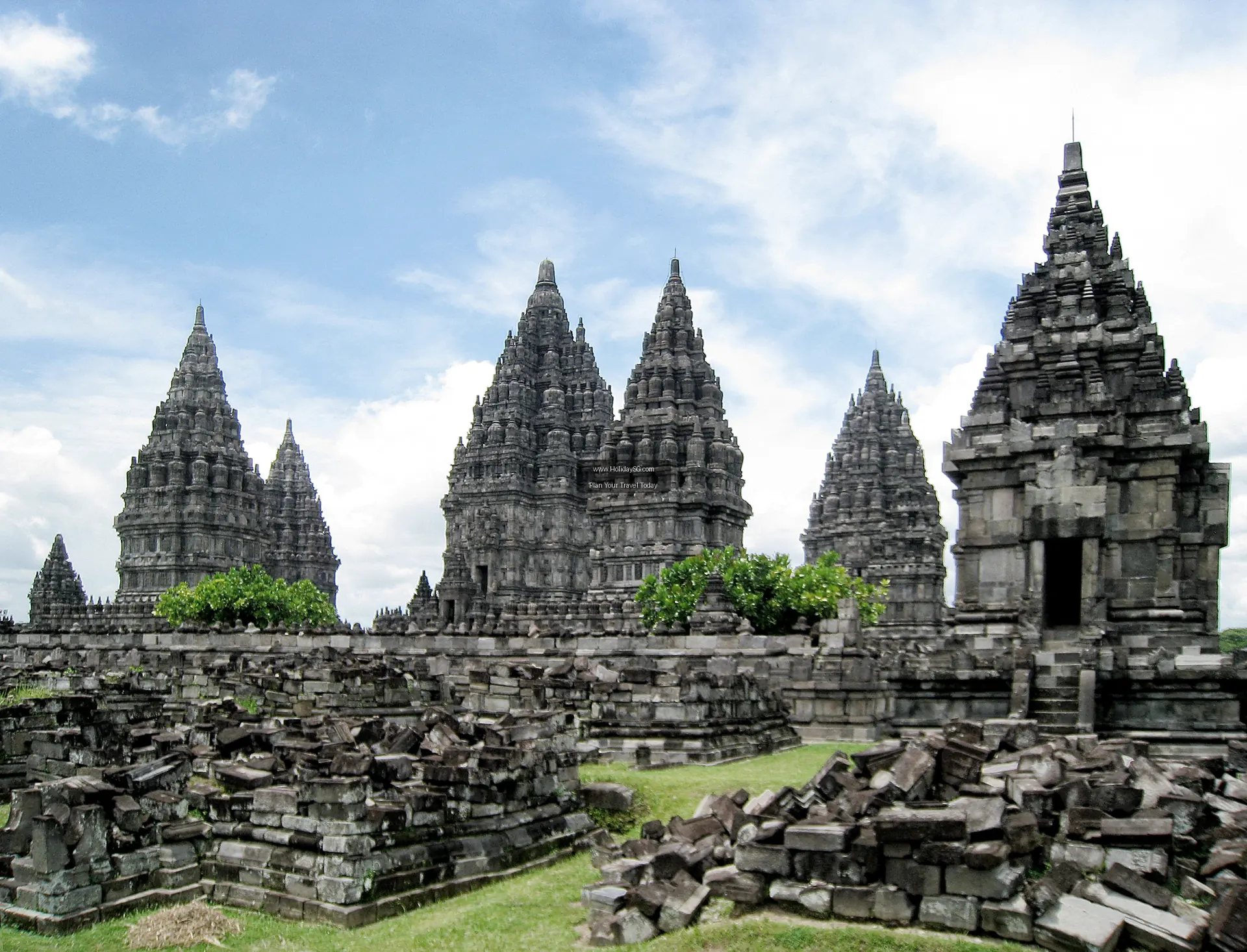
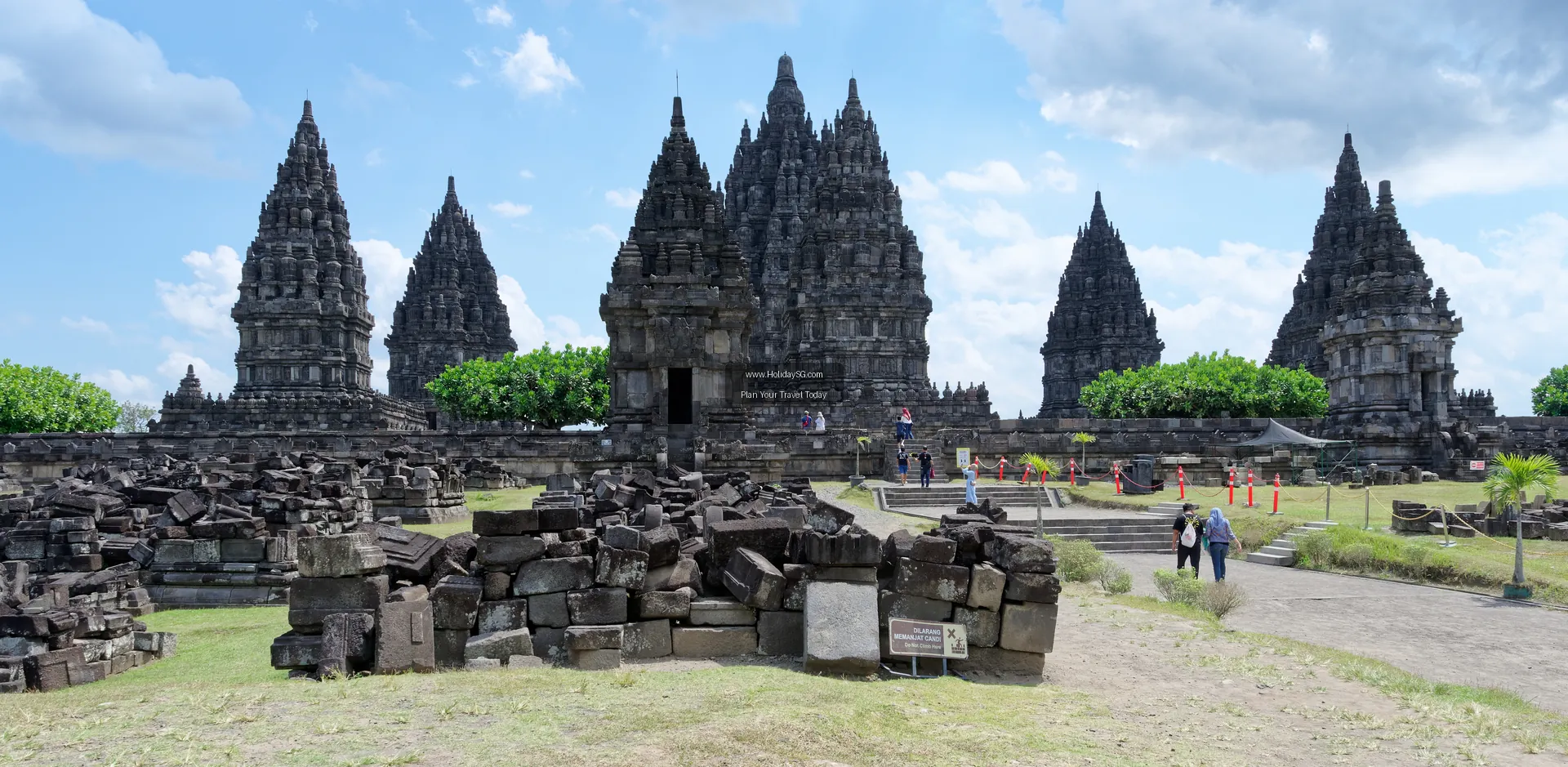
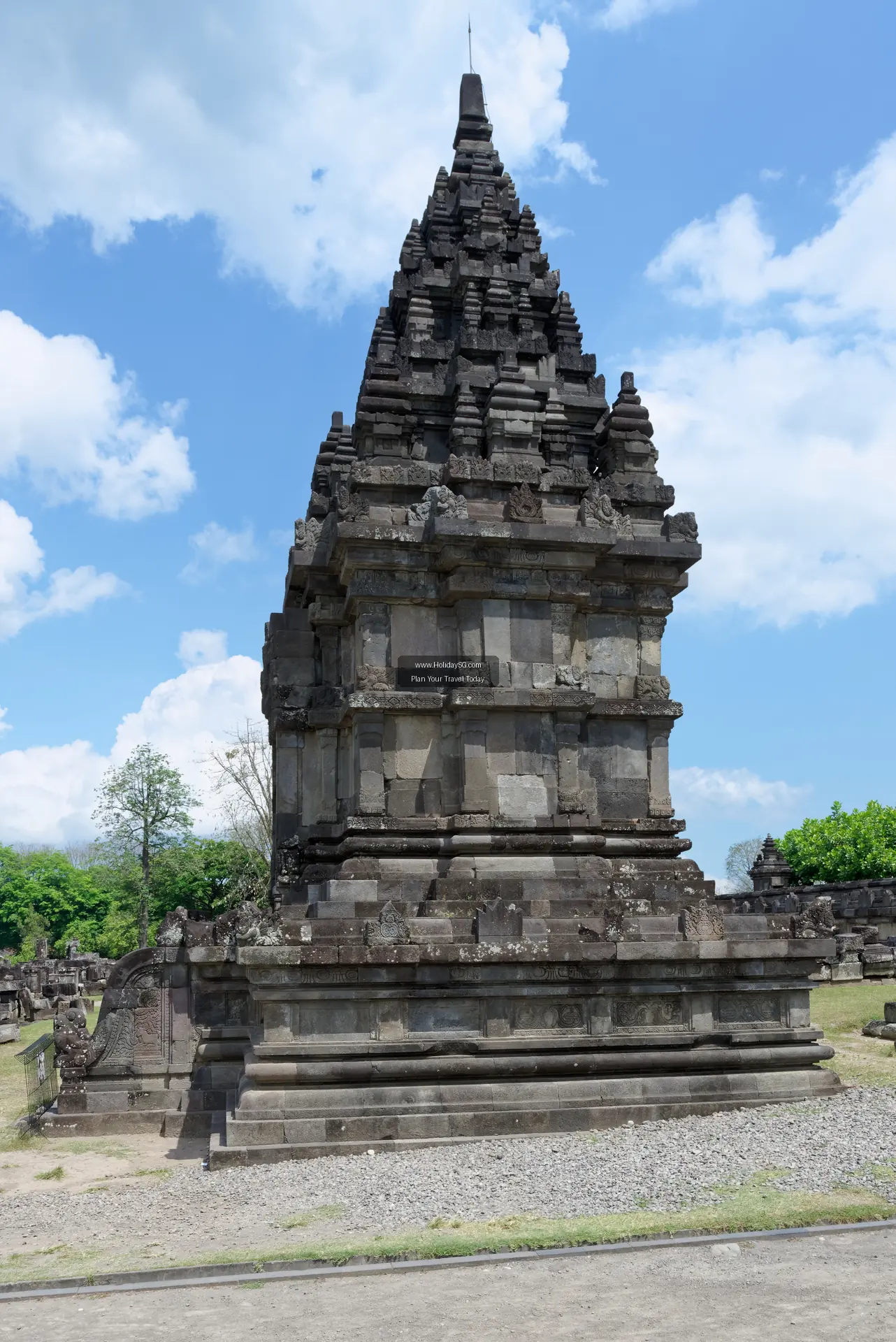
Java is the heart of Indonesia’s cultural and historical heritage. Start with Borobudur Temple, the world’s largest Buddhist temple and a UNESCO World Heritage site. Built in the 9th century, this magnificent structure is best visited at sunrise, when the mist clears to reveal its intricate carvings. Nearby, Prambanan Temple is another must-see, dedicated to the Hindu trinity of Brahma, Vishnu, and Shiva.
For nature lovers, Mount Bromo is an otherworldly destination. The active volcano’s lunar-like landscape is surreal, especially at dawn when the sea of clouds parts to reveal the crater. If you’re based in Yogyakarta, explore the city’s artistic side with batik workshops and traditional puppet shows.
Komodo National Park: Dragons and Diving
Home to the legendary Komodo dragons, this national park is a UNESCO site and a paradise for wildlife enthusiasts. These giant lizards, which can grow up to 3 meters long, are best observed on a guided tour. The park also offers some of the world’s best diving and snorkeling, with vibrant coral reefs and marine life, including manta rays and sea turtles.
Sumatra: Jungles and Orangutans
Sumatra is a haven for eco-tourists and adventure seekers. In Bukit Lawang, visit the orangutan sanctuaries to see these incredible primates up close in their natural habitat. For a truly immersive experience, book a Tangkahan Bukit Lawang 4D3N Exclusive Private Trip, which includes jungle treks, river tubing, and wildlife spotting. Don’t miss Lake Toba, Southeast Asia’s largest volcanic lake, where you can relax on Samosir Island and explore traditional Batak villages.
Raja Ampat: Paradise for Marine Lovers
If you’re dreaming of crystal-clear waters and untouched coral reefs, Raja Ampat is the place to be. This remote archipelago in West Papua is a diver’s paradise, with some of the highest marine biodiversity on the planet. Snorkel with colorful fish, spot rare species like wobbegong sharks, and kayak through hidden lagoons. The islands are also home to stunning white-sand beaches and dramatic limestone cliffs.
Gili Islands: Car-Free Beach Bliss
Just off the coast of Lombok, the Gili Islands (Gili Trawangan, Gili Meno, and Gili Air) offer a laid-back escape with no motorized vehicles. Gili Trawangan is known for its vibrant nightlife, while Gili Meno is the quietest, perfect for honeymooners. Gili Air strikes a balance between the two, with a relaxed vibe and excellent snorkeling spots. Rent a bicycle or take a horse-drawn carriage (cidomo) to explore the islands’ pristine beaches.
Getting Around Indonesia: Transportation Tips
Ready to go? Book Taman Mini Indonesia Indah with HolidaySG.
Indonesia’s vast size means getting around requires some planning, but the country’s transportation options are affordable and efficient once you know the ropes.
Domestic Flights: Fast and Affordable
With over 17,000 islands, flying is often the quickest way to travel between regions. Airlines like Garuda Indonesia, AirAsia, and Lion Air offer frequent flights at reasonable prices (typically SGD 50–150 one-way). Book in advance for the best deals, especially during peak seasons. Major hubs like Jakarta, Bali, and Surabaya have excellent connections, making it easy to hop from one island to another.
Ride-Hailing Apps: Convenience at Your Fingertips
In cities like Jakarta, Bali, and Yogyakarta, Gojek and Grab are lifesavers. These apps offer ride-hailing, food delivery, and even grocery services, all at affordable prices. Taxis are also widely available, but always negotiate the fare upfront or insist on using the meter to avoid overcharging. For short distances, ojeks (motorcycle taxis) are a quick and cheap option—just make sure to agree on the price before hopping on.
Ferries and Boats: Island Hopping Made Easy
Ferries are a popular way to travel between islands, especially in regions like Bali, Lombok, and the Gili Islands. Fast boats from Bali to Lombok take about 1.5–2 hours, while public ferries are cheaper but slower (4–5 hours). Always opt for reputable operators to ensure safety, and check schedules in advance, as weather conditions can cause delays.
Motorbike Rentals: Freedom with Caution
Renting a motorbike is a great way to explore at your own pace, with daily rates ranging from IDR 70,000–150,000. However, traffic in Indonesia can be chaotic, especially in cities like Jakarta and Bali. If you’re not an experienced rider, consider hiring a driver instead. Always wear a helmet, carry an International Driving Permit (IDP), and check that the bike is in good condition before renting.
Currency, Costs, and Budgeting
Indonesia is a budget-friendly destination, but costs can vary depending on your travel style. IDR (Indonesian Rupiah) is the Indonesian Rupiah (IDR), and as of 2024, 1 SGD ≈ 11,500 IDR. Here’s a rough breakdown of daily expenses:
- Budget travelers: SGD 30–50/day (hostels, street food, local transport)
- Mid-range travelers: SGD 80–150/day (private rooms, restaurants, tours)
- Luxury travelers: SGD 200+/day (resorts, fine dining, private guides)
Bargaining is expected in markets and with street vendors, so don’t be afraid to haggle. Start at 30–50% of the asking price and negotiate until you reach a fair deal. In restaurants and shops with fixed prices, tipping is appreciated but not mandatory (10% is standard).
Health and Safety: Staying Safe and Healthy
Ready to go? Book Taman Mini Indonesia Indah with HolidaySG.
Indonesia is generally safe for travelers, but taking a few precautions will help you avoid common pitfalls.
Water and Food Safety
Tap water in Indonesia is not safe to drink, so stick to bottled or filtered water. Avoid ice in drinks from street vendors, as it may be made from tap water. When it comes to food, street food is a highlight of Indonesian cuisine, but choose stalls with high turnover to ensure freshness. Dishes like nasi goreng (fried rice), satay (grilled skewers), and gado-gado (vegetable salad with peanut sauce) are must-tries. If you have a sensitive stomach, carry rehydration salts or anti-diarrheal medication as a precaution.
Vaccinations and Health Precautions
Before traveling, check with your doctor about recommended vaccinations. Common ones include Hepatitis A/B, Typhoid, Tetanus, and Rabies (especially if you plan to visit jungle areas). Malaria is a risk in rural regions like Sumatra and Papua, so use mosquito repellent and consider taking prophylaxis. Dengue fever is also a concern, so wear long sleeves and use insect repellent, especially at dawn and dusk.
Avoiding Scams and Petty Theft
Petty theft can occur in tourist-heavy areas, so keep your valuables secure. Use lockers in hostels, avoid flashing expensive items, and be cautious when walking alone at night. Common scams include taxi drivers overcharging or offering “special tours” that turn out to be overpriced. Stick to ride-hailing apps or metered taxis to avoid these issues.
Cultural Etiquette: Do’s and Don’ts
Indonesia is a predominantly Muslim country, and while it’s generally tolerant, respecting local customs will enhance your experience.
Dressing Modestly at Religious Sites
When visiting temples or mosques, dress modestly by covering your shoulders and knees. Many sites provide sarongs for visitors, but it’s a good idea to carry your own. In conservative areas like Aceh, women may need to cover their hair with a scarf.
Respectful Gestures and Taboos
In Indonesian culture, the left hand is considered unclean, so always use your right hand when giving or receiving items, eating, or shaking hands. Remove your shoes before entering homes, some shops, and places of worship. Public displays of affection, especially in conservative areas, are frowned upon, so keep hugs and kisses private.
Basic Indonesian Phrases to Know
Learning a few local phrases will go a long way in connecting with locals. Here are some essentials:
- Terima kasih – Thank you
- Tolong – Please/Help
- Berapa harganya? – How much?
- Selamat pagi – Good morning
- Maaf – Sorry/Excuse me
Internet and Connectivity
Ready to go? Book Taman Mini Indonesia Indah with HolidaySG.
Staying connected in Indonesia is easy, thanks to widespread Wi-Fi and affordable local SIM cards. Most hotels, cafés, and restaurants offer free Wi-Fi, though speeds can be slow in remote areas. For reliable coverage, buy a local SIM card from providers like Telkomsel or XL Axiata. A basic SIM with data costs around IDR 50,000 (SGD 4.50), and you can top up at convenience stores. For hassle-free connectivity, consider an eSIM Indonesia Telkomsel Unlimited Travel Sim, which offers unlimited data and works across the country.
Food and Dining: What to Eat (and Avoid)
Indonesian cuisine is a flavorful mix of spices, herbs, and fresh ingredients. Here are some dishes you shouldn’t miss:
- Nasi Goreng – Indonesia’s famous fried rice, often served with a fried egg on top.
- Satay – Grilled skewers of marinated meat, served with peanut sauce.
- Rendang – A rich, spicy beef stew slow-cooked in coconut milk and spices.
- Gado-Gado – A vegetable salad with peanut sauce, often served with boiled eggs and tofu.
- Soto – A comforting soup with meat, vegetables, and aromatic spices.
Street food is a highlight, but stick to busy stalls with high turnover to minimize health risks. If you’re vegetarian or vegan, Indonesia has plenty of options, including tempeh (fermented soybeans), tofu, and jackfruit dishes. For drinks, try jamu (a traditional herbal drink) or es kelapa muda (young coconut water). Avoid ice in drinks from street vendors, as it may be made from tap water.
Electricity and Plugs: What You Need to Know
Ready to go? Book Taman Mini Indonesia Indah with HolidaySG.
Indonesia uses 230V electricity with a frequency of 50Hz. The most common plug types are C (two round pins) and F (two round pins with grounding clips). If you’re traveling from Singapore or other countries with different plug types, bring a universal adapter to charge your devices. Power outages can occur in remote areas, so a power bank is a handy backup.
Common Traveler Questions Answered
Is Indonesia Safe for Solo Female Travelers?
Indonesia is generally safe for solo female travelers, but it’s important to take precautions. Dress modestly, especially in conservative areas, and avoid walking alone at night in isolated places. Use trusted transportation like Gojek or Grab, and stay in well-reviewed accommodations. Many women travel solo in Indonesia without issues, but being aware of your surroundings is key.
Do I Need a Visa for Bali?
Bali is part of Indonesia, so the same visa rules apply. Most travelers can enter visa-free for 30 days, with the option to extend for another 30 days. Check if your country is eligible for visa-free entry before traveling. If you plan to visit other parts of Indonesia, the same visa applies.
What’s the Deal with “Bali Belly”?
“Bali belly” is a common term for traveler’s diarrhea caused by contaminated food or water. To avoid it, stick to bottled water, eat at reputable restaurants, and avoid raw or undercooked food. Carry rehydration salts or anti-diarrheal medication in case you fall ill. If symptoms persist, seek medical attention.
Can I Use My Credit Card in Indonesia?
Credit cards are widely accepted in hotels, restaurants, and shops in major cities like Jakarta, Bali, and Yogyakarta. However, cash is king in rural areas, markets, and small warungs (local eateries). Always carry some IDR for small purchases and emergencies. Notify your bank before traveling to avoid card blocks.
How Do I Get from Bali to the Gili Islands?
The easiest way to reach the Gili Islands from Bali is to fly to Lombok International Airport and then take a fast boat (1.5–2 hours) or public ferry (4–5 hours) to the islands. Fast boats are more comfortable and efficient, with multiple daily departures. Book tickets in advance, especially during peak season, and choose reputable operators for safety.
Environmental Responsibility: Travel Sustainably
Ready to go? Book Taman Mini Indonesia Indah with HolidaySG.
Indonesia’s natural beauty is one of its biggest draws, but plastic pollution is a growing problem. Do your part to minimize your impact by bringing a reusable water bottle and refilling it at hotels or cafés that offer filtered water. Avoid single-use plastics like straws and bags, and support businesses that prioritize sustainability. In Bali, some areas have banned single-use plastics, so be mindful of local regulations.
If you’re visiting marine areas like Raja Ampat or the Gili Islands, use reef-safe sunscreen to protect coral reefs. Choose eco-friendly tours that follow responsible wildlife practices, such as avoiding direct contact with animals in sanctuaries. By traveling sustainably, you’ll help preserve Indonesia’s natural wonders for future generations.
Packing Essentials for Indonesia
Packing for Indonesia depends on your itinerary, but here are some essentials to include:
- Lightweight, breathable clothing – Indonesia’s tropical climate means you’ll want clothes that keep you cool. Pack quick-dry fabrics for hiking and beach activities.
- Rain jacket or umbrella – Even during the dry season, sudden showers can happen.
- Mosquito repellent and sunscreen – Protect yourself from dengue and sunburn, especially in jungle areas.
- Universal adapter – For charging your devices (plug types C and F).
- Power bank – Useful for long days of exploring, especially in remote areas.
- Comfortable walking shoes – For hiking, temple visits, and city exploration.
- Sarong or scarf – For covering up at religious sites.
- Basic first-aid kit – Include rehydration salts, anti-diarrheal medication, and any prescription medicines.
Language Tips: Communicating with Locals
Ready to go? Book Taman Mini Indonesia Indah with HolidaySG.
While many Indonesians speak basic English, especially in tourist areas, learning a few local phrases will enhance your experience. Indonesians appreciate when travelers make an effort to speak their language, even if it’s just a simple greeting. Here are some useful phrases:
- Halo – Hello
- Selamat pagi/siang/sore/malam – Good morning/afternoon/evening/night
- Apa kabar? – How are you?
- Saya tidak mengerti – I don’t understand
- Di mana toilet? – Where is the toilet?
- Sampai jumpa – Goodbye
Download Google Translate and use its offline feature to translate signs or menus. The app’s camera function is especially handy for deciphering written text.
Final Tips for a Smooth Trip
- Register with your embassy – For safety, let your embassy know your travel plans, especially if you’re visiting remote areas.
- Keep emergency contacts handy – Save the numbers for your embassy, local emergency services, and your accommodation.
- Download offline maps – Apps like Google Maps and Maps.me allow you to navigate without data.
- Be flexible with plans – Traffic, weather, and transportation delays are common, so allow extra time for travel.
- Carry small bills – Many places don’t accept large denominations, so break your IDR into smaller notes for convenience.
Recommended HolidaySG Tours
Ready to go? Book Taman Mini Indonesia Indah with HolidaySG.
Ready to explore Indonesia? Here are some top-rated tours to help you make the most of your trip:
- Telaga Waja River Rafting
- Tangkahan Bukit Lawang 4D3N Exclusive Private Trip
- eSIM Indonesia Telkomsel Unlimited Travel Sim Indonesia Global
- Taman Soekasada Ujung
Conclusion
Indonesia is a destination that captivates travelers with its diversity, from the spiritual heart of Bali to the wild jungles of Sumatra and the underwater wonders of Raja Ampat. By planning ahead—whether it’s checking visa requirements, packing smart, or respecting local customs—you’ll set yourself up for an incredible adventure. Whether you’re trekking volcanoes, diving with manta rays, or savoring street food in bustling markets, Indonesia promises memories that will last a lifetime.
Ready to dive deeper into Indonesia’s cultural tapestry? Explore Taman Mini Indonesia Indah for a snapshot of the nation’s rich heritage and traditions.
Book with HolidaySG online for Taman Mini Indonesia Indah, Esim Indonesia Telkomsel Unlimited Travel Sim Indonesia Global, Telaga Waja River Rafting.
Book with HolidaySG online for Kereta Gantung At Taman Mini Indonesia Indah, Indonesia Esim Free Roaming Mobile Data, Indonesia Unlimited 4g5g Data Esim.
Book these with HolidaySG:
- Indonesia Esim Free Roaming Mobile Data
- Indonesia Unlimited 4g5g Data Esim
- Funworld Grand Indonesia Shopping Town Arcade
- E Sim Indonesia Data Plan Tourist Travel Esim Internet Total Data E Sim
- E Sim Indonesia Data Plan Tourist Travel Esim Internet Daily Data E Sim
- Commbitz Indonesia E Sim Package
- Commbitz Indonesia E Sim Daily
Frequently Asked Questions
Where can I book this / what’s the link?
Do foreigners (non-citizens) need a different ticket, price, or visa for Indonesia?
What is the best time (season, or time of day for the site/activity) to go?
How long should I spend in Indonesia?
What is the typical budget for a trip to Indonesia?
How do I get around Indonesia?
Is Indonesia family-friendly?
What should I pack to bring to Indonesia?
Is Indonesia accessible for travelers with disabilities?
Is Indonesia safe for tourists?
What is the weather like in Indonesia?
What is a good etiquette tip for visiting Indonesia?
Are there any good food attractions near Taman Mini Indonesia Indah?
What are some popular nearby attractions or day trips from Jakarta?
Do I need a specific data plan or SIM card for Indonesia?
What are the best activities for a short 3-day trip to Yogyakarta?
Is it worth getting an international driving permit (IDP) to rent a scooter?
What is a unique local experience I can try in Indonesia?
Are there any electronics or shopping tips for Indonesia?
Can I use my credit card widely in Indonesia?
How can I support sustainable tourism in Indonesia?
What things cost in Indonesia
Live HolidaySG prices for the experiences in this guide, so you can sanity-check a budget before you commit.
| Experience | Where | From price |
|---|---|---|
| 10 Min - 100 Min Bali Helicopter Tours | Departing from Canggu | Bali | From S$150.47 |
| 10 Min - 100 Min Bali Helicopter Tours | Departing from Nusa D... | Bali | From S$150.47 |
| 4WD Jeep Caldera Sunrise Experience by Bali Volcano Jeep | Bali | From S$52.69 |
| 4WD Jeep Mount Batur Sunrise Experience by Bali Volcano Jeep | Bali | From S$60.13 |
| Black Lava Tour | Bali | From S$154.57 |
| Cimory Dairyland Farm Theme Park Gowa | Makassar | From S$4.00 |
| Seafood Dinner in Jimbaran Bali by New Dewata | Bali | From S$6.59 |
| Dairyland Farm Theme Park Prigen | Surabaya | From S$4.00 |