

15 unmissable things to do in laos: your ultimate travel guide is exactly what this guide covers.
Laos is Southeast Asia’s best-kept secret—a land of misty mountains, golden temples, and the mighty Mekong River winding through untouched landscapes. Unlike its more touristy neighbors, Laos offers a slower pace, rich culture, and adventures that feel genuinely off the beaten path. Whether you’re chasing waterfalls, exploring ancient ruins, or sipping coffee on a jungle plateau, this country delivers unforgettable experiences without the crowds. If you’re planning a trip, this guide covers 15 unmissable things to do in Laos, plus practical tips on visas, budgeting, and getting around.
Laos is a dream for travelers seeking culture, nature, and adventure. From the UNESCO-listed streets of Luang Prabang to the mysterious Plain of Jars and the serene 4,000 Islands, this guide covers 15 must-do experiences, plus practical tips on visas, budgeting, and getting around. Plan your trip during the cool, dry season (November–February) for the best weather.

1. Explore the UNESCO Gem: Luang Prabang
Luang Prabang is the heart of Laos, where French-colonial architecture meets Buddhist spirituality. This riverside town is a perfect blend of relaxation and exploration, with enough temples, waterfalls, and night markets to keep you busy for days.
Kuang Si Falls: A Turquoise Paradise
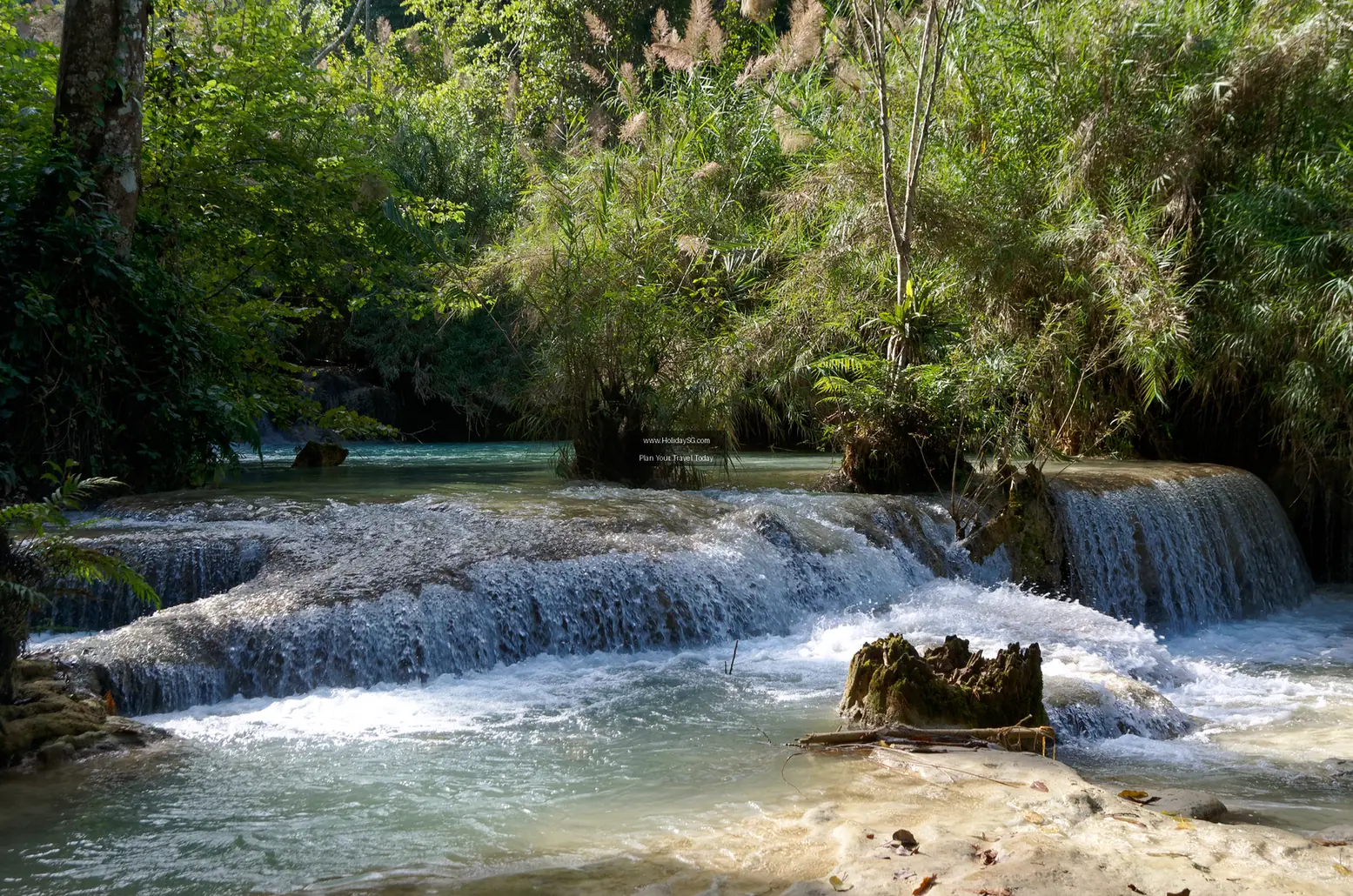
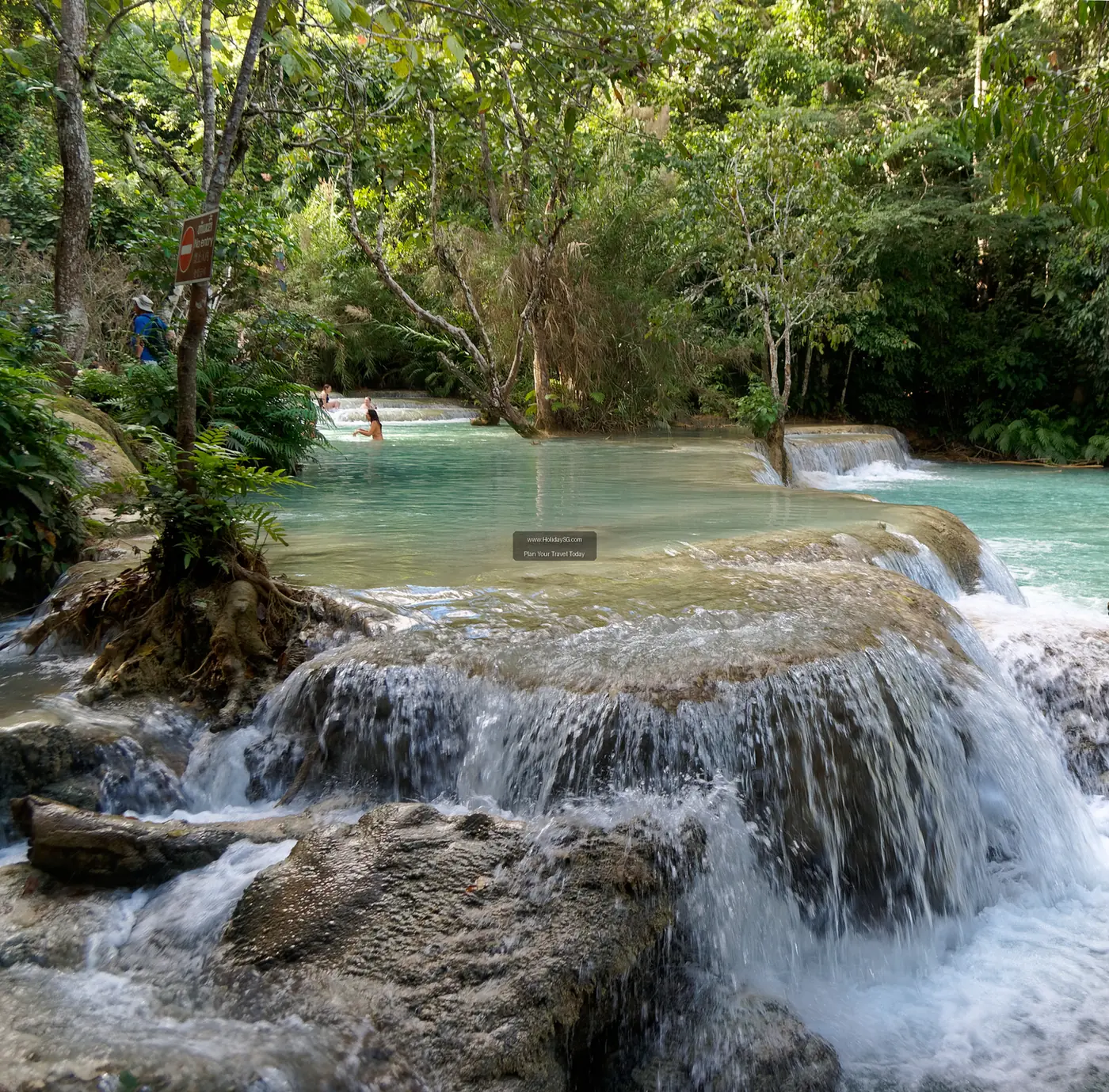
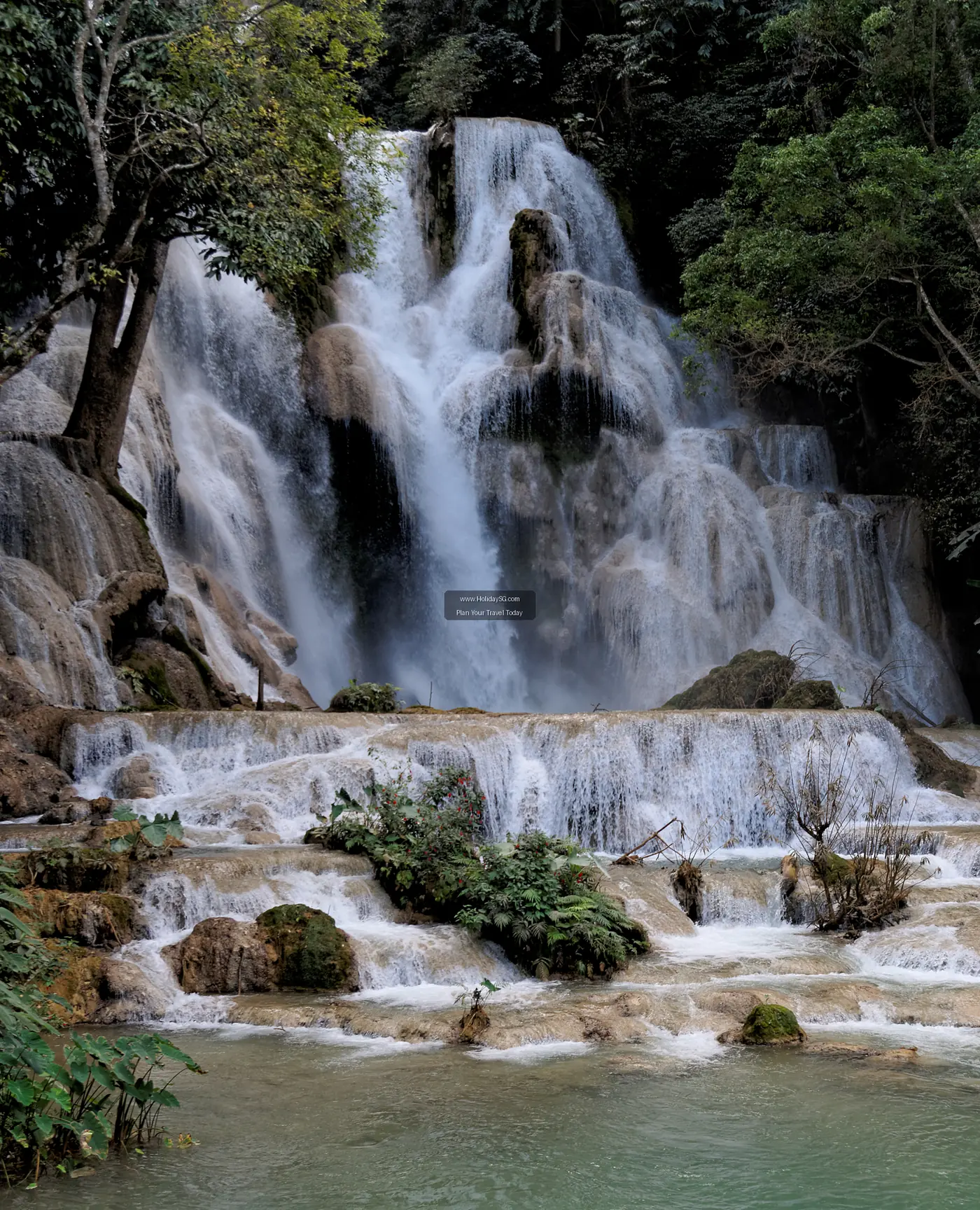
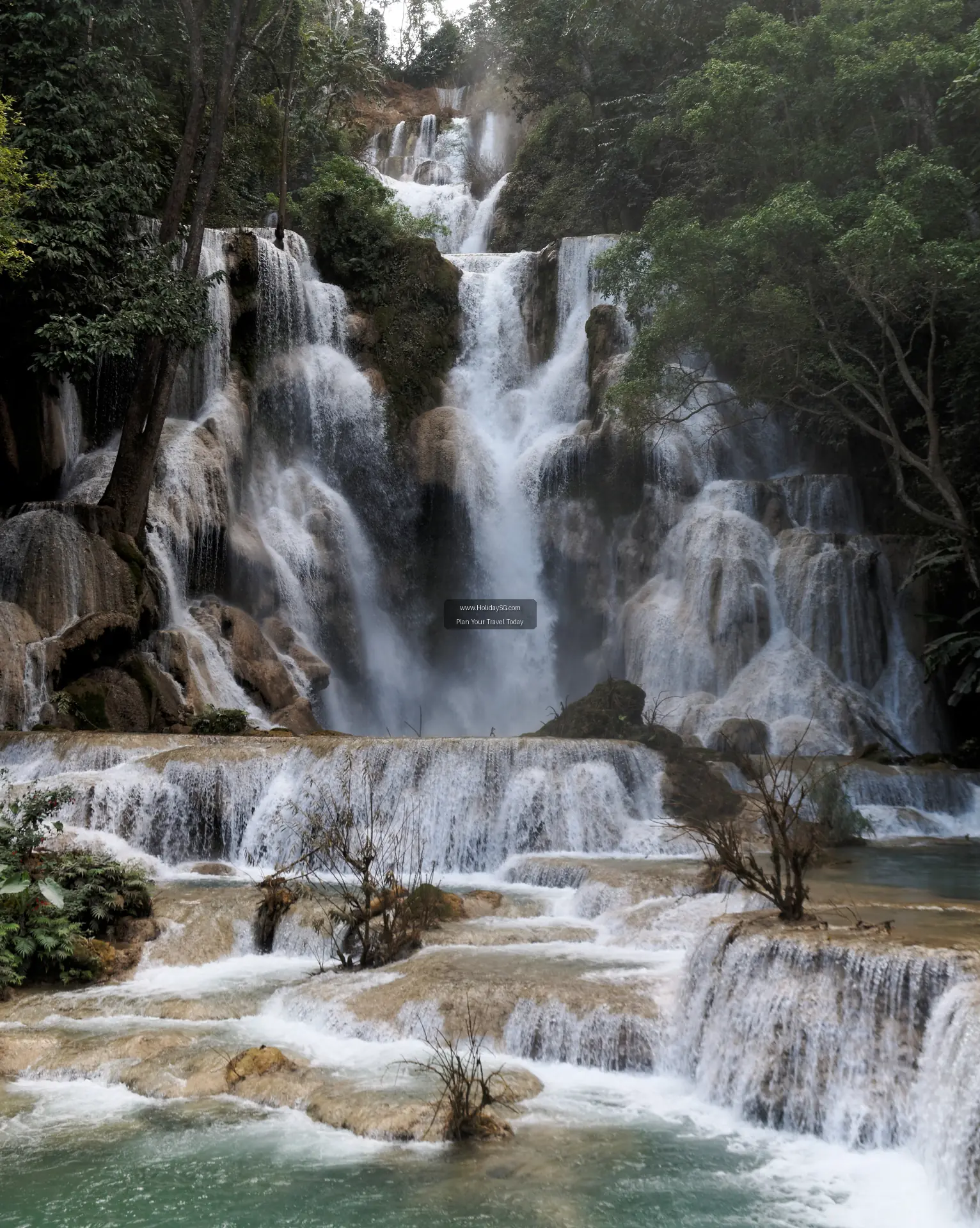
No trip to Luang Prabang is complete without visiting Kuang Si Falls. These cascading turquoise pools are fed by limestone-rich waters, creating a surreal swimming spot. The falls are divided into tiers, with the upper levels offering quieter, more secluded pools. Don’t miss the short hike to the top for panoramic views, or visit the Tat Kuang Si Bear Rescue Centre, home to Asiatic black bears saved from the illegal wildlife trade.
Pro tip: Arrive early (before 9 AM) to avoid crowds, and wear sturdy sandals—the rocks can be slippery. Entry costs 25,000 LAK (~$1.50 USD), and you can hire a tuk-tuk or join a guided trekking tour from Luang Prabang for a more immersive experience.
Mount Phousi: Sunset Over the Mekong
For the best views in town, climb the 328 steps up Mount Phousi. The summit rewards you with a 360-degree panorama of the Mekong and Nam Khan rivers, especially magical at sunset. Along the way, stop at Wat Tham Phousi, a small temple with a golden Buddha, and Wat Chom Si, perched at the top. Bring water and wear comfortable shoes—the climb is short but steep.
Luang Prabang Night Market: A Shopper’s Delight
As the sun sets, the streets of Luang Prabang transform into a vibrant night market. Stalls line Sisavangvong Road, selling everything from handwoven textiles and silver jewelry to Lao coffee and handicrafts. It’s the perfect place to pick up souvenirs, but haggling is expected—start at 50% of the asking price and meet in the middle.
Must-try street food:
- Sai oua (Lao sausage, spicy and herby)
- Khao soi (coconut curry noodle soup)
- Coconut pancakes (crispy and sweet)
Tak Bat: The Sacred Alms Giving Ceremony
At dawn, hundreds of saffron-robed monks walk barefoot through the streets of Luang Prabang, collecting alms from locals. This centuries-old ritual, called Tak Bat, is a deeply spiritual experience. To observe respectfully, dress modestly (cover shoulders and knees), stay quiet, and avoid using flash photography. The best spot to watch is along Sakkaline Road, where the procession begins.
For a deeper understanding of the ceremony, consider a private cultural tour that includes a visit to the Traditional Arts and Ethnology Centre.
2. Discover Vientiane: Laos’ Charming Capital
Vientiane may be small, but it’s packed with history, culture, and a laid-back vibe. Unlike other Southeast Asian capitals, it feels more like a provincial town—perfect for a few days of exploration.
Pha That Luang: The Golden Stupa
Laos’ most sacred monument, Pha That Luang, is a gleaming golden stupa that symbolizes the country’s Buddhist heritage. Built in the 16th century, it’s said to house a relic of the Buddha. Visit early in the morning or late afternoon to avoid the midday heat, and combine your trip with a stop at nearby Patuxai or Wat Si Saket.
Buddha Park: A Surreal Sculpture Garden
Just 25 km from Vientiane, Buddha Park (Xieng Khuan) is a bizarre but fascinating collection of over 200 Hindu and Buddhist statues. Highlights include a giant reclining Buddha and a 40-meter-tall pumpkin-shaped structure you can climb for panoramic views. Entry is 5,000 LAK (~$0.30 USD), and you can reach the park by tuk-tuk or bike.
Patuxai: Laos’ Arc de Triomphe
Patuxai, or the “Gate of Victory,” is Vientiane’s answer to Paris’ Arc de Triomphe—except it’s covered in Lao motifs and offers city views from its rooftop. Built in the 1960s to honor those who fought for independence, it’s a great spot for photos. Climb the stairs for a small fee (3,000 LAK) and grab a coconut from one of the nearby stalls.
3. Adventure in Vang Vieng: Nature’s Playground
Vang Vieng is Laos’ adventure capital, where karst cliffs rise dramatically from the Nam Song River. Once infamous for its party scene, it’s now a hub for outdoor activities like tubing, kayaking, and hot-air ballooning.
Tubing on the Nam Song River
Tubing is Vang Vieng’s most popular activity, and for good reason. Grab a tube, float down the river, and stop at riverside bars for a drink or a swing into the water. The best time to go is during the dry season (November–February), when the water is calmer. Rentals cost around 55,000 LAK (~$3 USD), including a free tuk-tuk ride to the starting point.
Safety tip: Avoid the rainy season (June–October), when currents can be strong.
Hot-Air Balloon Ride Over Karst Landscapes
Explore Tham Nam and Tham Chang Caves
Vang Vieng is riddled with caves, but two stand out:
- Tham Nam: Tours include a guide, headlamp, and life jacket.
- Tham Chang: A dry cave with a natural spring and a viewpoint overlooking the town. It’s easier to explore and great for families.
Both caves cost around 10,000–20,000 LAK (~$0.60–$1.20 USD) to enter, and you can rent a bike or tuk-tuk to get there.
4. Unravel the Mystery of the Plain of Jars (Phonsavan)
The Plain of Jars is one of Laos’ most enigmatic attractions. Scattered across the Xieng Khouang Plateau are thousands of ancient stone jars, some weighing several tons. Archaeologists believe they were used for burial rituals over 2,000 years ago, but their exact purpose remains a mystery.
Visiting the Archaeological Sites
There are over 90 jar sites, but three are open to the public:
- Site 1: The largest and most accessible, with over 300 jars.
- Site 2: Smaller but scenic, with jars perched on a hillside.
- Site 3: The most remote, with fewer tourists and a peaceful atmosphere.
Entry to each site costs 15,000 LAK (~$0.90 USD), and hiring a guide (around 100,000 LAK) is recommended to learn about the jars’ history and the UXO (unexploded ordnance) that still litters the area.
MAG UXO Visitor Center: A Sobering Lesson
The Secret War (1964–1973) left Laos heavily bombed, and unexploded ordnance remains a deadly threat. The MAG UXO Visitor Center in Phonsavan educates visitors about the ongoing efforts to clear landmines. It’s a humbling experience that puts the country’s history into perspective.
5. Relax on the 4,000 Islands (Si Phan Don)
If you’re craving relaxation, head to Si Phan Don, a cluster of islands in the Mekong River near the Cambodian border. The pace here is slow, the scenery is stunning, and the vibe is pure tranquility.
Don Det: The Backpacker’s Paradise
Don Det is the most popular island, known for its laid-back atmosphere, cheap bungalows, and sunset views. Rent a bike (10,000 LAK/day) to explore the island’s dirt paths, or just lounge in a hammock with a book. Don’t miss the Sunset Bar, where you can sip a cold Beerlao while watching the sky turn pink over the Mekong.
Li Phi and Khone Phapheng Waterfalls
- Li Phi Falls: Known as the “Niagara of Laos,” these powerful falls are best visited during the rainy season (June–October) when the water is at its most dramatic. Entry is 30,000 LAK (~$1.80 USD).
- Khone Phapheng: Southeast Asia’s largest waterfall by volume, Khone Phapheng is a thunderous cascade that marks the border with Cambodia. Visit early in the morning to avoid crowds.
Spotting Irrawaddy Dolphins
Near Don Khon, you can take a boat tour to spot the rare Irrawaddy dolphins. These freshwater dolphins are critically endangered, so sightings are never guaranteed—but when you do see them, it’s magical. The best time to go is during the dry season (November–May), when water levels are lower and visibility is better.
6. Trek the Bolaven Plateau: Waterfalls & Coffee
The Bolaven Plateau is a lush, elevated region in southern Laos, famous for its coffee plantations, waterfalls, and ethnic minority villages.
Tad Fane and Tad Yuang Waterfalls
- Tad Fane: A stunning twin waterfall that plunges 120 meters into a jungle gorge. The best time to visit is during the rainy season, when the falls are at their most powerful. Entry is 10,000 LAK (~$0.60 USD).
- Tad Yuang: A smaller but equally beautiful waterfall with a natural swimming pool. It’s less crowded than Tad Fane, making it a great spot for a picnic.
Coffee Plantation Tour
Laos produces some of the world’s best coffee, and the Bolaven Plateau is the heart of the industry. Visit Dao-Heuang Coffee or Jhai Coffee House for a tour of the plantation and a tasting. You’ll learn about the coffee-making process, from bean to cup, and can buy freshly roasted beans to take home.
Ethnic Minority Villages
The plateau is home to several ethnic minority groups, including the Alak, Katu, and Ta-Oi people. Staying in a homestay is the best way to experience their culture—expect home-cooked meals, traditional music, and storytelling. Ban Nong Lom and Ban Kiet Ngong are two villages that offer homestay experiences.
7. Escape to Nong Khiaw: Laos’ Hidden River Town
Nestled between limestone cliffs and the Nam Ou River, Nong Khiaw is a quiet alternative to Luang Prabang. It’s the perfect base for hiking, kayaking, and exploring caves.
Pha Tok Cave: A WWII Hideout
Pha Tok Cave was used as a hideout by the Lao resistance during World War II and later by locals during the Secret War. Today, it’s a fascinating mix of history and spirituality, with a Buddhist shrine inside. To visit, hire a guide (around 100,000 LAK) and bring a flashlight—the cave is pitch-black in places.
Kayaking or Boating on the Nam Ou River
The Nam Ou River is one of Laos’ most scenic waterways, with towering cliffs and lush forests.
Hiking to Viewpoints
Nong Khiaw has some of the best viewpoints in Laos. The most popular is Nong Khiaw Viewpoint, a steep 30-minute climb that rewards you with panoramic views of the town and river. For a more challenging hike, trek to Ban Na, a nearby village with stunning limestone cliffs.
8. Step Back in Time at Wat Phu (Champasak)
Wat Phu is a UNESCO-listed Khmer temple complex near Pakse, older than Angkor Wat but far less crowded. Built in the 5th century, it’s a masterpiece of ancient architecture and a must-visit for history lovers.
Exploring the Temple Complex
Wat Phu is divided into three levels, each with its own significance:
- Lower level: The entrance, lined with frangipani trees and ancient stone carvings.
- Middle level: A series of terraces and shrines, including the Nandi Hall, dedicated to Shiva’s sacred bull.
- Upper level: The main sanctuary, where you’ll find a lingam (phallic symbol) and stunning views of the surrounding countryside.
Entry costs 50,000 LAK (~$3 USD), and hiring a guide (around 150,000 LAK) is worth it to fully appreciate the site’s history.
Combining with Don Daeng
After visiting Wat Phu, take a short boat ride to Don Daeng, a peaceful island in the Mekong River. The island is home to a small village, cycling trails, and a homestay where you can experience rural Lao life. Don’t miss the sunset views from the island’s western shore.
9. Unique Experiences You Can’t Miss
Slow Boat Along the Mekong River
One of the most iconic experiences in Laos is the slow boat journey from Huay Xai to Luang Prabang. The two-day trip takes you through stunning landscapes, with stops in Pakbeng and remote villages. Boats leave daily, and tickets cost around 220,000–280,000 LAK (~$13–$17 USD). Bring snacks, a book, and a jacket—the boats can get chilly in the evenings.
Thakhek Motorbike Loop
For adventure seekers, the Thakhek Motorbike Loop is a must. This 3–4 day route takes you through caves, waterfalls, and karst landscapes, with stops at Tham Kong Lo (a 7 km-long cave) and Tad Nam (a hidden waterfall). Rent a bike in Thakhek (around 200,000 LAK/day) and follow the well-marked route.
Lao Cooking Class
Lao cuisine is underrated but delicious, with dishes like laap (minced meat salad), tam mak hoong (green papaya salad), and mok pa (steamed fish in banana leaves). Take a cooking class in Luang Prabang or Vientiane to learn how to make these dishes at home. Most classes include a market tour, where you’ll pick up fresh ingredients and learn about Lao spices.
10. Practical Travel Tips for Laos
Best Time to Visit
- Cool & dry season (November–February): Ideal for travel, with temperatures between 15–26°C. This is peak tourist season, so book accommodation in advance.
- Hot season (March–May): Temperatures can soar to 40°C, but crowds are thinner. Best for short trips or indoor activities.
- Rainy season (June–October): Lush landscapes and fewer tourists, but some rural roads may be inaccessible. Pack a rain jacket and waterproof shoes.
Visa Requirements
Most nationalities can get a visa on arrival (30-day stay, ~$30–$40 USD) or apply for an e-visa online (~$50 USD). Bring a passport photo and USD or LAK for the fee. Extensions are possible at immigration offices in Vientiane or Luang Prabang (~$3/day + $2 processing fee).
Budgeting for Your Trip
Laos is one of Southeast Asia’s most affordable destinations. Here’s a rough breakdown of daily costs:
- Budget traveler: $20–$40 USD (hostels, street food, local transport).
- Mid-range traveler: $50–$100 USD (guesthouses, restaurants, tours, buses).
- Luxury traveler: $150+ USD (boutique hotels, private tours, flights).
Typical prices:
Getting Around Laos
- Domestic flights: Limited but convenient for long distances (e.g., Vientiane to Luang Prabang, ~$80–$120 USD).
- Buses: Cheap but slow (e.g., Vientiane to Luang Prabang: 10–12 hours, ~$15–$25 USD).
- Minivans: Faster than buses but cramped (e.g., Luang Prabang to Vang Vieng: 4–5 hours, ~$10–$15 USD).
- Tuk-tuks & songthaews: Local shared taxis for short distances (~$1–$5 USD).
- Boat travel: Scenic but slow (e.g., Huay Xai to Luang Prabang: 2 days, ~$50–$70 USD).
Cultural Etiquette
- Dress modestly: Cover shoulders and knees when visiting temples.
- Respect monks: Women should avoid touching monks or handing items directly to them.
- Greetings: Use the traditional “nop” (palms together, slight bow) instead of handshakes.
- Alms giving: Observe quietly in Luang Prabang; dress respectfully and don’t use flash photography.
- Shoes off: Remove shoes before entering homes, temples, and some shops.
Health & Safety
- Vaccinations: Recommended: Hepatitis A/B, Typhoid, Tetanus, Japanese Encephalitis (for rural areas).
- Malaria & dengue: Risk in rural/forested areas; use mosquito repellent and wear long sleeves at dusk.
- Food & water: Drink bottled water; avoid ice in drinks and raw vegetables in rural areas.
- Scams: Rare, but confirm tuk-tuk/songthaew prices upfront; use licensed tour operators.
- Emergency numbers: Police (191), Ambulance (195), Fire (190).
Internet & Connectivity
- Wi-Fi: Widely available in hotels/guesthouses and cafes in cities; slower in rural areas.
- SIM cards: Buy at airports or local shops (Unitel, Lao Telecom, or Beeline; ~$5–$10 USD for data). For hassle-free connectivity, consider a Laos unlimited data eSIM.
- Coverage: Reliable in towns; patchy in remote areas (e.g., 4,000 Islands, Bolaven Plateau).
11. Frequently Asked Questions (FAQs)
Is Laos safe for solo travelers?
Yes, Laos is generally safe for solo travelers, but exercise standard precautions. Avoid isolated areas at night, keep valuables secure, and use licensed taxis or tuk-tuks.
Can I use USD in Laos?
Yes, USD is widely accepted, but carry small bills. Lao Kip (LAK) is preferred for small purchases, and you’ll get better exchange rates using LAK (Lao Kip).
How many days do I need in Laos?
A minimum of 7–10 days is ideal for covering the highlights. For a deeper exploration, plan 2+ weeks to visit remote areas like the Bolaven Plateau or 4,000 Islands.
Is Laos expensive?
No, Laos is one of Southeast Asia’s most affordable destinations. Budget travelers can get by on $20–$40 USD per day, while mid-range travelers can enjoy comfortable stays and tours for $50–$100 USD per day.
What’s the nightlife like in Laos?
Laos has a low-key nightlife scene. Vang Vieng has riverside bars, Luang Prabang offers cocktail lounges, and Vientiane has a few clubs. Don’t expect a wild party scene—Laos is more about relaxation and culture.
Do I need a guide for attractions?
Guides are optional for most temples and waterfalls but recommended for treks (e.g., Bolaven Plateau) or remote sites (e.g., Plain of Jars). They provide valuable insights and help navigate language barriers.
12. Sample Itineraries for Laos
7-Day Highlights Itinerary
- Days 1–3: Luang Prabang (Kuang Si Falls, Mount Phousi, Night Market, Tak Bat).
- Days 4–5: Vang Vieng (tubing, hot-air balloon ride, Tham Nam Cave).
- Days 6–7: Vientiane (Pha That Luang, Buddha Park, Patuxai).
10-Day Adventure Itinerary
- Days 1–3: Luang Prabang (Kuang Si Falls, Mekong River cruise, cooking class).
- Days 4–5: Nong Khiaw (Pha Tok Cave, kayaking, hiking to viewpoints).
- Days 6–7: Vang Vieng (tubing, Tham Chang Cave, hot-air balloon ride).
- Days 8–10: Vientiane (Wat Phu, Buddha Park, local markets).
2-Week In-Depth Itinerary
- Days 1–4: Luang Prabang (Kuang Si Falls, Mount Phousi, Night Market, Tak Bat, Mekong River cruise).
- Day 5: Plain of Jars (Phonsavan, MAG UXO Visitor Center).
- Days 6–7: Vang Vieng (tubing, Tham Nam Cave, hot-air balloon ride).
- Days 8–9: Vientiane (Pha That Luang, Buddha Park, Patuxai).
- Days 10–12: 4,000 Islands (Don Det, Li Phi Falls, Irrawaddy dolphin spotting).
- Days 13–14: Pakse & Bolaven Plateau (Tad Fane, coffee plantation, ethnic villages).
Recommended HolidaySG Tours
Ready to book your Laos adventure? Here are some top-rated tours to get you started:
- Trekking Longlao To Kuang Si Falls Full Day Private Tour
- Luang Prabang Private Cultural Discovery With Alms Giving Museum And Kuang Si Waterfall
- Mekong Fishing Experience Kuang Si Falls
- Laos Unlimited Data 4G/5G eSIM
Laos is a destination that lingers in your memory long after you’ve left. It’s a place where time slows down, where golden temples rise from the mist, and where the Mekong River tells stories of ancient kingdoms and modern resilience. Whether you’re seeking adventure, culture, or simply a quiet escape, Laos delivers. Ready to explore? Stay connected with our Laos Unlimited Data 4G/5G eSIM and start planning your journey today!
Book these with HolidaySG:
Book with HolidaySG online for Laos Unlimited Data 4g5g Esim, Airalo Laos E Sim Package, Trekking Longlao To Kuang Si Falls Full Day Private Tour.
More Photos from HolidaySG
Book with HolidaySG online for Laos Unlimited Data 4g5g Esim, Airalo Laos E Sim Package, Trekking Longlao To Kuang Si Falls Full Day Private Tour.
Book these with HolidaySG: