

Myanmar is a land where golden pagodas pierce the sky, ancient temples whisper stories of empires past, and serene lakes reflect the daily rhythms of life on the water. From the mystical plains of Bagan to the floating villages of Inle Lake, this Southeast Asian gem offers a travel experience unlike any other. Whether you’re drawn by its spiritual heritage, breathtaking landscapes, or the warmth of its people, these 18 must-see Myanmar attractions you absolutely cannot miss promise an adventure that lingers long after you’ve returned home.
Myanmar is a treasure trove of ancient temples, cultural landmarks, and natural wonders, with must-see attractions like Bagan, Shwedagon Pagoda, and Inle Lake. The best time to visit is November to February, and while cash is king, the country is safe and welcoming for travelers who respect local customs.
The Ancient Wonders of Bagan
Few places on Earth can rival the surreal beauty of Bagan. Spread across a vast plain, this archaeological wonderland is home to over 2,000 temples, pagodas, and ruins, each a testament to the golden age of the Bagan Kingdom (9th–13th centuries). The sheer scale of the site is awe-inspiring, and exploring it feels like stepping into a living museum.
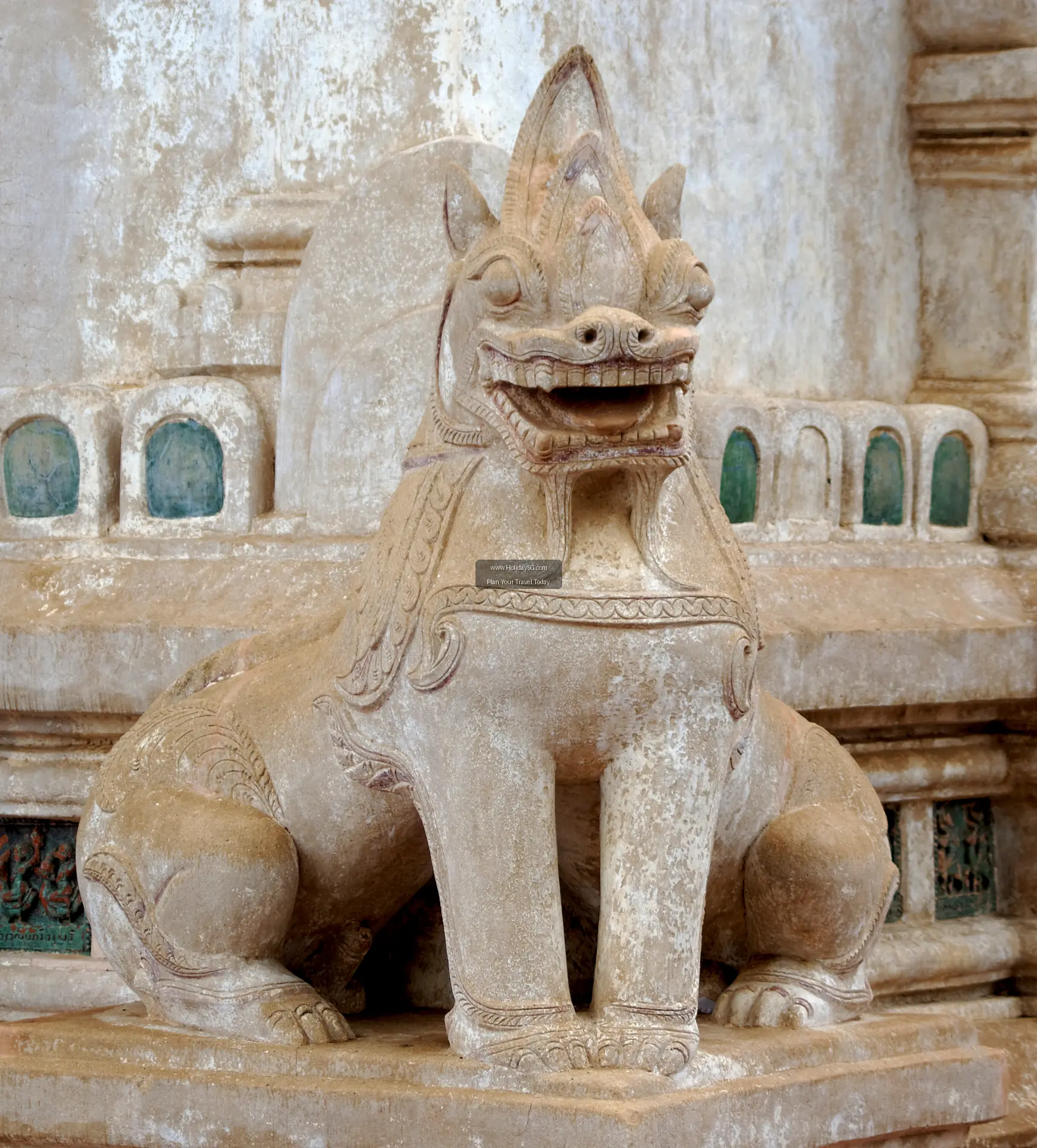
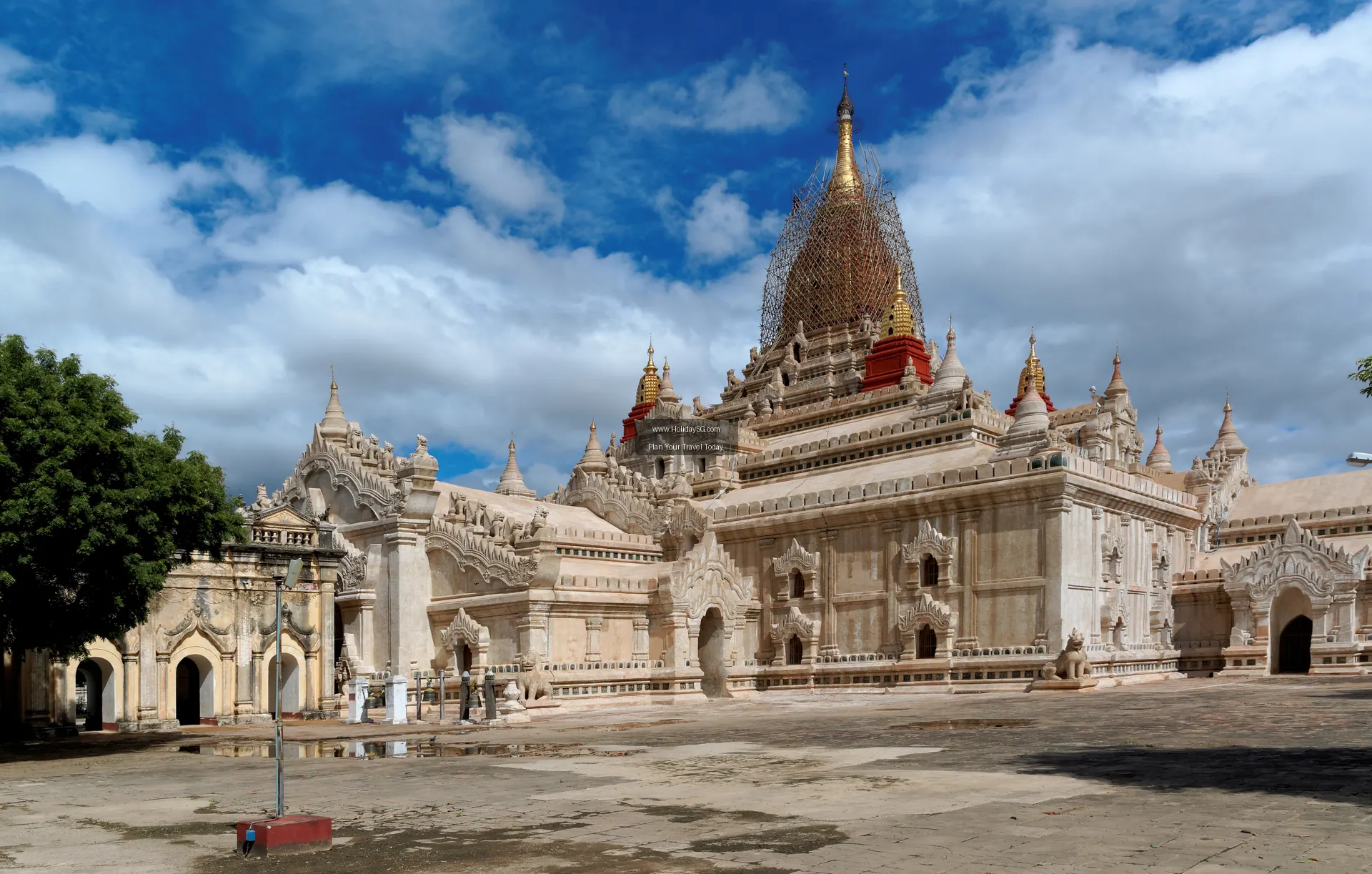
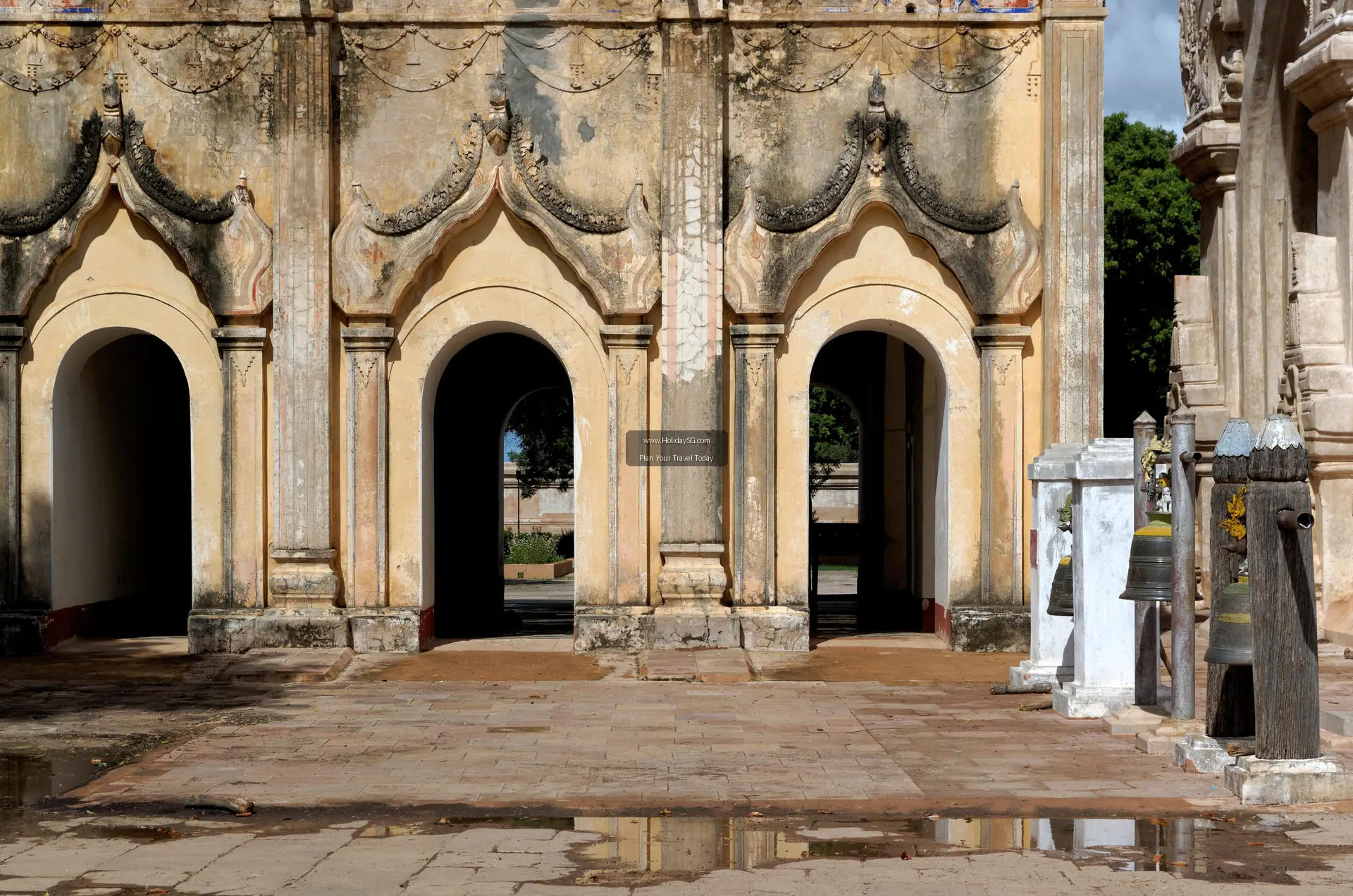
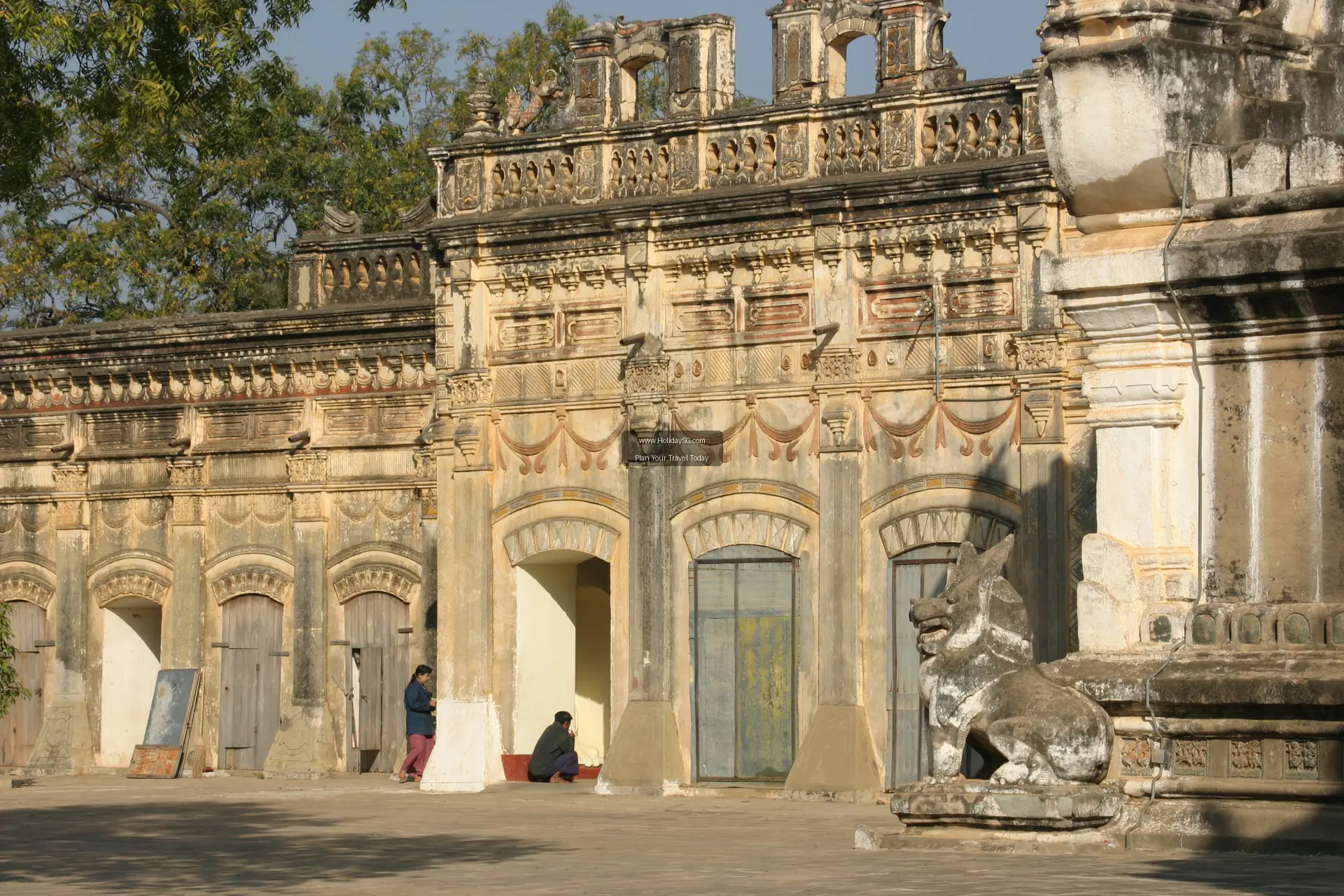
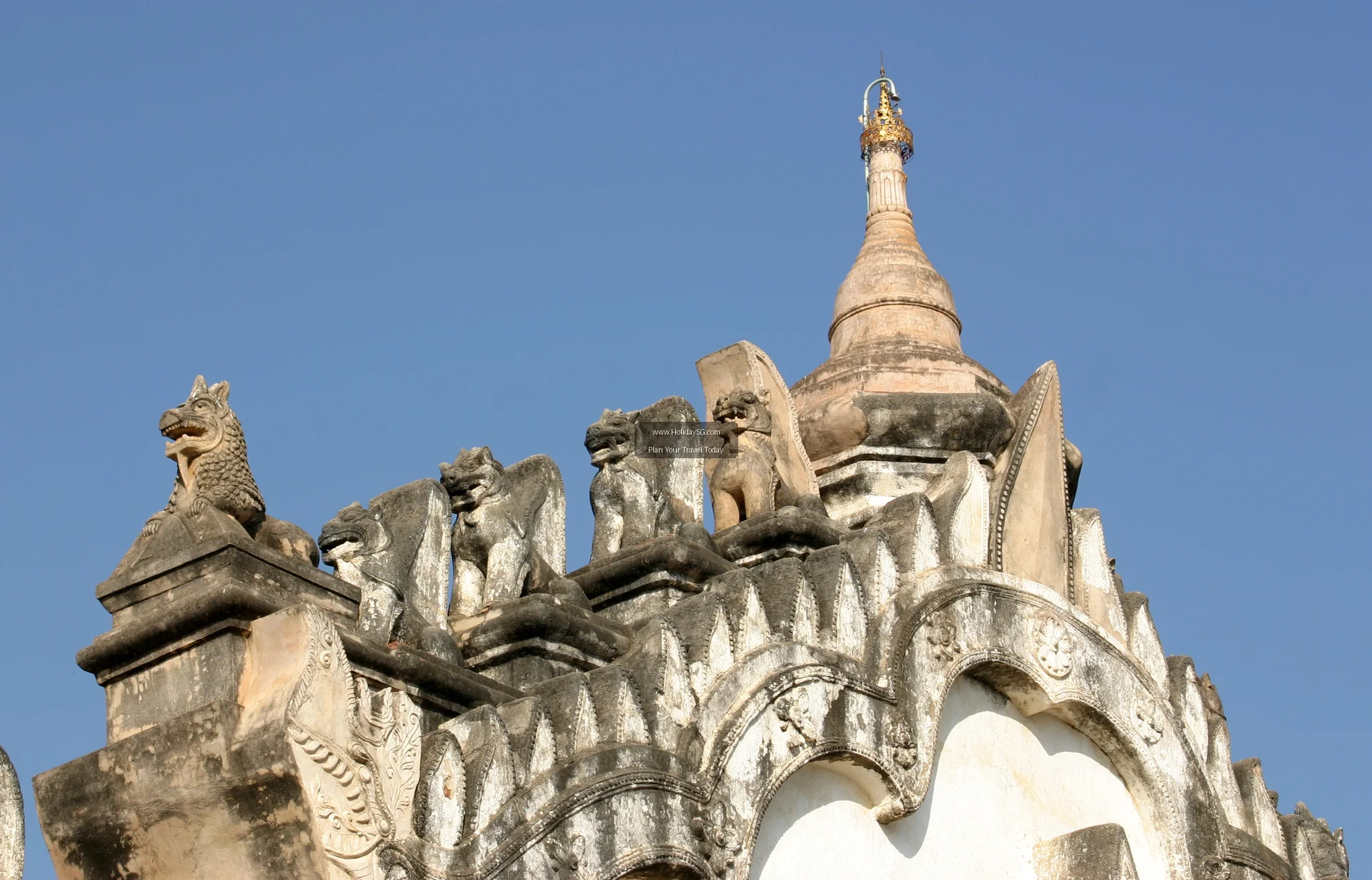
The best way to experience Bagan is on an e-bike, weaving through dusty paths that connect the temples. For a more leisurely pace, hire a horse cart or join a guided tour. If you’re feeling adventurous, a hot-air balloon ride at sunrise offers a bird’s-eye view of the temple-studded landscape, with the Irrawaddy River glinting in the distance. Must-visit temples include the towering Ananda Temple, the mysterious Dhammayangyi (said to be haunted), and the sunset-friendly Shwesandaw Pagoda.
For a deeper dive into Bagan’s history, visit the Bagan Archaeological Museum or explore the lesser-known temples like Sulamani, where intricate carvings and frescoes tell stories of Buddhist lore. Don’t miss the chance to browse local markets, where artisans sell lacquerware, handwoven textiles, and traditional puppets—a craft unique to Myanmar.
Shwedagon Pagoda: Yangon’s Golden Jewel
No visit to Myanmar is complete without witnessing the grandeur of Shwedagon Pagoda, the country’s most sacred Buddhist site. Dominating Yangon’s skyline, this 99-meter-tall stupa is encrusted with thousands of diamonds, rubies, and gold plates, shimmering under the sun like a beacon of devotion. The pagoda’s origins date back over 2,500 years, though its current form was shaped by centuries of renovations and royal patronage.
The best times to visit Shwedagon are at sunrise or sunset, when the golden stupa glows in the soft light, and the atmosphere is filled with the hum of prayers and the scent of incense. As you ascend the terraces, you’ll encounter monks in maroon robes, devotees offering flowers, and locals deep in meditation. The pagoda’s central stupa is surrounded by smaller shrines, each with its own legend and significance.
Dress modestly when visiting—cover your shoulders and knees—and remove your shoes before entering. Avoid pointing your feet at Buddha images or touching the stupa, as these are considered disrespectful. Nearby, Kandawgyi Lake offers a serene escape, with its boardwalk and views of the pagoda reflected in the water. For a deeper cultural experience, visit Chaukhtatgyi Buddha, home to a 66-meter-long reclining Buddha statue.
Inle Lake: A Floating Paradise
Inle Lake is a world apart from Myanmar’s bustling cities. Here, life unfolds on the water, with stilt-house villages, floating gardens, and leg-rowing fishermen creating a scene straight out of a postcard. The lake’s calm waters mirror the surrounding Shan Hills, and the pace of life is deliciously slow.
A boat tour is the best way to explore Inle Lake. Glide past floating tomato gardens, where farmers grow crops on rafts of water hyacinth, and visit workshops where artisans craft silver jewelry, cheroot cigars, and traditional Shan paper. The leg-rowing fishermen are a highlight—watch as they balance precariously on one leg, using the other to propel their boats with a distinctive, almost dance-like motion.
For a more active experience, consider a full-day trekking tour around the lake’s periphery. These treks often include stops at ethnic minority villages, where you can learn about the traditions of the Intha and Pa-O people. Cycling is another great way to explore the area, with routes leading through rural landscapes and past local markets like Nyaung Shwe’s Five-Day Market.
Don’t miss the chance to sample Inle’s cuisine, which features fresh lake fish, Shan tofu salad, and hin, a traditional fermented tea leaf dish. For a unique overnight experience, stay in a stilt-house hotel and wake up to the sound of water lapping against the pilings.
Mandalay: The Cultural Capital
Mandalay is Myanmar’s cultural heart, a city where tradition and modernity coexist. Once the capital of the Konbaung Dynasty, it’s home to some of the country’s most iconic landmarks, including the Mandalay Palace, Kuthodaw Pagoda (home to the world’s largest book), and the world’s longest teak bridge, U Bein.
Start your visit at Mandalay Hill, where a climb to the summit rewards you with panoramic views of the city and the Irrawaddy River. At the base of the hill, the Kuthodaw Pagoda houses 729 marble slabs inscribed with Buddhist scriptures—a “book” so vast it would take years to read. Nearby, the Mahamuni Buddha Temple is one of Myanmar’s most revered sites, its central Buddha image covered in layers of gold leaf applied by devotees over centuries.
For a taste of local life, head to the bustling Zegyo Market, where vendors sell everything from fresh produce to handmade crafts. In the evening, stroll across U Bein Bridge, a 1.2-kilometer teak structure that spans Taungthaman Lake. The bridge is especially magical at sunset, when the sky turns shades of orange and pink, and monks in saffron robes make their way home.
Day trips from Mandalay offer even more cultural immersion. Visit the ancient city of Mingun, where the unfinished Mingun Pahtodawgyi (a massive stupa) and the world’s largest ringing bell await. In Sagaing, explore hundreds of monasteries and pagodas perched on rolling hills, while Amarapura is home to silk-weaving workshops and the photogenic Ava Bridge.
Golden Rock: A Miracle of Balance
Perched precariously on the edge of a cliff, the Golden Rock (Kyaiktiyo Pagoda) is one of Myanmar’s most extraordinary sights. This gravity-defying boulder, covered in gold leaf and topped with a small stupa, appears to defy physics, balanced on a strand of the Buddha’s hair according to legend. The site is a major pilgrimage destination, drawing devotees who apply gold leaf to the rock in a gesture of devotion.
Reaching Golden Rock is an adventure in itself. Most visitors take a truck from the base camp at Kinpun, a bumpy ride that winds through lush forests. Alternatively, you can hike the 11-kilometer trail or take a cable car (if available). The best time to visit is early morning or late afternoon, when the crowds thin and the light is soft. At dusk, the rock is bathed in the glow of thousands of candles, creating a magical atmosphere.
Dress modestly when visiting, as the site is deeply sacred. Women are not allowed to touch the rock, and shoes must be removed before approaching. For a deeper cultural experience, visit during the full moon of Tabaung (usually March), when the pagoda hosts a lively festival with traditional music and dance.
Hpa-An: Adventure in Karst Country
Hpa-An is a hidden gem in southeastern Myanmar, where dramatic karst landscapes rise like jagged teeth from the earth. This region is a paradise for adventurers, with caves, hikes, and viewpoints that reveal the raw beauty of Myanmar’s countryside.
One of the most popular attractions is Saddan Cave, a vast limestone cavern filled with Buddha statues, stalactites, and bats. The cave opens up to a hidden lake, where you can take a boat ride through the darkness, guided only by the flicker of lanterns. Nearby, Kawgun Cave is smaller but equally impressive, with ancient carvings dating back to the 7th century.
For panoramic views, hike Mount Zwegabin, a challenging but rewarding trek that takes you to a monastery perched on the summit. The trail winds through forests and past waterfalls, with sweeping vistas of the surrounding plains. If you prefer a gentler adventure, kayak on the Thanlwin River or explore the rural villages that dot the landscape.
Hpa-An’s charm lies in its authenticity. Unlike more touristy destinations, it offers a glimpse into the daily lives of the Karen people, one of Myanmar’s many ethnic groups. Visit Lumbini Garden, home to a giant reclining Buddha, or browse the local markets for handwoven textiles and traditional crafts.
Ngapali Beach: Myanmar’s Tropical Escape
When you need a break from temples and treks, Ngapali Beach is the perfect antidote. With its powdery white sand, crystal-clear waters, and swaying palm trees, this idyllic stretch of coastline is Myanmar’s premier beach destination. Unlike the crowded beaches of Thailand or Bali, Ngapali remains blissfully uncrowded, offering a peaceful retreat where you can unwind in paradise.
The beach is divided into several bays, each with its own character. The main beach is lined with seafood restaurants serving fresh crab, prawns, and lobster, while the northern end is quieter, with fewer resorts and more seclusion. For adventure, try snorkeling or diving to explore the vibrant coral reefs, or take a boat trip to nearby islands like Pearl Island or Black Rock.
Beyond the beach, Ngapali offers plenty of activities. Cycle through coconut groves and fishing villages, or visit the local market in Thandwe, where vendors sell everything from fresh fruit to handmade souvenirs. In the evening, enjoy a sundowner at one of the beachfront bars, where the sound of waves crashing against the shore provides the perfect soundtrack.
Mrauk U: The Hidden Gem of Rakhine State
Often overshadowed by Bagan, Mrauk U is a remote archaeological site that rivals its more famous counterpart in beauty and historical significance. Located in Rakhine State, this ancient city was once the capital of the Arakan Kingdom (15th–18th centuries) and is home to hundreds of temples and ruins scattered across a lush landscape.
Mrauk U’s temples are distinct from those in Bagan, with a unique blend of Indian and Southeast Asian architectural styles. The most impressive include Shittaung Pagoda, known for its labyrinth of corridors and thousands of Buddha images, and Htukkanthein Temple, a fortress-like structure with intricate carvings. Koe Thaung Temple, the largest in Mrauk U, is a sprawling complex with 90,000 Buddha images—one for each of the Buddha’s past lives.
Getting to Mrauk U is part of the adventure. Most visitors take a boat from Sittwe, a scenic journey that winds through mangrove forests and rural villages. The boat ride takes about 5–6 hours, but the views make it worthwhile. Once in Mrauk U, explore the temples by bicycle or on foot, and don’t miss the chance to visit local markets, where Rakhine women sell traditional textiles and handicrafts.
Practical Travel Tips for Myanmar
Best Time to Visit
Myanmar’s climate is divided into three seasons, each offering a different experience. The cool, dry season (November to February) is the most popular time to visit, with pleasant temperatures ranging from 20–30°C (68–86°F). This is peak tourist season, so expect higher prices and crowds, especially around Christmas and New Year.
The hot season (March to May) can be intense, with temperatures often exceeding 40°C (104°F). However, this is a great time to visit beach destinations like Ngapali or high-altitude areas like Putao, where the weather is cooler. The rainy season (June to October) brings lush landscapes and fewer tourists, but frequent downpours can disrupt travel plans, especially in remote areas like Mrauk U.
Visa Requirements and Entry Tips
Most travelers will need an e-visa to enter Myanmar, which costs $50 and is valid for 28 days. The application process is straightforward and takes about 3 business days. Visa on arrival is no longer available for most nationalities, so be sure to apply in advance. If you plan to enter overland (e.g., from Thailand), check the latest requirements, as e-visas are typically required for border crossings.
Transportation: Getting Around Myanmar
Myanmar’s transportation network is improving, but getting around can still be a challenge. Domestic flights are the fastest way to cover long distances, with airlines like Air KBZ and Mann Yadanarpon offering routes between major cities. Book in advance for a great selection of, as flights can fill up quickly during peak season.
Buses are a budget-friendly option for overnight journeys, with VIP buses offering more comfort for a small premium. Trains are scenic but slow, with journeys like Yangon to Mandalay taking over 12 hours. For short distances, taxis and ride-hailing apps like Grab are available in cities, while e-bikes are a popular way to explore destinations like Bagan and Inle Lake.
Money and Budgeting
Myanmar’s currency is the kyat (MMK), and while USD is widely accepted, MMK (Myanmar Kyat) is preferred for small purchases. Exchange rates fluctuate, but as of 2023, 1 USD is roughly equivalent to 2,100 MMK. Cash is king in Myanmar, as credit cards are rarely accepted outside high-end hotels and restaurants. ATMs are available in cities, but they often charge high fees ($5–$7 per withdrawal), so withdraw larger amounts to minimize costs.
When paying in USD, ensure your bills are in pristine condition—no tears, marks, or folds—as damaged notes may be rejected. Budget travelers can get by on $30–$50 per day, while mid-range travelers should budget $70–$150 per day. Luxury travelers can expect to spend $200+ per day, especially if booking private tours or premium experiences like hot-air balloon rides.
Cultural Etiquette and Local Customs
Myanmar is a deeply religious country, and respecting local customs is essential. When visiting temples and pagodas, dress modestly—cover your shoulders and knees, and remove your shoes before entering. Avoid touching Buddha images or posing disrespectfully (e.g., turning your back, pointing your feet). Always ask permission before photographing locals, especially ethnic minorities, as some may request a small fee.
Greetings are an important part of Myanmar culture. Use the traditional “mingalaba” (hello) and “kyay zu tin ba de” (thank you), and accompany your words with a slight bow and hands pressed together in a prayer-like gesture. Tipping is not mandatory, but it’s appreciated—$5–$10 per day for guides, $2–$5 for drivers, and $1–$2 for hotel staff.
Health and Safety
Myanmar is generally safe for travelers, but it’s important to take precautions. Vaccinations recommended for Myanmar include Hepatitis A/B, Typhoid, Japanese Encephalitis (for rural areas), and Rabies (for trekkers). Food and water safety is a priority—drink bottled or filtered water, avoid ice in drinks, and stick to well-cooked food to prevent stomach issues.
Mosquito-borne diseases like dengue and malaria are a risk in rural areas, so use DEET repellent and wear long sleeves and pants at dusk. Altitude sickness can be a concern in high-altitude areas like Putao or Kyaing Tong, so acclimatize slowly and stay hydrated. Petty theft can occur in crowded areas, so keep your valuables secure and avoid flashing expensive items.
Internet and Connectivity
Wi-Fi is available in hotels, cafes, and restaurants in cities, but speeds can be slow. For better coverage, buy a local SIM card (MPT, Telenor, or Ooredoo) at the airport or an official store. SIM cards cost $1–$2, and data packages range from $5–$10 for 1–5GB. Some websites (e.g., Facebook, WhatsApp) may be restricted, so consider using a VPN to bypass blocks.
Recommended HolidaySG Tours
If you’re planning a trip to Myanmar, these curated tours can help you make the most of your visit:
- Full Day Trekking In Inle Lake
- Bagan Temples by E-Bike
- Shwedagon Pagoda Sunset Tour
- Mandalay Palace and U Bein Bridge Tour
Conclusion
Myanmar is a destination that captivates the soul, offering a blend of ancient history, spiritual depth, and natural beauty that few places can match. From the golden spires of Shwedagon Pagoda to the serene waters of Inle Lake, each of these 18 must-see attractions tells a story of a country rich in culture and tradition. Whether you’re exploring the temple plains of Bagan, trekking through the hills of Hpa-An, or relaxing on the beaches of Ngapali, Myanmar promises an adventure that will stay with you long after you’ve returned home.
Ready to experience the magic of Myanmar firsthand? Check out our Full Day Trekking In Inle Lake tour and start planning your unforgettable journey today!
Book with HolidaySG online for Full Day Trekking In Inle Lake.
More Photos from HolidaySG
Book with HolidaySG online for Full Day Trekking In Inle Lake.
Frequently Asked Questions
Where can I book this / what’s the link?
Do foreigners (non-citizens) need a different ticket, price, or visa for Myanmar?
What is the best time (season, or time of day for the site/activity) to go?
How long do I need in Myanmar to see the main attractions?
What is a typical daily budget for a traveler in Myanmar?
How do I get around between cities like Yangon, Mandalay, and Bagan?
Is Myanmar safe for tourists?
What should I pack for my trip to Myanmar?
Are there specific cultural etiquette rules I must follow at temples and pagodas?
Is it safe to drink the tap water in Myanmar?
What is MMK (Myanmar Kyat) and are credit cards accepted?
Is Myanmar a family-friendly destination?
Are there accessibility challenges for travelers with mobility issues?
What kind of food can I expect in Myanmar?
Are there any health precautions I should take?
Can I use my mobile phone and internet in Myanmar?
What are the most common tourist scams to watch out for?
Is it respectful to bargain when shopping in markets?
What are some nearby attractions or side trips from the main sites?
Can I use international roaming or is a local SIM better?
What things cost in Myanmar
Live HolidaySG prices for the experiences in this guide, so you can sanity-check a budget before you commit.
| Experience | Where | From price |
|---|---|---|
| Full day trekking in Inle Lake | Mandalay | From S$42.68 |
| Mingalar Sky Business Class Lounge Domestic Yangon Internation... | Yangon | From S$15.25 |
| Mingalar Sky Business Class Lounge International Yangon Intern... | Yangon | From S$44.06 |