

18 things to do in laos (2026): adventure, culture & hidden gems is exactly what this guide covers.
Laos is Southeast Asia’s best-kept secret—a land of emerald jungles, misty mountains, and rivers that carve through time. While its neighbors buzz with crowds and neon lights, Laos moves to a slower rhythm, offering travelers a rare blend of adventure, culture, and untouched beauty. Whether you’re chasing waterfalls in Luang Prabang, kayaking through karst cliffs in Vang Vieng, or uncovering ancient mysteries on the Plain of Jars, this landlocked gem promises experiences you won’t find anywhere else. As we step into 2026, here’s your ultimate guide to the 18 best things to do in Laos, from iconic highlights to hidden gems.
Laos is a dream for adventurers and culture seekers, with must-dos like Kuang Si Falls, Vang Vieng’s outdoor thrills, and the mystical Plain of Jars. Best visited November–February, it’s affordable, safe, and packed with off-the-beaten-path treasures. Plan 7–10 days for the highlights, or 2–3 weeks to dive deeper.

1. Explore Luang Prabang: Where Tradition Meets Serenity
Luang Prabang, a UNESCO-listed town nestled between the Mekong and Nam Khan rivers, is the heart of Lao culture. Its golden temples, French-colonial architecture, and vibrant night markets make it a must-visit, but it’s the town’s spiritual soul that leaves a lasting impression.
Witness the Sacred Alms-Giving Ceremony (Tak Bat)
At dawn, hundreds of saffron-robed monks pad barefoot through the streets, collecting alms from locals in a ritual that dates back centuries. Visitors can observe this serene tradition from a respectful distance—arrive by 5:30 AM, dress modestly, and keep your camera silent. For a deeper cultural dive, join a morning foodie tour with a monk blessing to learn about the ceremony’s significance while sampling local delicacies like khao soi (coconut curry noodles).
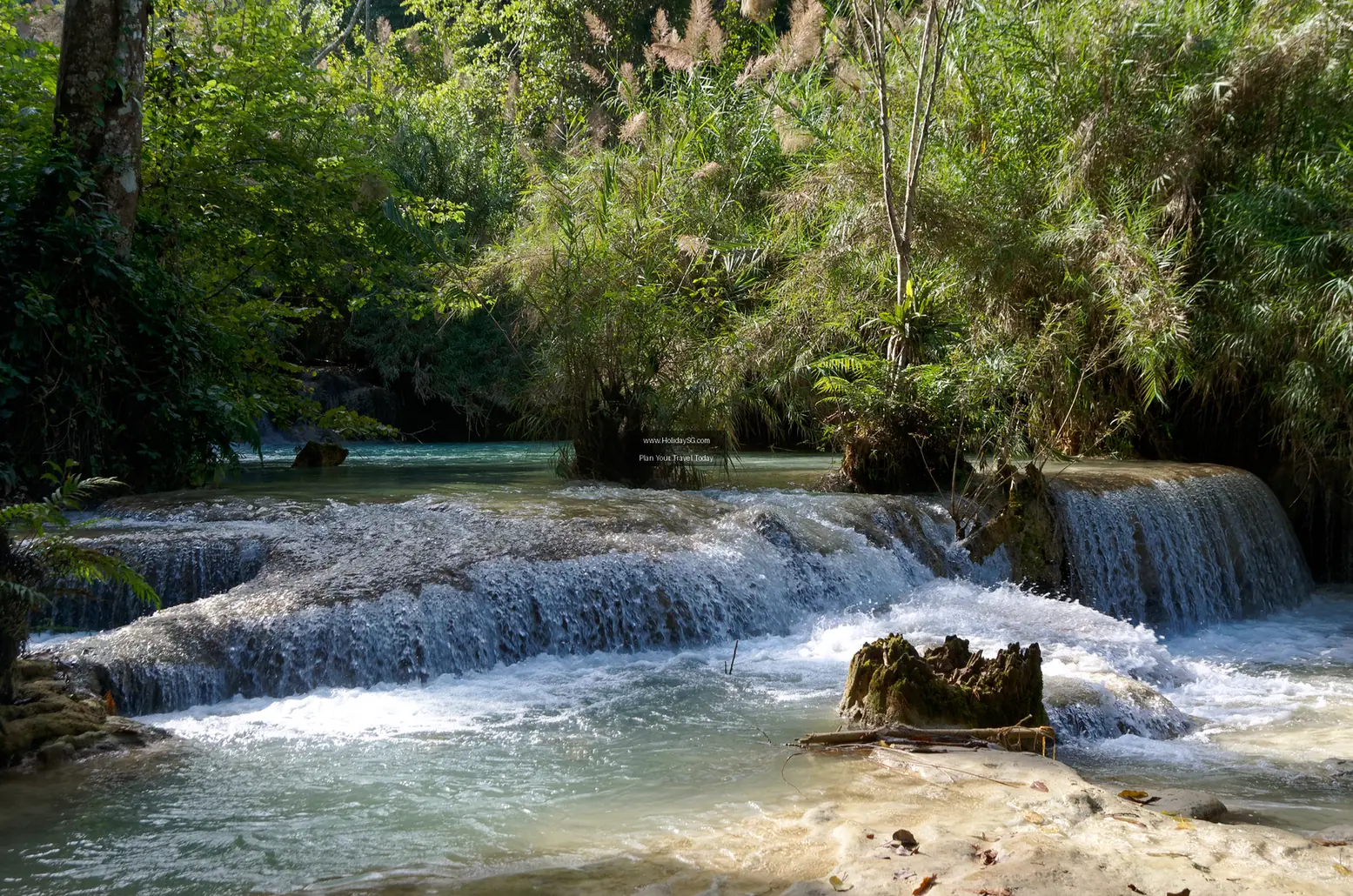
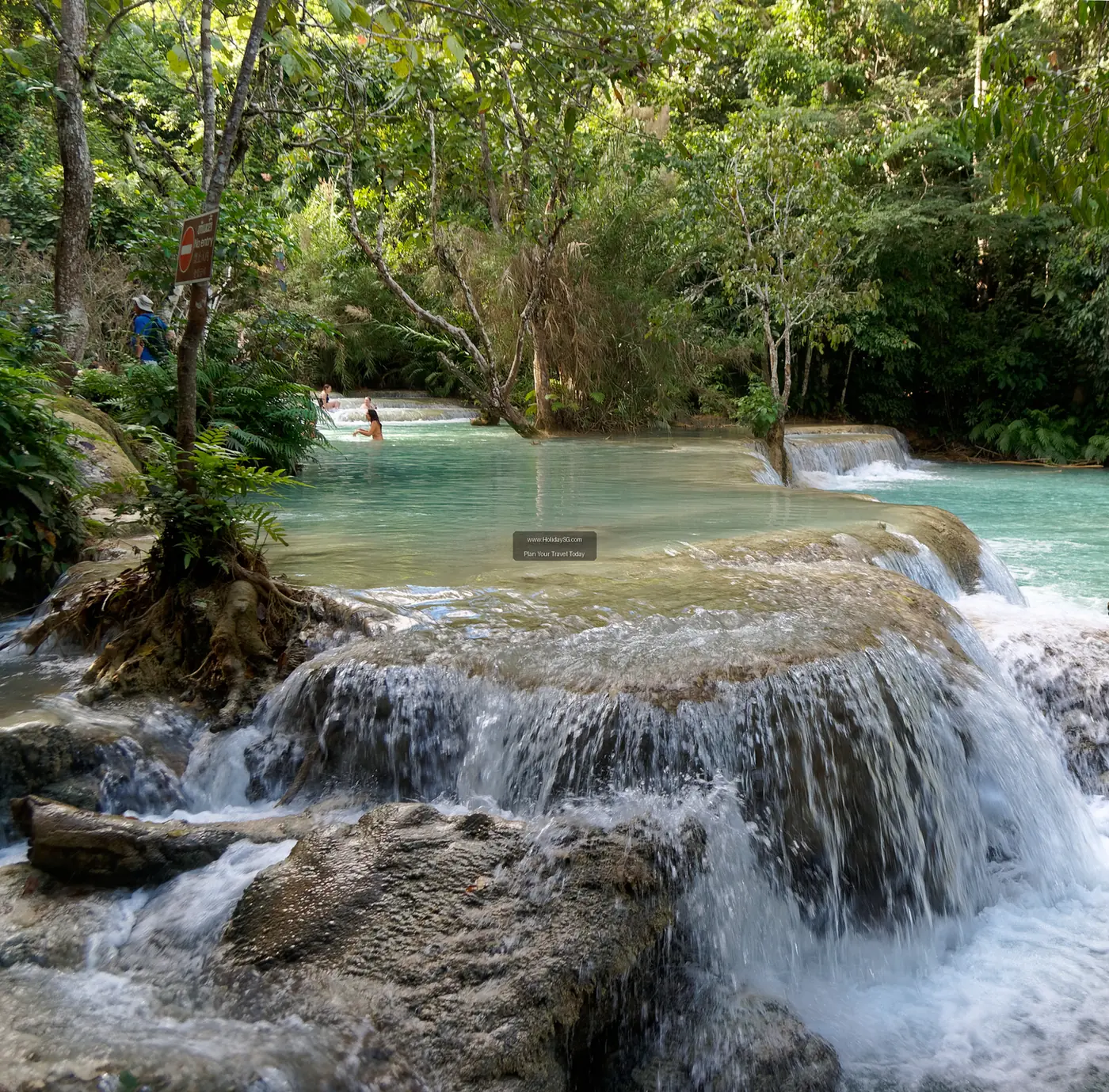
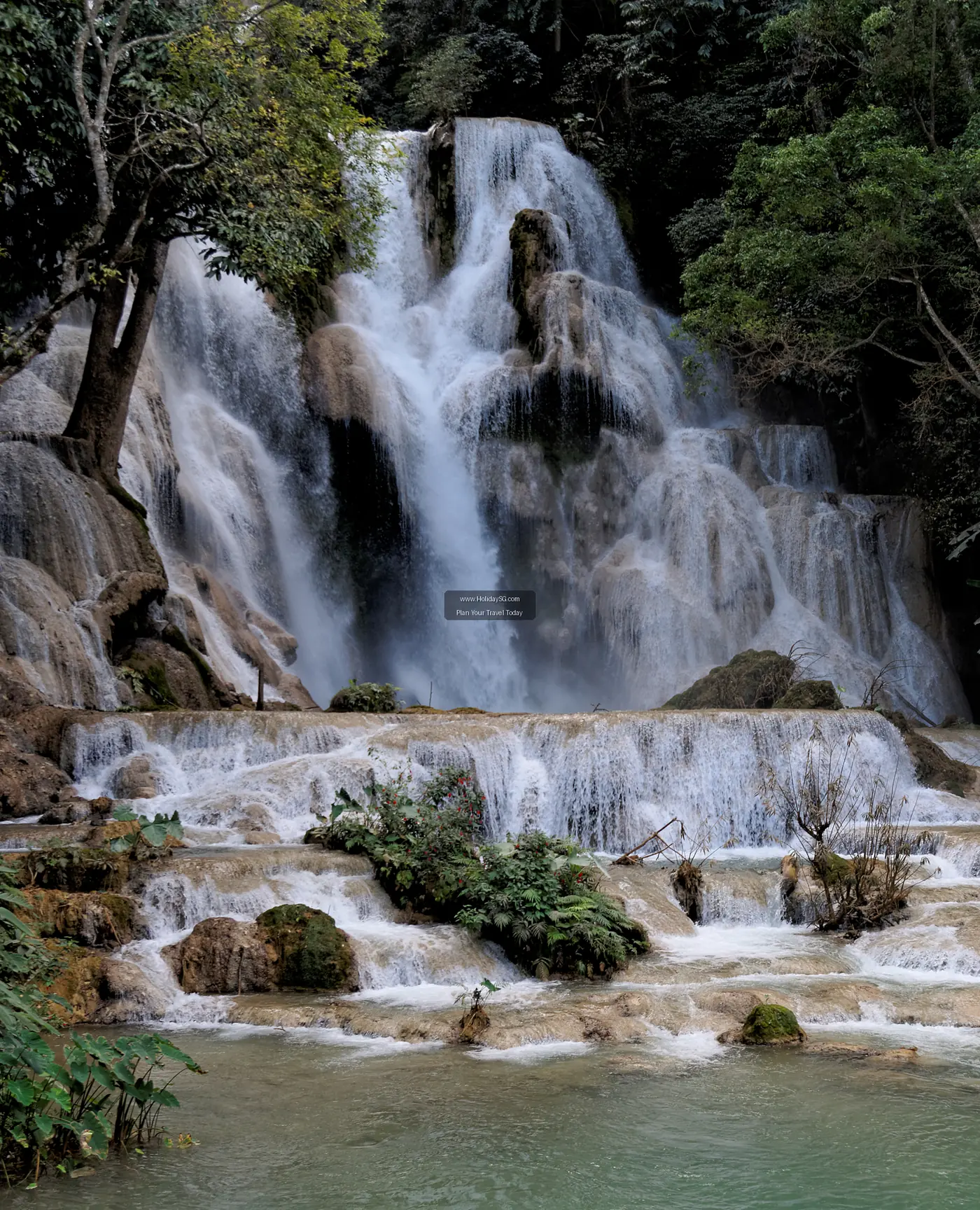
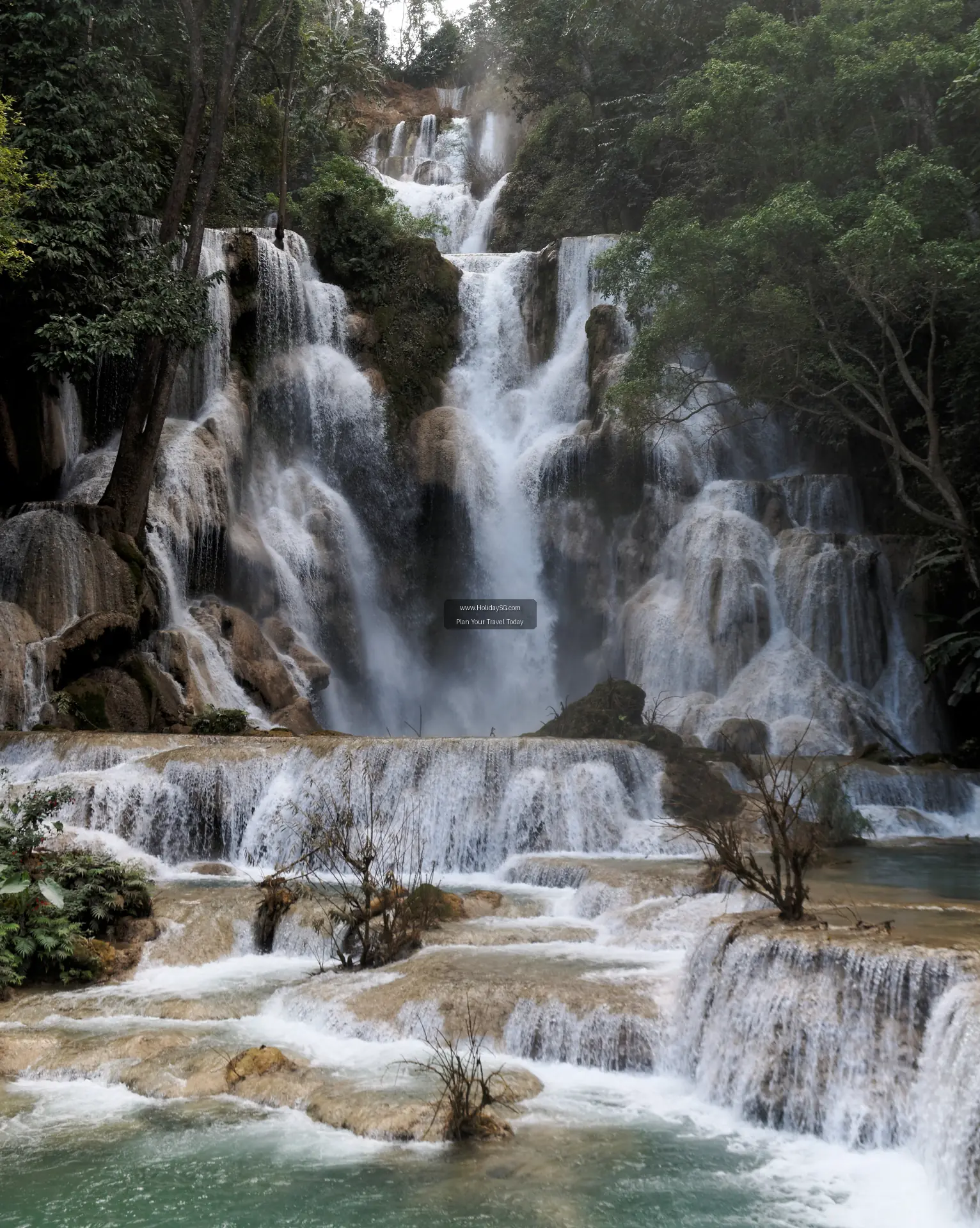
Swim in the Turquoise Pools of Kuang Si Falls
Just 30 minutes from town, Kuang Si Falls cascades into a series of impossibly blue pools, perfect for swimming or lounging under the jungle canopy. The upper tiers offer quieter spots, while the main falls are ideal for a refreshing dip. Don’t miss the Tat Kuang Si Bear Rescue Centre, home to Asiatic black bears saved from the illegal wildlife trade. Pro tip: Visit early to beat the crowds, or stay late for golden-hour magic.
Climb Mount Phousi for Sunset Views
The 328-step ascent to the top of Mount Phousi is a rite of passage for visitors. From the summit, panoramic views of Luang Prabang’s rooftops and the Mekong River unfold in a breathtaking sunset spectacle. Stop by the Wat Chom Si temple at the peak for a moment of reflection—or a quick selfie with the giant golden Buddha.
Shop at the Night Market for Handicrafts & Local Treats
As the sun sets, the Night Market transforms Sisavangvong Road into a riot of color and aroma. Browse handwoven textiles, silver jewelry, and saa paper lanterns, then indulge in street food like sai oua (Lao sausage) or mango sticky rice. For a guided experience, book a private street eats tour to sample the best bites while learning about the town’s history.
2. Adventure in Vang Vieng: Laos’ Outdoor Playground
Ready to go? Book Laos Unlimited Data 4g5g Esim with HolidaySG.
Ready to go? Book Laos Unlimited Data 4g5g Esim with HolidaySG.
Vang Vieng is where adrenaline junkies and nature lovers collide. Once infamous for its party scene, this riverside town has reinvented itself as an adventure hub, with activities set against a backdrop of dramatic limestone karsts.
Go Tubing or Kayaking on the Nam Song River
Tubing down the Nam Song River is a quintessential Vang Vieng experience. Drift past towering cliffs, stop at riverside bars for a cold Beerlao, and soak in the laid-back vibe.
Soar Over Karst Landscapes in a Hot-Air Balloon
For a bird’s-eye view of Vang Vieng’s surreal scenery, book a hot-air balloon ride at sunrise or sunset. As you float above jagged peaks and emerald rice fields, the landscape looks like something out of a fantasy novel. Flights operate year-round, but the dry season (November–February) offers the clearest skies.
Explore Tham Chang Cave & Its Hidden Lagoon
Tham Chang Cave, a short bike ride from town, is one of Laos’ most impressive limestone caves. Inside, a network of lit passageways leads to a hidden lagoon where you can swim in cool, turquoise waters. The cave also holds historical significance—it was used as a hideout during the Indochina War. Bring a headlamp for extra exploration, and don’t forget your swimsuit!
Hike to the Blue Lagoon & Pha Ngern Viewpoint
The Blue Lagoon, a series of crystal-clear pools fed by a waterfall, is a popular spot for swimming and cliff jumping. For the best views, hike up to Pha Ngern Viewpoint, where a steep climb rewards you with a panoramic vista of the surrounding karsts. The trail is challenging but manageable for most fitness levels—just wear sturdy shoes and bring plenty of water.
3. Discover Vientiane: Laos’ Laid-Back Capital
Vientiane may be Laos’ capital, but it moves at a leisurely pace, blending French-colonial charm with Buddhist tranquility. Unlike other Southeast Asian capitals, it’s refreshingly free of chaos, making it the perfect place to unwind and soak in Lao culture.
Marvel at the Golden Stupa of Pha That Luang
Pha That Luang, Laos’ most sacred monument, is a gleaming golden stupa that symbolizes the country’s Buddhist heritage. Built in the 16th century, it’s said to house a relic of the Buddha. Visit at sunrise or sunset, when the stupa glows in the golden light, and explore the surrounding temples and gardens. Dress modestly—cover your shoulders and knees—and remove your shoes before entering.
Visit Patuxai: Laos’ Arc de Triomphe
Patuxai, or the “Victory Gate,” is Vientiane’s answer to Paris’ Arc de Triomphe—with a Lao twist. Built in the 1960s to honor those who fought for independence, it offers a rooftop viewpoint with sweeping city views. Climb the stairs for a small fee, and don’t miss the intricate Lao carvings and mythical creatures adorning the structure.
Wander Through Buddha Park (Xieng Khuan)
Just 25 km from Vientiane, Buddha Park is a surreal collection of over 200 Buddhist and Hindu statues, including a giant reclining Buddha and a 40-meter-tall pumpkin-shaped structure. The park was created in 1958 by a Lao mystic, and its eclectic mix of sculptures makes for fascinating (and slightly eerie) photo ops. Take a tuk-tuk or rent a bike to explore at your own pace.
Sip Coffee at a Mekong Riverside Café
Vientiane’s café scene is a delightful blend of French and Lao influences. Head to a riverside café like Le Banneton or Café Toui for a strong Lao coffee (grown on the Bolaven Plateau) and a flaky croissant. Pair it with a view of the Mekong River, and you’ve got the perfect way to spend a lazy afternoon.
4. Unravel the Mystery of the Plain of Jars (Phonsavan)
Ready to go? Book Laos Unlimited Data 4g5g Esim with HolidaySG.
Ready to go? Book Laos Unlimited Data 4g5g Esim with HolidaySG.
The Plain of Jars is one of Laos’ most enigmatic attractions—a landscape dotted with thousands of ancient stone jars, some weighing several tons. Scattered across the Xieng Khouang Plateau, these jars are believed to date back 2,000 years, but their purpose remains a mystery. Were they used for burial rituals, food storage, or something else entirely? Archaeologists are still piecing together the puzzle.
Explore the Ancient Stone Jars at Site 1, 2 & 3
Three main jar sites are open to the public, each offering a unique glimpse into this archaeological wonder. Site 1 is the most accessible, with over 300 jars spread across a grassy plain. Site 2 and Site 3 are more remote, requiring a short hike through scenic countryside. Hire a local guide to learn about the jars’ history and the impact of the Secret War (1955–1975), which left the area heavily bombed. Note: Stick to marked paths—UXO (unexploded ordnance) remains a risk in some areas.
Learn About the Secret War at MAG’s UXO Museum
The Secret War, a lesser-known chapter of the Vietnam War, devastated Laos. The UXO Museum in Phonsavan sheds light on this dark period, explaining how the country became the most bombed per capita in history. Exhibits include deactivated bombs, personal stories, and information on MAG (Mines Advisory Group), which works to clear unexploded ordnance. It’s a sobering but essential visit for understanding modern Laos.
Visit the Nearby Hmong & Tai Dam Villages
The Plain of Jars isn’t just about ancient history—it’s also home to vibrant ethnic communities. Visit Ban Napia, a Hmong village known for its handmade spoons crafted from melted-down war scrap metal. Nearby, Ban Tajok is a Tai Dam village where you can learn about traditional weaving and sample laap (a minced meat salad) made with local herbs. Support these communities by purchasing handicrafts directly from artisans.
5. Relax on the 4,000 Islands (Si Phan Don)
Where the Mekong River widens into a labyrinth of islands, time slows to a crawl. The 4,000 Islands (Si Phan Don) is a place to disconnect, unwind, and reconnect with nature. With no traffic, no skyscrapers, and barely any Wi-Fi, it’s the ultimate digital detox destination.
Kayak or Bike Around Don Det & Don Khon
Don Det and Don Khon are the most popular islands, connected by a rickety old French bridge. The islands are small enough to explore in a day, but you’ll want to linger longer—especially for sunset views over the river.
Chase Li Phi Falls & the Mighty Mekong’s Cascades
Li Phi Falls, or “Spirit Falls,” is a powerful cascade where the Mekong River crashes over jagged rocks. According to local legend, the falls are home to malevolent spirits that trap the souls of the drowned. While the falls aren’t safe for swimming, the surrounding area is perfect for picnics and photography. For a more immersive experience, take a boat tour to see the falls from below.
Spot Rare Irrawaddy Dolphins at Sunset
The Mekong River is one of the last places on Earth where you can spot the endangered Irrawaddy dolphin. These shy, freshwater dolphins are best seen at sunset, when they surface near Don Khon. Book a boat tour with a local guide—patience is key, but the sight of a dolphin breaking the water’s surface is unforgettable.
6. Trek the Bolaven Plateau: Waterfalls & Coffee Country
Ready to go? Book Laos Unlimited Data 4g5g Esim with HolidaySG.
Ready to go? Book Laos Unlimited Data 4g5g Esim with HolidaySG.
The Bolaven Plateau is Laos’ answer to a tropical paradise, with lush coffee plantations, thundering waterfalls, and ethnic minority villages. Located in southern Laos, it’s a world away from the tourist trail, offering a glimpse into rural Lao life.
Chase Tad Fane & Tad Yuang Twin Waterfalls
Tad Fane is one of Laos’ most spectacular waterfalls—a twin cascade plunging 120 meters into a jungle gorge. The viewpoint at the top offers a breathtaking panorama, while a short hike down leads to a swimming hole at the base. Nearby, Tad Yuang is equally impressive, with a series of cascades perfect for a refreshing dip. Visit during the rainy season (June–October) for the most dramatic water flow.
Tour a Coffee Plantation & Sample Lao Brews
Laos is one of Southeast Asia’s top coffee producers, and the Bolaven Plateau is the heart of its coffee country. Visit a plantation like Jhai Coffee or Tad Fane Coffee to learn about the farming process, from bean to cup. Sample a strong Lao café lao (made with condensed milk) or a smooth Arabica brew, and pick up a bag of beans to take home. Many plantations also offer homestays, where you can experience rural life firsthand.
Visit Ethnic Minority Villages (Katu & Alak People)
The Bolaven Plateau is home to several ethnic minority groups, including the Katu and Alak people. These communities maintain traditional ways of life, from weaving textiles to practicing animist rituals. Visit a village like Ban Katu or Ban Nong Lom to learn about their customs, sample local dishes like ping kai (grilled chicken), and purchase handmade crafts. Always ask permission before taking photos, and support the community by buying directly from artisans.
7. Escape to Nong Khiaw: Riverside Serenity
Nong Khiaw is a sleepy riverside village nestled between towering limestone cliffs, offering a slower pace of life and some of Laos’ most stunning scenery. It’s the perfect base for trekking, boat trips, and soaking in the natural beauty of the Nam Ou River.
Cruise the Nam Ou River to Muang Ngoi Neua
A boat trip along the Nam Ou River is one of Laos’ most scenic journeys. The slow boat from Nong Khiaw to Muang Ngoi Neua takes about 2 hours, winding through karst cliffs and past remote villages. Muang Ngoi Neua is a car-free village where time seems to stand still—rent a bike, hike to nearby caves, or simply relax in a hammock by the river.
Trek to Hidden Ethnic Villages & Viewpoints
Nong Khiaw is surrounded by ethnic Khmu and Hmong villages, accessible via guided treks. The Nong Khiaw Viewpoint hike is a must—climb 470 steps for a panoramic view of the river and surrounding mountains. For a longer adventure, trek to Ban Na or Ban Sop Houn, where you’ll stay overnight in a homestay and learn about traditional Lao farming techniques.
Stay in a Riverside Bungalow with Karst Views
Nong Khiaw’s accommodation options range from budget guesthouses to boutique bungalows with private balconies overlooking the river. Wake up to the sound of the Nam Ou flowing below, enjoy a Lao coffee on your terrace, and watch the sunset paint the karst cliffs in golden hues.
8. Hidden Gems: Off-the-Beaten-Path Laos
Ready to go? Book Laos Unlimited Data 4g5g Esim with HolidaySG.
Ready to go? Book Laos Unlimited Data 4g5g Esim with HolidaySG.
Beyond Laos’ well-trodden tourist trail lie hidden gems waiting to be discovered. These lesser-known destinations offer a deeper connection to the country’s culture, history, and natural beauty.
Soak in the Remote Hot Springs of Muang La
Tucked away in northern Laos, near the Chinese border, Muang La is a hidden oasis of natural hot springs. The Ban Muang La Hot Springs are surrounded by jungle, with pools of varying temperatures perfect for soaking away your travel aches. The area is also a gateway to the Nam Ou River, where you can take a boat trip to remote villages and explore untouched landscapes.
Discover Tad Lo’s Secluded Waterfalls
Tad Lo, a series of waterfalls in Salavan Province, is often overshadowed by Kuang Si Falls—but that’s exactly what makes it special. The falls are less crowded, more accessible for swimming, and surrounded by lush jungle. Stay in a riverside bungalow, rent a motorbike to explore the area, and visit nearby ethnic Alak villages for a glimpse into rural Lao life.
Explore the Secret War Caves of Vieng Xai
Vieng Xai, a small town in northeastern Laos, was once the headquarters of the Pathet Lao communist movement during the Secret War. The Vieng Xai Caves served as a hidden city, complete with hospitals, schools, and government offices. Today, you can take a guided tour of the caves, learning about the war’s impact on Laos and the resilience of its people. The town is also a gateway to the Nam Et-Phou Louey National Protected Area, home to tigers, gibbons, and other wildlife.
9. Practical Travel Tips for Laos (2026)
Visa Requirements & Entry Rules
Most travelers need a visa to enter Laos. The easiest option is an e-visa ($30–$50), processed in 3 days and valid for 30 days. Alternatively, visa-on-arrival is available at major land borders and airports (bring passport photos and USD for the fee). Overstaying your visa can result in fines or deportation, so plan ahead.
Best Ways to Get Around (Buses, Flights, Motorbikes)
Laos’ transport options range from slow boats to domestic flights. Buses and minivans are the cheapest way to travel between cities, but they’re often cramped and slow. For longer distances, consider domestic flights with Lao Airlines or budget carriers. In cities, tuk-tuks and motorbike taxis are convenient for short trips—always agree on a price before hopping in. If you’re comfortable riding, renting a motorbike is a great way to explore rural areas, but be cautious on Laos’ often poorly maintained roads.
For reliable connectivity on the go, consider picking up a Laos unlimited data eSIM or an Airalo eSIM package before your trip. This ensures you stay connected without the hassle of buying a local SIM at the airport.
Budget Breakdown & Cost-Saving Tips
Laos is one of Southeast Asia’s most affordable destinations, but costs can add up if you’re not careful. Here’s a rough breakdown:
- Budget traveler: $25–$40/day (hostels, street food, local transport, free/cheap activities).
- Mid-range traveler: $50–$100/day (private rooms, restaurants, tours, domestic flights).
- Luxury traveler: $150+/day (boutique hotels, fine dining, private guides, premium experiences).
Save money by eating at local markets, using public buses, and bargaining politely for souvenirs. Avoid peak season (November–February) if you’re on a tight budget—prices for flights and accommodation can double.
Cultural Etiquette & Responsible Travel
Laos is a deeply Buddhist country, and respecting local customs is key to a positive experience. Dress modestly at temples (cover shoulders and knees), remove your shoes before entering homes or sacred spaces, and avoid touching people’s heads (considered sacred). When greeting locals, a slight bow with hands pressed together (nop) is polite. Always ask before taking photos of people, especially in ethnic minority villages.
Support responsible tourism by choosing eco-friendly accommodations, avoiding single-use plastics, and purchasing handicrafts directly from artisans. If you’re trekking, hire a local guide to ensure your money benefits the community.
Health & Safety Advice
Laos is generally safe for travelers, but petty theft can occur in tourist areas—keep valuables secure and avoid walking alone at night in remote areas. Health-wise, drink bottled water, use mosquito repellent (dengue fever is a risk), and consider vaccinations for hepatitis A/B, typhoid, and Japanese encephalitis if you’re visiting rural areas. Pharmacies are widely available in cities, but bring a basic medical kit for remote destinations.
10. FAQs: Your Laos Travel Questions Answered
Ready to go? Book Laos Unlimited Data 4g5g Esim with HolidaySG.
Ready to go? Book Laos Unlimited Data 4g5g Esim with HolidaySG.
Is Laos safe for solo female travelers?
Yes, Laos is generally safe for solo female travelers, but it’s important to take precautions. Dress conservatively, avoid walking alone at night in remote areas, and trust your instincts. Petty theft is rare, but keep an eye on your belongings in crowded places. Joining group tours or staying in social hostels can be a great way to meet other travelers.
How many days do I need to explore Laos?
For a highlights trip, plan 7–10 days to cover Luang Prabang, Vang Vieng, Vientiane, and the Plain of Jars. If you want to dive deeper into Laos’ culture and nature, extend your trip to 2–3 weeks to include the Bolaven Plateau, 4,000 Islands, and hidden gems like Nong Khiaw or Vieng Xai.
Is Laos expensive compared to Thailand or Vietnam?
No—Laos is significantly cheaper than Thailand or Vietnam, especially for accommodation, food, and transport. However, costs can rise in peak season (November–February), and some activities (like hot-air balloon rides or private tours) can be pricey. Budget travelers can easily get by on $30–$40/day, while mid-range travelers will find plenty of comfort for $50–$100/day.
Can I cross into neighboring countries from Laos?
Yes! Laos shares borders with Thailand, Vietnam, China, Myanmar, and Cambodia, with multiple crossing points. Popular routes include:
- Thailand: Chiang Khong–Huay Xai (Mekong River crossing), Nong Khai–Vientiane (First Thai–Lao Friendship Bridge).
- Vietnam: Dien Bien Phu–Muang Khua (scenic but remote), Lao Bao–Dansavan (busy crossing near Savannakhet).
- China: Boten–Mohan (easy e-visa crossing).
- Cambodia: Veun Kham–Dong Kralor (less common but doable).
Check visa requirements for your destination, and be prepared for long bus rides—Laos’ infrastructure is improving, but overland travel can still be slow.
What’s the food like in Laos? Must-try dishes?
Lao cuisine is bold, herbal, and packed with flavor. Sticky rice (khao niao) is the staple, often served with dishes like:
- Larb: A minced meat salad with herbs, lime, and chili—Laos’ national dish.
- Tam mak hoong: Spicy green papaya salad, a refreshing mix of shredded papaya, tomatoes, and chili.
- Khao soi: A coconut curry noodle soup with crispy noodles on top (similar to northern Thailand’s version).
- Sai oua: Lao sausage packed with lemongrass, galangal, and kaffir lime leaves.
- Or lam: A hearty stew made with eggplant, yard-long beans, and wild herbs.
Vegetarians will find plenty of options, especially in Luang Prabang, where Buddhist influence is strong. Don’t miss the French-influenced baguettes and pastries, a legacy of Laos’ colonial past.
Do I need vaccinations before visiting Laos?
While no vaccinations are mandatory for Laos, the following are recommended:
- Hepatitis A and B
- Typhoid
- Japanese encephalitis (for rural areas or long stays)
- Rabies (if you plan to trek or interact with animals)
- Tetanus-diphtheria
Consult a travel clinic 4–6 weeks before your trip to discuss your itinerary and health needs. Malaria prophylaxis may be recommended for remote areas like the Bolaven Plateau or Nam Et-Phou Louey National Park.
How reliable is Wi-Fi in Laos?
Wi-Fi is decent in cities and tourist hubs like Luang Prabang, Vientiane, and Vang Vieng, but speeds can be slow compared to Western standards. In remote areas (e.g., 4,000 Islands, Nong Khiaw, or the Bolaven Plateau), Wi-Fi may be unreliable or unavailable. For seamless connectivity, buy a local SIM card (Unitel or Lao Telecom) at the airport or a convenience store. A 1GB data package costs around $5–$10 and lasts for a week. For hassle-free access, consider an unlimited data eSIM before you arrive.
Recommended HolidaySG Tours
Ready to experience Laos’ magic firsthand? Here are some top-rated tours to help you make the most of your trip:
- Luang Prabang Evening Street Eats and Night Market Private Tour
- Luang Prabang Morning Foodie Walking Monk Blessing
- Luang Prabang Local Villages Full Day Private Tour
Conclusion
Ready to go? Book Laos Unlimited Data 4g5g Esim with HolidaySG.
Ready to go? Book Laos Unlimited Data 4g5g Esim with HolidaySG.
Laos is a destination that lingers in your memory long after you’ve left. It’s a place where adventure and tranquility coexist, where ancient traditions thrive alongside modern exploration, and where every turn reveals a new hidden gem. Whether you’re swimming in Kuang Si’s turquoise pools, trekking through the Bolaven Plateau’s coffee country, or uncovering the mysteries of the Plain of Jars, Laos offers a travel experience unlike any other.
As you plan your 2026 trip, remember that Laos rewards those who take the road less traveled. Venture beyond the guidebooks, engage with local communities, and embrace the country’s slow pace. And if you’re looking for inspiration on where to go next, consider exploring similar destinations in our guide to off-the-beaten-path Southeast Asia, where you’ll find more hidden treasures waiting to be discovered.
Ready to stay connected on your adventure? Check out our Laos Unlimited Data 4G/5G eSIM for seamless connectivity across the country!
Book with HolidaySG online for Laos Unlimited Data 4g5g Esim, Airalo Laos E Sim Package, Luang Prabang Evening Street Eats And Night Market Private Tour.
Book with HolidaySG online for Laos Unlimited Data 4g5g Esim, Airalo Laos E Sim Package, Trekking Longlao To Kuang Si Falls Full Day Private Tour.
Book these with HolidaySG:
Frequently Asked Questions
Where can I book this / what’s the link?
- Laos Unlimited Data 4G/5G eSIM
- Trekking Longlao to Kuang Si Falls Full Day Private Tour
- Mekong Fishing Experience Kuang Si Falls
- Luang Prabang Private Cultural Discovery Tour
- Luang Prabang Evening Street Eats and Night Market Tour
- Luang Prabang Morning Foodie & Monk Blessing Walking Tour
- Luang Prabang Local Villages Full Day Tour