

21 best things to do in myanmar: the ultimate 2026 travel guide is exactly what this guide covers.
Myanmar in 2026 is a land of golden spires, misty lakes, and temple-dotted plains that feel untouched by time. From the sacred Shwedagon Pagoda to the serene waters of Inle Lake and the ancient ruins of Bagan, this Southeast Asian gem offers a travel experience unlike anywhere else. Whether you’re a culture seeker, adventure lover, or beach bum, Myanmar’s diverse landscapes and warm hospitality promise an unforgettable journey. This ultimate 2026 travel guide covers the 21 best things to do in Myanmar, along with practical tips on when to visit, costs, visas, and cultural etiquette to help you plan your perfect trip.
Myanmar is a must-visit for its breathtaking temples, floating villages, and pristine beaches. The best time to go is November to February, with costs ranging from $30/day for budget travelers to $200+/day for luxury experiences. Don’t miss Bagan’s sunrise hot-air balloon rides, Inle Lake’s leg-rowing fishermen, and the sacred Golden Rock.
Why Myanmar? A Land of Timeless Wonders
Myanmar, formerly known as Burma, is a country where tradition and modernity coexist in harmony. It’s a place where you can witness monks collecting alms at dawn, explore thousand-year-old temples, and relax on untouched beaches—all in one trip. Unlike its more touristy neighbors, Myanmar retains an authentic charm, with fewer crowds and a slower pace of life. Whether you’re marveling at the golden stupas of Yangon, cruising through the floating gardens of Inle Lake, or trekking through the karst landscapes of Hpa-An, Myanmar offers a sense of discovery that’s hard to find elsewhere.
21 Unmissable Things to Do in Myanmar
1. Stand in Awe at Shwedagon Pagoda (Yangon)
No visit to Myanmar is complete without experiencing the Shwedagon Pagoda, the country’s most sacred Buddhist site. This 2,500-year-old golden stupa is adorned with thousands of diamonds and rubies, shimmering under the Yangon sky. The pagoda is especially magical at sunset, when the golden spire glows against the twilight. Dress modestly (cover shoulders and knees) and remove your shoes before entering. Pro tip: Hire a guide to uncover the pagoda’s rich history and legends.
2. Temple-Hop in Bagan’s Archaeological Zone
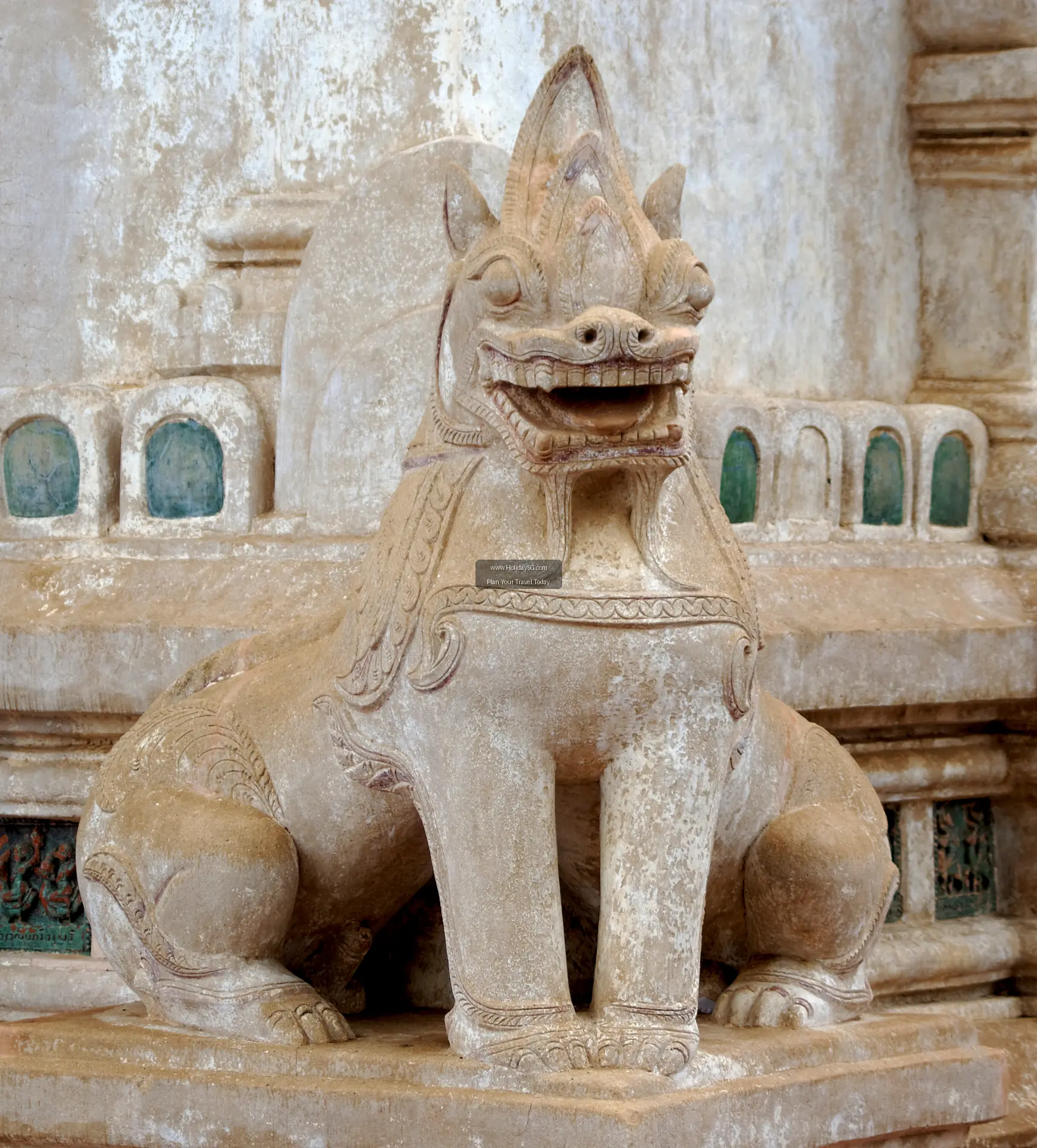
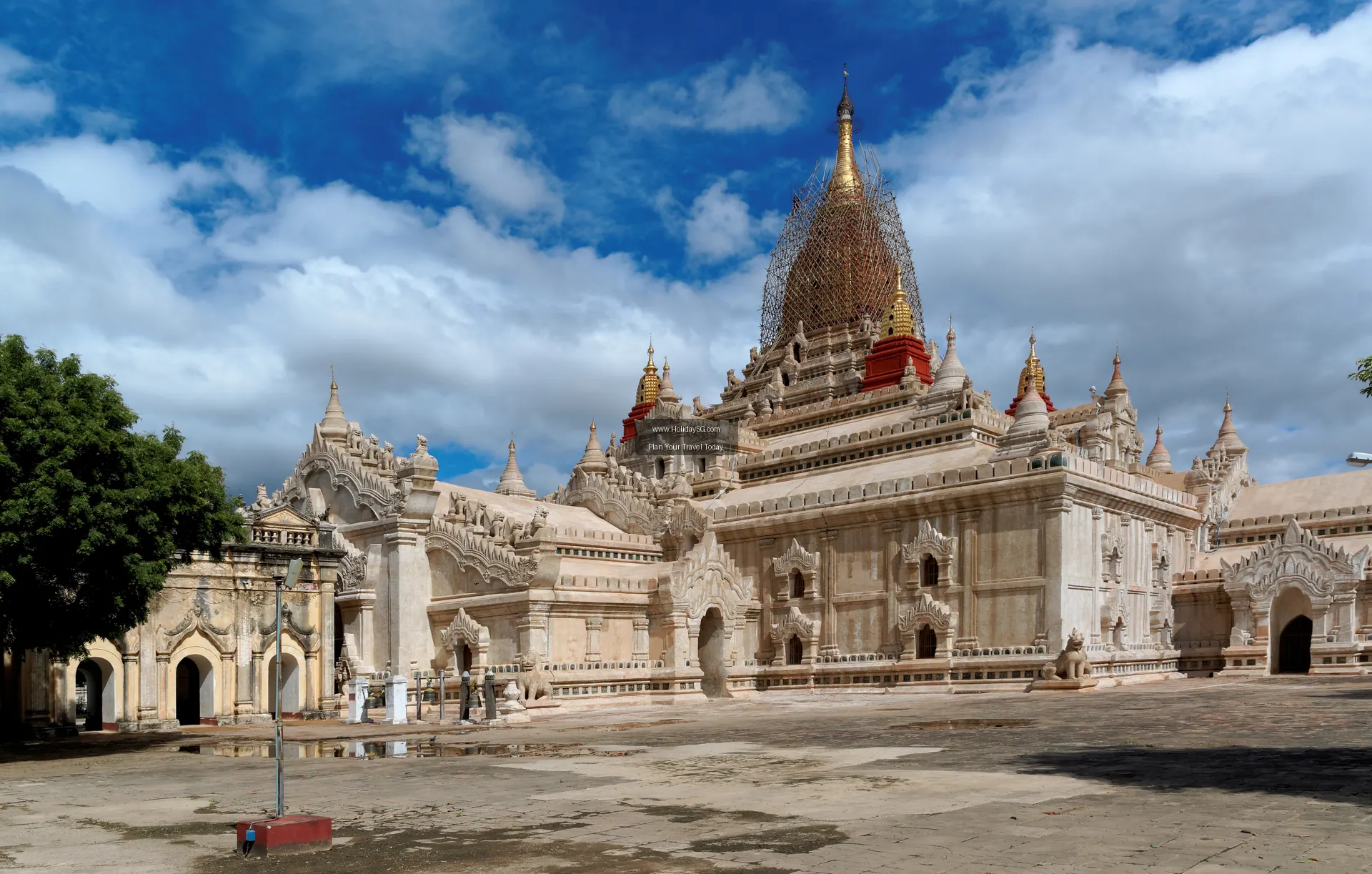
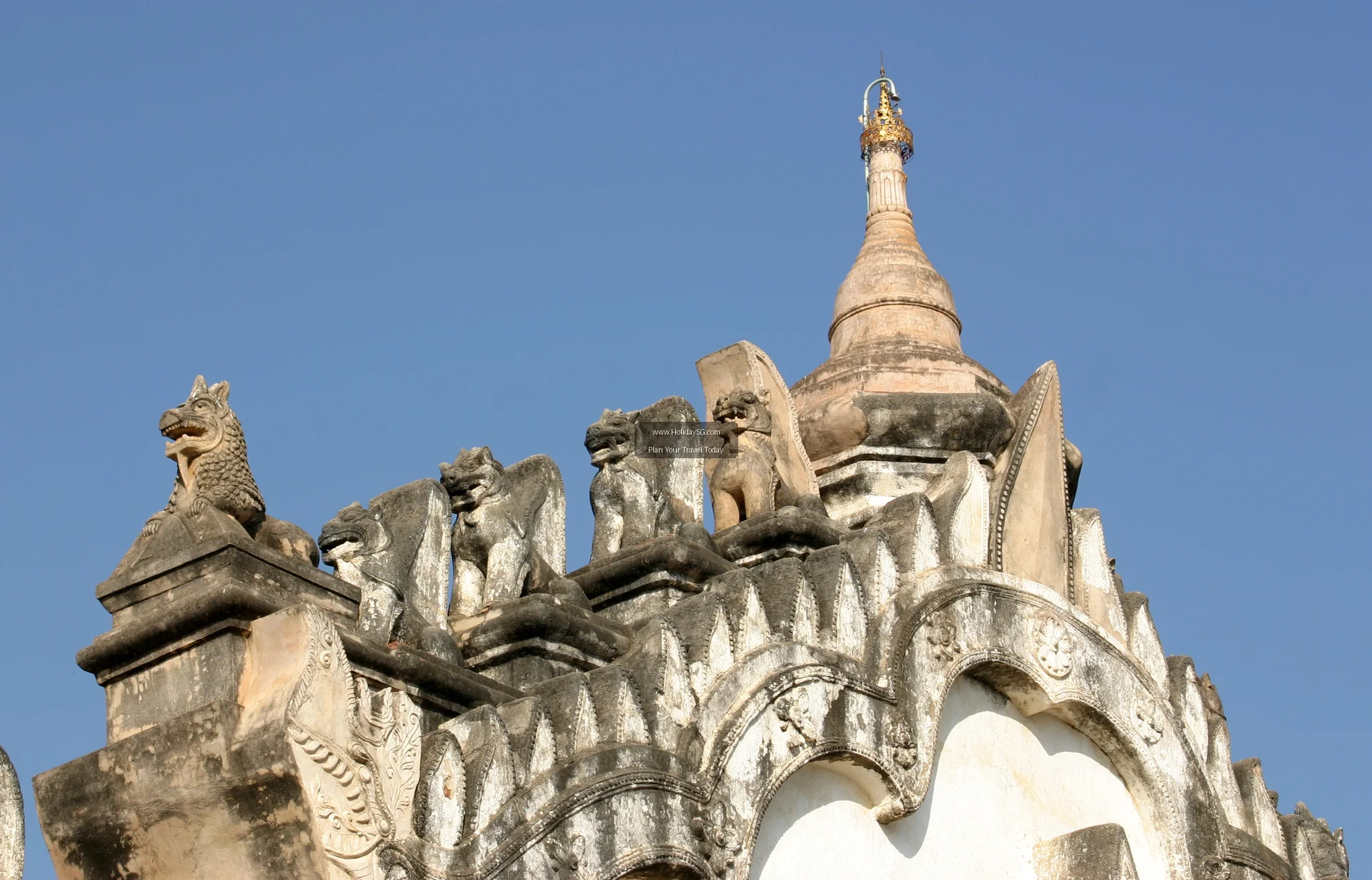
Bagan is Myanmar’s crown jewel—a vast plain dotted with over 2,000 ancient temples and pagodas, dating back to the 9th century. The best way to explore? Rent an e-bike ($5–$10/day) and weave through the dusty paths, stopping at hidden gems like the Ananda Temple (a masterpiece of Mon architecture) and Dhammayangyi Temple (known for its eerie, unfinished corridors). For a truly unforgettable experience, book a hot-air balloon ride at sunrise, where you’ll float over the temples as the first light bathes the landscape in gold.
3. Cruise Through Inle Lake’s Floating World
Inle Lake is a surreal landscape of stilt-house villages, floating gardens, and leg-rowing fishermen. A boat tour here is a must—glide past markets where vendors sell fresh produce from their boats, visit Phaung Daw Oo Pagoda (home to five ancient Buddha images), and watch local artisans craft silverware and textiles. For a deeper connection with the region, consider a full-day trekking tour through the surrounding hills and villages, where you’ll meet the friendly Intha people and learn about their unique way of life. This guided trek is a fantastic way to explore the area’s culture and landscapes.
4. Step Back in Time in Mandalay
Mandalay is Myanmar’s cultural heart, where tradition thrives amidst bustling streets. Don’t miss:
- Mandalay Palace: A sprawling fortress complex with intricate woodwork and royal history.
- Kuthodaw Pagoda: Home to the world’s largest book—729 marble slabs inscribed with Buddhist scriptures.
- U Bein Bridge: The world’s longest teak bridge, stretching 1.2 km across Taungthaman Lake. Visit at sunset for the most picturesque views.
For a taste of local life, head to Mingun (a short boat ride away) to see the massive, unfinished Mingun Pagoda and the world’s largest ringing bell.
5. Marvel at the Golden Rock (Kyaiktiyo Pagoda)
Perched precariously on the edge of a cliff, the Golden Rock is one of Myanmar’s most sacred sites. According to legend, the boulder is held in place by a single strand of Buddha’s hair. To reach it, take a truck ride from Kinpun Base Camp (a bumpy but fun journey) and hike the final stretch. The best time to visit is at sunrise or sunset, when the golden boulder glows against the misty mountains. Note: Women are not allowed to touch the rock, as it’s considered a sacred site for male pilgrims.
6. Unwind on Ngapali Beach
If you need a break from temples and history, Ngapali Beach is Myanmar’s premier beach destination. With its powdery white sand, turquoise waters, and swaying palm trees, it’s the perfect place to relax. Activities here include snorkeling, kayaking, and feasting on fresh seafood at beachfront restaurants. The best time to visit is between November and April, when the weather is dry and sunny.
7. Explore the Karst Landscapes of Hpa-An
Hpa-An, the capital of Kayin State, is a hidden gem known for its dramatic karst mountains, caves, and rural charm. Must-visit spots include:
- Mount Zwegabin: A challenging but rewarding hike with panoramic views of the countryside.
- Saddan Cave: A vast limestone cave filled with Buddha statues and bats (bring a flashlight!).
- Lumbini Garden: A peaceful park with a giant reclining Buddha and scenic viewpoints.
Hpa-An is also a great base for exploring local villages and sampling Kayin cuisine, like spicy curries and fermented tea leaf salad.
8. Discover the Remote Ruins of Mrauk U
Often called the “second Bagan,” Mrauk U is a lesser-known archaeological site in Rakhine State, with over 700 ancient temples spread across rolling hills. Unlike Bagan, Mrauk U sees far fewer tourists, offering a more authentic experience. Highlights include:
- Shittaung Pagoda: A labyrinth of stone corridors and Buddha images.
- Htukkanthein Temple: A fortress-like temple with intricate carvings.
- Koe Thaung Temple: The largest temple in Mrauk U, with 90,000 Buddha images.
To get here, fly to Sittwe and take a boat or drive to Mrauk U. It’s a journey worth making for history buffs and off-the-beaten-path explorers.
9. Trek Through Hsipaw’s Scenic Hills
For adventure seekers, Hsipaw in Shan State is a paradise for trekking. The area is home to hill tribes, tea plantations, and stunning viewpoints, like the Five Buddha Hill. Treks range from easy day hikes to multi-day expeditions, where you’ll stay in local villages and learn about the traditions of the Shan, Palaung, and Lisu people. The best time to trek is between September and February, when the weather is cool and dry.
10. Visit the Reclining Buddha at Win Sein Taw Ya
Located near Mawlamyine, Win Sein Taw Ya is home to the world’s largest reclining Buddha statue, stretching 180 meters (590 feet) long. The statue is hollow, allowing visitors to walk inside and admire the intricate murals depicting Buddha’s life. The site also includes a monastery and meditation center, making it a peaceful stop for reflection.
11. Wander Through Yangon’s Colonial Streets
Yangon, Myanmar’s largest city, is a fascinating mix of colonial architecture, bustling markets, and modern cafes. Don’t miss:
- Sule Pagoda: A golden stupa in the heart of downtown Yangon.
- Bogyoke Aung San Market: A great place to shop for souvenirs, from lacquerware to gemstones.
- Scott Market: A historic market with local snacks and handicrafts.
For a taste of Yangon’s vibrant food scene, try Mohinga (Myanmar’s national dish—a fish noodle soup) at a street stall or dine at Rangoon Tea House for modern Burmese cuisine.
12. Take a Boat Trip to Mingun
Just a short boat ride from Mandalay, Mingun is home to some of Myanmar’s most impressive sights:
- Mingun Pahtodawgyi: An unfinished stupa that would have been the world’s largest if completed.
- Mingun Bell: The world’s second-largest ringing bell, weighing 90 tons.
- Hsinbyume Pagoda: A striking white pagoda designed to resemble Mount Meru, the mythical center of the universe.
The boat ride itself is a highlight, offering scenic views of the Irrawaddy River.
13. Experience the Magic of Bagan at Sunrise
Watching the sunrise over Bagan’s temples is a bucket-list experience. As the sky turns pink and orange, hundreds of ancient stupas emerge from the mist, creating a surreal, almost otherworldly scene. The best spots for sunrise views include Shwesandaw Pagoda and Pyathadar Temple. For a unique perspective, book a hot-air balloon ride and float above the temples as the sun rises.
14. Shop for Handicrafts at Bogyoke Aung San Market
Yangon’s Bogyoke Aung San Market is a treasure trove of lacquerware, gemstones, textiles, and souvenirs. Haggling is expected, so don’t be afraid to negotiate (politely!). The market is also a great place to try local snacks, like samosas, coconut cakes, and Burmese tea. Pro tip: Visit early in the morning to avoid the crowds.
15. Visit the World’s Largest Book at Kuthodaw Pagoda
Located in Mandalay, Kuthodaw Pagoda is home to the world’s largest book—729 marble slabs inscribed with the entire Tripitaka (the Buddhist scriptures). Each slab is housed in its own white stupa, creating a mesmerizing sight. The pagoda is also a peaceful place to learn about Buddhism and Myanmar’s literary history.
16. Explore the Caves of Pindaya
The Pindaya Caves, located in Shan State, are a network of limestone caves filled with thousands of Buddha statues, some dating back to the 18th century. The caves are a sacred pilgrimage site and offer a cool respite from the heat. After exploring the caves, visit the nearby Pindaya Lake and Shan Paper Workshop, where you can see traditional paper-making techniques.
17. Relax in the Tea Houses of Nyaungshwe
Nyaungshwe is the gateway to Inle Lake and a charming town in its own right. Spend an afternoon sipping Burmese tea at one of the local tea houses, like Lin Htet Tea House, and people-watching as monks, farmers, and tourists pass by. The town is also a great place to rent a bicycle and explore the surrounding countryside.
18. Discover the Ancient City of Pyay
Pyay, located on the banks of the Irrawaddy River, is home to the ancient Pyu city of Sri Ksetra, a UNESCO World Heritage Site. The ruins include stupas, temples, and city walls dating back to the 5th century. Pyay is also a great base for exploring the Shwesandaw Pagoda, a stunning golden stupa with panoramic views of the countryside.
19. Take a Cooking Class in Yangon or Bagan
Myanmar’s cuisine is a delicious blend of Chinese, Indian, and Thai influences, with unique dishes like tea leaf salad, Shan noodles, and coconut chicken curry. Taking a cooking class is a great way to learn about local ingredients and techniques. In Yangon, Cooking with the locals offers hands-on classes, while in Bagan, Bagan Thande Hotel hosts cooking demonstrations.
20. Visit the Remote Chin Villages
The Chin people, known for their tattooed faces, live in the remote mountains of western Myanmar. Visiting their villages is a rare opportunity to learn about their traditional way of life and see the intricate tattoos that were once a symbol of beauty and protection. The best way to visit is on a guided tour, as the region is difficult to access independently.
21. Attend a Traditional Puppet Show in Mandalay
Myanmar’s traditional puppet theater is a dying art, but you can still catch a show in Mandalay. The puppets, made of wood and intricately carved, depict scenes from Buddhist mythology and folklore. The Mandalay Marionettes Theater offers nightly performances, complete with live music and storytelling.
When to Visit Myanmar: The Best Time for Your Trip
Myanmar’s climate is divided into three seasons, each offering a different experience:
November to February: The Ideal Travel Window
- Weather: Cool and dry (20–30°C / 68–86°F), perfect for exploring temples and trekking.
- Pros: Peak tourist season, with clear skies and comfortable temperatures.
- Cons: Crowds at major attractions (e.g., Bagan, Shwedagon Pagoda); book accommodations and tours in advance.
March to May: The Hot Season
- Weather: Scorching temperatures (up to 40°C / 104°F), especially in central Myanmar.
- Pros: Fewer tourists, lower prices, and great beach weather (e.g., Ngapali).
- Cons: Uncomfortable for temple-hopping or trekking; stay hydrated and seek shade.
June to October: Monsoon Season
- Weather: Heavy rains, especially in coastal and delta regions (e.g., Yangon, Ngapali).
- Pros: Lush green landscapes, fewer tourists, and lower prices.
- Cons: Some areas may be inaccessible due to flooding; boat tours and treks may be canceled.
Best for: Budget travelers and those who don’t mind rain. If you’re visiting during monsoon season, stick to drier regions like Bagan and Mandalay.
Myanmar Travel Costs: Budgeting for Your Trip (2026 Estimates)
Myanmar is an affordable destination, but costs vary depending on your travel style. Here’s a breakdown of what to expect:
Budget Traveler ($30–$50/day)
- Accommodation: Hostels and guesthouses ($10–$20/night).
- Food: Street food and local eateries ($3–$7/meal).
- Transport: Buses and shared taxis ($5–$15 for long-distance trips).
- Activities: Free or low-cost temple visits, hiking, and beach relaxation.
Mid-Range Traveler ($70–$150/day)
- Accommodation: 3-star hotels and boutique stays ($40–$80/night).
- Food: Mid-range restaurants and guided food tours ($10–$20/meal).
- Transport: Domestic flights ($80–$150 one-way) and private taxis ($20–$50/day).
- Activities: Guided tours, hot-air balloon rides ($300–$400), and boat trips ($15–$30).
Luxury Traveler ($200+/day)
- Accommodation: 5-star hotels and luxury resorts ($150–$300/night).
- Food: Fine dining and private cooking classes ($30–$50/meal).
- Transport: Private drivers and premium tours ($100–$200/day).
- Activities: Private guides, VIP experiences (e.g., sunset cruises), and spa treatments.
Additional Costs to Consider
- Entrance Fees: $5–$25 per major site (e.g., Bagan Archaeological Zone: $25, Shwedagon Pagoda: $10).
- E-Bike Rental: $5–$10/day (Bagan).
- Boat Tours: $15–$30 for half-day tours (Inle Lake).
- Domestic Flights: $80–$150 one-way (e.g., Yangon to Bagan).
Money-Saving Tips:
- Eat at local teahouses and street stalls.
- Bargain politely in markets (aim for ~50% of the initial price).
Visa Requirements for Myanmar in 2026
Most travelers will need a visa to enter Myanmar. Here’s what you need to know:
E-Visa: The Easiest Option
- Validity: 28 days, single entry.
- Processing Time: 3 business days.
- Eligibility: Available for citizens of US, UK, EU, Australia, Canada, and more.
- How to Apply: Fill out the online form on the official e-visa website.
Passport Requirements
- Your passport must be valid for at least 6 months beyond your arrival date.
- You may be asked to show proof of onward travel (e.g., a return ticket or flight to another country).
Visa on Arrival: No Longer Available for Most Travelers
- Visa on arrival is not available for most nationalities. Check the latest updates before traveling.
Pro Tip: Apply for your e-visa at least 2 weeks before your trip to avoid last-minute delays.
Getting Around Myanmar: Transportation Guide
Myanmar’s transportation network is improving, but it’s still a mix of modern and old-school options. Here’s how to navigate the country:
Domestic Flights: Fast but Pricey
- Airlines: Air KBZ, Myanmar National Airlines, Mann Yadanarpon Airlines.
- Popular Routes: Yangon to Bagan (~1.5 hours, $80–$120), Mandalay to Inle Lake (~1 hour, $70–$100).
- Pros: Saves time, especially for long distances.
- Cons: Flights can be delayed or canceled; book in advance for better prices.
Buses: Affordable but Slow
- Types: Standard, VIP, and sleeper buses (for overnight trips).
- Popular Routes: Yangon to Bagan (~10 hours, $15–$25), Mandalay to Inle Lake (~8 hours, $10–$20).
- Pros: Cheap, comfortable (VIP buses have reclining seats), and scenic.
- Cons: Long travel times, occasional delays.
Trains: Scenic but Unpredictable
- Popular Routes: Yangon to Mandalay (~15 hours, $10–$20), Mandalay to Hsipaw (~6 hours, $5–$10).
- Pros: Offers a glimpse into local life, with stunning countryside views.
- Cons: Slow, uncomfortable (hard seats), and often delayed.
Taxis and Ride-Hailing Apps
- Grab: Available in Yangon and Mandalay (similar to Uber).
- Private Taxis: Negotiate fares in advance (e.g., Yangon airport to downtown: ~$10–$15).
- Pros: Convenient for short distances.
- Cons: Taxis can be expensive; traffic in Yangon is chaotic.
Motorbike Rentals: For the Adventurous (But Not Recommended)
- Pros: Freedom to explore at your own pace.
- Cons: Chaotic traffic, poor road conditions, and risk of accidents. Not recommended for inexperienced riders.
Pro Tip: For temple-hopping in Bagan, e-bikes are the best way to get around. They’re cheap, easy to ride, and perfect for navigating the dusty paths.
Cultural Etiquette: Dos and Don’ts in Myanmar
Myanmar is a deeply Buddhist country, and respecting local customs will enhance your experience. Here’s what you need to know:
Dress Modestly
- Temples: Cover your shoulders and knees (e.g., Bagan, Shwedagon Pagoda). Remove your shoes before entering.
- General: Avoid tight or revealing clothing, especially in rural areas.
Respect Buddha Images
- Never touch or pose disrespectfully with Buddha statues (e.g., no selfies with your back to a Buddha).
- Avoid pointing your feet at Buddha images or people (feet are considered the lowest and dirtiest part of the body).
Greetings and Public Behavior
- Greetings: Use “mingalaba” (hello) and press your hands together in a prayer-like gesture (called “namaste” in India).
- Public Displays of Affection: Avoid hugging, kissing, or holding hands in public—Myanmar is a conservative country.
- Head Taboo: Don’t touch people’s heads (even children), as the head is considered sacred.
Monks and Nuns
- Women: Avoid physical contact with monks (e.g., don’t hand them something directly).
- Alms Giving: If you participate in alms giving (e.g., offering food to monks), do so respectfully and follow local customs.
Photography
- Always ask permission before taking photos of people, especially in rural areas.
- Some temples prohibit photography—look for signs or ask a guide.
Pro Tip: Carry a scarf or sarong to cover your shoulders when visiting temples.
Staying Safe and Healthy in Myanmar
Myanmar is generally safe for travelers, but it’s important to take precautions:
General Safety
- Petty Theft: Keep an eye on your belongings in crowded areas (e.g., Yangon’s markets, bus stations).
- Scams: Be wary of overly friendly strangers offering “free” tours or gemstone deals.
- Political Situation: Avoid protests or political gatherings. Check your government’s travel advisories before visiting.
Health Precautions
- Vaccinations: Recommended vaccines include Hepatitis A/B, Typhoid, Tetanus, and Japanese Encephalitis (for rural areas). Consult a travel clinic before your trip.
- Malaria: Risk in rural areas (e.g., Shan State, Kayin State). Use mosquito repellent and consider antimalarial medication.
- Food and Water:
- Drink bottled or filtered water (avoid ice in drinks).
- Eat at busy restaurants or street stalls with high turnover.
- Avoid raw vegetables and unpeeled fruits.
- Medical Facilities: Limited outside major cities. Travel insurance with medical evacuation is highly recommended.
Emergency Numbers
- Police: 199
- Fire: 191
- Ambulance: 192
Pro Tip: Pack a basic first-aid kit with bandages, antiseptic, and any prescription medications.
Internet and Connectivity in Myanmar
Staying connected in Myanmar is easier than ever, but speeds can be slow:
Buying a Local SIM Card
- Providers: MPT, Telenor, Ooredoo (best coverage).
- Where to Buy: Airports, official stores, or authorized resellers.
- Registration: You’ll need your passport to purchase a SIM.
Wi-Fi
- Available in hotels, guesthouses, and cafes, but speeds vary.
- Best for: Checking emails and social media. For video calls or streaming, use mobile data.
VPNs
- Some websites (e.g., Facebook, WhatsApp, news outlets) may be restricted. A VPN can help you access them.
Pro Tip: Download offline maps (e.g., Google Maps) before exploring remote areas.
Money Matters: Currency and Payments
Currency
- Myanmar Kyat (MMK): MMK (Myanmar Kyat). Exchange rates (2026 estimate): ~2,000 MMK = $1 USD.
- USD: Widely accepted in tourist areas, but bills must be pristine (no tears, marks, or old series). Kyat is preferred for small purchases.
ATMs
- Available in cities and major tourist destinations, but may charge fees (~$5 per withdrawal).
- Pro Tip: Withdraw larger amounts to minimize fees.
Credit Cards
- Accepted in upscale hotels, restaurants, and shops (e.g., Yangon, Mandalay, Bagan).
- Cash is king in rural areas and markets.
Bargaining
- Common in markets (e.g., Bogyoke Aung San Market). Start at 50% of the initial price and negotiate politely.
Pro Tip: Carry small bills (MMK 1,000–5,000) for street vendors and taxis.
FAQs: Common Traveler Questions
Is Myanmar Safe for Solo Female Travelers?
Yes, Myanmar is generally safe for solo female travelers, but take precautions:
- Dress conservatively to avoid unwanted attention.
- Avoid walking alone at night, especially in poorly lit areas.
- Use reputable transport (e.g., Grab, hotel taxis).
- Harassment is rare, but be cautious in crowded markets or buses.
Can I Use USD in Myanmar?
Yes, but only crisp, unmarked USD bills (post-2006 series). Kyat is preferred for small purchases. Exchange money at official exchange counters (not on the street) for the best rates.
How Many Days Are Needed to Explore Myanmar?
- Minimum: 7–10 days (Yangon, Bagan, Mandalay, Inle Lake).
- Ideal: 14–21 days (add Hpa-An, Ngapali Beach, Mrauk U, or trekking in Shan State).
What’s the Best Way to Get from Yangon to Bagan?
- Flight: Fastest option (~1.5 hours, $80–$120).
- Bus: Overnight (~10 hours, $15–$25).
- Train: Scenic but slow (~16 hours, $10–$20).
Are There Any Travel Restrictions in Myanmar?
Some areas (e.g., parts of Rakhine, Shan, and Kachin States) are off-limits due to conflict. Check your government’s travel advisories before planning your itinerary.
What’s the Local Cuisine Like?
Myanmar’s cuisine is a delicious mix of Chinese, Indian, and Thai influences, with unique dishes like:
- Mohinga: Fish noodle soup (Myanmar’s national dish).
- Tea Leaf Salad: Fermented tea leaves mixed with nuts and spices.
- Shan Noodles: Rice noodles with chicken or pork, served with a tangy sauce.
- Curries: Less spicy than Thai or Indian curries, often served with rice and a variety of sides.
Vegetarian options are widely available due to Buddhist influence.
Do I Need a Guide for Bagan?
Not mandatory, but a guide (~$20–$30/day) can provide historical context and help you navigate the vast temple complex. Alternatively, rent an e-bike and explore at your own pace.
Recommended HolidaySG Tours
If you’re looking for hassle-free ways to experience Myanmar’s highlights, consider these guided tours:
- Full Day Trekking in Inle Lake
- Bagan Temple Tour by E-Bike
- Yangon City Highlights Tour
- Mandalay Cultural Experience
- Ngapali Beach Escape
Final Thoughts: Why Myanmar Should Be Your Next Destination
Myanmar is a country of golden pagodas, misty mountains, and warm smiles—a place where every corner feels like a discovery. Whether you’re watching the sunrise over Bagan’s temples, cruising through Inle Lake’s floating villages, or trekking through the hills of Hsipaw, Myanmar offers a travel experience that’s both authentic and unforgettable.
The best time to visit is between November and February, when the weather is cool and dry. Costs are reasonable, with options for budget, mid-range, and luxury travelers. While the country is still developing its tourism infrastructure, this only adds to its charm—you’ll feel like you’re exploring a destination that’s off the beaten path.
Ready to embark on your Myanmar adventure? Start planning your 2026 trip today and experience the magic of this land of golden wonders. For an unforgettable trekking experience, check out our Full Day Trekking In Inle Lake tour!
Book with HolidaySG online for Full Day Trekking In Inle Lake.
More Photos from HolidaySG
Book with HolidaySG online for Full Day Trekking In Inle Lake.
Frequently Asked Questions
Where can I book this / what’s the link?
Do foreigners (non-citizens) need a different ticket, price, or visa for Myanmar?
What is the best time (season, or time of day for the site/activity) to go?
How many days do I need in Myanmar?
What is the typical daily budget for a traveler?
Is it safe to travel in Myanmar right now?
How do I get around between cities?
Is Myanmar a family-friendly destination?
What should I pack?
Do I need to be physically fit for activities like trekking?
What is MMK (Myanmar Kyat) and can I use cards?
What is the tipping etiquette?
What are the must-try foods?
What are the key cultural etiquette rules to follow?
Are there any health precautions I should take?
What is the connectivity like for Wi-Fi and SIM cards?
Is it okay to bargain when shopping?
What are the top nearby attractions to combine with Inle Lake?
Is Myanmar accessible for travelers with disabilities?
What are the rules for photographing people and religious sites?
What things cost in Myanmar
Live HolidaySG prices for the experiences in this guide, so you can sanity-check a budget before you commit.
| Experience | Where | From price |
|---|---|---|
| Full day trekking in Inle Lake | Mandalay | From S$42.68 |
| From Paris: Versailles Palace & Gardens with Transportation | Paris | From S$98.16 |
| Mingalar Sky Business Class Lounge Domestic Yangon Internation... | Yangon | From S$15.25 |
| Mingalar Sky Business Class Lounge International Yangon Intern... | Yangon | From S$44.06 |