

21 essential travel tips for hong kong: what to know before you go is exactly what this guide covers.
21 Essential Travel Tips for Hong Kong: What to Know Before You Go
Hong Kong is a city of dazzling contrasts, where neon-lit skyscrapers meet tranquil temples and lively markets. To help you navigate this electrifying destination with confidence, we’ve compiled this essential guide. Whether you’re a first-time visitor or a returning explorer, these practical tips will cover everything from logistics and local culture to hidden gems, ensuring your trip is as smooth as the city’s efficient MTR trains.
TL;DR: Hong Kong is an incredibly accessible and thrilling destination for Singaporean travelers. Key essentials include securing your Octopus Card immediately, packing a British plug adapter, and knowing that while credit cards are widely accepted, cash is king for street food and small vendors. The city is safe, English is common in tourist areas, and the best experiences blend iconic sights with local explorations.
Planning Your Hong Kong Adventure
Visa & Entry Requirements
For Singaporean passport holders, Hong Kong is blissfully straightforward. You can enter visa-free for stays ranging from 7 to 180 days, depending on the purpose of your visit. However, it is *always* prudent to double-check the latest requirements on the official Hong Kong Immigration Department website before booking your flight, as policies can change.
When to Go: Weather & Seasons
The ideal window to visit is from October to December. During these months, you’ll enjoy comfortable temperatures, low humidity, and clear skies—perfect for exploring on foot. March and April are also pleasant but can be increasingly humid. The summer months (May to September) are hot, steamy, and rainy, with the added possibility of typhoons, so pack accordingly if you travel during this period.
What’s the Daily Damage? Budgeting Tips
Hong Kong caters to all budgets. A frugal traveler can get by on approximately HKD 500-800 per day (around SGD 85-135), which includes simple meals and public transport. Mid-range explorers should budget HKD 1000-2000 (SGD 170-340) for nicer restaurants and some attractions. For those seeking luxury experiences, fine dining, and premium accommodation, expect to spend over HKD 3000 per day (SGD 510+).
Packing & Power Points
Pack light layers and, most importantly, comfortable walking shoes—you’ll be covering a lot of ground. One critical item for Singaporean travelers: Hong Kong uses the British-style three-pin plug (Type G). You will need a power adapter. While some hotels provide them, bringing your own ensures you’re never caught off guard.
Mastering Getting Around
Airport to City: Speed vs. Savings
From Hong Kong International Airport, you have two main options. The Airport Express is the premium choice, whisking you directly to Hong Kong or Central station in just 24 minutes. For budget-conscious travelers, the cheaper route is to take the S1 bus to Tung Chung (about 35 minutes) and then connect to the efficient MTR network. For a hassle-free door-to-door experience, especially if you’re arriving with family or lots of luggage, you might consider a pre-booked Shenzhen Hong Kong Cross Border Transfer service that covers multiple key districts.
The Non-Negotiable: Your Octopus Card
This rechargeable smart card is the key to unlocking Hong Kong. Purchase one at the airport or any MTR station, load it with cash (HKD 150 usually covers a day or two), and use it for seamless tap-and-go payments on the MTR, buses, trams, ferries, and even at 7-Elevens, McDonald’s, and some shops. It automatically calculates the best fare and eliminates the need for fumbling with coins.
A Public Transport Paradise
Hong Kong’s public transit is world-class. The MTR (subway) is the backbone—fast, clean, and air-conditioned. For the quintessential Hong Kong experience, ride the iconic red double-decker trams, affectionately known as “Ding Dings”, along Hong Kong Island. The historic Star Ferry is not just transport; it’s a cheap, scenic harbour crossing with million-dollar views. Don’t forget the efficient public buses that reach every corner of the city.
Culture, Etiquette, and Practicalities
Language: English is Your Friend
The official languages are Cantonese and English. In tourist areas, on the MTR, in hotels, and in restaurants, English signage and basic communication are widespread. You will not have major issues navigating. That said, learning a few simple Cantonese phrases like “m̀h’gōi” (thank you) is always appreciated by locals.
Safety, Manners & Money
Hong Kong is remarkably safe, with very low rates of violent crime. The biggest etiquette point is to respect orderly queues—cutting in line is a major faux pas. Tipping is not customary, as a 10% service charge is almost always added to your bill at restaurants. While credit cards are accepted almost everywhere, keep some cash (HKD) handy for street food, market stalls, and smaller shops. In business settings, it’s polite to offer and accept business cards with both hands.
The Heart of Hong Kong: Experiences & Eats
Must-See Icons & Hidden Gems
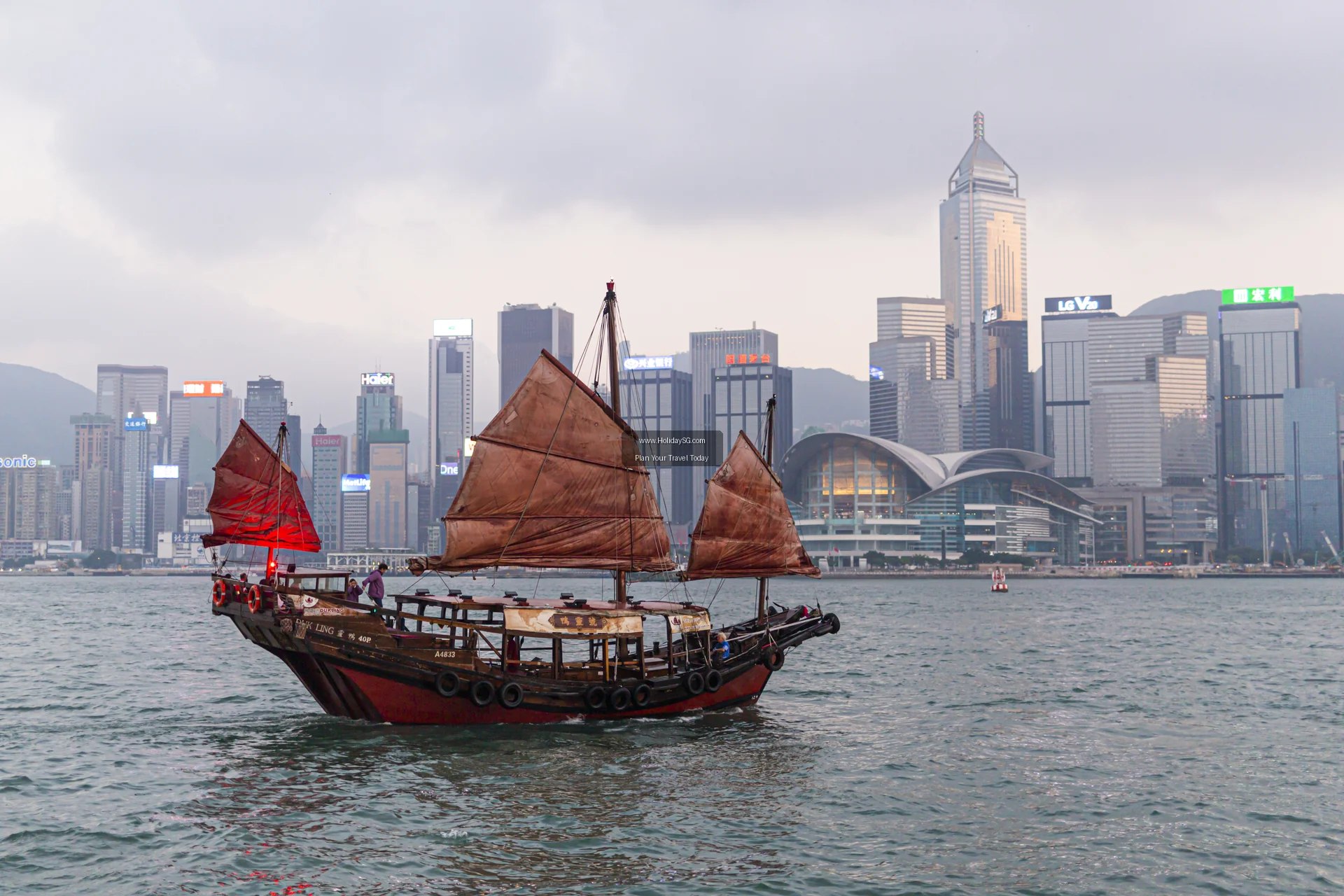
No trip is complete without the panoramic views from Victoria Peak (the “Peak”)—take the historic Peak Tram up. Ride the Star Ferry for a magical harbour crossing, especially at night. Head to Lantau Island to see the imposing Big Buddha and serene Po Lin Monastery. Stroll along the Tsim Sha Tsui waterfront promenade for perfect skyline shots. To get a feel for the local rhythm beyond the famous spots, a Private Half Day Real Hong Kong Walking Tour can immerse you in neighborhoods like Sheung Wan or Kowloon City.
Beyond the Guidebook: Unique Local Adventures
For a truly local vibe, spend an afternoon in Mong Kok. Explore the chaotic, vibrant Ladies’ Market, Sneaker Street, and the famous Flower Market Road. Take a slow ride on a “Ding Ding” tram from end to end. For a step back in time, visit a traditional tea house (like Lin Heung Tea House) in a historic building for dim sum, experiencing old-school service that’s increasingly rare. If you’re looking for a tailored experience to hit specific highlights or food spots, a Private Tour of Hong Kong Customized Half Day offers a flexible option.
A Food Lover’s Paradise
Hong Kong’s food scene is legendary. For cheap, hearty local fare, dive into a “cha chaan teng” (Hong Kong-style tea restaurant) for milk tea and toast. Graze on street food like egg waffles, fish balls, and stinky tofu. Don’t miss the chance to have Michelin-starred dim sum—it’s more affordable than you might think. For a special meal, the city boasts some of the world’s best restaurants. Remember, service charges are included, so no need to add extra tips.
Recommended HolidaySG Tours
Enhance your Hong Kong adventure with these curated experiences from our partners:
- Private Half Day Real Hong Kong Walking Tour
- Private Tour Of Hong Kong Customized Half Day
- Ocean Park Hong Kong
Your Hong Kong Journey Awaits
Embrace the energetic pace of Hong Kong, where ancient traditions and futuristic visions exist side-by-side. With its efficient transport, safe environment, and incredible diversity of experiences—from world-class shopping to serene hikes—it’s a destination that rewards the curious traveler.
Quick-Reference Checklist:
- Octopus Card: Get one. Use it everywhere.
- Power Adapter: British Type G (three pins).
- Cash: Essential for small vendors and markets.
- Comfortable Shoes: You’ll walk up and down endless stairs and hills.
- Adventurous Spirit: Be ready to explore, taste, and get wonderfully lost.
With these tips in hand, you’re perfectly prepared to dive into the vibrant heart of Hong Kong. Have an amazing trip!
Book these with HolidaySG:
Book with HolidaySG online for Shenzhen Hong Kong Cross Border Transfer Transfer Services To Hong Kong Airportkowloontsim Sha Tsuicauseway Baywest, Private Yacht Charter In Hong Kong Perfect For Gatherings With Friends And Family Enjoy A Comfortable Western Style Y, Private Tour Of Hong Kong Customized Half Day.
Frequently Asked Questions
Where can I book tickets or tours for attractions like Ocean Park or a private tour of Hong Kong?
You can book a range of tours and tickets directly through our partner. For Ocean Park Hong Kong tickets, visit Ocean Park Hong Kong. To explore the city with a guide, consider a Private Tour Of Hong Kong Customized Half Day or a Private Half Day Real Hong Kong Walking Tour. For a unique experience on the water, you can book a Private Yacht Charter In Hong Kong.
Do foreigners (non-citizens) need a different ticket, price, or visa for Hong Kong?
Generally, visitors from most countries do not need a visa for short tourist stays in Hong Kong. However, entry requirements can vary based on your nationality, the purpose of your visit, and the length of your stay. It is essential to check the official Hong Kong Immigration Department website or your local consulate for the most accurate and current visa requirements before you travel. Regarding tickets for attractions, prices for tourists are typically the same for all visitors, regardless of citizenship.
What is the best time (season, or time of day for the site/activity) to go?
The best time to visit Hong Kong is during autumn (October to December) when the weather is warm, sunny, and comfortable. Spring (March and April) is also pleasant but more humid. Summers are hot and wet with a risk of typhoons, while winters are mild and drier. For specific activities like hiking or outdoor walking tours, mornings are ideal to avoid crowds and the afternoon heat. Evening is perfect for harbourfront strolls and enjoying the city’s skyline and light show.
How many days are enough to see Hong Kong?
A minimum of 3 full days is recommended to cover the major highlights like Victoria Peak, the harbourfront, Lantau Island, and some local markets. If you want to explore more neighborhoods, take a day trip, or relax, consider staying for 4 to 5 days. Those combining a trip with Shenzhen could use our Shenzhen Hong Kong Cross Border Transfer service to manage travel between the cities efficiently.
Is Hong Kong expensive to visit?
Hong Kong can be a pricey destination, especially for accommodation and dining in tourist hotspots. However, there are plenty of budget-friendly options like street food, public transport, and free attractions (e.g., harbourfront, temples, and parks). Costs can be managed by staying in hotels outside the main business districts and using the Octopus card for transport.
How do I get from the airport to the city?
Hong Kong International Airport is efficiently connected to the city. You can take the Airport Express train, which reaches Hong Kong Station in about 24 minutes. Alternatively, city buses and taxis (including hotel coaches) are available. For a seamless door-to-door transfer, especially if arriving from Shenzhen, consider the Shenzhen Hong Kong Cross Border Transfer Services.
What is the best way to get around Hong Kong?
The MTR (Mass Transit Railway) subway system is fast, efficient, and covers most major areas. Buses and trams offer scenic routes, and ferries are a cheap way to cross Victoria Harbour. Purchase an Octopus card for convenient cashless travel on all public transport. Taxis are plentiful but more expensive.
Is Hong Kong family-friendly?
Absolutely. Hong Kong offers numerous attractions for families, including Hong Kong Disneyland, Ocean Park Hong Kong (which has thrilling rides and animal exhibits), and the Sky100 Observation Deck. Many restaurants are accommodating, and the public transport system is easy to navigate with children.
What should I pack for a trip to Hong Kong?
Pack lightweight, breathable clothing for the subtropical climate. Bring a light rain jacket or umbrella, especially during spring and summer. Comfortable walking shoes are essential for exploring the city’s steep streets and hills. Don’t forget sunscreen, sunglasses, and a hat for sunny days. For cooler winter months, a light sweater or jacket is sufficient.
Is Hong Kong safe for tourists?
Yes, Hong Kong is generally very safe for tourists, with low rates of violent crime. Exercise normal precautions: be aware of pickpockets in crowded areas, keep an eye on your belongings, and use licensed taxis. It’s wise to keep digital copies of your passport and important documents.
What is the local etiquette I should know?
Be respectful and polite. When greeting someone, a light handshake or a nod is sufficient. When receiving a business card or a gift, accept it with both hands. Avoid public displays of affront or yelling. Tipping is not customary in most restaurants and hotels, as a 10% service charge is often automatically added to the bill.
What food is Hong Kong famous for?
Dim sum, roast goose, wonton noodle soup, egg tarts and pineapple buns make Hong Kong a culinary paradise. Street food like curry fish balls and stinky tofu is also iconic. Explore local “cha chaan tengs” (tea restaurants) for a unique Hong Kong dining experience.
Are there any free attractions in Hong Kong?
Yes, many top experiences are free. You can watch the Symphony of Lights show over Victoria Harbour, walk the Tsim Sha Tsui Promenade, explore the vibrant street markets (like Ladies’ Market or Temple Street), visit temples like Man Mo Temple, and hike the trails on Hong Kong Island or in the New Territories for stunning city and nature views.
Do I need cash, or can I use credit cards?
While major credit cards are widely accepted in hotels, restaurants, and larger shops, many smaller establishments, street vendors, and some taxis prefer cash (Hong Kong Dollars). It’s wise to carry some HKD (Hong Kong Dollar) for incidentals. Octopus cards can also be used for purchases at convenience stores and some shops.
What is the best area to stay in Hong Kong?
It depends on your interests. Tsim Sha Tsui is central for harbour views and shopping. Central and Causeway Bay are hubs for business, dining, and nightlife. For a more local, residential vibe, consider areas like Sheung Wan or Wan Chai. Mong Kok offers lively markets and budget options.
Is Hong Kong easy to navigate for first-time visitors?
Yes. Signage is frequently in both Chinese and English, especially in the MTR and major attractions. The MTR system itself is very user-friendly with clear maps. Using ride-hailing apps or sticking to official taxis also makes getting around straightforward.
What are some popular day trips from Hong Kong?
Popular day trips include visiting the Big Buddha and Po Lin Monastery on Lantau Island, exploring the rural New Territories and Ping Shan Heritage Trail, or taking a ferry to the outlying islands like Lamma or Cheung Chau for hiking and seafood. You can also cross the border to Shenzhen for a day of shopping and city exploration.
Is Hong Kong suitable for solo travelers?
Highly suitable. It’s a safe, efficient, and vibrant city with endless things to do. Public transport makes it easy to get around alone, and there are countless opportunities for food tours, shopping, and sightseeing at your own pace. The many hostels and social activities also make it easy to meet fellow travelers.
What is the electrical voltage, and do I need a plug adapter?
Hong Kong uses a voltage of 220V and has plug types G (the British three-pin rectangular style) and sometimes C. Travelers from countries using other plug types will need an adapter. It’s best to bring a universal adapter or check your hotel’s amenities.
Can I use my mobile phone and data in Hong Kong?
Yes. You can use international roaming with your home SIM, but this is often expensive. It’s more economical to buy a local prepaid SIM card at the airport or convenience stores for data and local calls. Free Wi-Fi is widely available in hotels, cafes, shopping malls, and some MTR stations.
What things cost in Hong Kong
Live HolidaySG prices for the experiences in this guide, so you can sanity-check a budget before you commit.
| Experience | Where | From price |
|---|---|---|
| Open-top bus: Hong Kong open-top sightseeing night tour double... | All Cities | From S$25.09 |
| Hong Kong Skyline Tour Victoria Harbour Cruise Transport Passe... | Hong Kong | From S$17.00 |
| [Hong Kong Glamping] Long Coast Seasports | Camping, Caravanni... | Hong Kong | From S$40.84 |
| Hong Kong Special Sightseeing Victoria Harbour Night Cruise (9... | Hong Kong | From S$16.02 |
| [Official Ticket] Cotai Water Jet one-way Boat Ticket (Macau T... | Hong Kong | From S$36.93 |
| Hong Kong Ngong Ping 360 cable car ticket - standard cabin/Cry... | Hong Kong | From S$19.50 |
| LEGOLAND Discovery Centre Hong Kong | Hong Kong | From S$33.44 |
| Airport Private Transfer - Hong Kong International Airport to... | Hong Kong | From S$78.12 |
Hong Kong's Neighbourhoods and How They Feel
Rather than one uniform city, Hong Kong is a collection of distinct neighbourhoods. Central and Sheung Wan mix old tram lines, galleries and modern offices. Mong Kok and Yau Ma Tei are dense and loud, full of street markets and neon signs. Causeway Bay is a shopping and dining hub with a busy waterfront. Quieter areas such as Sai Kung and the outlying islands give visitors a slower pace and fresh sea air. Knowing the character of each area helps you choose where to stay and how to spend your time.
Hills and steep lanes shape much of the island's residential life. Many older buildings climb the slopes, and staircases link streets that look close on a map but feel far apart on foot. Plan a route with lifts, escalators and trams in mind, and allow more time than you would expect for hilltop walks.
Is it better to stay on Hong Kong Island or in Kowloon?
Both work well. Hong Kong Island offers the classic skyline view, the tram and many business-district sights, while Kowloon has a wider range of markets and more hotels in the mid-price range. Choose the side that matches your main plans, and check the travel time to the places you want to visit most often.
Dim Sum, Tea Houses and Breakfast Rituals
Breakfast in Hong Kong is often a social event. Dim sum houses fill with families and friends early in the morning, and steamer baskets arrive at the table in a steady stream. Ordering is simple once you know the system: tick the items you want on the paper menu, or point at the carts as they pass. Pair the meal with a pot of tea, and remember that refilling the pot is done by lifting the lid or tapping the table with two fingers.
Traditional tea houses also serve milk tea and toast with butter and condensed milk. These small cafés are an everyday part of local life, and they make a relaxed stop between sightseeing stops.
Do I need to tip at a dim sum restaurant?
Tipping is not expected in the same way as in some countries, and many restaurants add a service charge to the bill. Check the bill for the charge, and round up the total if the service has been especially helpful.
Trams, Ferries and Slow Sightseeing
The Star Ferry crossing between Central and Tsim Sha Tsui is one of the city's most affordable and enjoyable short trips, offering a view of the skyline from the water. The double-decker trams on Hong Kong Island run slowly along the north shore, and riding one to the end of the line is an easy way to see everyday life from the upper deck. Both are part of the city's transport network and are easy to pay for with an Octopus card.
Plan a ferry ride for late afternoon, when the light is soft and the skyline begins to glow. Check the official source for current timetables and fares, since services can change for maintenance or weather.
- Sit on the upper deck of the tram for the best view of street life.
- Board the ferry early for a seat near the rail on the Kowloon side.
- Keep your card ready at the gates to avoid queues at peak times.
- Allow extra time for crossings during typhoon warnings or heavy rain.
Markets, Street Stalls and Night Life
Hong Kong's street markets reveal a different side of the city. Flower markets, goldfish stalls and the lively food streets of Mong Kok draw visitors who enjoy wandering without a fixed plan. Many stalls sell small souvenirs, snacks and household goods, and bargaining is common at some of the more informal shops. Evening markets are lively, and the neon signs above the lanes make excellent photographs.
Night life ranges from quiet rooftop bars to lively streets in Lan Kwai Fong and Soho. Keep your valuables secure in crowded areas, and plan your return journey before you start drinking, since late-night transport can be busy.
Are night markets safe for solo visitors?
Most night markets are busy and well lit, which suits solo visitors. Stay on main lanes, keep your phone and wallet secure, and let someone know your plans if you will be out late.
Hiking, Trails and Green Escapes
Despite its urban image, Hong Kong has many trails. Country parks cover a large share of the territory, and walks range from gentle paths through woodland to steep ridge climbs with views across the coast. Pack water, sun protection and sturdy shoes, and check the weather before you set off. Some trails are closed after heavy rain or in typhoon conditions, so check the official source before a long walk.
Start walks early in the day to avoid the heat, and plan a finish point with easy transport back to the city. Mobile signal is good on most trails, but carry a printed route map in case your battery runs down.
Weather, Humidity and Staying Comfortable
The city's humidity can make even short walks feel tiring, particularly in summer. Indoor air conditioning is strong in shops, malls and transport, so bring a light layer. Stay hydrated, carry a fan or a small towel, and plan outdoor sightseeing for the early morning or evening when possible. Typhoon season can disrupt flights, ferries and attractions, so keep an eye on official weather updates during your stay.
Umbrellas are useful all year, since rain can arrive suddenly. A compact folding umbrella fits easily into a daypack.
Shopping With Care and Clear Expectations
Shopping in Hong Kong ranges from luxury malls to small electronics shops and local design stores. Prices vary widely, and not every shop accepts every payment method. Compare prices across two or three stores before buying expensive items, and keep receipts for warranty claims. Electronics and branded goods are best bought from reputable retailers with clear return policies, and you should check warranty terms before you pay.
Duty-free rules differ between the airport and the city, and the allowances for bringing goods home depend on your destination. Check the official customs guidance for your home country before you buy large quantities.
Closing Thoughts Before You Fly
Hong Kong rewards visitors who plan a few essentials and then leave room for discovery. Know how the transport system works, pack for humidity and sudden rain, and check entry requirements through the official source before you travel. With those basics in place, you can spend your time on the trams, the trails and the tables that make the city so memorable.
Handling typhoon days and rain alerts
Typhoon warnings can change your plans quickly. Flights, ferries and some attractions may pause or close while a warning is in force, and the situation can change within a few hours. Check the official weather updates each morning, and keep a short list of indoor options near your hotel, such as a museum, a mall with a good food court or a long café session. A flexible plan is far less stressful than trying to rebuild a full day at short notice.
During severe weather, stay away from waterfront promenades, hillside trails and construction sites, where loose objects and falling branches are more likely. Keep your phone charged, save your hotel's contact number and make sure your travel insurance covers weather-related changes. If your flight is delayed, contact the airline directly and keep screenshots of messages and receipts for any extra costs.
Heavy rain can also arrive without a formal warning. Carry a compact umbrella in your bag, and choose covered walkways when you move between districts. Shoes with good grip help on wet stone steps, which can stay slippery even after the rain has stopped.
Staying healthy in a dense, humid city
Though compact, Hong Kong's heat, humidity and steep streets can wear you down faster than you expect. Build in short breaks in air-conditioned spaces, sip water through the day and carry a small pack of rehydration sachets for long walks. Light meals and fruit help when the weather is hot, and it is wise to stop for a sit-down rest after a climb rather than pushing on.
Pharmacies are common in busy districts, and many staff speak some English. Bring any regular prescription medicine in its original packaging, along with a copy of the prescription and a few plasters, pain relief and an antihistamine for bites or allergies. Sunscreen, a hat and sunglasses are worth packing for outdoor days, since the sun is strong even on cloudy afternoons.
Wash your hands before you eat, especially after you have been on public transport or handling coins and notes. Street food is generally a pleasure to try, but choose stalls with a steady flow of customers and food that is cooked fresh in front of you. If you feel unwell, rest, drink fluids and ask your hotel to point you to a nearby doctor or clinic.
Plan the rest of your trip
- HolidaySG eSIM plans for Hong Kong - Buy a data plan before you fly and install it on your phone.
- Hong Kong visa requirements - Check who needs a visa, the documents and the processing time.
