

25 tourist attractions in myanmar: complete travel guide is exactly what this guide covers.
Myanmar is a land of golden pagodas, ancient temples, and untouched landscapes that captivate travelers with its rich culture and natural beauty. From the iconic Shwedagon Pagoda in Yangon to the serene waters of Inle Lake and the breathtaking plains of Bagan, Myanmar offers a journey through time and tradition. This guide explores the top 25 must-visit attractions in Myanmar, along with practical tips to help you plan an unforgettable trip.
Myanmar is a treasure trove of spiritual landmarks, archaeological wonders, and scenic beauty. Visit between November and February for the best weather, budget $30–$150/day depending on your travel style, and prioritize cultural respect—cover up in temples and carry cash for remote areas.
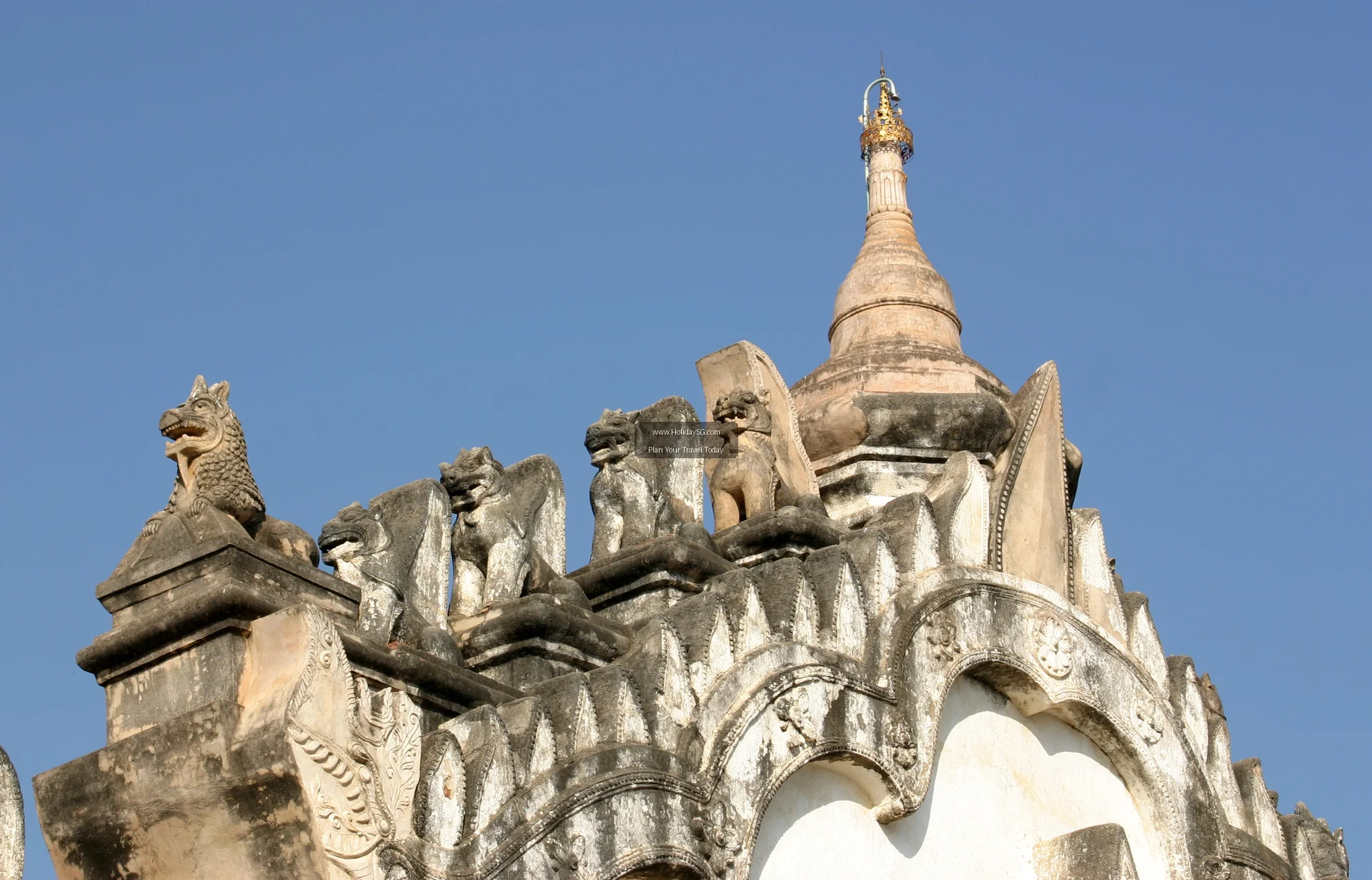
Spiritual & Iconic Landmarks
Shwedagon Pagoda (Yangon)
The Shwedagon Pagoda isn’t just a landmark—it’s the spiritual heart of Myanmar. This 2,500-year-old golden stupa towers over Yangon, its surface encrusted with diamonds and precious stones. Locals and pilgrims flock here at dawn and dusk, when the pagoda glows under the rising or setting sun. Dress modestly (cover shoulders and knees) and remove your shoes before entering. Pro tip: Visit during a full moon for a magical atmosphere, as the pagoda hosts festivals and candlelit processions.
Golden Rock (Kyaiktiyo Pagoda)
Perched precariously on the edge of a cliff, the Golden Rock is one of Myanmar’s most awe-inspiring sights. Legend says the boulder is held in place by a strand of the Buddha’s hair. To reach it, you can hike the 11-kilometer trail from Kinpun or take a truck up the winding mountain road. The best time to visit is at sunrise or sunset, when the rock shimmers in the golden light. Stay overnight in a nearby monastery guesthouse for a truly immersive experience.
Shwemawdaw Pagoda (Bago)
Often overshadowed by Shwedagon, the Shwemawdaw Pagoda in Bago is actually taller and equally stunning. This 114-meter-tall stupa has withstood earthquakes and invasions, making it a symbol of resilience. Climb the steps for panoramic views of the surrounding countryside, and don’t miss the reclining Shwethalyaung Buddha nearby—one of the largest in Myanmar at 55 meters long.
Sule Pagoda (Yangon)
Smack in the middle of Yangon’s bustling downtown, the Sule Pagoda is a 2,000-year-old octagonal stupa that serves as a spiritual and political landmark. Its golden spire stands out against the city’s colonial-era buildings, making it a perfect starting point for exploring Yangon. The pagoda is also a hub for locals, who come to pray, meditate, or simply escape the city’s chaos.
Mahamuni Buddha Temple (Mandalay)
The Mahamuni Buddha is one of Myanmar’s most revered religious sites. The 4-meter-tall bronze Buddha image is said to be one of only five likenesses of the Buddha made during his lifetime. Male devotees apply gold leaf to the statue as an act of merit, which has given it a lumpy, uneven appearance over the centuries. Visit early in the morning to witness the daily face-washing ceremony, a ritual that dates back to the statue’s creation.
Ancient Cities & Archaeological Wonders
Bagan Archaeological Zone
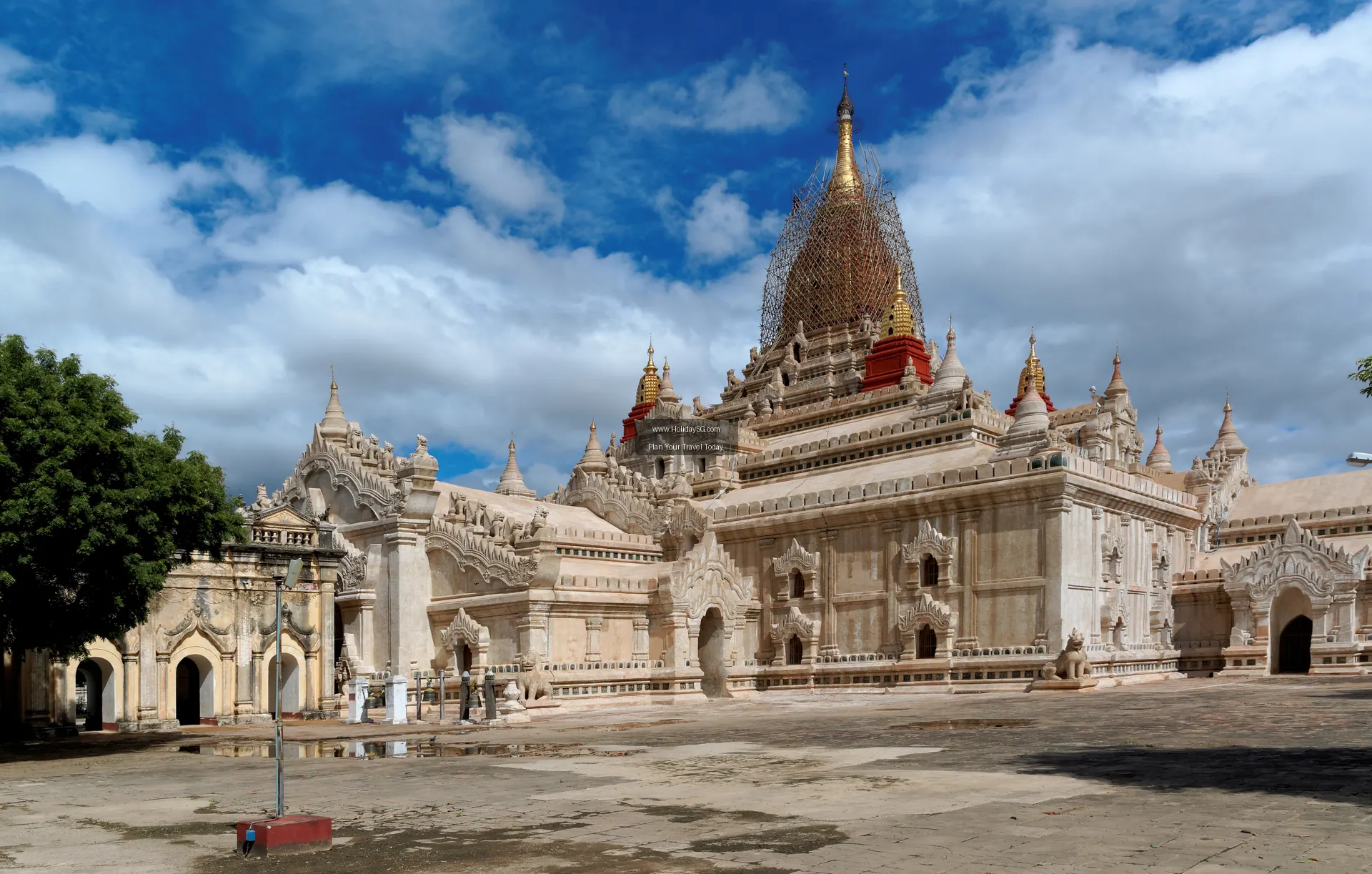
No trip to Myanmar is complete without visiting Bagan, where over 2,000 temples and pagodas dot the landscape like a scene from an Indiana Jones film. Rent an e-bike or join a guided tour to explore highlights like Ananda Temple, Dhammayangyi Temple, and Shwesandaw Pagoda. For a truly unforgettable experience, take a hot-air balloon ride at sunrise—soaring over the temples as the mist lifts is a bucket-list moment. Entry to the archaeological zone costs $25, and it’s worth every kyat.
Mrauk U
Often called the “other Bagan,” Mrauk U is a hidden gem in Rakhine State. This remote ancient city was once the capital of the Arakan Kingdom and is home to hundreds of temples and stupas, many of which are still in use today. Unlike Bagan, Mrauk U sees far fewer tourists, so you can explore its ruins in peace. Highlights include the Shittaung Pagoda, with its labyrinth of corridors, and the Htukkanthein Temple, known for its intricate stone carvings. To get here, fly to Sittwe and take a boat up the Kaladan River—a journey that’s an adventure in itself.
Sagaing Hill
Just across the Irrawaddy River from Mandalay, Sagaing Hill is a spiritual retreat dotted with hundreds of monasteries, stupas, and meditation centers. The hill offers stunning views of the river and the surrounding countryside, especially at sunset. Don’t miss the Soon U Ponya Shin Pagoda, where you can watch monks chanting in the early morning. Sagaing is also a great place to experience Myanmar’s Buddhist culture firsthand—many monasteries welcome visitors for meditation sessions or short retreats.
Inwa (Ava)
Inwa, also known as Ava, was the capital of Myanmar for nearly 400 years. Today, its ruins are a fascinating mix of crumbling palaces, monasteries, and stupas. Explore the site by horse cart, stopping at highlights like the Maha Aungmye Bonzan Monastery (a rare example of brick-and-stucco architecture) and the Nanmyin Watchtower, which leans precariously like a Burmese Pisa. The journey to Inwa involves a short ferry ride across the Irrawaddy, adding to the adventure.
Pyay (Prome)
Pyay is often overlooked by travelers, but it’s home to one of Myanmar’s most important archaeological sites: the ancient Pyu city of Sri Ksetra. This UNESCO World Heritage Site dates back to the 5th century and was once a major center of the Pyu civilization. The site includes stupas, city walls, and the remains of a palace. Nearby, the Shwesandaw Pagoda offers a peaceful retreat with its golden stupa and sweeping views of the Irrawaddy River.
Natural & Scenic Wonders
Inle Lake
Inle Lake is a world unto itself, where life revolves around the water. The lake is famous for its floating villages, leg-rowing fishermen, and vibrant markets. Rent a longtail boat to explore the stilted houses, floating gardens, and workshops where locals craft silver jewelry, textiles, and cheroot cigars. For a deeper experience, consider a full-day trekking tour around the lake, which takes you through ethnic villages and offers stunning views of the surrounding Shan Hills. The best time to visit is during the Phaung Daw Oo Pagoda Festival (September–October), when the lake comes alive with boat processions and traditional dances.
Ngapali Beach
If you’re craving some beach time, Ngapali Beach is Myanmar’s answer to paradise. This 3-kilometer stretch of white sand is lined with palm trees and luxury resorts, offering a peaceful escape from the country’s bustling cities. Swim in the turquoise waters, snorkel over coral reefs, or simply relax with a cocktail in hand. The best time to visit is between November and April, when the weather is dry and the sea is calm. For a unique experience, take a boat trip to nearby Pearl Island or visit the local fishing villages.
Hpa-An
Hpa-An is a hidden gem in Kayin State, known for its dramatic limestone karsts and cave temples. The town itself is small and laid-back, but the surrounding area is packed with adventure. Explore the Saddan Cave, where you’ll find Buddha statues and stalactites illuminated by natural light, or hike up Mount Zwegabin for panoramic views of the countryside. Don’t miss the Kyauk Ka Lat Pagoda, a golden stupa perched on a limestone pinnacle. Hpa-An is also a great base for day trips to the nearby Lumbini Garden, a replica of the Buddha’s birthplace in Nepal.
Kyaing Tong
For travelers seeking off-the-beaten-path adventures, Kyaing Tong is a dream come true. This remote town in eastern Myanmar is surrounded by ethnic villages, tea plantations, and lush forests. Trek through the countryside to visit villages of the Akha, Lahu, and Wa people, where you can learn about their traditional way of life. Kyaing Tong is also a gateway to the Golden Triangle, where Myanmar, Thailand, and Laos meet. The town itself is charming, with its colonial-era buildings and bustling night market.
Putao
Putao is Myanmar’s northernmost town and a paradise for nature lovers. Surrounded by the Himalayas, this remote destination is a gateway to trekking, birdwatching, and wildlife spotting. Explore the Hkakabo Razi National Park, home to rare species like the red panda and the Myanmar snub-nosed monkey. Putao is also a great place to experience the culture of the Rawang and Lisu ethnic groups. The best time to visit is between October and April, when the weather is cool and dry.
Cultural & Historical Sites
Mandalay Palace & Mandalay Hill
Mandalay was the last royal capital of Myanmar, and its palace is a testament to the country’s rich history. The Mandalay Palace complex is surrounded by a moat and high walls, with golden teakwood buildings that once housed the royal family. Nearby, Mandalay Hill offers panoramic views of the city and the Irrawaddy River. Climb the 1,700 steps to the top or take a shared taxi to the summit. Along the way, you’ll pass countless pagodas and monasteries, each with its own story to tell.
U Bein Bridge
The U Bein Bridge is the world’s longest teakwood bridge, stretching 1.2 kilometers across Taungthaman Lake. Built in the 19th century using teak pillars from the former royal palace in Inwa, the bridge is a marvel of engineering and a symbol of Myanmar’s craftsmanship. Visit at sunrise or sunset, when the bridge is bathed in golden light and locals cross it on their way to work or school. For a unique perspective, take a boat ride under the bridge and watch the sunset from the water.
Kuthodaw Pagoda (Mandalay)
Known as the “World’s Largest Book,” the Kuthodaw Pagoda is home to 729 marble slabs, each inscribed with a page of the Buddhist scriptures. The slabs are housed in small white stupas that surround the central golden pagoda. It’s a fascinating place to wander and reflect, and a testament to the importance of Buddhism in Myanmar’s culture. Nearby, the Sandamuni Pagoda offers a similar experience, with its own collection of marble slabs and a serene atmosphere.
Shwenandaw Monastery (Mandalay)
The Shwenandaw Monastery is a masterpiece of Myanmar’s teakwood architecture. Built in the 19th century, the monastery was originally part of the Mandalay Palace complex before being moved to its current location. Its intricate carvings and golden embellishments are a sight to behold, and the interior is filled with Buddhist statues and relics. The monastery is also a great place to learn about Myanmar’s woodcarving traditions, which have been passed down through generations.
Thanboddhay Pagoda (Monywa)
The Thanboddhay Pagoda is one of Myanmar’s most unique religious sites. Unlike traditional stupas, this temple is covered in colorful tiles and adorned with thousands of Buddha statues. The interior is a labyrinth of corridors and shrines, each filled with more statues and intricate carvings. The pagoda is located near Monywa, a town known for its pottery and lacquerware. While you’re in the area, visit the nearby Bodhi Tataung complex, home to a 116-meter-tall standing Buddha statue.
Best Time to Visit Myanmar
Myanmar’s climate is divided into three seasons, each offering a different experience:
- Peak Season (November–February): This is the best time to visit, with cool, dry weather and temperatures ranging from 15°C to 30°C. It’s ideal for sightseeing, but expect crowds at major attractions like Bagan and Inle Lake.
- Shoulder Season (March–April): Temperatures soar up to 40°C, making temple exploration uncomfortable. However, this is a great time for budget travelers, as prices drop and crowds thin out. If you visit during this time, plan your sightseeing for early morning or late afternoon.
- Low Season (May–October): Monsoon rains bring lush landscapes and fewer tourists, but some regions (like Ngapali Beach) may close. The heaviest rains occur in July and September, so plan accordingly. This is also a great time to visit if you’re interested in Myanmar’s festivals, like the Taungbyone Nat Festival in August.
Travel Costs & Budgeting
Myanmar is still relatively affordable compared to other Southeast Asian destinations, but costs vary depending on your travel style:
- Budget Traveler ($30–$50/day): Stay in hostels or guesthouses, eat street food, and use local transport like buses and shared taxis. Entry fees for temples and attractions are generally low (e.g., $8 for Shwedagon Pagoda, $25 for Bagan).
- Mid-Range Traveler ($70–$150/day): Opt for 3-star hotels, guided tours, and domestic flights to save time. Meals at mid-range restaurants cost around $5–$10, and private taxis or e-bikes are affordable ways to get around.
- Luxury Traveler ($200+/day): Stay in 5-star hotels, book private tours, and indulge in premium experiences like hot-air balloon rides over Bagan ($300–$400) or luxury cruises on the Irrawaddy River.
Hidden Costs to Budget For:
- Domestic Flights: One-way flights between major cities (e.g., Yangon to Bagan) cost $80–$150.
- Transport: Taxis in cities cost $5–$15 per ride, while e-bikes rent for $5–$10/day.
- Tips: Tipping isn’t mandatory, but it’s appreciated for guides, drivers, and hotel staff.
Visa Requirements & Entry Tips
Most travelers need a visa to enter Myanmar, but the process is straightforward:
- E-Visa ($50, 28 days): The easiest option, processed online in 3 business days. The e-visa is valid for 90 days from approval and allows entry at Yangon, Mandalay, or Naypyidaw airports.
- Visa on Arrival: Available for some nationalities, but check current policies as this option is often restricted. It typically requires pre-approval and costs $50.
- Passport Validity: Your passport must be valid for at least 6 months beyond your arrival date.
Pro Tip: Print a copy of your e-visa approval letter and carry it with you, as immigration may ask for it.
Practical Travel Tips for Myanmar
Money & Payments
- Currency: Myanmar’s official currency is the kyat (MMK), but USD is widely accepted in tourist areas. However, USD bills must be pristine (no tears, rips, or marks) or they may be rejected.
- ATMs: Available in cities, but withdrawals incur fees (~$5 per transaction). Carry enough cash for remote areas, where ATMs are scarce.
- Credit Cards: Rarely accepted outside high-end hotels and restaurants. Always carry cash for temples, markets, and local transport.
Getting Around
- Domestic Flights: The fastest way to travel between cities. Airlines like Air KBZ, Myanmar National Airlines, and Golden Myanmar Airlines offer routes to Bagan, Mandalay, Inle Lake, and more.
- Buses: Cheap but slow, with overnight options available for long distances (e.g., Yangon to Bagan). Companies like JJ Express and Elite offer comfortable buses with AC and reclining seats.
- Trains: Scenic but unreliable. The Mandalay–Lashio route is one of the most beautiful, but delays are common.
- Local Transport: Taxis are affordable in cities ($5–$15 per ride), while e-bikes ($5–$10/day) are a fun way to explore places like Bagan. Ride-hailing apps like Grab work in Yangon and Mandalay.
Health & Safety
- Vaccinations: Recommended vaccines include Hepatitis A/B, Typhoid, and Tetanus. Check with your doctor before traveling.
- Food & Water: Stick to bottled water and avoid ice in drinks. Street food is generally safe if freshly cooked, but opt for busy stalls with high turnover.
- Safety: Myanmar is generally safe for tourists, but petty theft can occur in crowded areas. Keep valuables secure and avoid walking alone at night in unfamiliar areas. Avoid conflict zones like Rakhine, Shan, and Kachin states.
Connectivity & Internet
- SIM Cards: Buy a local SIM (MPT, Telenor, or Ooredoo) at the airport for ~$2–$5 with data. Coverage is good in cities but spotty in rural areas.
- Wi-Fi: Available in hotels and cafes, but speeds can be slow. Download offline maps (e.g., Maps.me) for navigation.
Cultural Etiquette & Local Customs
Myanmar is a deeply Buddhist country, and respecting local customs is key to a smooth trip:
- Greetings: Use “Mingalabar” (hello) and “Cezu tin ba deh” (thank you). A slight bow with hands pressed together (like a prayer) is a polite gesture.
- Dress Code: Cover shoulders and knees when visiting temples or religious sites. Remove shoes before entering pagodas.
- Respect for Monks: Women should avoid physical contact with monks. Offer seats to monks on public transport.
- Photography: Always ask permission before photographing locals, especially in rural areas. Some temples charge camera fees (~$1–$3).
Unique Experiences in Myanmar
Beyond the temples and pagodas, Myanmar offers experiences that will stay with you forever:
- Hot-Air Balloon Ride Over Bagan: Soar above the temples at sunrise for a breathtaking view of the archaeological zone.
- Sunset Boat Tour on Inle Lake: Glide past floating villages and leg-rowing fishermen as the sun sets over the water.
- Trekking from Kalaw to Inle Lake: A 2–3 day trek through Shan State’s stunning landscapes, passing through ethnic villages and tea plantations.
- Cooking Class in Yangon or Mandalay: Learn to make traditional Burmese dishes like mohinga (fish noodle soup) and tea leaf salad.
- Meditation Retreat at a Monastery: Join monks for a meditation session at Mahasi Sasana Yeiktha in Yangon or another monastery.
Common Traveler Questions & Concerns
Is Myanmar safe for tourists?
Yes, Myanmar is generally safe for tourists, but it’s important to stay informed. Avoid conflict zones (e.g., Rakhine, Shan, and Kachin states) and check government travel advisories before your trip. Petty theft is rare, but keep valuables secure in crowded areas.
Can I use credit cards?
Credit cards are rarely accepted outside high-end hotels and restaurants. Cash is king in Myanmar, so withdraw enough kyat for your trip. USD is also widely accepted, but bills must be in pristine condition.
How many days do I need to explore Myanmar?
- 7 Days: Cover the highlights—Yangon, Bagan, Mandalay, and Inle Lake.
- 10 Days: Add a beach stop (Ngapali) or a cultural detour (Hpa-An).
- 14+ Days: Explore remote areas like Mrauk U, Putao, or Kyaing Tong.
Is English widely spoken?
Basic English is spoken in tourist areas, but proficiency is limited in rural regions. Learn a few Burmese phrases or use a translation app to bridge the gap.
What’s the food like?
Burmese cuisine is rice-based and flavorful, with dishes like mohinga (fish noodle soup), tea leaf salad, and curries. Vegetarian options are available, and street food is safe if freshly cooked.
Are there any scams to watch for?
- Taxi Overcharging: Agree on fares beforehand or use ride-hailing apps.
- Fake Tour Operators: Book tours through reputable agencies or your hotel.
- Gem Scams: Avoid buying “precious stones” from street vendors—many are fakes.
Can I travel independently?
Yes, but guided tours are recommended for remote areas like Mrauk U or Putao, where logistics can be challenging.
What’s the nightlife like?
Nightlife is limited outside Yangon, where 19th Street is the go-to spot for bars and live music. Most towns shut down early, so plan accordingly.
Accessibility & Travel Challenges
Myanmar’s infrastructure is still developing, and travelers with disabilities may face challenges:
- Roads & Transport: Poor road conditions and limited accessibility for wheelchair users. Trains and buses are not equipped for disabled travelers.
- Language Barrier: English proficiency is low outside tourist hubs. Download offline translation apps and maps.
- Altitude: Putao and Kyaing Tong are at higher elevations, so pack layers for cooler temperatures.
Sustainable & Responsible Travel in Myanmar
Traveling responsibly ensures that Myanmar’s beauty and culture are preserved for future generations:
- Support Local Businesses: Stay in family-run guesthouses, eat at local restaurants, and buy handicrafts from artisans.
- Reduce Plastic Waste: Carry a reusable water bottle with a filter (e.g., LifeStraw) to avoid single-use plastics.
- Respect Wildlife: Avoid attractions that exploit animals, such as elephant rides or photo ops with wild animals.
- Donate Responsibly: Support reputable NGOs like the Free Funeral Service Society or local schools instead of giving money to child beggars.
Recommended HolidaySG Tours
If you’re looking for guided experiences to make the most of your trip, consider these tours:
Myanmar is a destination that rewards curiosity and adventure. With its golden pagodas, ancient temples, and breathtaking landscapes, this country offers a journey through history and culture like no other. Whether you’re exploring the spiritual heart of Yangon or trekking through the serene hills of Inle Lake, Myanmar promises an unforgettable experience. Ready to explore? Check out our Full Day Trekking In Inle Lake tour to start your adventure!
Book with HolidaySG online for Full Day Trekking In Inle Lake.
More Photos from HolidaySG
Book with HolidaySG online for Full Day Trekking In Inle Lake.
Frequently Asked Questions
Where can I book this / what’s the link?
Do foreigners (non-citizens) need a different ticket, price, or visa for Myanmar?
What is the best time (season, or time of day for the site/activity) to go?
How long should I spend in Myanmar?
What are the typical daily costs for a tourist in Myanmar?
What’s the best way to travel between cities in Myanmar?
Is Myanmar safe for solo travelers?
What is the climate like throughout the year?
What essential items should I pack for Myanmar?
What are some important cultural dos and don’ts in Myanmar?
Are there attractions suitable for children in Myanmar?
How wheelchair-friendly are attractions like Inle Lake?
What local dishes are must-tries near Inle Lake?
Can I visit Inle Lake and Bagan in the same trip?
What health precautions should I take before traveling to Myanmar?
Is tipping customary in Myanmar?
How do I apply for a tourist visa to Myanmar?
Where can I exchange currency in Myanmar?
Are there English-speaking tour guides available?
What are the typical opening hours for temples in Myanmar?
What things cost in Myanmar
Live HolidaySG prices for the experiences in this guide, so you can sanity-check a budget before you commit.
| Experience | Where | From price |
|---|---|---|
| Full day trekking in Inle Lake | Mandalay | From S$42.68 |
| Mingalar Sky Business Class Lounge Domestic Yangon Internation... | Yangon | From S$15.25 |
| Mingalar Sky Business Class Lounge International Yangon Intern... | Yangon | From S$44.06 |
| Bali Bird Park | Bali | From S$5.00 |