

9 must-visit destinations in myanmar (burma) is exactly what this guide covers.
Myanmar, a land of golden pagodas, misty mountains, and serene lakes, offers travelers an unparalleled blend of cultural richness and natural beauty. Often called the “Golden Land,” this Southeast Asian gem is still relatively untouched by mass tourism, making it a perfect destination for those seeking authenticity. From the ancient temples of Bagan to the floating villages of Inle Lake and the pristine beaches of Ngapali, Myanmar’s 9 must-visit destinations promise unforgettable experiences at every turn. Whether you’re a history buff, an adventure seeker, or a beach lover, this guide will help you discover the country’s top spots—and why now is the ideal time to visit.
Myanmar is a hidden gem with diverse attractions, from Bagan’s temples to Inle Lake’s floating villages. Visit between November and February for the best weather, budget USD 30–50/day for mid-range travel, and explore by e-bike, boat, or domestic flights. Don’t miss cultural etiquette tips and must-try local dishes!
1. Yangon: Where Tradition Meets Modernity
Yangon, Myanmar’s largest city, is often the first stop for travelers—and for good reason. This bustling metropolis is a fascinating mix of colonial architecture, vibrant markets, and sacred Buddhist sites. While it’s no longer the capital (that title belongs to Naypyidaw), Yangon remains the country’s cultural and economic heart.
Why Visit Yangon?
Yangon is the perfect introduction to Myanmar’s history and daily life. Here, you’ll find towering pagodas, lively street food scenes, and a glimpse into the country’s colonial past. It’s also the most convenient hub for domestic flights and bus connections to other destinations.
Top Attractions
- Shwedagon Pagoda: Myanmar’s most sacred Buddhist site, this 2,500-year-old golden stupa dominates Yangon’s skyline. Visit at sunrise or sunset for breathtaking views and a serene atmosphere. Entry costs USD 8, and dressing modestly (covering shoulders and knees) is a must.
- Sule Pagoda: Located in the heart of downtown Yangon, this 2,000-year-old pagoda is a great spot for people-watching and soaking in the city’s energy.
- Bogyoke Aung San Market: A treasure trove of local crafts, gemstones, and souvenirs. Haggle for lacquerware, traditional longyi (sarongs), and handmade jewelry.
- Kandawgyi Lake: A peaceful escape from the city’s hustle, this lake offers scenic walks, lakeside cafes, and views of the golden Karaweik Hall.
Where to Eat & Stay
Yangon’s food scene is a delicious mix of Burmese, Indian, and Chinese influences. For a taste of local flavors, head to Rangoon Tea House for traditional tea-leaf salad (laphet thoke) or Shan Kitchen for Shan-style noodles. Street food stalls near Sule Pagoda serve up affordable and tasty snacks like mont lin maya (coconut pancakes).
Accommodation options range from luxury hotels like The Strand (a colonial-era landmark) to budget-friendly hostels such as Little Yangon Hostel. For mid-range stays, Hotel G offers modern comforts with a rooftop bar.
2. Bagan: The Land of a Thousand Temples
Ready to go? Book Full Day Trekking In Inle Lake with HolidaySG.
Ready to go? Book Full Day Trekking In Inle Lake with HolidaySG.
No trip to Myanmar is complete without visiting Bagan, an ancient city that once served as the capital of the Pagan Kingdom. Today, it’s home to over 2,000 temples, pagodas, and monasteries spread across a vast plain—making it one of the world’s most awe-inspiring archaeological sites and a highlight among Myanmar’s 9 must-visit destinations.
Why Bagan is a Must-Visit
Bagan’s temples are a testament to Myanmar’s golden age of Buddhism, with structures dating back to the 9th century. The sheer number of temples, combined with the surreal landscapes at sunrise and sunset, creates a magical atmosphere that’s hard to match anywhere else in the world.
Exploring the Temples
The best way to experience Bagan is by e-bike (USD 5–10/day), which allows you to weave through the temples at your own pace. For a bird’s-eye view, consider a hot-air balloon ride (USD 300–400, available from October to March). Some must-visit temples include:
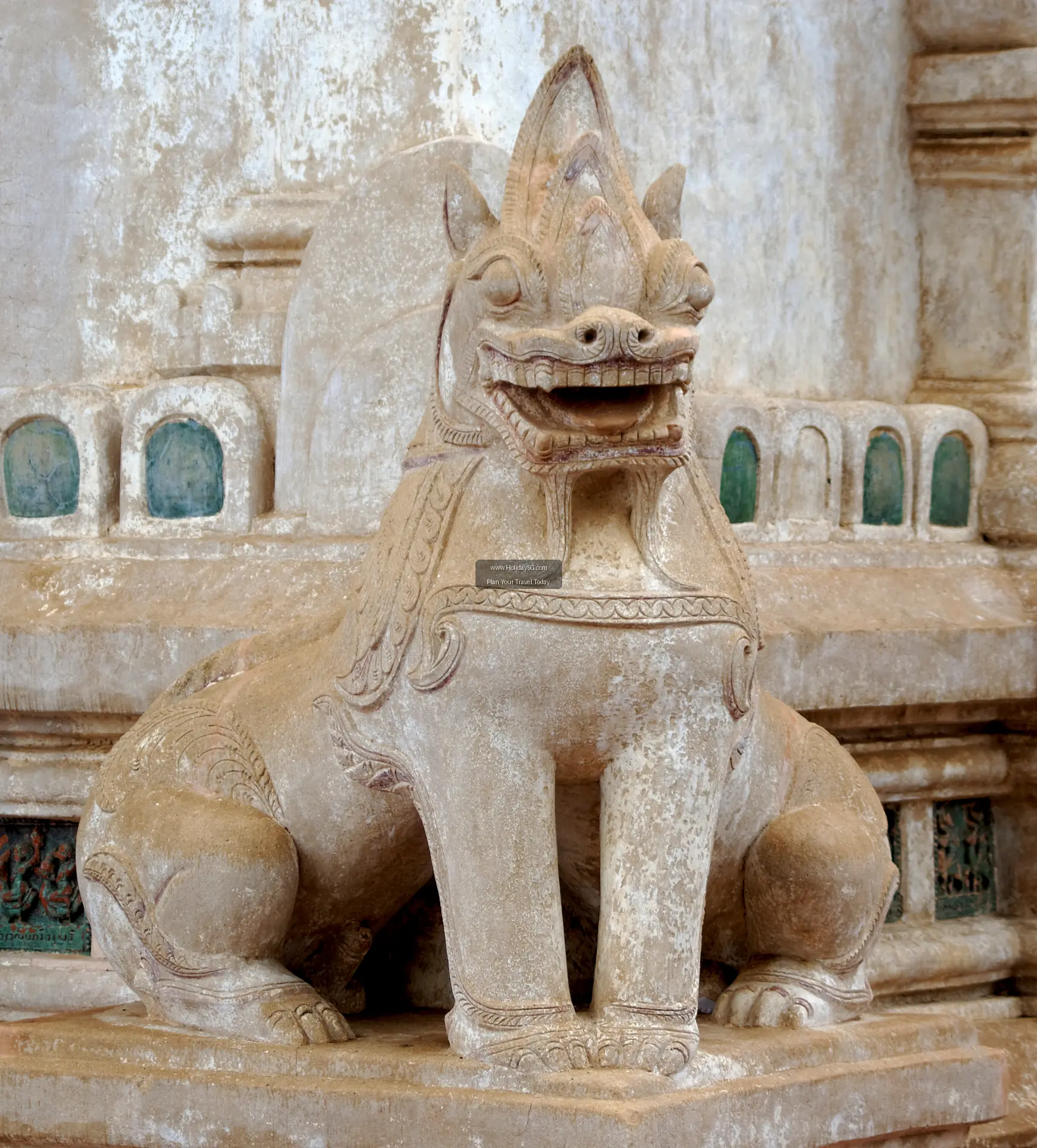
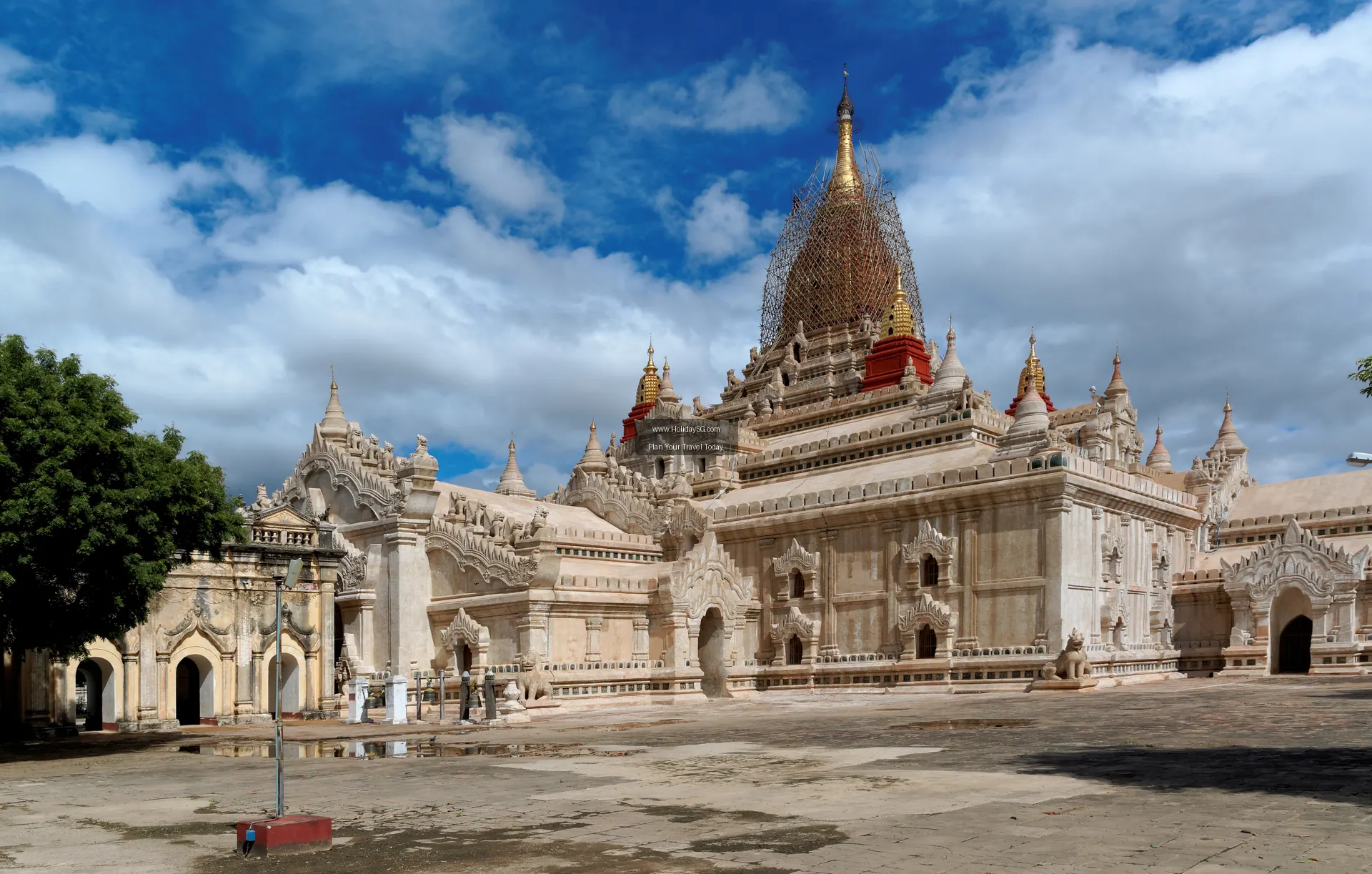
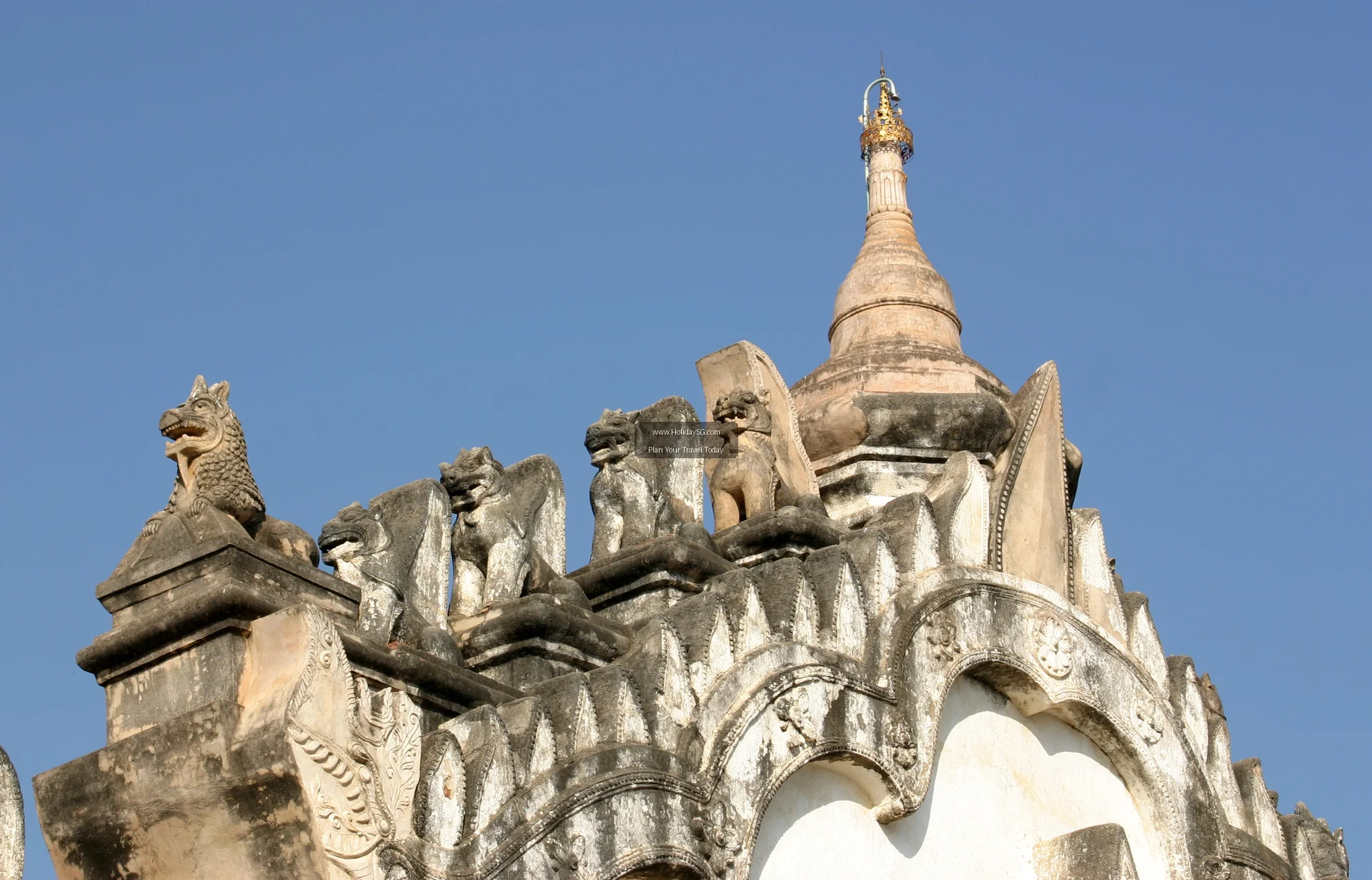
- Ananda Temple: One of Bagan’s most beautiful and well-preserved temples, known for its golden spires and intricate carvings.
- Dhammayangyi Temple: The largest temple in Bagan, with a mysterious past and eerie corridors.
- Sulamani Temple: A stunning example of Bagan’s architecture, with vibrant frescoes and panoramic views from its upper terraces.
Don’t miss sunrise at Shwesandaw Pagoda or sunset at Pyathadar Temple for unforgettable photo opportunities. The archaeological zone entry fee is USD 25, valid for five days.
Beyond the Temples
Bagan isn’t just about temples—it’s also a hub for local crafts. Visit a lacquerware workshop to see artisans at work and pick up a handmade souvenir. For a unique perspective, take a sunset cruise on the Irrawaddy River, where you can enjoy views of the temples from the water.
Where to Stay
Bagan offers a range of accommodations to suit every budget. For a social atmosphere, Ostello Bello is a popular hostel with a rooftop bar and temple views. Mid-range travelers will love Bagan Lodge, which offers spacious rooms and a pool. If you’re splurging, Thande Hotel provides luxury stays with a riverside location.
3. Mandalay: The Cultural Heart of Myanmar
Mandalay, Myanmar’s second-largest city, is often overshadowed by Bagan and Yangon—but it’s a cultural powerhouse in its own right. Known as the “City of Gems,” Mandalay is a hub for traditional arts, crafts, and religious sites.
Why Mandalay Captivates Travelers
Mandalay is the best place in Myanmar to experience traditional Burmese culture. From gold leaf workshops to puppet shows, the city offers a deep dive into the country’s artistic heritage. It’s also a gateway to nearby attractions like Amarapura and Sagaing.
Top Attractions
- Mandalay Hill: Climb the 1,729 steps to the top for panoramic views of the city and surrounding plains. The best time to visit is at sunset, when the golden light bathes the landscape.
- U Bein Bridge: The world’s longest teak bridge, stretching 1.2 kilometers across Taungthaman Lake. It’s especially magical at sunrise or sunset, when locals and monks cross the bridge and fishermen cast their nets.
- Kuthodaw Pagoda: Known as the “world’s largest book,” this site houses 729 marble slabs inscribed with Buddhist scriptures. Each slab is housed in its own white stupa, creating a mesmerizing sight.
- Mahamuni Buddha Temple: One of Myanmar’s most sacred pilgrimage sites, this temple houses a 4-meter-tall bronze Buddha image covered in layers of gold leaf. Male visitors can apply gold leaf to the statue—a unique cultural experience.
Local Experiences
Mandalay is famous for its traditional arts. Visit a puppet workshop to see how Myanmar’s iconic marionettes are made, or catch a puppet show at Mandalay Marionettes. For a hands-on experience, try your hand at gold leaf making—local artisans will show you how thin sheets of gold are hammered into delicate layers.
Where to Eat & Stay
Mandalay’s cuisine is hearty and flavorful. Don’t miss mandalay mont hin gar, a fish-based noodle soup, or shan khauk swe, a Shan-style noodle dish. For a mid-range meal, Too Too Restaurant serves excellent Burmese and Chinese dishes.
For accommodations, The Hotel by the Red Canal offers a peaceful retreat with a pool and lush gardens. Budget travelers can stay at Mandalay View Inn, which offers clean rooms and a rooftop terrace with views of Mandalay Hill.
4. Inle Lake: Floating Villages & Serene Beauty
Ready to go? Book Full Day Trekking In Inle Lake with HolidaySG.
Ready to go? Book Full Day Trekking In Inle Lake with HolidaySG.
Inle Lake, a vast freshwater lake in Shan State, is one of Myanmar’s most iconic destinations. Known for its floating villages, leg-rowing fishermen, and serene landscapes, it’s a place where time seems to slow down. The lake is also home to the Intha people, who have adapted their lives to the water in fascinating ways.
Why Inle Lake is Unmissable
Inle Lake offers a unique blend of natural beauty and cultural experiences. The lake’s calm waters, surrounded by misty mountains, create a peaceful atmosphere that’s perfect for relaxation. It’s also a great place to sample Shan cuisine, which is distinct from the rest of Myanmar’s food.
Top Experiences
- Boat Tours: The best way to explore Inle Lake is by boat. Tours (USD 15–25/day) take you through floating villages, where houses, schools, and monasteries are built on stilts. You’ll also visit floating gardens, where farmers grow tomatoes and other vegetables on the water’s surface.
- Leg-Rowing Fishermen: One of Inle Lake’s most famous sights is the leg-rowing fishermen. Using a unique technique, they stand on one leg while wrapping the other around an oar to row—an incredible feat of balance and skill.
- Intha Cuisine: Shan food is a highlight of any visit to Inle Lake. Try htamin jin (rice salad with turmeric and fish), shan tofu salad, and khao soi (a coconut-based noodle soup). For a hands-on experience, consider a full-day trekking tour that includes local meals and village visits.
- Phaung Daw Oo Pagoda: This sacred shrine houses five small Buddha images covered in gold leaf. During the annual Phaung Daw Oo Festival (September/October), the images are paraded around the lake in ornate boats.
Adventure & Culture
Beyond the lake, Inle offers plenty of opportunities for adventure. Trek to Red Mountain Estate Vineyards for wine tasting with a view, or visit local weaving and silversmith workshops to see how traditional crafts are made. For a deeper cultural experience, stay overnight in a village homestay and learn about Intha life firsthand.
Where to Stay
Inle Lake offers a range of accommodations, from lakeside resorts to budget guesthouses. Inle Princess Resort is a mid-range favorite, with private bungalows and stunning lake views. For a more immersive experience, Song of Travel Hostel offers dorm beds and private rooms, along with a lively social atmosphere.
5. Ngapali Beach: Myanmar’s Tropical Paradise
If you’re craving some beach time after exploring Myanmar’s temples and cities, Ngapali Beach is the perfect destination. With its pristine white sand, crystal-clear waters, and laid-back vibe, it’s often called Southeast Asia’s best-kept secret.
Why Ngapali is a Hidden Gem
Unlike Thailand’s crowded beaches, Ngapali remains relatively untouched by mass tourism. The beach stretches for miles, with soft sand and gentle waves that are perfect for swimming. It’s also a great place to indulge in fresh seafood and relax in luxury resorts.
Beach & Water Activities
- Relaxation: Ngapali’s beaches are ideal for unwinding. Grab a beach chair, order a coconut, and soak up the sun. The best spots for swimming are near The Beach House or Linthar Lodge.
- Snorkeling & Kayaking:
- Boat Trips: Take a boat to Black Rock Island for snorkeling and a picnic lunch, or visit Pearl Island for a glimpse of Myanmar’s pearl farming industry.
Where to Stay & Eat
Ngapali offers a range of accommodations, from luxury resorts to budget-friendly bungalows. For a splurge, Aureum Palace and Amazing Ngapali Resort offer private beaches and spa services. Mid-range travelers can stay at Ngapali Bay Villas, which offers beachfront bungalows at a reasonable price.
Seafood lovers will be in heaven at Ngapali. Beachfront restaurants like Lighthouse and Joyous Coast serve up fresh prawns, crab, and lobster, often grilled to perfection. Don’t miss the chance to try ngapi (fermented fish paste), a Burmese staple.
6. Hsipaw: Trekking & Off-the-Beaten-Path Adventures
Ready to go? Book Full Day Trekking In Inle Lake with HolidaySG.
Ready to go? Book Full Day Trekking In Inle Lake with HolidaySG.
For travelers seeking adventure and cultural immersion, Hsipaw is a dream destination. This small town in Shan State is the starting point for some of Myanmar’s best treks, offering stunning landscapes, ethnic villages, and homestays with local families.
Why Hsipaw is a Trekker’s Dream
Hsipaw is one of the most accessible trekking destinations in Myanmar, with routes suitable for all fitness levels. The treks take you through lush valleys, tea plantations, and remote villages, where you can experience the daily life of Shan, Palaung, and other ethnic groups.
Trekking Highlights
- Multi-Day Hikes: The most popular trek is the 2–3 day route from Hsipaw to Kyaukme, passing through villages like Namhsan and Panglong. Along the way, you’ll stay in homestays (USD 5–10/night) and enjoy home-cooked meals with your hosts.
- Tea Plantations: Shan State is Myanmar’s tea-growing region, and many treks pass through terraced plantations. Stop for a cup of locally grown tea and learn about the harvesting process.
- Waterfalls: Some treks include visits to hidden waterfalls, where you can take a refreshing dip in natural pools.
Other Attractions
If you’re not up for a multi-day trek, Hsipaw still has plenty to offer. Visit Little Bagan, a cluster of ancient stupas that feel like a mini version of Bagan. Explore Hsipaw Palace, the former residence of Shan royalty, or browse the local market for Shan bags and handmade textiles.
Where to Stay & Eat
Hsipaw’s guesthouses are simple but comfortable. Mr. Charles Guest House is a popular choice, offering clean rooms and a friendly atmosphere. For a more rustic experience, stay in a village homestay during your trek.
Shan cuisine is a highlight of any visit to Hsipaw. Try shan noodles, a hearty dish of rice noodles in a tomato-based broth, or tofu salad, made with chickpea tofu and fresh herbs. Local tea shops serve delicious laphet thoke (tea-leaf salad) and shan khauk swe (noodle soup).
7. Mrauk U: The Forgotten Temples of Rakhine State
If you thought Bagan was impressive, wait until you see Mrauk U. This remote archaeological site in Rakhine State is often called Myanmar’s “second Bagan,” but with fewer crowds and a more rugged charm. The temples here are less restored than Bagan’s, giving them a wild, mystical feel.
Why Mrauk U is Worth the Journey
Mrauk U was once the capital of the Mrauk U Kingdom, a powerful trading empire that flourished from the 15th to 18th centuries. Today, its temples and ruins are scattered across a hilly landscape, creating a dramatic and photogenic setting. The journey to Mrauk U—via a combination of flights, boats, and buses—adds to its off-the-beaten-path appeal.
Exploring the Ancient Ruins
Mrauk U’s temples are unique in their architecture, blending Indian, Bengali, and Burmese styles. Some of the most notable sites include:
- Shittaung Pagoda: Known as the “Temple of 80,000 Images,” this temple is filled with intricate carvings and Buddha statues.
- Htukkanthein Temple: A fortress-like temple with a maze of corridors and small chambers, believed to have been used for meditation.
- Kothaung Temple: The largest temple in Mrauk U, with 90,000 Buddha images and a stunning view from its upper terrace.
The best time to visit Mrauk U is at sunrise, when the mist clears to reveal the temples in all their glory. A boat trip on the Kaladan River offers a different perspective, with views of rural villages and lush landscapes.
Cultural Insights
Mrauk U is more than just temples—it’s a living cultural site. Visit local Rakhine villages to learn about their traditions and way of life. The town itself is small but charming, with a bustling market and friendly locals. Don’t miss the chance to try Rakhine cuisine, which is spicier and more seafood-focused than other Burmese food.
Where to Stay
Accommodation options in Mrauk U are limited but comfortable. Mrauk U Princess Resort is the most popular choice, offering simple rooms and a restaurant with temple views. For a more authentic experience, stay in a local guesthouse.
8. Kalaw: A Cool Hill Station & Trekking Gateway
Ready to go? Book Full Day Trekking In Inle Lake with HolidaySG.
Ready to go? Book Full Day Trekking In Inle Lake with HolidaySG.
Nestled in the Shan Hills, Kalaw is a charming hill station that offers a refreshing escape from Myanmar’s heat. Known for its cool climate, colonial-era buildings, and trekking opportunities, it’s a favorite stop for travelers heading to Inle Lake.
Why Kalaw is a Refreshing Escape
Kalaw’s cool temperatures and scenic landscapes make it a perfect base for trekking. The town itself is small and laid-back, with a mix of Burmese, Indian, and Nepali influences. It’s also a great place to sample Shan cuisine and interact with local ethnic groups.
Trekking Adventures
Kalaw is the starting point for one of Myanmar’s most popular treks: the 2–3 day hike to Inle Lake. The route takes you through pine forests, ethnic villages, and farmlands, with stunning views along the way. Highlights include:
- Palaung and Danu Villages: Stay overnight in a homestay and learn about the traditions of these ethnic groups. Many villages have tea plantations where you can see the harvesting process.
- Scenic Landscapes: The trek offers breathtaking views of the Shan Hills, with rolling green hills and terraced rice fields.
- Local Markets: Stop at village markets to sample fresh produce and interact with locals.
Other Attractions
If you’re not up for a multi-day trek, Kalaw has plenty to keep you busy. Visit Kalaw Market for a taste of local life, or hike to Thein Taung Pagoda for a peaceful hilltop temple with panoramic views. The town’s colonial-era buildings, such as the Kalaw Train Station, are also worth exploring.
Where to Stay & Eat
Kalaw offers a range of accommodations, from budget guesthouses to mid-range hotels. Eastern Paradise Hotel is a popular choice, with comfortable rooms and a garden setting. For a more rustic experience, stay in a village homestay during your trek.
Shan cuisine is a highlight of any visit to Kalaw. Try shan khauk swe (noodle soup) or htamin jin (rice salad) at local tea shops. For a sweet treat, visit a strawberry farm and sample fresh strawberries and jam.
9. Pyin Oo Lwin: Colonial Charm & Cool Climate
Pyin Oo Lwin, a former British hill station, is a charming town known for its cool climate, colonial architecture, and lush gardens. Located in the Shan Hills, it’s a popular weekend getaway for locals and a refreshing stop for travelers.
Why Pyin Oo Lwin is a Unique Stop
Pyin Oo Lwin’s colonial heritage is evident in its architecture, with buildings like the Candacraig Hotel (now the Thiri Myaing Hotel) and the Purcell Tower clock tower. The town’s cool temperatures and scenic landscapes make it a pleasant escape from Myanmar’s heat.
Top Attractions
- National Kandawgyi Botanical Gardens: One of Myanmar’s most beautiful gardens, with over 480 species of flowers, trees, and orchids. The gardens also feature a small lake, a butterfly museum, and a canopy walkway.
- Pwe Kauk Waterfall: A scenic waterfall surrounded by lush greenery, perfect for a picnic or a refreshing dip.
- Purcell Tower: A colonial-era clock tower that serves as a landmark in the town center.
- Horse-Drawn Carriages: A charming way to explore Pyin Oo Lwin’s streets, with carriages available for hire near the town center.
Food & Shopping
Pyin Oo Lwin is famous for its strawberries, which are grown in local farms. Visit a strawberry farm to pick your own fruit or sample strawberry jam and wine. The town’s central market is a great place to shop for fresh produce, flowers, and local handicrafts.
For a taste of colonial-era dining, visit Golden Dream Restaurant, which serves Burmese and Chinese dishes in a historic building. Don’t miss the chance to try pyin oo lwin coffee, a local specialty.
Where to Stay
Pyin Oo Lwin offers a range of accommodations, from colonial-style hotels to budget guesthouses. Aureum Palace Hotel & Resort is a mid-range favorite, with spacious rooms and a garden setting. For a more historic experience, stay at Thiri Myaing Hotel, a former British colonial mansion.
Practical Travel Tips for Myanmar
Ready to go? Book Full Day Trekking In Inle Lake with HolidaySG.
Ready to go? Book Full Day Trekking In Inle Lake with HolidaySG.
Getting Around
Myanmar’s transportation options vary in comfort and cost. Domestic flights (operated by Air KBZ and Golden Myanmar Airlines) are the fastest way to cover long distances, with routes connecting Yangon, Mandalay, Bagan, and other major destinations. Buses are a cheaper alternative, with overnight routes available for popular destinations like Yangon to Bagan (USD 10–25). For shorter distances, e-bikes (USD 5–10/day) are a fun and flexible option, especially in Bagan and Mandalay. Trains are scenic but slow, with the Yangon to Mandalay route taking around 12 hours.
Money & Budgeting
Myanmar’s currency is the kyat (MMK). While credit cards are accepted in some hotels and upscale restaurants, cash is king—especially in rural areas. Carry USD in pristine condition (no tears or marks) for exchange, as damaged bills may not be accepted. ATMs are available in major cities, but they can be unreliable, so withdraw cash in advance. Budget travelers can get by on USD 20–30/day, while mid-range travelers should plan for USD 30–50/day. Luxury travelers can expect to spend USD 100+/day.
Cultural Etiquette & Safety
Myanmar is a deeply religious country, and respecting local customs is essential. When visiting temples, dress modestly (covering shoulders and knees) and remove your shoes before entering. Avoid pointing your feet at Buddha images or touching someone’s head, as these are considered disrespectful. Ask for permission before photographing locals, especially in rural areas.
Health and safety are also important considerations. Tap water is unsafe to drink, so stick to bottled or filtered water. Dengue fever and malaria are risks in rural areas, so use mosquito repellent and wear long sleeves at dusk. Petty theft is rare, but keep an eye on your belongings in crowded areas.
Internet & Connectivity
Internet access in Myanmar can be slow and unreliable, especially in rural areas. Purchase a local SIM card (from MPT, Telenor, or Ooredoo) for mobile data, which works well in cities but may drop out in remote areas. Wi-Fi is available in most hotels and cafes, but speeds can be frustratingly slow. Download offline maps (e.g., Google Maps or Maps.me) for navigation.
Recommended HolidaySG Tours
If you’re looking for guided experiences in Myanmar, these HolidaySG tours are a great place to start:
Conclusion
Ready to go? Book Full Day Trekking In Inle Lake with HolidaySG.
Ready to go? Book Full Day Trekking In Inle Lake with HolidaySG.
Myanmar is a destination that captivates the heart and soul. From the golden spires of Shwedagon Pagoda to the misty temples of Mrauk U, the country’s 9 must-visit destinations offer a wealth of experiences that are both enriching and unforgettable. Whether you’re trekking through Shan State villages, cruising on Inle Lake, or relaxing on Ngapali Beach, Myanmar rewards travelers with its warmth, beauty, and authenticity.
As tourism in Myanmar continues to grow, now is the perfect time to visit—before the crowds arrive and the landscapes change. With a little planning and an open mind, your trip to Myanmar will be an adventure you’ll cherish for years to come. Ready to explore? Check out our Full Day Trekking In Inle Lake and start your journey today!
FAQs
Is Myanmar safe for solo travelers?
Yes, Myanmar is generally safe for solo travelers, including women. Petty crime is rare, and locals are often eager to help visitors. However, it’s important to take standard precautions, such as avoiding isolated areas at night and keeping your belongings secure. Solo female travelers should dress modestly to respect local customs.
What’s the best way to travel between Bagan, Mandalay, and Inle Lake?
The best way to travel between these destinations depends on your budget and time constraints. Domestic flights (USD 80–150) are the fastest option, with flights connecting Yangon, Mandalay, Bagan, and Heho (for Inle Lake). Buses (USD 10–25) are cheaper but take longer, with overnight routes available. For a scenic but slow option, consider taking the train from Mandalay to Bagan or Inle Lake.
Can I use credit cards in Myanmar?
Credit cards are accepted in some hotels, upscale restaurants, and larger shops, but cash is still the preferred payment method—especially in rural areas. Visa and Mastercard are the most widely accepted, while American Express is rarely used. Always carry enough cash (USD and MMK) for small purchases and emergencies.
What should I pack for a trip to Myanmar?
Pack light, breathable clothing for Myanmar’s tropical climate, but remember to dress modestly for temple visits (covering shoulders and knees). Essentials include:
- Comfortable walking shoes (for temple hopping and trekking)
- Sunscreen, hat, and sunglasses (the sun can be intense)
- Mosquito repellent (dengue and malaria are risks in rural areas)
- Reusable water bottle (with a filter or purification tablets)
- Power adapter (Myanmar uses Type C, D, and G plugs)
- Lightweight scarf or shawl (for temple visits and sun protection)
Are there any travel restrictions or areas to avoid?
While most of Myanmar is safe for travelers, some areas are off-limits due to conflict or political instability. Avoid travel to Rakhine State (except for Mrauk U, which is accessible with a permit), northern Shan State, and parts of Kachin State. Always check your government’s travel advisories before planning your trip, and register with your embassy upon arrival.
Book with HolidaySG online for Full Day Trekking In Inle Lake.
Book with HolidaySG online for Full Day Trekking In Inle Lake.
Frequently Asked Questions
Where can I book tours or activities in Myanmar, like trekking in Inle Lake?
Do foreigners (non-citizens) need a different ticket, price, or visa for Myanmar?
What is the best time (season, or time of day for the site/activity) to go?
How long should I spend in Myanmar to see the highlights?
What are the typical costs for a trip to Myanmar?
How do I get to Myanmar from Singapore?
Is Myanmar family-friendly for travelers with children?
What should I pack for a trip to Myanmar?
Are there accessibility options for travelers with disabilities in Myanmar?
Is it safe to travel in Myanmar currently?
What is the weather like in Myanmar during different seasons?
What local etiquette should I be aware of when visiting temples or interacting with locals?
What are some must-try foods in Myanmar?
Are there nearby attractions to the 9 must-visit destinations?
What currency is used in Myanmar, and how can I exchange money?
Do I need any vaccinations before traveling to Myanmar?
How can I get around within Myanmar, such as domestic flights or buses?
What language is spoken in Myanmar, and do people speak English?
Are there any cultural events or festivals I should plan my trip around?
What are the best souvenirs to buy in Myanmar?
What things cost in Myanmar
Live HolidaySG prices for the experiences in this guide, so you can sanity-check a budget before you commit.
| Experience | Where | From price |
|---|---|---|
| Full day trekking in Inle Lake | Mandalay | From S$42.68 |
| Mingalar Sky Business Class Lounge Domestic Yangon Internation... | Yangon | From S$15.25 |
| Mingalar Sky Business Class Lounge International Yangon Intern... | Yangon | From S$44.06 |