

A 3-day siem reap itinerary for budget travelers is exactly what this guide covers.
Siem Reap, a lively city in northern Cambodia, serves as a gateway to the ancient temples of Angkor Wat. This vibrant hub not only offers a glimpse into the rich history and culture of Southeast Asia but also provides budget-friendly options for travelers looking to explore without breaking the bank.
Introduction to Siem Reap
Siem Reap is renowned for its well-preserved ruins, which include the iconic Angkor Wat, Bayon Temple, Ta Prohm, Angkor Thom, and Banteay Srei. These temples stand as a testament to the Khmer Empire’s architectural prowess from the 9th to the 13th centuries. The best time to visit Siem Reap is between November and February, when the weather is mild and dry. April to June is also suitable for travel but can be hot, while September to October offers cooler temperatures but with higher crowds.
Day 1: Exploring the Grandeur of Angkor Wat
Ready to go? Book Siem Reap Bike The Angkor Temples Full Day 30km Tour With Lunch with HolidaySG.
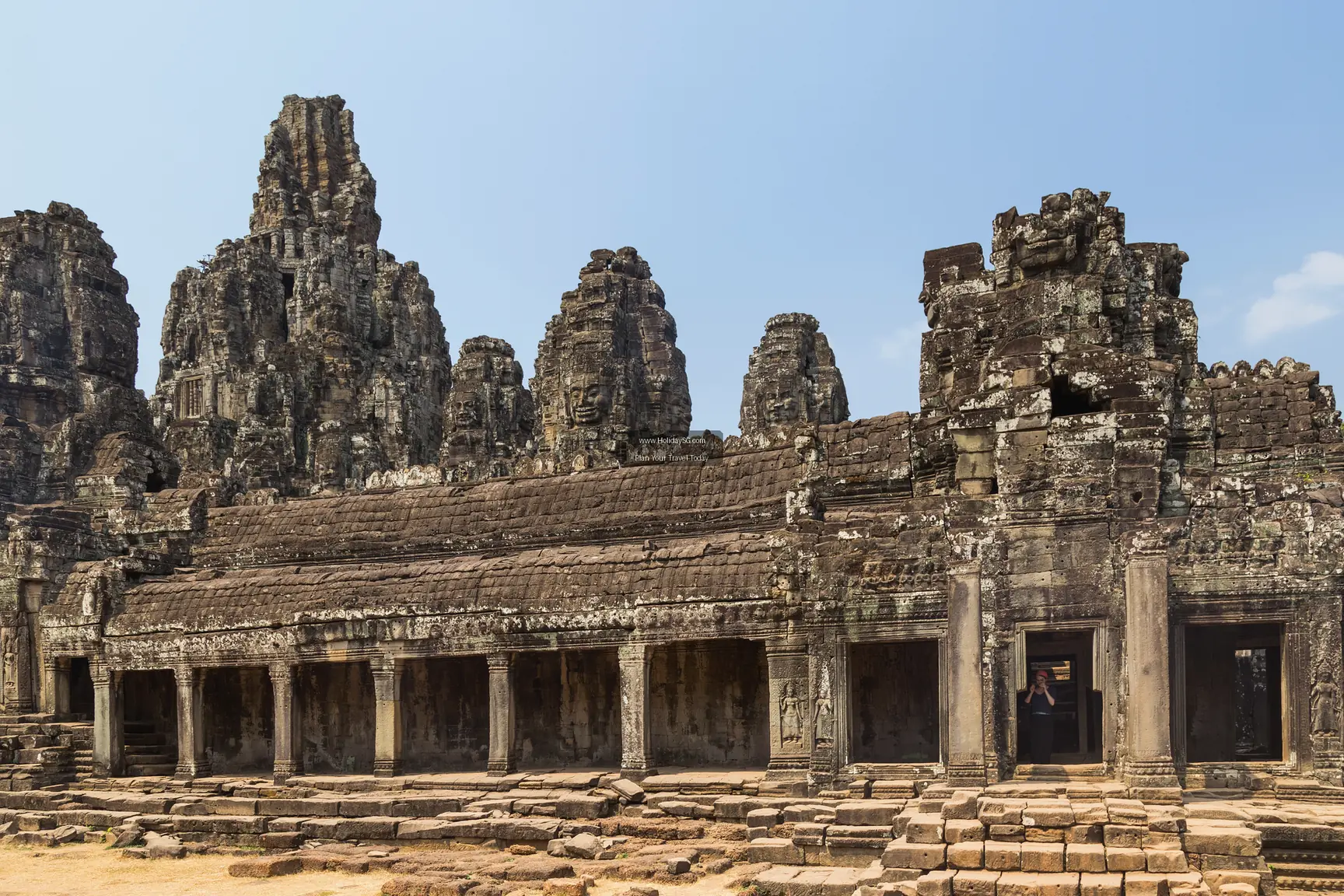
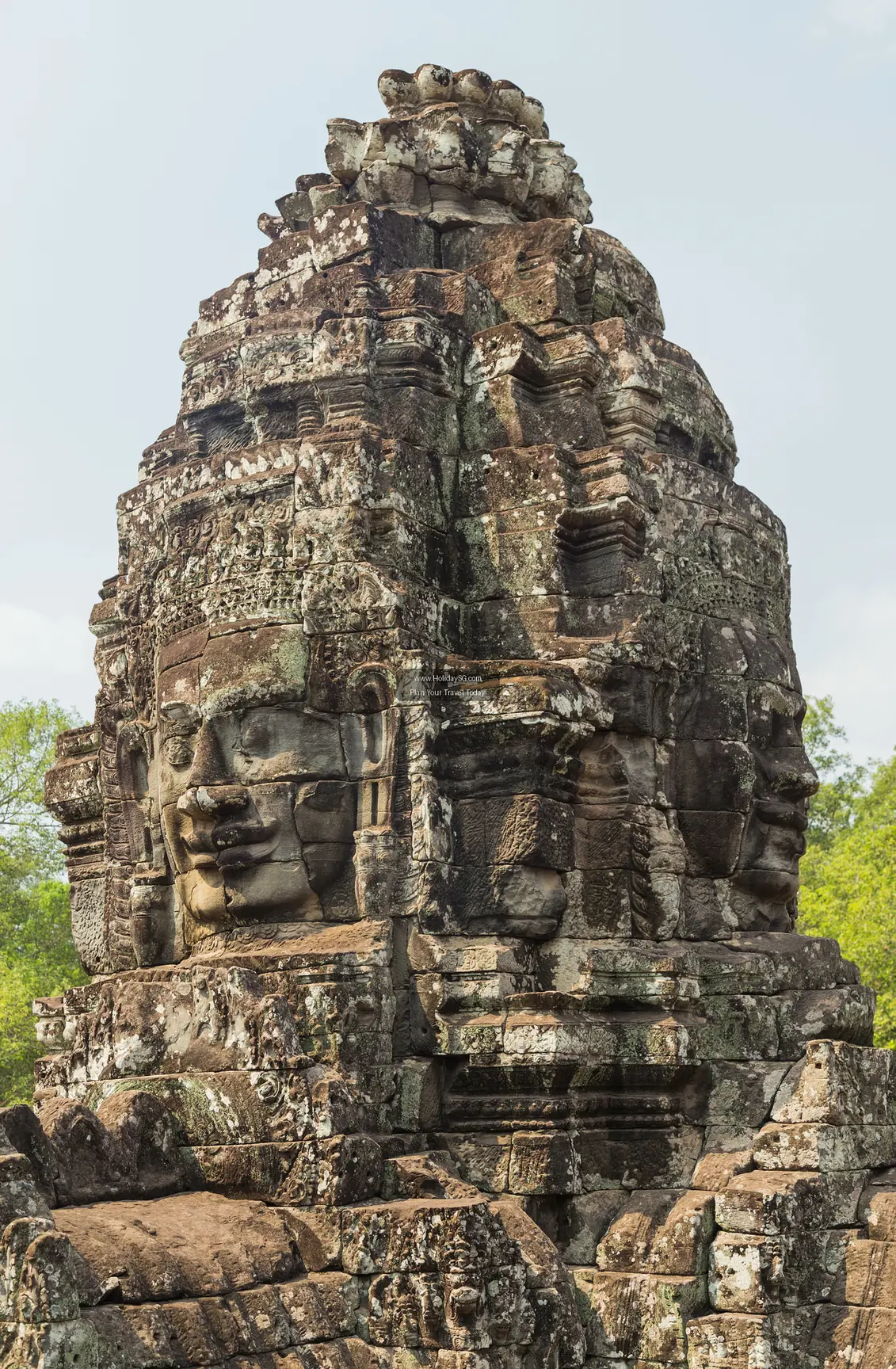
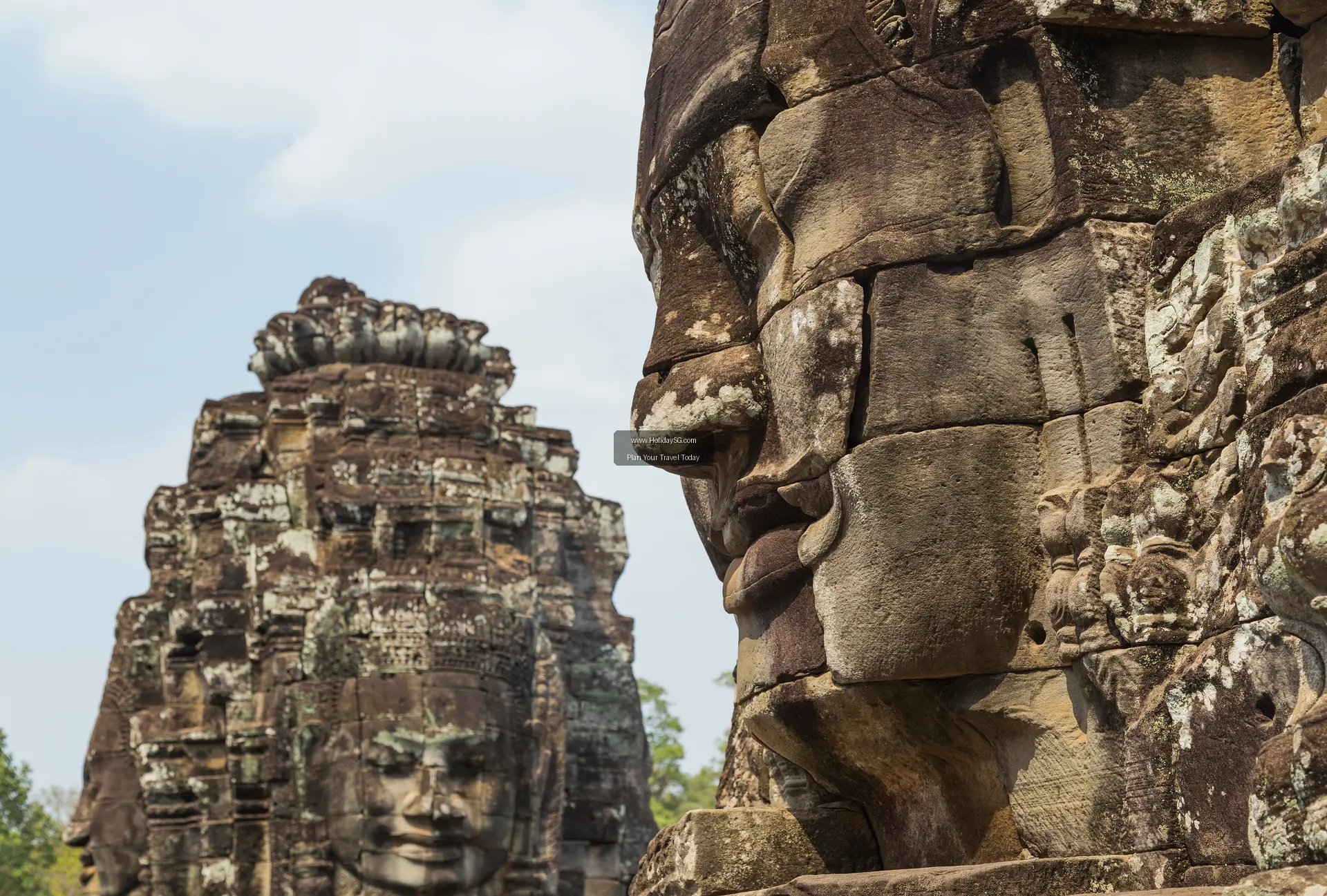
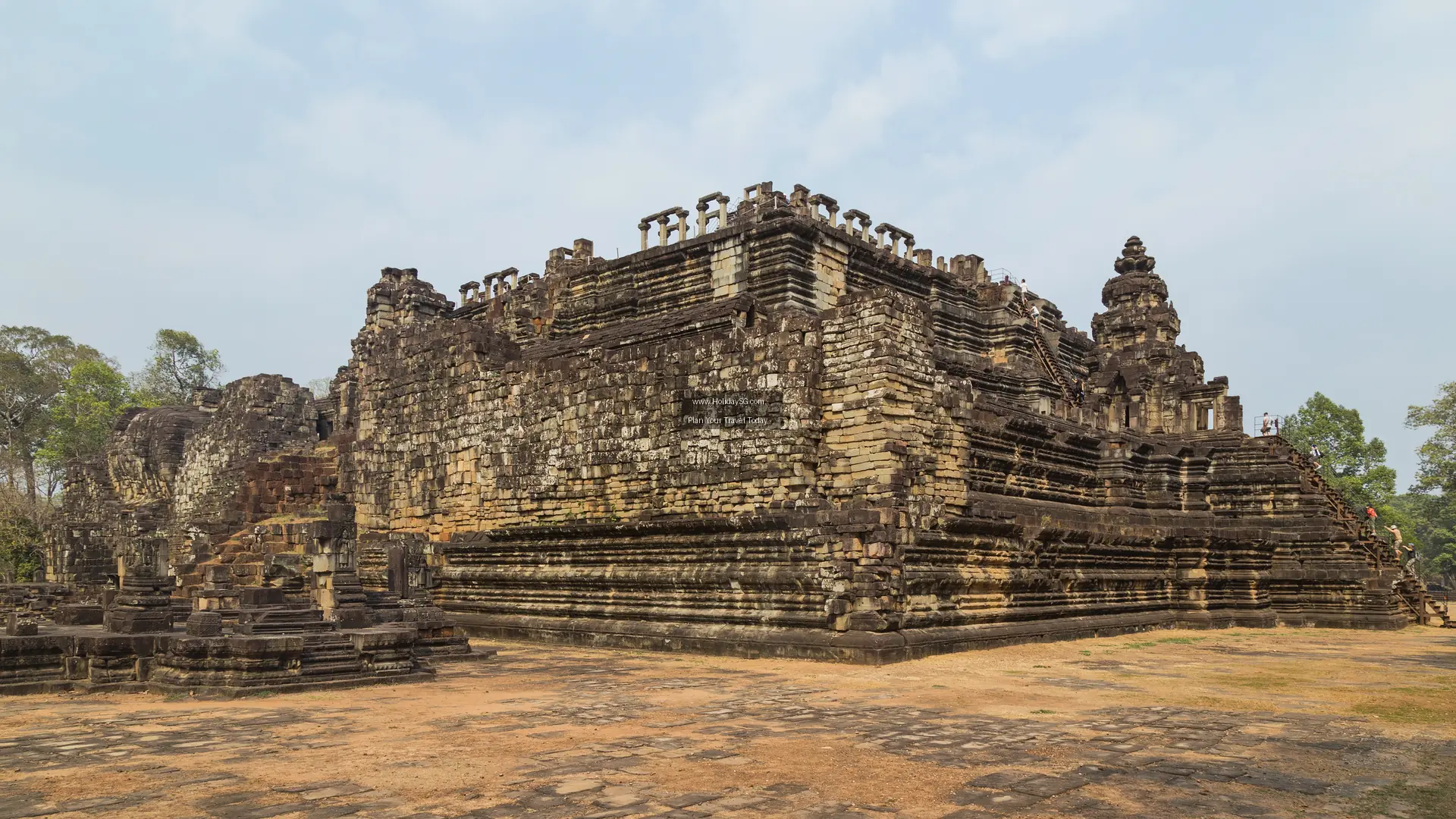
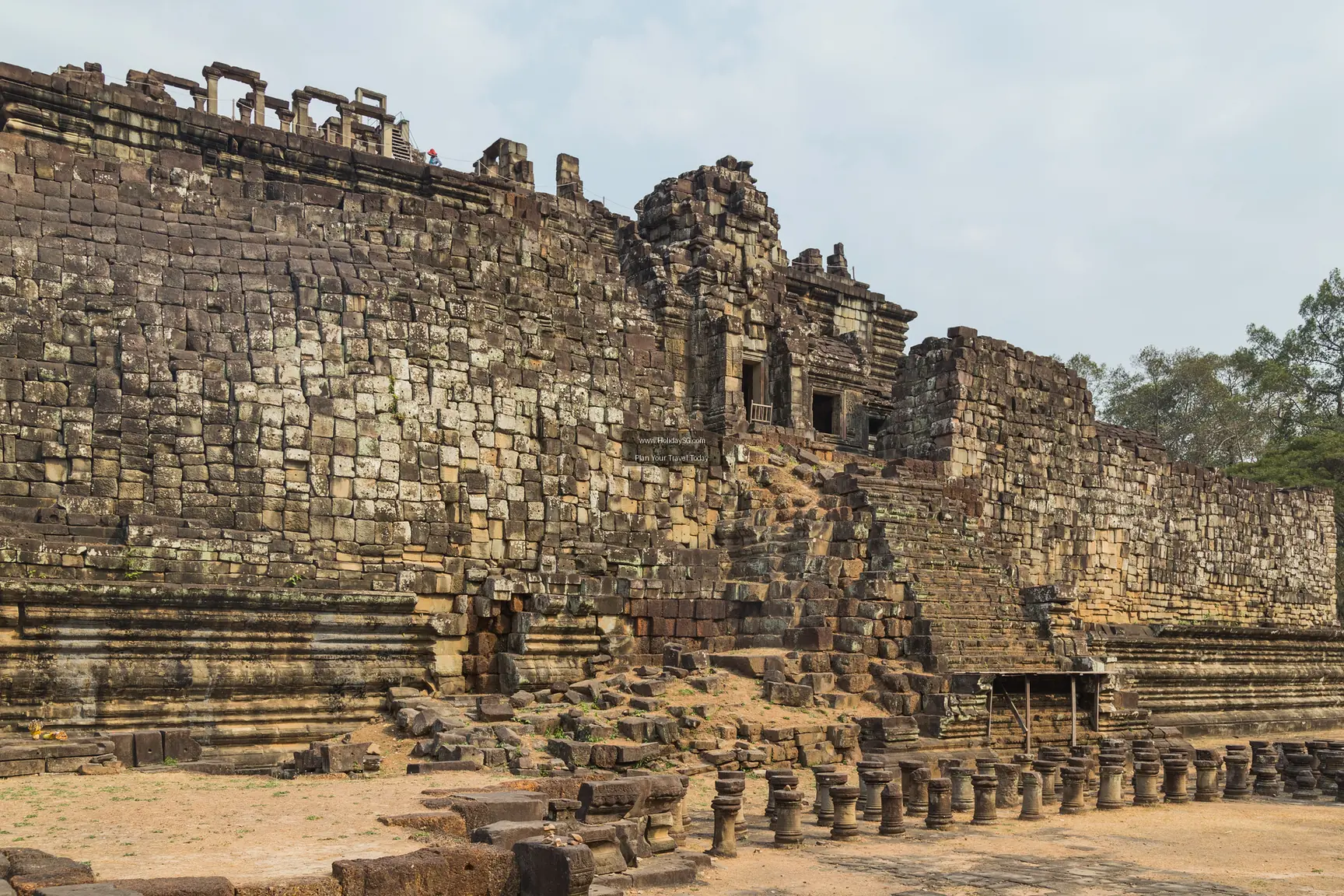
Morning: Upon arrival in Siem Reap, check into your hotel and freshen up. Start your day early by visiting Angkor Wat, one of the world’s largest religious monuments.
Afternoon: After exploring Angkor Wat, head to the nearby Banteay Kdei temple for a quieter experience. Take some time to relax and enjoy the peaceful surroundings before returning to your hotel.
Day 2: Exploring More Temples
Morning: Begin your day with a visit to Ta Prohm, known for its overgrown trees and dramatic stone structures. This temple offers a unique atmosphere compared to Angkor Wat.
Afternoon: After visiting Ta Prohm, head to the Bayon Temple. This iconic temple is famous for its enigmatic smiling faces carved into the stone. Spend some time exploring the intricate carvings and architecture before returning to your hotel.
Day 3: Exploring Angkor Thom
Morning: Start your final day in Siem Reap by visiting Angkor Thom, a walled city that was once the capital of the Khmer Empire. Explore its impressive gates and temples, including the Terrace of Elephants and the Terrace of Leper King.
Afternoon: After exploring Angkor Thom, take a leisurely stroll through the nearby market to purchase souvenirs or local crafts. Alternatively, you can visit the Royal Palace for a glimpse into the royal history of Cambodia.
By following this itinerary and using budget-friendly tips, you can make the most of your time in Siem Reap without spending a fortune. Enjoy your journey through history and culture!
Ready to explore? Check out our Siem Reap Bike The Angkor Temples Full Day 30km Tour With Lunch →
Book these with HolidaySG:
- Siem Reap Half Day Car Rental In City Within 20km
- Siem Reap Full Day Car Rental In City Within 20km
- Siem Reap Private Countryside Ride With Local Food Testing
- Siem Reap Quad Bike
Book with HolidaySG online for Siem Reap Bike The Angkor Temples Full Day 30km Tour With Lunch, Siem Reap Half Day Car Rental In City Within 20km, Siem Reap Full Day Car Rental In City Within 20km.
Frequently Asked Questions
Where can I book this / what’s the link?
You can book various activities in Siem Reap through HolidaySG. For a bike tour around the Angkor Temples, check out the Siem Reap Bike The Angkor Temples Full Day 30km Tour With Lunch. For car rental options, consider the Siem Reap Half Day Car Rental In City Within 20km or Siem Reap Full Day Car Rental In City Within 20km. For a countryside ride with local food testing, the Siem Reap Private Countryside Ride With Local Food Testing is available. If you’re interested in adrenaline-pumping activities, the Siem Reap Quad Bike tour might be perfect for you.
Do foreigners (non-citizens) need a different ticket, price, or visa for Cambodia?
Foreigners visiting Cambodia generally require a tourist visa. The visa requirements can change, so it’s best to check the latest information from official sources such as the Cambodian Ministry of Foreign Affairs website. Prices for tickets and activities may vary depending on nationality, so always confirm details directly with service providers.
What is the best time (season, or time of day for the site/activity) to go?
The best time to visit Siem Reap depends on your preferences. The dry season from November to April offers clear skies and cooler temperatures, making it ideal for exploring temples and enjoying outdoor activities. However, this is also peak tourist season, so expect crowds at popular sites like Angkor Wat. The wet season from May to October can be more comfortable with less humidity, but the roads may become muddy, and there’s a higher chance of rain.
How long should I spend in Siem Reap?
A 3-day itinerary is perfect for getting a taste of Siem Reap’s highlights. You can visit Angkor Wat, explore the old town, and try local cuisine within this timeframe. For a more comprehensive experience, consider extending your stay to allow for deeper exploration of the temples and surrounding areas.
What are the typical costs for a 3-day trip in Siem Reap?
The cost of a 3-day trip in Siem Reap can vary widely depending on your choices. Budget travelers can expect to spend around SGD$100-$150 per day, covering accommodation, basic meals, and some activities. This includes staying in budget hostels or guesthouses, eating at street food stalls, and participating in affordable tours like the bike tour mentioned above.
How do I get to Siem Reap?
The easiest way to reach Siem Reap is by plane, with Angkor International Airport being the main gateway. From there, you can take a taxi or ride-sharing service to your accommodation in the city center. Alternatively, you can travel overland from neighboring countries like Thailand via bus services.
Is Siem Reap family-friendly?
Siem Reap is generally considered family-friendly, especially during the dry season when temperatures are cooler and there’s less rain. Many hotels offer family packages, and there are several kid-friendly attractions and restaurants in the city. However, some temples may require children to be carried or strollers to be left outside, so it’s best to plan accordingly.
What should I pack/bring when traveling to Siem Reap?
When packing for Siem Reap, consider bringing sunscreen, insect repellent, a hat, and sunglasses due to the tropical climate. Comfortable walking shoes are essential for temple exploration. Light clothing is recommended, along with a raincoat or umbrella for unexpected showers. Don’t forget your camera to capture the stunning temples and local culture.
“`
What things cost in Cambodia
Live HolidaySG prices for the experiences in this guide, so you can sanity-check a budget before you commit.
| Experience | Where | From price |
|---|---|---|
| 4 Hours Phnom Penh Capital Tour by Cyclo | Phnom Penh | From S$102.41 |
| Chamka Sne Boat Ticket | Phnom Penh | From S$16.00 |
| Angkor Lounge Siem Reap-Angkor International Airport | Siem Reap | From S$37.06 |
| (Free e-SIM) Classic Angkor Wat Sunrise or Sunset Full DayTour | Siem Reap | From S$16.40 |
| Siem Reap Car Charter Small Circle or Big Circle Tour with sun... | Siem Reap | From S$26.33 |
| Siem Reap Happy Horse Riding | Siem Reap | From S$85.64 |
| Tonle Sap half-day tour with free Hi-Tea at Shitamini hotel | Siem Reap | From S$94.16 |
| Cooking class at Shinta Mani | Siem Reap | From S$76.65 |
Getting your budget plan right before you arrive
Siem Reap rewards travellers who plan a little before they land. The city is compact and easy to walk around, but the temple ticket, the tuk-tuk fares and the meals all add up over three days. Start by writing down the three main costs you already know about: the entry pass for the temples, a driver for the temple circuit, and a rough daily food budget. Then add a small buffer for water, sunscreen, tips and the occasional souvenir. Most budget travellers find that this simple list keeps them relaxed and stops them from overspending on the first afternoon.
Cambodia uses the US dollar widely alongside the local riel, so it is easy to think in one currency for the whole trip. Prices in restaurants and shops are often quoted in dollars, and small change may come back in riel. Keep a stock of small dollar notes for tuk-tuk drivers, temple children selling postcards and street food vendors. Check the official Cambodian government tourism information for current entry requirements, because visa rules can change.
Where to stay on a tight budget
Guesthouses in the old town and along the quieter streets to the north of the centre offer clean rooms with fans or air conditioning at modest prices. Many have a shared breakfast, and a few offer free bicycle loans, which are handy for short trips into town. Staying near Pub Street means easy access to food and bars, but it can be noisy late at night, so ask for a room at the back if you need to sleep early before a dawn temple visit.
Look for a place that lets you book a sunrise pickup with a driver. Staying a short drive from the temple gates saves money on tuk-tuk journeys in the early morning, when a driver can take you directly to the entrance before the crowds build up.
What to check before you pay
- Whether the room has hot water and a working lock on the door
- Whether breakfast is included or charged separately
- How far the property is from the temple ticket office and the night market
Temple timing and how to beat the crowds
The temples are most beautiful in the first hour after sunrise, when the stone turns gold and the reflections in the moat are still. Arrive before six in the morning for the sunrise view at Angkor Wat, and expect a line at the causeway even at that hour. Mid-morning brings tour groups, while the late afternoon is quieter and softer for photography. Many budget travellers buy a one-day pass for the afternoon and a second pass for the next day, so that they can see the sunrise and the sunset without rushing.
Dress and behaviour at the temples
Cover your shoulders and knees, because temple guards may refuse entry to visitors in shorts or sleeveless tops. Carry a light scarf that you can wrap around your shoulders if needed. Remove your hat inside the temple halls, and speak quietly where monks or worshippers are present. Climbing on the carved stone is not allowed in many areas, so follow the signs and the guards' instructions.
Hiring a tuk-tuk or driver for the circuit
A tuk-tuk or car driver is the most practical way to cover the temple circuit, because the distances between the main sites are too long to walk in the heat. Agree on a fixed daily rate before you set off, and confirm what the rate includes, such as fuel, waiting time and the trip to the sunrise viewpoint. A typical driver will wait at each temple while you explore, and many will recommend a shady spot for lunch. Keep the driver's phone number in case you are separated at a busy gate.
Drivers may suggest visits to shops or workshops along the way. These stops are optional, and it is fine to decline them politely if you want to keep to your plan.
Eating well without spending too much
Siem Reap has a strong street food scene. Noodle soup, grilled fish, fried rice and fresh spring rolls are sold from carts and plastic stools across the old town, and most are very good value. Choose stalls with a steady stream of local customers, and look for food that is cooked fresh in front of you. Bottled water is cheap and widely available, and it is worth carrying a reusable bottle to cut down on plastic waste.
Night markets are good places for a relaxed dinner. Try a plate of amok, a steamed fish curry served in banana leaf, and a fresh coconut to finish. Local restaurants serving Khmer food often offer set meals for a fixed price, which makes budgeting easier.
Small costs that surprise first-time visitors
Several small costs are easy to forget. Tips are appreciated by drivers and guides, and a small note at the end of a good day shows thanks. Some temples and museums charge separately for cameras or for guided tours. Bottled water, sunscreen and insect repellent are usually more expensive inside the temple grounds than in town, so buy them before you go. Pack a small pouch for coins and notes so that you are not searching through your wallet at the ticket office.
Getting in and out of the city
Siem Reap has an international airport with flights from several Asian hubs, and many visitors also arrive by road from Bangkok or Phnom Penh. Road journeys can be long and dusty, so choose a reputable bus company and check the departure time the day before. Border crossings involve paperwork, so keep your passport, photographs and cash ready at each stop. Ask your hotel for advice about the best way to reach the city, because the most convenient option depends on where you are coming from.
A simple day-by-day rhythm
Build each day around the heat. Start early with a temple visit, take a long break at midday with lunch and a rest in the hotel or a shaded cafe, and return to the temples or the town in the late afternoon. Evenings are ideal for walking the markets, watching a traditional performance or simply sitting by the river with a cold drink. This rhythm lets you see the best of the temples without exhausting yourself or your budget.
Health, heat and staying comfortable
Temperatures in Siem Reap can climb well above 35 degrees in the dry season, and humidity makes the heat feel heavier. Plan your walking in short bursts, and rest in shade for ten or fifteen minutes between temples. Drink water steadily through the day, and add a rehydration sachet if you feel dizzy or tired. Sunscreen, a wide-brimmed hat and sunglasses are essential, and a cooling towel is a useful extra for the long walk between the outer and inner temples.
Carry a basic first-aid kit with plasters, antiseptic cream and anti-diarrhoea tablets. Use insect repellent in the evenings, because mosquitoes are active around the lakes and rice fields. Speak to your doctor or a travel clinic about recommended vaccinations well before you travel, and read the official health advice for Cambodia on your government's travel website.
Choosing the right number of temple passes
Many first-time visitors ask whether a one-day or a multi-day pass is the better value. The answer depends on how much you want to see. A one-day pass covers the major sites, and it works well for travellers who want a quick overview. A longer pass suits those who want to revisit the temples at different times of the day, or who want to explore the more distant sites on a slower pace. Pass prices and conditions are set by the official ticket office, so check the current rates at the entrance on the day of your visit.
Keep your ticket safe
Your pass is usually checked at several gates, and you may be asked to show it at each one. Keep it in a clear sleeve so that it does not bend or wear through the photograph. Losing a pass can mean buying a new one, so store it with your phone and cash rather than in a loose pocket.
Photography tips on a budget
You do not need expensive equipment to take memorable pictures of the temples. A smartphone with a wide lens and a small tripod is enough for most scenes. Shoot in the early morning or late afternoon, when the light is warm and long shadows add texture to the carvings. Ask permission before photographing monks, and avoid using flash inside the galleries, where it can damage old paintwork and disturb other visitors.
Responsible souvenir shopping
The markets of Siem Reap sell silk scarves, carved wooden figures, pepper, palm sugar and handmade bags. Shop around before you buy, and compare the quality of the stitching and the finish. Bargaining is expected in markets, but be friendly and stop if the price does not feel fair to you. Avoid buying antiques or stone fragments, because removing cultural objects from the country is illegal and can lead to problems at the airport.
Frequently asked questions for budget travellers
Can I see everything in three days?
You can see the main temples in three days, but the pace will be full. Some travellers prefer to choose fewer sites and spend more time at each one. If you want a slower trip, consider adding a fourth day for the floating villages or the countryside.
Is it safe to walk around the town at night?
The old town is generally lively and safe in the evening, with plenty of people around the markets and bars. Use a tuk-tuk for longer journeys after dark, and keep your phone and bag close in crowded areas.
Do I need cash?
Yes, for most small purchases, tips and tuk-tuk rides. Larger hotels and restaurants accept cards, but smaller vendors usually prefer cash. Carry a mix of dollars and small riel notes.
Final thoughts on a three-day budget trip
Few short trips in Southeast Asia reward visitors as much as Siem Reap, and you can enjoy it without spending heavily. Plan your temple visits around the light, keep a simple daily cost list, eat where the local families eat, and leave time for an unplanned evening by the river. Check official government advice for entry and health requirements before you travel, and let the temples set the pace of your trip.
Day one in detail: arriving and settling in
Your first day in Siem Reap works best when it is not too ambitious. If you arrive by plane in the late morning, drop your bags at the guesthouse, eat a bowl of noodle soup and walk the old town streets to get your bearings. The Old Market area is a good first stop, with its covered stalls selling fruit, fabrics, jewellery and dried snacks. Take your time, notice the tuk-tuk drivers and the pace of the traffic, and buy a bottle of water on the way back.
In the afternoon, cross the river to the quieter neighbourhoods where families cook and children play in the lanes. This walk gives you a feel for daily life in the city that the temples alone cannot show. Return to your room before the heat peaks, rest for an hour, and then plan tomorrow's sunrise trip with your driver.
Setting up your phone and connectivity
Mobile data is widely available in Siem Reap. Local SIM cards are sold at the airport and in town, and the staff at a phone shop can set one up for you in a few minutes. Ask for a plan with enough data for maps and messaging, because you will rely on your phone for navigation. Download offline maps of the temple area before you leave the hotel, since signal can drop near some of the older ruins.
Day two in detail: the grand temple circuit
The second day is the long day, and it deserves a clear plan. Start with a sunrise visit to the main temple, then take a slow walk around the inner galleries while the light is still soft. Ask your driver to take you to a shaded spot for breakfast or a late coffee, and then continue to the nearby temples that sit a little further from the crowds. Each site has its own character, from the towers with carved faces to the long stone causeways lined with lotus ponds.
Keep a notebook of what you see. Some of the carvings tell stories from the Hindu epics, and a few of the inscriptions are worth copying down so that you can look up their meaning later. Eat a proper lunch at a restaurant near the temples, then return to the hotel for a long rest before heading back out for the sunset.
Sunset options that are not always crowded
The main sunset viewpoints fill quickly, and some visitors wait for hours for a clear view. Consider a quieter hilltop temple or a spot along the outer moat, where you can watch the light fade without elbowing through a crowd. Arrive thirty minutes early, carry a small snack and a bottle of water, and allow time for the drive back in the dark.
Day three in detail: the city and a slower pace
Your last day can be lighter. Sleep in a little, have breakfast at a cafe with good coffee, and spend the morning in one of the artisan workshops. Several places in and around the city teach silk weaving, wood carving and stone sculpture, and watching the craftspeople at work gives you a deeper appreciation of the temple art you have seen. Many workshops sell pieces directly, so you can buy something that carries a story.
After lunch, you could visit a local museum with artefacts from the temple sites, or take a short boat ride on the nearby lake to see the stilt villages. Keep the evening free for a last walk along the river and a final meal at a favourite stall. Pack your bag the night before, so that the morning departure is calm.
Respecting local communities
Siem Reap depends heavily on tourism, and many of the people you meet are working hard to earn a living. Treat drivers, vendors and hotel staff with courtesy, and be patient when things move at a slower pace than you expect. Children selling postcards or bracelets may approach you on the temple paths. A polite no is accepted, and buying from a registered shop or a school programme is a more reliable way to support their families. Avoid giving money directly to children, because it can encourage them to miss school.
Landmine awareness is part of the history of the country. Stay on marked paths in rural areas, and never walk into fields or forests that are not clearly open to visitors. Your guide or driver will tell you where it is safe to go.
Money-saving habits that work
- Eat breakfast at your guesthouse if it is included, and save the money for lunch at a local stall
- Share a tuk-tuk with another traveller for short trips around the town
- Refill your bottle at a filtered water station instead of buying single bottles
- Use a daily budget list on your phone and check it every evening
Packing a small kit for the temple days
A light daypack is all you need. Include a refillable bottle, a hat, sunscreen, a small towel, a light scarf for covering your shoulders, a rain poncho for the wet season, a pen and notebook, a portable battery for your phone, and a few small notes in dollars and riel. A plastic zip bag protects your passport and ticket from sweat and dust. Leave bulky items at the hotel so that your bag stays comfortable through the long walks.
Closing thoughts for the budget traveller
Three days in Siem Reap can feel like a lot of temples, but it also gives you time for the quieter moments in between. Plan the sunrise, respect the sites and the people who care for them, and keep your budget under control with simple habits. The temples will stay with you long after the trip ends, and a modest budget does not stop them from feeling extraordinary.
A quick word on weather and timing
The wet season from roughly June to October brings afternoon storms, lush green rice fields and fewer visitors, while the dry season from November to April is hotter and busier. Either can work well for a three-day temple trip. In the wet months, plan the big outdoor walks for the morning and keep the afternoon flexible, because a heavy shower can pass through in under an hour and leave the paths slippery.
Cambodia Budget Travel FAQ for Siem Reap Questions
Can I really see Angkor Wat, Angkor Thom, and Ta Prohm in just three days?
Yes, you can visit all three major temple complexes in three days, though you won't have time to explore every structure at each site. Most travelers hire a tuk-tuk driver (around 12-15 USD per day) to move between temples efficiently and focus on the highlights—the main pyramid of Angkor Wat, the faces at Bayon temple in Angkor Thom, and the jungle-covered Ta Prohm. If you start before sunrise and pace yourself with a midday rest, you'll cover the essential experience without burning out.
What's the actual cost of a 3-day Siem Reap trip on a tight budget?
Accommodation in budget guesthouses near Pub Street runs 8-15 USD per night, a three-day temple pass costs around 62 USD, and daily food from local markets or small restaurants averages 5-8 USD per person. Transportation via tuk-tuk for the circuit typically costs 12-15 USD daily, and entrance fees to smaller sites are minimal. Most travelers complete three days for 150-200 USD total, excluding international flights and any shopping or activities outside the main temples.
Is it worth hiring a private guide, or should I just go with a tuk-tuk driver?
A tuk-tuk driver alone will get you between temples cheaply but won't explain the history or architecture; a private guide costs 15-25 USD daily and adds real depth to the experience, especially for first-time temple visitors who appreciate context about Khmer craftsmanship and the builder kings. Many travelers compromise by hiring a guide for one day (often Day 1 at Angkor Wat) and a driver alone for the remaining days to balance cost and knowledge. Either way, start early—5 AM departures mean fewer crowds and cooler temperatures before the midday heat peaks around noon.
What should I eat in Siem Reap, and where won't I get overcharged?
Eat where locals eat—markets like Psar Chas (the Old Market) have small noodle and curry stalls that charge 2-4 USD for a full meal, far less than tourist restaurants around Pub Street or Sivatha Boulevard. Try Khmer specialties like fish amok, lok lak, or simple rice and grilled chicken from market vendors; breakfast from a small shop rarely exceeds 1 USD. Bring snacks from 7-Eleven or night markets when heading to temples, as food stands near Angkor charge double for water and sandwiches.
Should I buy a one-day, three-day, or multi-day temple pass?
A three-day pass gives you the flexibility to pace yourself and revisit favorite temples without rushing, and it costs only about 20 USD more than a single day, making it better value for most visitors. One-day passes appeal only to travelers with very limited time; multi-day passes beyond three days rarely justify the cost unless you're deeply into temple archaeology. Purchase your pass at the Angkor Archaeological Park ticket office near the western entrance—the staff there can advise on gate times and current conditions.
Quick answers
What documents do I need to enter Cambodia?
Check your country's current travel requirements with your government's foreign affairs office before booking, as entry rules and visa policies vary by nationality and change regularly. Siem Reap International Airport is the main gateway, and border crossings from Thailand are common for overland travelers.
How do I pay for things in Siem Reap—cash or cards?
Carry Cambodian riel (exchange it at the airport or use ATMs throughout the city); many small restaurants, markets, and tuk-tuk drivers don't accept cards. ATMs are plentiful near Pub Street and the city center, but fees vary—expect 2-4 USD per withdrawal.
What time of year has fewer crowds and lower prices?
May through September is the rainy season when fewer tourists visit Siem Reap, prices drop, and temples are less crowded—though afternoon showers are common. November through February is peak season with pleasant weather but significantly higher accommodation rates and larger temple crowds.
Do I need travel insurance, and what health precautions matter?
Consider travel insurance that covers medical evacuation if you need serious care outside Cambodia. Bring insect repellent for dengue and malaria prevention, stay hydrated in the heat, and avoid street food that's been sitting unrefrigerated; pharmacies near the night market sell common medications cheaply if you get traveler's stomach.
Things to book on this trip
Plan the rest of your trip
- HolidaySG eSIM plans for Cambodia - Buy a data plan before you fly and install it on your phone.
- Cambodia visa requirements - Check who needs a visa, the documents and the processing time.
- Hotels in Siem Reap, Cambodia - Compare hotels and check room rates for your dates.
