

Bugis isn’t just a dot on the MRT map; it’s a vibrant, central hub where Singapore’s rich history, dynamic art scene, and local buzz converge. Situated at the crossroads of culture, this neighborhood serves as an exceptional launchpad for exploration. With the Bugis MRT interchange (EW12/DT14) at its core, you can effortlessly dive into a historic Malay-Arab quarter, wander through galleries of contemporary art, and discover architectural gems. This guide highlights the best attractions near Bugis, all within walking distance or a short train ride.
Bugis is a perfectly connected base for exploring a diverse slice of Singapore. You can step into history at the Sultan Mosque and Haji Lane, immerse yourself in contemporary art at the Singapore Art Museum, and take easy MRT trips to iconic temples in Chinatown and Telok Ayer, all without long travel times.
A Walk Through Time: Kampong Glam and its Iconic Streets
The soul of Bugis’s cultural heritage lies in the adjacent Kampong Glam, Singapore’s historic Malay-Arab quarter. A short stroll from the MRT station transports you to a world of golden domes, fragrant perfumeries, and photogenic alleyways.
Sultan Mosque: The Golden Anchor
The magnificent Sultan Mosque (Masjid Sultan), with its striking gold-domed cupola, is the spiritual and visual heart of the district. Built in 1924, it stands as a testament to the area’s rich Malay heritage. While respectful visitors are welcome to admire its exterior and courtyard year-round, entry into the prayer hall is for Muslims. The surrounding plaza often hosts vibrant festivals, adding to the area’s lively atmosphere. Visitor Tip: Modest dress is required to enter the mosque grounds. An entry fee of S$4 applies for non-Muslim visitors to the main hall during specific visiting hours; check ahead. Avoiding midday on Fridays will help you navigate the area more comfortably as the Muslim community gathers for prayers.
Haji Lane: Where Heritage Meets Hipster
Just around the corner from the mosque, the narrow, lively Haji Lane offers a complete contrast. Once a row of shophouses for pilgrims, it has transformed into Singapore’s most photogenic indie shopping street. Every facade bursts with vibrant, larger-than-life murals and street art, providing endless backdrops for the perfect photo. The lane is packed with quirky boutiques selling unique fashion finds, curated concept stores, and cozy cafes perfect for people-watching. It’s a treasure trove for those seeking souvenirs beyond the usual, from local designer apparel to handcrafted jewelry.
Arab Street & Bussorah Street: The Scent of Silk and Spice
Wider and more traditional, Arab Street is famed for its textile shops, where rolls of silk, batik, and intricate lace spill onto the sidewalks. It’s the go-to place for custom-tailored clothing. Nearby Bussorah Street, which leads directly to the Sultan Mosque, is lined with restaurants offering Middle Eastern and Malay cuisine, their sidewalks filled with diners in the evenings. The architectural charm of the restored shophouses, with their intricate tiles and carved details, makes wandering this entire quarter a visual delight.
An Artistic Odyssey: Galleries and Creative Spaces Near Bugis
Ready to go? Book Shared Singapore Attractions Transfers From Hotel with HolidaySG.
Bugis sits at the edge of Singapore’s Bras Basah.Bugis Precinct, the country’s premier arts and heritage district. You don’t need to travel far to encounter thought-provoking art.
Singapore Art Museum (SAM): Contemporary Visions
A pleasant 5-10 minute walk from Bugis Junction brings you to the Singapore Art Museum. Housed in a beautifully restored 19th-century school building, SAM is dedicated to contemporary art, with a strong focus on Southeast Asian artists. Its collections and rotating exhibitions explore pressing social themes, innovative techniques, and cultural narratives. It’s a space that rewards slow exploration, offering air-conditioned respite and intellectual stimulation. Pro Tip: Always check the museum’s website for their current exhibitions before you go, as the displays change regularly.
The Bencoolen Street Art Zone and Sculpture Square
The creative energy spills out onto the surrounding streets. Bencoolen Street, running near the art museum, is home to several independent art spaces. You can visit The Substation, a cornerstone for local contemporary performing and visual arts, or explore commercial galleries like Utterly Art. The School of the Arts (SOTA) nearby also contributes to the area’s youthful, creative buzz. For a quick open-air art fix, visit Sculpture Square, a small but intriguing outdoor gallery adjacent to the Sultan Mosque. It features rotating modern sculpture installations, making it a perfect spot for a reflective pause between shopping and mosque visits.
A Short Ride Away: Iconic Temples Easily Accessible from Bugis
Thanks to Singapore’s excellent MRT system, you can easily hop from Bugis to other historic enclaves for a deeper dive into the city’s multicultural fabric.
Buddha Tooth Relic Temple and Museum
Just one MRT stop away on the Downtown Line, the Tang-dynasty-style Buddha Tooth Relic Temple in Chinatown is a stunning architectural marvel. The temple complex is a feast for the senses, from the grand worship hall to the serene rooftop garden and the informative museum on Buddhist art and culture. The best part? Admission is entirely free, making it a popular stop for culture lovers and families alike. Its intricate design and peaceful atmosphere provide a fascinating glimpse into Buddhist heritage.
Thian Hock Keng Temple
A short walk from the Telok Ayer MRT station (one stop from Bugis on the Downtown Line), this historic Hokkien temple is one of Singapore’s oldest and most beautiful. Built in 1839 without a single iron nail, it showcases exquisite Southern Chinese architecture, intricate carvings, and vibrant ceramic sculptures. It was originally built by early Hokkien immigrants as a place of worship for Mazu, the Goddess of the Sea, and remains an active place of worship today. Entry is free, and its peaceful courtyard is a welcome escape from the city’s bustle.
Practical Tips for a Smooth Bugis Adventure
Making the most of your time here is easy with a few local insights. The Bugis MRT interchange is your best friend—it connects the East-West Line, North-South Line (via a short walk to City Hall), and the Downtown Line, making every attraction listed here accessible within minutes.
For the most comfortable experience exploring the streets of Kampong Glam, aim for the early morning hours, before 10am. You’ll avoid the midday heat and crowds. Budget-wise, this area is quite friendly. Most temples and galleries have free admission, with the Sultan Mosque’s entry fee being the main exception (S$4). For a meal, you can enjoy delicious local fare at modest prices—expect to pay around S$5-15 for a satisfying dish at a hawker stall or casual eatery. This area is wonderfully family-friendly, especially for older children who will appreciate the street art, interactive museum spaces, and diverse food options.
Recommended HolidaySG Tours
Conclusion: Your Dynamic Bugis Itinerary Awaits
Bugis and its surroundings offer an incredibly rich and varied experience. You can spend a morning immersed in the aromatic alleyways and historic devotion of Kampong Glam, dedicate an afternoon to contemporary art and creative buzz, and conclude your day with a serene visit to an ancient temple, all connected effortlessly by the MRT. This blend of heritage, art, and accessibility makes Bugis not just a neighborhood to pass through, but a dynamic destination to savor. Use it as your base, and let the surrounding districts of Kampong Glam, Bras Basah, and Chinatown unfold around you.
Ready to explore these attractions near Bugis without hassle? Check out our Shared Singapore Attractions Transfers From Hotel for convenient transportation.
Book these with HolidaySG:
Book with HolidaySG online for Shared Singapore Attractions Transfers From Hotel, Wonderland Upside Down, Wild Blaze.
Frequently Asked Questions
Where can I book tickets for attractions near Bugis?
You can book various experiences and transfers for your trip. For convenient travel between sites, consider the Shared Singapore Attractions Transfers From Hotel. For unique in-attraction dining, you might look at Wild Blaze steakhouse. For a fun, quirky photo spot, check out Wonderland Upside Down.
Do foreigners (non-citizens) need a different ticket, price, or visa for Singapore?
For attractions, prices are generally the same for all visitors. However, entry requirements for Singapore (like visa needs) depend entirely on your passport nationality and are separate from attraction tickets. You must check the official Singapore government or embassy sources for the most current visa regulations before your trip.
What is the best time of year or day to visit attractions near Bugis?
Singapore is a year-round destination. The best time to visit outdoor sites like the nearby Malay Heritage Centre is during the slightly cooler, drier months from February to April. For time of day, aim for late morning or early afternoon to avoid the intense midday sun and the largest crowds. Many indoor attractions, like museums, are less crowded on weekday mornings.
How long should I spend exploring the Bugis area?
Allow at least half a day to a full day. This gives you enough time to explore the immediate streets of Bugis, browse the shops, visit a cultural site like the Sultan Mosque, and walk to a nearby attraction. If you plan to visit a major museum or eat at a specific restaurant, a full day is more comfortable.
What is a typical budget for a day out in Bugis?
Budgets vary widely. A frugal day might involve street food and free temple visits. A moderate day with one paid attraction, a restaurant meal, and shopping could cost S$100-200 per person. Add more for premium dining or special experiences.
Is the Bugis area family-friendly?
Yes, absolutely. The area is safe and offers diverse experiences. Kids often love the vibrant Bugis Street market, the interactive exhibits at nearby museums, and the quirky photo opportunities at places like Wonderland Upside Down.
How do I get to Bugis via public transport?
Bugis is exceptionally well-connected. It is a major stop on the North-South (Red) and East-West (Green) MRT lines. Bugis+ and Bugis Junction shopping malls have direct access to the Bugis MRT station.
Is the Bugis area safe for tourists?
Yes, Bugis is a very safe and tourist-friendly neighborhood. As with any busy urban area, practice standard precautions: keep an eye on your belongings in crowded places and be aware of your surroundings at night.
What should I wear and pack for a day near Bugis?
Wear light, breathable clothing and comfortable walking shoes. A hat, sunglasses, and sunscreen are essential for the tropical sun. Carry a compact umbrella or rain jacket for sudden showers, and a reusable water bottle to stay hydrated.
Are the attractions and walkways in Bugis accessible for wheelchair users?
Major attractions and the MRT station have lift and ramp access. However, the older streets and traditional shophouse buildings may have steps or narrow pathways. It’s advisable to check the accessibility details of specific venues before you visit.
What local etiquette should I be aware of when visiting religious sites near Bugis?
When visiting the Sultan Mosque, dress modestly by covering your shoulders and knees. Remove your shoes before entering the prayer hall. Always ask for permission before taking photos of worshippers and be respectful during prayer times.
What are the best food options near Bugis for a quick and affordable meal?
For a true local experience, head to Albert Centre Market & Food Centre or the hawker stalls along Malabar Street. These offer incredible variety at very affordable prices. Bugis Junction also has a large food court with many options.
Can I store luggage or large bags somewhere in Bugis?
Yes. Several lockers are available for rent at Bugis Junction mall. The main MRT station also typically has luggage storage lockers, which are convenient if you are visiting before or after checking into your hotel.
What rainy day activities are near Bugis?
Bugis has numerous covered malls for shopping and dining. It’s also home to excellent indoor attractions like the National Library, ArtScience Museum (a short ride away), and various escape rooms. The Singapore Art Museum is also within easy reach.
Is photography allowed at the main attractions?
Generally, yes, for personal photography. However, flash photography is often prohibited in museums and galleries, and tripods may require a permit. Always check for signage at the specific attraction you are visiting.
How does Bugis compare to nearby Chinatown or Little India?
Bugis (and adjacent Kampong Glam) is known for Malay heritage, trendy shops, and the Bugis Street market. Chinatown offers Chinese temples, heritage trails, and souvenirs. Little India is vibrant with Hindu temples, flower garlands, and Indian fabrics. Each has a distinct cultural flavour.
Are there any free attractions or experiences in Bugis?
Yes! Walking around and admiring the architecture of Kampong Glam, visiting the exterior of the Sultan Mosque (free, but tours inside have a fee), and window shopping along the lively Bugis Street are all completely free.
Can I take a day tour that includes Bugis?
Many city tours of Singapore will pass by or include a stop in the Kampong Glam area adjacent to Bugis. For a more flexible approach, you can use the Shared Singapore Attractions Transfers to hop between points of interest at your own pace.
What is the best way to experience the local art and culture here?
Explore the street art and murals in Haji Lane and Arab Street. Visit the Malay Heritage Centre for a deep dive into local history. You can also book unique cultural experiences, such as a Peranakan baking class or a batik workshop, which you may find via local tour operators.
Where can I find unique souvenirs from Bugis?
Bugis Street market is famous for affordable souvenirs. For more unique items, browse the independent boutiques in Haji Lane or visit the shops in the Sultan Mosque arcade for traditional textiles, perfumes, and crafts.
What things cost in Singapore
Live HolidaySG prices for the experiences in this guide, so you can sanity-check a budget before you commit.
| Experience | Where | From price |
|---|---|---|
| #INSTAWALK: BUGIS, WATERLOO, KAMPONG GLAM | Singapore | From S$45.32 |
| +Twelve | Singapore | From S$127.05 |
| ABOUT MR. LEE | Singapore | From S$66.17 |
| Harry Potter Visions of Magic | Singapore | From S$41.79 |
| Action Motion | Singapore | From S$37.07 |
| Adventure HQ | Singapore | From S$65.55 |
| Alphard / Vellfire | Singapore | From S$34.43 |
Designing a Half-Day Bugis Walk
A half-day walk is the most rewarding way to take in the Bugis area, because the neighbourhood rewards slow exploration. Start at the Bugis station exit nearest the Kampong Glam end, then walk through the lanes at a leisurely pace, stopping for breakfast, a cup of coffee or a quick look at a gallery. Most of the streets are short and close together, so you can change direction easily if a shop or café catches your eye. Finish the walk at a temple or museum before the heat peaks, then take a late lunch in an air-conditioned place.
Keep the walk to about three hours with two rest stops. The area is compact, but the heat and humidity make short distances feel longer, especially at midday. A bottle of water and a light umbrella will serve you well in any season.
Is one morning enough to see the main sights around Bugis?
For a first visit, a single morning covers the main streets and one or two museums or temples. A full day allows for slower browsing, a longer lunch and an afternoon gallery visit. If you want to combine Bugis with Marina Bay or Chinatown, plan a second half-day rather than squeezing everything into one outing.
Reading the Architecture of the Streets
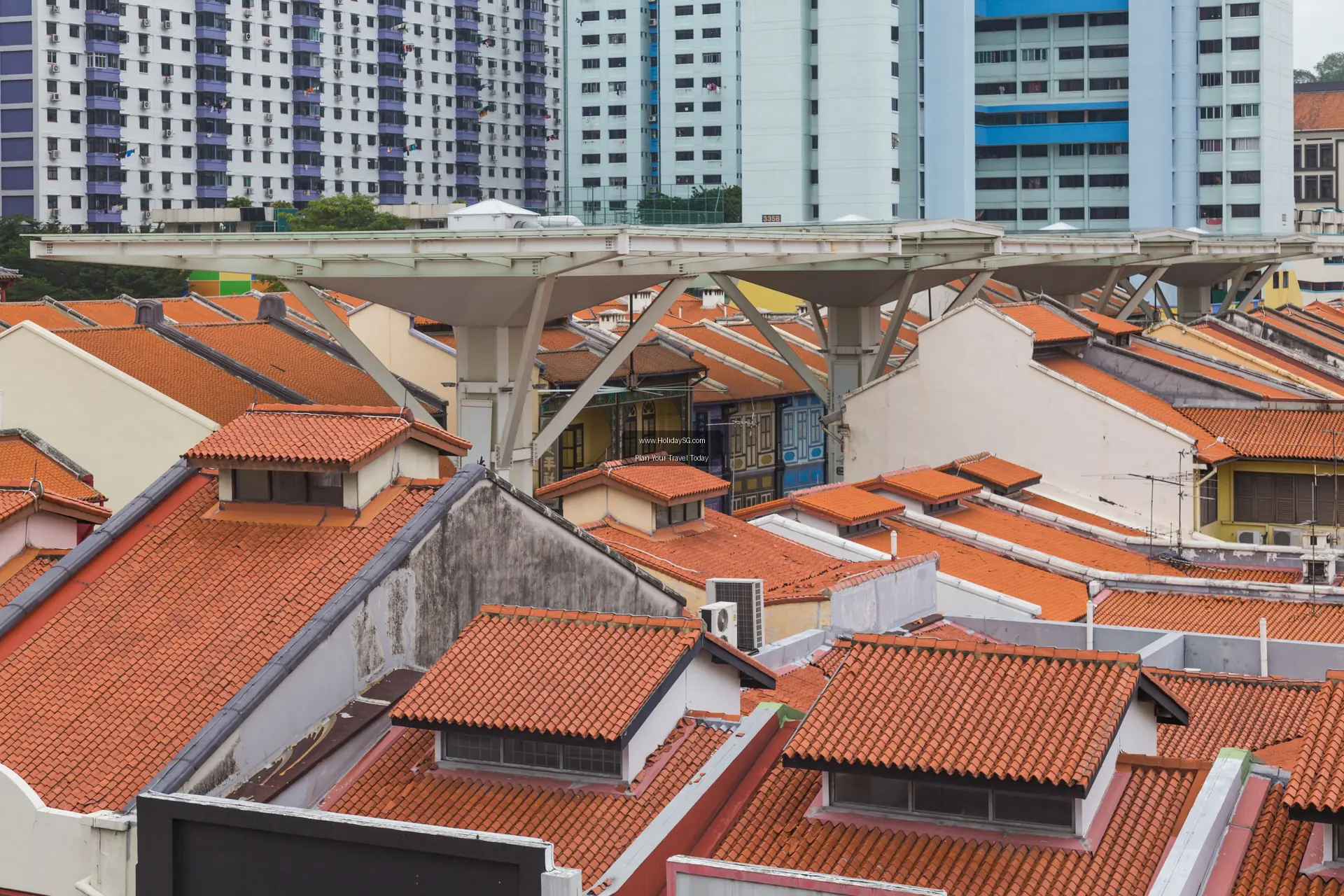
The shophouses around Bugis reflect several generations of building. Look for the arched windows and painted plasterwork that recall the early twentieth century, and notice the shaded arcades that let pedestrians walk in the shade during the day. Many older buildings have been restored and now hold cafés, design stores and small galleries, while others keep their original function as family-run shops. Taking a moment to look up from the street level reveals details such as carved wooden shutters, tiled floors and colonial-era signage that most visitors miss.
Architecture walks are best done early in the morning, when the lanes are quieter and the light is soft. Carry a small notebook or a camera with a wide lens for the rows of shophouses, and keep an eye out for murals that change with each new exhibition.
Food Stops Between the Galleries
Bugis is a good area for eating between sights, with hawker stalls, bakeries and cafés spread across the neighbourhood. Kaya toast with soft-boiled eggs is a classic Singaporean breakfast, while nasi lemak and chicken rice are popular lunch options. Desserts such as ice kachang and cendol are cooling choices for the hottest part of the afternoon. Many stalls are cash-only, so keep small notes in your pocket, and check the hygiene grade displayed at the stall before you order.
Halal dining is widely available in the Kampong Glam area, and many restaurants display their certification. Ask staff about dietary needs, particularly where stocks or sauces may contain seafood, dairy or nuts.
Religious Sites: Etiquette and Access
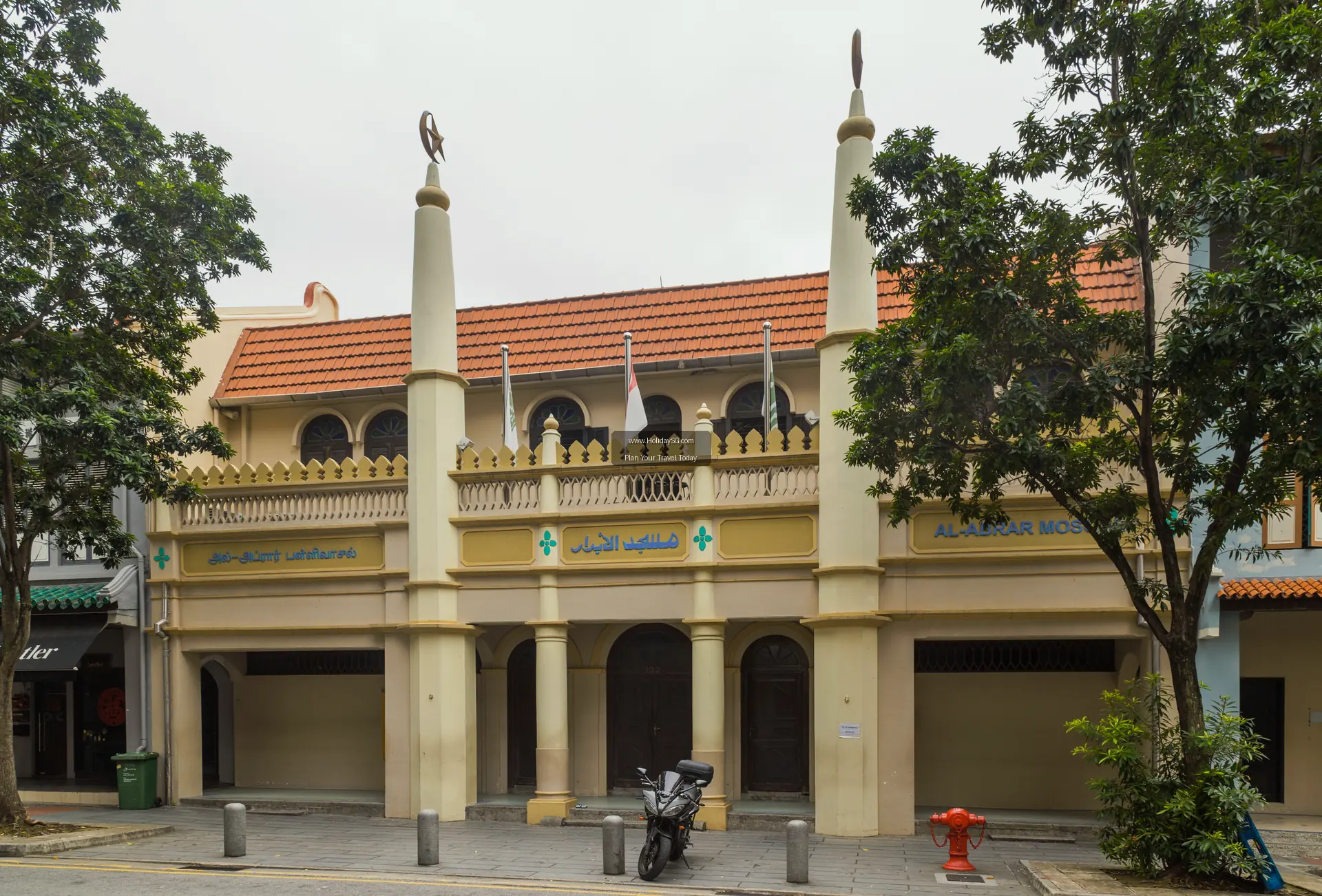
The temples and mosques near Bugis welcome visitors, but they are active places of worship. Dress modestly, covering shoulders and knees, and carry a scarf or a light wrap for women who wish to enter a mosque. Remove your shoes when asked, and keep your voice low inside the prayer halls. Photography is often restricted in prayer spaces, so ask staff before you raise a camera. Visiting outside prayer times gives a calmer experience and a better chance to look around.
Check the current visiting hours and any entry charges on each site's official website, since opening times can change for ceremonies and maintenance.
Shopping and Souvenir Hunting in the Lanes
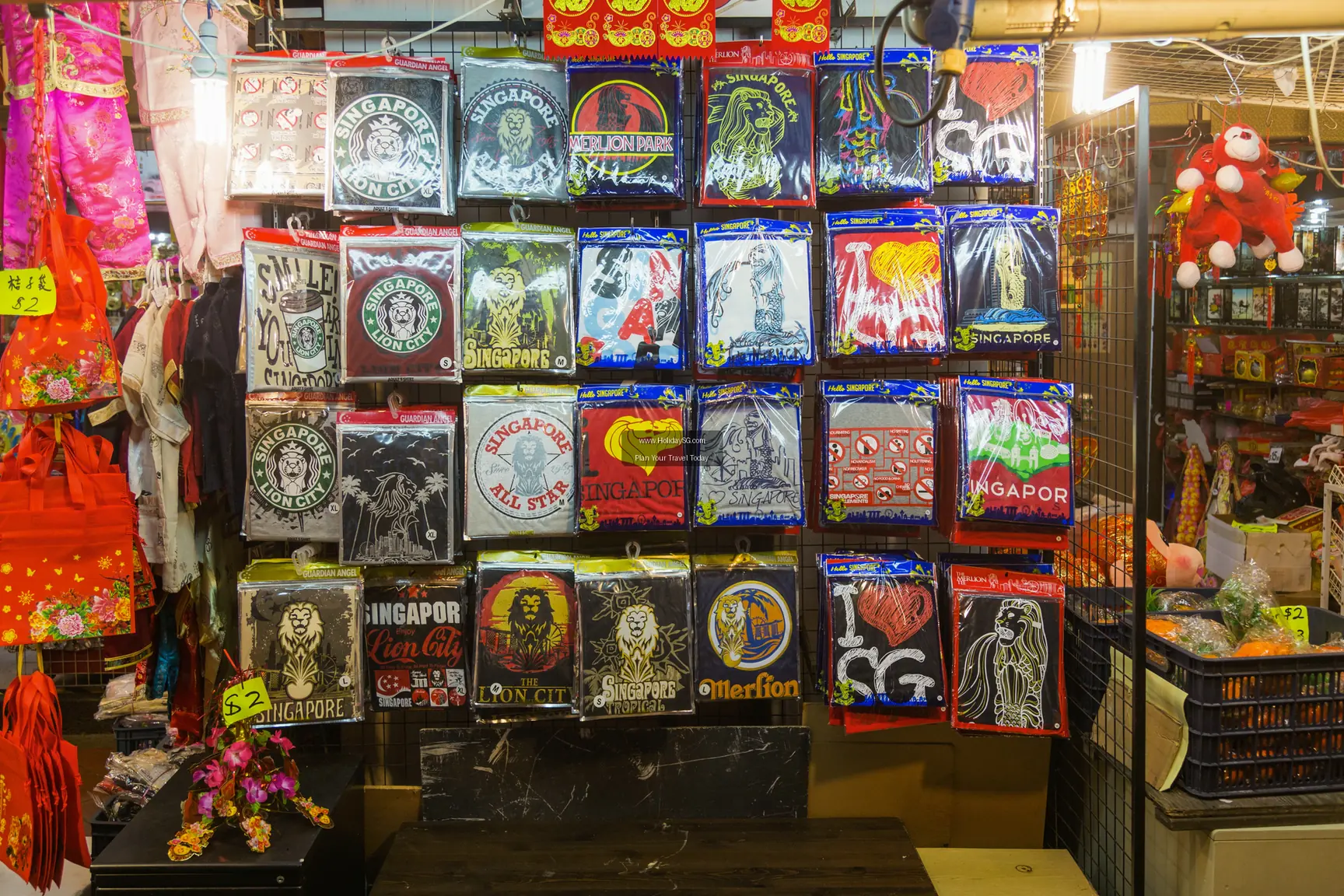
The lanes around Bugis are known for independent design shops, vintage stores and handcrafted accessories. Look for small batch jewellery, textile prints and Singapore-themed stationery, which make practical gifts that are easy to pack. Shops often open late in the afternoon and stay open into the evening, so the mid-afternoon can be quiet. Ask about returns before you buy, since policies vary between small shops.
Bargaining is not customary in most of these shops, but polite questions about discounts for multiple items are sometimes welcomed. Keep receipts for larger purchases, especially if you plan to declare them when you return home.
Accessibility and Family Comfort in Bugis
Bugis is well served by lifts and covered walkways, and most of the main streets have level pavements. Some older shophouses have steps at the entrance, and the lanes can be busy with pedestrians and delivery vehicles. Families with pushchairs should plan routes along the wider roads and use the lifts at the MRT station. Accessible washrooms are available in larger shopping centres, and staff in cafés can usually direct you to the nearest one.
Children enjoy the street art and the cafés with playful decor. Plan a rest stop in an air-conditioned space when small children start to tire, and keep a spare set of clothes in the bag for sudden showers.
Can I visit Bugis comfortably with a wheelchair?
Many main roads and covered walkways are suitable for wheelchairs, although some lanes are narrow and crowded at weekends. Ask the attraction in advance about step-free access, and choose the main roads for your route. A ride-hailing car drop-off close to your first stop saves a long walk from the station.
Rainy Day and Evening Alternatives
When a shower arrives, the covered walkways and shopping centres near the station offer shelter and seating. Galleries and museums make natural rainy-day stops, and a long lunch in a café can easily fill an hour. In the evening, the lanes come alive with restaurants and night stalls. Check the weather forecast before you leave, and keep your evening plan flexible so that a light rain does not spoil the outing.
Last trains from the nearby MRT stations run late, but service times change, so check before you plan a long evening in the area.
Booking Bugis Experiences With HolidaySG
HolidaySG offers tickets and tours for selected attractions in and around Bugis. Every booking is checked by our team before it is confirmed, so please allow for that step when you plan your route. Read the terms on each product page carefully, including timings and what is included, and contact our support team before you pay if your plans may change.
Comparing Bugis With Nearby Neighbourhoods
Bugis sits between several well-known districts, and visitors sometimes wonder which one to prioritise. Compared with Chinatown, Bugis feels more contemporary, with a mix of design shops and galleries alongside heritage streets. Compared with Little India, it is quieter in the evenings and easier to walk in a relaxed way. Choosing between them is less about ranking and more about the mood you want for the day. A morning in Bugis followed by an afternoon in Chinatown makes a natural pairing, since the two are linked by a short MRT journey.
If your interest is primarily art, Bugis offers the most concentrated choice of galleries in a walkable area. If you are drawn to street food and markets, Chinatown and Little India may suit you better after dark.
Photography Along the Lanes
Colourful shophouse façades, painted shutters and bright murals make Bugis a favourite spot for photographers. Early mornings offer soft light and empty lanes, which makes it easier to capture the architecture without crowds. Ask before photographing shopkeepers or customers, and avoid blocking doorways while you compose a shot. Many cafés welcome photographers, but staff may ask you to order something if you spend a long time at a table.
Inside religious sites, follow the posted rules on photography and keep the flash off. Respect for worshippers should always come before a photograph.
Practical Timing and Rest Points
A good Bugis day has a rhythm. Start early with breakfast and a quiet walk, visit one museum or gallery before noon, then take a long lunch in an air-conditioned café. Use the early afternoon for shopping or a temple visit, and keep the evening for dinner and a stroll. Rest points are important in the middle of the day, so choose a café or a shopping centre atrium with seating, and drink plenty of water between stops.
If you are travelling with young children, plan a nap or a quiet hour in the hotel between lunch and the evening. The change of pace makes a long day easier for everyone in the group.
Getting Home After a Bugis Evening
The MRT remains the simplest way to return from Bugis, with several lines within easy reach. Check the last train time for your line before you settle into a late dinner. If you prefer a car, ride-hailing services are readily available near the main roads, although pick-up points can be busy on weekend nights. Agree on a meeting point with your group before you split up for shopping, and keep your phone charged for the trip back.
Walk only on well-lit main roads after dark, and avoid quiet side lanes when you are alone or carrying valuables.
Making the Most of Your Bugis Visit
Bugis rewards visitors who slow down, look closely and accept the neighbourhood on its own terms. A museum, a temple, a coffee and a stroll through the lanes can fill a day without any rush. Let the streets lead you to the unexpected corners, and keep your plan loose enough to follow a good recommendation from a shopkeeper or a fellow traveller. Small pleasures such as a mango dessert or a painted wall often become the most lasting memories of a visit to this part of Singapore.
Eating Like a Local at the Hawker Stalls
Hawker centres are the easiest way to eat well around Bugis without spending a long time at a table. Most stalls specialise in one dish, so pick the stall with the longest line of regulars and ask what is freshest that morning. Order at the counter, pay the way the stall accepts, and wait for your number to be called. Some stalls still prefer cash, so keep a few small notes with you, even though many places now take cards and phone payments.
Seating is first come, first served, and it is common to see a packet of tissues left on a table to show that a seat is taken. When you finish, return your tray to the collection point, which keeps the centre tidy and helps the cleaners. Sharing a table with strangers is normal at busy lunchtimes, so a polite nod or a short greeting is a friendly way to start a conversation.
Breakfast stalls serve the lighter dishes, while lunch stalls are busiest around midday. Late in the afternoon many stalls begin to sell out of their most popular dishes, so order early if there is something you want to try. Keep a small bottle of water handy, since the heat and humidity make even a short meal feel thirsty.
Small Habits for Walking the Lanes
The lanes around Bugis are narrow and busy, and shopfronts often spill onto the pavement. Keep to one side when a stall has spread out, and step aside for delivery trolleys and for people carrying bags. Cyclists and scooters share some of the paths, so keep an eye on what is coming behind you, especially at corners and where the paths meet the main roads.
Shoes matter more than you might expect. Pavements can be uneven around older shophouses, and the tiles get slippery after a shower. Choose closed shoes with good grip and save the fashion heels for the evening. A small bag that stays in front of you in a crowd is more practical than a large tote that swings into people.
Plan a few rest stops along the way. Galleries, cafés and the shaded arcades of the old shophouses are good places to pause, and a short sit-down break makes the second half of a walk more enjoyable. If the sun is strong, slow down in the middle of the day and save the longest stretches for early morning or late afternoon, when the air is cooler and the lanes are quieter.
Things to book on this trip
Plan the rest of your trip
- Singapore visa requirements - Check who needs a visa, the documents and the processing time.
- Hotels in Singapore - Compare hotels and check room rates for your dates.
