

| Bali, often called the Island of the Gods, is one of Indonesia's most captivating destinations. Known for its breathtaking beaches, lush rice terraces, ancient temples, vibrant nightlife, and welcoming culture, Bali attracts millions of visitors from around the world every year. From surfers chasing world-class waves in Uluwatu to honeymooners relaxing in Seminyak's luxury resorts, Bali offers experiences for every type of traveller. |
| What makes Bali truly special is its diversity. You can watch the sunrise from the summit of Mount Batur, spend the afternoon exploring centuries-old temples, enjoy a sunset seafood dinner on Jimbaran Beach, and end the day with live music or beach clubs in Canggu—all within a single trip. |
| Beyond its natural beauty, Bali is deeply rooted in Hindu traditions. Daily offerings, colourful ceremonies, and ornate temple architecture create a unique cultural atmosphere that sets the island apart from other destinations in Southeast Asia. |
| Another reason travellers love Bali is its affordability. Whether you're travelling on a backpacker's budget or looking for a luxury villa with a private infinity pool, the island caters to every budget. This Bali Travel Guide also includes a Bali Travel Cost Explained section to help you estimate your expenses and travel smarter. |
| Quick Facts |
| Information |
| Country |
| Province |
| Capital City |
| Nearest Airport |
| Currency |
| Language |
| Time Zone |
| Best Time to Visit |
| Recommended Stay |
| Family Friendly |
| Suitable for Kids |
| Wheelchair Accessibility |
| Visa |
| About Bali |
| Bali is Indonesia's most famous island and is celebrated for its unique blend of spirituality, natural beauty, and modern tourism. Unlike most of Indonesia, Bali follows Balinese Hinduism, which influences its festivals, architecture, and everyday life. |
| The island features volcanic mountains, waterfalls, tropical forests, white and black sand beaches, coral reefs, and scenic rice terraces. Traditional villages coexist with luxury resorts, yoga retreats, and trendy cafés, making Bali a destination that appeals to all kinds of travellers. |
| Bali is also renowned for its arts and crafts. Visitors can discover wood carving, silver jewellery, batik, traditional dance performances, and local music that have been preserved for generations. |
| Why Visit Bali? |
| Here are 20 reasons why Bali deserves a place on your travel bucket list: |
| 1. Beautiful beaches for every type of traveller. |
| 2. Spectacular sunsets at Tanah Lot and Uluwatu. |
| 3. Affordable luxury accommodation. |
| 4. Rich Balinese Hindu culture. |
| 5. UNESCO-listed rice terraces. |
| 6. Excellent surfing spots. |
| 7. Incredible waterfalls. |
| 8. Active volcano trekking. |
| 9. Delicious Indonesian cuisine. |
| 10. Vibrant beach clubs. |
| 11. Relaxing spa treatments. |
| 12. Friendly local people. |
| 13. Amazing snorkeling and diving. |
| 14. Colourful traditional ceremonies. |
| 15. Scenic jungle landscapes. |
| 16. Romantic honeymoon experiences. |
| 17. Great shopping opportunities. |
| 18. Family-friendly attractions. |
| 19. Year-round warm weather. |
| 20. Excellent value for money. |
| Top Highlights |
| 1. Uluwatu Temple |
| A dramatic sea temple perched on towering limestone cliffs with breathtaking sunset views and the famous Kecak Fire Dance. |
| 2. Tegallalang Rice Terraces |
| One of Bali's most photographed landscapes featuring lush green stepped rice fields. |
| 3. Mount Batur |
| A popular volcano offering unforgettable sunrise trekking experiences. |
| 4. Tanah Lot Temple |
| A stunning offshore temple famous for sunset photography. |
| 5. Ubud Monkey Forest |
| A sacred forest home to hundreds of playful long-tailed macaques. |
| 6. Nusa Penida |
| Crystal-clear waters, dramatic cliffs, and iconic Kelingking Beach. |
| 7. Seminyak |
| Luxury shopping, stylish cafés, and upscale beach clubs. |
| 8. Canggu |
| Popular among surfers, digital nomads, and food lovers. |
| 9. Jimbaran Beach |
| Known for fresh seafood dinners right on the beach. |
| 10. Tirta Empul Temple |
| A sacred water temple famous for its purification rituals. |
| 11. Handara Gate |
| One of Bali's most Instagram-famous photo spots. |
| 12. Lempuyang Temple |
| Home to the iconic Gates of Heaven. |
| 13. Bali Swing |
| Enjoy panoramic jungle views while swinging high above the valley. |
| 14. Tegenungan Waterfall |
| A beautiful waterfall easily accessible from Ubud. |
| 15. Jatiluwih Rice Terraces |
| UNESCO-listed landscapes showcasing Bali's traditional irrigation system. |
| 16. Lovina Beach |
| Known for early morning dolphin watching tours. |
| 17. Sidemen Valley |
| A quieter alternative to Ubud with stunning scenery. |
| 18. Nusa Dua |
| Luxury resorts and calm beaches ideal for families. |
| 19. Sanur Beach |
| Perfect for cycling, sunrise walks, and relaxed holidays. |
| 20. Bali Safari & Marine Park |
| A family-friendly wildlife attraction featuring animals from Indonesia, Africa, and India. |
| Things to Do in Bali |
| Watch the sunrise from Mount Batur. |
| Explore Ubud's art galleries. |
| Visit ancient Hindu temples. |
| Relax on Seminyak Beach. |
| Learn to surf in Kuta. |
| Take a Balinese cooking class. |
| Enjoy a traditional spa treatment. |
| Watch the Kecak Fire Dance. |
| Snorkel around Nusa Penida. |
| Dive in Amed or Tulamben. |
| Visit Bali Bird Park. |
| Explore Bali Zoo. |
| Ride the Bali Swing. |
| Chase waterfalls in North Bali. |
| Enjoy seafood at Jimbaran. |
| Shop at Ubud Market. |
| Try yoga in Ubud. |
| Visit coffee plantations. |
| Taste authentic Balinese cuisine. |
| Explore hidden beaches. |
| Rent a scooter and discover local villages. |
| Join a cycling tour. |
| Go white-water rafting. |
| Visit local temples during ceremonies. |
| Experience Bali nightlife in Canggu. |
| Take a photography tour. |
| Visit traditional handicraft villages. |
| Watch dolphins in Lovina. |
| Enjoy sunset cruises. |
| Spend a day island hopping. |
| Bali Travel Cost Explained |
| One of the biggest advantages of visiting Bali is that it suits almost every budget. |
| Category |
| Hotel |
| Meals |
| Scooter Rental |
| Private Driver |
| Attraction Entry |
| Estimated Daily Budget |
| Money-saving tips include eating at local warungs, using Grab or Gojek where available, booking attractions in advance, and travelling during the shoulder season. |
| Transportation Guide |
| Getting around Bali is relatively easy, although traffic can be heavy in popular tourist areas. |
| Airport Transfers: Available by taxi, ride-hailing services, and private transfers. |
| Grab & Gojek: Convenient in many areas, though some tourist zones have restrictions. |
| Scooter Rental: Popular for experienced riders with an international driving permit. |
| Private Driver: A comfortable choice for day trips and families. |
| Car Rental: Suitable if you're familiar with local driving conditions. |
| Walking: Best in compact areas such as Ubud town centre and parts of Seminyak, though many destinations require transport. |
| Best Time to Visit |
| The dry season (April–October) offers sunny weather, ideal for beaches, hiking, and outdoor adventures. July and August are particularly popular, so expect larger crowds and higher accommodation prices. |
| The rainy season (November–March) brings lush landscapes and fewer tourists. While showers are common, they are often short, leaving plenty of time for sightseeing. |
How Bali Travel Guide 2026: Attractions, Costs & Travel Tips Compares to Other Experiences
When planning a trip to Indonesia, it helps to compare what different attractions and experiences offer. Here is how Bali Travel Guide 2026: Attractions, Costs & Travel Tips stacks up against other popular choices:
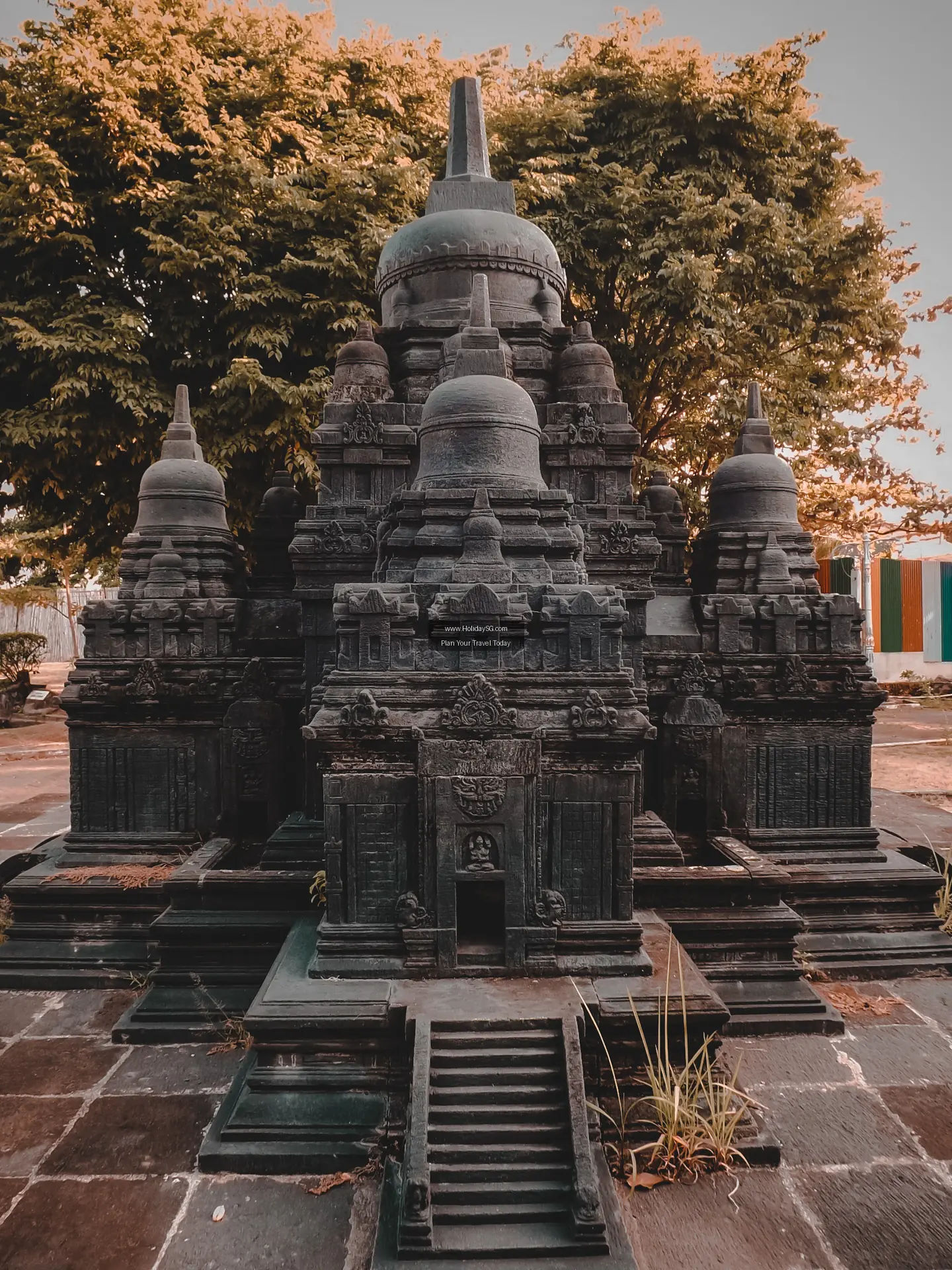
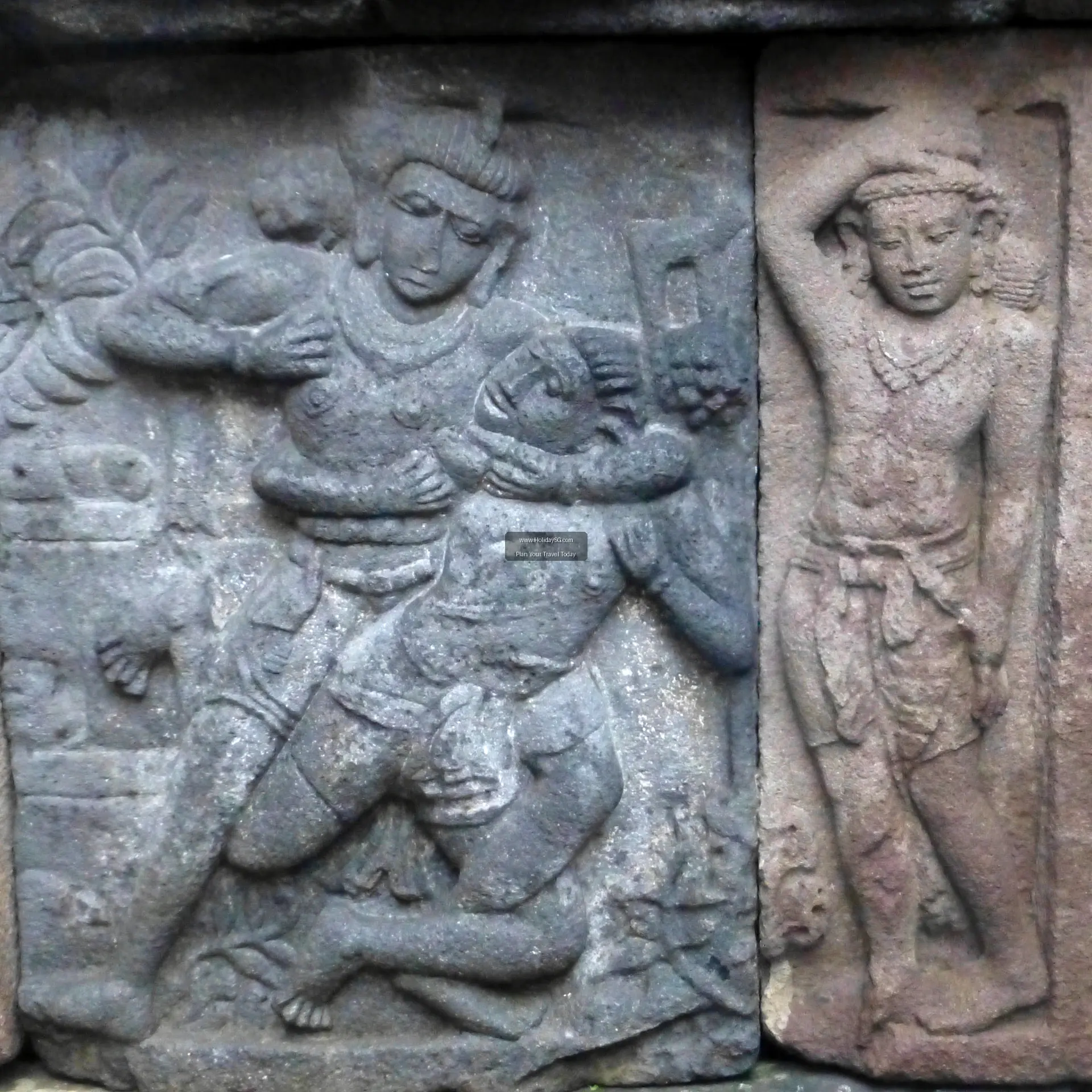
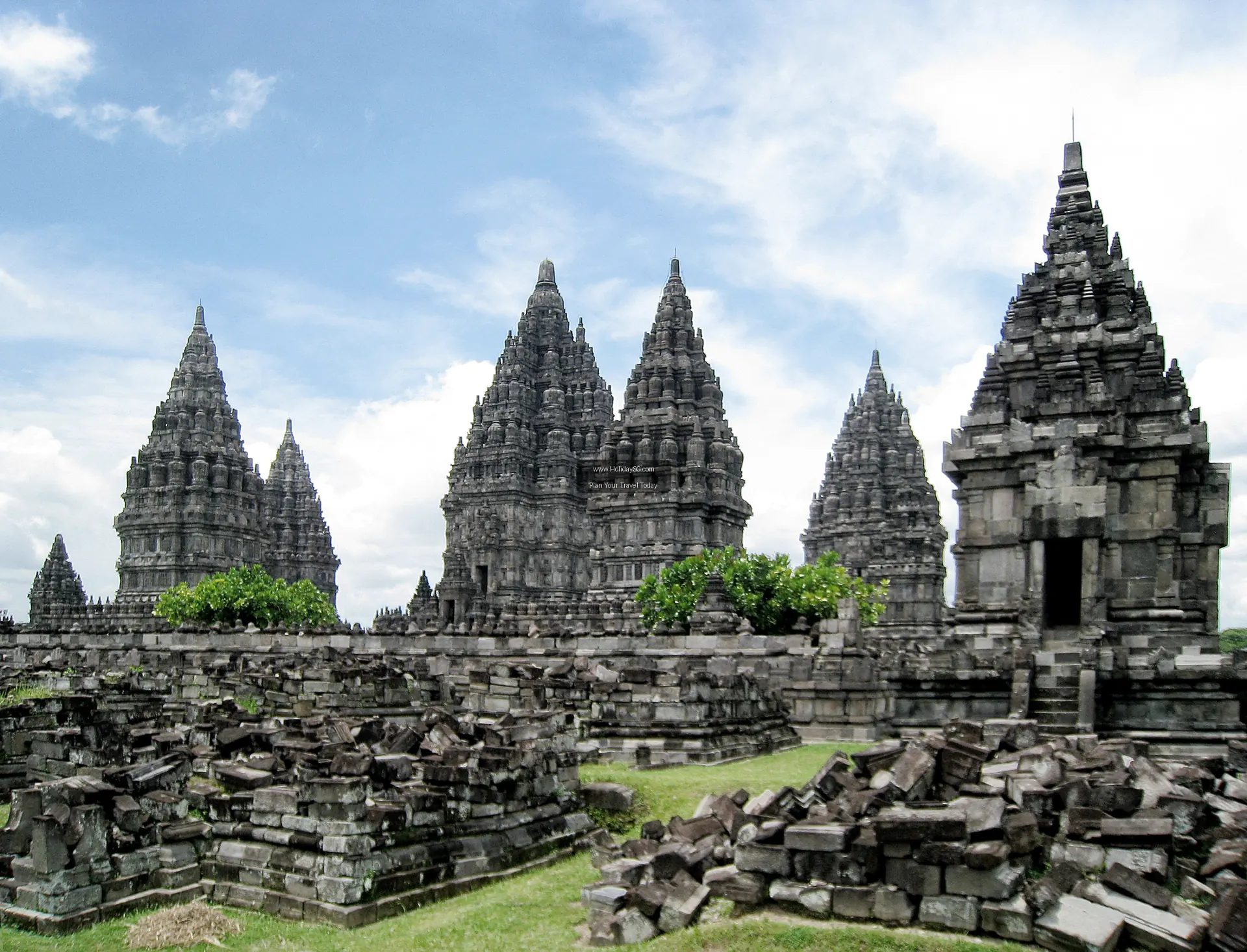
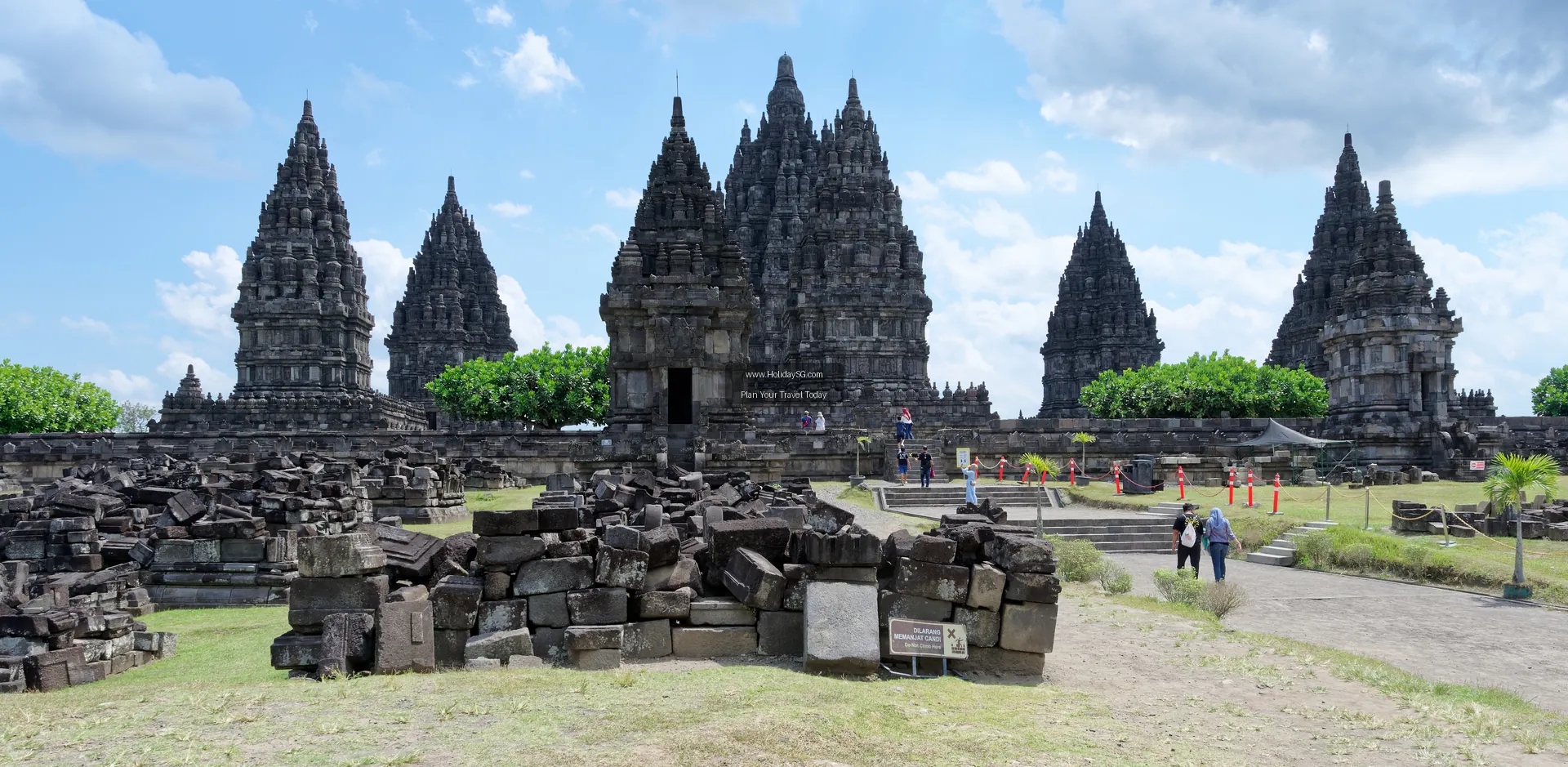
| Feature | Bali Travel Guide 2026: Attractions, Costs & Travel Tips | Ubud Rice Terraces | Borobudur Temple |
|---|---|---|---|
| Best For | All types of travellers | All types of travellers | History & culture lovers |
| Duration Needed | 2–4 hours | 2–4 hours | 1–2 hours |
| Budget Level | Moderate ($$) | Moderate ($$) | Moderate ($$) |
| Crowd Level | Moderate | Moderate | Moderate |
| Unique Factor | Distinctive local experience | Distinctive local experience | UNESCO or heritage site |
Our recommendation: If you have limited time in Indonesia, prioritise Bali Travel Guide 2026: Attractions, Costs & Travel Tips for its unique appeal. However, combining it with Ubud Rice Terraces creates a well-rounded itinerary that captures the best of Indonesia.
Book Your Indonesia Experience with HolidaySG
Browse Indonesia Activities & Tickets
Choosing where to base yourself
Bali is made up of distinct areas, and the one you choose shapes your trip. Ubud, in the centre of the island, suits travellers who want rice terraces, temples, art galleries and a slower pace. Seminyak and Canggu, on the west coast, suit visitors who want beach clubs, cafés and sunsets over the surf. Sanur, on the east coast, is calm and family-friendly, with shallow waters and a relaxed promenade. Uluwatu, on the southern cliffs, suits those who want dramatic coastal views and surf beaches. Decide which mood you want first, then pick the base that matches it.
Getting around the island
Traffic on Bali's main roads can be heavy, and distances that look short on a map can take an hour or more by car. Private drivers are widely available and often the most practical option for a day of sightseeing. Ride-hailing apps operate in the main towns, and scooters are common for short trips, though visitors should have the right licence and wear a helmet. Plan your day around the traffic, starting early and leaving the coastal roads before the afternoon rush.
Comparing the main areas
The table below compares the main areas of Bali by the atmosphere, the typical traveller and the main reason to stay there.
| Area | Atmosphere | Typical traveller | Main reason to stay |
|---|---|---|---|
| Ubud | Cultural and green | Culture seekers and couples | Temples, rice terraces and art |
| Seminyak and Canggu | Trendy and social | Young travellers and surfers | Beach clubs and sunsets |
| Sanur | Calm and family-friendly | Families and older visitors | Shallow water and a relaxed promenade |
| Uluwatu | Dramatic and scenic | Surfers and sunset watchers | Cliff views and surf beaches |
Frequently asked questions about Bali
What is the best time to visit Bali?
The dry season, roughly from April to October, is the most popular time for beach trips and outdoor activities. The wet season brings afternoon rain, but the landscape is greener and prices can be lower.
Do I need a visa?
Visa rules for Indonesia depend on your nationality. Check the current requirements with the official sources before you travel, and confirm the validity of your passport.
Is Bali safe for families?
Many families visit Bali each year. Choose accommodation with good facilities, use licensed drivers and keep an eye on children near the sea and on busy roads.
Temples, culture and daily customs
Balinese Hinduism shapes daily life on the island, and offerings of flowers and rice can be seen on doorsteps, shrines and pavements. Visitors should dress modestly when entering temples, wearing a sarong and a sash, and should follow the instructions of the staff at each site. Avoid touching offerings, and step around them rather than over them. Ceremonies take place regularly, and watching one from a respectful distance is a memorable way to see the island's culture.
Food and drink worth trying
Bali's food ranges from simple warungs serving nasi campur and fried rice to fine dining restaurants with local ingredients. Try babi guling, suckling pig prepared with spices, in areas that serve it, and sample the satay, grilled skewers served with peanut sauce. Fresh fruit, coconut water and Balinese coffee are widely available. Drink bottled or filtered water, and choose busy restaurants with high turnover for the freshest food.
Money, costs and practical tips
The local currency is the rupiah, and cash is widely used in smaller shops and warungs. Carry small notes for tips and transport, and check exchange rates before you change money. Many hotels and larger restaurants accept cards, though some charge a surcharge. Keep copies of your passport and travel insurance, and learn a few words of Indonesian, since a polite greeting goes a long way with local people.
Frequently asked questions about travel planning
How many days should I spend in Bali?
Seven to ten days allows time for two or three bases, a few temples and some beach days. Shorter trips work well if you focus on one area.
Is it easy to get around without a driver?
It is possible with ride-hailing apps and scooters, but a private driver is more comfortable for longer journeys and for visits to the interior.
Rice terraces and day trips
The rice terraces around Ubud and Tegallalang are among the island's most recognised landscapes. Terraces step down the hillsides in shades of green, and walking paths give views across the valleys. Start early to avoid the midday heat and the largest tour groups. Beyond the terraces, day trips can take in the crater lake at Batur, the waterfalls of the north and the fishing villages of the east, though each takes a good part of the day once travel time is counted.
Beaches and water activities
Bali's beaches vary from wide sandy stretches on the west coast to rocky coves and surf breaks in the south. Surfing lessons are available for beginners, and calmer beaches suit swimming and snorkelling. Check the tide and surf conditions before you enter the water, and follow the advice of local lifeguards, since currents can be strong at some beaches.
Frequently asked questions about the island
Is Bali good for a honeymoon?
Yes. Many couples choose Ubud for its quiet villas and Seminyak or Uluwatu for beach resorts and sunset dinners.
Can I drink the tap water?
Visitors are advised to drink bottled or filtered water, and to use it for brushing teeth as well.
Planning a balanced itinerary
A good Bali itinerary mixes one or two cultural days with a few relaxed beach days. Put the long journeys early in the trip, when energy is high, and leave the last day free for shopping or a final sunset. Keep the schedule flexible, since traffic and weather can change the timing of a day. Ask your accommodation or driver for local recommendations, because many of the best experiences are small and not widely advertised.
Accommodation styles beyond the resort bubble
Most travellers book a villa or beachfront resort and miss the chance to live like a local for part of their stay. You'll spend a significant portion of your Bali travel guide research choosing where to sleep, yet rarely consider how your accommodation choice shapes your entire experience. The island offers wildly different ways to stay depending on what you actually want from your trip—and the difference between a gated resort and a family-run guesthouse in Ubud is far more dramatic than price alone.
What makes a traditional Balinese guesthouse different from a villa?
A traditional guesthouse (or homestay) is family-operated, usually with 3-8 rooms, shared courtyards, and hosts who eat breakfast with guests and offer genuine local knowledge. Villas are self-contained properties with private pools, separate living spaces, and often staffed with cleaners and cooks. The guesthouse approach costs less, builds real connections, and puts you in neighbourhoods where Balinese people actually live. Villas offer privacy and luxury but can feel isolated, especially if you're travelling solo or seeking cultural immersion.
If you choose a guesthouse, research ones in quieter areas like Sanur, Canggu's back streets, or the hillsides above Ubud rather than main tourist strips. Ask the hosts directly about their neighbourhood—what's walkable, which warungs (small restaurants) are good, where locals actually gather. One practical tip: check if your guesthouse has a motorbike rental arrangement with a trusted driver or if they can connect you with one. This single connection often solves transport frustration for days.
Are rice field homestays worth the trek?
Staying directly overlooking or within rice terraces sounds romantic, and it genuinely is—waking to morning light across green paddies while farmers work below creates a completely different mental state than hotel life. The catch is logistics: most rice field properties are 20-45 minutes by rough road from restaurants, supplies, or activities. You'll need consistent transport arranged, or be prepared to spend extended quiet time reading, walking, and eating simple meals cooked at your homestay.
These properties work brilliantly if you're recovering from burnout, working remotely with flexible hours, or spending 5+ nights in one location. They're less practical for a standard 10-day holiday where you want variety and mobility. If you do choose this option, budget 1-2 nights maximum during a longer Bali travel guide itinerary, bookended by nights in a more central location.
Should you book a beachfront property in high season?
Beachfront properties command premium prices during July-August and December-January, and you'll share the beach with hundreds of other tourists, tour groups, and jet skis. However, staying beachfront in shoulder seasons (April-May, September-October) gives you genuine beach access, sunset views, and quieter mornings. The trade-off is that many beachfront areas face monsoon swells or rough conditions during certain periods—check seasonal conditions before booking any oceanfront property.
Consider staying one or two streets inland in areas like Seminyak, Canggu, or Sanur instead. You'll still reach the beach in a 5-minute walk, spend significantly less, avoid the tourist gauntlet, and sleep without noise from beach clubs or early-morning vendors. Your accommodation budget stretches much further, allowing you to invest in meals, activities, or longer stays elsewhere.
Dining beyond tourist restaurants: where locals actually eat
Travellers often follow the same restaurant recommendations, resulting in the same Instagram-worthy bowls at inflated prices, eaten among other tourists. A fundamental part of genuine Bali travel guide planning involves discovering where Balinese families and workers eat—these places serve better food at a fraction of the cost and give you insight into actual daily life on the island. You won't find these spots on travel blogs because they lack styling for photos, but your experience of the island's food culture transforms completely once you know where to look.
How do you find authentic warungs safely?
Authentic warungs (small family-run restaurants) are identified by high turnover of customers, menu items displayed in the window or kitchen, no English signage, and Balinese families eating at lunchtime. Walk into residential areas during lunch hours (noon-1:30 PM) and follow where scooters are parked—that's usually a good warung. Ask your guesthouse host directly; they often have family members or neighbourhood spots they trust.
The safety concern is legitimate but often overstated. High-turnover warungs serving local workers have no reason to compromise on hygiene—food poisoning hits their reputation and repeat business immediately. Stick with places busy at mealtimes, avoid anything sitting out cold, and if your stomach is sensitive, choose cooked dishes over raw preparations. One practical tip: eat your main meal at lunch when food is freshest and the rush ensures everything is made quickly.
What dishes should you try that aren't on tourist menus?
Lawar (finely chopped raw or lightly cooked meat with grated coconut, spices, and blood, though modern versions often skip the blood) represents Balinese cuisine in ways satay or spring rolls never will. Babi guling (slow-roasted pig, a ceremonial dish) and bebek betutu (duck slow-cooked in banana leaves for hours) are labour-intensive dishes you'll only find in family restaurants or at local festivals. Gado-gado variations differ drastically from tourist versions—local ones feature more peanut sauce, local greens, and sometimes crispy fried tofu that's lighter than what you'll find in tourist restaurants.
Jajanan (street snacks) like pisang goreng (fried banana), perkedel (potato fritters), and various rice cakes with sambal or coconut are eaten for breakfast or snacks by locals for under a pound sterling. Trying these reveals how Balinese people snack and fuel their day differently than tourists do. You'll find these at morning markets (6-9 AM) or small carts positioned outside warungs around mid-morning and late afternoon.
Is the seafood at beachfront restaurants actually fresh?
Beachfront seafood restaurants often receive fish that's already a day or two old by the time it reaches your plate, because the supply chain goes through multiple middlemen. Local fishing boats do bring in fresh catch daily, but that's sold to wholesale markets or prepared in family warungs, not upmarket beachfront establishments catering to tourists. The beachfront restaurants source from distributors to ensure consistent supply year-round.
If you want genuinely fresh seafood, visit Jimbaran Beach at dawn when fishing boats return, or eat at the basic warung-style restaurants along the beach (not the lounges with beds and upbeat music). These places buy direct from boats and prepare grilled fish or squid simply with sambal and lime. You'll eat better and spend less than ordering "fresh" fish at a stylised beachfront venue.
Activities beyond temples and rice fields in your Bali travel guide
Nearly every Bali travel guide recommends identical circuits: sunrise at Tanah Lot, swing through rice paddies in Ubud, swim at Seminyak Beach, visit Uluwatu Temple. These are worthwhile, but they're also exhausting when experienced with hundreds of other tourists following the same itinerary on the same schedule. The island's real activity depth lies in less-promoted directions—working with craftspeople, exploring the drier climate regions, engaging with non-tourist communities, and understanding how different parts of the island actually function beyond sightseeing.
What can you learn by spending time with craftspeople?
Villages like Ubud (traditional woodcarving), Gianyar (silver work), and Mas (mask making and woodwork) have artisans who'll teach you basic techniques for a few hours if you approach respectfully and offer payment. You'll create something genuinely yours rather than buying tourist versions, and you'll understand the skill and time investment behind objects you'd otherwise overlook. These workshops often operate informally—your guesthouse host can connect you with makers rather than tourist-facing "workshop experiences."
Beyond the activity itself, you'll learn why certain crafts are disappearing (young people move to tourism jobs) and which villages maintain strong traditions. You'll also develop appreciation for pricing—when you've spent two hours carving a small wooden animal, you understand why handmade objects cost more than factory alternatives. One practical tip: bring your own designs or ideas rather than expecting the artisan to teach you generic tourist projects.
Are volcano hikes worth the early morning wake-up?
Mount Batur hikes (usually 2-3 AM departure for summit sunrise) attract thousands of tourists on organised tours, meaning you're hiking in the dark surrounded by crowds, then sitting elbow-to-elbow at the summit waiting for sunrise. The view is dramatic if weather cooperates (often it doesn't—clouds and fog are common). Mount Agung is more challenging and less touristy but requires similar early timing and involves steeper, rockier terrain.
If you're interested in volcanoes but not the predawn tour experience, visit during daylight when you're awake, the landscape is visible, and you can move at your own pace. Day hikes on Mount Batur or Mount Agung are less crowded and let you actually experience the terrain rather than race up in darkness. Alternatively, skip volcano hikes entirely if you're not a hiker—the experience is valuable only if you're genuinely interested in the volcanic landscape and geology, not because it's "what you're supposed to do" during a Bali travel guide itinerary.
What activities exist in the drier east coast areas?
The eastern regions (Candidasa, Amed, Tulamben) receive less rainfall and tourism pressure than southern and central areas. Amed and Tulamben offer exceptional snorkelling and diving with healthy reefs and fewer crowds. The landscape is drier with visible agriculture terraced on hillsides differently than the lush southern rice fields. Candidasa has a quieter beach town atmosphere with access to fishing villages and traditional boat-building areas.
These areas are less developed but also less convenient—there are fewer restaurants, entertainment options, and transport links compared to Ubud or Seminyak. However, if you want to see agricultural life, experience genuinely quiet beaches, or understand Bali beyond the tourist circuit, spending 2-3 nights on the east coast transforms your overall impression. You'll meet fewer other tourists and encounter locals who aren't accustomed to foreigners, which means genuine conversations become possible.
Understanding Balinese Hinduism and appropriate temple behaviour
Visitors often photograph temples without understanding what they're actually witnessing, or inadvertently disrespect sacred spaces through ignorance rather than malice. Bali's Hindu practice interweaves temple observation, daily spiritual practices, and community ceremonies into everyday life in ways that aren't immediately obvious to outsiders. Your Bali travel guide experience deepens significantly when you grasp the purpose of temple spaces and the logic behind behavioural expectations.
Why do some temple areas restrict certain visitors?
Temples contain multiple courtyards with increasing spiritual significance as you move deeper into the complex. Inner sanctums (jeroan) are reserved for worshippers and priests, not tourists—this isn't arbitrary restriction but acknowledgment of spiritual hierarchy and the sacred function of those spaces. Some temples restrict entry during ceremonies, and some areas restrict people who are menstruating, based on Hindu philosophical concepts about spiritual purity that differ significantly from Western understanding.
Rather than argue with restrictions or feel excluded, understand that you're being shown the spaces designated for visitor observation, which is itself a privilege. The outer courtyards and decorated gates are often impressive enough to understand the temple's aesthetic and scale. If a sign indicates no entry, respect it—not because the rule makes sense to you, but because the temple belongs to the community using it spiritually, not to tourists. One practical tip: visit temples in late afternoon rather than morning when fewer ceremonies are occurring and you're less likely to disrupt active worship.
What clothing is actually required at temples?
Most temples ask that visitors wear sarongs (available for rental at entrances for a small fee) and ensure shoulders are covered. The rule isn't arbitrary prudishness—sarongs signify respect and intention, marking you as someone aware you're entering a sacred space, not just any tourist wandering through. Covered shoulders represent modesty in Hindu tradition. Women menstruating traditionally don't enter inner temple areas, but this rule is applied inconsistently at tourist temples.
Wear the sarong even if it feels uncomfortable or silly—it's a 5-minute adjustment that signals respect. Avoid shorts so short that your thighs are mostly visible, and don't wear clothing with offensive graphics. These aren't harsh standards compared to dress codes in many religious sites worldwide. Think of the sarong like formal wear: you wouldn't visit a church in your gym clothes, and temples deserve similar consideration.
How often do ceremony interruptions actually happen?
Balinese follow a complex Hindu-Buddhist calendar with frequent ceremonies occurring throughout the year—some temples host ceremonies several times weekly, especially during certain lunar phases. Visiting during an active ceremony can mean limited access or crowds. Large temples like Tanah Lot and Besakih often accommodate tourists around ceremony times, but smaller family temples sometimes close entirely to visitors on ceremony days.
Rather than viewing ceremony days as inconveniences, consider attending if permitted—watching preparation, observing offerings being made, or witnessing locals in ceremonial dress provides genuine cultural insight you wouldn't get otherwise. If a temple is closed, respect it and return another day. Ask your accommodation host which temples have ceremonies scheduled during your stay and whether attending is appropriate for visitors.
Managing practical challenges during peak season in your Bali travel guide
High season (July-August, December-January) brings millions of tourists to the island, which creates infrastructure strain that affects everything from internet reliability to traffic congestion to restaurant availability. Most Bali travel guides mention crowds without explaining how crowds actually change your day-to-day experience or what concrete strategies help you navigate them. Understanding these challenges before arrival means you can plan accordingly rather than spend your holiday frustrated by predictable problems.
Why does internet become unreliable during peak season?
Internet infrastructure on the island operates at or near capacity during peak season as millions of tourists simultaneously stream video, upload photos, and video call home. Mobile networks and fixed broadband both struggle, meaning data speeds drop dramatically, connections drop frequently, and you can't rely on internet for time-sensitive tasks. Some areas (Ubud, Canggu, Seminyak) have more robust infrastructure than others, but nowhere is immune during July-August.
If you require reliable internet for work, secure specific accommodation with a stated service level agreement or dedicated business broadband. Test your connection before committing. Consider scheduling essential online activities for off-peak hours (very early morning or late evening). If internet reliability is non-negotiable, either travel during shoulder season or accept that you'll need to book a coworking space for work hours. One practical tip: download offline maps, ebooks, and music before you arrive so you're not dependent on internet for entertainment.
How does traffic congestion affect day trip timing?
Traffic between southern areas (Seminyak, Canggu) and central attractions (Ubud, rice fields, temples) deteriorates significantly during peak season, converting a normal 1.5-hour drive into 2-3+ hours depending on time of day and weather. This isn't merely a slight delay—it's a fundamental reshaping of what's achievable in a day. A trip you'd plan to do mid-morning might require 6-7 AM departure instead.
Either plan fewer attractions per day and accept longer transit times, or structure your accommodation around attractions. Staying in Ubud for 2-3 days means you can explore surrounding attractions without daily drives. Staying in southern areas and making one central trip acknowledges the traffic reality. Don't plan activities assuming off-season driving times—you'll either miss departures or cancel plans repeatedly.
Can restaurants and activities absorb peak season demand?
Popular restaurants, water sports operators, and tour companies book to capacity during peak season, meaning last-minute bookings often aren't available. Reservation systems fill weeks in advance for popular experiences like sunset dinners or full-day trips. What feels like relaxed "drop in and see what's open" travel becomes impossible—you're booking everything ahead.
Accept this as non-negotiable and plan your entire itinerary before arrival if visiting during peak season. Book accommodation, major activities, and popular restaurants several weeks in advance. This removes the stress of finding availability day-to-day but requires planning commitment you might not prefer. If flexible, spontaneous travel, consider visiting during May-June or September-October instead, when you can genuinely wander and discover without advance bookings.
Working with transport and drivers for longer stays
Booking individual taxis or ride-sharing apps for each trip during a week-long stay becomes expensive, complicated, and time-consuming. Many travellers ignore this reality until they've already wasted hours and money on piecemeal transport decisions. If you're staying 5+ days, establishing transport arrangements with a single driver or rental fundamentally changes your island experience—you move faster, spend less, navigate more confidently, and often end up having genuine conversations with someone who understands the island.
How do you arrange a driver for multiple days?
Your guesthouse or hotel can typically connect you with a trusted driver—this route is preferable to finding someone yourself because the property vouches for their reliability and language ability. Alternatively, driver-hire arrangements through tourism websites exist, though quality varies. Ask for someone with experience driving tourists (they speak some English and know tourist areas) but ideally someone familiar with where locals go, not just major attractions.
Daily driver rates typically cost 50-100 pounds sterling per day depending on vehicle and distance covered. Multi-day arrangements are usually cheaper per day and build better rapport. Agree on daily schedules, payment method, and what's included (petrol, parking, meals, waiting time). Many drivers expect lunch covered if you're out all day—this is standard practice and reasonable. One practical tip: hire the same driver for your entire stay rather than different people each day. Continuity means they remember your preferences, know routes you enjoyed, and can suggest new directions.
Should you rent a motorbike or car instead?
Self-driving requires an international driving permit and comfort with chaotic traffic, narrow roads, scooters stopping suddenly, and occasional road conditions. Traffic rules are applied inconsistently, and accidents are common. If you're experienced riding motorbikes and have ridden in developing countries, self-driving gives independence and spontaneity. If you're nervous about traffic, inexperienced with motorbikes, or have never driven in similar conditions, a driver or hired transport is genuinely safer and less stressful.
Renting cars isn't practical for individual tourists because you'd drive yourself in heavy traffic, and car rental is actually more expensive than hiring a driver since you're paying rental fees plus managing navigation and parking. Motorbike rental costs significantly less but requires comfort and experience. For most travellers, paying for a driver provides better value, less stress, and often more local knowledge than either alternative.
Cultural sensitivity beyond basic etiquette
Respecting a culture involves more than following surface-level rules about dress and behaviour. It means understanding that Balinese people navigate daily contradictions between maintaining tradition and operating within a tourism economy, and recognising that your presence as a tourist has tangible effects on communities you visit. This Bali travel guide section addresses less-obvious ways travellers either contribute meaningfully or inadvertently cause harm through ignorance rather than intentional disrespect.
Why do locals have complicated feelings about tourism?
Tourism has brought employment and economic opportunity to Bali, lifting many people out of agricultural subsistence living. Simultaneously, it's driven real estate prices higher than locals can afford, shifted priorities away from traditional arts toward service work, and concentrated wealth among business owners while distributing it thinly among workers. Young people leaving villages to work in tourism affects community cohesion and knowledge transmission. Infrastructure strain, environmental impact, and cultural erosion are real concerns locals experience daily.
This isn't intended to guilt you into avoiding Bali. Rather, it explains the sometimes-strained interactions you might notice and the phenomenon of certain communities becoming tourism-hardened or extractive. Understanding this context means you can make choices that distribute your spending toward people and practices you actually want to support. If you care about the island beyond having a nice holiday, these considerations matter.
How does where you spend money actually matter?
Spending at beachfront resorts, international hotel chains, and tourist restaurants concentrates money with large corporations and wealthy owners, with minimal benefit reaching workers or local communities. Spending at family-run guesthouses, local warungs, and small craft businesses distributes money more directly to people actually operating the business. Hiring local drivers, guides, and craftspeople over booking organised tours channels payments to individuals.
You'll also spend less while supporting people more directly—a local guide earning a daily rate benefits more from your money than a tour company booking system. This isn't about guilt or charity. It's recognising that your spending shapes economic incentives. If you've become interested in Balinese culture and communities through reading this Bali travel guide, then spending intentionally reflects that actual interest rather than treating tourism as generic consumption.
What activities involving animals or communities should you reconsider?
Elephant riding, dolphin encounters, and activities involving wild animals trapped for tourism harm the animals and normalise their exploitation. Similarly, "cultural visits" to villages structured as tourist performances don't represent authentic community life—they're staged performances. Orphanage tourism has been extensively documented as often creating exploitation rather than helping children, with some facilities deliberately separating children from families for tourist appeal.
If you want to support communities, ask your guesthouse host what community projects actually need support, or identify a specific cause (village school, temple maintenance, traditional arts preservation) and investigate legitimate organisations working on it. If activities sound designed primarily for tourist entertainment rather than community benefit, they probably are. Your Bali travel guide should include reflection on which activities actually align with any genuine interest you have beyond entertainment.
Quick answers
Q: How do you decide whether to stay in a villa or guesthouse?
Choose villas if you prioritise privacy, self-catering, and pool access. Choose guesthouses if you want cultural interaction, lower costs, and integration into local neighbourhoods. Many travellers benefit from splitting their stay—villa time for relaxation and guesthouse time for connection.
Q: What's the most realistic daily food budget for eating well?
Budget 15-25 pounds sterling daily if eating at a mix of tourist restaurants and warungs. Budget 8-12 pounds sterling if eating exclusively at local warungs and markets. Tourist restaurants cost 25-50+ pounds sterling per meal. These are ballpark figures—prices vary significantly by location and season.
Q: Is it realistic to visit multiple areas during a 7-10 day stay?
Yes, but expect significant time in transit. Visiting 3-4 areas (like Seminyak, Ubud, and one east coast location) requires 1-2 nights each and involves several hours driving daily during peak season. Plan fewer areas during peak season travel, or expect less time exploring each location. Shoulder season allows more flexibility.
Q: How much should you budget for activities and entrance fees?
Temple entrance fees typically range 3-8 pounds sterling. Organised day trips 30-60 pounds sterling. Water sports or diving 40-120 pounds sterling depending on activity. Daily activities are affordable, but doing several activities daily adds up quickly. Set a rough weekly budget and prioritise experiences that genuinely interest you over completing a checklist.
Things to book on this trip
Plan the rest of your trip
- Indonesia visa requirements - Check who needs a visa, the documents and the processing time.
- Hotels in Bali, Indonesia - Compare hotels and check room rates for your dates.
