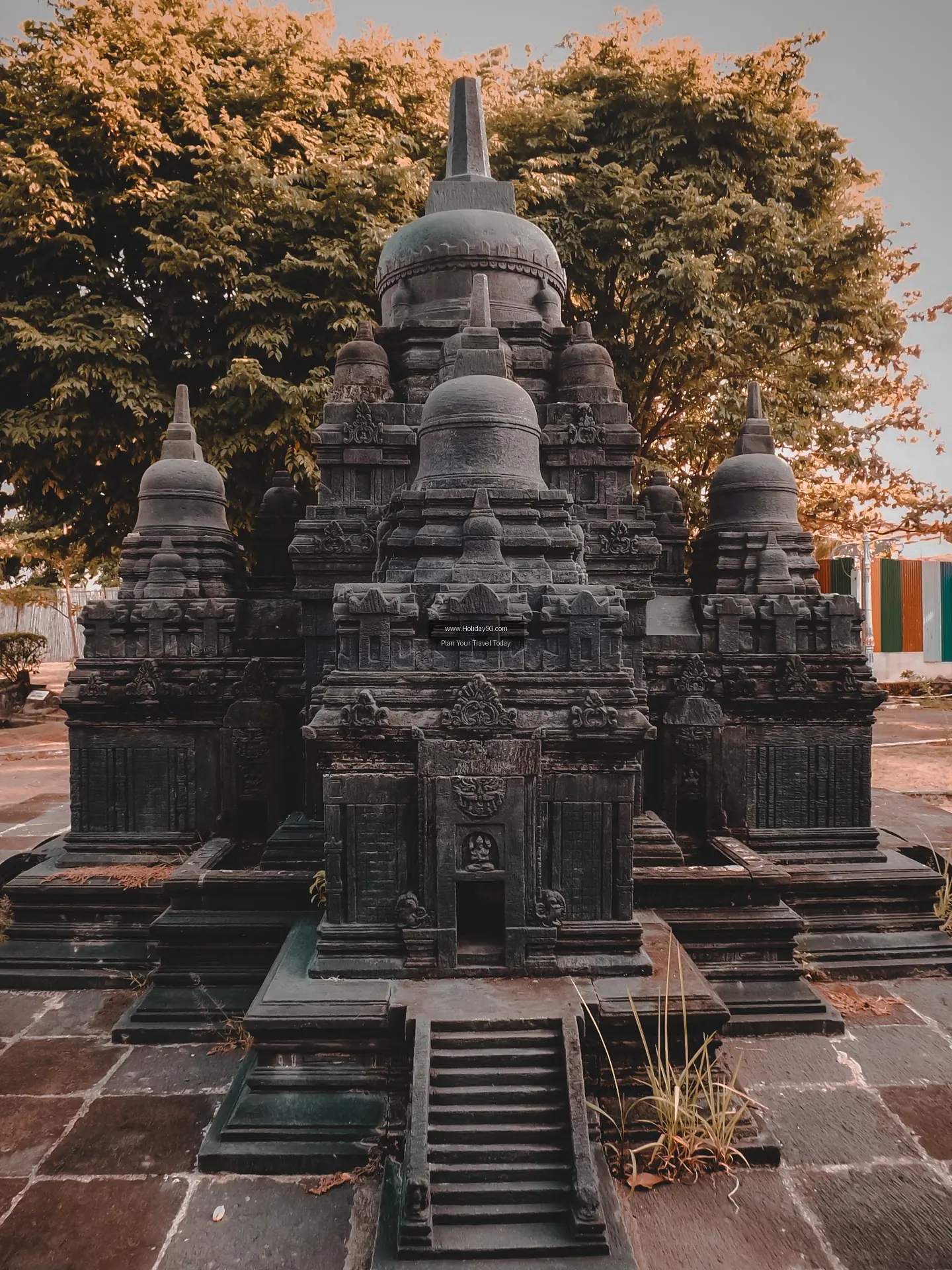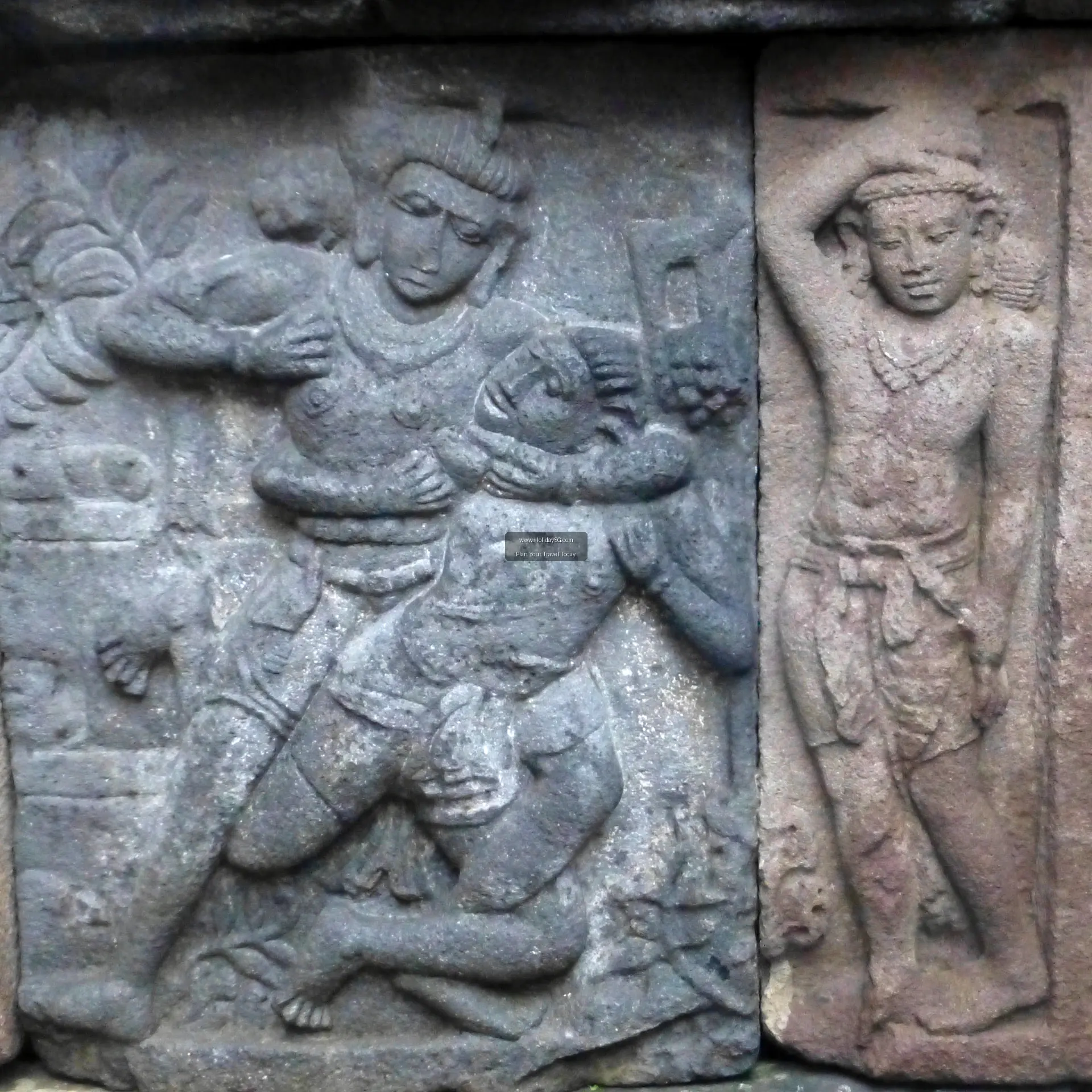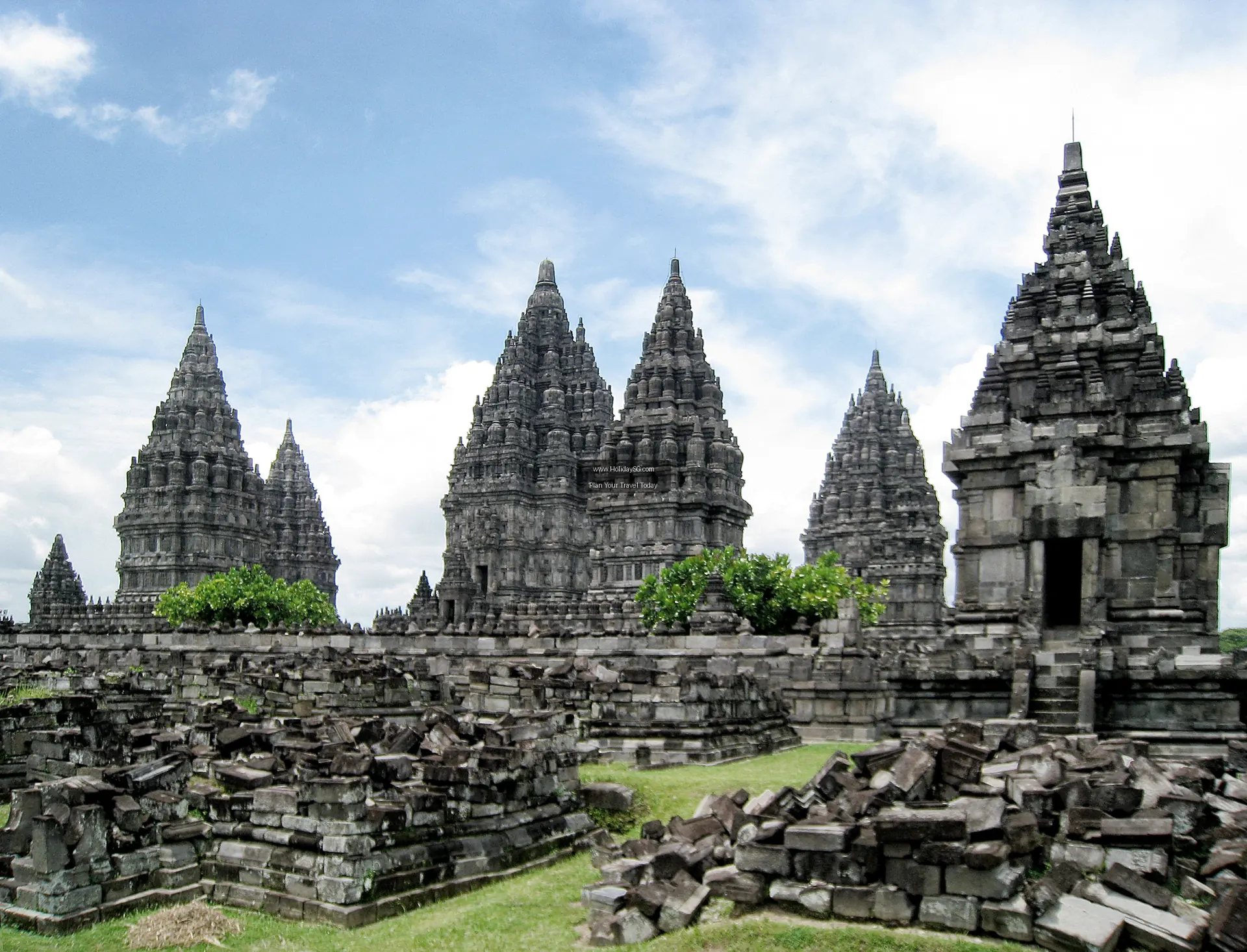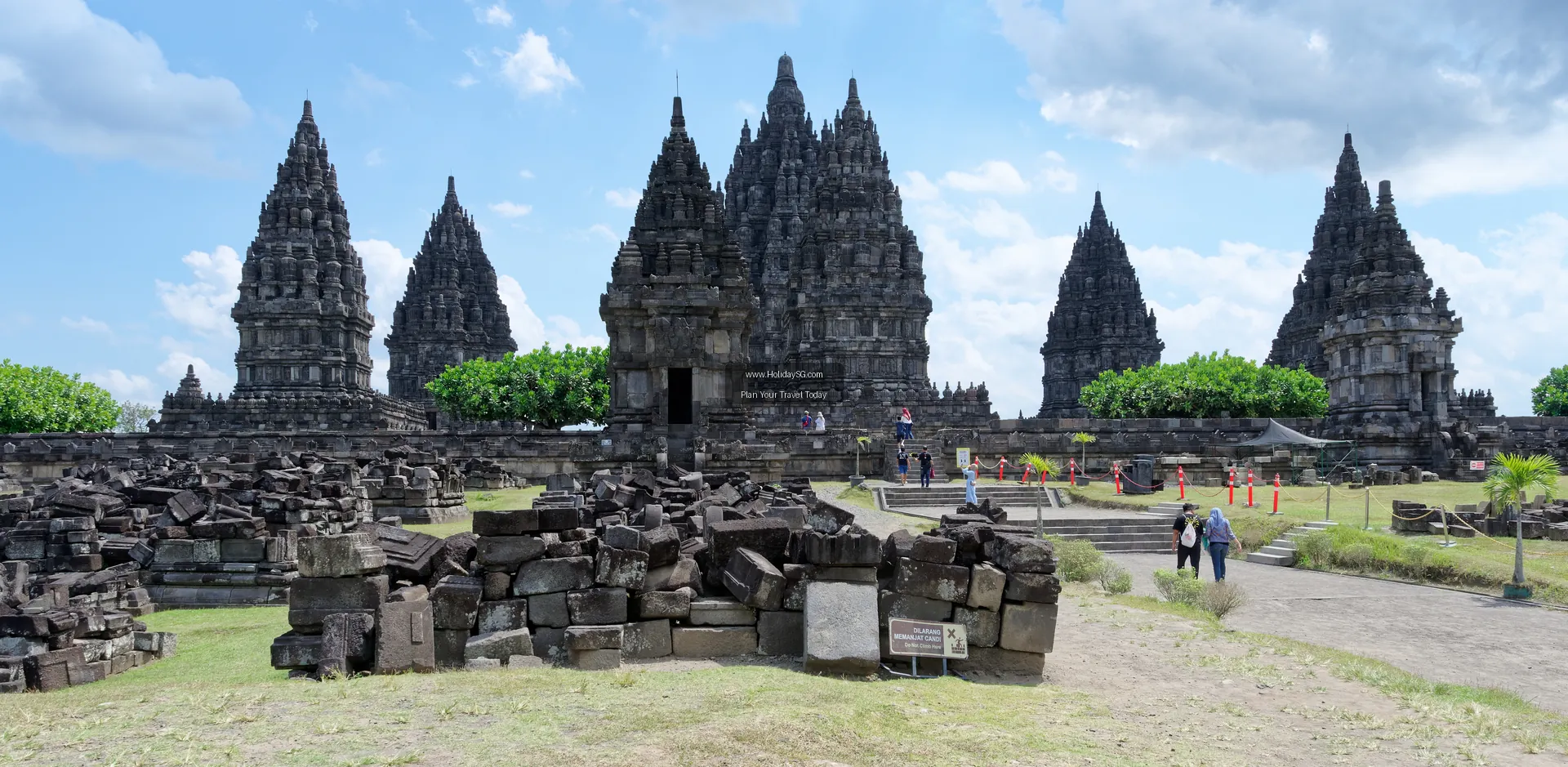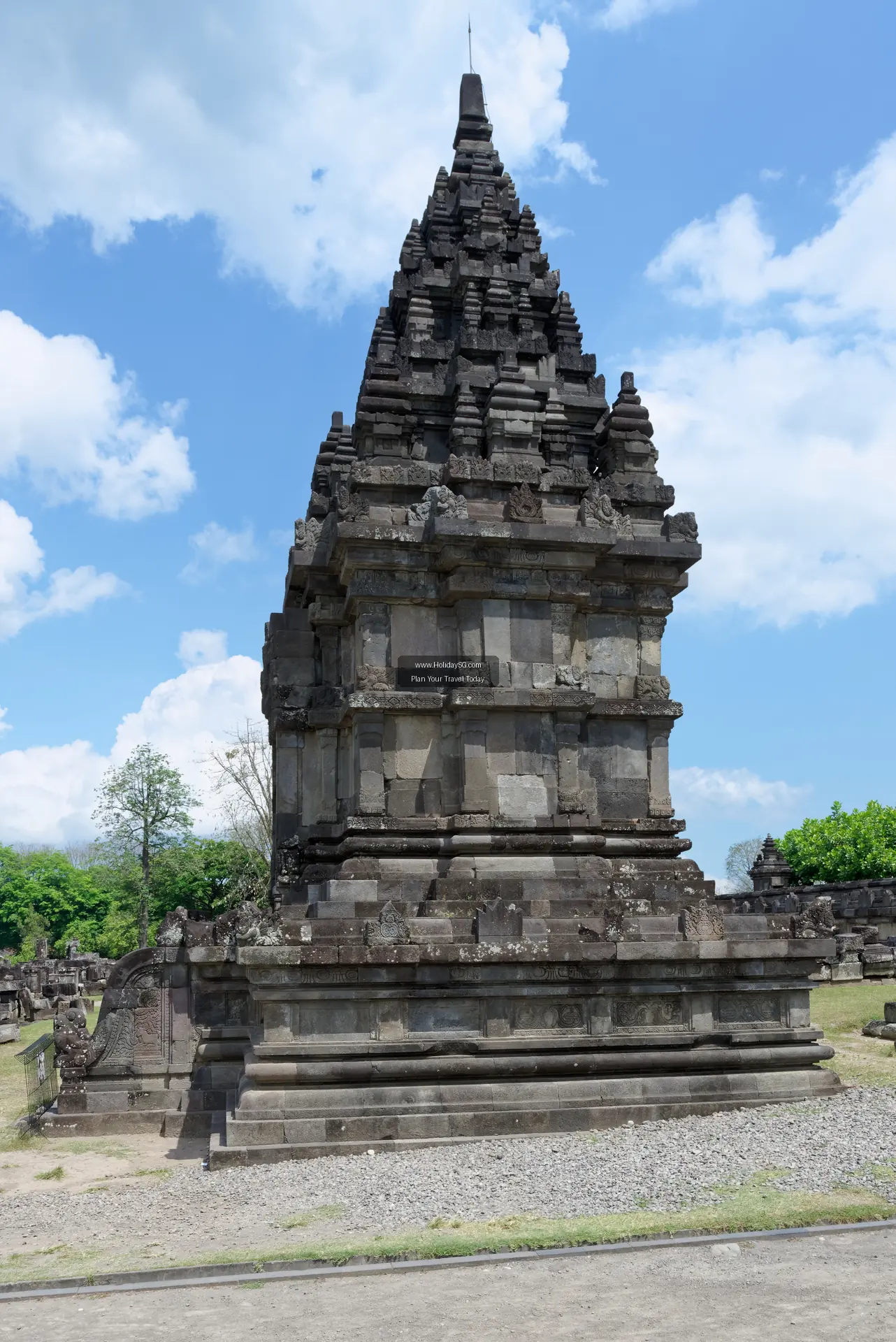

| A good Bali Travel Guide should help you understand more than where to take a photograph. Bali is a destination where beaches, volcanoes, rice terraces, temples, food, art, wellness and everyday community life come together in a remarkably varied travel experience. |
| Known around the world as the “Island of the Gods”, Bali attracts almost every type of traveller. Families can enjoy relaxed beaches, resort pools, wildlife experiences and easy cultural attractions. Couples can combine private villas, sunset dinners, spa treatments and scenic countryside. Solo travellers can join cooking classes, yoga sessions, group tours and outdoor adventures. Budget travellers can stay in guesthouses, eat at local warungs and explore many natural and cultural attractions without building an expensive itinerary. Luxury travellers can choose private villas, high-end resorts, fine dining and personalised excursions. |
| For visitors from Singapore, Bali is particularly popular for short breaks as well as longer holidays. International travellers often use the island as an introduction to Indonesia because its tourism infrastructure is well developed and its range of experiences is unusually broad. |
| However, Bali is not one small resort town. The island includes very different travel regions. Ubud is associated with culture, art, wellness and inland scenery. Seminyak and Canggu are known for restaurants, cafés and beach life. Sanur offers a more relaxed coastal atmosphere. Uluwatu combines cliffs, beaches and spectacular sunsets. Nusa Penida and Nusa Lembongan provide island experiences, while northern and eastern Bali are often preferred by travellers looking for quieter landscapes and marine activities. |
| One of the most important things to understand is that travel time can be much longer than the distance on a map. Traffic, narrow roads, weather and popular tourist routes can all affect an itinerary. A thoughtful trip therefore focuses on regions rather than trying to see every famous attraction in one day. |
| Bali's cultural importance is equally significant. The island's rice landscapes are connected to the Subak irrigation system, a cooperative water-management tradition associated with temples, agriculture and the Balinese philosophy of Tri Hita Karana. The cultural landscape of Bali is internationally recognised for the relationship between spirituality, people, water management and nature. |
| This guide covers the best time to visit Bali, major attractions, things to do, food, hotels, transportation, family travel, photography, safety, money-saving advice, weather and practical planning. |
| Quick Information Table |
| Information |
| Location |
| Main City |
| Province |
| Opening Hours |
| Ticket Price |
| Recommended Duration |
| Best Time to Visit |
| Nearest Airport |
| Family Friendly |
| Wheelchair Friendly |
| Suitable for Kids |
| Suitable for Elderly |
| Currency |
| Main Languages |
| About Bali |
| History and Background |
| Bali is an Indonesian island located between Java and Lombok. Denpasar is the provincial capital and the island's main urban centre. While modern tourism has transformed many coastal areas, Bali retains a strong cultural identity visible in its temples, ceremonies, architecture, traditional arts, agricultural systems and village communities. |
| The island's landscapes have been shaped by volcanic geology, tropical rainfall and centuries of farming. Rice terraces are among Bali's most recognisable features, but they are not simply scenic backdrops. The Subak system connects irrigation, agriculture, water temples and community cooperation. |
| Bali's cultural identity is strongly connected to Balinese Hindu traditions. Visitors may see daily offerings outside homes, shops and temples. Religious ceremonies, processions and traditional performances remain an important part of life on the island. |
| Why Bali Is Famous |
| Bali is famous because it combines experiences that are usually spread across several destinations: |
| Tropical beaches |
| Volcanic mountains |
| Rice terraces |
| Hindu temples |
| Traditional dance |
| Gamelan music |
| Wellness retreats |
| Surfing |
| Diving and snorkelling |
| Balinese cuisine |
| Luxury resorts |
| Handicrafts |
| Art and architecture |
| The island's cultural life is also part of what makes it different from a conventional beach destination. Visitors may see daily offerings, temple processions and ceremonies while travelling through ordinary neighbourhoods. These traditions should be observed respectfully because they are part of living religious and community life. |
| Architecture and Cultural Identity |
| Balinese architecture is known for its courtyards, gateways, stone carvings, shrines, tiered roofs and carefully organised sacred spaces. The architecture differs from one attraction to another, but many places reflect a strong relationship between the built environment, nature and religious traditions. |
| Water temples are particularly important in the Subak cultural landscape. The system demonstrates how irrigation, farming and religious life have been connected for centuries. |
| Nature and Wildlife |
| Bali's natural environment includes volcanic mountains, tropical forests, waterfalls, coral reefs, mangroves, rice terraces, coastal cliffs and beaches. |
| Marine environments around Bali and nearby islands support snorkelling and diving experiences, while inland areas provide opportunities for hiking, cycling and nature walks. |
| Wildlife experiences require responsible behaviour. Visitors should not feed animals unless officially permitted, should maintain a safe distance and should choose operators that demonstrate appropriate animal-welfare standards. |
| Why Visit Bali? |
| 24 Reasons to Visit Bali |
| 1. The Island Offers Remarkable Variety |
| You can combine beaches, mountains, culture and food in one holiday. |
| 2. Bali Has a Distinctive Cultural Identity |
| Temples, ceremonies, dance and architecture are deeply connected to everyday life. |
| 3. The Scenery Is Exceptionally Diverse |
| Volcanoes, rice terraces, waterfalls and coastlines all offer different experiences. |
| 4. It Suits Families |
| Many hotels, beaches and activities can be adapted for children. |
| 5. It Is Excellent for Couples |
| Villas, spas, sunsets and scenic experiences make romantic travel easy to plan. |
| 6. Solo Travellers Have Many Options |
| Group activities and social accommodation make it easy to meet other travellers. |
| 7. Budget Travel Is Possible |
| Local food and different accommodation levels make Bali flexible. |
| 8. Luxury Travel Is a Major Strength |
| Bali has internationally recognised resorts and private villas. |
| 9. The Food Is Distinctive |
| Balinese dishes offer flavours that are different from standard Indonesian cuisine. |
| 10. The Island Is Ideal for Photography |
| Sunrise, sunset, temples, landscapes and markets provide endless subjects. |
| 11. There Are Excellent Wellness Experiences |
| Yoga, meditation and spa treatments are available in many regions. |
| 12. Adventure Is Easy to Add |
| Hiking, rafting, diving, surfing and cycling are popular options. |
| 13. Bali Works for Short Breaks |
| A focused three-day trip can be enjoyable. |
| 14. Longer Trips Are Even More Rewarding |
| You can explore less-visited regions at a slower pace. |
| 15. Bali Offers Excellent Cultural Experiences |
| Dance, cooking, craft and village visits can deepen a trip. |
| 16. The Beaches Are Varied |
| Some are suited to surfing, others to sunsets, relaxation or marine activities. |
| 17. The Island Is Convenient for International Tourists |
| Tourist areas have extensive accommodation and services. |
| 18. It Is Good for Multigenerational Holidays |
| Different family members can choose different activity levels. |
| 19. Bali Has a Strong Creative Scene |
| Art, design, crafts and cafés are particularly prominent in Ubud and southern areas. |
| 20. There Is a Wide Choice of Accommodation |
| Hostels, guesthouses, boutique hotels, resorts and villas are all available. |
| 21. Bali Can Be Combined With Other Indonesian Destinations |
| Java, Lombok and the Nusa islands can extend a holiday. |
| 22. The Island Has Excellent Sunset Locations |
| Western beaches and cliff areas are especially popular. |
| 23. The Landscapes Are Culturally Meaningful |
| Rice fields and temples are part of a living system, not merely tourist scenery. |
| 24. Bali Encourages Slow Travel |
| Some of the best experiences come from taking time rather than rushing between attractions. |
| Top Highlights of Bali |
| 1. Ubud Rice Terraces |
| The countryside around Ubud provides some of Bali's most recognisable scenery. Walk carefully on marked paths and remember that many rice fields remain working agricultural land. |
| 2. Tanah Lot |
| This famous coastal temple is particularly popular around sunset. Arrive early during busy periods because the surrounding area can become crowded. |
| 3. Uluwatu |
| High cliffs, ocean views and a temple setting create one of Bali's most dramatic coastal experiences. |
| 4. Mount Batur |
| The sunrise trek is popular with active travellers. Conditions, fitness requirements and trail arrangements should be checked before booking. |
| 5. Besakih Temple |
| Located on the slopes of Mount Agung, Besakih is one of Bali's most important temple complexes. |
| 6. Tirta Empul |
| This sacred spring temple is associated with purification traditions. Visitors should follow local rules and avoid treating religious rituals as entertainment. |
| 7. Ulun Danu Beratan |
| The lakeside temple setting is one of Bali's most recognisable inland landscapes. |
| 8. Jatiluwih |
| The expansive rice landscape offers a more open and rural experience and is connected to the broader Subak cultural landscape. |
| 9. Sanur |
| Sanur is popular with travellers seeking a calmer atmosphere and a slower coastal holiday. |
| 10. Seminyak |
| Restaurants, shopping, cafés and beach venues make Seminyak popular with couples and groups. |
| 11. Canggu |
| Canggu is known for cafés, restaurants, surf culture and a youthful social scene. |
| 12. Kuta |
| Kuta remains one of Bali's most established tourist areas and is convenient for travellers seeking accessibility and lively surroundings. |
| 13. Amed |
| Amed offers a quieter eastern-coast experience with snorkelling, diving and mountain views. |
| 14. Lovina |
| Northern Bali is known for a slower pace and black-sand coastal scenery. |
| 15. Nusa Penida |
| The island is famous for dramatic cliffs and coastal viewpoints. |
| 16. Nusa Lembongan |
| A more relaxed island destination with marine activities and scenic coastlines. |
| 17. West Bali |
| The western part of the island provides a more nature-focused experience away from the busiest southern corridors. |
| 18. Balinese Dance |
| Kecak, Barong and Legong performances provide different perspectives on Balinese storytelling and artistic traditions. |
| 19. Local Markets |
| Markets provide opportunities to see everyday life, buy produce and explore handicrafts. |
| 20. Balinese Spa Culture |
| A traditional massage or spa treatment can be a relaxing part of an active itinerary. |
| Things To Do in Bali |
| Culture and History |
| 1. Visit a Balinese Temple |
| Learn about its role in local community life and follow all visitor rules. |
| 2. Watch a Kecak Performance |
| The dramatic chanting and storytelling create one of Bali's most distinctive cultural experiences. |
| 3. See a Barong Dance |
| Barong performances provide insight into Balinese mythology and traditional theatre. |
| 4. Watch a Legong Performance |
| Legong is known for precise movement, elaborate costumes and expressive storytelling. |
| 5. Explore Ubud's Galleries |
| Ubud has long been associated with art and creative expression. |
| 6. Visit a Local Museum |
| Museums can provide context about Balinese history, art and culture. |
| 7. Join a Balinese Cooking Class |
| Cooking classes are popular with families, couples and solo travellers. |
| 8. Explore a Traditional Village |
| A guided visit can help travellers understand local architecture and community life. |
| 9. Learn About the Subak Irrigation System |
| This is an excellent way to understand the connection between agriculture, water and culture. |
| 10. Visit a Royal Temple Complex |
| Royal compounds and historic sites provide insight into Bali's past. |
| 11. Browse a Local Market |
| Markets offer local produce, snacks, crafts and everyday scenes. |
| 12. Attend a Craft Workshop |
| Try activities such as wood carving, jewellery, painting or traditional crafts. |
| Nature and Adventure |
| 13. Hike Mount Batur |
| A popular sunrise adventure for active travellers. |
| 14. Visit a Waterfall |
| Bali has numerous waterfalls surrounded by tropical scenery. |
| 15. Walk Through Rice Terraces |
| Choose marked routes and respect agricultural land. |
| 16. Go White-Water Rafting |
| Rafting can be a fun group activity when booked with a reputable operator. |
| 17. Try Canyoning |
| This is best suited to travellers who are physically prepared and use professional guides. |
| 18. Cycle Through Rural Landscapes |
| Cycling provides a slower way to experience the countryside. |
| 19. Visit Lake Batur |
| The volcanic lake offers a scenic contrast to Bali's beaches. |
| 20. Explore Northern Bali |
| Northern Bali is generally slower-paced and offers different landscapes. |
| 21. Go Snorkelling |
| Bali and nearby islands have several popular marine areas. |
| 22. Try Scuba Diving |
| Divers can explore underwater landscapes with appropriately qualified operators. |
| 23. Explore a Mangrove Environment |
| Mangrove areas offer a different perspective on Bali's coastal ecology. |
| 24. Take a Guided Nature Walk |
| A local guide can help identify plants, landscapes and wildlife. |
| Beaches and Water |
| 25. Learn to Surf |
| Beginners should take lessons from qualified instructors. |
| 26. Watch Sunrise at Sanur |
| The eastern coastline is popular for early-morning views. |
| 27. Enjoy Sunset at a Western Beach |
| Late afternoon is ideal for relaxed coastal photography. |
| 28. Visit a Beach Club |
| Beach clubs offer dining, music and relaxed daytime experiences. |
| 29. Take a Boat Trip |
| Boat trips can connect Bali with nearby islands and marine areas. |
| 30. Try Paddleboarding |
| This can be enjoyable in suitable conditions with appropriate safety guidance. |
| 31. Explore Amed's Marine Environment |
| Amed is popular for snorkelling and diving. |
| 32. Visit Nusa Lembongan |
| The island offers a slower pace and beautiful coastal scenery. |
| 33. Take a Day Trip to Nusa Penida |
| A day trip can be rewarding but may involve a busy schedule. |
| 34. Spend an Unplanned Beach Day |
| Leave time in your itinerary for simple relaxation. |
| Wellness, Food and Leisure |
| 35. Book a Balinese Massage |
| A relaxing treatment can help balance a busy itinerary. |
| 36. Join a Yoga Class |
| Bali is a major destination for yoga and wellness. |
| 37. Try Meditation |
| A guided session can provide a calm break from sightseeing. |
| 38. Visit a Coffee Producer |
| Learn about local coffee production and traditional preparation. |
| 39. Take a Food Tour |
| A food tour is a good introduction to local flavours. |
| 40. Eat at a Local Warung |
| Warungs are often a good way to try affordable local food. |
| 41. Shop for Handicrafts |
| Look for textiles, baskets, artwork and locally produced goods. |
| 42. Enjoy a Sunset Dinner |
| A memorable choice for couples and special occasions. |
| 43. Take a Photography Walk |
| Early morning and late afternoon offer excellent light. |
| 44. Spend a Slow Afternoon at a Café |
| Sometimes doing less is the best way to experience Bali. |
| Ticket Information |
| Bali does not have one island-wide ticketing system. Every attraction, temple, park, activity and tour provider may operate under different rules. |
| Ticket Types |
| Depending on the attraction, tickets may include: |
| Standard admission |
| Child admission |
| Activity tickets |
| Guided tour tickets |
| Timed-entry tickets |
| Online reservation tickets |
| Special-event tickets |
| Not every attraction offers every ticket type. |
| Digital and Mobile Tickets |
| Many bookable experiences may issue a digital confirmation or mobile voucher. Keep your confirmation accessible on your phone. A screenshot may be useful in areas with weak connectivity, but always follow the specific provider's instructions. |
| Cancellation and Refund Policy |
| Cancellation and refund conditions depend on the individual product. Read the terms carefully before booking, especially for: |
| Boat trips |
| Weather-sensitive activities |
| Adventure tours |
| Timed-entry products |
| Promotional rates |
| Combo, Fast Track and VIP Tickets |
| Combo, priority-entry and VIP products should only be advertised where the attraction or authorised operator actually offers them. Availability can change, so HolidaySG should display the exact inclusions and conditions for each product. |
| Opening Hours |
| Bali itself does not have a single opening time. Individual attractions operate separately. |
| Best Visiting Hours |
| 6:00 am–9:00 am |
| Cooler temperatures and fewer visitors make early morning ideal for temples, hikes, markets and photography. |
| 9:00 am–12:00 pm |
| A good period for sightseeing and outdoor activities. |
| 12:00 pm–3:00 pm |
| Often hot. This period works well for lunch, shopping, museums or indoor activities. |
| 3:00 pm–6:30 pm |
| Excellent for beaches, viewpoints and sunset locations. |
| After 7:00 pm |
| Suitable for dining, cultural performances and nightlife. |
| Least Crowded Hours |
| Early mornings are generally the best choice for popular attractions. |
| Peak Season |
| July, August, Christmas and New Year are typically high-demand periods. |
| Off Season |
| The wetter months may offer greater flexibility in accommodation, although rain can affect outdoor plans. |
| Best Time to Visit Bali |
| Morning |
| Morning is usually the best time for temples, markets, hiking, photography and outdoor sightseeing. |
| Afternoon |
| Afternoons work well for cafés, museums, shopping, spa treatments and relaxed beach time. |
| Evening |
| Evenings are ideal for sunset, dining, performances and nightlife. |
| Weekdays |
| Weekdays may be calmer at major attractions. |
| Weekends |
| Weekends can be busier, especially in popular beach areas. |
| School Holidays |
| Families should book accommodation and popular activities earlier during major holiday periods. |
| Dry Season |
| April to October is generally considered the drier travel period. |
| Rainy Season |
| November to March can bring heavier rainfall and high humidity. |
| Best Overall Advice: For many travellers, the best time to visit Bali is during a shoulder period when the weather is reasonably favourable but demand may be lower than the busiest holiday months. |
| How To Reach Bali |
| From the Airport |
| Most international visitors arrive at I Gusti Ngurah Rai International Airport (DPS). From the airport, travellers can use authorised taxis, app-based transport where available, pre-arranged private transfers or rental vehicles. |
| From Denpasar |
| Denpasar connects with southern tourist areas by road. Travel times vary significantly depending on traffic. |
| Taxi |
| Taxis can be convenient. Confirm the fare method before travelling if a meter is not being used. |
| Grab and App-Based Transport |
| App-based transport may be useful in many tourist areas. Pick-up points can vary depending on local rules and venue access. |
| Bus |
| Bus services are available on selected routes, but Bali does not have the same comprehensive public transport network as some major Asian capitals. |
| Train and MRT |
| Bali does not currently have a conventional island-wide passenger rail network or an MRT system for tourist travel. |
| Private Transfer |
| A private transfer is often convenient for families, groups and travellers arriving with luggage. |
| Car Rental |
| Self-driving can be challenging for visitors unfamiliar with local traffic. A car with a driver is often a more comfortable option for sightseeing. |
| Walking |
| Walking is practical within compact neighbourhoods but can be difficult over long distances because of heat, traffic and uneven pedestrian infrastructure. |
| Driving Tips |
| Allow extra time for every road journey. |
| Do not plan too many distant attractions in one day. |
| Watch carefully for scooters. |
| Avoid stopping in unsafe roadside locations. |
| Confirm parking before visiting major attractions. |
| Use a reputable transport provider. |
| Nearby Attractions |
| Because Bali is a large island, “nearby” depends on your accommodation base. |
| 1. Ubud |
| A cultural and inland base with art, wellness and rice landscapes. |
| 2. Tanah Lot |
| A famous coastal temple and sunset destination. |
| 3. Uluwatu |
| Known for cliffs, beaches and dramatic coastal scenery. |
| 4. Seminyak |
| Popular for dining, shopping and beach life. |
| 5. Kuta |
| A lively and accessible tourist area. |
| 6. Sanur |
| A calmer coastal area popular with families and older travellers. |
| 7. Nusa Penida |
| Dramatic island scenery and coastal viewpoints. |
| 8. Nusa Lembongan |
| Relaxed island atmosphere and marine activities. |
| 9. Jatiluwih |
| Expansive rice terraces associated with the Subak cultural landscape. |
| 10. Tirta Empul |
| A sacred spring temple with important cultural traditions. |
| 11. Besakih |
| A major temple complex on Mount Agung. |
| 12. Mount Batur |
| A popular volcanic hiking destination. |
| 13. Lake Batur |
| A scenic volcanic lake surrounded by mountain landscapes. |
| 14. Ulun Danu Beratan |
| A distinctive lakeside temple setting. |
| 15. Amed |
| A quieter eastern-coast destination for snorkelling and diving. |
| 16. Lovina |
| A slower northern coastal destination. |
| 17. West Bali National Park |
| A nature-focused destination in the western part of the island. |
| Nearby Restaurants and Food Areas |
| Restaurant availability changes regularly, so check current hours before visiting. |
| 1. Ubud local warungs |
| 2. Seminyak restaurants |
| 3. Canggu cafés |
| 4. Sanur beachfront dining |
| 5. Jimbaran seafood restaurants |
| 6. Denpasar local eateries |
| 7. Kintamani restaurants |
| 8. Amed seafood warungs |
| 9. Lovina restaurants |
| 10. Kuta restaurants |
| 11. Nusa Lembongan cafés |
| 12. Bali night markets |
| 13. Ubud vegetarian restaurants |
| 14. Traditional food stalls |
| 15. Sunset dining venues |
| Nearby Hotels |
| Budget Accommodation |
| 1. Guesthouses in Ubud |
| 2. Hostels in Canggu |
| 3. Budget hotels in Kuta |
| 4. Guesthouses in Sanur |
| 5. Affordable stays in Legian |
| Mid-Range Accommodation |
| 6. Boutique hotels in Seminyak |
| 7. Ubud boutique resorts |
| 8. Sanur family hotels |
| 9. Nusa Dua mid-range resorts |
| 10. Amed beachfront accommodation |
| Luxury Accommodation |
| 11. Ubud jungle resorts |
| 12. Nusa Dua luxury resorts |
| 13. Jimbaran luxury hotels |
| 14. Uluwatu cliff resorts |
| 15. Seminyak private villas |
| Choose your hotel based on your itinerary. Staying in the right area can save hours of daily travel. |
| Shopping in Bali |
| Markets |
| Popular market experiences include Ubud Market, Sukawati Market, Badung Market and other local markets. |
| Shopping Malls |
| Southern Bali has modern malls with international brands, restaurants and entertainment. |
| Souvenir Shops |
| Popular purchases include: |
| Sarongs |
| Textiles |
| Basketware |
| Wood carvings |
| Artwork |
| Coffee |
| Spices |
| Jewellery |
| Snacks |
| Buy responsibly and avoid wildlife products or items that may create customs problems. |
| 20 Foods To Try in Bali |
| 1. Babi Guling |
| A traditional spiced roast pork dish. |
| 2. Ayam Betutu |
| Slow-cooked chicken prepared with aromatic spices. |
| 3. Bebek Betutu |
| A duck preparation using a rich blend of local spices. |
| 4. Lawar |
| A traditional mixture of vegetables, coconut, herbs and sometimes meat. |
| 5. Sate Lilit |
| Minced meat or seafood wrapped around a skewer. |
| 6. Nasi Campur Bali |
| Rice served with several side dishes. |
| 7. Nasi Jinggo |
| A small, convenient rice meal. |
| 8. Pepes Ikan |
| Fish cooked with spices, often wrapped in leaves. |
| 9. Tum |
| Spiced ingredients wrapped and steamed. |
| 10. Sambal Matah |
| A fresh aromatic sambal. |
| 11. Sambal Embe |
| A spicy shallot-based accompaniment. |
| 12. Tipat Cantok |
| Rice cakes, vegetables and peanut sauce. |
| 13. Rujak Kuah Pindang |
| Fruit served with a savoury and spicy sauce. |
| 14. Rujak Bulung |
| A seaweed-based local dish. |
| 15. Bubur Mengguh |
| A traditional northern Balinese porridge. |
| 16. Jaje Bali |
| Traditional Balinese sweets. |
| 17. Klepon |
| Rice-flour sweets filled with palm sugar. |
| 18. Pisang Rai |
| Banana prepared with rice flour and coconut. |
| 19. Balinese Coffee |
| A popular local drink grown in several Indonesian regions. |
| 20. Tropical Fruit |
| Try salak, mangosteen, rambutan and other local varieties. |
| 50 Bali Travel Tips |
| 1. Plan your trip by region. |
| 2. Allow extra time for traffic. |
| 3. Carry small cash. |
| 4. Keep a secure digital payment option. |
| 5. Download offline maps. |
| 6. Carry a reusable water bottle. |
| 7. Use sunscreen. |
| 8. Bring insect repellent. |
| 9. Wear comfortable shoes. |
| 10. Pack a light rain jacket. |
| 11. Dress respectfully at temples. |
| 12. Carry a sarong when useful. |
| 13. Do not step over offerings. |
| 14. Do not touch offerings. |
| 15. Ask before photographing ceremonies. |
| 16. Follow temple rules. |
| 17. Keep valuables secure. |
| 18. Use reputable transport. |
| 19. Confirm tour inclusions. |
| 20. Read cancellation terms. |
| 21. Check weather before boat trips. |
| 22. Keep plans flexible. |
| 23. Book popular accommodation early. |
| 24. Avoid changing hotels every night. |
| 25. Carry necessary medication. |
| 26. Keep emergency contacts accessible. |
| 27. Be careful with unfamiliar food. |
| 28. Drink safe water. |
| 29. Consider an eSIM or local SIM. |
| 30. Keep copies of important documents. |
| 31. Secure your passport. |
| 32. Do not ride a scooter without proper qualifications. |
| 33. Wear a helmet. |
| 34. Never drink and drive. |
| 35. Check activity insurance. |
| 36. Wear proper footwear at waterfalls. |
| 37. Take heat seriously. |
| 38. Follow beach warnings. |
| 39. Respect wildlife. |
| 40. Avoid touching coral. |
| 41. Reduce plastic waste. |
| 42. Support local businesses. |
| 43. Tip appropriately. |
| 44. Avoid overpacking the itinerary. |
| 45. Leave time for rest. |
| 46. Check attraction rules before visiting. |
| 47. Compare the complete cost of tours. |
| 48. Book high-demand activities early. |
| 49. Carry a small day bag. |
| 50. Be patient with traffic and local schedules. |
| Photography Tips |
| Best Photo Spots |
| Ubud rice fields |
| Tanah Lot |
| Uluwatu cliffs |
| Sanur sunrise |
| Mount Batur |
| Ulun Danu Beratan |
| Jatiluwih |
| Amed |
| Traditional villages |
| Temple gateways |
| Golden Hour |
| Early morning and late afternoon usually provide softer light. Arrive early at famous sunset spots. |
| Camera Tips |
| Carry a lens cloth. |
| Protect equipment from rain. |
| Use a wide lens for landscapes. |
| Use a telephoto lens for distant mountains. |
| Protect cameras from sea spray. |
| Ask permission before photographing people closely. |
| Drone Rules |
| Drone operations are subject to Indonesian aviation rules, airspace restrictions and site-specific regulations. Do not assume you can fly near airports, temples, ceremonies, national parks or crowded attractions. Check current requirements before flying. |
| Family Travel Tips |
| Travelling With Kids |
| Keep daily travel times reasonable. Choose hotels with suitable facilities and include breaks between activities. |
| Senior Citizens |
| Prioritise comfortable transport, shorter walks and accommodation with easy access. |
| Wheelchair Users |
| Accessibility varies considerably. Confirm entrances, toilets, paths, transport and surfaces directly before booking. |
| Pregnant Travellers |
| Discuss long flights, boat trips, remote areas and adventure activities with a qualified healthcare professional before travelling. |
| 25 Bali Safety Tips |
| 1. Keep valuables secure. |
| 2. Use reputable transport. |
| 3. Wear a helmet on scooters. |
| 4. Avoid riding without experience. |
| 5. Never drink and drive. |
| 6. Be careful on wet roads. |
| 7. Follow beach warning flags. |
| 8. Avoid unstable cliff edges. |
| 9. Do not swim in dangerous conditions. |
| 10. Follow hiking guidance. |
| 11. Carry water on hikes. |
| 12. Protect yourself from the sun. |
| 13. Use insect repellent. |
| 14. Keep distance from monkeys. |
| 15. Do not feed wildlife without permission. |
| 16. Check adventure operators. |
| 17. Check boat conditions. |
| 18. Keep document copies. |
| 19. Use hotel safes where appropriate. |
| 20. Be cautious in isolated areas at night. |
| 21. Watch belongings at beaches. |
| 22. Follow temple rules. |
| 23. Be careful with unfamiliar substances. |
| 24. Seek medical help when needed. |
| 25. Carry suitable travel insurance. |
| 20 Common Mistakes Tourists Make |
| 1. Trying to see the entire island in three days. |
| 2. Underestimating traffic. |
| 3. Staying far from planned attractions. |
| 4. Assuming every beach is safe for swimming. |
| 5. Treating temples like ordinary tourist sites. |
| 6. Wearing unsuitable clothing at religious locations. |
| 7. Touching offerings. |
| 8. Photographing ceremonies without permission. |
| 9. Renting a scooter without enough experience. |
| 10. Travelling without insurance. |
| 11. Planning every minute. |
| 12. Ignoring the wet season. |
| 13. Booking difficult hikes without preparation. |
| 14. Assuming roads are easy. |
| 15. Carrying no cash. |
| 16. Choosing restaurants only because they are viral. |
| 17. Forgetting sunscreen. |
| 18. Ignoring hydration. |
| 19. Buying poor-quality souvenirs. |
| 20. Assuming a short map distance means a short journey. |
| 30 Money-Saving Tips |
| 1. Travel during shoulder periods. |
| 2. Stay outside the most expensive zones. |
| 3. Compare longer-stay discounts. |
| 4. Eat at local warungs. |
| 5. Buy snacks at local markets. |
| 6. Share transfers with friends. |
| 7. Compare accommodation inclusions. |
| 8. Book legitimate advance deals. |
| 9. Avoid unnecessary hotel changes. |
| 10. Use refill stations where safe. |
| 11. Visit free beaches. |
| 12. Explore low-cost cultural spaces. |
| 13. Use shared transport where practical. |
| 14. Compare airport transfer options. |
| 15. Avoid last-minute peak-season bookings. |
| 16. Share private tours in groups. |
| 17. Choose one premium experience. |
| 18. Visit free viewpoints. |
| 19. Compare souvenir prices. |
| 20. Bargain respectfully where appropriate. |
| 21. Avoid unnecessary extras. |
| 22. Eat outside major tourist centres. |
| 23. Use local cafés. |
| 24. Compare breakfast inclusions. |
| 25. Plan geographically. |
| 26. Compare private-driver packages. |
| 27. Minimise currency exchange fees. |
| 28. Check card transaction charges. |
| 29. Keep emergency funds separate. |
| 30. Compare total booking prices before payment. |
| Bali Packing Checklist |
| Passport |
| Travel documents |
| Travel insurance details |
| Phone and charger |
| Power adapter |
| Comfortable walking shoes |
| Sandals |
| Lightweight clothing |
| Modest temple clothing |
| Sarong or cover-up |
| Swimwear |
| Rain jacket |
| Sunscreen |
| Sunglasses |
| Hat |
| Insect repellent |
| Reusable bottle |
| Medication |
| First-aid items |
| Waterproof phone pouch |
| Day bag |
| Power bank |
| Copies of important documents |
| Camera equipment |
| Warm layer for mountain mornings |
| What To Wear in Bali |
| Bali is warm and humid for much of the year, so breathable clothing is practical. |
| At Temples |
| Wear clothing that covers shoulders and knees where required. Sarongs and sashes may be necessary. |
| At Beaches |
| Swimwear is appropriate at beaches and pools. Cover up when travelling through villages, shops and religious areas. |
| For Hiking |
| Wear proper footwear and breathable clothing. Mountain mornings can be cooler than coastal areas. |
| During Rain |
| Carry a compact waterproof layer, particularly during wetter months. |
| For Religious and Cultural Events |
| Modest and respectful clothing is more important than fashion. Follow instructions from local authorities and temple staff. |
| Bali Weather Guide: Month by Month |
| Month |
| January |
| February |
| March |
| April |
| May |
| June |
| July |
| August |
| September |
| October |
| November |
| December |
| Frequently Asked Questions |
| 1. What is the best time to visit Bali? |
| The best time to visit Bali depends on your priorities. Many travellers prefer the generally drier period from April to October for beaches, hiking, sightseeing and outdoor activities. However, July and August can be particularly busy, and accommodation demand may be high. Shoulder periods can offer a useful balance between weather, crowds and pricing. The wetter months can still be enjoyable because rain may be intermittent rather than continuous. If you are planning a trip around specific activities, check the seasonal conditions for those activities instead of relying only on a general weather calendar. |
| 2. How many days do I need in Bali? |
| Five to seven days is a good starting point for a first Bali holiday. This allows you to combine two regions without spending the entire trip travelling. For example, you might spend several nights in Ubud and several nights in southern Bali. Three days can work if you focus on one area, while two weeks allows a much slower itinerary including eastern, northern or western Bali. The ideal duration depends on whether your priority is culture, beaches, adventure, food, wellness or relaxation. |
| 3. Is Bali good for families? |
| Yes. Bali offers family-friendly hotels, beaches, pools, wildlife experiences, cultural attractions and activities for different age groups. Families should avoid planning too many distant attractions in a single day because road journeys can take longer than expected. Sanur and selected resort areas can be convenient for families seeking a calmer pace. Older children may enjoy rafting, snorkelling, cycling and cooking classes, while younger children may prefer shorter excursions and accommodation with suitable facilities. |
| 4. Is Bali suitable for solo travellers? |
| Bali is a popular destination for solo travellers because it offers many social activities and organised experiences. Travellers can join cooking classes, yoga sessions, group excursions, walking tours and adventure activities. Hostels and social accommodation can also make it easier to meet other people. Solo travellers should still use normal precautions, particularly at night and when travelling to remote areas. Booking reputable transport and keeping important documents secure are sensible precautions. |
| 5. Is Bali expensive? |
| Bali can be inexpensive, moderate or extremely luxurious depending on how you travel. Local food, guesthouses and selected transport options can help budget travellers control costs. Private villas, premium resorts, fine dining and personalised experiences can create a luxury holiday. Transport is often an overlooked expense, particularly when travellers move between distant areas. The best way to estimate your budget is to consider accommodation, transport, meals, activities, shopping and a contingency amount together. |
| 6. What currency is used in Bali? |
| IDR (Indonesian Rupiah) is the Indonesian rupiah. Cash remains useful for markets, small shops, local eateries and some smaller businesses. Cards and digital payments are increasingly common in established tourist businesses, but travellers should not rely on a single payment method. Keep some cash available and use reputable exchange services. Before travelling, check international transaction fees charged by your bank or card provider. |
| 7. Is Bali safe for tourists? |
| Bali is a major tourism destination, but normal travel precautions remain important. Common risks include traffic accidents, scooter injuries, rough ocean conditions, dehydration, heat and petty theft. Use reputable transport, follow safety warnings and avoid risky driving. Adventure activities should be booked with operators that clearly explain safety requirements. Travel insurance is particularly important if you plan to ride, hike, dive or participate in physically demanding activities. |
| 8. What should I wear to a Bali temple? |
| Visitors should dress respectfully at temples. Depending on the location, shoulders and knees may need to be covered, and a sarong or sash may be required. Rules can vary between temples and during ceremonies. Follow posted signs and local instructions. Visitors should also remember that temples are active religious spaces, not simply tourist attractions. Avoid entering restricted areas and ask before photographing worshippers or ceremonies. |
| 9. Is Bali good for couples? |
| Bali is excellent for couples because it offers a broad range of romantic experiences. Couples can choose private villas, sunset dinners, spa treatments, scenic drives, cultural performances and quiet countryside stays. A good romantic itinerary should balance sightseeing with time to relax. Rather than trying to visit every famous attraction, couples may enjoy choosing two or three regions and exploring them at a comfortable pace. |
| 10. What are the best things to do in Bali? |
| Popular activities include visiting temples, exploring Ubud, hiking Mount Batur, walking through rice terraces, relaxing at beaches, watching traditional dance, snorkelling, diving, visiting waterfalls and trying Balinese food. The best activities depend on your interests. Families may prefer easy-access attractions and beaches, couples may choose sunsets and private experiences, and solo travellers may enjoy classes and group activities. |
| 11. Is Bali suitable for a weekend trip? |
| Yes, but you should focus on one region. A weekend is not enough to comfortably explore the entire island. Visitors can choose southern Bali for beaches and dining or Ubud for culture and inland scenery. The key is to avoid spending most of the weekend in traffic. A short trip can still be rewarding if the itinerary is focused and realistic. |
| 12. Is Bali crowded? |
| Some areas can be very crowded, especially during peak holidays and around famous sunset attractions. However, Bali is large and quieter experiences remain available. Early mornings, shoulder seasons and less-visited regions can help reduce crowds. Travellers should also remember that some social-media-famous locations may be much busier in person than expected. |
| 13. Do I need a private driver in Bali? |
| A private driver can be very useful for families, groups and travellers visiting multiple attractions. It is particularly convenient in rural areas where public transport is limited. However, travellers staying in a compact neighbourhood may not need one every day. Compare the total cost, comfort and time savings before deciding. |
| 14. Can I rent a scooter in Bali? |
| Only ride if you are legally qualified, appropriately insured and confident in the local traffic environment. Bali's roads can be busy and unpredictable, with scooters, cars, pedestrians and changing road conditions. Always wear a helmet and never ride under the influence of alcohol. Visitors without sufficient experience should consider a car with a driver or other transport alternatives. |
| 15. Is Bali wheelchair accessible? |
| Accessibility varies greatly. Modern hotels and some newer facilities may provide accessible rooms and paths, while temples, beaches, rice terraces and older attractions may involve steps or uneven surfaces. Travellers using wheelchairs should confirm specific arrangements before booking. Ask about entrances, toilets, transport, terrain and assistance rather than relying only on a general accessibility label. |
| 16. Is Bali suitable for elderly travellers? |
| Yes, with careful planning. Older travellers can enjoy cultural attractions, scenic drives, comfortable hotels, spas and relaxed sightseeing. The main consideration is pacing. Avoid combining long road journeys with steep walks and intense heat on the same day. A comfortable hotel location and a private transfer can make the holiday considerably easier. |
| 17. What food should I try in Bali? |
| Popular dishes include nasi campur Bali, sate lilit, ayam betutu, lawar, sambal matah, tipat cantok and local snacks. Travellers should also try Balinese coffee and seasonal tropical fruit. Eating at both local warungs and established restaurants provides a more complete culinary experience. Visitors with allergies should clearly communicate their requirements and confirm ingredients. |
| 18. Is Bali vegetarian-friendly? |
| Yes. Popular tourist areas have many vegetarian and plant-based restaurants. Traditional dishes may still contain meat, seafood or shrimp paste, so ask about ingredients when necessary. Ubud and Canggu are particularly well known for plant-based dining, but vegetarian options can be found in many tourist areas. |
| 19. Is Bali suitable for Muslim travellers? |
| Yes. Bali has Muslim communities and many restaurants serving halal food. However, not every restaurant is halal-certified. Travellers requiring strict halal dining should check ingredients and certification where relevant. Planning dining options in advance is especially helpful when visiting rural or remote areas. |
| 20. What should I pack for Bali? |
| Pack lightweight clothing, comfortable shoes, swimwear, modest temple clothing, sun protection, insect repellent and a light rain layer. Travellers planning mountain hikes should also bring suitable footwear and warmer clothing for early mornings. A waterproof pouch is useful for boat trips and beach activities. |
| 21. Does Bali have a rainy season? |
| Yes. The wetter period generally falls from around November into March, although exact conditions vary. Rain may be brief or heavy and can affect hikes, boat trips and road journeys. Travelling during the wet season does not mean every day will be completely rainy. A flexible schedule is the best strategy. |
| 22. What is the best area for nightlife? |
| Seminyak, Canggu and Kuta are popular nightlife areas, although their atmospheres differ. Kuta is lively and casual, Seminyak offers restaurants and sophisticated venues, while Canggu has a younger social scene. Uluwatu is also known for sunset venues. |
| 23. Where is the best place for surfing? |
| Bali has several surf areas with different conditions. Some locations are more suitable for beginners, while others are better for experienced surfers. Conditions depend on swell, tide and weather. Beginners should take lessons from qualified instructors and follow local safety advice. |
| 24. Is Ubud worth visiting? |
| Yes. Ubud is particularly appealing for travellers interested in culture, art, wellness, food and inland scenery. The wider region includes rice fields, temples, villages and waterfalls. Because traffic can be heavy, staying in or near Ubud for several nights is often more enjoyable than travelling long distances from a coastal hotel every day. |
| 25. Is Nusa Penida worth visiting? |
| Nusa Penida is popular for dramatic cliffs, beaches and marine scenery. It can be rewarding for travellers who enjoy active sightseeing and spectacular landscapes. Roads and terrain can be challenging, and popular viewpoints may be crowded. A day trip can feel rushed, so an overnight stay may be worth considering if your schedule allows. |
| 26. What is the best way to travel around Bali? |
| There is no single best transport method. Walking works in compact areas, app-based transport can be useful in tourist zones, private drivers are convenient for sightseeing, and organised tours can simplify logistics. Scooters offer flexibility but involve significant safety considerations. |
| 27. Should I book Bali attractions in advance? |
| Popular hotels, tours, transfers and limited-capacity activities should often be booked ahead during busy periods. Some attractions can be visited spontaneously, particularly outside peak season. Advance booking is especially useful for airport transfers, popular experiences and accommodation. |
| 28. Can I visit Bali during a religious festival? |
| Yes, but visitors must travel respectfully. Festivals can provide memorable cultural experiences, but roads and attractions may operate differently. Some religious observances can significantly affect travel activity. Check dates and practical arrangements before planning a trip around a major festival. |
| 29. What is Nyepi? |
| Nyepi is the Balinese Day of Silence, an important Hindu observance. During the observance period, normal activity is significantly restricted. Visitors should follow accommodation instructions and respect the rules. Anyone planning to travel around this period should check the dates and arrangements in advance. |
| 30. What are Bali's best beaches? |
| The best beach depends on your goal. Sanur is popular for a relaxed atmosphere, Kuta for surfing and lively tourism, Seminyak for dining and sunsets, Uluwatu for cliffs and surf, and parts of eastern and northern Bali for quieter scenery. Some beaches are better for photography than swimming. |
| 31. Is Bali good for luxury travel? |
| Yes. Luxury travellers can choose private villas, high-end resorts, fine dining, spa retreats, private guides and personalised cultural experiences. A strong luxury itinerary usually combines premium accommodation with carefully selected activities rather than trying to visit every famous location. |
| 32. Can I travel to Bali on a budget? |
| Yes. Choose local food, guesthouses, hostels, affordable transport and free or low-cost sightseeing. Transport between distant areas can become expensive, so staying longer in fewer locations may save money. |
| 33. What are the best Bali souvenirs? |
| Popular souvenirs include textiles, baskets, carvings, artwork, coffee, spices and local snacks. Buy responsibly and check whether products are legal to export. Avoid wildlife products and anything that may create customs or environmental problems. |
| 34. Is Bali good for photography? |
| Absolutely. The island offers temples, rice terraces, volcanoes, coastlines, markets, ceremonies and rural scenes. Early morning and late afternoon often provide the best light. Respect privacy and religious customs. |
| 35. What should I do if it rains in Bali? |
| Use rainy periods for museums, cafés, cooking classes, spas, shopping, cultural performances and relaxed meals. Tropical showers may pass quickly, so outdoor plans may sometimes continue later. Do not force a dangerous activity during poor weather. |
| 36. How can I avoid tourist crowds? |
| Visit famous attractions early, travel during shoulder periods and explore less-visited regions. Staying overnight in a destination can help you visit popular sites before day-trippers arrive. |
| 37. Is Bali good for a honeymoon? |
| Bali is an excellent honeymoon destination because couples can combine luxury, beaches, culture and wellness. A honeymoon itinerary might include a private villa, a spa treatment, a sunset dinner, a scenic inland stay and a few carefully chosen activities. |
| 38. How much cash should I carry in Bali? |
| Carry enough IDR (Indonesian Rupiah) for small purchases, markets, local eateries and transport situations where cards may not be accepted. Avoid carrying all your money in one place. Larger hotels and established businesses often accept cards. |
| 39. What should first-time visitors know about Bali? |
| The most important lesson is to respect distance and traffic. Attractions that appear close on a map may require considerable travel time. Choose a sensible base, plan by region, dress respectfully at temples and leave space in your schedule. |
| 40. Why book Bali activities through HolidaySG? |
| HolidaySG can help travellers simplify the process of comparing and booking selected travel products online. Depending on the individual product, benefits may include easy online booking, secure payment, confirmation by our team, competitive pricing and customer support. Travellers should still check inclusions, cancellation conditions and any attraction-specific requirements before confirming. |
| Why Book With HolidaySG? |
| Planning a Bali holiday can involve comparing attractions, activities, transfers, hotels and travel dates. |
| For travellers who prefer a simpler process, HolidaySG can provide a convenient platform for exploring and booking selected travel experiences online. |
| The practical benefits may include: |
| Easy online booking |
| Secure payment |
| Confirmation by our team where available |
| Competitive prices |
| Customer support |
| A trusted travel partner for selected travel products |
| The best booking decision is not always the cheapest option. Travellers should compare inclusions, timing, cancellation conditions and the overall convenience of each product. |
| Conclusion |
| Bali is one of the world's most versatile island destinations. Its appeal comes from the combination of tropical landscapes, beaches, volcanoes, temples, rice terraces, food, art, wellness and living cultural traditions. |
| The best time to visit Bali depends on your priorities. Travellers seeking generally drier conditions may prefer April to October, while those looking for potentially quieter periods may consider shoulder or wetter months with a flexible itinerary. |
| The key to a successful trip is choosing the right regions. Ubud is ideal for culture and inland scenery. Southern Bali offers beaches, dining and nightlife. Sanur is a comfortable choice for a slower coastal holiday. Uluwatu provides dramatic cliffs and sunsets. Eastern and northern Bali offer quieter landscapes and marine experiences. |
| Whether you are planning a family holiday, romantic escape, solo adventure, group trip or luxury getaway, Bali can be shaped around your travel style. Plan realistically, respect local customs, allow extra time for traffic and leave room for unexpected discoveries. |
| When you are ready to organise your Bali activities and selected travel experiences, HolidaySG can provide a convenient online booking option with clear product information and support. |
| SEO Keywords |
| Long-Tail Keywords |
| 1. Bali travel guide for first time visitors |
| 2. best time to visit Bali for a holiday |
| 3. best time to visit Bali for good weather |
| 4. Bali travel guide for families |
| 5. Bali travel guide for couples |
| 6. Bali travel guide for solo travellers |
| 7. Bali travel guide from Singapore |
| 8. best things to do in Bali |
| 9. Bali attractions and things to do |
| 10. Bali itinerary for 3 days |
| 11. Bali itinerary for 5 days |
| 12. Bali itinerary for 7 days |
| 13. Bali rainy season travel guide |
| 14. Bali dry season travel guide |
| 15. best places to visit in Bali |
| 16. Bali budget travel guide |
| 17. Bali luxury travel guide |
| 18. Bali food guide for tourists |
| 19. Bali transportation guide |
| 20. Bali travel tips for international tourists |
| LSI Keywords |
| Bali holiday, Indonesia travel, Island of the Gods, Ubud, Seminyak, Canggu, Kuta, Sanur, Uluwatu, Tanah Lot, Mount Batur, rice terraces, Balinese temples, Balinese culture, Balinese food, Bali beaches, Bali hotels, Bali resorts, Bali villas, Bali weather, Bali rainy season, Bali dry season, Bali airport, private driver Bali, Bali sightseeing, Bali honeymoon, Bali family holiday, Bali solo travel, Bali photography, Bali itinerary. |
| Image ALT Text Suggestions |
| 1. Bali Travel Guide with tropical temple and rice terraces |
| 2. Best time to visit Bali sunrise landscape |
| 3. Ubud rice terraces in Bali |
| 4. Tanah Lot temple at sunset |
| 5. Uluwatu cliffs and ocean views |
| 6. Mount Batur sunrise hike |
| 7. Balinese temple architecture |
| 8. Sanur Beach sunrise |
| 9. Nusa Penida dramatic cliffs |
| 10. Bali waterfall in tropical forest |
| 11. Jatiluwih rice terraces |
| 12. Traditional Balinese dance |
| 13. Balinese food and local dishes |
| 14. Bali family holiday beach |
| 15. Bali luxury villa with private pool |
| 16. Bali local market souvenirs |
| 17. Amed Bali coastline |
| 18. Ulun Danu Beratan temple |
| 19. Bali sunset beach landscape |
| 20. Bali travel photography landscape |
| Internal Linking Suggestions |
| Bali Complete Travel Guide |
| Bali Ticket Guide |
| Bali First-Time Visitor Guide |
| Things to Do in Bali |
| Bali Family Travel Guide |
| Bali Budget Travel Guide |
| Bali Luxury Travel Guide |
| Bali 3-Day Itinerary |
| Bali 5-Day Itinerary |
| Bali 7-Day Itinerary |
| Bali Transportation Guide |
| Bali Food Guide |
| Bali Photography Guide |
| Bali Accessibility Guide |
| Bali Seasonal Guide |
| Bali Hidden Gems |
| Best Bali Hotels |
| Best Bali Restaurants |
| Ubud vs Seminyak |
| Bali Safari vs Bali Zoo |
| Nusa Penida Day Trip Guide |
| External Authority References |
| UNESCO World Heritage Centre – Cultural Landscape of Bali Province |
| UNESCO World Heritage Committee – Bali Cultural Landscape |
| Official Bali Tourism Authority |
| Indonesia Travel – Official Tourism Information |
| Indonesia Immigration – Official Visa and Entry Information |
| Indonesian Ministry of Tourism and Creative Economy |
| Recommended Schema Markup |
| Article Schema |
| Recommended fields: |
| headline |
| description |
| author |
| publisher |
| datePublished |
| dateModified |
| image |
| mainEntityOfPage |
| articleSection |
| keywords |
| FAQPage Schema |
| Use the 40 visible questions and answers from the article. |
| BreadcrumbList Schema |
| Home → Indonesia Travel Guides → Bali Travel Guide |
| TouristAttraction Schema |
| Use for dedicated attraction pages such as: |
| Tanah Lot |
| Uluwatu Temple |
| Mount Batur |
| Besakih Temple |
| Ulun Danu Beratan |
| Product Schema |
| Use only for specific bookable products, tickets or activities with accurate: |
| Product name |
| Description |
| Image |
| Price |
| Currency |
| Availability |
| Seller |
| Validity |
| Genuine ratings where supported |
| Social Media Description |
| Planning a trip to Indonesia? This complete Bali Travel Guide covers the best time to visit Bali, top attractions, things to do, local food, hotels, transport, family tips, safety advice, weather and practical travel planning. |
| Twitter / X Description |
| Planning Bali? Discover the best time to visit Bali, top attractions, things to do, food, hotels, transport, weather advice and essential travel tips in this complete guide. |
| Facebook Description |
| From Ubud's rice terraces and sacred temples to beautiful beaches, local food, volcanoes and unforgettable island experiences, this complete Bali Travel Guide helps you plan your next Indonesia holiday. |
| Pinterest Description |
| Save this complete Bali Travel Guide for your next Indonesia trip. Discover the best time to visit Bali, top attractions, things to do, food, beaches, hotels, weather, transport, family tips and itinerary inspiration. |
How Bali Travel Guide: Best Time to Visit Bali Compares to Other Experiences
When planning a trip to Indonesia, it helps to compare what different attractions and experiences offer. Here is how Bali Travel Guide: Best Time to Visit Bali stacks up against other popular choices:
| Feature | Bali Travel Guide: Best Time to Visit Bali | Ubud Rice Terraces | Borobudur Temple |
|---|---|---|---|
| Best For | All types of travellers | All types of travellers | History & culture lovers |
| Duration Needed | 2–4 hours | 2–4 hours | 1–2 hours |
| Budget Level | Moderate ($$) | Moderate ($$) | Moderate ($$) |
| Crowd Level | Moderate | Moderate | Moderate |
| Unique Factor | Distinctive local experience | Distinctive local experience | UNESCO or heritage site |
Our recommendation: If you have limited time in Indonesia, prioritise Bali Travel Guide: Best Time to Visit Bali for its unique appeal. However, combining it with Ubud Rice Terraces creates a well-rounded itinerary that captures the best of Indonesia.