
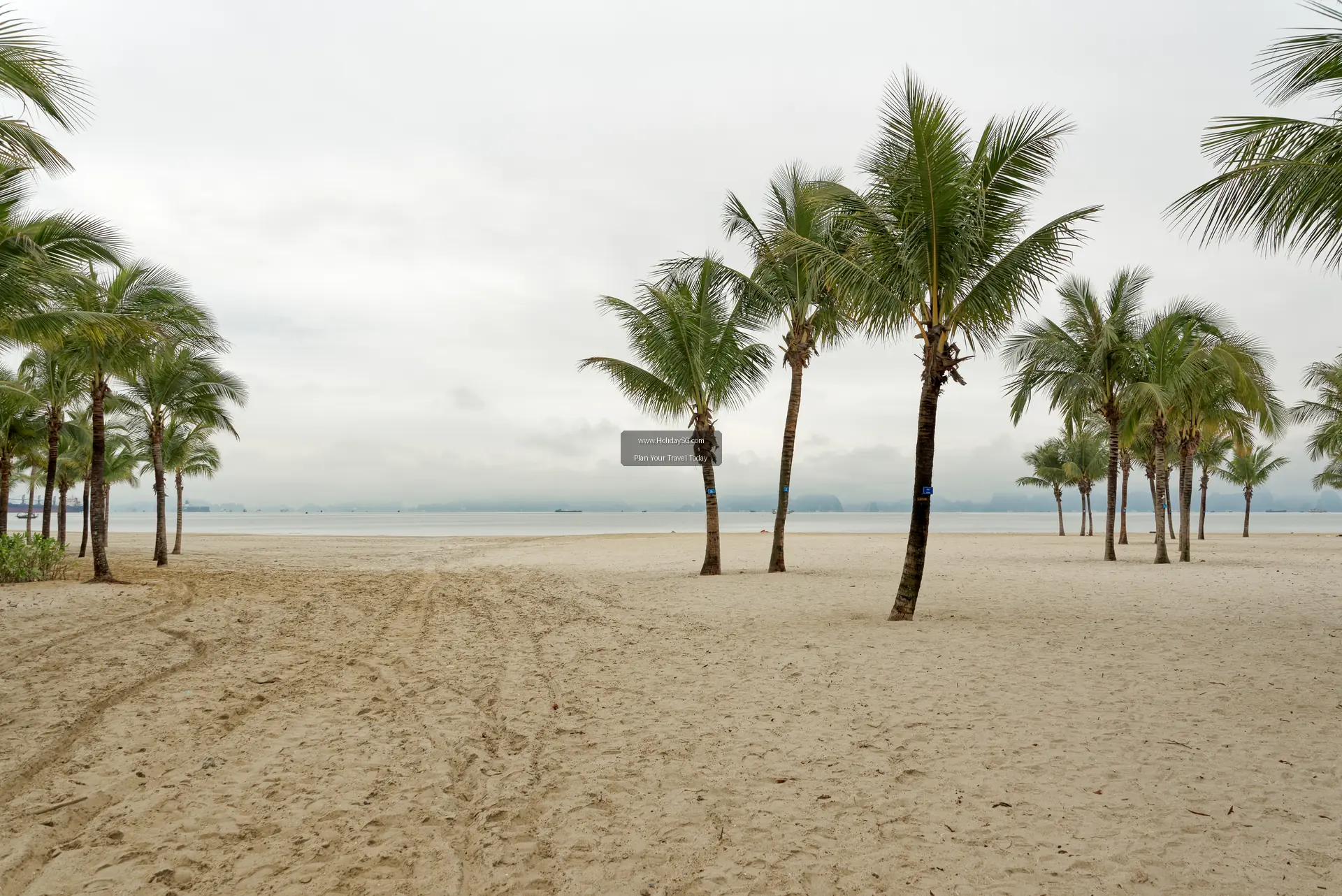

Here is the thing that trips up almost everyone planning Vietnam: on the same January morning, you could be wearing a jacket in misty Hanoi, sitting through grey drizzle in Hue, and sweating on a beach in Phu Quoc. Vietnam is about 1,650 kilometres long from north to south, and it does not have one climate. It has at least three.
That is good news, once you understand it. It means there is no bad month to visit Vietnam, only bad months to visit particular places. Ask "when is the best time to visit Vietnam?" and the honest answer is another question: which Vietnam?
This guide brings together everything we know from helping travellers plan Vietnam trips: region by region, month by month, the festivals that change everything (Tet above all), the typhoon season caveats that most brochures skip, and how crowds and prices shift through the year. Prices mentioned are HolidaySG "from" prices at the time of writing (September 2026). Weather is weather, so treat anything here as patterns rather than promises.
The short answer
If you want one window that works reasonably well for a classic north-to-south trip, aim for March to April or late September to early November (with a caveat about the centre in autumn, which we will explain). If you are only visiting one region, the picture gets much simpler:
| Region | Main places | Best months | Months to think twice | Why |
|---|---|---|---|---|
| North | Hanoi, Ha Long Bay, Ninh Binh, Sapa, Ha Giang | March–April, October–November | June–August (hot, wet, storms); January–February in the mountains if you hate cold | Four seasons: cool winters, hot rainy summers |
| Centre | Hue, Da Nang, Hoi An, Ba Na Hills, Phong Nha | February–May (June–August for beaches if you can handle heat) | September–December (rain, floods, typhoons) | Rainy season arrives late, in autumn |
| South | Ho Chi Minh City, Mekong Delta, Cu Chi, Phu Quoc | December–April | June–September (heavy afternoon rain, rougher seas on Phu Quoc) | Tropical: dry season and wet season |
Two surprises for first-timers. First, northern Vietnam gets genuinely cold in winter; Sapa can approach freezing and Hanoi feels chilly and damp. Second, central Vietnam's rainy season runs almost opposite to the rest of the country, peaking in October and November, exactly when the north is at its best. Plan a north-to-south trip in autumn and you need to be flexible in the middle.
Why Vietnam's weather is so complicated
The country is long and thin, running from the subtropics near China down into the tropics near the equator. A mountain range, the Truong Son (Annamite) range, runs along much of the western border and blocks or channels the monsoon winds differently in each region.
- The north has a subtropical climate with a real winter (roughly December to February) and a hot, humid, rainy summer (roughly May to September).
- The centre is shielded from the summer monsoon by the mountains, so it stays relatively dry and very hot in summer, then catches the north-east monsoon in autumn, which brings heavy rain from about September to December.
- The south is simply tropical: hot all year, with a dry season from about December to April and a wet season from about May to November.
Understanding that one idea (the centre is wet in autumn) solves most Vietnam planning problems.
Northern Vietnam: Hanoi, Ha Long, Ninh Binh, Sapa and Ha Giang
Spring (March to April)
Our favourite time in the north. Temperatures are mild, typically in the low to mid twenties in Hanoi, and the countryside is green. March can still be hazy and drizzly, so Ha Long Bay views are sometimes softer than the postcards. By April it is warming up and generally clearer.
Summer (May to September)
Hot and humid, often into the mid thirties in Hanoi, with heavy showers and occasional storms. The landscapes are at their lushest, and it is the rice-growing season in the mountains. The catch is that typhoons and tropical storms can reach the northern coast from roughly July to September, and Ha Long Bay cruises are sometimes cancelled at short notice when the authorities close the bay. If you travel in summer, keep your cruise date flexible and have a back-up plan such as Ninh Binh.
Autumn (late September to November)
The other sweet spot, and for many people the best of all. The air dries out, skies clear, and the rice terraces around Sapa, Mu Cang Chai and Ha Giang turn gold around harvest time, usually from mid-September into early October (the exact timing varies by valley and year). October and November are excellent for Ha Long Bay and Hanoi.
Winter (December to February)
Cool, grey and damp in Hanoi, often in the teens, and cold in the mountains, where Sapa can drop close to freezing and occasionally sees frost or even a dusting of snow. Few houses are heated, so pack warm layers. The upside is fewer crowds and atmospheric misty mornings. Ha Long Bay is calm but often hazy.
What to book in the north
- Ha Long Bay: an overnight cruise gives you sunset and sunrise on the water, which a day trip cannot. The 2D1N Ha Long Bay cruise on a five-star boat is from around S$131.78 on HolidaySG (September 2026). Best from October to April; in storm season, keep a spare day.
- Ninh Binh: limestone karsts, rice paddies and rowing boats through caves, often called "Ha Long Bay on land". Lovely in spring and around the late May to early June rice harvest. The 2-day Ninh Binh tour from Hanoi is from around S$116.75 on HolidaySG (September 2026).
- Sapa: trekking through terraced valleys and minority villages. Best in September to November and March to May. The 2D1N Sapa tour with limousine transfers is from around S$119.45 on HolidaySG (September 2026). Two nights is better if you can spare them.
Central Vietnam: Hue, Da Nang, Hoi An and Phong Nha
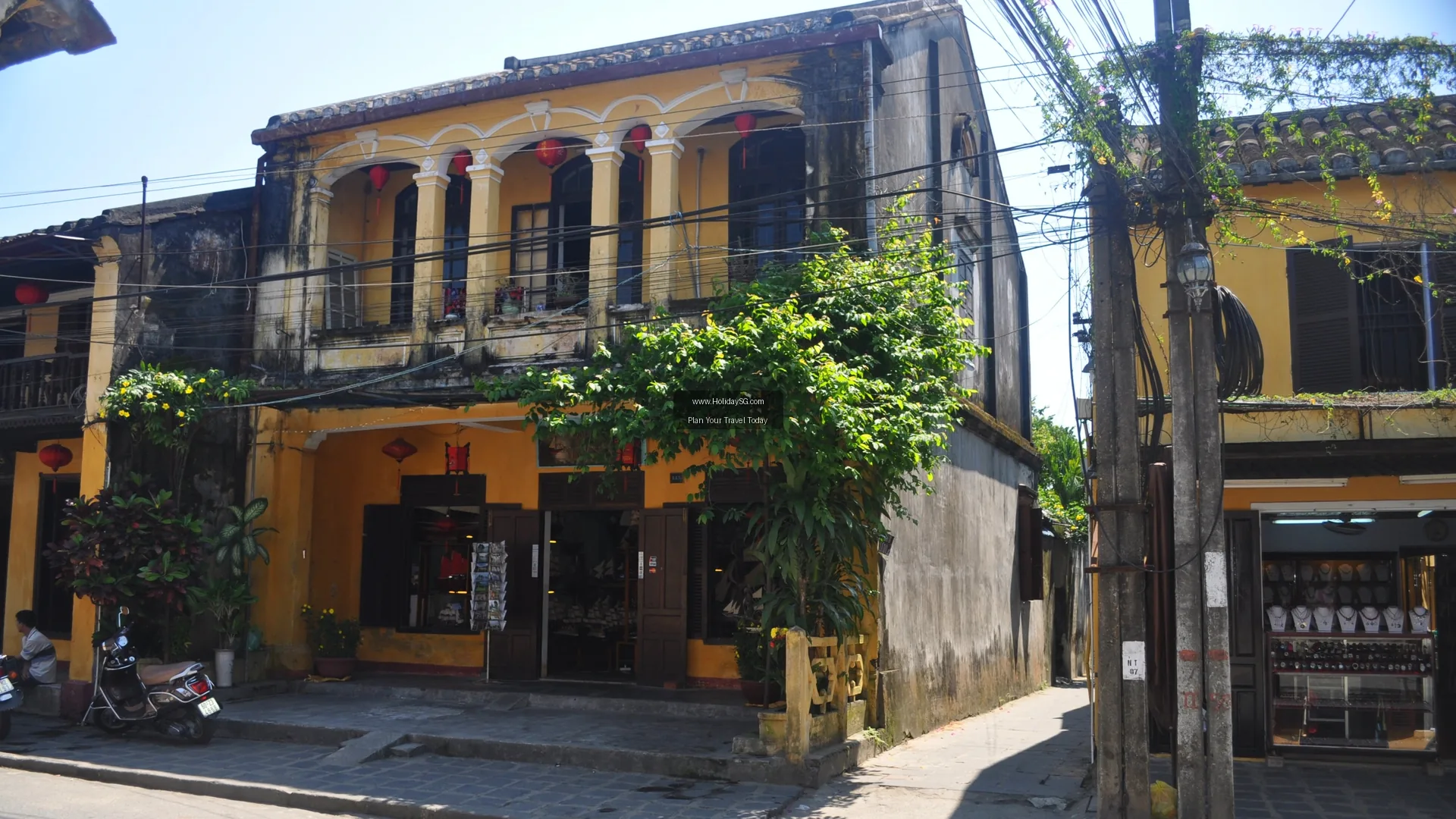
February to May: the best all-round window
Dry, sunny and not yet scorching. This is the ideal time for Hue's citadel and tombs, cycling around Hoi An, and the beaches of Da Nang. Sea conditions are usually good for trips to the Cham Islands.
June to August: hot but dry
The centre is usually dry in summer but very hot, often in the high thirties, with high humidity. Beach lovers will be happy; sightseeing in the midday heat at Hue's tombs is hard work. Start early, rest after lunch, go out again in the evening. This is also peak domestic holiday season, so Da Nang's beaches are busy with Vietnamese families.
September to December: the rainy season
This is the period to plan carefully. Heavy rain arrives, and October and November in particular can bring serious storms and floods. Hoi An's riverside Old Town floods most years, sometimes waist-deep; locals are well practised, but your plans may not survive. Typhoons can make landfall along this coast, and flights, trains and roads can be disrupted.
That does not mean you must avoid the centre entirely. Plenty of days are simply cloudy with showers. But build in flexibility, avoid tight connections, and consider accommodation away from the river in Hoi An. December is usually wet but calmer.
January: cooler and changeable
January is a transition month. It is mild and can be drizzly, especially around Hue, which is often wetter and cooler than Da Nang and Hoi An. Things improve steadily through February.
What to book in the centre
- Ba Na Hills and the Golden Bridge: the bridge held up by giant stone hands sits high in the hills above Da Nang, so it can be cool and misty even when the coast is sunny. Go early to beat the crowds. The Ba Na Hills and Golden Bridge day tour is from around S$65.50 on HolidaySG (September 2026). On rainy-season days the view can disappear entirely in cloud, so check the forecast.
- Hoi An by night: lanterns, the night market and a basket-boat ride. The coconut basket boat and Hoi An by night tour is from around S$23.31 on HolidaySG (September 2026). The full-moon evenings each month, when the town dims its lights and floats lanterns on the river, are especially lovely.
- Hue: the imperial citadel, the royal tombs along the Perfume River, and some of the best food in Vietnam. The Net Zero day tour in Hue is from around S$43.54 on HolidaySG (September 2026). Best from February to April.

Phong Nha–Ke Bang National Park, between Hue and Hanoi, deserves a note: its caves are best visited from roughly February to August. In the rainy season some caves and river trips close because of high water.
Southern Vietnam: Ho Chi Minh City, the Mekong Delta and Phu Quoc
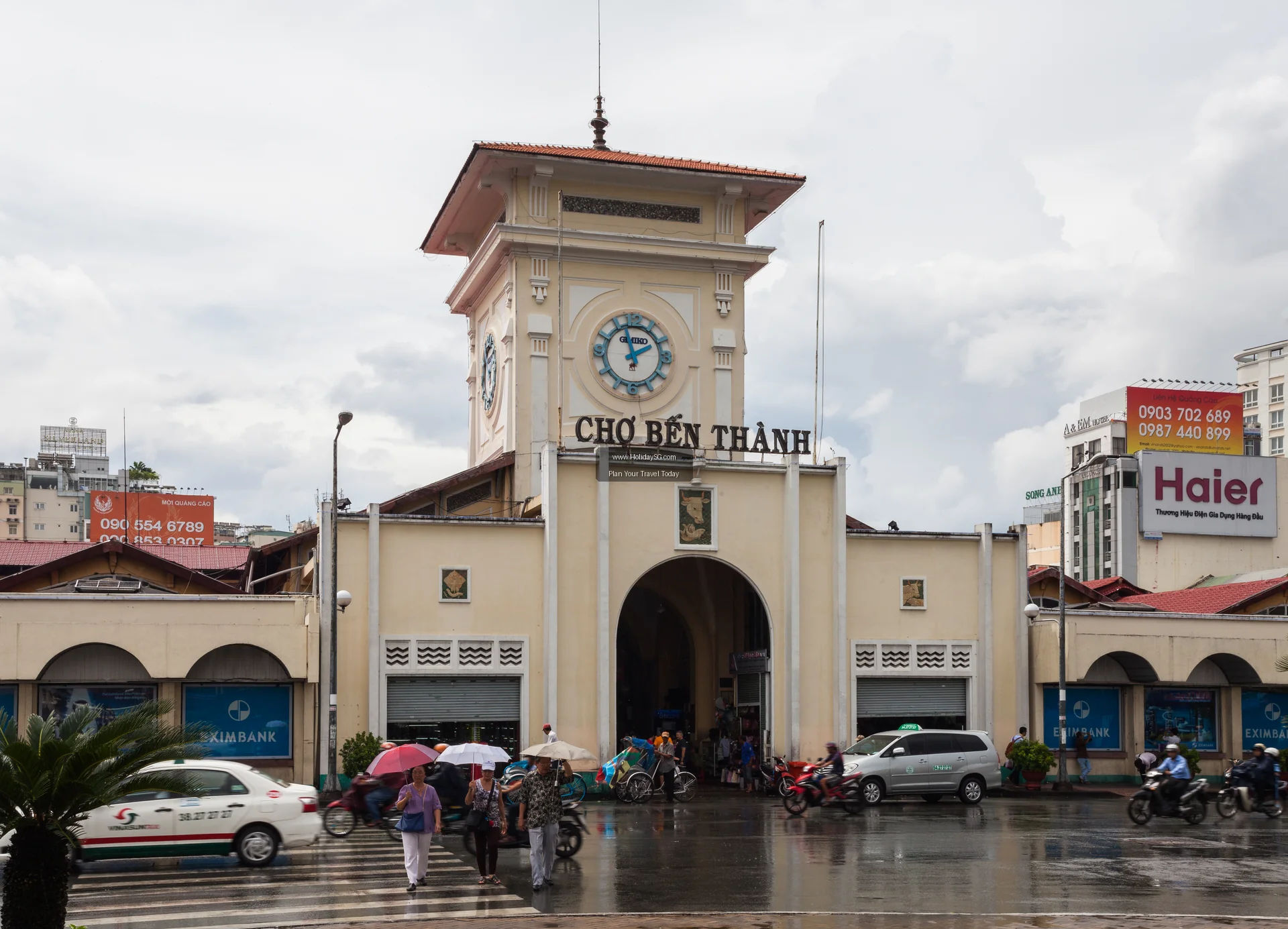
December to April: dry season
The classic time to visit the south. Sunny, dry and hot, with temperatures typically in the low thirties. December and January are the most comfortable; March and April get very hot, occasionally approaching the upper thirties in the city. Phu Quoc's west-coast beaches have calm, clear water in this period.
May to November: wet season
Rain usually comes as a heavy afternoon downpour that lasts an hour or two, then clears. Mornings are often fine, so sightseeing is still very possible. Streets in Ho Chi Minh City can flood briefly. The Mekong Delta is at its fullest and greenest in the later months (roughly September to November is flood season in the delta, which has its own beauty). Phu Quoc gets rougher seas on its west side, and some boat trips run less often.
What to book in the south
- Cu Chi Tunnels: the wartime tunnel network north-west of the city. Go early to avoid the midday heat. The Cu Chi Tunnels day tour is from around S$24.15 on HolidaySG (September 2026). The tunnels are cramped; claustrophobic visitors can skip the crawl and still get a lot from the site.
- The Mekong Delta: boat rides through the canals, fruit orchards and river life. Floating markets are liveliest early in the morning, which is one reason overnight trips are worth considering.
- Phu Quoc: beaches, snorkelling and island hopping in the south. The Phu Quoc 4 islands speedboat tour with Aquatopia and the Hon Thom cable car is from around S$75.11 on HolidaySG (September 2026). Best from November to April.
Month by month across Vietnam
Here is the whole year at a glance. "Good" means generally favourable, "Mixed" means some weather risk or heat, "Poor" means you should have a strong reason to go.
| Month | North | Centre | South | Notes |
|---|---|---|---|---|
| January | Mixed: cool, grey; cold in the mountains | Mixed: mild, drizzly, especially Hue | Good: dry, comfortable | Tet may fall late January or February |
| February | Mixed: cool, damp, drizzle | Good: drying out | Good: dry, sunny | Tet often falls in this month |
| March | Good: mild, sometimes hazy | Good: dry, pleasant | Good: hot, dry | Excellent all-round month |
| April | Good: warm, clearer | Good: dry, warm | Mixed: very hot | Reunification Day (30 April) and 1 May bring domestic crowds |
| May | Mixed: hot, rain starting | Good: hot, dry | Mixed: rains begin | Great for central beaches |
| June | Mixed: hot, wet | Good: very hot, dry | Mixed: afternoon rain | Domestic school holidays begin |
| July | Poor to mixed: hot, storms | Good: very hot, dry | Mixed: wet afternoons | Typhoon risk in the north |
| August | Poor to mixed: wettest, storms | Mixed: hot, rain may start late | Mixed: wet | Peak domestic travel |
| September | Good: drying, rice harvest in mountains | Mixed: rains begin, storm risk | Mixed: wet | National Day on 2 September |
| October | Good: dry, clear, pleasant | Poor: heavy rain, floods, typhoons | Mixed: rains easing late in the month | Best month for the north |
| November | Good: cool, dry | Poor: heaviest rain and flood risk | Good: dry season starts | Excellent for north and south |
| December | Mixed: cool to cold | Mixed: rain easing, still wet | Good: dry, pleasant | Christmas and New Year busy in the south and on Phu Quoc |
Tet: the festival that changes everything
Tet Nguyen Dan, the Lunar New Year, is by far the most important holiday in Vietnam. It follows the lunar calendar, so it falls on a different date each year, usually between late January and mid February. Check the exact dates for your travel year before you book anything.
What it means for you:
- Before Tet (roughly the two weeks leading up to it): cities are buzzing, markets overflow with peach blossom in the north and yellow apricot blossom in the south, and there is a wonderful festive atmosphere. Transport is very busy as people head home.
- During Tet (the first few days of the new year): many family-run restaurants, shops and some attractions close. Cities can feel strangely quiet. Big hotels and tourist sites generally stay open, often at higher prices.
- Transport: trains, buses and domestic flights sell out well in advance, and prices rise. If you plan to travel between cities around Tet, book very early.
Should you avoid it? Not necessarily. Seeing the build-up to Tet is a highlight for many travellers. Just plan it deliberately: be in one place over the main days, book transport early, and do not expect every street-food stall to be open.
Other festivals and holidays worth knowing
- Hung Kings' Commemoration: a public holiday in spring, following the lunar calendar.
- Reunification Day and Labour Day (30 April and 1 May): a long weekend when domestic tourism surges. Beaches and resorts fill up and prices jump.
- National Day (2 September): another busy holiday period.
- Mid-Autumn Festival: usually in September or early October (the 15th day of the eighth lunar month). Lanterns, mooncakes and lion dances, especially lovely for children and in Hoi An and Hanoi's Old Quarter.
- Hoi An full-moon nights: monthly lantern evenings in the Old Town.
Typhoon season: what you actually need to know
Brochures tend to skip this, so here is the plain version. Vietnam's typhoon season runs roughly from June to November. Storms most often affect the north in the earlier part (roughly July to September) and the centre in the later part (roughly September to November). The south is affected less often, though not never.
- Most days in typhoon season are not typhoon days. Storms are forecast several days in advance, and you will usually have time to adjust.
- When a storm approaches, the authorities may suspend Ha Long Bay cruises, boat trips to islands, and sometimes flights. Operators typically offer rescheduling or refunds under their own policies; read them before you book.
- Floods in the centre can close roads and the railway between Hue and Da Nang for a day or more.
- Get travel insurance that covers weather disruption, and avoid tight connections to international flights.
If your dates fall in October or November, the smart plan is to put your flexible days in the centre, and your fixed, must-do bookings in the north and south.
Crowds and prices by season
| Period | Crowds | Prices | Who is travelling |
|---|---|---|---|
| Tet (late January or February) | Very high on transport, mixed in cities | High | Vietnamese families going home |
| March to April | Moderate to high | Moderate | International visitors, especially Europeans |
| 30 April to 1 May | Very high at beaches | High | Domestic holidaymakers |
| June to August | High at central beaches, lower elsewhere | High on the coast, lower in the north and south | Domestic families, some international |
| September to November | Moderate in the north, low in the centre | Lower, especially in the centre | International visitors to the north |
| December to early January | High in the south and Phu Quoc | High around Christmas and New Year | International holidaymakers |
The best-value windows tend to be May (outside the long weekend) and September, when international demand dips but weather in parts of the country is still good. Central Vietnam in the rainy season is cheaper, but you are paying in weather risk.
Seasonal moments worth planning around
Weather decides whether a trip is comfortable. These moments decide whether it is memorable, and several of them only happen for a few weeks a year.
- Water-filled terraces (roughly May to June) and golden harvest (roughly mid-September to early October) in the northern mountains. Mu Cang Chai and the valleys around Sapa look completely different in each. Photographers often argue about which is better; we would say harvest, but the mirror-like flooded terraces are extraordinary at sunrise. Timing shifts by a couple of weeks from year to year, so ask locally.
- Buckwheat flowers in Ha Giang (roughly October to November). Pink and white fields across the high limestone plateau, at exactly the time the region is driest and clearest.
- Lotus season in Hanoi (roughly late May to July). The city's lakes fill with lotus blooms, and you will see locals posing for photos in traditional ao dai among them early in the morning. Summer lotus tea is a Hanoi speciality.
- Tet blossoms (the weeks before Lunar New Year). Flower markets sell peach blossom branches in the north and yellow apricot blossom in the south; the Nguyen Hue flower street in Ho Chi Minh City is famous.
- Rice harvest in Ninh Binh (roughly late May to early June). The paddies around Tam Coc turn gold between the karsts, one of the most photographed scenes in the country.
- Fruit season in the Mekong Delta (roughly May to August). Mangosteen, rambutan, durian and longan are at their best, and the orchards are at their busiest.
- Calm seas on Phu Quoc (roughly December to March). The best conditions for snorkelling and island hopping, and for sunsets over the Gulf of Thailand.
A little tip: none of these are fixed events with tickets. They depend on rain, temperature and farmers' calendars, so treat them as a bonus rather than the whole reason for a trip.
Sample itineraries by season
Two weeks in March or April: the classic north to south
- Days 1–3: Hanoi. Old Quarter, Hoan Kiem Lake, the Temple of Literature, street food.
- Days 4–5: Ha Long Bay overnight cruise.
- Day 6: Ninh Binh day trip, or a night in Ninh Binh.
- Days 7–8: Fly to Hue. Citadel and royal tombs.
- Days 9–11: Hoi An and Da Nang. Old Town, cycling, beaches, Ba Na Hills.
- Days 12–14: Fly to Ho Chi Minh City. Cu Chi Tunnels and the Mekong Delta.
Ten days in October or November: north and south, skip the storms
- Days 1–6: Hanoi, Ha Long Bay, and Sapa or Ninh Binh at their best.
- Days 7–10: Fly directly to Ho Chi Minh City or Phu Quoc, where the dry season is starting.
If you really want Hoi An in this window, add it with two flexible days and accommodation away from the river.
One week in June to August: central beaches
- Days 1–2: Da Nang beaches and the Marble Mountains.
- Day 3: Ba Na Hills early in the morning.
- Days 4–6: Hoi An, the Cham Islands and the basket boats.
- Day 7: A day trip to Hue, starting early.
One week in December to February: the sunny south
- Days 1–3: Ho Chi Minh City, Cu Chi Tunnels and the Mekong Delta.
- Days 4–7: Phu Quoc for beaches, snorkelling and island hopping.
Best time by traveller type
- First-timers doing the whole country: March to April.
- Trekkers and photographers in the northern mountains: mid-September to early November for golden terraces and clear air; late spring for water-filled terraces.
- Beach lovers: Da Nang and Hoi An from April to August; Phu Quoc and the south from November to April.
- Families: March to May, or December to February in the south. Avoid the hottest months and the central rainy season.
- Budget travellers: May and September, avoiding public holidays.
- Culture lovers: the build-up to Tet, or Mid-Autumn Festival.
- Divers and snorkellers: the south and Phu Quoc from November to April; central coast from April to August.
What to pack by season
- North in winter: proper warm layers, a waterproof jacket, closed shoes. More than you think.
- Anywhere in summer: light breathable clothes, a hat, high-factor sunscreen, a refillable bottle.
- Rainy season: a light rain jacket or poncho, quick-dry clothes, sandals you can wade in, a dry bag for your phone.
- Temples and pagodas: something to cover shoulders and knees.
- Mountains any time: a fleece, because evenings in Sapa are cool even in summer.
Before you go: visas and practicalities
Vietnam's entry rules depend on your nationality. Some passports can enter visa-free for a set number of days, while others need an e-visa applied for online before travel. The rules have changed in recent years, so check our Vietnam visa requirements page and the official Vietnamese immigration channels well before you fly.
Getting around: domestic flights link Hanoi, Da Nang, Ho Chi Minh City and Phu Quoc quickly; the railway runs the length of the country and the Hue to Da Nang stretch over the Hai Van Pass is especially scenic; buses and private transfers cover shorter hops such as Da Nang to Hoi An or Hue. In the rainy season, road and rail between Hue and Da Nang can be disrupted, which is another reason to keep flexibility in the centre.
Common mistakes to avoid
- Assuming one season fits the whole country. Check each region separately.
- Booking Hoi An for late October or November without a back-up plan. Flooding is common.
- Underpacking for the north in winter. Hanoi and Sapa get properly cold, and indoors is rarely heated.
- Fixing a Ha Long Bay cruise the day before your international flight in storm season.
- Forgetting Tet. Transport sells out and many small businesses close for days.
- Visiting Ba Na Hills or Hue at midday in summer. Go early.
- Booking beach time on Phu Quoc in the wet season and expecting glassy seas.
- Ignoring Vietnamese public holidays such as 30 April to 1 May and 2 September, when domestic travel peaks.
Frequently asked questions
What is the single best month to visit Vietnam?
If you want to cover north, centre and south in one trip, March or April is the safest bet. If you are only visiting the north, October is hard to beat.
Is Vietnam good to visit in the rainy season?
Often, yes. In the south, rain usually comes in short afternoon bursts. The main exception is central Vietnam from about September to December, when heavy rain, floods and typhoons can disrupt plans.
When is typhoon season in Vietnam?
Roughly June to November. The north is more exposed from about July to September, the centre from about September to November. Storms are forecast in advance, so stay flexible and check local advice.
When is Tet, and should I avoid it?
Tet follows the lunar calendar and usually falls between late January and mid February; check the exact dates for your year. The run-up is festive and wonderful, but transport sells out and many small businesses close for a few days, so plan around it rather than being surprised by it.
When is the best time for Ha Long Bay?
Roughly October to April for calmer, clearer conditions, with October, November, March and April especially pleasant. Summer is warm and green but carries storm risk and occasional cruise cancellations.
When is the best time for Hoi An?
February to May for dry, pleasant weather. June to August is hot but dry. October and November are the months to avoid if you can, because of flooding.
When is the best time for Sapa?
September to November for golden rice terraces and clear skies, and March to May for mild weather. Winter is cold, and summer is wet.
When is the best time for Phu Quoc and the south?
November or December through April, the dry season, when the sea on Phu Quoc's west coast is calm and clear.
Is Vietnam cheaper in low season?
Generally yes, especially in the centre during the rainy season and in May and September elsewhere. Around Tet, the 30 April holiday and Christmas, prices rise noticeably.
Our honest recommendation
If you have one trip and want to see the whole country, go in March or April and do the classic north-to-south route. If you can only travel in autumn, put the north first, fly over the centre or give it spare days, and finish in the south as the dry season starts. And if you simply want sunshine and a beach in the European winter, head straight to the south and Phu Quoc.
Whichever window you choose, our Vietnam destination page gathers the tours mentioned here, from the Ha Long Bay overnight cruise and the Sapa trip to Ba Na Hills, Hoi An by night and the Cu Chi Tunnels, so you can plan each region for the season it does best.