

Cambodia travel tips 2026 – what to eat, what to avoid, and how to … is exactly what this guide covers.
Cambodia in 2026 offers a compelling mix of ancient history, resilient culture, and evolving travel infrastructure. Whether you’re planning to be awestruck by sunrise at Angkor Wat, reflect on the country’s somber past in Phnom Penh, or unwind on tropical beaches, preparation is key to a smooth and rewarding journey. This guide covers essential Cambodia travel tips for 2026, from what to eat and what to avoid, to getting around and connecting online, ensuring your trip is filled with discovery and comfort.
For a successful 2026 trip to Cambodia, visit during the dry season (November-April) for the best weather, budget $40-80 USD per day for a comfortable experience, and always hire registered guides or use transport apps. Prioritize trying local dishes like fish amok, dress modestly at temples, and stay connected with an affordable local SIM card or eSIM.
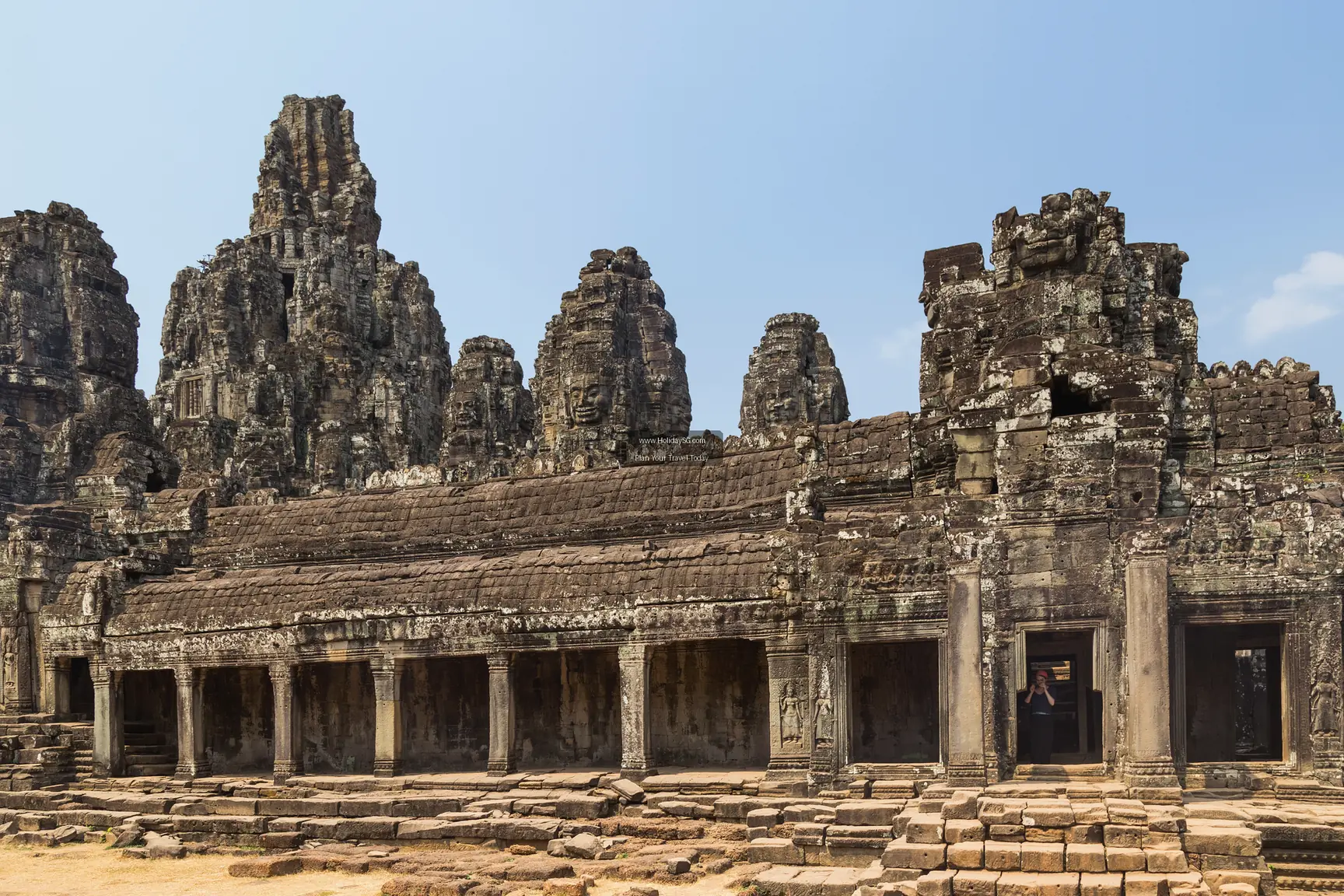
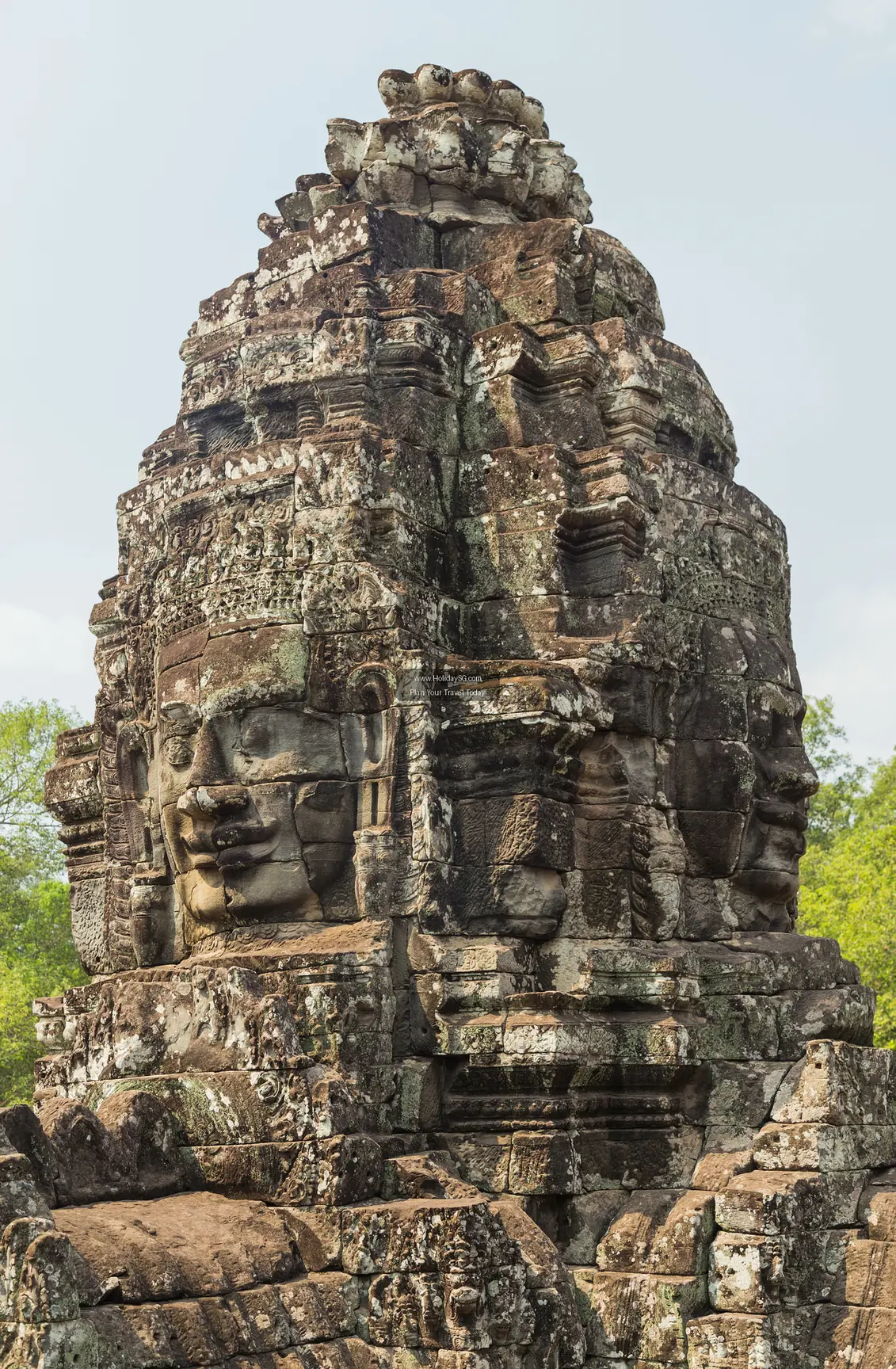
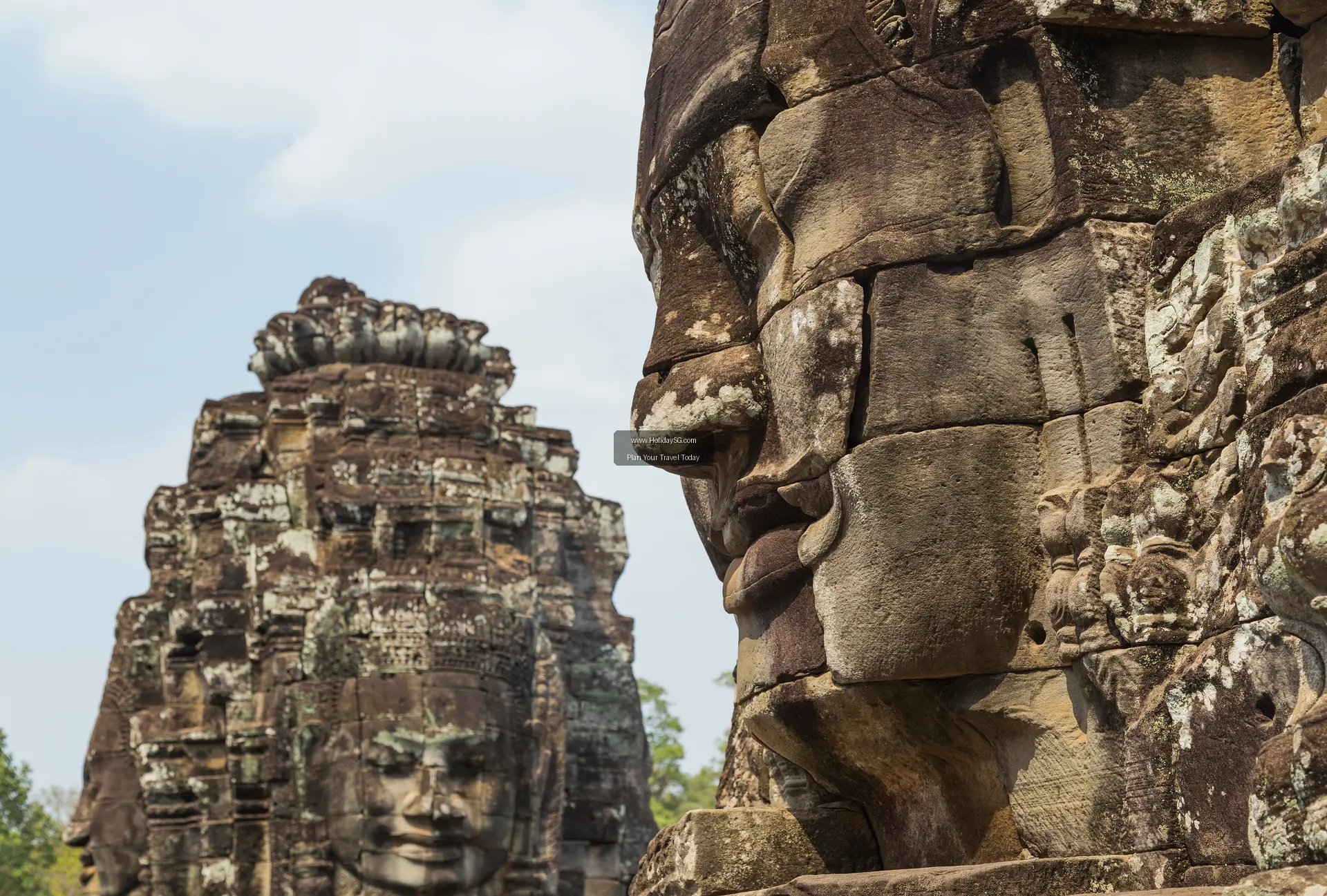
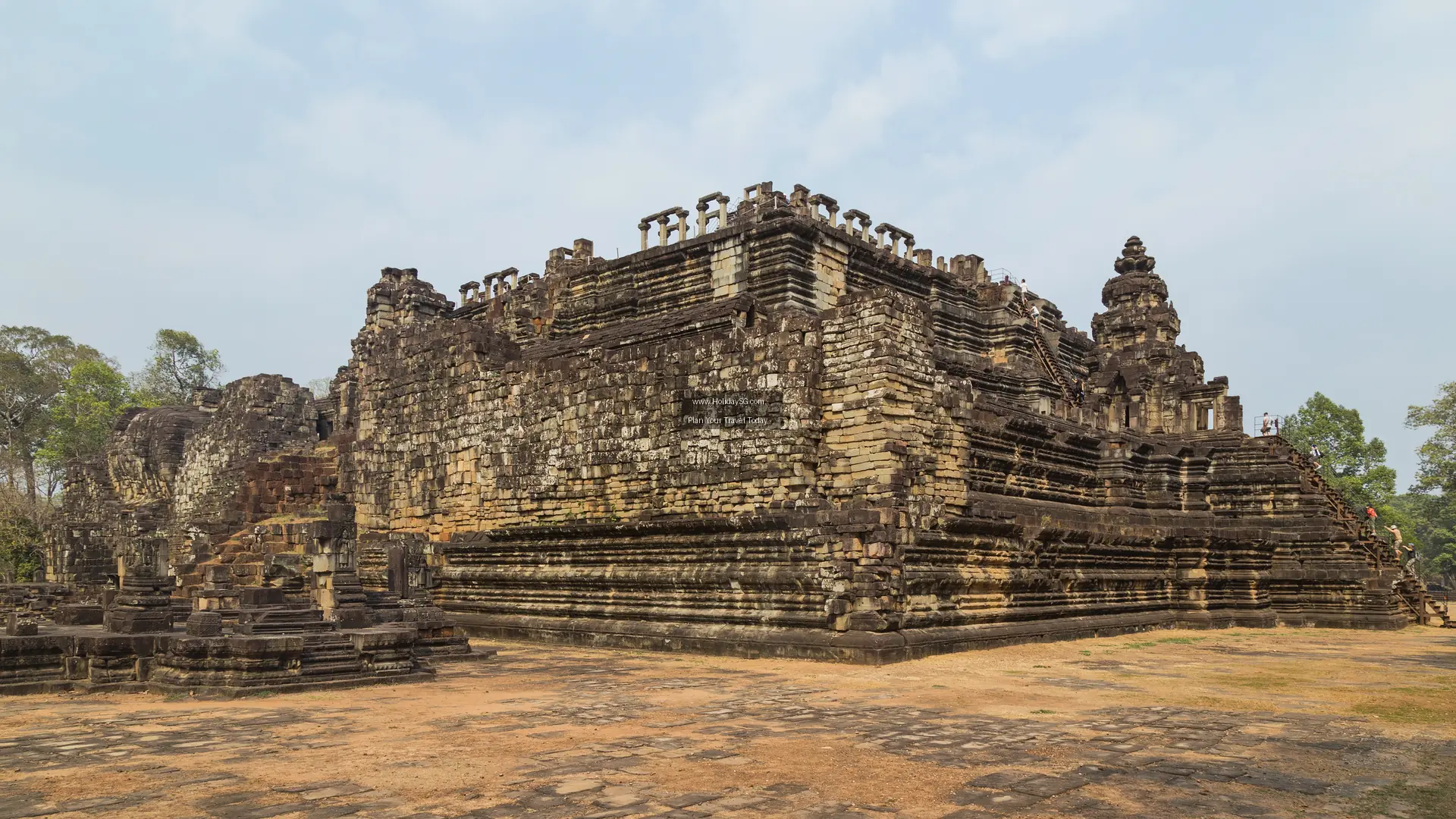
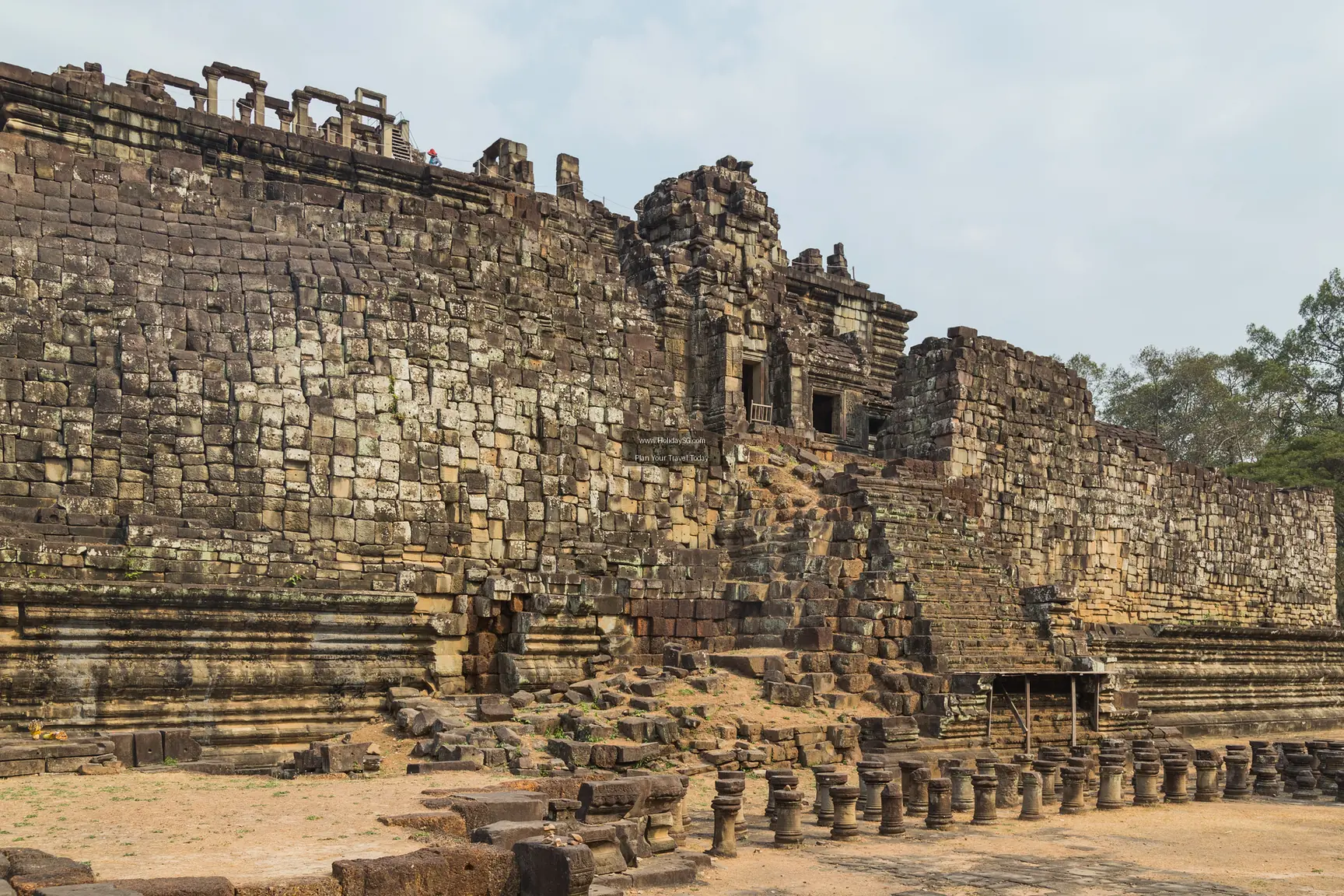
Planning Your 2026 Cambodia Trip
Optimal Timing for Your Visit
The dry season from November to April is the most popular time to visit, offering clear skies and accessible temple grounds. For those seeking fewer crowds and lush, green landscapes, the wet season (May-October) can be magical, though expect afternoon downpours and potentially muddy paths around the temples. Shoulder months like November and early December often provide a perfect balance of good weather and manageable visitor numbers.
Visas and Entry Requirements
Planning your entry is straightforward. Most travelers can obtain a 30-day tourist visa upon arrival at major international airports and land borders for $30 USD. To skip the queue, apply for an e-visa online in advance. Ensure your passport has at least six months of validity from your entry date. This digital option is a great time-saver, especially when combined with a pre-booked private transfer from Phnom Penh airport to your hotel, avoiding the hassle of negotiation after a long flight.
Understanding Costs and Money
Cambodia is friendly on the wallet. The US Dollar is the primary currency for most transactions, with the Cambodian Riel (KHR) used for smaller amounts and change (approximately 4,000 KHR = $1 USD). A comfortable daily budget for mid-range travelers might look like this: $15-30 for accommodation, $5-15 for food, $10-20 for transport and entrance fees, and extra for activities. ATMs in cities dispense US dollars, but always carry small bills ($1, $5, $10) as vendors may struggle to break large notes. Credit cards are accepted in upscale hotels and restaurants but are useless for street stalls or tuk-tuk rides.
Getting Around with Ease
Ready to go? HolidaySG eSIM plan for Cambodia.
Ready to go? HolidaySG eSIM plan for Cambodia.
Urban Transport and Tuk-Tuks
Tuk-tuks are the iconic way to travel short distances. For a hassle-free experience, use ride-hailing apps like Grab or PassApp, which provide transparent pricing and eliminate the need to haggle. When exploring a city like Phnom Penh or Siem Reap, a tuk-tuk driver can be hired for a half or full day to take you between sights, often at a better rate than individual rides.
Inter-City Journeys
For traveling between major hubs like Phnom Penh, Siem Reap, and Sihanoukville, buses are economical and comfortable, with companies like Giant Ibis and Mekong Express offering reliable services with WiFi and snacks. Domestic flights with carriers like Cambodia Angkor Air can save significant time on longer routes. For island getaways, combine a bus or flight to the coast with a ferry transfer to Koh Rong or the more serene Koh Rong Samloem.
Mastering the Angkor Park
The Angkor Archaeological Park is vast. The standard 3-day pass ($62 in 2024, check for 2026 prices) allows you to explore at a leisurely pace. Hire a tuk-tuk driver for a day (typically $15-25) to create a circuit—perhaps the “Grand Loop” covering the main temples. For a deeper dive, consider a licensed local guide whose knowledge of history and hidden spots can transform your visit. Remember to stay hydrated and carry snacks.
Essential Cambodian Cuisine
A Culinary Journey: Must-Try Dishes
Cambodian food, or Khmer cuisine, is flavorful without being overly spicy. Start with fish amok, a delicate steamed curry of freshwater fish in coconut milk and kroeung paste, traditionally served in a banana leaf cup. Lok lak is a hearty stir-fried beef dish with a tangy pepper-lime dip. For breakfast or a light meal, try nom banh chok (Khmer noodles), often served with a green fish curry and fresh herbs. Seafood lovers should seek out Kampot pepper-crusted prawns or grilled squid.
Street Food Savvy
Street food is the heart of Cambodian culinary life and is generally safe. Follow these rules: choose stalls that are busy with locals (a sign of fresh turnover), ensure food is cooked thoroughly in front of you, and peel fruits yourself. Enjoy skewers of grilled meat (nem pang ang), noodle soups, and the ubiquitous baguettes from French colonial influence, filled with pâté or grilled meats.
Sweet Endings and Tropical Fruits
Desserts are often less sugary than Western treats. Try kralan (sticky rice, coconut milk, and beans cooked inside bamboo) or num ansom (sticky rice cakes with pork or banana). Don’t miss the incredible tropical fruits: creamy mangosteen, sweet pineapple, and stunning dragon fruit are perfect for cooling down.
What to Avoid: Risks and Scams
Ready to go? HolidaySG eSIM plan for Cambodia.
Ready to go? HolidaySG eSIM plan for Cambodia.
Common Tourist Traps
Be wary of unsolicited “guides” offering to show you “the real Angkor” or gem/jewel shops with “guaranteed” investment returns. Always agree on a tuk-tuk price before getting in. At markets, be cautious of pressure selling. The best defense is polite refusal and using official channels for tours and transport.
Health, Safety, and Petty Crime
Drink only bottled or purified water. Use mosquito repellent, especially at dusk, to prevent dengue fever. While Cambodia is very safe, petty theft like bag-snatching can occur in busy areas. Keep valuables secure and be mindful with your phone and camera on lively streets. Carry a photocopy of your passport and keep the original in a hotel safe.
Cultural Missteps to Sidestep
Showing respect is crucial. Always dress modestly at temples—cover shoulders and knees. Remove your shoes before entering any home, temple, or some shops. Never touch anyone on the head (considered the most sacred part of the body), and don’t point your feet at Buddha statues or people. Pointing with a single finger is considered rude; use your whole hand or chin instead.
Highlights Beyond the Temples
Phnom Penh’s Royal History and Reflection
The capital offers a blend of elegance and sobering history. The glittering Royal Palace and Silver Pagoda are must-sees, representing the nation’s spiritual heart. For a profound understanding of the Khmer Rouge era, visit the Tuol Sleng Genocide Museum (S-21) and the Choeung Ek Killing Fields. These are emotionally heavy but essential experiences.
Coastal Charm and Island Bliss
Escape to the coast. Kampot is famous for its aromatic pepper farms (a great day trip) and tranquil riverside atmosphere. For beaches, head to the islands. Koh Rong Samloem offers pristine, quiet sands, while Koh Rong has a more lively backpacker scene. The journey itself, via ferry from Sihanoukville, is part of the adventure.
Practical Tips for a Connected Trip
Ready to go? HolidaySG eSIM plan for Cambodia.
Ready to go? HolidaySG eSIM plan for Cambodia.
Staying Online with a Local SIM
Having data on the go is invaluable for maps, translation apps, and ride-hailing. Pick up a local SIM card with a data plan from providers like Smart, Cellcard, or Metfone at the airport or any phone shop. They are very affordable. Alternatively, for seamless connectivity from the moment you land, consider an eSIM. Options like the HolidaySG eSIM plan for Cambodia or the HolidaySG eSIM plan for Cambodia can be activated before you travel, ensuring you’re connected immediately for transfers and navigation.
Packing for Comfort and Respect
Lightweight, breathable clothing is a must. Pack a light jacket or shawl for air-conditioned buses and temples (which can be cool). A sarong or scarf is versatile for covering up or sitting on. Essential items include sunscreen, a high-SPF lotion, a reusable water bottle (to refill at your hotel), and a small power bank.
Being a Responsible Traveller
Cambodia benefits greatly from tourism. Support local communities by eating at family-run restaurants, buying handicrafts directly from artisans, and choosing tour operators that are locally owned and ethical. Be mindful when photographing people, especially children, and always ask for permission. Avoid giving money or sweets to begging children, as this can perpetuate a cycle; instead, donate to reputable local schools or NGOs.
Recommended HolidaySG Tours
- HolidaySG eSIM plan for Cambodia
- HolidaySG eSIM plan for Cambodia
- Private Transfer Phnom Penh Phnom Tamao Zoo Within 35km
Ready to embark on your Cambodian adventure? To ensure you’re connected from the moment you land, check out our HolidaySG eSIM plan for Cambodia for convenient and affordable data.
Book with HolidaySG online for Commbitz Cambodia E Sim Daily, Commbitz Cambodia E Sim Package, Cambodia Unlimited 4g5g Data Esim.
Book these with HolidaySG:
Frequently Asked Questions
Where can I book eSIMs or car rentals for Cambodia?
Do foreigners need a different visa or ticket for attractions in Cambodia?
What is the best time of year or day to visit Cambodia’s top sites?
What are the top must-try foods in Cambodia?
What foods or drinks should I avoid in Cambodia?
How many days should I spend in Cambodia for a good trip?
What is the average cost per day for a budget traveler in Cambodia?
How do I travel between cities in Cambodia?
Is Cambodia suitable for family vacations with kids?
What essential items should I pack for Cambodia?
Is Cambodia accessible for travelers with mobility issues?
What safety tips should I know before visiting Cambodia?
What is the weather like throughout the year in Cambodia?
What are some important local customs and etiquette in Cambodia?
What are popular day trips or excursions from Phnom Penh?
How can I get reliable internet access in Cambodia?
What are common scams to watch out for in Cambodia?
Can I use credit cards in Cambodia, or should I carry cash?
Do I need travel insurance for a trip to Cambodia?
What are some nearby food or attraction recommendations around Kulen National Park?
What things cost in Cambodia
Live HolidaySG prices for the experiences in this guide, so you can sanity-check a budget before you commit.
| Experience | Where | From price |
|---|---|---|
| 4 Hours Phnom Penh Capital Tour by Cyclo | Phnom Penh | From S$102.41 |
| Chamka Sne Boat Ticket | Phnom Penh | From S$16.00 |
| Angkor Lounge Siem Reap-Angkor International Airport | Siem Reap | From S$37.06 |
| (Free e-SIM) Classic Angkor Wat Sunrise or Sunset Full DayTour | Siem Reap | From S$16.40 |
| Siem Reap Car Charter Small Circle or Big Circle Tour with sun... | Siem Reap | From S$26.33 |
| Siem Reap Happy Horse Riding | Siem Reap | From S$85.64 |
| Tonle Sap half-day tour with free Hi-Tea at Shitamini hotel | Siem Reap | From S$94.16 |
| Cooking class at Shinta Mani | Siem Reap | From S$76.65 |
Choosing a pace that suits the heat
Cambodia is hot for most of the year, and the midday hours can be exhausting even for experienced travellers. The locals follow a clear rhythm, with early starts, a long break in the afternoon and a return to activity in the cool of the evening. Visitors who copy that rhythm tend to enjoy the trip far more. Plan temple visits for sunrise or before ten in the morning, take a lunch break with a fan or air conditioning, and keep the late afternoon for a walk along the river or a stroll through a night market.
Carry a small towel, a refillable water bottle and a spray for the mosquitoes that come out at dusk. Electrolyte sachets are useful after a long day in the sun, and a light long-sleeved shirt protects your arms from both the sun and the insects.
The rainy season and what it means for your plans
The wet season brings heavy rain, usually in the afternoon or evening, and it can turn dirt roads into mud. Rain rarely lasts all day, and the landscape is at its greenest, which many visitors find beautiful. Heavy showers can slow down boats and buses, so allow extra time between cities. Keep a light poncho or umbrella in your day bag, and plan your outdoor visits for the morning when the weather is most reliable.
If your trip includes the countryside or the coast, check the local forecast each morning. Roads in remote areas can close after very heavy rain, and a plan that allows a spare day is the most sensible approach.
Money in riel and US dollars
Cambodia uses the riel as its currency, but US dollars are widely accepted, especially for larger purchases and hotel bills. Small payments often come back in a mix of dollars and riel, so it helps to know the approximate value of each. Carry a supply of small dollar notes in good condition, since torn or heavily marked notes are sometimes refused. Cash machines are common in the main towns, but they may run out of money or charge a fee, so withdraw a sensible amount each time.
Card payments are accepted at many hotels and larger restaurants, but smaller shops and tuk-tuk drivers usually want cash. Check whether a card surcharge applies before you pay, and ask for the total in dollars so there are no surprises at the end of the meal.
Tipping and everyday courtesy
Tipping is appreciated in Cambodia but is not compulsory in most places. A small tip for a guide, a driver or a restaurant server is a kind gesture, and many visitors give a few dollars at the end of a good day. Staff at temples and hotels usually work modest hours for modest pay, so a little extra goes a long way. Keep the tips in small notes, so you can give them easily without a big pause.
Greet people with a smile and a polite word, and ask before taking a photograph of someone at work or at home.
Siem Reap beyond the temples
Siem Reap is a lively town with a good range of restaurants, bars and small craft shops. The Pub Street area and the riverside are busy in the evening, while quieter streets nearby offer cafés and boutiques. Cooking classes and craft workshops, such as silk weaving or wood carving, give visitors a glimpse of local skills. Take a morning to visit a local market and sample fruit from the stalls, since the variety of mangoes, rambutan and dragon fruit is one of the pleasures of the region.
Many visitors add a day trip to the floating villages on the lake, where life runs on boats and stilts. Choose an operator that treats residents with respect and asks permission before taking photographs.
Battambang and the slower side of the country
Battambang is a quieter riverside town with colonial-era architecture, art galleries and a slower pace than the big tourist centres. The bamboo train trip and the cave temples on the hills are popular day outings, and the town suits travellers who want to rest between longer journeys. Local cafés serve strong coffee and simple noodle dishes, and the atmosphere in the evenings is relaxed. A couple of nights here makes a pleasant change from a busier itinerary.
Check the current status of the bamboo train and the local routes before you plan, since services can change with the season and with maintenance.
Kampot, pepper and the riverside
Kampot is a small river town known for its pepper farms and its relaxed riverside atmosphere. Visitors can tour a pepper plantation, taste the fresh and dried peppercorns, and enjoy a meal made with local ingredients. Sunset boat rides, quiet guesthouses and bicycle trips into the countryside make Kampot a comfortable place to slow down. Plan a few nights here if you enjoy food, gardens and an unhurried pace.
Buy pepper from reputable farms or shops and keep it sealed for the journey home, since customs rules for food vary between countries.
Shopping for crafts responsibly
Cambodian craft shops sell silk scarves, silver jewellery, wood carvings, lacquerware and handwoven textiles. Look for shops that name their artisans or explain their training programmes, since many craft projects support skills and jobs in local communities. Bargaining is common in markets, but keep it friendly and fair. Avoid buying antiques, since export rules for cultural objects are strict, and keep receipts for any larger purchase.
Check the customs requirements of your home country before you buy anything that may be restricted or taxed on arrival.
Staying healthy and comfortable
Pack a small first aid kit with plasters, antiseptic cream, rehydration sachets and any personal medicine. Drink bottled or filtered water, and avoid ice unless it is clearly made from safe water. Wash your hands before meals, and carry hand sanitiser for markets and bus stations. If you plan to hike or cycle, bring sun cream with a high protection factor, a wide-brimmed hat and sturdy sandals or shoes with good grip.
Check with your doctor about recommended vaccinations and malaria precautions before you travel, since the advice depends on the region you plan to visit and on your health history.
Travelling with children or older relatives
Family trips work well in Cambodia when the days are kept short and the midday hours are spent resting. Temples can be hot and uneven underfoot, so bring plenty of water, snacks and shade. Older relatives may prefer a private driver and a comfortable car for longer journeys. Choose hotels with pools or fans, and ask for a room on a lower floor if stairs are a concern. Tuk-tuks are fun for short trips, but a private car is more comfortable for longer distances.
Children should always wear sun protection, and adults should keep an eye on them near water and busy roads.
Booking tours and planning ahead
Book your key temple visits and boat trips a few days ahead, especially during the high season and public holidays. Ask whether the price includes entry fees, meals and a guide, and check the meeting point and the time. Keep a copy of your booking and the operator's contact number on your phone, since signal can be patchy outside the main towns.
HolidaySG support is available from 9 AM to 11 PM SGT daily if you have a question about your booking. For current entry rules, visa information and official travel advice, check the government guidance before you travel.
A final packing check
Before you leave home, run through a short check. Make sure your passport has the validity and blank pages that the official entry rules require, carry a copy of the visa page or approval, and keep the insurance details in your phone. Pack a light rain layer, a hat, a small torch for power cuts and a few sachets of rehydration salts. Keep one change of clothes in your hand luggage, in case a delayed bag goes astray on a tight connection. A short list like this makes the start of the trip calm and easy.
Enjoy the warm welcome, the flavours of the markets and the quiet moments by the river, which are often the best memories of a trip to Cambodia.
Keep a small notebook for the names of the people who helped you, the dishes you loved and the routes you would take again. Those notes make planning the next visit to Cambodia much easier.
Cambodia Travel Questions and FAQ
Is it safe to eat street food in Cambodia?
Street food in Cambodia is generally safe if you follow basic rules: eat where locals eat, choose stalls with high turnover, and avoid anything sitting under flies for hours. The freshly grilled satay skewers and sticky rice near Wat Phnom in Phnom Penh are made right in front of you, which means the ingredients are handled with visible hygiene. Stick to hot, cooked items rather than cold salads, and your stomach will thank you—thousands of visitors enjoy Cambodian street food daily without incident.
What is the best time to visit Cambodia if I hate humidity?
November through February offers the coolest and driest conditions, with temperatures dropping to 25-28 degrees Celsius and far less moisture in the air. December and January are the sweet spot for comfort, though also peak season in Siem Reap and around Angkor Park. If you dislike crowds more than humidity, consider March to May when it's hotter and drier but fewer tourists are around—just bring lightweight, breathable clothing and plan indoor activities during midday heat.
How do I avoid scams when exchanging money in Cambodia?
Use ATMs at banks or inside hotels rather than street money changers, as they dispense at fair rates and protect you from dodgy exchanges. The Acleda Bank and ANZ Royal Bank ATMs are reliable across Phnom Penh and Siem Reap and won't shortchange you. If you must use a money changer, count your cash in front of the operator before walking away, and avoid dealers who seem pushy or operate from dark corners—legitimate exchanges happen in well-lit, official shops.
Can I drink tap water in Cambodian hotels and restaurants?
Tap water in Cambodia is not reliably safe for tourists unaccustomed to local bacteria; stick to bottled water, which is cheap and widely available in every shop and restaurant. Most mid-range and upscale hotels provide complimentary bottled water in rooms, and ice in drinks at established venues is usually made from purified water. Budget travellers often refill reusable bottles at convenience stores or bring a water filter bottle to reduce plastic waste.
What should I wear to visit temples in Cambodia?
Cover your shoulders and knees at Angkor Park temples and smaller shrines throughout the country; sarongs and lightweight scarves are practical and widely sold at temple entrances for a few dollars. Many temples enforce dress codes strictly, especially at dawn or sunrise visits when monks are present, so plan accordingly rather than risk being turned away. Loose, breathable clothing that covers you also keeps sun damage and mosquito bites to a minimum during long temple walks.
Quick answers
Do I need a travel insurance policy for Cambodia?
Travel insurance is highly recommended, especially medical coverage, as treatment at private hospitals like Raffles Hospital in Phnom Penh or International SOS in Siem Reap can be expensive. Check that your policy covers evacuation, tropical illnesses, and adventure activities if you plan to bike or kayak.
What phone network should I use in Cambodia?
Smart and Metfone are the largest networks; pick up a local SIM card at the airport or any phone shop for a few dollars. Both offer prepaid data bundles that are much cheaper than roaming, and coverage is solid in cities and along major routes.
How much should I tip in Cambodia?
Tipping is not obligatory but appreciated; round up bills at restaurants or leave 10 percent for good service. Hotel staff, tour guides, and tuk-tuk drivers don't expect tips but a few dollars for exceptional service makes a real difference to their income.
Is it rude to haggle at markets in Cambodia?
Haggling is expected at night markets like the one near Central Market in Phnom Penh, but do it respectfully and with a smile. Aim for 10 to 20 percent off asking price rather than aggressively pushing for massive discounts; vendors are running a business, not playing a game.
Things to book on this trip
Plan the rest of your trip
- Cambodia visa requirements - Check who needs a visa, the documents and the processing time.
- Hotels in Cambodia - Compare hotels and check room rates for your dates.
