

| Bali is one of Indonesia's most captivating destinations, attracting millions of visitors each year with its breathtaking beaches, ancient temples, emerald-green rice terraces, vibrant nightlife, and long cultural history. Whether you're planning a family holiday, a romantic honeymoon, a solo backpacking adventure, or a luxury retreat, Bali offers an memorable experience for every traveller. However, even the most exciting trip can be affected by avoidable mistakes that lead to unnecessary expenses, wasted time, or disappointing experiences. |
| Many first-time visitors assume that Bali is a small island where attractions are only minutes apart, that every beach is safe for swimming, or that cashless payments are accepted everywhere. In reality, Bali has its own unique travel culture, transportation challenges, religious customs, tropical climate, and local etiquette that differ from many other destinations. Understanding these differences before you travel can make a significant impact on your overall holiday experience. |
| Knowing the common mistakes tourists make in Bali is one of the easiest ways to enjoy a smoother and more rewarding trip. From choosing the right accommodation area and respecting temple traditions to avoiding traffic delays, tourist scams, and unnecessary spending, a little preparation can help you travel with confidence. Bali is renowned for its warm hospitality, and travellers who respect local customs are often rewarded with even more meaningful interactions and memorable experiences. |
| This comprehensive guide has been created to help first-time visitors and returning travellers avoid common pitfalls while making the most of everything Bali has to offer. Whether you're exploring Ubud's cultural attractions, relaxing on the beaches of Nusa Dua, shopping in Seminyak, surfing in Canggu, or enjoying Kuta's lively atmosphere, these practical tips will help you save money, stay safe, and experience the Island of the Gods like a well-prepared traveller. |
| Quick Information |
| Information |
| Location |
| Main Tourist Cities |
| Province |
| Opening Hours |
| Ticket Price |
| Recommended Reading Time |
| Best Time to Visit Bali |
| Nearest Airport |
| Family Friendly |
| Wheelchair Friendly |
| Suitable for Kids |
| Suitable for Elderly |
| Quick Tip: Reading this guide before your trip can help you avoid costly mistakes and enjoy a smoother holiday. |
| About This Guide |
| Why This Guide Matters |
| Unlike a guide to a single attraction, this article focuses on the practical side of travelling in Bali. It highlights the mistakes that visitors commonly make and explains how to avoid them, helping you make informed decisions throughout your journey. |
| Bali is famous for its welcoming culture, beautiful landscapes, and diverse attractions. However, the island also has unique customs, transportation systems, weather patterns, and travel conditions that can surprise first-time visitors. Understanding these before you arrive will help you travel more confidently. |
| Background |
| Over the past few decades, Bali has become one of the world's most visited island destinations. Its popularity has brought world-class hotels, restaurants, shopping centres, and tourist attractions, but it has also increased traffic congestion in some areas and created challenges such as overtourism during peak seasons. |
| Most travel problems experienced by visitors are preventable. Common issues include unrealistic itineraries, poor transport planning, lack of awareness of local customs, and avoidable spending mistakes. This guide aims to address these challenges with practical, easy-to-follow advice. |
| Why Bali Is So Popular |
| Bali continues to attract visitors because it offers plenty of choice: |
| Beautiful beaches and surfing spots |
| Ancient Hindu temples |
| Vibrant arts and culture |
| Stunning rice terraces |
| Luxury resorts and villas |
| Affordable accommodation |
| Excellent cafés and restaurants |
| Adventure activities |
| Wellness retreats and spas |
| Friendly local communities |
| Understanding how to navigate these experiences wisely allows you to enjoy Bali to its fullest. |
| Unique Features of Bali Travel |
| Diverse Regions |
| Each area of Bali has its own character. Ubud is known for culture and nature, Seminyak for upscale dining and shopping, Canggu for cafés and surfing, Kuta for nightlife, and Nusa Dua for luxury resorts. |
| Long cultural history |
| Balinese Hindu traditions influence everyday life, from daily offerings to colourful temple ceremonies. Respecting these customs enhances your travel experience. |
| Tropical Climate |
| Bali enjoys warm weather year-round, but conditions differ between the dry and rainy seasons. Planning activities around the weather helps you make the most of your holiday. |
| Affordable Luxury |
| One of Bali's greatest strengths is the ability to enjoy high-quality accommodation, dining, and spa experiences at prices that are often lower than in many other international destinations. |
| Why Read This Guide? |
| Learning from other travellers' experiences can help you avoid unnecessary problems and enjoy a more relaxed holiday. |
| Here are 20 reasons why this guide is worth reading: |
| 1. Avoid common first-time visitor mistakes. |
| 2. Save money on transportation and shopping. |
| 3. Plan more realistic daily itineraries. |
| 4. Learn how to respect Balinese customs. |
| 5. Reduce travel-related stress. |
| 6. Stay safer on Bali's roads. |
| 7. Choose the right area to stay. |
| 8. Avoid common tourist scams. |
| 9. Protect your valuables. |
| 10. Understand local etiquette. |
| 11. Pack more efficiently. |
| 12. Travel confidently during both dry and rainy seasons. |
| 13. Improve your overall holiday experience. |
| 14. Discover practical local travel advice. |
| 15. Avoid unnecessary transportation delays. |
| 16. Make better accommodation choices. |
| 17. Stay healthy in Bali's tropical climate. |
| 18. Enjoy smoother sightseeing days. |
| 19. Prepare for unexpected situations. |
| 20. Create unforgettable memories for the right reasons. |
| Top Highlights of This Guide |
| 1. Real-World Travel Advice |
| Practical recommendations based on common visitor experiences rather than generic travel tips. |
| 2. Transportation Insights |
| Learn why travel times in Bali are often longer than expected and how to plan accordingly. |
| 3. Cultural Etiquette |
| Understand important customs and traditions before visiting temples and local communities. |
| 4. Money-Saving Strategies |
| Avoid overspending on transport, shopping, accommodation, and dining. |
| 5. Scam Awareness |
| Recognise common tourist scams and learn how to avoid them. |
| 6. Packing Advice |
| Pack appropriately for Bali's tropical climate without bringing unnecessary items. |
| 7. Weather Planning |
| Know what to expect during different months of the year. |
| 8. Accommodation Tips |
| Choose the best location based on your travel style rather than simply booking the cheapest option. |
| 9. Food and Health Guidance |
| Learn how to enjoy Bali's famous cuisine while minimising common health concerns. |
| 10. Safety Recommendations |
| Essential advice covering beaches, roads, nightlife, and outdoor activities. |
| 11. Family-Friendly Tips |
| Helpful guidance for parents travelling with children. |
| 12. Solo Traveller Advice |
| Recommendations for exploring Bali confidently on your own. |
| 13. Budget Planning |
| Simple ways to make your travel budget go further without compromising on experiences. |
| 14. Shopping Tips |
| Avoid common mistakes when buying souvenirs, handicrafts, and local products. |
| 15. Photography Advice |
| Discover the best times and places to capture Bali's beauty while respecting local customs. |
| 16. Responsible Tourism |
| Learn how to support local communities and protect Bali's natural and cultural heritage. |
| 17. Seasonal Travel Tips |
| Understand the advantages of travelling during both peak and off-peak seasons. |
| 18. Practical Checklists |
| Easy-to-follow reminders that simplify trip planning. |
| 19. Expert Recommendations |
| Actionable advice designed to help you make informed travel decisions. |
| 20. A Better Bali Experience |
| Things to Do in Bali Without Making Common Travel Mistakes |
| Avoiding common travel mistakes doesn't mean limiting your adventures. In fact, being well-prepared allows you to experience more of Bali with confidence. Below are 30 recommended activities, along with practical tips to help you enjoy each one. |
| 1. Visit Ubud Monkey Forest |
| The Sacred Monkey Forest Sanctuary is one of Bali's most famous attractions. Observe the monkeys from a safe distance, avoid carrying visible food, and secure loose items such as sunglasses and hats. |
| 2. Watch the Kecak Fire Dance |
| Experience one of Bali's most iconic cultural performances at Uluwatu or Ubud. Arrive early to secure a good seat, especially during peak travel seasons. |
| 3. Explore the Tegalalang Rice Terraces |
| Walk through Bali's famous rice fields while respecting local farming areas. Wear comfortable shoes and visit early in the morning for cooler weather. |
| 4. Visit Tanah Lot Temple |
| Plan your visit around sunset for spectacular ocean views. Dress respectfully and expect larger crowds during weekends and holidays. |
| 5. Relax at Nusa Dua Beach |
| Ideal for families thanks to calmer waters and well-maintained facilities. Stay hydrated and apply sunscreen regularly. |
| 6. Surf at Canggu |
| Beginners should consider taking lessons from certified surf schools. Always follow local beach safety advice. |
| 7. Shop in Seminyak |
| Browse boutique stores, designer shops, and local artisan products. Compare prices before making large purchases. |
| 8. Explore Ubud Art Market |
| Perfect for buying handmade crafts, paintings, and souvenirs. Bargain politely and support local artisans. |
| 9. Visit Ulun Danu Beratan Temple |
| One of Bali's most photographed temples, set beside Lake Beratan. Early mornings offer fewer crowds and softer lighting. |
| 10. Enjoy a Balinese Spa |
| Book treatments at reputable spas with experienced therapists. Advance reservations are recommended during peak season. |
| 11. Visit Tirta Empul Temple |
| Known for its sacred purification pools. Visitors participating in the ritual should follow local customs and guidance. |
| 12. Explore Campuhan Ridge Walk |
| A scenic walking trail suitable for most fitness levels. Visit in the morning or late afternoon to avoid the midday heat. |
| 13. Discover Bali's Coffee Plantations |
| Learn about traditional coffee production and sample local varieties, including Bali-grown Arabica coffee. |
| 14. Visit Bali Safari |
| A great family attraction featuring wildlife from Indonesia, Africa, and India. Allow at least half a day for your visit. |
| 15. Explore Uluwatu Cliffs |
| Enjoy breathtaking coastal scenery while remaining behind safety barriers and watching for monkeys. |
| 16. Take a Balinese Cooking Class |
| Learn traditional recipes using fresh local ingredients and gain insight into Balinese culinary traditions. |
| 17. Watch the Sunrise at Mount Batur |
| Join a guided sunrise trek for panoramic volcano views. Wear suitable hiking shoes and warm clothing for the early morning temperatures. |
| 18. Visit Tegenungan Waterfall |
| Bring non-slip footwear, as paths can become slippery, particularly after rain. |
| 19. Experience Local Night Markets |
| Taste authentic street food and browse affordable local products. Choose busy vendors with freshly prepared food. |
| 20. Enjoy Snorkelling |
| Popular locations include Blue Lagoon and Amed. Book tours with licensed operators and avoid touching coral reefs. |
| 21. Visit Traditional Villages |
| Explore local craftsmanship, architecture, and cultural traditions while supporting community-based tourism. |
| 22. Cycle Through Rural Bali |
| Organised cycling tours provide a relaxing way to experience villages, rice fields, and local life. |
| 23. Explore Bali Museums |
| Museums offer fascinating insights into Balinese history, art, and culture, especially during rainy afternoons. |
| 24. Visit Jimbaran Beach |
| Enjoy fresh seafood dinners while watching the sunset over the Indian Ocean. |
| 25. Go Island Hopping |
| Take day trips to Nusa Penida, Nusa Lembongan, or Nusa Ceningan using reputable ferry operators. |
| 26. Attend Local Festivals |
| If your visit coincides with a Balinese festival, observe respectfully and follow local customs. |
| 27. Visit Hidden Waterfalls |
| Explore lesser-known waterfalls with local guides while respecting environmental conservation efforts. |
| 28. Photograph Bali's Landscapes |
| Take advantage of sunrise and sunset lighting for stunning travel photography. |
| 29. Support Local Businesses |
| Purchase handmade crafts, dine at locally owned restaurants, and choose community-based experiences where possible. |
| 30. Slow Down and Enjoy Bali |
| Rather than rushing between attractions, spend time appreciating Bali's culture, landscapes, and relaxed atmosphere. |
| Ticket Information |
| Unlike a single tourist attraction, this guide covers Bali as a destination. Ticket requirements vary depending on the places you visit. |
| Item |
| General Entry Ticket |
| Individual Attraction Tickets |
| Digital Tickets |
| Mobile Tickets |
| Cancellation Policy |
| Refund Policy |
| Combo Tickets |
| Fast Track Tickets |
| VIP Tickets |
| Booking Tip: Always purchase tickets through official attraction websites or trusted travel providers to avoid scams and ensure valid entry. |
| Opening Hours |
| Since this is a destination guide, there are no fixed opening hours. However, most attractions follow similar operating schedules. |
| Typical Opening Hours |
| Attraction Type |
| Temples |
| Museums |
| Shopping Malls |
| Traditional Markets |
| Beach Clubs |
| Restaurants |
| Best Visiting Hours |
| Morning (7:00 AM–10:00 AM): Cooler temperatures and fewer crowds. |
| Late Afternoon (4:00 PM–6:00 PM): Ideal for sightseeing and sunset photography. |
| Least Crowded Times |
| Weekday mornings |
| Outside Indonesian public holidays |
| During the shoulder seasons (April–June and September–October) |
| Peak Season |
| July and August |
| Christmas and New Year holidays |
| Easter holidays |
| Indonesian long weekends |
| Off Season |
| January to March (excluding holiday periods) |
| November (before festive travel begins) |
| Travelling during quieter months often means lower accommodation prices and fewer crowds. |
| Best Time to Visit Bali |
| Choosing the right time to visit depends on your travel style and planned activities. |
| Morning |
| Perfect for: |
| Temple visits |
| Rice terraces |
| Photography |
| Walking tours |
| Outdoor markets |
| Advantages: |
| Cooler weather |
| Better lighting |
| Fewer tourists |
| Afternoon |
| Best for: |
| Shopping |
| Museums |
| Cafés |
| Spa treatments |
| Indoor attractions |
| Take regular breaks to avoid the midday heat. |
| Evening |
| Ideal for: |
| Sunset at Tanah Lot or Uluwatu |
| Seafood dinners in Jimbaran |
| Cultural dance performances |
| Beach clubs |
| Night markets |
| Weekdays |
| Generally offer: |
| Shorter queues |
| Less traffic at attractions |
| Easier restaurant reservations |
| Weekends |
| Expect: |
| More domestic visitors |
| Busier beaches |
| Heavier traffic |
| Longer waiting times |
| Plan popular attractions early in the day. |
| School Holidays |
| During Indonesian and international school holidays: |
| Accommodation prices may increase. |
| Attractions become more crowded. |
| Advance bookings are recommended. |
| Rainy Season (November–March) |
| Advantages: |
| Lush green landscapes |
| Lower hotel rates |
| Fewer tourists |
| Considerations: |
| Frequent afternoon showers |
| Slippery walking paths |
| Rougher sea conditions in some areas |
| Dry Season (April–October) |
| The most popular time to visit because of: |
| Sunny weather |
| Lower humidity |
| Excellent beach conditions |
| Better hiking opportunities |
| Ideal diving and snorkelling conditions |
| How to Reach Bali |
| From Ngurah Rai International Airport (DPS) |
| The airport is approximately: |
| 15–20 minutes to Kuta (traffic permitting) |
| 30–45 minutes to Seminyak |
| Around 1–1.5 hours to Ubud |
| Around 45 minutes to Nusa Dua |
| Travel times vary depending on traffic. |
| From Denpasar City Centre |
| Visitors can travel using: |
| Taxi |
| Ride-hailing services (where available) |
| Private drivers |
| Car rentals |
| Local buses on selected routes |
| Taxi |
| Licensed taxis are widely available throughout Bali. Use reputable operators and ensure the meter is used where applicable or agree on the fare before departure. |
| Grab |
| Grab operates in many parts of Bali, although pick-up restrictions may apply in certain tourist areas. Follow the app's designated meeting points. |
| Bus |
| Public bus services connect several parts of the island, though routes are more limited than in major metropolitan cities. Tourist shuttle buses are also available between popular destinations. |
| Train |
| There is no railway network in Bali, so trains are not an option for travelling around the island. |
| MRT |
| Bali does not have an MRT or metro system. Road transport is the primary way to get around. |
| Private Transfer |
| Private transfers are an excellent choice for families, groups, or travellers carrying large amounts of luggage. They offer convenience, comfort, and fixed pricing when booked in advance. |
| Car Rental |
| Rental cars are available throughout Bali. Many visitors prefer hiring a vehicle with a local driver to avoid navigating unfamiliar roads and traffic conditions. |
| Walking |
| Walking is practical in areas such as Ubud, Seminyak, Sanur, and parts of Canggu, but footpaths may be uneven or incomplete in some locations. Wear comfortable footwear and remain alert near traffic. |
| Driving Tips |
| Drive on the left-hand side of the road. |
| Carry the appropriate driving licence. |
| Wear seat belts or helmets as required. |
| Avoid driving during peak traffic hours if possible. |
| Use navigation apps to monitor congestion. |
| Drive cautiously, especially during the rainy season. |
| Parking |
| Nearby Attractions |
| Bali is packed with world-famous landmarks, hidden gems, cultural sites, and natural wonders. Here are 15 popular attractions that deserve a place on your itinerary. |
| 1. Ubud Monkey Forest |
| A lush nature reserve and temple complex where visitors can observe hundreds of long-tailed macaques. Walk along shaded pathways and admire centuries-old statues surrounded by tropical forest. |
| 2. Tegalalang Rice Terraces |
| One of Bali's most iconic landscapes, famous for its emerald-green rice paddies and traditional Subak irrigation system. Visit early for cooler temperatures and beautiful morning light. |
| 3. Tanah Lot Temple |
| Perched on a rocky offshore island, Tanah Lot is one of Bali's most photographed sea temples. Sunset is the most popular time to visit. |
| 4. Uluwatu Temple |
| Located dramatically on a cliff overlooking the Indian Ocean, this sacred temple is known for spectacular sunsets and the famous Kecak Fire Dance performance. |
| 5. Tirta Empul Temple |
| A sacred Hindu water temple where locals and visitors can observe traditional purification rituals in crystal-clear spring pools. |
| 6. Tegenungan Waterfall |
| An easily accessible waterfall surrounded by lush greenery. Ideal for photography and short nature walks. |
| 7. Mount Batur |
| One of Bali's most popular volcanoes for sunrise trekking. Guided hikes reward visitors with panoramic views across the island. |
| 8. Ulun Danu Beratan Temple |
| This picturesque lakeside temple appears to float on Lake Beratan and is one of Bali's most recognisable landmarks. |
| 9. Bali Safari |
| Perfect for families, Bali Safari offers safari journeys, wildlife encounters, educational experiences, and cultural performances. |
| 10. Jatiluwih Rice Terraces |
| A UNESCO-listed cultural landscape featuring expansive rice fields and peaceful walking trails away from the crowds. |
| 11. Campuhan Ridge Walk |
| A scenic walking trail in Ubud offering rolling hills, fresh air, and beautiful sunrise or sunset views. |
| 12. Goa Gajah (Elephant Cave) |
| An archaeological site featuring ancient carvings, meditation caves, bathing pools, and historical significance. |
| 13. Nusa Dua Beach |
| A clean, family-friendly beach with calm waters, luxury resorts, and water sports. |
| 14. Jimbaran Bay |
| Known for golden sunsets and beachfront seafood restaurants serving freshly grilled seafood every evening. |
| 15. Nusa Penida |
| A stunning island destination famous for Kelingking Beach, dramatic cliffs, crystal-clear waters, and snorkelling opportunities. |
| Nearby Restaurants |
| Bali offers everything from authentic warungs to award-winning fine dining restaurants. |
| Local Balinese Cuisine |
| 1. Warung Babi Guling Ibu Oka (Ubud) |
| Famous for its traditional roast suckling pig served with rice and Balinese spices. |
| 2. Warung Nasi Ayam Kedewatan Ibu Mangku |
| Popular for Balinese mixed rice featuring chicken, vegetables, peanuts, and sambal. |
| 3. Made's Warung (Seminyak) |
| A long-established restaurant serving authentic Indonesian and international dishes. |
| 4. Warung Wardani (Denpasar) |
| Known for generous portions of authentic Balinese rice dishes. |
| 5. Warung Murni (Ubud) |
| A peaceful riverside restaurant offering Indonesian and Western favourites. |
| Cafés |
| 6. Revolver Espresso |
| Excellent specialty coffee and brunch options. |
| 7. Sisterfields |
| A popular Australian-style café in Seminyak. |
| 8. Milk & Madu |
| Family-friendly café with healthy breakfasts and excellent coffee. |
| 9. Crate Café |
| A favourite among surfers and digital nomads in Canggu. |
| 10. Seniman Coffee Studio |
| Ideal for coffee enthusiasts interested in locally roasted Balinese beans. |
| Fine Dining |
| 11. Mozaic Restaurant Gastronomique |
| One of Bali's most celebrated fine dining destinations, combining Indonesian flavours with modern techniques. |
| 12. Locavore NXT |
| Innovative tasting menus highlighting locally sourced Indonesian ingredients. |
| 13. Kubu at Mandapa |
| Elegant riverside dining with Mediterranean-inspired cuisine. |
| 14. Merah Putih |
| Contemporary Indonesian cuisine served in an impressive architectural setting. |
| 15. Sundara Jimbaran |
| Beachfront dining with seafood, international dishes, and spectacular sunset views. |
| Nearby Hotels |
| Whether you're travelling on a budget or looking for luxury, Bali has accommodation for every traveller. |
| Budget Hotels |
| 1. Cara Cara Inn |
| Modern budget accommodation near Kuta. |
| 2. The Island Hotel Bali |
| Popular with backpackers and solo travellers. |
| 3. M Boutique Hostel |
| Affordable, clean, and centrally located. |
| 4. Puri Garden Hotel & Hostel |
| Excellent choice in Ubud with social activities. |
| 5. Grandmas Plus Hotel |
| Comfortable rooms close to popular beaches. |
| Mid-Range Hotels |
| 6. The Haven Bali Seminyak |
| Convenient location with spacious rooms and swimming pools. |
| 7. Swiss-Belresort Watu Jimbar |
| Great value near Sanur Beach. |
| 8. Alaya Resort Ubud |
| Combines traditional Balinese design with modern comforts. |
| 9. The Lokha Ubud Resort |
| Peaceful hillside accommodation overlooking lush greenery. |
| 10. Harper Kuta |
| Modern facilities within easy reach of shopping and nightlife. |
| Luxury Resorts |
| 11. The Mulia Nusa Dua |
| Luxury beachfront resort with exceptional facilities. |
| 12. Four Seasons Resort Bali at Sayan |
| World-renowned riverside resort surrounded by rainforest. |
| 13. AYANA Resort Bali |
| Famous for ocean views, Rock Bar, and luxury villas. |
| 14. The St. Regis Bali Resort |
| Elegant beachfront resort offering premium hospitality. |
| 15. The Ritz-Carlton, Bali |
| Luxury accommodation featuring spacious suites, villas, and outstanding service. |
| Shopping Nearby |
| Shopping is an essential part of any Bali holiday. |
| Traditional Markets |
| Ubud Art Market |
| Perfect for handcrafted souvenirs, textiles, wood carvings, paintings, and handmade jewellery. |
| Sukawati Art Market |
| Known for affordable handicrafts, home décor, and Balinese souvenirs. |
| Kumbasari Market |
| A popular local market offering textiles, handicrafts, spices, and traditional products. |
| Shopping Malls |
| Beachwalk Shopping Center |
| Modern beachfront mall in Kuta featuring international brands, restaurants, and entertainment. |
| Bali Collection |
| Upscale shopping complex in Nusa Dua with boutiques, cafés, and souvenir shops. |
| Discovery Shopping Mall |
| Large shopping mall close to Kuta Beach with fashion stores and dining options. |
| Level 21 Mall |
| Popular shopping destination in Denpasar with retail stores and cinemas. |
| Souvenir Shops |
| Popular items to buy include: |
| Balinese coffee |
| Handmade silver jewellery |
| Batik clothing |
| Wood carvings |
| Bamboo crafts |
| Essential oils |
| Handmade soaps |
| Local spices |
| Traditional paintings |
| Rattan bags |
| Food to Try in Bali |
| No visit to Bali is complete without sampling its rich culinary traditions. |
| 1. Babi Guling |
| Traditional Balinese roast suckling pig seasoned with aromatic spices. |
| 2. Ayam Betutu |
| Slow-cooked chicken infused with traditional herbs and spices. |
| 3. Sate Lilit |
| Minced seafood or chicken mixed with spices and wrapped around bamboo sticks before grilling. |
| 4. Nasi Campur Bali |
| Steamed rice served with a selection of meats, vegetables, peanuts, eggs, and sambal. |
| 5. Lawar |
| A traditional mixture of vegetables, coconut, herbs, and meat. |
| 6. Bebek Goreng |
| Crispy fried duck served with rice and sambal. |
| 7. Bebek Betutu |
| Slow-roasted duck marinated with rich Balinese spices. |
| 8. Bakso |
| Indonesian meatball soup enjoyed throughout the country. |
| 9. Soto Ayam |
| Fragrant chicken soup with turmeric, noodles, vegetables, and herbs. |
| 10. Mie Goreng |
| Stir-fried noodles with vegetables, meat, and sweet soy sauce. |
| 11. Nasi Goreng |
| Indonesia's famous fried rice served with egg and accompaniments. |
| 12. Pepes Ikan |
| Fish wrapped in banana leaves and steamed with herbs. |
| 13. Tum Ayam |
| Seasoned minced chicken steamed inside banana leaves. |
| 14. Pisang Goreng |
| Crispy fried bananas, often served as a snack or dessert. |
| 15. Dadar Gulung |
| Green pandan pancakes filled with sweet coconut. |
| 16. Klepon |
| Soft rice flour balls filled with palm sugar and coated in grated coconut. |
| 17. Jaje Laklak |
| Traditional Balinese rice cakes topped with coconut and palm sugar syrup. |
| 18. Es Campur |
| Refreshing shaved ice dessert with fruit, jelly, and sweet syrup. |
| 19. Es Daluman |
| A cooling herbal drink made with green jelly, coconut milk, and palm sugar. |
| 20. Balinese Coffee |
| Locally grown coffee with rich flavours, perfect for enjoying at mountain plantations or specialty cafés. |
| Food Tip: Try local dishes at well-reviewed restaurants or busy warungs where food is freshly prepared for the best combination of authenticity and quality. |
How Common Mistakes Tourists Make in Bali Compares to Other Experiences
When planning a trip to Indonesia, it helps to compare what different attractions and experiences offer. Here is how Common Mistakes Tourists Make in Bali stacks up against other popular choices:
| Feature | Common Mistakes Tourists Make in Bali | Ubud Rice Terraces | Borobudur Temple |
|---|---|---|---|
| Best For | All types of travellers | All types of travellers | History & culture lovers |
| Duration Needed | 2–4 hours | 2–4 hours | 1–2 hours |
| Budget Level | Moderate ($$) | Moderate ($$) | Moderate ($$) |
| Crowd Level | Moderate | Moderate | Moderate |
| Unique Factor | Distinctive local experience | Distinctive local experience | UNESCO or heritage site |
Our recommendation: If you have limited time in Indonesia, prioritise Common Mistakes Tourists Make in Bali for its unique appeal. However, combining it with Ubud Rice Terraces creates a well-rounded itinerary that captures the best of Indonesia.
Book Your Indonesia Experience with HolidaySG
Browse Indonesia Activities & Tickets
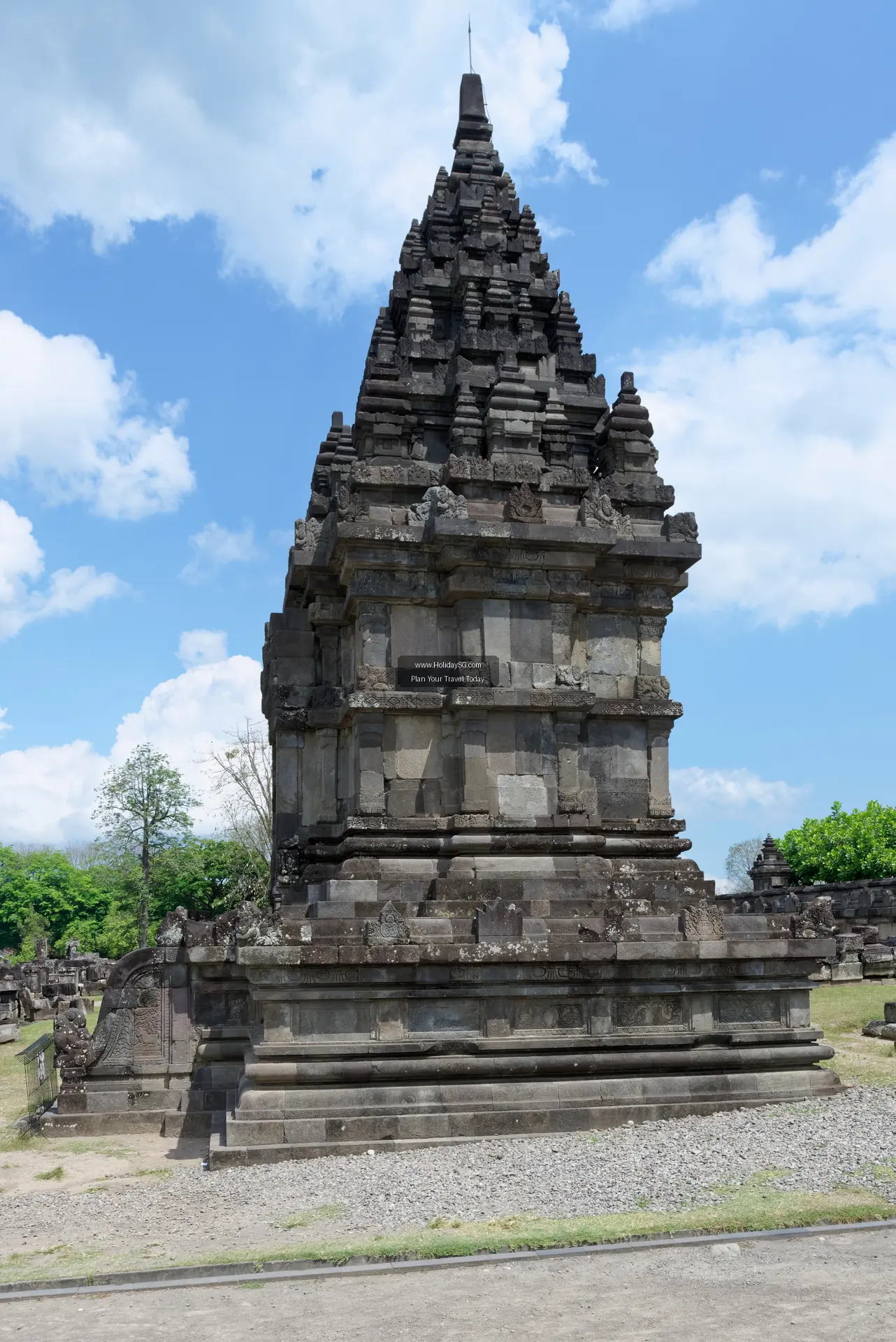
Mistake: packing for the beach and forgetting the temples
Many visitors pack only swimwear and sandals, then discover that Bali's temples require covered shoulders and knees. Most major temples lend a sarong and a sash at the entrance, but a light cotton wrap or a long skirt you already own makes the visit more comfortable and saves time at the gate. Sarongs are also useful on the beach, on boats and for sun protection, so one lightweight piece can do several jobs.
Mistake: underestimating traffic and distances
A map makes Bali look small, but a journey of thirty kilometres can take the better part of an afternoon on the main roads. Traffic around Denpasar, Seminyak, Ubud and the southern peninsula is heavy at peak times. Plan one main area per day where possible, and group your sightseeing so that you are not crossing the island twice in a single day. Allow an extra hour for any trip that depends on a ferry or a timed entry.
Mistake: skipping travel insurance
Scooter accidents are among the most common reasons visitors need medical care in Bali, and a policy that covers medical treatment, evacuation and motorbike riding gives real protection. Read the wording carefully, since some policies exclude scooter use unless you hold the right licence. If you do rent a scooter, check your licence status, wear a properly fitted helmet and ride cautiously on wet or unlit roads.
Mistake: drinking tap water or eating unwashed salads
Tap water in Bali is not safe to drink. Use bottled water, filtered water provided by your accommodation, or water purification tablets for brushing your teeth. Be cautious with ice and raw salads served in small restaurants, and wash fruit with clean water or peel it yourself. A small bottle of rehydration sachets and a basic stomach remedy in your bag can save a day of misery.
Mistake: ignoring the sun and the heat
The sun in Bali is strong all year round, and sunburn can ruin the first days of a holiday. Apply broad-spectrum sunscreen generously, reapply after swimming, and wear a hat and sunglasses. Drink water through the day, and plan strenuous activities such as volcano treks or long bike rides for the early morning. Many visitors underestimate how much fluid they lose in the humid air, so keep a bottle with you at all times.
Mistake: not respecting temple and ceremony rules
Balinese Hindu ceremonies are part of daily life, with offerings placed on pavements, shops and car bonnets. Step around offerings rather than over them, and do not touch or move them. Dress respectfully at temples, avoid loud behaviour in sacred areas and ask before photographing a ceremony. Women who are menstruating are often asked not to enter certain temple areas, so follow the guidance given at the entrance.
Mistake: booking everything at the last minute
Popular experiences such as sunrise treks, cooking classes and boat trips to nearby islands fill up quickly in peak months. Book the must-do items before you arrive, and leave the rest of your schedule open for spontaneous discoveries. Check the cancellation terms and the times the operator needs to confirm your booking, since rules vary.
Mistake: staying in the wrong area for your style
Seminyak and Canggu suit visitors who want beach clubs, cafes and nightlife, while Ubud is better for those who want rice terraces, yoga and quiet mornings. Sanur is calmer and easier for families, and the southern resorts suit travellers who want large hotels and private pools. Choosing a base that matches your priorities saves a lot of daily travel and disappointment.
Mistake: forgetting that cash still matters
Cards are widely accepted in hotels and bigger restaurants, but warungs, markets, drivers and small shops prefer cash. Carry small rupiah notes for everyday purchases and tips, and withdraw money from bank ATMs during business hours to avoid machine fees and problems. Check your bank's foreign transaction charges before you travel.
Mistake: overpacking the schedule
Three or four activities in one day is a full schedule in Bali once you add travel time, meals and rest. Choose two highlights a day, leave a block of unstructured time and accept that some plans will change. The island rewards visitors who slow down, and the best moments often come from a long lunch by a rice field or a chat with a local artisan.
Mistake: forgetting the rules of the sea
Currents on Bali's beaches can be strong, particularly on the south and west coasts. Swim only where lifeguards are on duty, follow the flag system and never swim alone at dusk. Snorkelling trips usually provide life jackets, and you should wear one if you are not a confident swimmer. Check the sea conditions with your operator before you go out.
Questions to resolve before you fly
Do I need a local driving licence?
Check the current rules for your licence on the official source before you ride or drive, and make sure your insurance covers the vehicle you plan to use.
Is Bali safe for solo travellers?
Many solo travellers enjoy Bali. Use licensed transport, keep valuables secure, share your plans with someone at home and stay alert in nightlife areas.
Who can help with my booking?
HolidaySG support is available from 9 AM to 11 PM SGT daily. Have your booking reference and travel dates ready when you contact the team.
Bali Tourism FAQ and Traveller Questions
What's the best time to visit Bali to avoid crowds and heavy rain?
The dry season from April to October sees fewer tourists than the peak months of July and August, though prices are still elevated. The shoulder months of April, May, September, and October offer lighter rainfall than the November-to-March wet season while maintaining reasonable accommodation availability around Ubud and the southern beaches. Keep in mind that even during the dry season, afternoons often bring brief tropical showers, so pack a lightweight rain jacket regardless of when you travel.
How much cash should I carry, and where can I withdraw money safely?
Carry between 500,000 and 1,000,000 Indonesian rupiah for daily expenses like food stalls, warung meals, and temple donations, since many small vendors don't accept cards. ATMs are widely available in Seminyak, Kuta, Ubud town center, and near major temples, but avoid unfamiliar machines in quiet alleyways; stick to ATMs outside banks or in busy shopping areas like Beachwalk mall. Inform your bank before arrival to prevent card blocks, and always withdraw during daylight hours from well-lit locations.
Can I hire a scooter or rent a car as a tourist without a local licence?
Many rental shops in Kuta and Seminyak rent scooters and vehicles without checking for a valid Balinese riding permit, but you're technically responsible for obtaining the correct documentation before renting. If stopped by police, you could face fines or confiscation of the vehicle, so understand the legal requirements by checking with your embassy or local authorities before deciding to ride. Hiring a driver through your accommodation is often safer and not significantly more expensive than renting independently.
What should I wear when visiting temples, and are there areas tourists cannot enter?
Wear sarongs that cover your knees and shoulders; most temples like Tanah Lot and Besakih Temple provide sarong rentals at the entrance for a small donation if you arrive unprepared. Women should avoid entering inner sanctums during menstruation, as this is considered ritually impure in Hindu tradition, and both men and women should remove shoes in certain prayer areas. Ask permission before photographing ceremonies, and never step over offerings placed on the ground or touch religious statues without guidance from temple staff.
Is it safe to swim in the ocean year-round, and which beaches are safest?
Seminyak Beach and Sanur Beach have lifeguards during daylight hours and are safer for swimming than the rough breaks at Uluwatu or Padang Padang, which are popular with surfers but dangerous for casual swimmers. Rip currents occur frequently on Bali's southern beaches, so swim only in designated areas, avoid the water during the wet season when visibility drops, and never enter the ocean alone. Check local conditions with your accommodation or beach vendors before swimming, as conditions change daily depending on tides and seasonal swells.
Quick answers
Should I bring travel insurance for a Bali trip?
Yes. Medical evacuation from Bali to Singapore or Australia can cost tens of thousands of rupiah, and adventure activities like diving or hiking Mount Batur often void standard policies. Purchase coverage that explicitly includes medical evacuation and your planned activities before departure, as purchasing in-country is more complicated and often costs more.
Is bottled water necessary, or can I drink from filters?
Tap water in Bali is not potable and causes digestive illness in most visitors unfamiliar with local bacteria. Stick to bottled water from reputable brands like Aqua or Ades, which are sold in convenience stores throughout Seminyak and Ubud, or use purification tablets in filtered water if reducing plastic waste is a priority.
How do I respect Balinese customs while sightseeing?
Learn basic greetings like "terima kasih" (thank you) and avoid pointing directly at people or religious objects. Dress modestly away from beaches, keep your feet lower than others' heads when sitting, and never touch someone's head or pass objects over their head, as these actions are considered disrespectful in Balinese culture.
What happens if I get sick in Bali?
International clinics in Seminyak and Ubud like Bali Medical Clinic or Medistra handle tourist cases efficiently, and pharmacies stock common medications without prescription. Bring personal medications in original packaging with your name on the label, and keep your insurance documents and your doctor's contact information accessible during your stay.
Things to book on this trip
Plan the rest of your trip
- Hotels in Bali, Indonesia - Compare hotels and check room rates for your dates.
