

Here is a number that changes how you plan: Indonesia stretches roughly 5,000 kilometres from Sumatra in the west to Papua in the east. That is about the distance from London to Baghdad. Most people say "Indonesia" and picture Bali, but Bali is one small island among thousands, and a trip that tries to "do Indonesia" in ten days usually ends up doing airports.
So the first honest piece of advice in this guide is this: you are not choosing a country, you are choosing a handful of islands. Get that choice right and Indonesia is one of the most rewarding places in Asia to travel. Volcanoes you can stand on at sunrise, ninth-century temples that dwarf anything nearby, reefs that make seasoned divers go quiet, and some of the most generous hospitality you will meet anywhere.
This guide merges everything we have learned from helping travellers plan Indonesia trips: island by island, when to go, how to get between islands without losing days, what things really cost, visas, sample itineraries, safety and the etiquette that makes a difference. Prices quoted are HolidaySG "from" prices at the time of writing (September 2026). Ferry timetables, park rules and entry requirements do change, so treat anything time-sensitive as a starting point and check again before you travel.
The short version: which islands suit you?
If you read nothing else, read this table. It matches the main regions to the kind of traveller who tends to love them, and how long each realistically needs.
| Region | Known for | Minimum time | Best months | Best for |
|---|---|---|---|---|
| Bali | Temples, rice terraces, beaches, food, easy logistics | 4–5 days | April to October | First-timers, couples, families |
| Nusa Penida and Lembongan | Dramatic cliffs, manta rays, quieter beaches | 1–2 days | April to October | Snorkellers, photographers |
| Gili Islands | No cars, turtles, laid-back island life | 2–3 days | May to September | Couples, divers, anyone who wants to slow down |
| Lombok | Wide beaches, surf, Mount Rinjani | 3–4 days | May to September (Rinjani usually closes in the wet season) | Hikers, surfers, travellers avoiding crowds |
| Yogyakarta and Central Java | Borobudur, Prambanan, Javanese culture | 2–3 days | April to October | Culture and history lovers |
| East Java (Bromo and Ijen) | Volcano sunrises, crater landscapes | 2–3 days | April to October | Adventurous travellers, photographers |
| Komodo and Flores | Komodo dragons, Padar Island, world-class diving | 3–4 days | April to November | Wildlife fans, divers |
| Sumatra | Lake Toba, orangutans, jungle | 5+ days | May to September | Repeat visitors, nature travellers |
| Raja Ampat | Arguably the richest reefs on Earth | 7+ days | October to April | Serious divers with time and budget |
Two things surprise most first-time visitors. The first is how different each island feels: Hindu Bali, Muslim Lombok next door, Catholic-majority Flores further east, and Javanese court culture in Yogyakarta. The second is how much time transfers eat. A "short hop" between islands often costs half a day once you add the drive to the port or airport. Plan for that and everything else gets easier.
Indonesia at a glance
- Capital: Jakarta (a new capital, Nusantara, is being built in Borneo, but Jakarta remains the practical hub).
- Islands: more than 17,000, of which around 6,000 are inhabited.
- Language: Bahasa Indonesia, plus hundreds of regional languages. English is widely spoken in tourist areas of Bali, less so elsewhere.
- Currency: Indonesian Rupiah (IDR). The large numbers take a day to get used to; many travellers mentally knock off three zeros.
- Time zones: three. Java and Sumatra are on Western Indonesia Time (UTC+7), Bali, Lombok and Flores on Central (UTC+8, the same as Singapore), and Papua on Eastern (UTC+9).
- Main international gateways: Bali (Denpasar), Jakarta (Soekarno–Hatta), plus Lombok, Yogyakarta, Surabaya, Medan and Labuan Bajo with more limited connections.
- Climate: tropical, typically 26–32°C at sea level, much cooler on the volcanoes.
When to go
Indonesia is broadly split into a dry season from about April to October and a wet season from November to March. That is the rule most guides give, and it is roughly right for Bali, Java, Lombok and the islands east to Flores. It is not right everywhere. Parts of Sumatra and Raja Ampat have different patterns, and in Raja Ampat many divers actually prefer October to April when the seas there tend to be calmer.
Dry season (April to October)
Sunny days, lower humidity, calmer seas and better underwater visibility. This is the best time for volcano hikes, island hopping and the Komodo boat trips. It is also peak season, especially July and August (European summer holidays) and around Indonesian school holidays, so prices rise and the famous spots get busy.
Wet season (November to March)
"Wet season" rarely means all-day rain. More often it is a heavy downpour in the afternoon, then clear evenings. The landscapes are at their greenest, hotels are cheaper and the crowds thin out. The trade-offs are real, though: rougher seas can delay or cancel fast boats, Mount Rinjani usually closes for a few months, some Komodo trips are less comfortable, and December and January tend to be the wettest months. Christmas and New Year are still busy and expensive in Bali despite the weather.
Our pick
If your dates are flexible, aim for May, June or September. You get dry-season weather without the July and August crush. April and October are good second choices, with a slightly higher chance of rain at the edges.
Festivals and dates that affect your trip
- Nyepi (Bali's Day of Silence): usually in March, date varies each year. The whole island shuts down for 24 hours, including the airport. Tourists must stay in their hotels. It is a fascinating experience if you plan for it and a nasty surprise if you do not. The night before brings the ogoh-ogoh parades of giant papier-mâché demons.
- Galungan and Kuningan: Balinese festivals roughly every 210 days, when streets are lined with tall bamboo penjor decorations.
- Ramadan and Idul Fitri (Lebaran): dates move each year. Outside Bali, Ramadan means some restaurants close during the day; Lebaran brings huge domestic travel, so flights, trains and ferries fill up and prices jump.
- Waisak (Vesak): a major Buddhist celebration at Borobudur, usually around May or June. Beautiful, but very crowded.
- Bau Nyale (Lombok) and Pasola (Sumba): regional festivals tied to the lunar calendar, usually in February or March.
Visas and entry
Indonesia's entry rules depend on your nationality, and they have changed several times in recent years. Some passports can enter visa-free for short stays, many others use a visa on arrival or an electronic visa applied for in advance, and longer stays need a different visa altogether. Rather than quote rules that may be out of date by the time you read this, we keep a current summary on our Indonesia visa requirements page. Check it, and the official Indonesian immigration channels, before you book flights.
A few things apply to almost everyone:
- Your passport should typically be valid for at least six months from arrival, with blank pages.
- You may be asked for an onward or return ticket.
- Bali charges a separate tourist levy for foreign visitors, usually paid online before arrival or at the airport. Keep the receipt.
- Indonesia uses an online arrival declaration for customs; filling it in before you land saves time at the airport.
Bali: the easy, rewarding start
Bali deserves its fame, and it also deserves its reputation for traffic. Both are true. The trick is choosing where to base yourself, because a 20-kilometre drive can take an hour and a half at the wrong time of day.
Where to stay, by mood
- Ubud: the cultural centre, surrounded by rice fields, with dance performances most nights, craft villages and good food. Stay here for temples, yoga, walks and the Bali of the postcards. The Kecak and Fire Dance show at Seraya Budaya Singapadu is from around S$8.20 on HolidaySG (September 2026) and is a lovely first evening.
- Seminyak and Canggu: beach clubs, cafés, surf, nightlife. Canggu in particular has become a digital-nomad hub. Expect traffic.
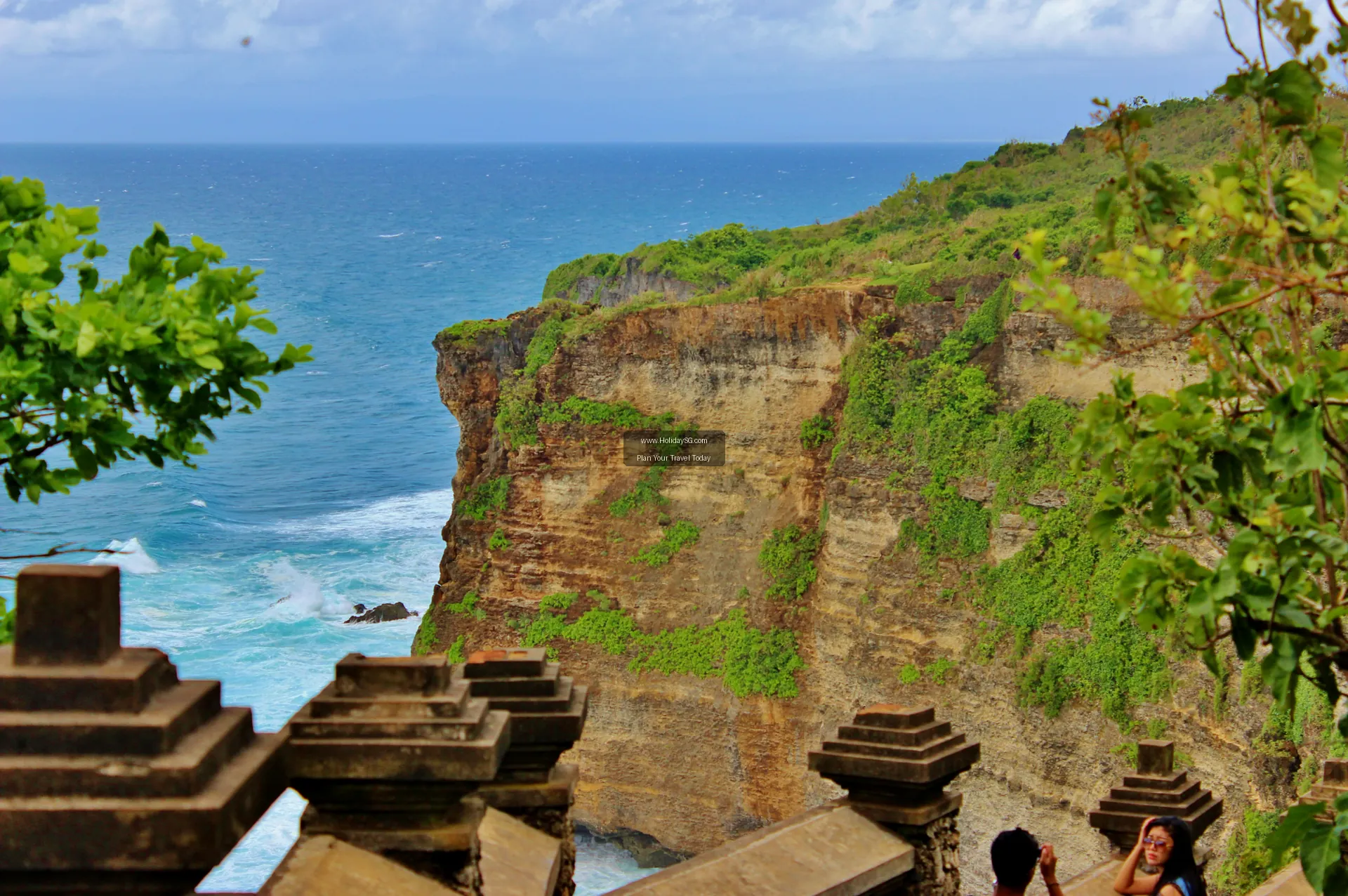
- Uluwatu and the Bukit peninsula: cliffs, surf breaks and the famous cliff-top temple. Beautiful sunsets, but spread out, so you will want a driver or a scooter.
- Nusa Dua and Sanur: calmer water and resort hotels. Best for families and anyone who wants an easy swim. Sanur is also the main port for fast boats to Nusa Penida and the Gilis.
What is genuinely worth your time
- Mount Batur at sunrise. The classic Bali adventure. Most trips pick you up around 2am. You can hike (roughly two hours up on a steep, gravelly path) or let a 4WD do the work. If you would rather not climb in the dark, the 4WD jeep Mount Batur sunrise experience is from around S$60.19 on HolidaySG (September 2026). Take a warm layer; it is surprisingly cold at the top.
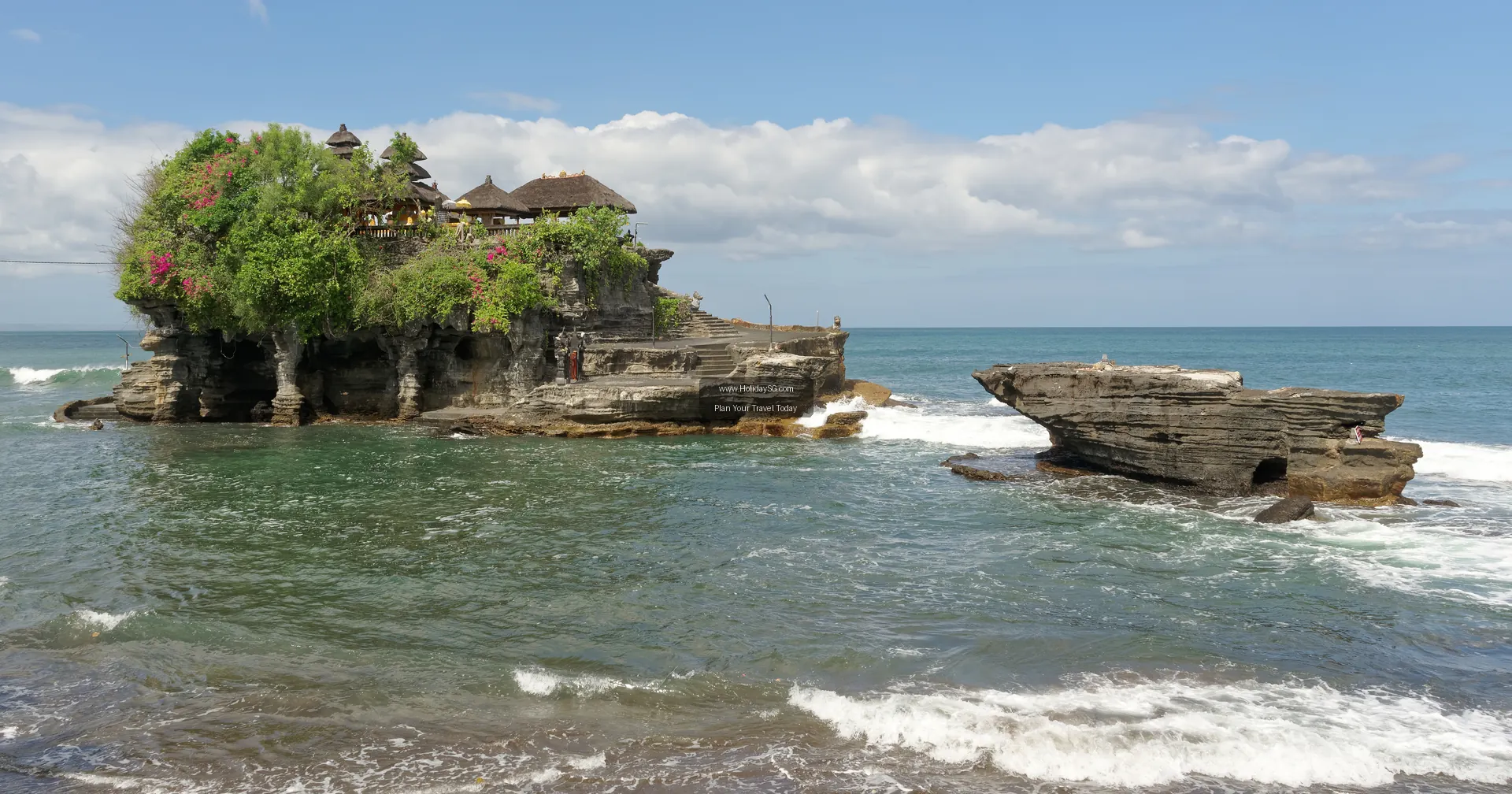
- Tanah Lot and Uluwatu temples. Both are at their best at sunset and both are busy then. Uluwatu has an evening Kecak dance with the ocean behind it.
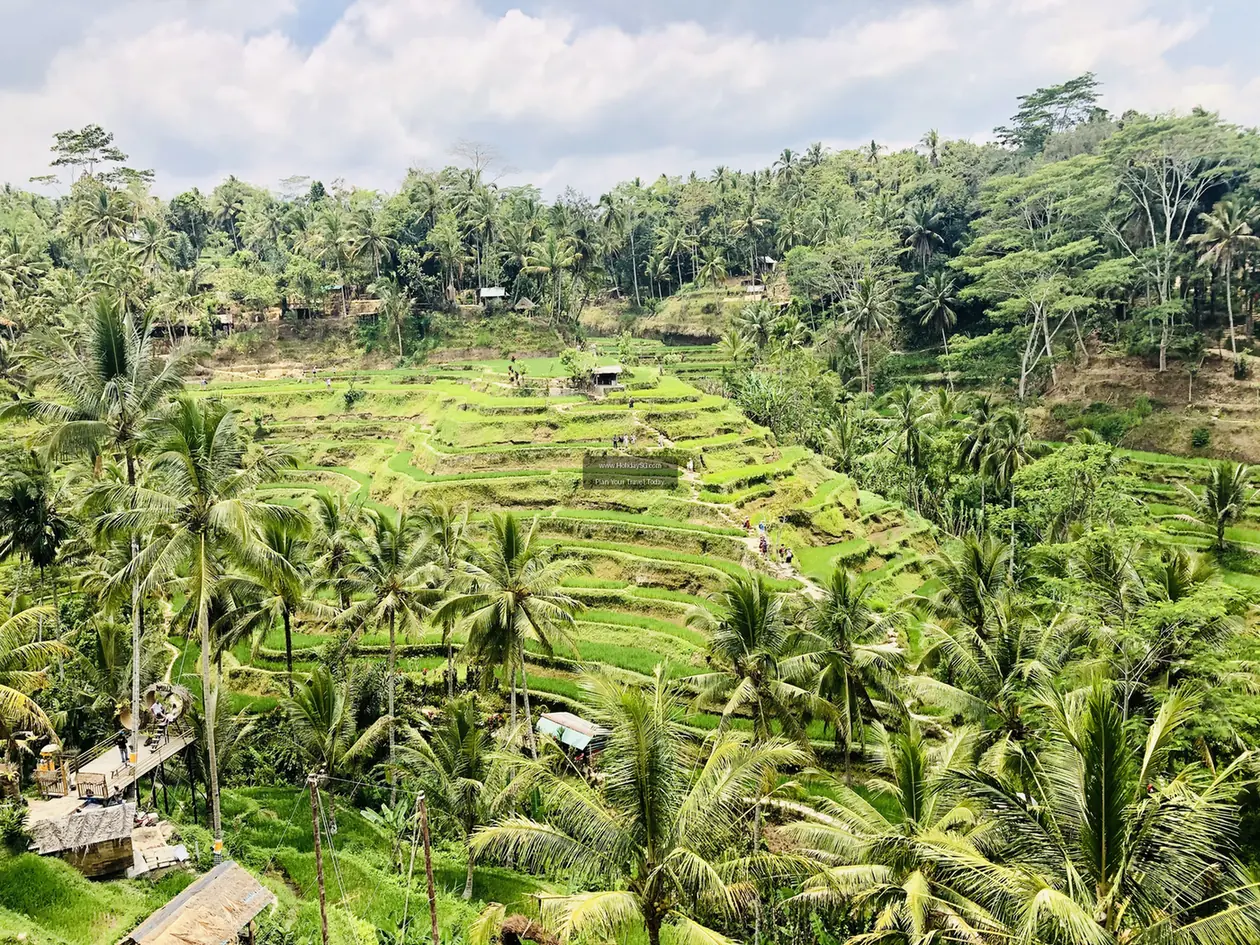
- Rice terraces. Tegallalang is closest to Ubud and busiest; Jatiluwih, further west, is larger, quieter and a UNESCO-listed part of Bali's subak irrigation landscape.
- The Ubud Monkey Forest. Charming for ten minutes, then the macaques start eyeing your bag. Leave food, sunglasses and loose items behind.
- Water temples. Tirta Empul, where Balinese bathe in the holy springs, is moving to watch; visitors can join if they follow the rules and wear the provided sarong.
Nusa Penida and Nusa Lembongan
These islands off Bali's south-east coast are a short fast-boat ride from Sanur, and they deliver the dramatic scenery Bali's own coast lacks: the T-rex-shaped headland at Kelingking, Angel's Billabong, Broken Beach, and manta rays at Manta Point. A Sanur to Nusa Penida fast boat is from around S$9.03 on HolidaySG (September 2026).
Honest warning: Penida's roads are rough and the viewpoints far apart, so a day trip is tiring. The path down to Kelingking beach is steep and genuinely dangerous in the wrong shoes; the view from the top is the main event anyway. If you can, stay a night. Lembongan is gentler and better for a relaxed overnight.
Lombok and the Gili Islands
Lombok is Bali's eastern neighbour, similar in size and completely different in feel. Most Lombok people are Sasak Muslims, the mosques outnumber the temples, the beaches are wider and emptier, and the pace is slower. The south coast around Kuta Lombok (not to be confused with Kuta in Bali) has some of the best beaches in the region: Selong Belanak for gentle surf lessons, Tanjung Aan for pale sand and clear water.
Mount Rinjani
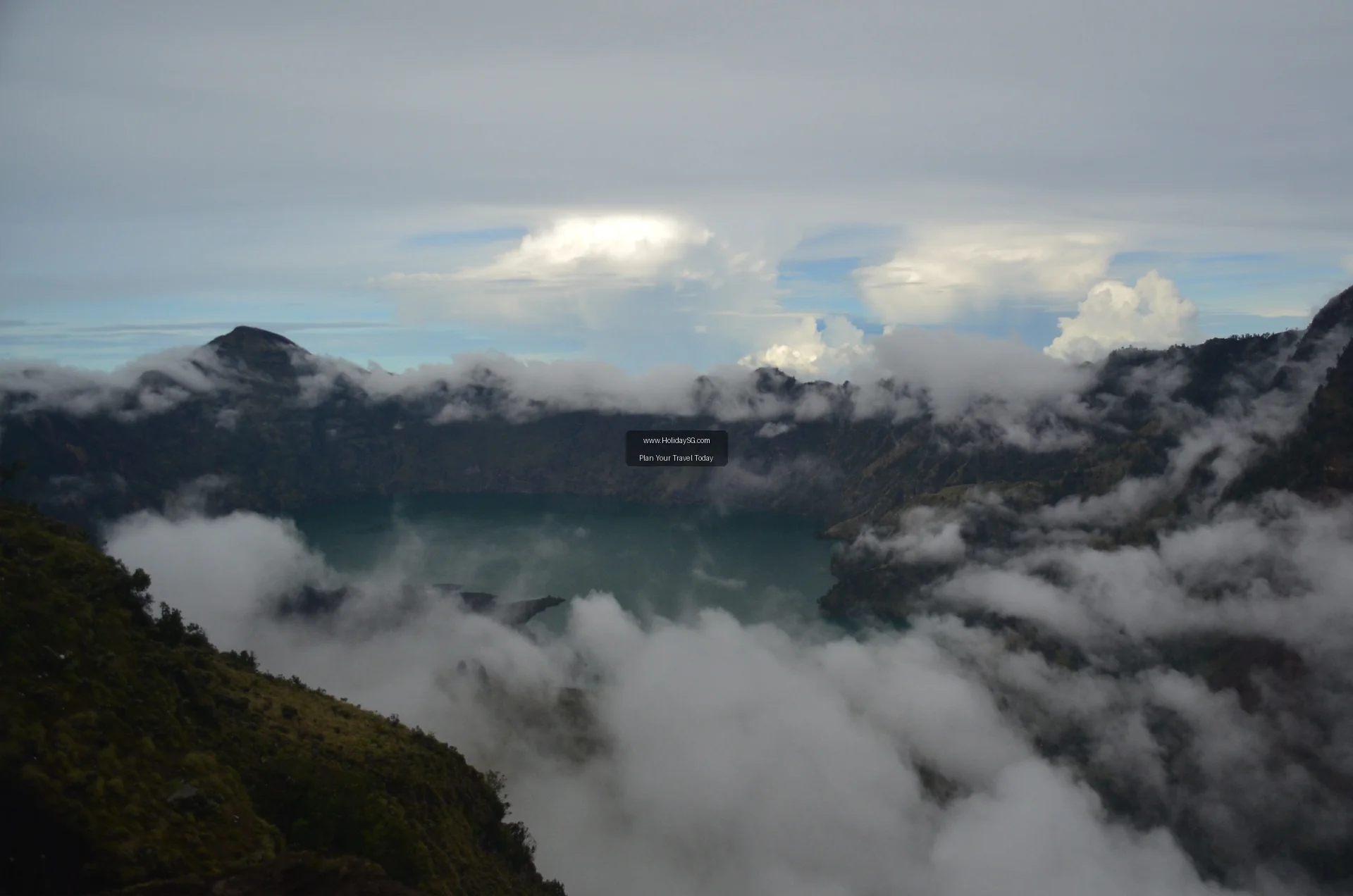
Indonesia's second-highest volcano, at about 3,726 metres, is a serious undertaking. The crater-rim trek usually takes two days and one night; the summit adds a pre-dawn scramble on loose volcanic scree. You need to be fit, you need proper boots, and you need to go with a registered guide and porters, which is also how most permits are arranged. The trails typically close during the wettest months. A multi-day Rinjani hiking tour is from around S$212.46 on HolidaySG (September 2026).
The Gilis: Trawangan, Meno and Air
Three tiny islands off Lombok's north-west coast, with no cars or motorbikes (bicycles, e-bikes and horse carts only). Each has its own personality:
- Gili Trawangan: the biggest and busiest, with bars, dive schools and a party reputation that has mellowed a little.
- Gili Air: the balanced choice. Good cafés, easy snorkelling, calm evenings. Our favourite for most couples.
- Gili Meno: the quietest, with very little to do except swim, snorkel and read. Perfect for exactly that.
Sea turtles are commonly seen just off the beaches, and the dive sites are good for beginners. Getting there usually means a fast boat from Bali (Sanur or Padang Bai) or a short boat from Bangsal on Lombok. A Sanur to Gili Islands and Lombok fast boat is from around S$22.66 on HolidaySG (September 2026). The crossing can be rough; if you get seasick, take something before you board and sit near the back.
Java: temples, volcanoes and real Indonesian life
Java is home to more than half of Indonesia's population, and many travellers skip it. That is a mistake. It is where you see the country's everyday life, eat some of its best food and visit its two greatest monuments.
Yogyakarta, Borobudur and Prambanan
Yogyakarta (usually shortened to Jogja) is the cultural heart of Java: a city with a working sultan's palace (the Kraton), batik workshops, shadow-puppet performances and a lively student population. Malioboro Street is the busy shopping strip, and the old water castle of Taman Sari is worth a morning.
Borobudur, about an hour and a half north-west, is the largest Buddhist monument in the world, built around the ninth century and decorated with more than 2,600 relief panels. Access to the upper terraces is now managed with timed, limited tickets, so book ahead and check the current rules; you may need to wear special sandals provided on site to protect the stone.
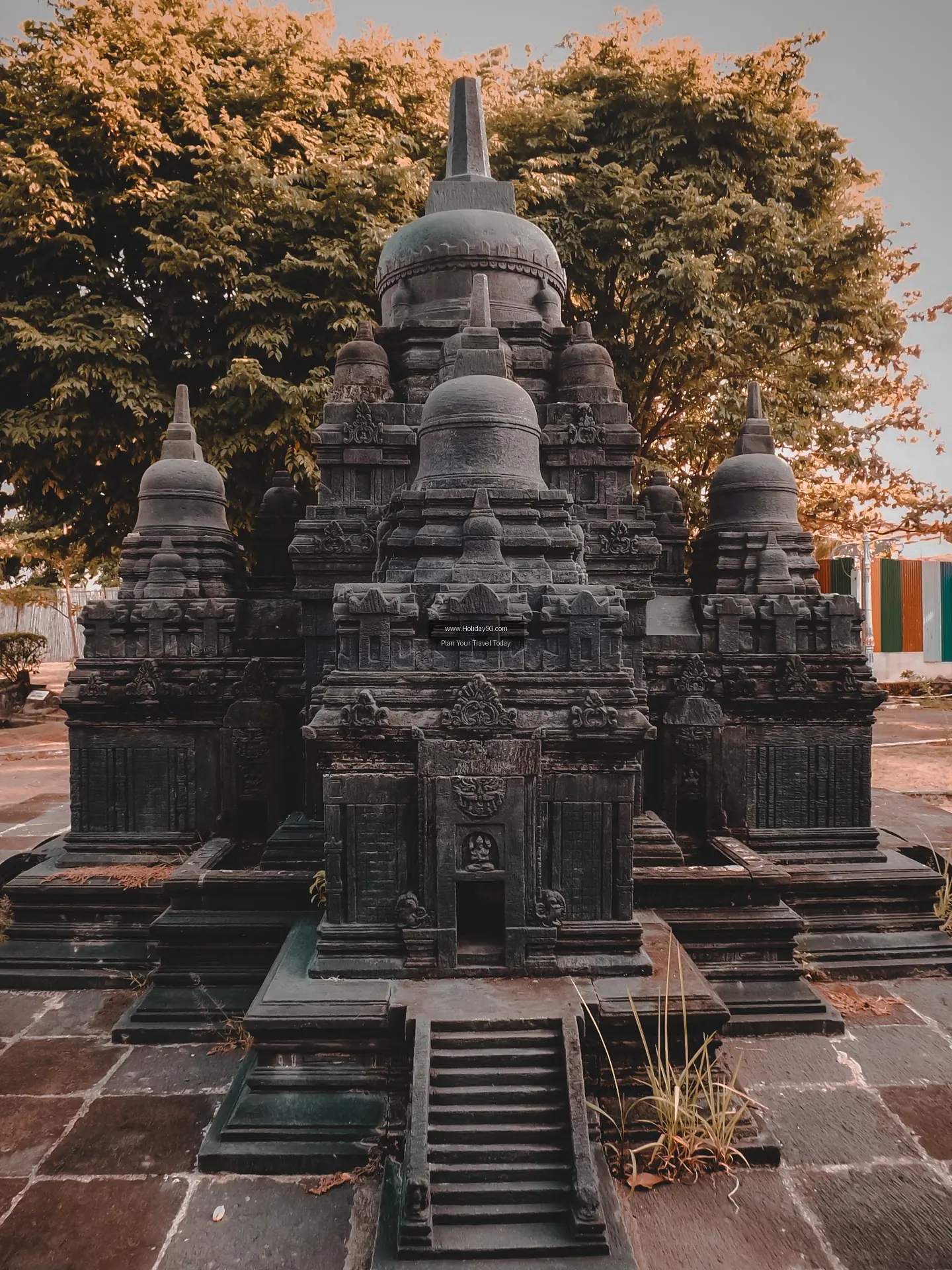
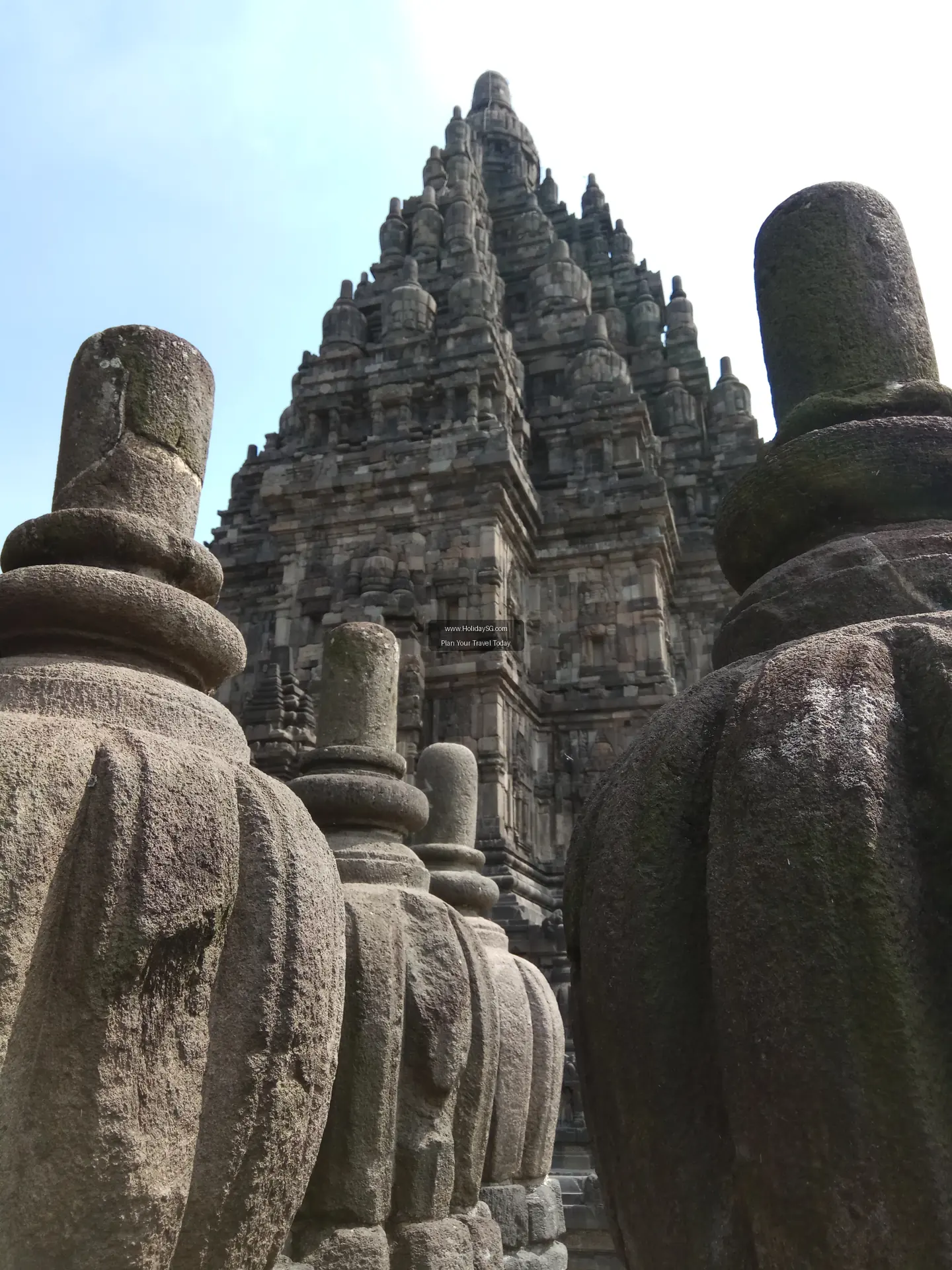
Prambanan, east of the city, is a soaring Hindu temple complex from roughly the same era, with towers reaching about 47 metres. It is spectacular in late afternoon light, and on some evenings the Ramayana ballet is performed nearby with the temples as a backdrop.
If you only have one day, the One Day Temple Trip covering Borobudur, Mendut and Prambanan is from around S$66.81 on HolidaySG (September 2026). It is a long day, but it handles the driving and the timing for you.
Mount Bromo and Ijen
East Java holds two of Indonesia's most famous volcanic landscapes. At Bromo, you are driven by 4WD before dawn to a viewpoint on the rim of the vast Tengger caldera, watch the sun rise over a sea of sand and smoking cones, then cross the caldera and climb steps to peer into Bromo's crater. It is one of the great sunrises in Asia. A Jeep Bromo tour from Malang is from around S$68.73 on HolidaySG (September 2026).
Ijen, near the eastern tip of Java, is famous for its turquoise acid lake and, in the dark before dawn, the "blue fire" of burning sulphur gas. Hikes start around 1am or 2am. You will be given, or should bring, a proper gas mask; the fumes are no joke.
An important caveat for both: these are active volcanoes. Access is sometimes restricted or closed at short notice when activity increases. Follow local guides and official notices, and keep a spare day in your plan.
Getting across Java
Java has the best railway network in Indonesia. Trains between Jakarta, Yogyakarta, Surabaya and Malang are comfortable, reasonably priced and far more pleasant than the roads. A popular overland route runs Jakarta to Yogyakarta by train, then on to Malang or Probolinggo for Bromo, then to Banyuwangi for Ijen, and finally a short ferry to Bali.
Komodo National Park and Flores
Labuan Bajo, on the western tip of Flores, is the gateway to Komodo National Park, a UNESCO World Heritage Site and the only place on Earth where Komodo dragons live in the wild. There are direct flights from Bali (roughly an hour).
Most visitors take a boat trip, either a long day on a speedboat or one or more nights on a traditional phinisi boat. A typical route includes:
- Padar Island: a steep climb of 20–30 minutes to the viewpoint over three bays with different-coloured sand. Go at sunrise if you can; midday is brutally hot.
- Komodo or Rinca Island: a guided walk with rangers to see the dragons. They are wild, fast and dangerous; the rangers carry forked sticks and you must stay with them.
- Pink Beach: the sand gets its hue from fragments of red coral. It looks pinker in photos than in person, honestly, but the snorkelling is lovely.
- Manta Point: manta rays are frequently seen here, though never guaranteed.
The Labuan Bajo Komodo National Park full-day group tour is from around S$82.09 on HolidaySG (September 2026). Park fees and rules have changed several times; check what is included before you go.
If you have more time, drive east across Flores: traditional villages such as Wae Rebo and Bena, and the three coloured crater lakes of Kelimutu near Moni. Roads are winding and slow, so allow several days.
Sumatra, Sulawesi and Raja Ampat: for the second trip
These regions are wonderful, but they reward travellers with time and some flexibility.
- Sumatra: Lake Toba, the enormous volcanic lake in the north, with Samosir Island and Batak culture in the middle; and Gunung Leuser National Park near Bukit Lawang, one of the best places to see orangutans in the wild. The food, especially Padang cuisine and rendang, is a highlight.
- Sulawesi: Tana Toraja, with its boat-shaped houses and elaborate funeral traditions (visit respectfully and with a local guide), and Bunaken for diving.
- Raja Ampat: in West Papua, reached via Sorong. The marine biodiversity is extraordinary, and so are the logistics and costs. Plan it as a dedicated trip, not an add-on.
Getting between islands
This is where Indonesia trips succeed or fail, so here is what we would tell a friend.
| Route | Best option | Rough time | Notes |
|---|---|---|---|
| Bali to Nusa Penida | Fast boat from Sanur | 30–45 min | Frequent departures; morning seas are calmer |
| Bali to Gili Islands | Fast boat from Sanur or Padang Bai | 1.5–3 hours | Can be rough; choose reputable operators |
| Bali to Lombok | Short flight, fast boat, or slow public ferry | 40 min flight; 4–5 hours ferry | Slow ferry is cheap but long |
| Bali to Labuan Bajo | Flight | About 1 hour | Book early in peak season |
| Bali to Yogyakarta | Flight | About 1.5 hours | Or overland via Java over several days |
| Jakarta to Yogyakarta | Train | About 6–8 hours | Comfortable, scenic, reliable |
| Java to Bali | Ferry from Ketapang to Gilimanuk | About 1 hour crossing | Runs around the clock |
Practical rules for island hopping:
- Domestic flights are cheap but delays are common. Never schedule a domestic flight on the same day as your international departure if you can avoid it.
- Take morning boats. Seas tend to be calmer in the morning, and afternoon boats are more likely to be delayed or cancelled.
- Pack for boats. Keep passports, phones and cash in a dry bag. You often wade out to board.
- Allow buffer days around Rinjani, Bromo, Ijen and anything involving boats.
- Private drivers are good value in Bali, Lombok and Yogyakarta, especially for families or groups of three or four. Agree the route and the price for a full day in advance.
- Ride-hailing apps work well in cities and much of Bali, though some areas restrict pickups by app drivers.
What does Indonesia cost?
Indonesia can be very affordable or very expensive, and the gap between the two is bigger than in most countries. Bali and Java generally offer the best value; Komodo, the Gilis in peak season, and especially Raja Ampat cost more because everything has to be shipped in.
| Style | Rough daily spend per person | What that looks like |
|---|---|---|
| Budget | About S$65–90 | Guesthouses and homestays, meals at local warungs, public transport or scooters, mostly free sights |
| Mid-range | About S$140–280 | Boutique hotels or villas with pools, a mix of local and international food, drivers and guided tours |
| Luxury | S$370 and up | Five-star resorts, private villas, fine dining, spa treatments, private boats |
These are rough guides based on our earlier planning notes, excluding international flights. A few things skew budgets more than people expect: alcohol is heavily taxed and can cost more than the meal; imported food in tourist cafés costs several times a local dish; and boat trips, dive courses and national park fees add up quickly.
Money tips
- Cards work in hotels, malls and tourist restaurants, but cash is king for warungs, markets, small boats and anything rural.
- Use ATMs attached to banks, ideally inside a branch or mall. Withdraw larger amounts less often to limit fees.
- Carry small notes. Drivers and stall holders often cannot change large ones.
- Bargaining is expected in markets and with some drivers, but not in restaurants, malls or fixed-price shops. Keep it friendly; the difference is usually small for you and meaningful for them.
Staying connected
Mobile data is cheap and coverage is good in cities and most tourist areas, patchy on remote islands and boats. Setting up an eSIM before you fly means you can order a ride as soon as you land. The Indonesia unlimited 4G/5G data eSIM is from around S$12.44 on HolidaySG (September 2026). Check that your phone supports eSIM first.
Sample itineraries
7 days: Bali and one island
- Day 1: Arrive in Bali, head to Ubud. Evening dance performance.
- Day 2: Rice terraces, Tirta Empul water temple, a coffee plantation or a cooking class.
- Day 3: Mount Batur sunrise, then hot springs and an afternoon rest.
- Day 4: Move to Uluwatu. Beaches in the afternoon, temple and Kecak at sunset.
- Day 5: Fast boat to Nusa Penida or Lembongan. Snorkel with mantas.
- Day 6: Explore the island's viewpoints, return to Bali in the afternoon.
- Day 7: Sanur or Seminyak, final shopping, depart.
10 days: Bali, the Gilis and Komodo
- Days 1–4: Bali (Ubud and the south), as above.
- Days 5–7: Fast boat to Gili Air. Snorkelling with turtles, cycling, sunsets.
- Days 8–10: Back to Bali and fly to Labuan Bajo for a Komodo boat trip, then fly back to Bali for your departure (leave a buffer).
14 days: temples, volcanoes and islands
- Days 1–3: Yogyakarta. Borobudur at sunrise, Prambanan, the Kraton and Taman Sari.
- Days 4–5: Train east to Malang, then Bromo sunrise.
- Days 6–7: Ijen, then the ferry to Bali.
- Days 8–11: Ubud and Uluwatu.
- Days 12–14: Gili Air or Lombok's south coast, then fly home from Lombok or Bali.
This route is ambitious; the volcano days are early and tiring. If that sounds like too much, drop Ijen and add a day to the Gilis.
Family-friendly adjustments
With younger children, base yourself in Sanur or Nusa Dua for calm water, add Ubud for culture, and consider Gili Air rather than Trawangan. Bali has several family attractions, including a safari park and zoo. Keep transfers short: long, winding drives are the fastest way to a miserable day with kids. Skip Rinjani and the Ijen night hike entirely with young children.
Honeymoon ideas
Ubud for a villa with a private pool in the rice fields, Uluwatu for cliff-top sunsets, then the Gilis (Meno or Air) or a private phinisi boat in Komodo. The phinisi trip, sleeping on deck under the stars with dragons ashore, is the one couples tend to talk about for years.
Food: what to eat and where
Indonesian food is one of the country's best-kept secrets. A few dishes to seek out:
- Nasi goreng and mie goreng: fried rice and fried noodles, everywhere, at every hour.
- Satay: skewered meat with peanut sauce. Lombok's sate rembiga is sweet and spicy.
- Rendang: the slow-cooked beef curry from West Sumatra, found in Padang restaurants across the country.
- Gado-gado: vegetables with peanut sauce, a good vegetarian standby.
- Babi guling and bebek betutu: Balinese roast pork and slow-cooked spiced duck.
- Ayam taliwang and plecing kangkung: Lombok's fiery grilled chicken and water spinach with chilli.
- Gudeg: Yogyakarta's sweet young-jackfruit stew.
- Bakso, soto ayam and martabak: meatball soup, chicken soup and stuffed pancakes (sweet or savoury), great street-food options.
A Padang restaurant is a useful trick for first-timers: dishes are laid out in the window, you point at what you want and pay for what you eat. For dessert, try es campur (shaved ice with fruit and jelly) on a hot afternoon.
Safety and health
Indonesia is generally safe for travellers, and violent crime against tourists is rare. The risks are more mundane and, mostly, avoidable.
- Scooters: the biggest risk for visitors in Bali. Only ride if you are experienced, licensed for motorcycles and insured for it. Wear a helmet every time.
- Water: drink bottled or filtered water. Many cafés and hotels offer refills, which cuts plastic waste.
- Mosquitoes: dengue is present. Use repellent, especially at dawn and dusk.
- Sea and currents: some beaches have strong rips. Swim where locals and lifeguards suggest.
- Volcanoes: follow closures and guide instructions without exception.
- Alcohol: drink at reputable places. There have been cases of methanol poisoning from illicit spirits, so avoid unbranded local liquor.
- Petty theft and scams: watch your phone on scooters (snatch thefts happen), count your change at money changers, and use bank ATMs.
- Insurance: get travel insurance that covers medical evacuation, especially for diving and remote islands.
Indonesia's drug laws are extremely severe, including for small amounts. Do not take any risks.
Etiquette that makes a difference
- Dress for temples and villages. Cover shoulders and knees. At Balinese temples you will usually need a sarong and sash, often available at the entrance.
- Use your right hand to give, receive and eat. The left is considered unclean.
- Do not point with your finger or feet. Use your thumb or an open hand.
- Do not touch people's heads, including children's.
- Watch your step in Bali. Small palm-leaf offerings (canang sari) are placed on pavements every day. Try not to step on them.
- Ask before photographing people, especially at ceremonies.
- Keep calm. Raising your voice or losing your temper causes people to lose face and rarely gets results.
- Learn a few words. "Terima kasih" (thank you), "selamat pagi" (good morning) and "berapa?" (how much?) get warm smiles.
Common mistakes to avoid
- Trying to see too many islands. Two or three regions in two weeks is plenty. Every move costs half a day.
- Underestimating Bali traffic. Base yourself near what you want to do, rather than day-tripping everywhere from one hotel.
- Booking a same-day domestic connection to an international flight.
- Forgetting Nyepi. Check the date if you are travelling in March.
- Doing Nusa Penida as a rushed day trip and spending most of it on bumpy roads.
- Arriving at Borobudur without a timed ticket for the upper terraces.
- Skipping insurance or riding a scooter you are not covered for.
- Relying on cards outside the main tourist areas.
- Not checking entry rules for your own passport and the Bali levy.
Frequently asked questions
How many days do I need in Indonesia?
A week covers Bali plus one nearby island comfortably. Ten to fourteen days lets you add Java's temples and volcanoes or Komodo. Three weeks or more is needed for Sumatra, Flores overland or Raja Ampat.
Is Bali or Lombok better?
Bali has more culture, food and variety, and easier logistics. Lombok has emptier beaches, better surf for some levels and Rinjani, with fewer crowds. Many travellers do both; Lombok works best as the second half of a Bali trip.
Do I need a visa for Indonesia?
It depends on your nationality. Some passports can enter visa-free for short stays, while many others need a visa on arrival or an e-visa. Rules change, so check our Indonesia visa requirements page and official sources before booking.
What is the best month to visit Indonesia?
For most of the popular islands, May, June and September offer dry weather with fewer crowds than July and August. Raja Ampat is an exception, with many divers preferring October to April.
Is it safe to travel to Indonesia?
Generally yes. The main risks are road accidents (especially on scooters), strong currents, volcanic activity, dengue and petty theft. Sensible precautions and good insurance cover most of it.
How do I get from Bali to the Gili Islands?
Most people take a fast boat from Sanur or Padang Bai, which takes roughly one and a half to three hours depending on the route and sea conditions. Morning departures are usually smoother.
Can I see Komodo dragons on a day trip?
Yes. Fly to Labuan Bajo and join a full-day boat trip that includes Komodo or Rinca Island with a ranger walk. An overnight boat trip lets you add a Padar sunrise and more snorkelling.
Is Mount Bromo worth the early start?
For most people, yes. The sunrise over the Tengger caldera is one of the great sights in Asia. Check that the area is open before you go, since access depends on volcanic activity.
Should I use cash or card?
Both. Cards work in hotels and bigger restaurants; cash is needed for warungs, markets, small boats and rural areas. Use bank ATMs and carry small notes.
Our honest recommendation
If this is your first time, do not try to conquer the archipelago. Give Bali four or five days, split between Ubud and the coast, then add one contrasting place: the Gilis if you want to slow right down, Yogyakarta if you want history, or Komodo if you want wildlife and a boat trip you will never forget. Save Sumatra, Flores and Raja Ampat for the second trip. There will be one; Indonesia has a way of pulling people back.
When you are ready to plan, our Indonesia destination page brings together the tours, transfers and tickets mentioned here, from the Batur sunrise jeep to the Komodo boat day and the Borobudur and Prambanan temple trip.