

Deals to myanmar – travel more, save more is exactly what this guide covers.
Myanmar is a destination that effortlessly blends ancient wonders, vibrant cultures, and breathtaking landscapes—all without breaking the bank. Whether you’re wandering through the temple-studded plains of Bagan, cruising the serene waters of Inle Lake, or soaking up the sun on Ngapali Beach, Myanmar offers experiences that rival pricier Southeast Asian hotspots at a fraction of the cost. With a little planning, you can explore more while spending less, making it the perfect choice for budget-conscious travelers who refuse to compromise on adventure. Looking for the best deals to Myanmar? This guide shows you how to travel smart and save big.
Myanmar is one of Southeast Asia’s most affordable and rewarding destinations, with budget-friendly accommodations, food, and transport. Visit during the low season (June–October) for the best deals, explore ancient temples by e-bike, and immerse yourself in local culture without overspending. From Bagan’s sunrise views to Inle Lake’s floating villages, this guide shows you how to travel smart and save big.
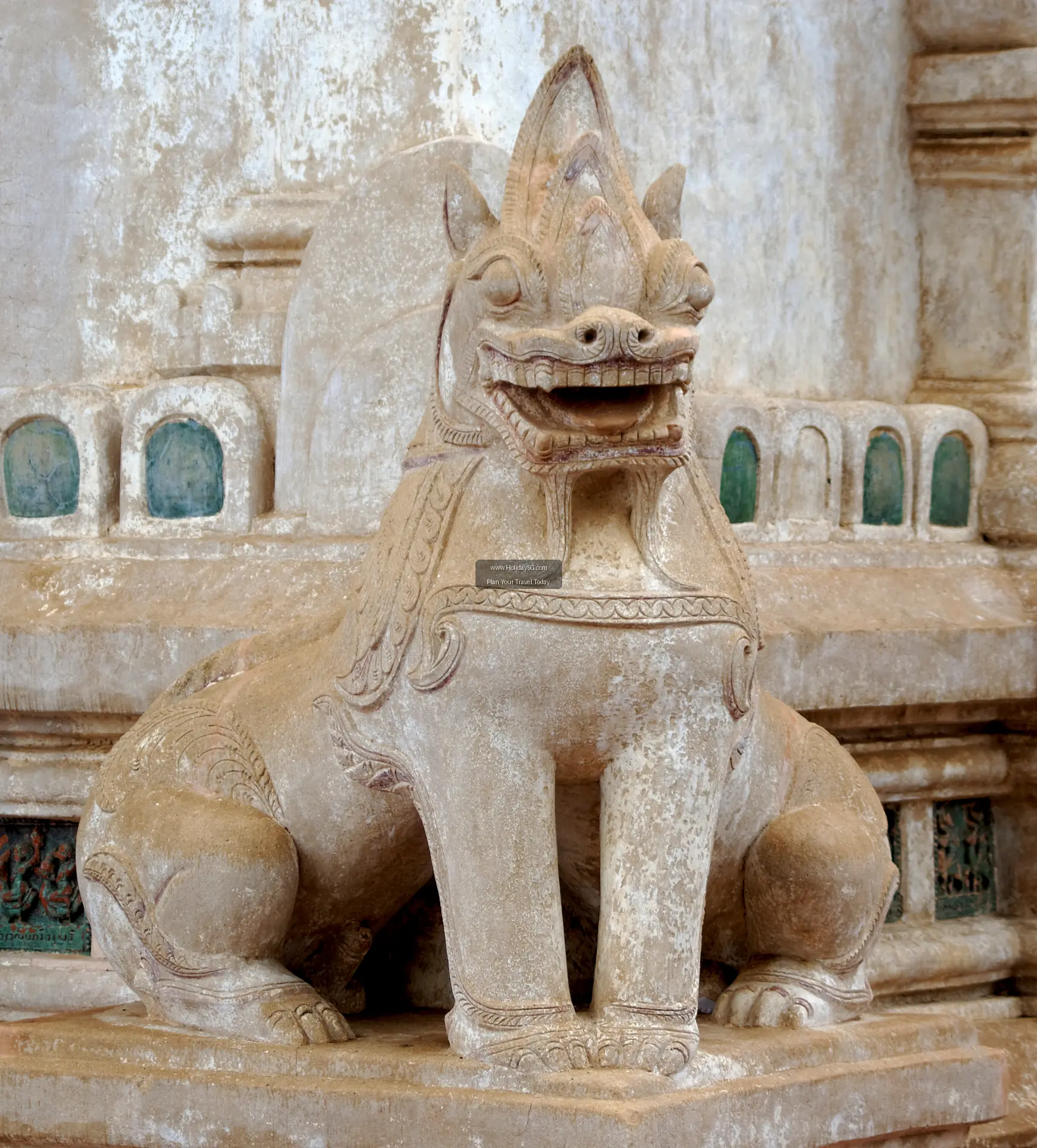
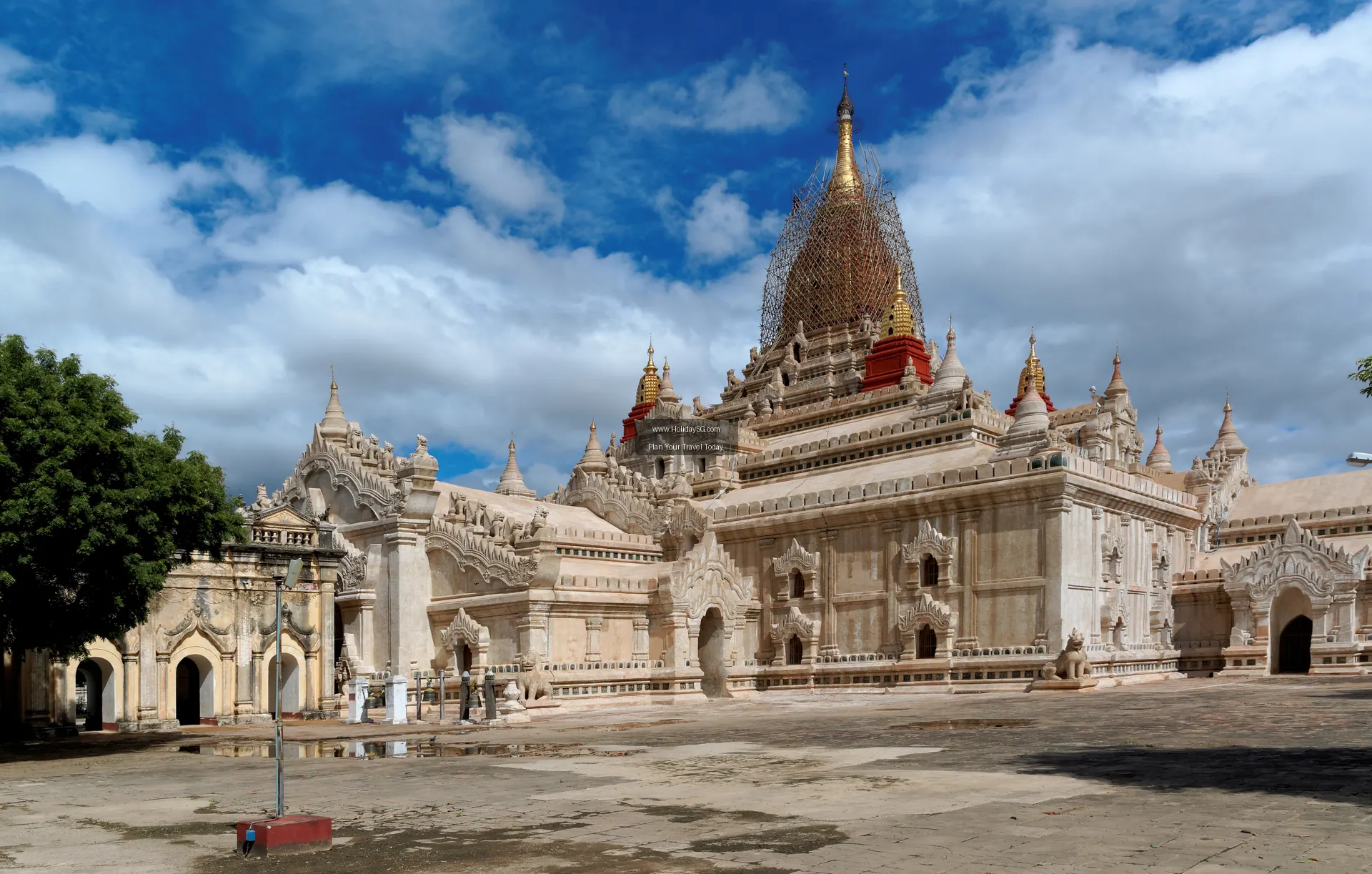
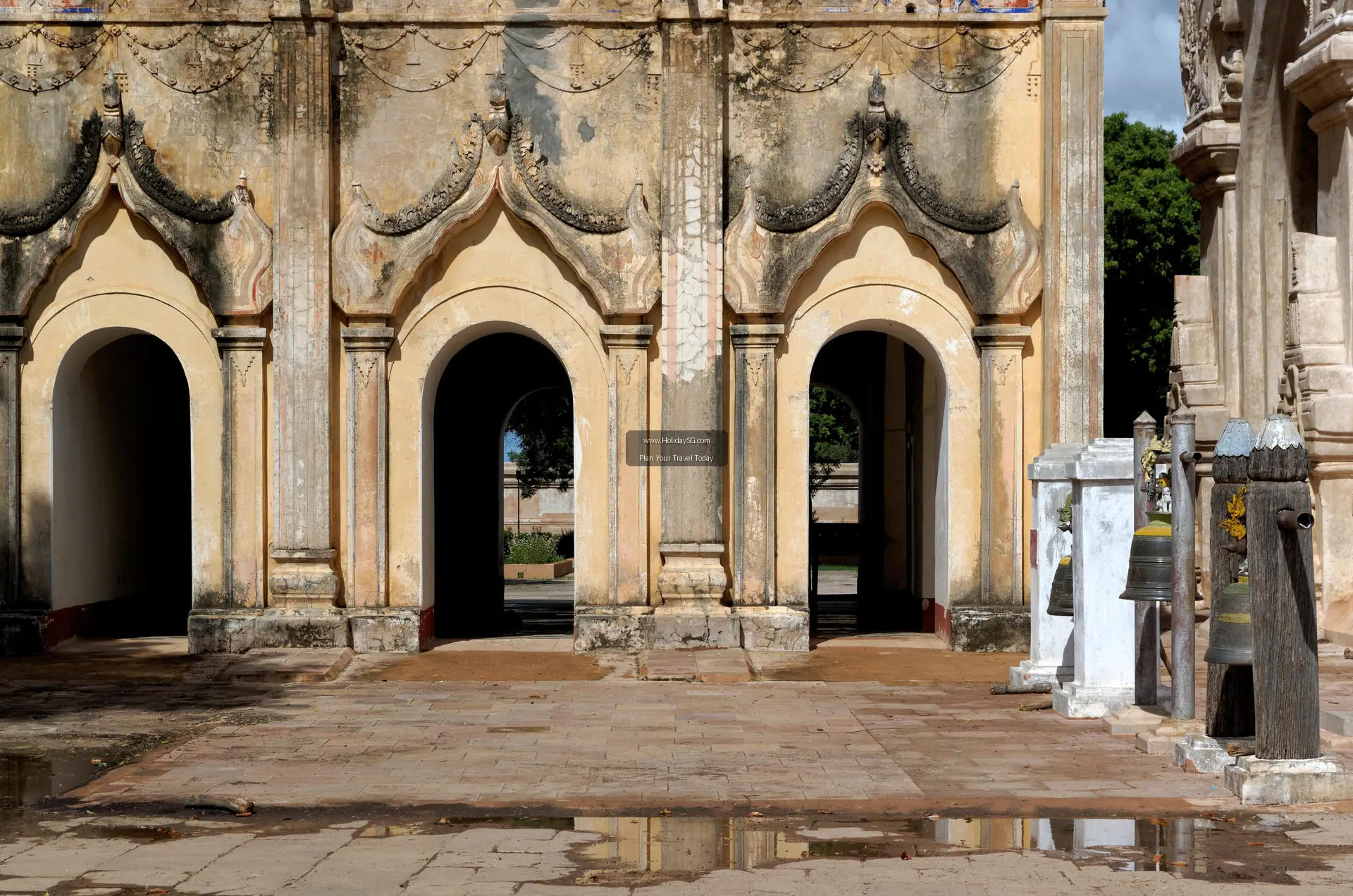
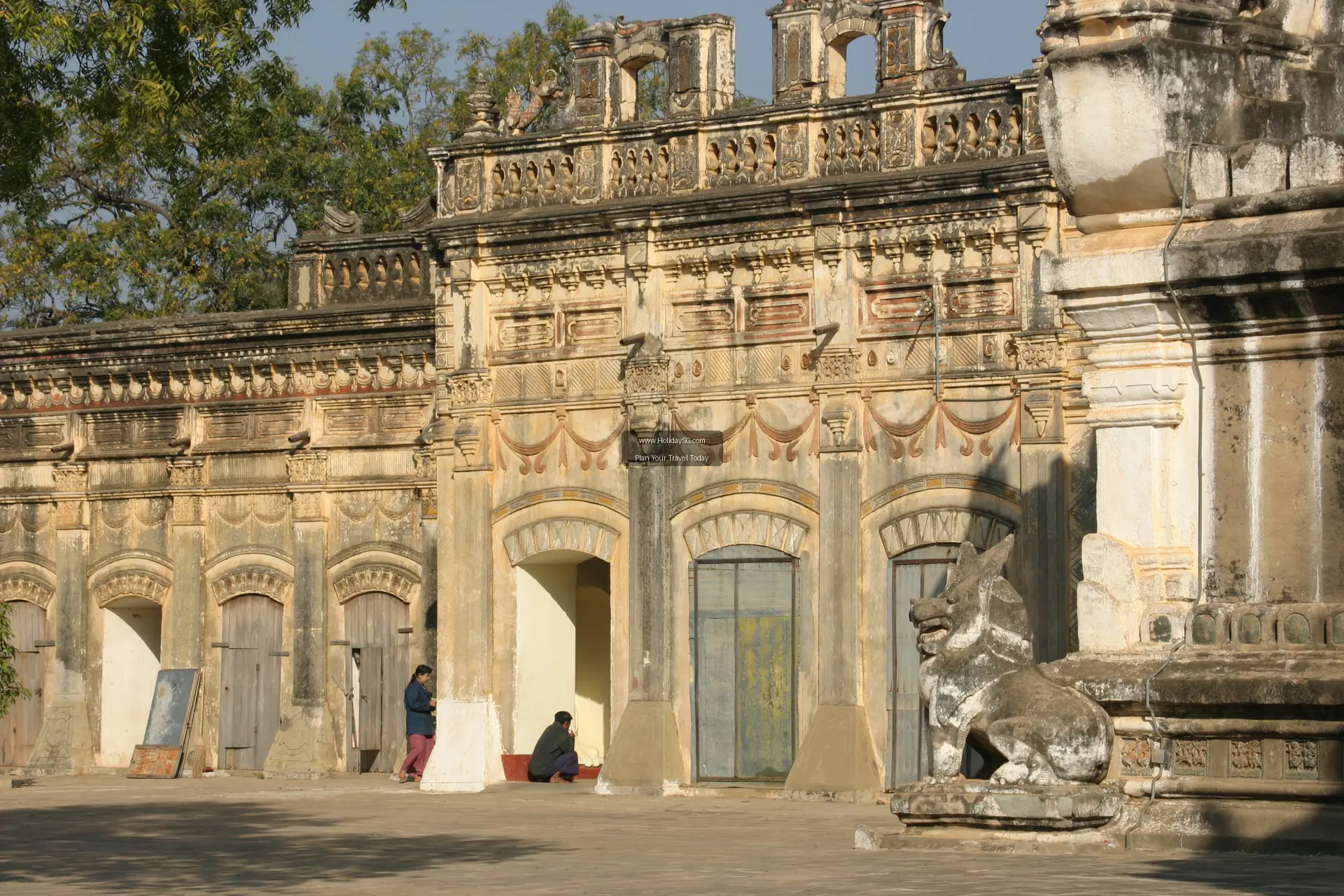
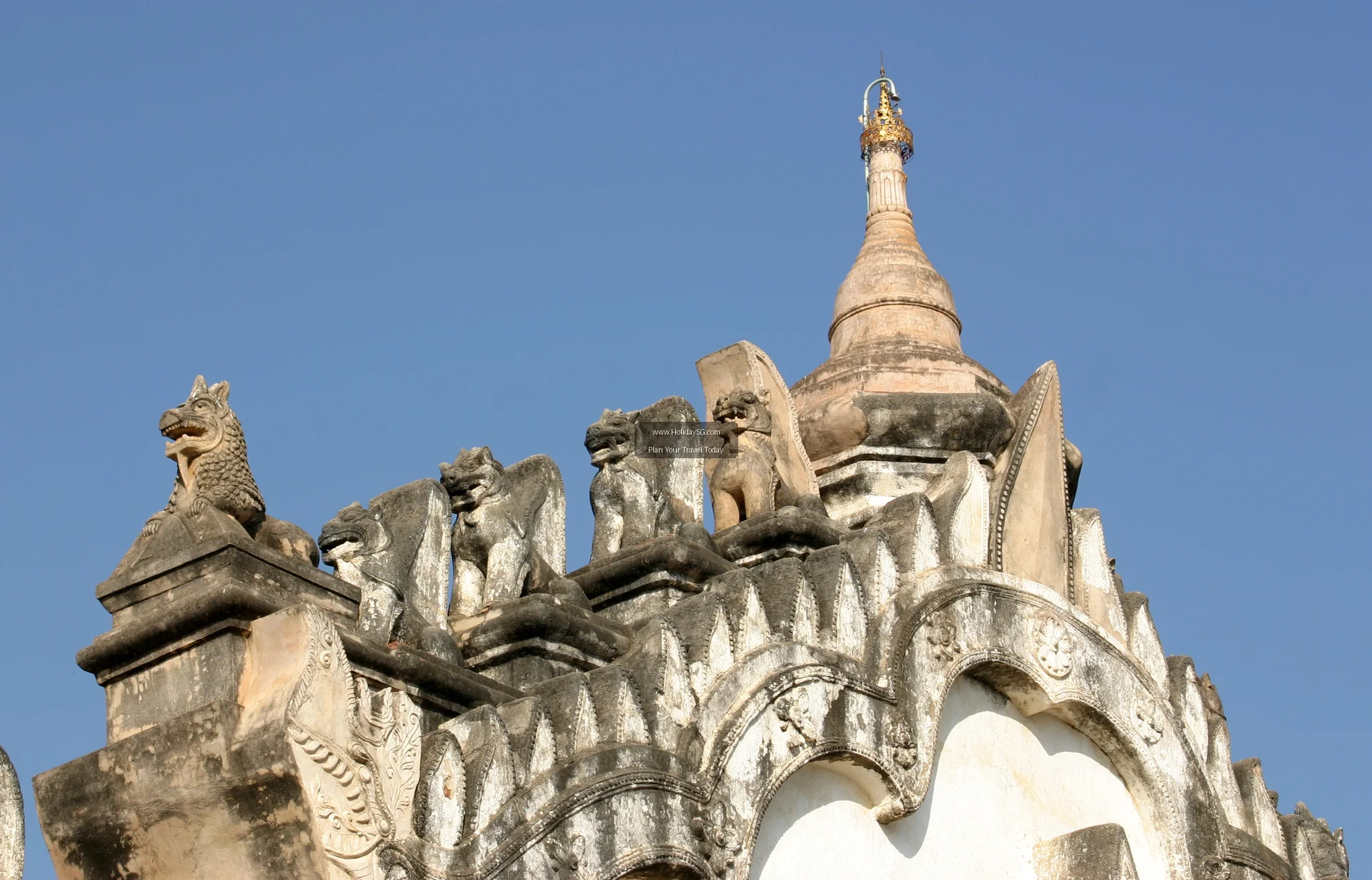
Why Visit Myanmar? A Land of Timeless Beauty and Warm Hospitality
Myanmar is a country that feels frozen in time, where golden pagodas gleam under the sun, traditional ways of life endure, and landscapes range from misty mountains to pristine beaches. Unlike its more tourist-saturated neighbors, Myanmar retains an authenticity that makes every encounter—whether it’s a shared meal with a local family or a sunrise over ancient ruins—feel deeply personal.
For budget travelers, Myanmar is a dream come true. Accommodations, food, and transport are significantly cheaper than in Thailand or Vietnam, and the lack of mass tourism means you won’t be fighting crowds at major attractions. Whether you’re a solo backpacker, a couple seeking romance, or a family on a budget, Myanmar offers a wealth of experiences that won’t drain your wallet.
Best Time to Visit Myanmar: Save Money and Avoid Crowds
Timing your trip to Myanmar can make a huge difference in both your experience and your budget. The country has three distinct seasons, each with its own pros and cons.
Cool and Dry Season (November–February): Peak but Worth It
This is Myanmar’s most popular time to visit, and for good reason. Temperatures are mild (averaging 20–28°C), skies are clear, and the countryside is lush after the rains. It’s the perfect time for sightseeing, trekking, and beach trips. However, this is also peak tourist season, so prices for flights and hotels are at their highest, and popular destinations like Bagan and Inle Lake can feel crowded.
Money-saving tip: If you’re set on visiting during this time, book your accommodations and domestic flights at least 2–3 months in advance to secure the best deals.
Hot Season (March–May): Fewer Crowds, Lower Prices
Temperatures soar during these months, often exceeding 40°C in central Myanmar. While this can make sightseeing uncomfortable, it’s also the best time to visit coastal areas like Ngapali Beach, where the sea breeze offers relief. Fewer tourists mean lower prices on hotels and tours, and you’ll have major attractions almost to yourself.
Money-saving tip: Look for hotels with pools or air conditioning, and plan your sightseeing for early mornings or late afternoons to avoid the midday heat.
Rainy Season (June–October): Lush Landscapes and Deep Discounts
The monsoon season transforms Myanmar into a verdant paradise, with rice paddies glowing emerald green and waterfalls in full flow. While some rural areas may become inaccessible due to flooding, most tourist destinations remain open. This is the best time to snag deals—hotels and flights can be up to 50% cheaper, and you’ll have the country’s temples, lakes, and beaches nearly to yourself.
Money-saving tip: Pack a lightweight rain jacket and waterproof shoes, and focus your itinerary on cities and well-connected areas like Yangon, Mandalay, and Bagan.
Top Attractions in Myanmar: Must-See Gems on a Budget
Myanmar is packed with unforgettable experiences, many of which cost little to nothing. Here’s how to explore the country’s highlights without overspending.
Bagan: Ancient Temples and Sunrise Magic
Bagan is Myanmar’s crown jewel, a vast archaeological zone dotted with over 2,000 temples, pagodas, and monasteries. The best way to explore is by e-bike, which you can rent for just $5–$10 per day. Pedal through dusty trails, climb to the top of lesser-known temples for panoramic views, and watch the sunrise paint the sky in hues of gold and pink.
Budget tip: Skip the expensive hot-air balloon ride (around $300) and opt for a sunrise or sunset viewpoint instead. The views are just as stunning, and you’ll save enough to splurge on a fancy dinner.
Yangon: Shwedagon Pagoda and Colonial Charm
Yangon, Myanmar’s largest city, is a fascinating mix of old and new. The Shwedagon Pagoda, a 2,500-year-old golden stupa, is the city’s most iconic landmark. Entry costs $10, but the experience—especially at sunset, when the pagoda glows in the fading light—is priceless.
Budget tip: Explore downtown Yangon on foot with a self-guided walking tour. Admire the crumbling colonial architecture, visit the bustling Bogyoke Aung San Market (where bargaining is expected), and stop for a cheap but delicious meal at a local teahouse.
Mandalay: Cultural Heart of Myanmar
Mandalay is the cultural capital of Myanmar, home to traditional crafts, historic monasteries, and some of the country’s most iconic sights. Climb Mandalay Hill for a breathtaking sunset view (entry is just $2), or visit the U Bein Bridge, the world’s longest teakwood bridge, where you can watch the sunset for free.
Budget tip: Rent a bicycle ($3–$5 per day) to explore Mandalay’s backstreets, where you’ll find hidden temples, local markets, and artisan workshops.
Inle Lake: Floating Villages and Unique Traditions
For a more active experience, consider a full-day trekking tour around Inle Lake, where you’ll hike through rural villages, visit local markets, and enjoy a home-cooked meal with a local family. This is a fantastic way to immerse yourself in the region’s culture while supporting sustainable tourism.
Ngapali Beach: Pristine Shores and Relaxation
If you need a break from temples and trekking, Ngapali Beach is Myanmar’s answer to paradise. With its powdery white sand, crystal-clear waters, and swaying palm trees, it’s the perfect place to unwind. While luxury resorts can be pricey, budget-friendly guesthouses and bungalows are available for as little as $20–$30 per night.
Budget tip: Visit during the low season (June–October) for the best deals. While there may be occasional rain showers, the beach is quieter, and prices are significantly lower.
Off-the-Beaten-Path: Hidden Gems for Adventurous Travelers
If you’re looking to escape the tourist trail, Myanmar has plenty of hidden gems waiting to be discovered.
- Kyaiktiyo Pagoda (Golden Rock): A sacred pilgrimage site where a golden boulder precariously balances on the edge of a cliff. The journey involves a truck ride and a short hike, but the views are worth it.
- Hpa-An: A town surrounded by dramatic limestone karsts, with caves, kayaking opportunities, and the stunning Mount Zwegabin.
- Mrauk U: Often called the “other Bagan,” this remote archaeological site in Rakhine State is far less crowded and equally impressive.
How Much Does It Cost to Travel in Myanmar?
Myanmar is one of the most affordable destinations in Southeast Asia, but costs can vary depending on your travel style. Here’s a breakdown of what to expect.
Budget Traveler ($30–$50 per day)
- Accommodation: Hostels or budget guesthouses ($10–$20 per night).
- Food: Street food and local teahouses ($1–$3 per meal).
- Transport: Buses and shared taxis ($5–$15 per trip).
- Activities: Free or low-cost sightseeing (e.g., temple visits, hiking).
Mid-Range Traveler ($70–$150 per day)
- Accommodation: 3-star hotels or boutique guesthouses ($40–$80 per night).
- Food: Restaurants and cafes ($5–$15 per meal).
- Transport: Domestic flights and private taxis ($20–$100 per trip).
- Activities: Guided tours, boat trips, and cultural experiences ($20–$50 per activity).
Luxury Traveler ($200+ per day)
- Accommodation: 5-star hotels and resorts ($150–$300 per night).
- Food: Fine dining and international cuisine ($20–$50 per meal).
- Transport: Private drivers and first-class flights ($100+ per trip).
- Activities: Private tours, hot-air balloon rides, and exclusive experiences ($100+ per activity).
Typical Costs for Key Expenses
| Expense | Cost (USD) |
|---|---|
| Hostel bed | $5–$15 per night |
| Budget guesthouse | $10–$30 per night |
| 3-star hotel | $40–$80 per night |
| Street food meal | $1–$3 |
| Restaurant meal | $5–$15 |
| Local bus | $5–$15 per trip |
| Domestic flight | $80–$150 one-way |
| E-bike rental | $5–$10 per day |
| Entry fee (Bagan) | $25 |
| Entry fee (Shwedagon) | $10 |
Visa Requirements and Entry Tips
Before you travel, make sure you have the right visa and entry documents.
E-Visa vs. Visa on Arrival
- E-Visa: The easiest option for most travelers. It costs $50, takes about 3 days to process, and is valid for a 28-day stay. Apply online through the official e-visa website.
- Visa on Arrival: Available for some nationalities, but requirements can change, so check the latest updates before traveling. You may need passport photos and proof of onward travel.
Passport and Other Requirements
- Your passport must be valid for at least 6 months beyond your arrival date.
- You may be asked to show proof of onward travel (e.g., a flight or bus ticket out of Myanmar).
Getting Around Myanmar: Cheap and Efficient Transport
Myanmar’s transport network is improving, but it can still be a challenge to navigate. Here’s how to get around affordably and efficiently.
Domestic Flights: Book Early for the Best Deals
Domestic flights are the fastest way to travel between major cities like Yangon, Mandalay, Bagan, and Heho (for Inle Lake). Airlines like Myanmar National Airlines, Air KBZ, and Mann Yadanarpon offer regular flights, but prices can vary widely.
Money-saving tip: Book your flights at least a month in advance to secure a great selection of. One-way fares typically range from $80–$150.
Overnight Buses: Comfortable and Budget-Friendly
Overnight buses are a popular and affordable way to travel long distances. They’re relatively comfortable (some even have reclining seats and blankets) and save you a night’s accommodation. Popular routes include:
Money-saving tip: Book your bus tickets through your guesthouse or a reputable travel agency to avoid scams.
Trains: Scenic but Slow
Myanmar’s train network is extensive but notoriously slow. However, some routes, like the journey from Mandalay to Hsipaw, offer stunning scenery and a glimpse into rural life. Trains are cheap (e.g., $5–$15 for a 12-hour trip), but delays are common, so don’t rely on them for tight schedules.
Local Transport: Taxis, Grab, and Motorbikes
- Taxis and Grab: In Yangon and Mandalay, ride-hailing apps like Grab are the best way to get around. They’re affordable and ensure you pay a fair price.
- Motorbikes: In Bagan, you can rent a motorbike or e-bike for $5–$10 per day. Just be sure to check local regulations, as some areas restrict motorbike rentals to foreigners.
Money-Saving Tips for Myanmar: Stretch Your Budget Further
With a few smart strategies, you can make your Myanmar trip even more affordable.
Accommodation Hacks: Where to Stay for Less
- Hostels and guesthouses: Budget accommodations are plentiful, with dorm beds starting at $5–$10 per night and private rooms at $15–$30.
- Homestays: In rural areas like Inle Lake or Hsipaw, homestays offer a unique cultural experience for as little as $10–$20 per night.
- Booking platforms:
Eating on a Budget: Local Food and Street Eats
Myanmar’s street food is not only delicious but also incredibly cheap. A meal at a local teahouse or street stall costs just $1–$3, while a sit-down meal at a restaurant ranges from $5–$15.
Must-try dishes:
- Mohinga: Myanmar’s national dish, a hearty fish noodle soup.
- Tea leaf salad: A tangy, crunchy salad made from fermented tea leaves.
- Shan noodles: A comforting dish of rice noodles in a tomato-based broth.
Money-saving tip: Eat where the locals eat. Markets and street stalls are not only cheaper but also offer the most authentic flavors.
Free and Cheap Activities: Explore Without Spending Much
- Temple hopping in Bagan: Rent an e-bike and explore the temples at your own pace.
- Sunset at U Bein Bridge: Free and one of the most beautiful sights in Myanmar.
- Walking tours in Yangon: Many hostels and guesthouses offer free or tip-based walking tours of the city.
Bargaining and Shopping: Get the Best Deals
Bargaining is expected in Myanmar’s markets, especially for souvenirs like lacquerware, longyi (traditional sarongs), and handmade crafts. Start by offering half the asking price and negotiate from there.
Best markets for shopping:
- Bogyoke Aung San Market (Yangon): A treasure trove of souvenirs, jewelry, and textiles.
- Mandalay Night Market: A great place to try local snacks and buy handmade goods.
Cash vs. Card: What to Use and Where
- Cash is king: Myanmar is still largely a cash-based economy, so carry enough kyat (MMK) or USD for your daily expenses.
- ATMs: Widely available in cities, but fees can add up. Withdraw larger amounts to minimize charges.
- Credit cards: Accepted in some hotels, restaurants, and shops in Yangon and Mandalay, but always carry cash as a backup.
Cultural Etiquette: Respect Local Customs
Myanmar is a deeply religious country, and respecting local customs will enhance your experience and help you connect with locals.
Dress Code: What to Wear in Temples and Rural Areas
- Cover up: When visiting temples or religious sites, dress modestly. Shoulders and knees should be covered (a scarf or shawl is handy for women).
- Remove shoes: Always take off your shoes before entering temples, pagodas, and even some shops or homes.
Greetings and Gestures: Polite Interactions
- Greetings: Use the traditional “mingalabar” (hello) and “kyay zu tin ba de” (thank you).
- Respectful gestures: Avoid pointing with your feet or touching someone’s head, as these are considered rude.
Photography Tips: What’s Allowed and What’s Not
- Buddha images: Never pose disrespectfully with Buddha statues or turn your back to them.
- Locals: Always ask before taking someone’s photo, especially in rural areas.
Health and Safety: Stay Safe and Healthy
Myanmar is generally safe for travelers, but it’s important to take precautions to stay healthy and avoid common pitfalls.
Vaccinations and Health Precautions
Before traveling, visit a travel clinic to get up-to-date on recommended vaccinations, including:
- Hepatitis A and B
- Typhoid
- Tetanus
- Japanese Encephalitis (for rural areas)
Mosquito protection: Dengue fever and malaria are risks in some parts of Myanmar, so use insect repellent and wear long sleeves and pants, especially at dawn and dusk.
Food and Water Safety: Avoid Traveler’s Tummy
- Drink bottled water: Avoid tap water, and check that the seal on bottled water is intact.
- Eat safely: Stick to cooked food and avoid raw salads or street food with questionable hygiene. If you’re unsure, opt for busy stalls where the turnover is high.
Travel Insurance: Why It’s a Must
Travel insurance is essential for any trip to Myanmar. It covers medical emergencies, trip cancellations, and theft, giving you peace of mind.
Internet and Connectivity: Staying Online in Myanmar
Staying connected in Myanmar is easier than ever, but there are a few things to keep in mind.
Buying a Local SIM Card: Best Providers and Plans
Local SIM cards are cheap and widely available. The main providers are MPT, Telenor, and Ooredoo, with data plans starting at around $5–$10 for 1GB. You can buy SIM cards at airports, official stores, or even some street vendors.
Money-saving tip: If you’re only staying for a short time, a tourist SIM with a small data package is usually sufficient.
Wi-Fi and VPNs: Navigating Restrictions
- Wi-Fi: Available in most hotels, guesthouses, and cafes, but speeds can be slow, especially in rural areas.
- VPNs: Some websites, including Facebook and WhatsApp, may be blocked in Myanmar. A VPN can help you access these sites, but choose a reputable provider.
Common Traveler Questions: Answered!
Is Myanmar Safe for Solo Travelers?
Myanmar is generally safe for solo travelers, but it’s important to exercise caution, especially in remote areas. Avoid walking alone at night, stay updated on political situations, and trust your instincts. Solo female travelers should dress modestly and be prepared for occasional stares or catcalling, though serious incidents are rare.
Can I Use USD in Myanmar?
Yes, USD is widely accepted in Myanmar, but there are a few rules to follow:
- Bills must be crisp and unmarked (no tears, folds, or writing).
- Always carry some MMK (Myanmar Kyat) (kyat) for small purchases and rural areas.
How Many Days Do I Need to Explore Myanmar?
A minimum of 7–10 days is ideal for a first-time visit. Here’s a suggested itinerary:
- Yangon (2 days): Shwedagon Pagoda, colonial architecture, and local markets.
- Bagan (3 days): Temple hopping, sunrise views, and e-bike adventures.
- Mandalay (2 days): U Bein Bridge, Mandalay Hill, and cultural experiences.
- Inle Lake (2 days): Boat tours, trekking, and floating villages.
If you have more time, consider adding stops like Ngapali Beach, Hsipaw, or Mrauk U.
Are Credit Cards Widely Accepted?
Credit cards are accepted in some hotels, restaurants, and shops in major cities like Yangon and Mandalay, but cash is still king in most of the country. Always carry enough cash for your daily expenses, and notify your bank before traveling to avoid card blocks.
What’s the Best Way to Get from Yangon to Bagan?
There are two main options:
- Overnight bus: The most budget-friendly choice, with tickets costing $15–$25 for a 10-hour journey.
- Domestic flight: Faster but pricier, with one-way fares ranging from $80–$120.
Seasonal Deals and Promotions: Save Big on Your Trip
One of the best ways to save money in Myanmar is to take advantage of seasonal deals and promotions.
Low-Season Discounts (June–October)
During the rainy season, hotels and tour operators offer deep discounts to attract visitors. You can find deals of up to 50% off accommodations, flights, and tours. While some areas may be inaccessible due to flooding, most tourist destinations remain open, and the lush landscapes are worth the occasional rain shower.
Festival Packages: Cultural Experiences
Myanmar’s festivals are a highlight of any visit, and booking a package can save you money while immersing you in local culture.
- Thingyan (April): Myanmar’s famous Water Festival, a lively celebration marking the Burmese New Year.
- Thadingyut (October): The Festival of Lights, where cities and temples are illuminated with candles and lanterns.
Group Tours: Discounts for 4+ Travelers
If you’re traveling with friends or family, group tours can offer significant savings. For example, a 3-day Bagan tour for a group of four might cost $100–$150 per person, compared to $200+ for a private tour.
Recommended HolidaySG Tours
- Full Day Trekking in Inle Lake
- Bagan Temples Sunset Tour
- Yangon City Highlights Tour
- Ngapali Beach Relaxation Package
Final Tips: Make the Most of Your Myanmar Adventure
Plan Ahead but Stay Flexible
While it’s a good idea to book your flights and accommodations in advance, leave some room in your itinerary for spontaneous detours. Some of the best experiences in Myanmar—like stumbling upon a local festival or being invited into a village home—can’t be planned.
Pack Smart: Essentials for Myanmar
- Clothing: Lightweight, breathable fabrics for the heat, plus a scarf or shawl for temple visits.
- Footwear: Comfortable sandals or walking shoes (you’ll be removing them often).
- Sun protection: Sunscreen, a hat, and sunglasses.
- Insect repellent: Essential for avoiding mosquito-borne illnesses.
- Power adapter: Myanmar uses Type C, D, and G plugs, so bring a universal adapter if needed.
Leave No Trace: Responsible Travel
Myanmar’s natural beauty and cultural heritage are precious, so do your part to preserve them. Support local businesses, respect sacred sites, and minimize your environmental impact by avoiding single-use plastics and disposing of waste responsibly.
Conclusion: Why Myanmar Should Be Your Next Budget Destination
Myanmar is a country that captivates the soul—where golden pagodas rise from misty plains, fishermen row with their legs, and warm smiles greet you at every turn. It’s also one of the most budget-friendly destinations in Southeast Asia, offering incredible value for money without sacrificing authenticity or adventure. By traveling during the low season, eating like a local, and exploring off-the-beaten-path gems, you can experience the best of Myanmar without overspending. Whether you’re marveling at Bagan’s temples, trekking through Inle Lake’s floating villages, or relaxing on Ngapali Beach, Myanmar promises memories that will last a lifetime—all while keeping your wallet happy.
Ready to explore? Check out our Full Day Trekking In Inle Lake and start planning your adventure today!
Book with HolidaySG online for Full Day Trekking In Inle Lake.
More Photos from HolidaySG
Book with HolidaySG online for Full Day Trekking In Inle Lake.