

Family-friendly attractions in jakarta is exactly what this guide covers.
Jakarta, the lively capital of Indonesia, offers a vibrant mix of modernity and tradition that can cater to all ages, especially with its array of family-friendly attractions. From iconic monuments to lush botanical gardens and water parks, there’s plenty to explore together as a family. This guide highlights some of the best places in Jakarta that are perfect for kids and parents alike.
Top 10 Family-Friendly Attractions in Jakarta
1. Taman Mini Indonesia Indah
Set in Bukit Golf, this beautifully landscaped garden is home to 26 miniature replicas of Indonesian provinces, each showcasing traditional architecture and customs. It’s an excellent way for children to learn about the diverse culture of Indonesia through play. The park also offers various workshops and educational programs that can enhance their learning experience.
2. Monas (National Monument)
Located in Central Jakarta, Monas is a symbol of the nation’s struggle for independence. Standing at 138 meters tall, it offers panoramic views of the city, making it a great spot for family photos. The monument area is also home to several educational exhibits that explain Indonesia’s history.
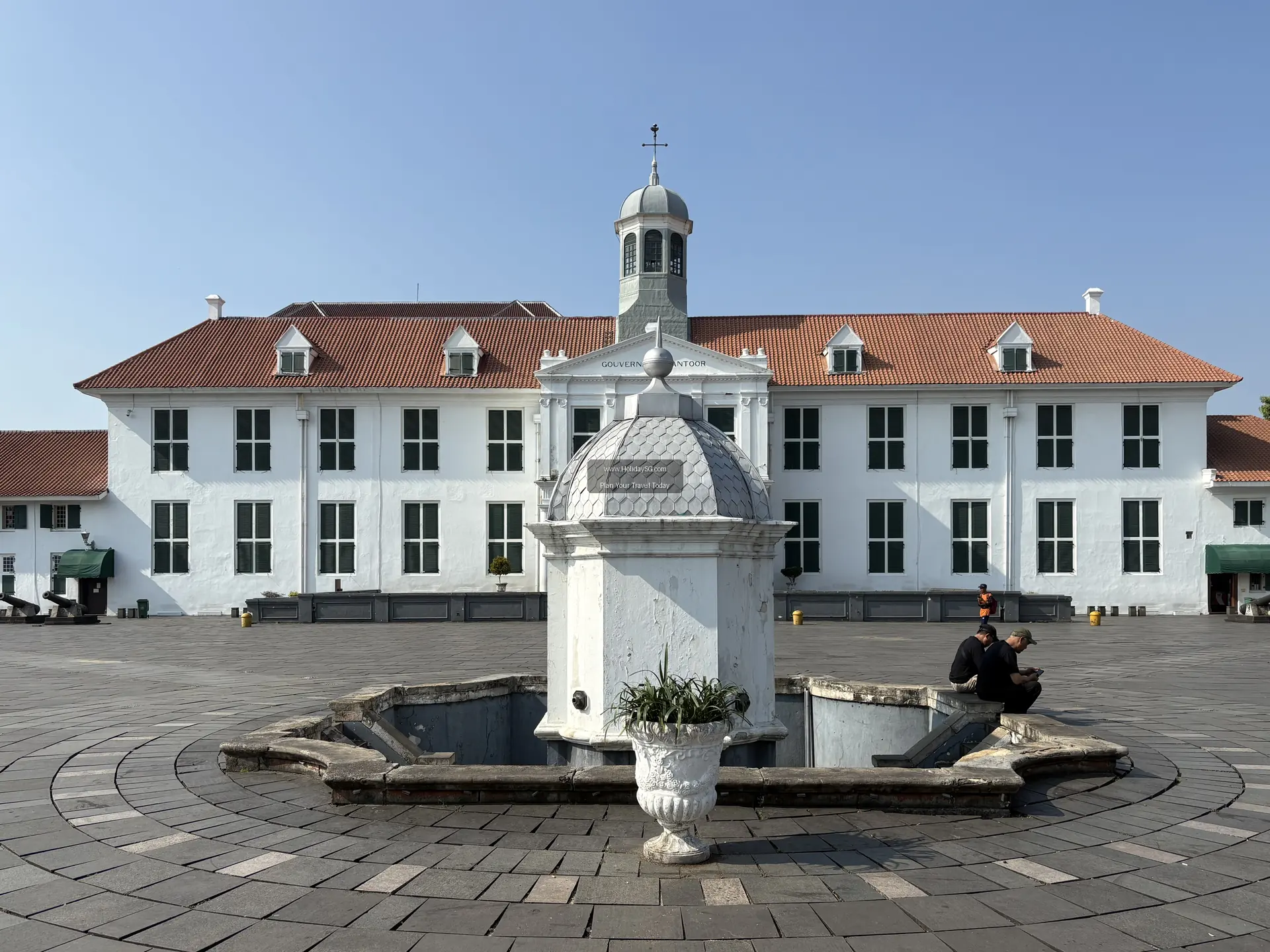
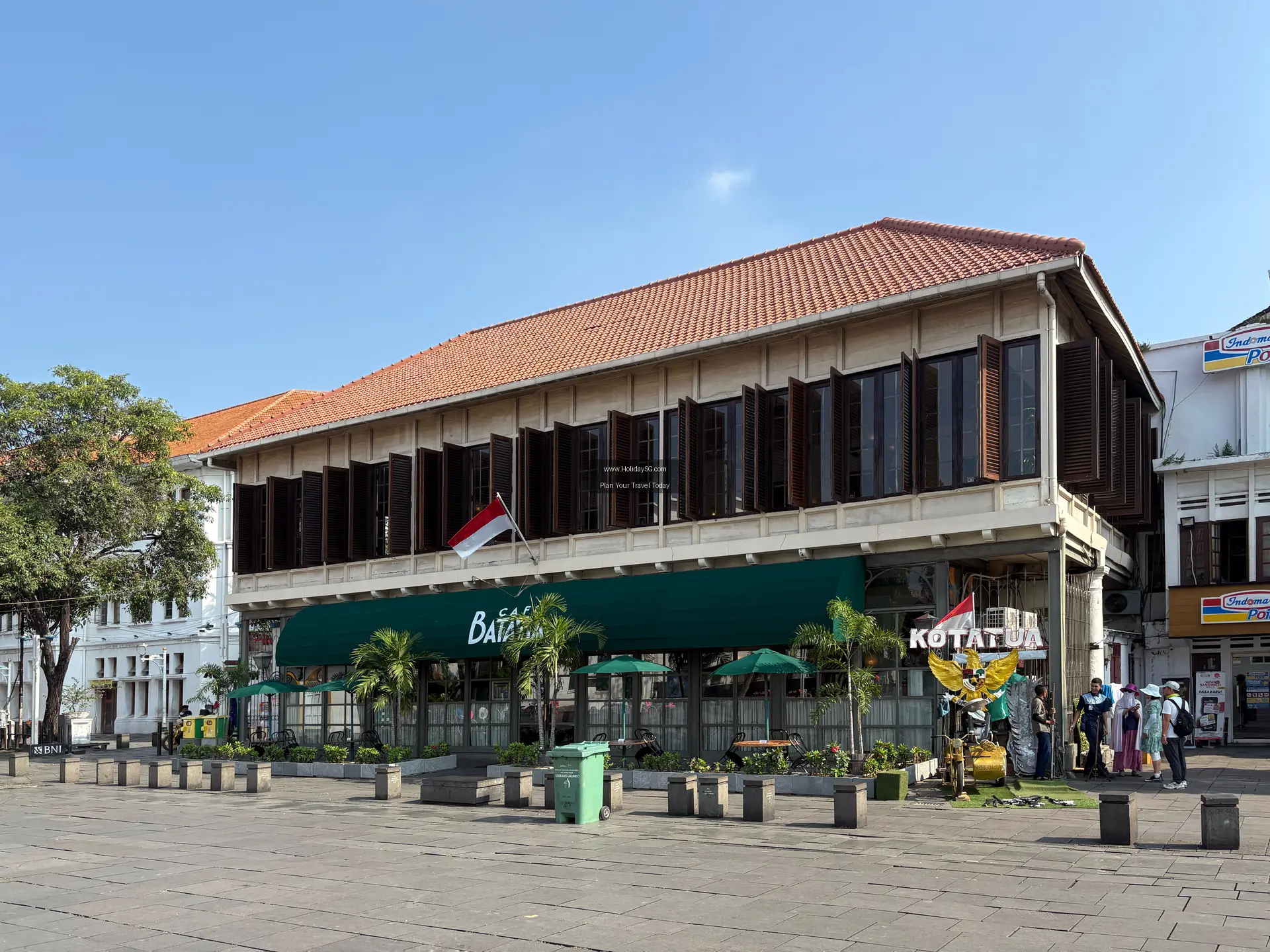
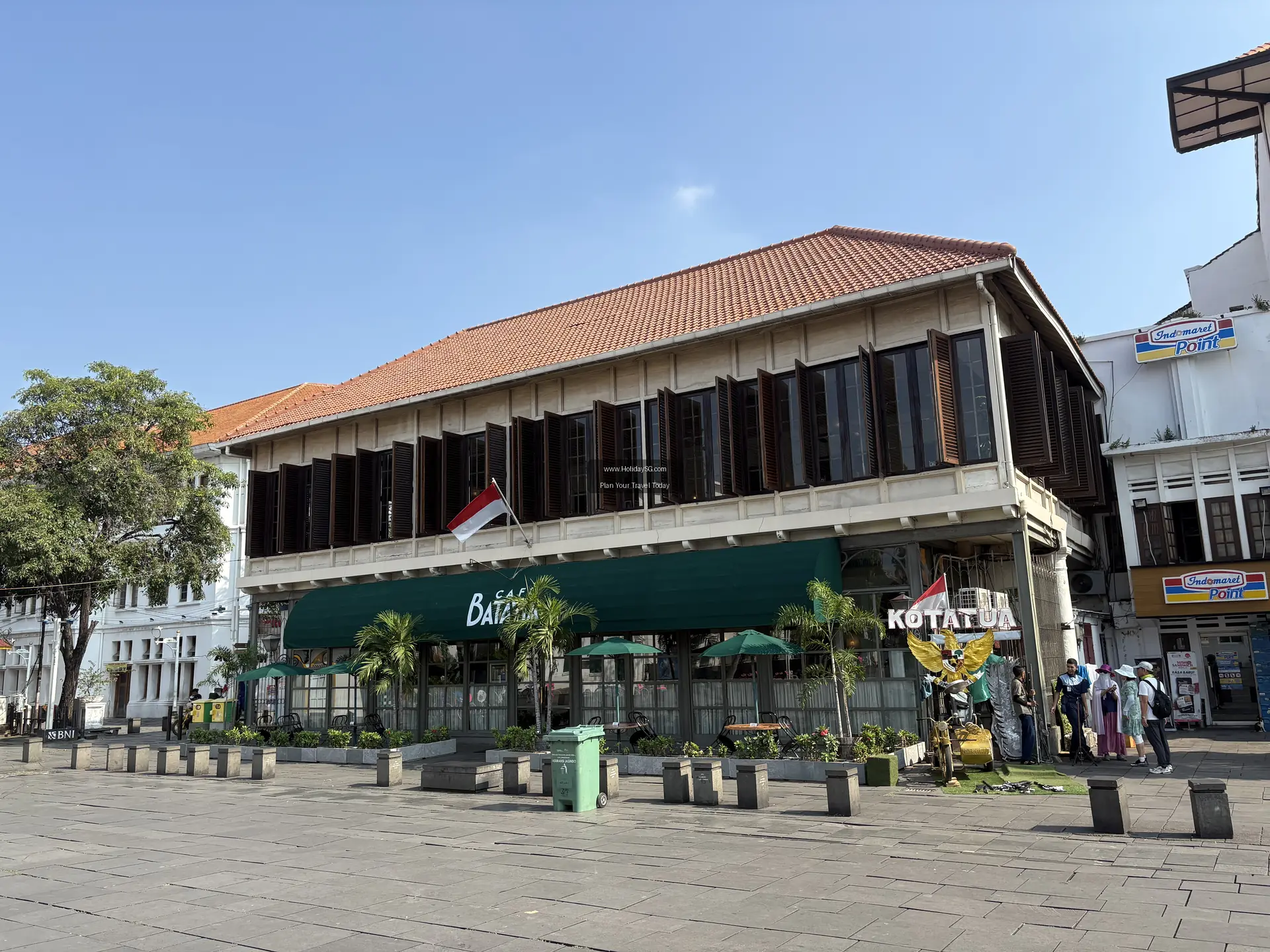
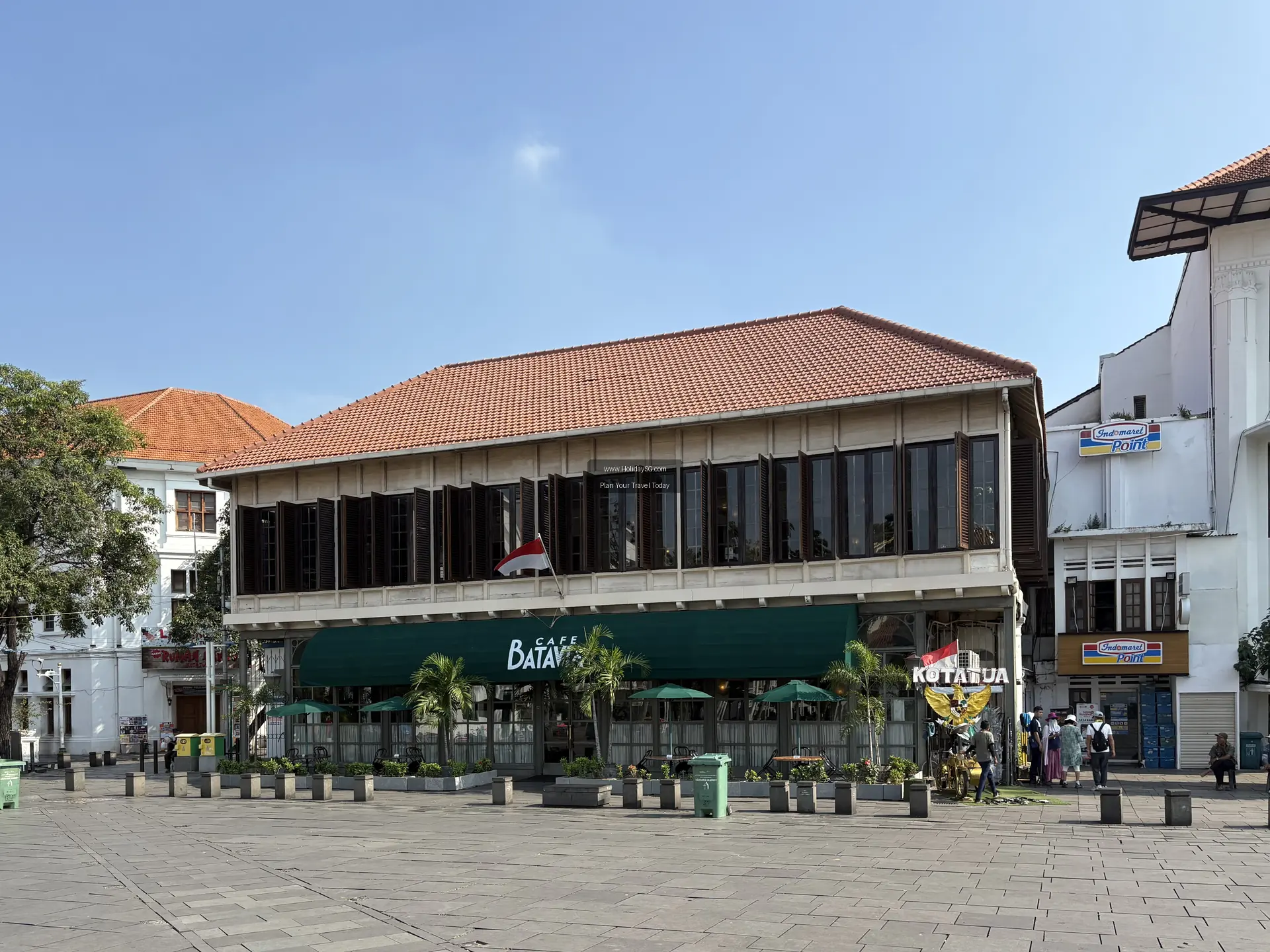
3. Gelora Bung Karno Stadium
One of Jakarta’s largest stadiums, Gelora Bung Karno hosts major events and concerts throughout the year. It’s an exciting place for families who enjoy live music or sports. The stadium often has family-friendly activities such as pre-game shows and kid-friendly zones during big events.
4. Jakarta Zoo
Home to over 3,000 animals across various species, this zoo provides a safe environment for children to learn about wildlife. The zoo’s educational programs are tailored specifically for kids, making it a memorable experience for the whole family.
5. Taman Impian Jaya Ancol (Dreamland Jakarta)
This theme park on the northern coast of Jakarta offers a variety of attractions, including water rides, a zoo, and other interactive activities. It’s an ideal spot for families looking for fun-filled days out with thrilling rides and engaging exhibits.
Additional Family-Friendly Destinations
6. Bali Safari & Marine Park
Experience the thrill of wildlife up close at Bali Safari & Marine Park, where you can see a variety of animals in their natural habitats.
7. Botanical Garden Jakarta
Discover the beauty of nature at the Botanical Garden Jakarta, which features over 4,000 species of plants from around the world.
8. Ancol Dreamland Waterpark
Cool off in style at Ancol Dreamland Waterpark, with its numerous water slides and attractions perfect for all ages.
Recommended Tours
9. Jakarta City Tour
Take a guided tour of Jakarta’s top sights, including Monas, the Istora Seni Pranowo, and the Grand Mosque.
10. Ancol Island Tour
Explore Ancol Island with its theme parks, water park, and other attractions in one day.
Respect Local Customs
Indonesia is a diverse country with various cultures, so it’s important to show respect for local customs and traditions when visiting attractions. Dress appropriately, be mindful of noise levels, and always ask permission before taking photos of locals or their property.
Jakarta offers an exciting array of places to visit, each offering unique experiences that can create lasting memories for the whole family. Whether you’re exploring historical sites or enjoying thrilling rides at theme parks, there’s something in Jakarta for every member of your family to enjoy. Ready to explore? Check out our Walking Tour Jakarta Old Town By Campa →.
Book these with HolidaySG:
- Walking Tour Jakarta China Town By Campa
- Ticket Transport Hiace Premio Luxury 09 Seater Jakarta Ciletuh Oneday 16 Hours Use
- Ticket Transport Hiace Premio 14 Seater Jakarta Ciletuh Oneday 16 Hours Use
- Ticket Transport Hiace Commuter 14 Seater Jakarta Ciletuh Oneday 16 Hours Use
Book with HolidaySG online for Walking Tour Jakarta Old Town By Campa, Walking Tour Jakarta China Town By Campa, Ticket Transport Hiace Premio Luxury 09 Seater Jakarta Ciletuh Oneday 16 Hours Use.
Frequently Asked Questions
Where can I book this / what’s the link?
You can book various activities and transport options through HolidaySG. For walking tours, check out Walking Tour Jakarta Old Town By Campa or Walking Tour Jakarta China Town By Campa. For transport, consider the Hiace Premio Luxury 09 Seater Jakarta Ciletuh Oneday 16 Hours Use, Hiace Premio 14 Seater Jakarta Ciletuh Oneday 16 Hours Use, or Hiace Commuter 14 Seater Jakarta Ciletuh Oneday 16 Hours Use.
Do foreigners (non-citizens) need a different ticket, price, or visa for Indonesia?
Foreigners visiting Indonesia may require a tourist visa. The specific requirements can vary based on your nationality and the duration of your stay. It’s recommended to check the official Indonesian embassy or consulate website for the most accurate and up-to-date information.
What is the best time (season, or time of day for the site/activity) to go?
The best time to visit Jakarta depends on what you’re looking for. For a cooler climate, consider visiting during the dry season from May to September. The wet season runs from October to March and can be more humid. Generally, mornings are less crowded and offer better weather conditions for sightseeing.
How long should I spend in Jakarta?
A minimum of 3-4 days is recommended to explore the main attractions like Monas, Istana Negara, and the markets. For a more comprehensive experience, consider staying for 5-7 days to include visits to nearby historical sites and parks.
What are the typical costs for activities in Jakarta?
Costs can vary widely depending on your activities and choices. A basic meal at a street food stall might cost around IDR 20,000-50,000 per person, while dining at a restaurant could range from IDR 100,000 to over IDR 500,000. Entry fees for attractions can range from free to several hundred thousand Rupiah.
How do I get to Jakarta?
Jakarta is accessible by air through Soekarno-Hatta International Airport or Halim Perdanakusuma Airport. Major airlines operate flights to these airports. For international travelers, it’s advisable to book tickets in advance. Additionally, there are numerous ferry services from Bali and other islands.
Is Jakarta family-friendly?
Jakarta offers several attractions that are suitable for families. Monas, Istana Negara, and the National Museum of Indonesia provide educational experiences. The Taman Mini Indonesia Indah is an amusement park with rides and shows. Ensure to check opening hours and any age restrictions before visiting.
What should I pack/bring when traveling to Jakarta?
When packing for Jakarta, consider bringing lightweight clothing as the city can be hot and humid. A hat, sunglasses, and sunscreen are essential. Don’t forget a light raincoat or umbrella for unexpected showers. Additionally, bring insect repellent, comfortable walking shoes, and a camera to capture your experiences.
“`
What things cost in Indonesia
Live HolidaySG prices for the experiences in this guide, so you can sanity-check a budget before you commit.
| Experience | Where | From price |
|---|---|---|
| 10 Min - 100 Min Bali Helicopter Tours | Departing from Canggu | Bali | From S$150.47 |
| 10 Min - 100 Min Bali Helicopter Tours | Departing from Nusa D... | Bali | From S$150.47 |
| 4WD Jeep Caldera Sunrise Experience by Bali Volcano Jeep | Bali | From S$52.69 |
| 4WD Jeep Mount Batur Sunrise Experience by Bali Volcano Jeep | Bali | From S$60.13 |
| Kokuo Family Massage & Reflexology - AEON Mall BSD City | Jakarta | From S$14.00 |
| Rent Full Day (Jakarta to Central Java Area) | Jakarta | From S$72.00 |
| Gondola Ancol | Jakarta | From S$4.21 |
| [TICKET] TRANSPORT HIACE PREMIO 14 SEATER JAKARTA-CILETUH ONE... | Jakarta | From S$144.31 |
Safety and Security for Families Exploring Jakarta's Family-Friendly Attractions
Most visitors assume Jakarta is unsafe for families, but the reality is far more nuanced. The city's family-friendly attractions exist in well-patrolled neighbourhoods, and thousands of families navigate them daily without incident. The key is understanding which areas are genuinely visitor-friendly and adopting sensible precautions that you'd use in any major city.
South Jakarta, particularly around Senayan, Blok M, and Menteng, feels markedly different from central areas. These neighbourhoods host premium malls, upscale restaurants, and curated family spaces where security presence is visible and infrastructure is modern. Taman Mini Indonesia Indah and Ancol Dreamland both sit in established zones with consistent foot traffic from families. When visiting attractions in Central Jakarta like Kota Tua, go during daylight hours (before 17:00) and stick to main streets where tour groups congregate.
Petty theft targeting tourists does occur, especially in crowded markets and around transport hubs like Blok M station. Keep valuables in hotel safes, avoid wearing expensive jewellery, and use crossbody bags rather than backpacks on public transport. Taxis are generally safer than flagging unmarked vehicles; use ride-hailing apps or hotel-arranged transport after dark. Children should carry copies of their passport details, not originals.
Street food and water safety concerns worry many parents. Eat at established warungs with high turnover rather than roadside carts, and drink only bottled water or beverages from sealed containers. Most family-friendly restaurants in malls and hotel areas maintain international hygiene standards. Jakarta's rainy season (October to April) brings occasional flooding in low-lying areas; check weather reports before heading to outdoor attractions like Ancol Beach or water parks.
One practical tip: download the location of your nearest international hospital or clinic before arrival. Pondok Indah Hospital and Siloam Hospitals have paediatric departments and English-speaking staff. Many hotels keep a list of recommended medical contacts. This gives you peace of mind and means you can focus on enjoying family time rather than worry.
Getting Around Jakarta with Kids: Transport Options for Families
Jakarta's road network is extensive but chaotic, and this reality shapes how families with young children actually move through the city. Unlike more compact destinations, you cannot walk between major attractions here. Relying on a single transport method often means wasted time; most families use a combination depending on distance and children's energy levels.
Ride-hailing apps dominate family travel. They're predictable, air-conditioned, and you avoid negotiating taxi fares while juggling kids. Fares are calculated upfront, though during rush hours (7:00-9:00 and 17:00-19:00) and heavy rain, surge pricing is substantial. A ride from a central hotel to Ancol Dreamland typically costs significantly more than a comparable journey in a smaller Southeast Asian city. Book your ride five to ten minutes before you're ready to leave; drivers often arrive within minutes, and waiting in lobbies with restless children beats standing on busy streets.
The MRT (Mass Rapid Transit) runs north-south and east-west with relatively new, clean cars and air conditioning. If you're staying near a station, it's efficient for reaching Kota Tua or Istiqlal Mosque. However, trains are crowded during rush hours, and navigating platforms with strollers is awkward. Stations lack lifts at some exits, so check your route in advance if you're bringing a pram. Passes work on both MRT and Transjakarta buses; a day pass allows unlimited journeys and costs less than three individual ride-hailing trips.
Private drivers or car-hire services with drivers provide flexibility, especially for multi-day family exploration. You avoid parking hassles, can take breaks when children tire, and travel during off-peak hours. This costs more upfront but often saves time and stress, particularly with very young children or complicated itineraries. Many hotels arrange drivers; rates typically run 400,000-600,000 Indonesian Rupiah per day depending on car size and distance covered.
One practical tip: download a maps application that works offline and shows real-time traffic. You can estimate journey times accurately rather than guessing, which helps with scheduling nap times and meal breaks around travel.
Jakarta Family-Friendly Attractions: Ticket Prices and How to Verify Current Costs
Prices for Jakarta's family attractions shift annually, sometimes twice yearly, making any fixed figures printed in a travel guide outdated before publication. Rather than guessing, understanding how to verify current pricing yourself means you'll budget accurately and avoid disappointment at the gate.
Most major attractions list prices on official websites or through their social media channels. Taman Mini Indonesia Indah publishes admission rates on its website; Ancol Dreamland maintains updated pricing on its official page. For smaller attractions like specific museums within Kota Tua, contact the Jakarta Tourism Authority directly via their hotline or website. This takes minutes and gives you exact figures rather than estimates.
Discounts are common but inconsistently advertised. Children under five often enter free, while those aged five to twelve might pay half-price. School holidays (typically July-August and December-January) sometimes bring temporary rate increases at popular venues. Many attractions offer discounted rates for local residents; if you have any Indonesian connection through your hotel or guide, it's worth asking whether family passes apply to visitors.
Some attractions bundle multiple sites into packages. Taman Mini, for instance, includes entry to several museums within one admission fee, reducing per-site costs significantly. Combined packages for entertainment complexes in South Jakarta (including arcades, cinemas, and activity zones within shopping malls) sometimes offer better value than paying separately. Check with your hotel concierge or a local tour operator; they often have access to bundled rates unavailable directly to walk-up visitors.
Payment methods vary. Many attractions accept cards, but smaller sites operate cash-only or require cash for specific transactions. Indonesian Rupiah is essential; not all venues offer exchange facilities. Paying in advance through travel platforms sometimes locks in rates, though cancellation policies differ. For the most current and accurate pricing, check the official attraction website 1-2 weeks before your visit.
Take a screenshot of ticket prices when you verify them online. If you encounter discrepancies at attractions, you have documentation for discussion.
Dining with Families in Jakarta: Where to Eat Near Family-Friendly Attractions
Food is both a practical challenge and a genuine highlight when bringing kids to Jakarta. Western-style dining chains are abundant, making it easy to play it safe, but doing so means missing Jakarta's real food story. The city offers genuine family dining where kids encounter new tastes in comfortable environments without pretension or prohibitive costs.
Ancol Dreamland and Taman Mini Indonesia Indah both have dedicated food courts with multiple cuisines under one roof. This matters with kids: everyone finds something familiar if needed, but you can introduce local options without anyone feeling forced. Gado-gado (mixed vegetables in peanut sauce), mie goreng (fried noodles), and nasi kuning (turmeric rice) are approachable starting points for young palates. Most food courts include Western options like grilled chicken and plain rice, giving hesitant eaters a bridge to local food.
Malls adjacent to family attractions (Grand Indonesia, Central Park Mall near Kota Tua) house diverse restaurants with kids' menus, high chairs, and clean facilities. Japanese chains, burger restaurants, and Indonesian casual spots coexist. Avoid peak meal times (12:00-13:00 and 18:00-19:30) when restaurants are crowded and service slows. Eating earlier or later means shorter waits and calmer environments for dining with fidgety kids.
Traditional warungs (small family-run restaurants) in neighbourhoods like Menteng offer authentic meals at low cost. Soto ayam (chicken soup), satay with peanut sauce, and martabak (stuffed pancakes) are filling, flavourful, and genuinely inexpensive. Warungs near schools or government offices feel genuinely local yet casual enough for families. Check that the warung has visible cooking, serves hot food (which indicates fast turnover), and other families are eating there.
Spice levels are a real consideration. Many Indonesian dishes are quite spicy; ask specifically for makanan tidak pedas (not spicy) when ordering for kids. Most restaurants happily accommodate this without judgment. Fresh fruit juices (jus) are ubiquitous and safe when made to order; avoid pre-cut fruit sold on streets unless you're confident in hygiene standards.
Have your main meal at lunch, around 11:30 to 12:30, when restaurants are fresher and less crowded. Many families eat light dinners or street food at evening destinations, avoiding the chaos of peak dinner service.
Rainy Season and Weather: When to Visit Jakarta with Families
Most sources describe Jakarta's wet season as something to avoid, yet many families visit successfully during these months simply by adjusting expectations and plans. Rain doesn't mean cancelled activities; it means shifting from outdoor exploration to indoor attractions and accepting that some days will be curtailed.
The rainy season runs October through April, with heaviest precipitation December through February. Mornings are often clear; rain typically arrives mid-afternoon and can be intense. This pattern actually suits family schedules. Visit outdoor attractions (Ancol Beach, Taman Mini gardens) in early morning hours when weather is dependable. Return to hotels or indoor venues (Ancol Aquarium, museum complexes within Taman Mini) by 13:00, enjoying air-conditioned comfort while rain passes. Afternoon rain rarely lasts past 17:00.
Flooding occurs in low-lying areas, particularly around Ancol and parts of Central Jakarta, during heavy downpours. This rarely affects major attractions, but journey times balloon as drivers navigate congested, waterlogged streets. If you're visiting during the wettest months (December-January), avoid road-heavy itineraries. Prioritize attractions within single neighbourhoods or accessible via MRT to sidestep traffic paralysis.
The dry season (May to September) brings clearer skies and more consistent activity planning, but also higher humidity and hotter midday temperatures. Outdoor activities like Ancol Dreamland are more enjoyable, but younger children can't tolerate extended sun exposure. Start beach or outdoor park visits by 9:00 and take long midday breaks in shaded or indoor spaces.
School holidays (July-August and late December through early January) coincide with both tourist peaks and family travel patterns. Attractions are significantly busier, accommodation costs higher, and queues longer. If you can avoid these weeks, mid-season visits (May-June or September) offer pleasant weather and fewer crowds.
Bring lightweight, packable rain jackets for everyone instead of umbrellas. They fold into bags, keep kids' hands free for holding hands or exploring, and work when walking through attractions. An umbrella becomes a nuisance navigating crowded attractions or boarding transport.
Accommodation Choices for Families: Location and Amenities Near Jakarta's Family-Friendly Attractions
Choosing where to stay shapes your entire Jakarta experience more than most other travel decisions. A poorly located hotel means hours wasted in transport; a strategically chosen one means more time exploring and less time commuting.
South Jakarta (Senayan, Blok M, Kelapa Gading) suits families best. These neighbourhoods are 20-30 minutes from major attractions, have numerous family restaurants and malls nearby, and feel markedly safer than central areas. Hotels here range from budget-friendly options with swimming pools to luxury properties with kids' clubs and multiple restaurants. Many include breakfast, reducing morning logistics. Proximity to shopping malls means rainy-day backup plans are immediately accessible.
Hotels near Ancol (North Jakarta) position you close to Ancol Dreamland and Kota Tua, but the neighbourhood is less developed for dining and general family amenities. It's suitable if Ancol is your primary focus and you're prepared to travel for other activities. Beach access is limited; the water is not ideal for swimming.
Central Jakarta hotels near major malls (Central Park, Grand Indonesia) work for brief stays focused on Kota Tua and museum exploration. They're less ideal for families requiring pool time and extensive amenities; the area feels more business-oriented than family-friendly.
Apartment-style hotels or serviced residences (particularly common in Senayan and Menteng) work well for stays longer than four days. Kitchenettes reduce reliance on restaurants, washer-dryers handle increasing laundry needs, and separate sleeping areas give families breathing room. These often cost less per night than comparable hotel rooms and include weekly housekeeping packages.
Amenities matter practically. Confirm pools are genuinely child-friendly (not purely aesthetic lap pools), restaurants include kids' menus or can customize meals quickly, and staff speak English. Hotel concierges in South Jakarta properties typically arrange transport, provide local recommendations, and handle last-minute bookings for activities. Smaller hotels, while potentially cheaper, often lack these conveniences.
Look at recent reviews that specifically mention families. Parents detail practical issues (noise levels, food quality, staff responsiveness) that matter more than amenities listed on websites.
What Should Kids Pack for Jakarta Family Activities?
Packing for Jakarta with kids requires understanding that you're preparing for intense heat, humidity, variable rain, and activities ranging from museum exploration to beach time. Generic travel lists miss region-specific necessities.
Sun protection is non-negotiable. Bring high-SPF sunscreen (50+ recommended) in quantity; it's available locally but expensive and limited in selection. Hat or cap with neck protection matters for Ancol and outdoor park time. Lightweight, long-sleeved swim shirts reduce sun exposure during water activities. Sunglasses that actually fit children (not hand-me-downs that slip constantly) prevent eye damage from intense equatorial sun.
Clothing should prioritize breathability over quantity. Cotton and moisture-wicking fabrics prevent heat rash and discomfort. Pack layers for aggressive air conditioning in malls and museums, which often run far colder than comfortable. One light cardigan per child handles this better than multiple options. Closed-toe shoes work better than sandals at attractions like Taman Mini where uneven paths, insects, and occasionally muddy areas are inevitable.
Medications to pack specifically: oral rehydration salts for mild stomach upset (more effective than generic antidiarrhoeal medication for kids), antihistamine for mosquito-related itching (mosquitoes are persistent year-round), basic pain relief, and any prescription medications with extra supply as backup. Insect repellent with DEET works better than natural alternatives; apply to clothing edges and exposed skin. Mosquito nets for hotel beds provide psychological comfort even if air conditioning makes them unnecessary.
Practical items: lightweight reusable water bottles (refill frequently from hotel water dispensers), wet wipes for quick hand cleaning before eating, portable phone chargers (attractions are large and require extended time away from charging), small backpacks for each child (less strain than large packs and easier to monitor), and a compact first-aid kit with band-aids, antiseptic, and tweezers (for splinters from wooden play equipment).
Rain gear: compact ponchos or packable rain jackets fold into regular bags. Umbrella strollers (if you're bringing one) should collapse quickly. Waterproof bags for phones and valuables protect equipment and provide peace of mind if caught in afternoon downpours.
Pack about half of what you think you need in your carry-on luggage. Jakarta's major malls carry kids' basics (clothing, shoes, toiletries) at reasonable prices. This lightens your load and allows flexibility if a child's needs change unexpectedly.
Language and Communication for Family Visits to Jakarta's Attractions
English proficiency in Jakarta is genuinely higher than many Southeast Asian cities, particularly in areas serving tourists and families. This doesn't mean everyone speaks English, and it definitely doesn't mean you can navigate without some basic preparation.
Major attractions and family venues (Ancol Dreamland, Taman Mini Indonesia Indah, modern restaurants in malls) have English-speaking staff or signage. Hotel staff almost universally speak English. Taxi and ride-hailing apps operate entirely through apps, bypassing conversation. This covers perhaps seventy percent of family travel in Jakarta.
Where communication breaks down: traditional warungs, neighbourhood shops, local buses, and informal market areas. Street food vendors rarely speak English. Asking for non-spicy food or clarifying ingredients requires some ability to communicate. A translation app helps enormously; show vendors pictures of your kids and preferences on your phone, and they're typically very accommodating.
Learning a handful of Indonesian phrases helps practically and culturally. "Terima kasih" (thank you), "berapa harganya?" (how much?), "tidak pedas" (not spicy), and "tolong" (please/help) cover most interactions. Indonesian people genuinely appreciate visitors attempting their language, even poorly. Children particularly enjoy this engagement, and it becomes a memory point for the trip.
Signage at major attractions is usually bilingual or English-primary. Museums within Taman Mini provide English labels. Kota Tua's historical plaques include English descriptions. Some older attractions have limited English information; hiring a local guide for specific sites (particularly historical areas) enriches experience and removes language barriers entirely.
Store the phone numbers and addresses of your hotel and major attractions in your phone, spelled the Indonesian way. Show taxi drivers or ask hotel staff to write addresses in Indonesian; this dramatically improves communication when transport is needed.
Cultural Considerations and Respectful Behaviour at Jakarta Family Attractions
Jakarta is a Muslim-majority city where eighty-seven percent of the population practices Islam. This reality shapes appropriate behaviour at attractions, in public spaces, and when interacting with locals. Teaching children respectful cultural awareness isn't burdensome; it's part of genuine travel experience.
Mosques are present throughout the city, including Istiqlal Mosque and Al-Azhar Mosque in Central Jakarta. These are active places of worship, not tourist attractions, though non-Muslim visitors are often permitted to observe or enter with appropriate respect. Dress codes apply: knees and shoulders covered, and women should wear headscarves. If visiting during prayer times, expect reduced access. Teaching kids that this is a sacred space they're visiting, not a building to explore freely, establishes respect naturally.
Ramadan (dates change yearly; check before travel) affects restaurant availability during daylight hours and energy levels throughout the city. Most restaurants and cafes close or offer limited service until sunset. This isn't inhospitable; it's cultural practice. Eating, drinking, or smoking in public during Ramadan daylight hours is considered disrespectful. Plan restaurant meals for after sunset or at hotel restaurants, which typically accommodate non-fasting guests.
Dress codes are more relaxed than in some Muslim countries, but modest clothing is respectful. Women and girls in sleeveless tops or very short shorts will draw attention. Men in tank tops might be refused entry to certain establishments. At the beach (Ancol), typical swimwear is acceptable, though full-body coverage is increasingly chosen. Teaching kids why locals dress modestly, rather than presenting it as arbitrary restriction, helps them understand context.
Physical contact norms differ. Men shouldn't shake hands with women unless the woman extends her hand first. Same-gender shoulder contact is friendly and common. Left hand is traditionally reserved for bathroom hygiene; using it to give or receive items is considered rude. Kids grasp these differences quickly when they observe locals and receive gentle reminders.
Photography etiquette: ask permission before photographing people, particularly in traditional or religious settings. At Taman Mini's cultural villages or Kota Tua, locals are accustomed to tourists but appreciate being asked. Children often light up when you show them photos of themselves; it becomes an interaction rather than surveillance.
Explain cultural differences to children before situations come up, rather than correcting them on the spot. Saying "In this place, people dress with arms covered" or "This is a mosque, a place where people pray, so speak softly" sets expectations and prevents awkwardness.
How Many Days Should You Actually Spend Experiencing Jakarta's Family-Friendly Attractions?
Three days is genuinely too short for Jakarta with kids; two weeks is excessive unless you're relocating. The realistic sweet spot depends on your family's pace and interests, but understanding the time required for specific attractions helps plan honestly.
Taman Mini Indonesia Indah requires five to seven hours for meaningful exploration. That's a full day with breaks, lunch, and rest periods. Ancol Dreamland similarly demands a day; rushing through rides and exhibitions defeats the purpose. Kota Tua's historical exploration works as half-day (three to four hours), and Istiqlal Mosque visit takes one hour. Museums within malls, markets, and beach time each consume half-days.
Four to five days allows visiting two major attractions (Taman Mini and Ancol), plus several half-day activities (Kota Tua, mall exploration, museums, one day for adjustment or rainy-day backup). This rhythm lets kids settle into activities without feeling rushed, and families don't exhaust themselves chasing endless lists.
Six to eight days incorporates everything above plus side activities: a cooking class at a local home, boat tour in Thousand Islands (day trip), morning market visits, Jakarta Aquarium revisit, or unhurried neighbourhood exploration in Menteng or Kota. This length accommodates sleep-in mornings, afternoon rest periods, and evening leisure that makes travel with kids less stressful.
Longer stays (nine-plus days) suit families relocating temporarily or those prioritizing cultural immersion over activity quantity. Additional time allows deeper engagement: returning to favourite spots, taking local language or cooking lessons, building relationships with hotel staff and neighbourhood shopkeepers, and genuinely resting rather than constantly moving.
The single biggest factor is children's age and temperament. Families with kids under four struggle with long itineraries; five to seven hours daily, spread across three major activities, is maximum. Teenagers handle longer days and back-to-back activities better. Consider how your children actually perform during travel, not how you wish they'd perform, and plan duration accordingly.
Build flexibility into your schedule within your booking. Arrive expecting four days, but book accommodation for five. If activities flow beautifully and everyone's enjoying themselves, extend. If exhaustion sets in, you've built in rest time rather than pushing through misery.
How to Check Visa Requirements and Entry Rules for Your Family's Indonesia Trip
Visa regulations for Indonesia change frequently, and requirements differ based on your nationality, passport validity, and children's documentation. Never rely on travel blogs (including this one) for current entry rules; verify directly through official sources before booking.
Start with your country's Indonesian embassy or consulate website. These provide accurate, current information about visa types, application processes, required documents, and processing times. Most embassies maintain frequently updated pages specifically addressing common questions about travelling with children and passport requirements. This is free information, verified by official sources.
Common variations that affect families: passport validity (most countries require at least six months remaining), whether children need separate visas or can be included on parents' visas, whether visa-free or visa-on-arrival applies to your nationality, and document requirements (birth certificates, parental consent forms for minors travelling with one parent, etc.). These rules change; what applied last year might differ this year.
Contact the embassy 4-6 weeks before your planned trip. This allows time for clarifications if requirements seem unclear. Some families benefit from hiring visa agencies if application processes are complex; costs vary but provide peace of mind. Children's documents sometimes require additional steps (certified translations of birth certificates, notarised parental consent), and handling these in advance prevents airport stress.
Return to the official source immediately before you book flights. Reconfirm requirements haven't changed, and ensure your family's documentation will satisfy entry officials. Screenshot or print verification; immigration officers occasionally dispute informal knowledge, and having official documentation prevents arguments.
Keep digital scans and copies of all travel documents, such as passports, visas, birth certificates and vaccination records, in a secure cloud service and email them to yourself. If documents are lost or questioned, you have immediate proof.
Health Considerations and Medical Care While Exploring Jakarta Family Attractions
Jakarta's medical care is surprisingly good, particularly in private hospitals. This doesn't mean you ignore health precautions; it means you can travel confidently knowing quality care is accessible if needed.
Vaccinations and medications: confirm with your doctor whether routine childhood vaccinations (MMR, polio, tetanus) are current. Typhoid, hepatitis A, and Japanese encephalitis vaccinations are sometimes recommended, depending on your itinerary and kids' ages. Malaria is present in some Indonesian regions but not in Jakarta itself; prophylaxis is not required for the city. Dengue fever risk exists year-round, particularly during rainy season; mosquito avoidance (repellent, covered clothing) is more effective than medication.
Stomach issues are common in kids visiting Southeast Asia, not because water is universally contaminated but because different bacteria and food habits trigger digestive changes. Stick to bottled water, eat hot food (indicating recent cooking), and avoid raw vegetables in questionable settings. Hand washing before meals dramatically reduces illness. Most stomach issues resolve within a day without medication; oral rehydration salts are your primary tool.
Heat exhaustion is real. Kids' bodies regulate temperature less efficiently than adults', and Jakarta's heat is intense. Maintain hydration obsessively, take frequent shade breaks, and dress lightly. Heat exhaustion symptoms (excessive fatigue, rapid heartbeat, dizziness) differ from heatstroke (hot skin that doesn't sweat, confusion). Heat exhaustion is managed with rest and hydration; heatstroke requires medical attention.
Mosquitoes are year-round concerns. Dengue fever, transmitted by Aedes mosquitoes (active during daytime hours), occasionally affects visitors. Symptoms resemble flu (high fever, body aches, rash). There's no specific treatment; focus is supportive care. Prevention is far easier: use repellent with DEET, wear light long sleeves during dawn and dusk, and sleep with mosquito nets or ensure air conditioning is sufficient.
Medical facilities: Pondok Indah Hospital and Siloam Hospitals (multiple locations in Jakarta) provide excellent paediatric care, English-speaking doctors, and modern facilities. Costs are significantly higher than local clinics but comparable to developed countries. Travel insurance covering medical evacuation provides additional peace of mind, though serious situations requiring evacuation are rare. Hotel concierges maintain lists of recommended clinics and physicians; they're generally reliable sources.
Find out where your hotel's nearest clinic or hospital is as soon as you arrive, and save that location in your phone. Knowing where to go eliminates decision-making if issues arise.
Creating a Realistic Jakarta Family Itinerary: What Actually Works
Detailed itineraries that pack nine activities into each day crumble within hours when you're actually travelling with kids. Realistic itineraries account for transport time, children's energy fluctuations, weather changes, and the simple reality that being present in one location beats rushing through five.
A strong five-day itinerary: Day One, arrival and neighbourhood orientation (hotel, nearby mall, one meal at restaurant within walking distance, early sleep for jet lag). Day Two, Taman Mini Indonesia Indah (arrive at opening, spend entire day, return for evening meal at hotel or nearby). Day Three, morning rest or light activity based on energy levels, afternoon Kota Tua visit, evening meal in food court or casual restaurant. Day Four, Ancol Dreamland (full-day commitment). Day Five, half-day activity (Aquarium, market visit, or museum exploration based on interest and energy) before travel to airport.
This structure accommodates one rainy day, one low-energy day, and focuses on quality experience over quantity of locations. Kids genuinely enjoy activities more when they're not rushing; most families report that three well-executed days beat five poorly paced ones.
Adjust based on kids' ages. Families with toddlers might replace Day Four's full-day Ancol with a split-day visit (morning arrival, mid-afternoon departure for nap, evening return if kids are refreshed). Teenagers might extend each location and embrace evening activities. Single-attraction days (like Taman Mini alone) allow bathroom breaks, multiple meals, rest periods, and genuine exploration without pressure.
Include buffer time explicitly. Schedule "flexibility hours" where you commit to nothing specific. This time accommodates natural slowness, unexpected weather, illnesses, or genuine family relaxation time that prevents burnout. It's not wasted time; it's essential travel infrastructure.
Give your hotel concierge a rough outline of your itinerary when you arrive. They can suggest timing adjustments based on current conditions, crowd patterns, and practical logistics you haven't considered.
Quick Answers: Essential Questions About Jakarta Family Travel
Can you drink tap water in Jakarta, and is it safe for kids?
Tap water in most Jakarta hotels is treated and theoretically safe, but locals and visitors alike use bottled water exclusively. For kids, stick to sealed bottled water or beverages from unopened containers. Most hotels provide complimentary bottles; refill from dispensers rather than street vendors to ensure cleanliness and quality.
What's the typical cost range for a family's daily expenses during a Jakarta visit?
Daily costs vary dramatically based on choices. Budget-conscious families spending time at malls, eating at food courts, and using public transport might spend 300,000-500,000 IDR daily on meals and activities. Families eating at restaurants and using ride-hailing apps consistently likely spend 1,000,000-1,500,000 IDR daily. Accommodation is the largest variable; budget options run 400,000-800,000 IDR nightly, while mid-range family hotels cost 1,000,000-2,000,000 IDR nightly. Check current exchange rates and attraction prices 1-2 weeks before travel for accurate budgeting.
Do children need tourist visas for Indonesia, or can they enter with parents' documentation?
Visa requirements for children depend on your nationality and Indonesia's current rules. Contact your nearest Indonesian embassy or consulate for authoritative information; requirements changed significantly in recent years and vary by passport. Children cannot be listed on parents' visas; each person requires separate documentation. Process applications early to avoid delays or complications.
Are there English-language tour guides available for Jakarta's family-friendly attractions?
Yes, English-speaking guides are available for major attractions including Taman Mini, Kota Tua, and historical sites. Most guides can be arranged through hotels, local tour operators, or directly through attraction websites. Guides enhance experience significantly, particularly for historical sites, and costs are reasonable (generally 300,000-600,000 IDR daily for small groups). Book guides a day in advance to ensure availability.
Things to book on this trip
Plan the rest of your trip
- Indonesia visa requirements - Check who needs a visa, the documents and the processing time.
- Hotels in Indonesia - Compare hotels and check room rates for your dates.
