

How many days are enough for singapore? is exactly what this guide covers.
Singapore’s gleaming skyline, lush gardens, and tantalising street food make it a top-tier stopover and destination in itself. But with so much packed into a small area, a common question trips up planners: just how many days do you need? The answer hinges on your travel style, but this guide will help you craft the perfect itinerary length for an unforgettable trip to the Lion City.
For a satisfying first visit that hits the highlights, 3 days is the sweet spot. You’ll see the iconic sights, dive into cultural neighbourhoods, and feast on local cuisine. With 2 days, you’ll get a good overview; with 4 or more, you can explore deeper gems or take a day trip.
Unpacking Singapore’s Compact Scale: Why Your Stay Matters
Don’t be fooled by its size. Singapore is a city-state where neighbourhoods feel like distinct countries in miniature, and world-class attractions are separated by minutes on the MRT. A short trip can still be packed with experiences, but careful planning ensures you’re not just sprinting between photo ops. A longer stay allows you to soak in the rhythm, from the morning bustle at a hawker centre to the glittering nightscape of Marina Bay.
Crafting Your Stay: From a Whirlwind to a Deep Dive
Your ideal Singapore duration depends on whether you’re here for a quick taste or a thorough exploration.
The Express Visit: 2 Days for the Highlights
This is a whirlwind tour of the absolute essentials. You’ll be efficient, focused, and see the icons that put Singapore on the map. Think of it as a highlights reel: a morning at the futuristic Gardens by the Bay, an afternoon exploring the Marina Bay Sands complex, and an evening on Sentosa Island. It’s perfect for travellers with a tight schedule, perhaps using Singapore as a stopover on a longer journey.
The Sweet Spot: 3-4 Days for a Balanced Experience
This is the golden duration for most first-time visitors. Three days give you breathing room to transition from sightseeing to immersion. You can dedicate a full day to the Marina Bay area and Gardens, another to cultural neighbourhoods and Sentosa, and a third to experience local life and perhaps the Singapore Zoo. Adding a fourth day is ideal if you want a more relaxed pace, time for a food trail, or to explore a specific interest like art or shopping.
The Deep Dive: 5+ Days for the Curious Explorer
For those with a keen curiosity or specific interests, five days or more unlocks a different side of Singapore. This allows for unhurried exploration of lesser-known heritage districts, multiple museum visits, indulgent food tours, and most importantly, the option for a day trip to nearby Indonesian islands like Bintan or Batam, or even a jaunt across the causeway to Johor Bahru in Malaysia. Families might also opt for this length to comfortably fit in theme park days without rushing.
A Day-by-Day Sample: How to Structure Your Time
Here’s a practical breakdown of how your days could look, showing why 3-4 days feels so complete.
Day 1: The Futuristic Core – Marina Bay & The Gardens
Immerse yourself in Singapore’s modern marvels. Start at the breathtaking Cloud Forest and the iconic Supertree Grove at Gardens by the Bay. Ascend the SkyPark at Marina Bay Sands for panoramic views. As evening falls, secure a spot at Merlion Park to watch the city light up before enjoying the spectacular Spectra light and water show.
Day 2: Culture, Colour & Coastal Fun
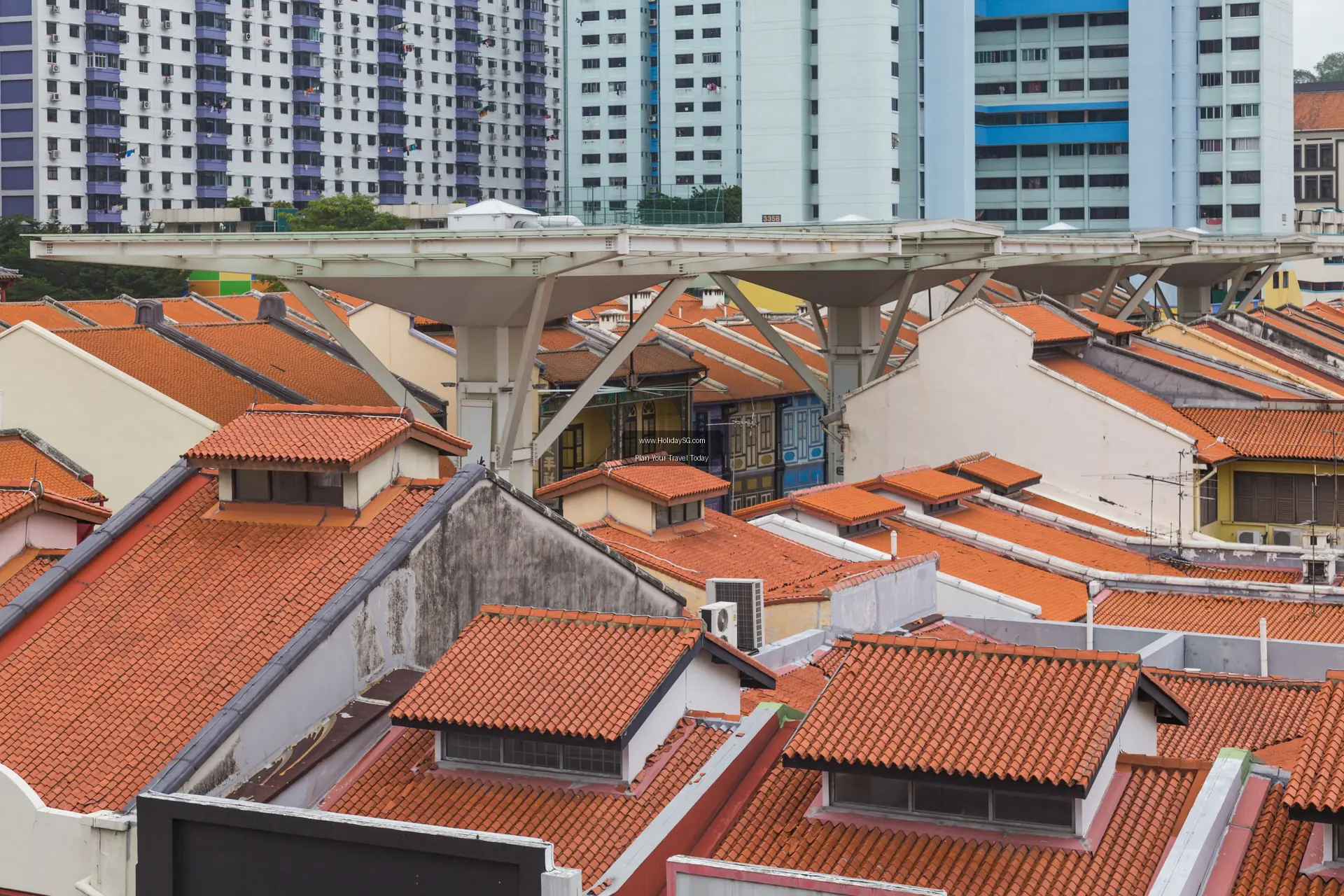
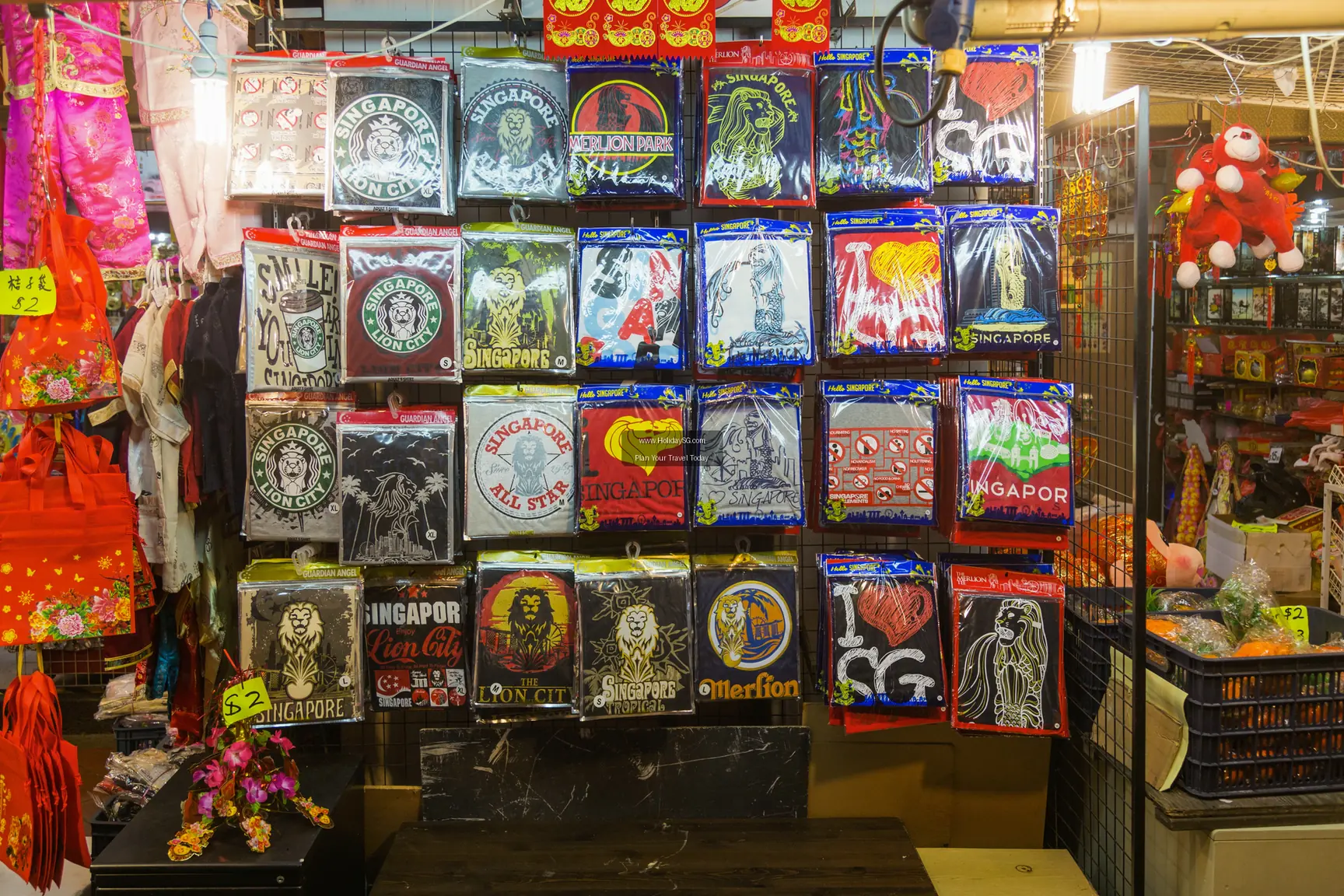
Dedicate the morning to one or two of Singapore’s vibrant cultural precincts. Walk through the red lanterns of Chinatown, marvel at the colours of Little India, or explore the Arab Street shops and cafes in Kampong Glam. In the afternoon, escape to Sentosa Island. Families will gravitate towards Universal Studios Singapore and the S.E.A. Aquarium, while others might enjoy the beaches or the Skyline Luge. You can easily explore these areas on a guided tour like the Monopoly Hidden Singapore Chinatown experience.
Day 3: Nature, Neighbourhoods & Night Safari
Spend your morning with wildlife at the world-renowned Singapore Zoo (link), which is perfect for all ages. In the afternoon, escape the tourist trail and explore a local neighbourhood like the charming shophouses of Tiong Bahru or the hipster cafes of Joo Chiat/Katong. You could even join a themed exploration like the Monopoly Hidden Singapore Katong Joo Chiat hunt to discover hidden gems. End your day with a memorable dinner, and if you’re up for it, the unique Night Safari experience.
Day 4 (Optional): Pursue Your Passions
With an extra day, tailor it to what you love. Art lovers can spend hours at the National Gallery. Shoppers can dive into the luxury boutiques of Orchard Road or the quirky finds on Haji Lane. Foodies can embark on a dedicated hawker centre crawl or book a table at a Michelin-starred restaurant. This is also your buffer day for a popular side trip.
Tailoring Your Trip: It’s All About Perspective
Your ideal stay is also shaped by who you’re travelling with and what you prioritise.
For Families vs. Couples vs. Solo Travellers
- Families: An extra day is highly recommended. It takes the pressure off when navigating attractions like Universal Studios and the Zoo, and allows for downtime at the hotel pool or a slower-paced morning at a kid-friendly spot like the Jacob Ballas Children’s Garden.
- Couples: 3-4 days is perfect. You can smoothly blend romantic dinners with views, explorations of culture and art, and vibrant nightlife or rooftop bars.
- Solo Travellers: 2-3 days is often efficient. You can cover the highlights quickly, enjoy the superb public transport, and easily meet others at hostels or social eateries.
Interests That Dictate Your Itinerary Length
- Foodies: Add an extra day. Singapore’s culinary scene is vast. You’ll want time for more than just hawker centres—perhaps a cooking class, a food tour, and dinner at a renowned restaurant.
- Culture Buffs: 4+ days allows for deeper dives into the Peranakan heritage in Katong, the historic sites in Civic District, and multiple museum visits.
- Shoppers: You’ll need dedicated half-days for the mega malls of Orchard Road and the unique boutiques in areas like Tiong Bahru or Dempsey Hill.
The Practicalities: Getting Around and Budgeting Your Time
Seamless Transport Makes Short Trips Possible
Singapore’s MRT (train) and bus system is world-class, affordable, and connects all major attractions. Getting a stored-value EZ-Link card or the Singapore Tourist Pass at the airport is a must. This efficient network is what makes even a 2-day visit highly feasible.
Budgeting for Your Days
A realistic daily budget from mid-range to budget is approximately SGD 150-300 per person. This includes accommodation, food, transport, and entry to 1-2 attractions. The biggest variable is food: a full meal at a hawker centre costs SGD 4-10, while a restaurant meal can be SGD 20-50+. Choosing where to eat dramatically affects your daily spend.
The Final Verdict: How Many Days is Enough?
For the first-time visitor on a standard trip, we strongly recommend 3 days. This hits the iconic Marina Bay and Gardens, the cultural tapestry of the neighbourhoods, and the fun of Sentosa or the Zoo without feeling rushed. It provides a genuine, satisfying taste of Singapore.
If you have the flexibility, allocating 4 days is ideal for a truly memorable experience. The extra time reduces pace, allows for spontaneous discoveries, and lets you connect with the city’s local life beyond the tourist circuit.
Planning your trip? Remember, Singapore is a year-round destination, but for the driest weather, visit from February to April. Be mindful of the haze season, typically from August to October. Visa requirements are straightforward for many nationalities, often allowing visa-free entry for 30-90 days. Pack light, breathable clothing and always carry an umbrella—sudden showers are part of the tropical charm!
Recommended HolidaySG Tours
To help you make the most of your time, here are some curated experiences:
- Singapore Zoo
- Monopoly Hidden Singapore Katong Joo Chiat
- Monopoly Hidden Singapore Chinatown
- Singapore Oceanarium
Ready to explore? Check out our guide to the Paul Singapore Suntec City Mall for a great meal during your trip.
Book with HolidaySG online for Paul Singapore Suntec City Mall, Monopoly Hidden Singapore Katong Joo Chiat, Monopoly Hidden Singapore.
More Photos from HolidaySG
Getting Around the Island Without Stress
Singapore is one of the easiest cities in Southeast Asia to navigate, and that ease is the main reason a short trip can cover so much ground. The Mass Rapid Transit network is clean, air-conditioned, and runs frequently, with trains typically arriving every few minutes during peak hours. Most first-time visitors find that the MRT, combined with the occasional taxi or ride-hailing car, covers nearly everything on a standard itinerary. The key decision is how you pay. You can tap a contactless credit or debit card, a mobile wallet linked to a card, or a prepaid EZ-Link card at the gates. Tapping a contactless card works the same way as the local card, so there is no need to queue at a ticket machine. If you plan to use public transport heavily, the EZ-Link card is a sensible purchase at about S$10, with the deposit refundable when you return the card at a station counter. Fares are distance-based and usually range from roughly S$1 to S$2.50 for a single journey within the city.
Buses are the other half of the public transport picture. They reach neighbourhoods that the MRT does not serve directly, and they are particularly useful for getting to the east coast beaches or some of the older estates in the north. Bus fares are slightly cheaper than trains, and the same payment methods apply. Unlike the trains, buses can be slower in the late afternoon, so it helps to check a live transit app before you commit to a route. Travelling by train during rush hour, roughly 7:30 to 9:30 AM and 5:30 to 7:30 PM, can be crowded, so plan sightseeing outside those windows if you dislike being squeezed into a carriage. Taxis are plentiful, though a flag-down fare starts at around S$4.10 and surcharges apply in the central business district during weekday peak periods and on some expressways. Ride-hailing apps are popular with locals and visitors alike and often work out cheaper for short trips, especially late at night when the MRT has closed for the evening, usually around midnight.
When you map out your days, think in terms of clusters rather than individual attractions. Marina Bay, the Civic District, and Esplanade sit close together and can be walked in an afternoon, with Gardens by the Bay a short ride away. Chinatown, Tanjong Pagar, and the Central Business District form another cluster that works well for a half-day of temples, heritage shophouses, and lunch. Kampong Glam, Bugis, and Little India are close enough to combine into a single evening wander. Trying to bounce between the far west at Jurong and the far north at Yishun in one day will eat up hours on the MRT and leave you tired. A simple rule is to pick one or two clusters per day and let the rest of the schedule breathe. Walking between MRT stations is also more pleasant than it sounds, since many stations are linked by covered walkways that shelter you from the midday sun and sudden tropical downpours.
Choosing Where to Base Yourself
Where you sleep has a bigger effect on your trip than most people expect, because Singapore is compact but its neighbourhoods feel quite different after dark. The Central Business District and Marina Bay area offer glossy hotels, skyline views, and direct access to the Downtown and Circle lines. It is an excellent choice for a first visit, especially if your schedule includes the waterfront, the Marina Bay Sands complex, and the night views from the bridges. The trade-off is that these areas are quiet on weekends once office workers leave, and room rates tend to be higher. Chinatown and Tanjong Pagar are more atmospheric and sit within walking distance of the business district. Boutique hotels in restored shophouses here often sit above some of the best hawker stalls in the city, which makes for very easy breakfasts and late suppers.
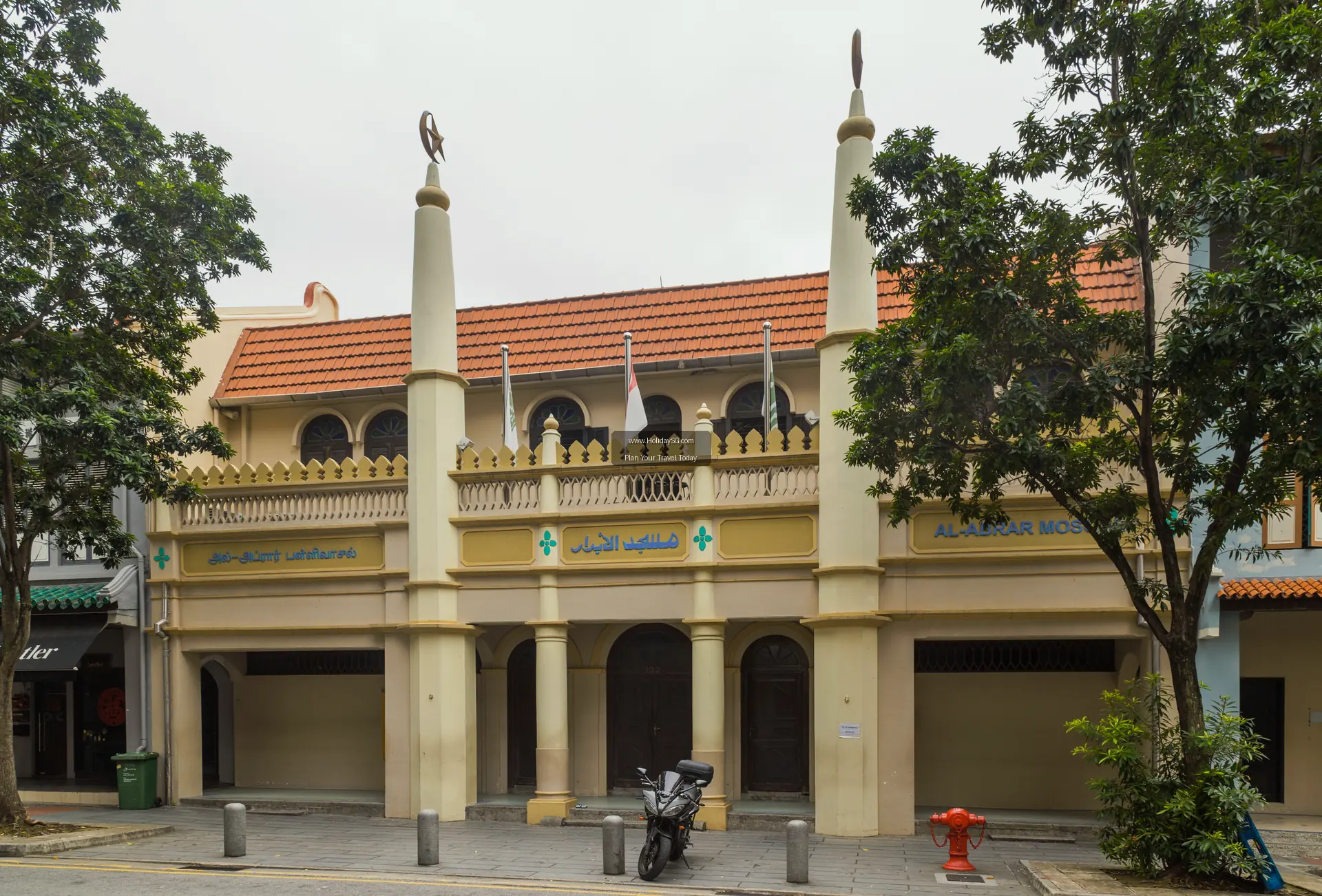
Kampong Glam, Bugis, and Little India suit travellers who want a more local rhythm. Kampong Glam has the Sultan Mosque, painted shophouses along Haji Lane, and a steady stream of cafés, while Little India offers Tekka Centre, flower garlands, and some of the most affordable South Indian meals you will find on the island. Rooms here can be good value, and the MRT is close, although some streets get noisy late into the evening. Katong and Joo Chiat, on the east side, are a favourite among repeat visitors. Peranakan shophouses in pastel colours line the streets, the food is excellent, and the beaches at East Coast Park are only a short taxi ride away. Staying in the east means a longer commute to the central attractions, but many travellers feel the calmer pace is worth it, particularly if they plan to spend several evenings eating and wandering there.
Some practical notes apply wherever you stay. Check whether the property charges a per-night tourism levy or additional service charge, as these can add a noticeable amount to the bill. Most hotels include Wi-Fi, but ask whether the connection is reliable in your room if you need to work. Rooms in older buildings can be smaller than the photos suggest, so look at the floor area in square metres when comparing options. Choose a room with a window if you value natural light, and avoid rooms directly beside lift lobbies if you are a light sleeper. If you are arriving late at Changi Airport, a hotel near an MRT line will save you from an expensive taxi ride the next morning. Finally, consider staying in one place for the whole trip rather than switching hotels. Packing and unpacking several times is tiring in a climate this hot, and it is far more relaxing to return to the same base each evening.
Eating Like a Local Across Your Days
Food is central to any Singapore itinerary, and the hawker centre is the best place to experience it. These open-air complexes house dozens of stalls specialising in one or two dishes, from chicken rice and laksa to char kway teow and roti prata. Maxwell Food Centre in Chinatown, Lau Pa Sat near the business district, and Newton Food Centre off Orchard Road are all popular and easy to reach. A typical plate of hawker food costs between S$4 and S$8, and a drink of sugarcane juice or teh tarik adds a couple of dollars more. Many stalls have queues at lunch and dinner, which is usually a good sign. Finding a table can be the hardest part, so look for a tissue packet placed on a seat as a marker that someone is saving it while they order. Cash is still accepted at most stalls, though more vendors now take cards or mobile payment.
Beyond hawker centres, Singapore's food scene includes kopitiams, which are traditional coffee shops serving kaya toast, soft-boiled eggs, and strong coffee with condensed milk. A breakfast set at a kopitiam usually costs around S$3 to S$5 and makes a leisurely start to the morning. For lunch, many office districts have food courts and small restaurants offering set meals that are filling and inexpensive. Dinner is a good time to try Peranakan cooking, with dishes like ayam buah keluak and nyonya laksa, which are most often found in Katong and in longer-established restaurants downtown. Indian banana leaf restaurants in Little India serve unlimited rice and vegetables on a large leaf, and you eat with your right hand, a custom that visitors are welcome to try. Restaurants in the Chinatown and Tanjong Pagar areas are also good for dim sum and roast meats, often served until mid-afternoon.
Food etiquette and timing make a difference to your experience. Most hawker centres are busiest between 12 PM and 1:30 PM, and again from about 6:30 PM onward. Many stalls close in the afternoon, so plan a late lunch or early snack if you are out sightseeing between those hours. Some hawkers close one day a week, and it is worth checking a stall's schedule before making a special trip. Tipping is not expected at hawker stalls or kopitiams, and a service charge is often already included in sit-down restaurant bills. Halal and vegetarian options are widely available, though clearly marked signage is common in Malay and Indian eateries. If you want to sample a range of dishes without filling up, share plates with your travelling companions and order a few different items. A useful habit is to write down two or three stalls you hear recommended each day, so you always have a plan when you feel hungry in an unfamiliar part of town.
Weather, Packing, and Timing Your Visit
Singapore sits just one degree north of the equator, which means the weather is hot and humid throughout the year. Daytime temperatures usually range between 28 and 33 degrees Celsius, and humidity often feels higher than the thermometer suggests. The island does not have a dry season in the traditional sense, but the monsoon periods shape the rainfall pattern. The northeast monsoon, roughly from December to March, brings the heaviest and most persistent rain, often in the afternoon or evening. The inter-monsoon months of April to May and October to November tend to bring short, intense thunderstorms that clear quickly. Many experienced visitors prefer the period from around June to September, when rainfall is somewhat lower, though it can still rain without warning. Whatever month you choose, plan at least one indoor activity for each day so a sudden downpour does not derail your schedule.
Packing for this climate is mostly about breathable fabrics and sensible footwear. Lightweight cotton or linen clothing will keep you more comfortable than synthetic materials, and you will want to change your shirt at least once a day. Bring a compact umbrella or a light rain jacket that folds into a small pouch, since shops and malls are often more air-conditioned than the streets. Comfortable walking shoes matter more than you might think, because even a simple day can add up to 15,000 steps or more when you explore several neighbourhoods. Sunscreen, a hat, and sunglasses are essential, and many people carry a small bottle of insect repellent for evenings near parks and the waterfront. Modesty rules apply when visiting religious sites. Shoulders and knees should be covered at temples and mosques, and some sites provide wraps for visitors who arrive underdressed. Bring a light scarf or sarong so you can cover up quickly.
Timing your visit around public holidays can change how busy the city feels. Chinese New Year, Hari Raya Puasa, Deepavali, and Christmas each bring decorations, night markets, and special events, but they also push up accommodation rates and fill popular attractions. Some shops and restaurants close for a day or two during major festivals, so check opening hours in advance if a specific meal or shopping stop matters to you. Many major attractions, including the Gardens by the Bay conservatories, the Singapore Zoo, and museums, operate roughly from 9 AM to 9 PM, though hours vary by site and season, so verify them before you go. If you are planning a trip that includes several paid attractions, arriving on a weekday morning generally means shorter queues and cooler conditions for outdoor walking. Build flexibility into your plan, and allow extra time for travel between sites. Singapore rewards travellers who move at a comfortable pace, and a relaxed schedule usually produces the most memorable days.
Day Trips and Extending Your Stay
If you have four or five days in Singapore, a half-day or full-day excursion beyond the city limits can add welcome variety to the itinerary. Pulau Ubin is one of the most rewarding choices for travellers who want a taste of rural Singapore. Bumboats depart from Changi Point Ferry Terminal when they fill up, and the short crossing takes only a few minutes. Once on the island, you can rent a bicycle for a few dollars an hour and explore kampong-style villages, mangrove boardwalks, and quiet quarries. The island has limited facilities, so carry water, snacks, and cash, since not every stall takes cards. Johor Bahru, just across the Causeway, is another popular day trip. Buses and taxis make the crossing easy, but expect immigration queues that can stretch to an hour or more during weekends and public holidays. Check the latest entry requirements before you travel, as they can change, and allow a full day to make the journey worthwhile.
For those who want to combine nature with wildlife, the Mandai area on the northern edge of the island has a cluster of attractions including the Singapore Zoo, the River Safari, and the Night Safari. The Night Safari is best booked for the evening, and arriving before the first shows begin helps you secure a good spot. Hour-long shows and guided tram rides take up much of an afternoon, so block out a substantial portion of the day. Getting there by MRT and bus is possible but slow, so many visitors prefer a taxi or ride-hailing car for the return trip late at night. Bird Paradise and the Jurong area in the west offer a different kind of outing, and the Southern Ridges walking trail, which links several parks, provides shaded views of the city skyline. Pack water and light snacks for longer walks, and wear shoes with good grip, as some paths can be slippery after rain.
When deciding whether to extend your stay, consider how many days you truly need to see the highlights. Most visitors can cover the main central attractions in three to four days, but a week allows for slower mornings, a second visit to favourite hawker stalls, and at least one excursion off the main island. Singapore also works well as a stopover on longer journeys through Southeast Asia, since Changi Airport is one of the region's major hubs and offers regular connections. If you are planning a multi-country trip, keep in mind that budgets can rise quickly here, with accommodation and dining typically costing more than in neighbouring countries. Taking time to plan your days, prioritise a few must-see experiences, and leave some open time for wandering will make the trip feel balanced. A well-paced visit leaves you with a clear sense of the city's character, from its colonial heritage and multicultural neighbourhoods to its modern skyline and green spaces.
Frequently Asked Questions
How many days are enough for Singapore?
For most travelers, 3 to 4 days is an ideal amount of time to experience Singapore’s highlights. This allows you to cover key attractions like Marina Bay Sands, Gardens by the Bay, and Sentosa Island, while also exploring distinct neighborhoods. If you wish to include day trips to the Zoo or S.E.A. Aquarium and have a more relaxed pace, 5 days would be perfect. A 2-day stopover is feasible for seeing the absolute essentials.
Where can I book tickets for major attractions?
You can book tickets for popular attractions directly through official partners. For example: Singapore Zoo tickets, S.E.A. Aquarium tickets, or Monopoly Adventures in Singapore (Chinatown). Booking online in advance is often cheaper and allows you to skip the queue.
Do foreigners need a different ticket, price, or visa for Singapore?
Visa requirements for Singapore depend on your nationality. Many countries have visa-free entry for short visits (typically 30 days). Regarding tickets, prices for attractions are generally the same for all visitors, whether local or foreign. However, some may have separate pricing for residents (e.g., Singaporeans or permanent residents). It is essential to check the official Singapore government website or the specific attraction’s website for the most current entry and ticketing information before your trip.
What is the best time of year to visit Singapore?
Singapore is a year-round destination with a consistent tropical climate. However, the best weather is during the drier months from February to April. The warmest period is typically May to July. From November to January, you can expect more rainfall and cooler (but still warm) temperatures. For major events, consider planning around the Great Singapore Sale (June-August) or the New Year countdown at Marina Bay.
What is the best time of day to visit outdoor attractions?
To avoid the peak heat and sun, visit outdoor attractions like the Singapore Zoo or Gardens by the Bay in the morning (opening time) or late afternoon. For the famous light show at Gardens by the Bay (“Garden Rhapsody”) or Marina Bay, evening showtimes are magical. The Cloud Forest and Flower Dome are air-conditioned and perfect for a midday break.
Is Singapore expensive to visit?
Singapore can be pricey, but costs can be managed. Budget travelers can enjoy free attractions (like the Botanic Gardens), affordable hawker center meals, and public transport. A mid-range daily budget might be S$150-200 per person for food, transport, and one attraction. Luxury options push costs much higher. Booking tickets in advance and eating local are the best ways to save.
What is the best way to get around Singapore?
Excellent public transport is the best way to get around. The MRT (metro) and bus network is efficient, affordable, and covers almost all key areas. Get a contactless card (EZ-Link or NETS FlashPay) or use a mobile payment method at gantries. Taxis and ride-hailing services like Grab are readily available for convenience.
What should I pack for a trip to Singapore?
Pack lightweight, breathable clothing (cotton/linen) as it’s hot and humid year-round. Bring a light rain jacket or umbrella for sudden downpours. Comfortable walking shoes are a must. Pack a reusable water bottle to stay hydrated. For air-conditioned malls and theaters, a light layer or scarf is useful. Sunscreen and insect repellent are also recommended.
Is Singapore family-friendly?
Absolutely. Singapore is fantastic for families. Kid-focused attractions include the Singapore Zoo, S.E.A. Aquarium, and the Jurong Bird Park. Sentosa Island offers beaches, Universal Studios Singapore, and play areas. Many restaurants are child-friendly, and the public transport system is easy to navigate with strollers.
What are the must-try foods in Singapore?
You must try local dishes at a hawker center. Start with Hainanese chicken rice, laksa (spicy noodle soup), chilli crab, and satay. Also, sample kaya toast for breakfast and local snacks like curry puffs. For a unique dining experience, explore the food halls in places like Suntec City, such as Paul for a French bakery option.
Is Singapore safe for tourists?
Singapore is renowned for being one of the safest cities in the world. Violent crime is extremely rare. Standard precautions apply: be mindful of your belongings in crowded areas and stay aware of your surroundings at night, though most areas are well-lit and busy late.
What is the local etiquette I should know?
Be respectful: don’t chew gum (it’s banned), don’t litter (fines are steep), and don’t point with your index finger. Use your right hand to give or receive things. When dining, it’s polite to finish most of the food on your plate. Be mindful of noise levels on public transport. Tipping is not customary as a 10% service charge is usually included.
How much money should I budget per day?
A reasonable daily budget is: Budget: S$80-120 (hostels, hawker meals, public transport). Mid-Range: S$200-300 (3-star hotels, a mix of restaurants and hawker food, 1-2 attractions). Luxury: S$400+ (5-star hotels, fine dining, all major attractions). Having some cash is useful for hawker centers and small shops, though cards are widely accepted.
Do I need travel insurance?
Yes, comprehensive travel insurance is highly recommended for any trip. It should cover medical emergencies, trip cancellation, and lost luggage. While Singapore’s healthcare system is excellent, it is very expensive for foreigners. Check your policy details carefully.
Can I use my phone in Singapore?
Yes. Singapore has free, nationwide Wi-Fi called “Wireless@SG” available in many public areas. For mobile data, you can purchase a prepaid tourist SIM card easily at Changi Airport or convenience stores. Many attractions also offer free Wi-Fi.
Are there any free things to do?
Many! Visit the stunning Gardens by the Bay (outdoor areas), walk around Marina Bay to see the city lights, explore colorful neighborhoods like Little India and Kampong Glam, and take a selfie with the Merlion. The Singapore Botanic Gardens is a UNESCO site and free to enter.
How do I get from the airport to the city?
Changi Airport is connected to the city by the MRT (East-West Line) in about 30-40 minutes for a low cost. Taxis and ride-hailing services are plentiful and take 20-30 minutes to the city center. The airport is also a destination in itself, with gardens, a butterfly house, and attractions like the Jewel Changi waterfall.
What are the opening hours for attractions?
Hours vary. Most major attractions (like zoo, aquarium) open around 10:00 AM and close between 5:00 PM and 7:00 PM. Shops and malls typically open at 10:00 AM or 11:00 AM and close by 10:00 PM or later. Always check the official website for the exact, current opening hours before your visit.
Is Singapore LGBTQ+ friendly?
While Singapore has a vibrant LGBTQ+ scene with annual events like the Pink Dot assembly, same-sex relationships are not legally recognized, and certain laws are still on the books. Visitors are respectful and tolerant, especially in urban and tourist areas. It’s advisable to be discreet with public displays of affection.
What unique cultural experiences can I have?
Explore the cultural districts: Chinatown, Little India, and Kampong Glam (Malay-Arab Quarter). Visit temples, mosques, and heritage shophouses. Participate in a cultural tour like Monopoly Adventures in Singapore (Katong/Joo Chiat) to learn about Peranakan culture. Don’t miss the chance to just sit and people-watch in a traditional kopitiam (coffee shop).
What is the weather like, and should I be worried about rain?
The weather is hot and humid with temperatures averaging 27-31°C (80-88°F). Rain is common throughout the year, often in sudden, heavy afternoon downpours. These showers are usually short. Don’t let rain deter you; just be prepared with an umbrella or rain jacket and plan indoor activities as a backup.
“`
What things cost in Singapore
Live HolidaySG prices for the experiences in this guide, so you can sanity-check a budget before you commit.
| Experience | Where | From price |
|---|---|---|
| #INSTAWALK: BUGIS, WATERLOO, KAMPONG GLAM | Singapore | From S$45.32 |
| +Twelve | Singapore | From S$127.05 |
| ABOUT MR. LEE | Singapore | From S$66.17 |
| Harry Potter Visions of Magic | Singapore | From S$41.79 |
| Action Motion | Singapore | From S$37.07 |
| Adventure HQ | Singapore | From S$65.55 |
| Alphard / Vellfire | Singapore | From S$34.43 |
Things to book on this trip
Plan the rest of your trip
- HolidaySG eSIM plans for Singapore - Buy a data plan before you fly and install it on your phone.
- Singapore visa requirements - Check who needs a visa, the documents and the processing time.
- Ferry tickets from Singapore to Batam - See sailing times and book your ferry ticket online.
- Hotels in Singapore - Compare hotels and check room rates for your dates.
