

Singapore dazzles visitors with its futuristic skyline, lush gardens, and vibrant multicultural streets. But before you book that flight, a crucial question looms: how much money do you need per day in Singapore? The good news is that with smart planning, Singapore can be enjoyed on various budgets, from thrifty backpackers to luxury seekers. Understanding the daily cost breakdown is key to stress-free travel.
Budget travelers can comfortably explore Singapore for SGD 100-150 per day by using hostels, hawker centres, and public transport. A mid-range experience with more comfort and paid attractions typically costs SGD 250-400 daily. Costs are highly flexible depending on your choices for accommodation, dining, and activities.
Understanding Your Daily Singapore Spending
Singapore often earns a reputation as expensive, and while it’s true that high-end options abound, this perception is largely manageable. Your budget is dictated by three main profiles, and knowing where you fit helps set realistic expectations. The key is prioritizing what matters most to you—whether it’s sleeping in a capsule pod to save for attractions or splurging on a rooftop cocktail while sticking to free sights.
The Budget Traveler’s Blueprint: SGD 100-150 Daily
Ready to go? Book Private Car Tofrom Singapore Per Way with HolidaySG.
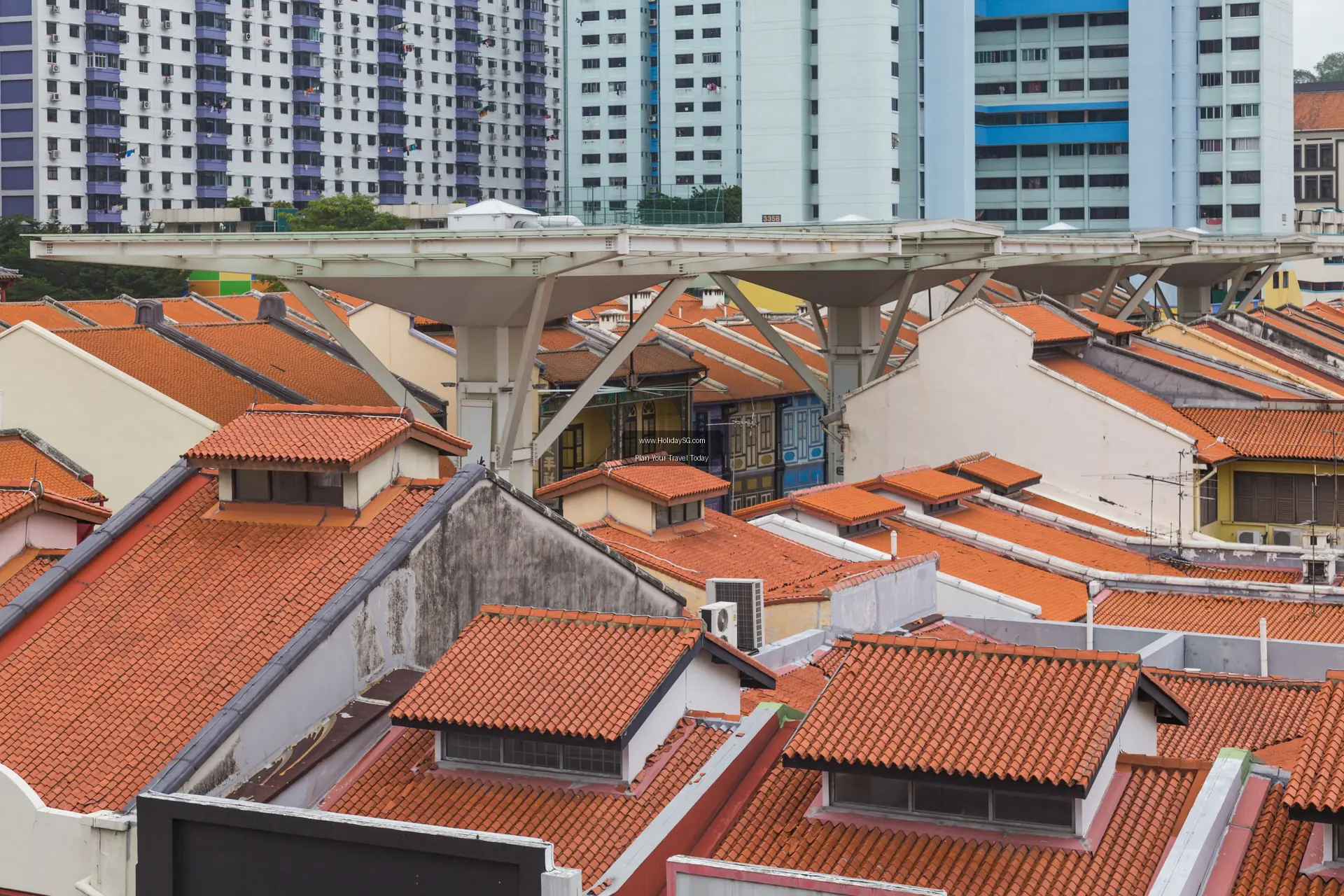
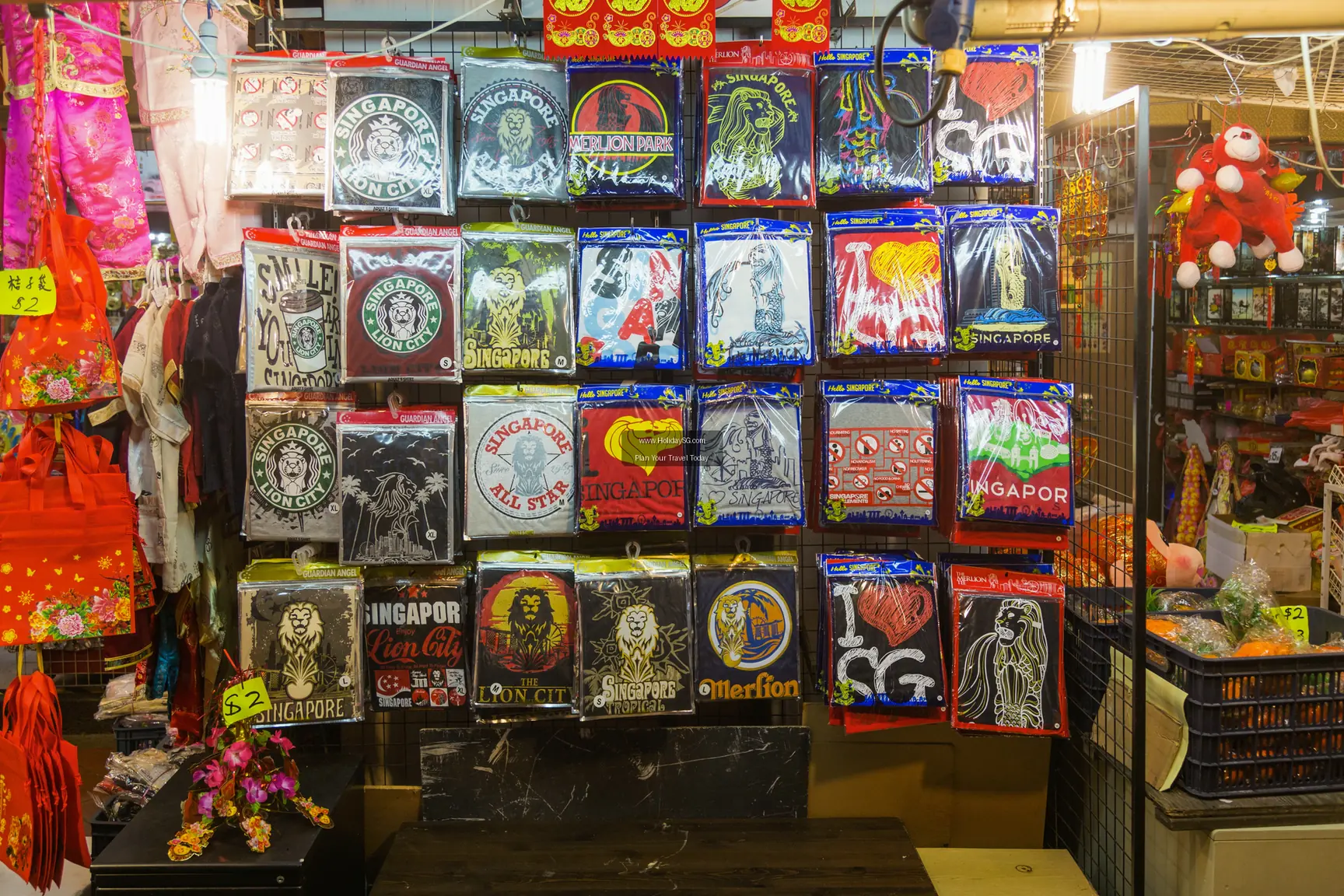
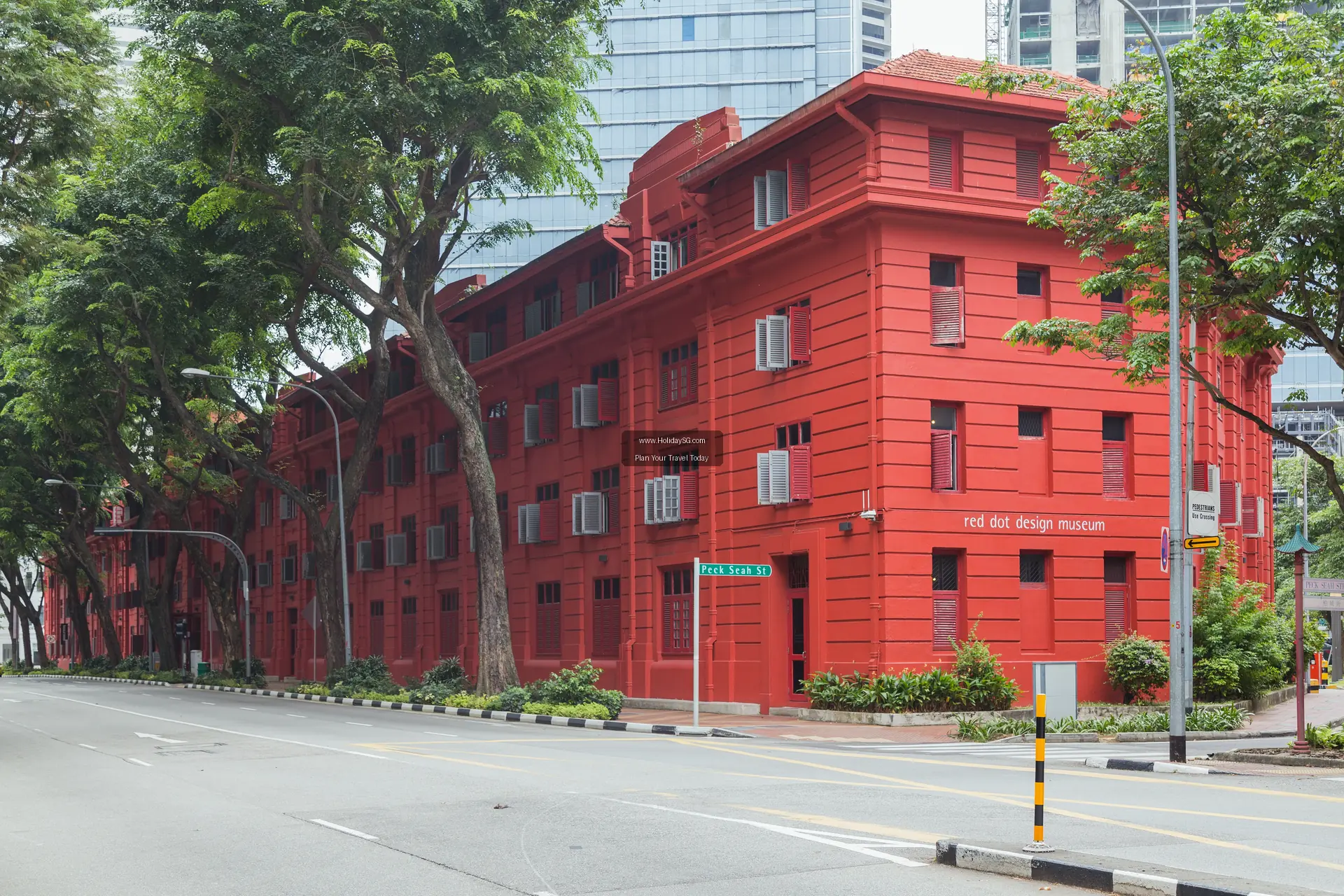
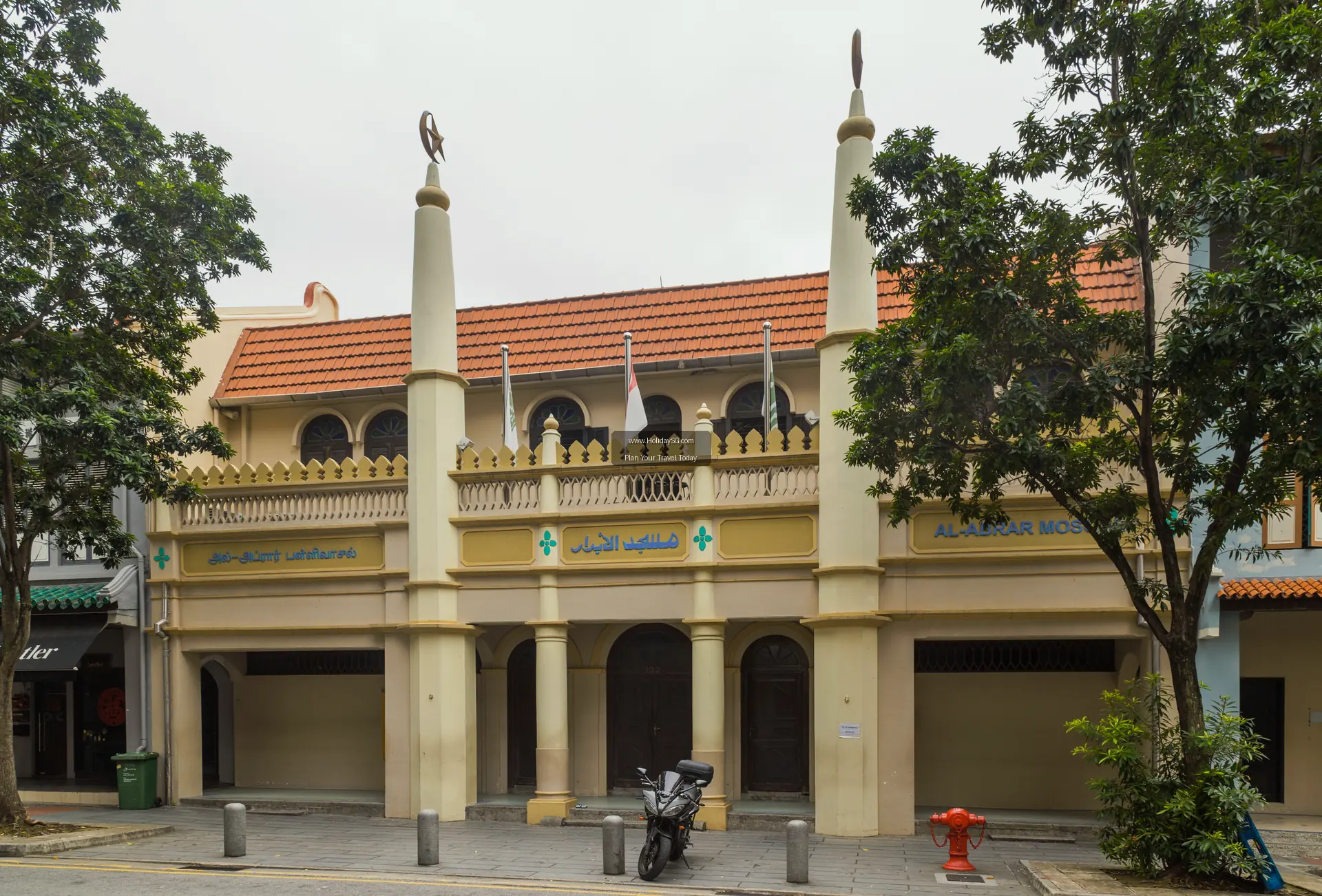
For the resourceful explorer, SGD 100-150 per day (about USD 75-115) is a workable target. This requires smart choices but doesn’t mean sacrificing the core Singapore experience.
Smart Accommodation Choices
Your biggest cost saver starts with where you sleep. A bed in a clean, modern hostel dorm room costs between SGD 40-70. Look for options in neighborhoods like Little India or near Chinatown for better rates and authentic vibes. For a bit more privacy, no-frills budget hotels or capsule hotels exist, but a dorm bed is your best bet for this budget tier.
Eating Well for Less
Food is where Singapore shines for budget travelers. The legendary hawker centres are your culinary playground. A delicious plate of chicken rice, laksa, or char kway teow will cost just SGD 5-8. With three meals and a drink at these centres, you can eat like a king for SGD 20-30 per day. This is non-negotiable for this budget level.
Activities: Free and Frugal Fun
Many of Singapore’s most iconic experiences are free. Stroll through the Gardens by the Bay (the outdoor Supertree Grove is free to walk under), visit the Merlion Park, and catch the free light shows at Marina Bay Sands and Gardens by the Bay. You can fill days with exploring colorful neighborhoods like Kampong Glam and Tiong Bahru. For a paid attraction, consider choosing just one, like the Marina Bay Sands observation deck (about SGD 26).
Efficient Public Transit
The Mid-Range Explorer’s Guide: SGD 250-400 Daily
This comfortable tier allows for more choice and relaxation. You’ll enjoy private rooms, a mix of dining experiences, and the best of Singapore’s ticketed attractions.
Comfortable Stays
With this budget, you can afford a private room in a 3-star hotel, serviced apartment, or a well-located boutique guesthouse. Expect to pay SGD 150-250 per night. Look for places in areas like Bugis or Clarke Quay for a good balance of convenience and value.
A Culinary Mix
While hawker centres remain a delicious option, you can now treat yourself to sit-down meals at local restaurants. Budget SGD 60-100 per day for food, enjoying a hawker centre lunch and a nicer dinner at a restaurant in Boat Quay or Duxton Hill. A Singapore Sling at the Raffles Hotel Long Bar is a classic mid-range splurge.
Marquee Attractions
This is the budget to explore Singapore’s top-tier paid attractions. You can visit both the Cloud Forest and Flower Dome at Gardens by the Bay (~SGD 53), the S.E.A. Aquarium, and perhaps even Universal Studios Singapore. For a unique cultural dive, a guided tour through hidden gems could be valuable. An option like the UlaCab Singapore Private City Tour offers a flexible way to see key sights with expert insights.
Transport Convenience
Continue using the efficient MRT, but you can now comfortably factor in an occasional taxi or Grab ride, especially late at night. The [Singapore Tourist Pass](https://holidaysg.com/singapore/singapore/singapore-tourist-pass-12345-day) might make sense if you plan to hop on and off the MRT frequently over 2-3 days.
The Luxury Experience: SGD 500+ Daily
Ready to go? Book Private Car Tofrom Singapore Per Way with HolidaySG.
At this level, money is no object, and the focus is on exclusivity, comfort, and premium experiences.
Iconic and Opulent Accommodation
Stay in world-renowned 4 or 5-star hotels like the Marina Bay Sands, Raffles, or The Fullerton Bay. Expect rates from SGD 500 per night and above, including breathtaking views and impeccable service.
Culinary Excellence
Dining becomes a destination in itself. With a daily food budget of SGD 200+, you can indulge in Michelin-starred restaurants, private chef experiences, and exclusive cocktail bars. Consider a curated culinary tour for the ultimate gourmet adventure.
Exclusive Access and Private Tours
Book private tours, helicopter rides, or premium tickets with VIP access to attractions. For seamless transfers, a Private Car to/from Singapore ensures absolute comfort and convenience, especially for airport transfers or day trips to nearby Johor Bahru.
Seamless Private Transfers
Avoid public transport entirely. Use private chauffeur services, luxury taxis, or ride-hailing premium options for all your travel needs.
Smart Strategies to Stretch Your Dollar
Regardless of your budget tier, these strategies maximize value.
- Eat at Hawker Centres: This is the single best money-saving tip. Don’t just visit one; explore centers like Maxwell Food Centre, Lau Pa Sat, or Tekka Centre.
- Master Public Transport: The MRT is your best friend. Combine it with buses for door-to-door access. For a short trip, consider a [Singapore Tourist Pass](https://holidaysg.com/singapore/singapore/singapore-tourist-pass-12345-day) only if you’ll take more than 3-4 rides a day.
- Balance Paid and Free: Mix your itinerary with free attractions. The light shows are spectacular and free, and parks like the Botanic Gardens (a UNESCO site) cost nothing to enter.
- Visit During Value Seasons: The best time to visit, weather-wise, is the dry season from February to April. While not a low season, booking flights and hotels well in advance is key for value.
Sample Daily Itineraries: What Your Budget Buys
Ready to go? Book Private Car Tofrom Singapore Per Way with HolidaySG.
Sample Budget Day (SGD 110 total)
Accommodation (Hostel Dorm): SGD 60. Breakfast & Lunch at hawker centre: SGD 15. Dinner at Newton Food Centre: SGD 15. Activities: Merlion Park, Gardens by the Bay Grove (free), Marina Bay Sands light show (free). Transport: MRT fares: SGD 10. Total: ~SGD 100.
Sample Mid-Range Day (SGD 300 total)
Family Travel Budgets: What to Expect with Children
Travelling with children in Singapore adds both costs and savings compared to an adults-only trip. The good news is that many of Singapore's top attractions offer discounted child tickets for ages three to twelve, and children under three often enter free. Universal Studios Singapore, the Singapore Zoo, Gardens by the Bay and the ArtScience Museum all have reduced child pricing that can shave twenty to thirty percent off your attraction spending per young visitor. Public transport is free for children under seven on buses and the MRT, and half-price for those aged seven to twelve with a child concession card.
Food costs for families can be managed effectively through hawker centres, where a child-sized portion at most stalls costs SGD 3 to 5. Many hotels in Singapore allow children under twelve to stay free in existing beds, though an extra bed or cot typically adds SGD 30 to 60 per night. Serviced apartments and Airbnb units in neighbourhoods like Tiong Bahru or Geylang are often more economical for families of four or more, with kitchenettes that allow you to prepare breakfast and snacks. Budget SGD 50 to 80 per child per day on top of your adult budget for a comfortable family trip that includes one paid attraction daily.
Free family activities abound and can fill entire days without spending a cent. The Southern Ridges walk connects Mount Faber to Kent Ridge via elevated forest walkways and the spectacular Henderson Waves bridge. Sentosa's Palawan Beach has a free playground and splash zone. The Botanic Gardens — a UNESCO World Heritage Site — charges nothing for entry except the National Orchid Garden section (SGD 5 for adults, free for children under twelve). Marina Barrage offers kite flying on its rooftop garden with views of the Marina Bay skyline, and the Changi Airport Jewel complex has free indoor gardens, a canopy park viewing gallery and a massive indoor waterfall that children find endlessly fascinating.
Neighbourhood Price Guide: Where Your Money Goes Further
Singapore's costs vary dramatically by neighbourhood, and choosing where to eat, shop and stay has a bigger impact on your daily budget than almost any other decision. The Marina Bay and Orchard Road corridors are the most expensive areas for everything — a coffee at a Marina Bay Sands cafe runs SGD 8 to 12, while the same flat white at a kopitiam in Toa Payoh costs SGD 1.80. Hotel rates along Orchard Road average SGD 250 to 400 per night for a standard room, while equally comfortable options in Lavender, Bugis or Geylang start at SGD 80 to 150.
For food, the heartland hawker centres consistently offer the best value. Old Airport Road Food Centre, Chomp Chomp Food Centre in Serangoon, and Ghim Moh Market are local favourites where a filling meal costs SGD 4 to 7. Compare that to the tourist-heavy hawker centres like Lau Pa Sat or Makansutra Gluttons Bay, where the same dishes often cost SGD 8 to 15. Chinatown's Smith Street offers a middle ground — slightly marked up from heartland prices but still reasonable, with the added atmosphere of the heritage shophouses and evening market stalls.
Shopping follows a similar pattern. Orchard Road's malls carry international luxury brands at full retail prices, while Far East Plaza on the same street has smaller boutiques and tailors at a fraction of the cost. Mustafa Centre in Little India is open twenty-four hours and stocks everything from electronics to spices at prices that undercut most competitors. For souvenirs, the Chinatown Heritage Centre shop and the museum shops at the National Gallery and Asian Civilisations Museum sell distinctive, locally designed items that make better gifts than the generic magnets found at tourist traps. Bugis Street Market is the go-to for inexpensive clothing, accessories and quirky souvenirs at prices starting from SGD 5.
Hidden Costs and Expenses Most Guides Overlook
Several costs catch first-time visitors off guard and can inflate your daily budget if you are not prepared for them. Singapore's Goods and Services Tax (GST) is nine percent, and most listed prices at restaurants, shops and attractions already include it — but some hotel websites show rates before tax, and a ten percent service charge is standard at sit-down restaurants. Together, these add nineteen percent on top of the menu price at any restaurant that applies both. Hawker centres and food courts do not add service charge, which is another reason they offer superior value.
Alcohol is expensive everywhere in Singapore due to high excise duties. A pint of local beer at a hawker centre costs SGD 8 to 12, while the same pint at a Clarke Quay bar runs SGD 14 to 20. Cocktails at rooftop bars can reach SGD 25 to 35 each. Happy hour deals, typically between five and eight in the evening, offer significant savings — many bars cut prices by thirty to fifty percent during these windows. If you enjoy wine with dinner, bringing your allowance through duty-free (one litre of spirits, one litre of wine, one litre of beer) saves considerably.
Data roaming charges deserve attention before you arrive. A local SIM card from Singtel, StarHub or M1 costs SGD 12 to 20 for a tourist plan with several days of generous data. These are available at Changi Airport's arrival hall and at convenience stores throughout the city. Alternatively, an eSIM activated before departure saves you the queue. Free WiFi is available at most malls, MRT stations and public libraries, but the connection speed varies and you will need data for navigation and ride-hailing apps when you are between hotspots.
Tipping is not expected or customary in Singapore — the service charge covers it at restaurants, and taxi drivers, hotel staff and hawker stall operators do not expect tips. Rounding up a taxi fare is appreciated but entirely optional. One expense that genuinely saves you money is the Singapore Tourist Pass for public transport: SGD 22 for a one-day pass, SGD 29 for two days, or SGD 34 for three days of unlimited bus and MRT rides, compared to individual fares of SGD 1 to 3 per trip that add up quickly when you are criss-crossing the island. The pass is available at selected MRT stations and includes a SGD 10 refundable deposit.
Seasonal Pricing: When Singapore Gets Cheaper and More Expensive
Singapore does not have dramatic seasonal price swings like beach resort destinations, but there are clear patterns that affect your daily spending. The most expensive periods are the school holidays in June and December, Chinese New Year (late January or February), and the Formula One Grand Prix weekend in September or October. During these windows, hotel rates climb twenty to forty percent above baseline, and popular attractions like Universal Studios Singapore and the Singapore Zoo see longer queues and occasional sold-out time slots. Flights from regional hubs like Kuala Lumpur, Bangkok and Jakarta also spike during these periods, sometimes doubling the off-peak fare.
The shoulder months of January (after New Year but before Chinese New Year), March, May, and late October through mid-November tend to offer the lowest hotel rates and the most comfortable visiting conditions. The weather is warm year-round — Singapore sits almost exactly on the equator — so there is no cold season to avoid. The northeast monsoon from November to January brings more afternoon rain showers, but these rarely last more than an hour and the temperature stays between 24 and 32 degrees Celsius throughout the year. Booking attractions online in advance often saves ten to fifteen percent compared to walk-up prices, regardless of season.
Major events create their own micro-economies. The Great Singapore Sale, traditionally running from late May through August, offers genuine discounts at participating retailers — though bargain hunters should compare prices beforehand, as some shops mark up before marking down. The Singapore Food Festival in July spotlights hawker culture with special menus and events that cost SGD 10 to 40 per session. The Mid-Autumn Festival in September fills Chinatown with lantern displays and mooncake stalls, and the Deepavali celebrations in October or November transform Little India into a riot of lights and street markets where you can buy traditional sweets, textiles and jewellery at festival prices. These cultural events add atmosphere to your trip without necessarily adding cost — most street celebrations and light-ups are free to enjoy.
Planning your Singapore budget also means understanding where the real value lies beyond the headline prices. Museum passes can save significant money if you intend to visit more than two or three institutions. The Singapore Heritage Passes and museum combo tickets bundle entry to the National Museum, Asian Civilisations Museum, National Gallery, Peranakan Museum and several smaller galleries at a discount of roughly thirty percent compared to individual admissions. Similarly, multi-attraction passes that bundle Universal Studios Singapore with the S.E.A. Aquarium and Adventure Cove Waterpark can shave SGD 20 to 40 off the combined gate prices, particularly when booked online in advance. For nature lovers, a full day split between the Botanic Gardens (free entry), MacRitchie Reservoir boardwalk (free) and a sunset visit to the Henderson Waves bridge costs nothing at all and ranks among the most memorable experiences the island offers. The key insight is that Singapore rewards travellers who plan ahead and mix premium paid attractions with its abundant free offerings — a strategy that keeps daily spending comfortable regardless of your overall budget bracket.
Frequently Asked Questions
Is SGD 100 per day really enough in Singapore?
Yes, but it requires discipline. It means staying in a hostel dorm, eating exclusively at hawker centres for most meals, using public transport, and focusing on free activities. It’s a tight but achievable backpacker budget.
How much should I save for food per day?
For a budget traveler: SGD 20-30. For mid-range: SGD 60-100. For luxury: SGD 200+. These are rough guides; your personal habits will dictate the final amount.
Are there hidden costs I should be aware of?
Be mindful of the Goods and Services Tax (GST), which is 9% and often included in displayed prices. Also, some attractions charge more for peak-time entry. Tipping is not customary in Singapore, so don’t worry about that extra cost.
Final Verdict: Plan Your Ideal Daily Budget
Ready to go? Book Private Car Tofrom Singapore Per Way with HolidaySG.
Singapore’s cost is all about choice. By leveraging hawker centres, public transport, and the wealth of free attractions, you can have an incredible time without breaking the bank. Define your priorities, pick your traveler profile, and use this guide to craft a daily budget that ensures a fantastic and financially comfortable trip.
Recommended HolidaySG Tours
- Singapore Tourist Pass 1/2/3/4/5 Day
- UlaCab Singapore Private City Tour Day
- Private Car To/From Singapore Per Way
- Spook Out Day Puzzle Hunt
Ready to explore? Check out our Private Car Tofrom Singapore Per Way for seamless transfers around the city.
Book these with HolidaySG:
- Shirakawa Day Tour From Nagoya One Day Tour Of Shirakawa Go With Chinese English And Japanese Guide
Book with HolidaySG online for Private Car Tofrom Singapore Per Way, Ulacab Singapore Private City Tour Day, Singapore Tourist Pass 12345 Day.
More frequently Asked Questions
Where can I book activities or transport mentioned in this article?
You can book convenient travel services through our recommended partner, HolidaySG. For example, private car transfers to/from Singapore, a private city tour, or the Singapore Tourist Pass for unlimited public transport.
Do foreigners (non-citizens) need a different ticket, price, or visa for Singapore?
For most tourist activities and attractions, prices are the same for all visitors. Visa requirements, however, depend on your nationality. Many countries have visa-free entry for short stays (30-90 days), while others require a visa. It is essential to check the latest official entry requirements with the Immigration & Checkpoints Authority of Singapore or the nearest Singapore embassy/consulate well before your trip, as rules can change.
What is the best time (season, or time of day for the site/activity) to go?
Singapore is a year-round destination with a tropical climate. The drier months are generally from February to April. For activities, the best time of day is often early morning or late afternoon to avoid peak crowds and midday heat. Evening visits are excellent for attractions like Gardens by the Bay or rooftop bars to enjoy the city lights.
How much should I budget for food per day in Singapore?
You can eat well on a budget or splurge. At hawker centres (food courts), a meal costs SGD $3-$7. A mid-range restaurant meal might be SGD $15-$25 per person. A typical daily food budget could range from SGD $20 (eating mostly hawker food) to SGD $60+ (mixing casual restaurants and cafes).
Is Singapore expensive to visit?
Singapore is often perceived as expensive, but it’s manageable. While accommodation and some attractions have premium prices, budget-friendly options exist for food (hawker centres) and transport. With careful planning, you can experience the city without breaking the bank.
How do I get around Singapore efficiently and affordably?
The Mass Rapid Transit (MRT) train system and public buses are clean, efficient, and affordable. Using a Singapore Tourist Pass can be cost-effective for unlimited travel. Taxis and private-hire cars are readily available but more expensive. Ride-hailing apps like Grab are popular.
Is Singapore family-friendly?
Absolutely! Singapore is incredibly family-friendly with world-class attractions like the S.E.A. Aquarium, Singapore Zoo, Gardens by the Bay, and Sentosa Island. Many hotels offer family rooms, and the public transport system is easy to navigate with children.
What are the best free things to do in Singapore?
Many of Singapore’s best experiences are free. Explore lush gardens like the Singapore Botanic Gardens (a UNESCO site), visit temples like Sri Veeramakaliamman, walk through historic neighborhoods like Chinatown and Kampong Glam, and watch the light and water show at Marina Bay Sands.
What should I pack for a trip to Singapore?
Pack light, breathable clothing (cotton or linen) for the hot and humid weather. Bring a light rain jacket or umbrella for sudden downpours. Comfortable walking shoes are essential. Don’t forget sunscreen, a hat, and sunglasses. A reusable water bottle is also recommended.
Is Singapore safe for tourists?
Yes, Singapore is consistently ranked as one of the safest cities in the world for tourists. Petty crime is rare. Exercise common sense as you would in any major city—keep an eye on your belongings in crowded places and avoid unlit areas late at night.
What is the typical weather like and when does it rain?
Singapore has a tropical climate: hot and humid year-round with average temperatures of 27°C (80°F). Rain is possible anytime, but the monsoon seasons are generally from November to January and June to September. Showers are usually heavy but brief.
Do I need to carry cash in Singapore?
Singapore is largely cashless. Credit/debit cards (especially Visa and Mastercard) are widely accepted, and contactless payments are common. However, it’s wise to carry some cash (SGD) for small purchases at hawker centres, traditional shops, or in case of emergencies.
What is the local etiquette I should be aware of?
Be respectful in places of worship (cover shoulders and knees). When dining, it’s polite not to leave your chopsticks standing upright in rice. Tipping is not expected and is usually included in the bill as a 10% service charge. Queue politely and keep noise levels moderate on public transport.
Are there any nearby day trips I can take from Singapore?
Yes! You can take a day tour to places like Shirakawa Go (this is an example of a longer tour from a regional hub). For closer trips, the island of Sentosa is a short ride away. Johor Bahru, Malaysia, is just across the causeway for a change of scenery and shopping.
How many days do I need to see Singapore?
A minimum of 3 full days allows you to see the major highlights like Marina Bay, Gardens by the Bay, and a hawker centre experience. To explore diverse neighborhoods, museums, and day trips to Sentosa, 4-5 days is more comfortable.
Is Singapore accessible for travelers with disabilities?
Singapore has good accessibility infrastructure. Most MRT stations have elevators, and buses are wheelchair-accessible. Major attractions are generally accessible. It’s advisable to check specific attraction websites for detailed accessibility information.
Can I use my phone in Singapore?
Yes. It’s easy to get a local SIM card with data at the airport or convenience stores. Many cafes, malls, and public spaces offer free Wi-Fi. Ensure your phone is unlocked if you plan to use a local SIM.
What are some must-try local foods?
You must try: Hainanese Chicken Rice, Chili Crab, Laksa (spicy noodle soup), Char Kway Teow (stir-fried noodles), and Kaya Toast with soft-boiled eggs for breakfast. Head to a hawker centre like Maxwell Food Centre or Lau Pa Sat to sample them all.
Is there a specific dress code for visiting attractions like temples?
Yes, when visiting religious sites like mosques or Hindu temples, dress modestly. This means covering your shoulders and knees. Some places may provide wraps or robes if needed. It’s best to check the specific temple’s guidelines beforehand.
What is a typical daily itinerary for a first-time visitor?
A common day might involve: morning at Gardens by the Bay, lunch at a nearby hawker centre, afternoon exploring Chinatown or Little India, and evening watching the light show at Marina Bay Sands followed by dinner. Mixing nature, culture, and urban sights works best.
What things cost in Singapore
Live HolidaySG prices for the experiences in this guide, so you can sanity-check a budget before you commit.
| Experience | Where | From price |
|---|---|---|
| #INSTAWALK: BUGIS, WATERLOO, KAMPONG GLAM | Singapore | From S$45.32 |
| +Twelve | Singapore | From S$127.05 |
| ABOUT MR. LEE | Singapore | From S$66.17 |
| Harry Potter Visions of Magic | Singapore | From S$41.79 |
| Action Motion | Singapore | From S$37.07 |
| Adventure HQ | Singapore | From S$65.55 |
| Alphard / Vellfire | Singapore | From S$34.43 |
Things to book on this trip
Plan the rest of your trip
- HolidaySG eSIM plans for Singapore - Buy a data plan before you fly and install it on your phone.
- Singapore visa requirements - Check who needs a visa, the documents and the processing time.
- Hotels in Singapore - Compare hotels and check room rates for your dates.
