

India is a land of contrasts—where ancient traditions collide with modern energy, and serene landscapes give way to bustling cities. From the snow-capped Himalayas to the sun-drenched beaches of Goa, and the spiritual ghats of Varanasi to the golden deserts of Rajasthan, this India travel guide will help you navigate one of the world’s most diverse destinations. Whether you’re a history buff, a foodie, a nature lover, or an adventure seeker, India promises to leave you spellbound.
TL;DR: India is a diverse destination with iconic landmarks like the Taj Mahal, spiritual hubs like Varanasi, and natural wonders like the Kerala backwaters. The best time to visit is October–March, and an e-Visa is required for most travelers. Budget ₹1,500–₹8,000 per day, and prioritize health precautions like vaccinations and safe drinking water.
Why Visit India?
India isn’t just a destination; it’s an emotion. Here, every corner tells a story—whether it’s the Mughal grandeur of the Taj Mahal, the sacred rituals along the Ganges, or the vibrant chaos of Mumbai’s streets. The country’s diversity is its greatest strength: you can meditate in a Himalayan monastery one day and dance at a beach party in Goa the next. Food lovers will revel in regional cuisines, from buttery Punjabi curries to coconut-infused Kerala dishes. And for those seeking adventure, the possibilities are endless—trekking in Ladakh, wildlife safaris in Ranthambore, or houseboat stays in the backwaters.
What truly sets India apart, though, is its people. Warm, hospitable, and deeply rooted in tradition, locals often go out of their way to make visitors feel welcome. Whether you’re sipping chai with a shopkeeper in Jaipur or sharing a meal with a family in a rural village, these moments of connection are what make travel here unforgettable.
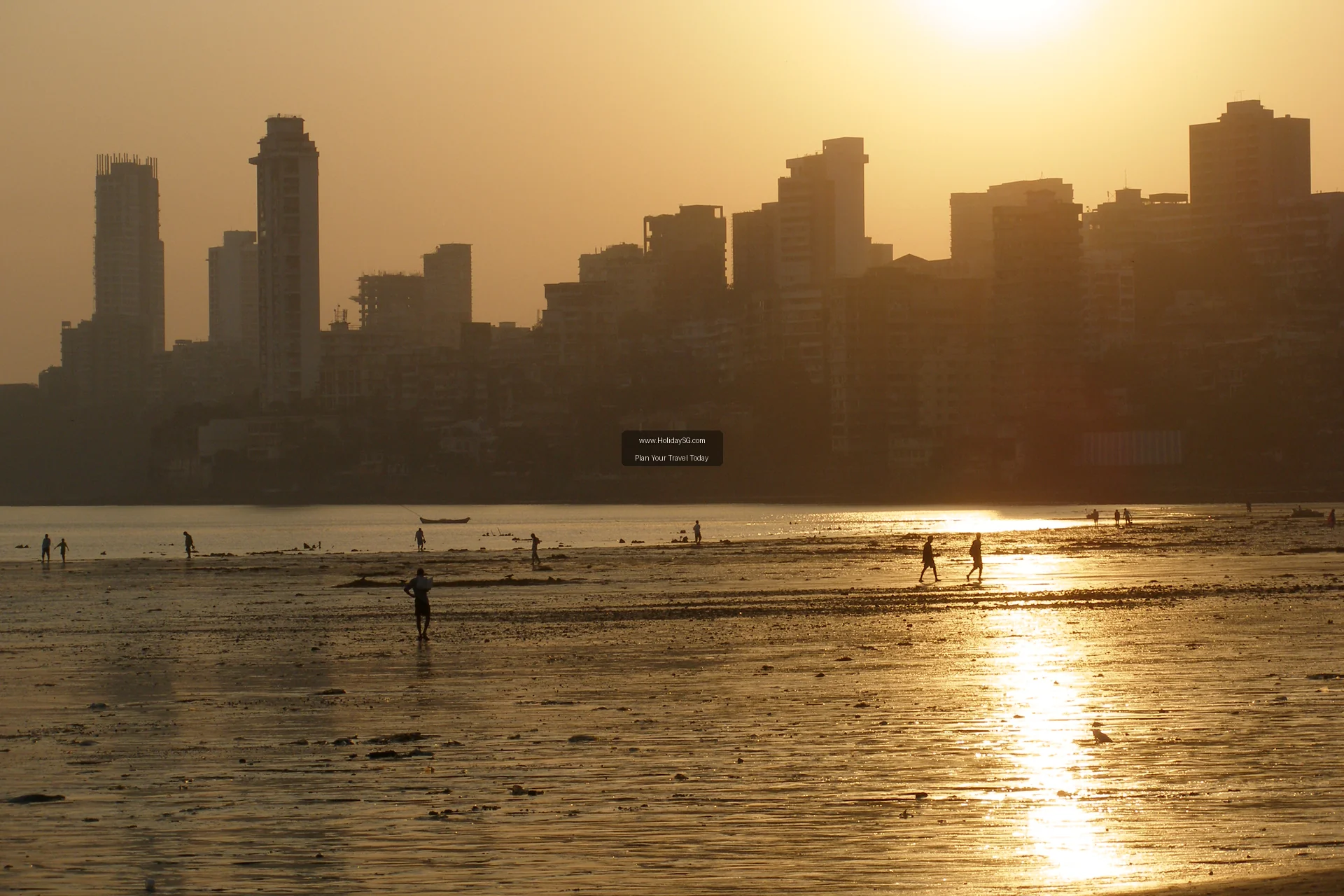
Top Attractions & Must-Visit Destinations in India
Iconic Landmarks & Historical Wonders
No trip to India is complete without witnessing the Taj Mahal, the white marble mausoleum built by Emperor Shah Jahan in memory of his wife. Visit at sunrise to avoid crowds and see the monument glow in the soft morning light. Equally mesmerizing are the ruins of Hampi, a UNESCO World Heritage Site where boulders and ancient temples create a surreal landscape. For a deep dive into royal history, Rajasthan’s forts and palaces—like Mehrangarh Fort in Jodhpur or Udaipur’s Lake Palace—offer a glimpse into the opulent lives of maharajas.
Spiritual & Cultural Hubs
India is the birthplace of four major religions, and its spiritual energy is palpable. Varanasi, one of the world’s oldest living cities, is a must-visit for its evening Ganga Aarti ceremony, where priests perform rituals on the ghats of the Ganges. In Amritsar, the Golden Temple—the holiest Sikh shrine—welcomes visitors with free meals and serene reflections in its sacred pool. For art and architecture lovers, the Khajuraho Temples in Madhya Pradesh showcase intricate carvings that blend spirituality with sensuality.
Natural Wonders & Scenic Escapes
If you crave tranquility, the Kerala backwaters offer a slow-paced escape. Glide through palm-fringed lagoons on a houseboat, stopping at villages where life revolves around fishing and coir-making. For mountain lovers, the Himalayas beckon with treks in Leh-Ladakh, where Buddhist monasteries cling to cliffs, or the lush valleys of Himachal Pradesh. And then there’s Goa, where Portuguese-influenced churches stand alongside golden beaches—perfect for both relaxation and nightlife.
Wildlife & Nature Sanctuaries
India’s national parks are a haven for wildlife enthusiasts. Ranthambore National Park in Rajasthan is one of the best places to spot Bengal tigers in the wild, while Kaziranga National Park in Assam is home to the endangered one-horned rhinoceros. For a unique experience, head to the Sundarbans in West Bengal, where mangrove forests shelter Royal Bengal tigers—and yes, they can swim!
Vibrant Cities & Urban Experiences
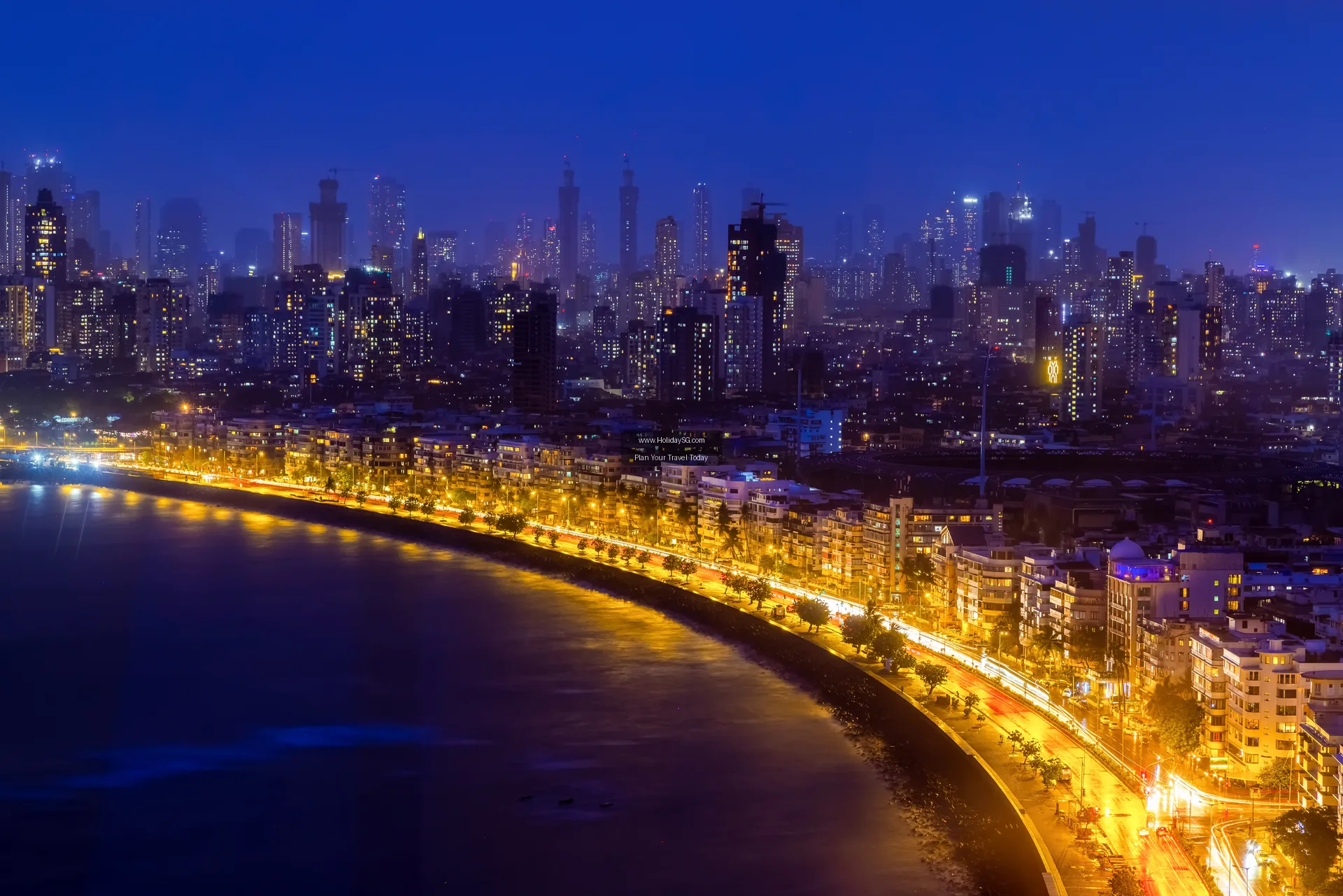
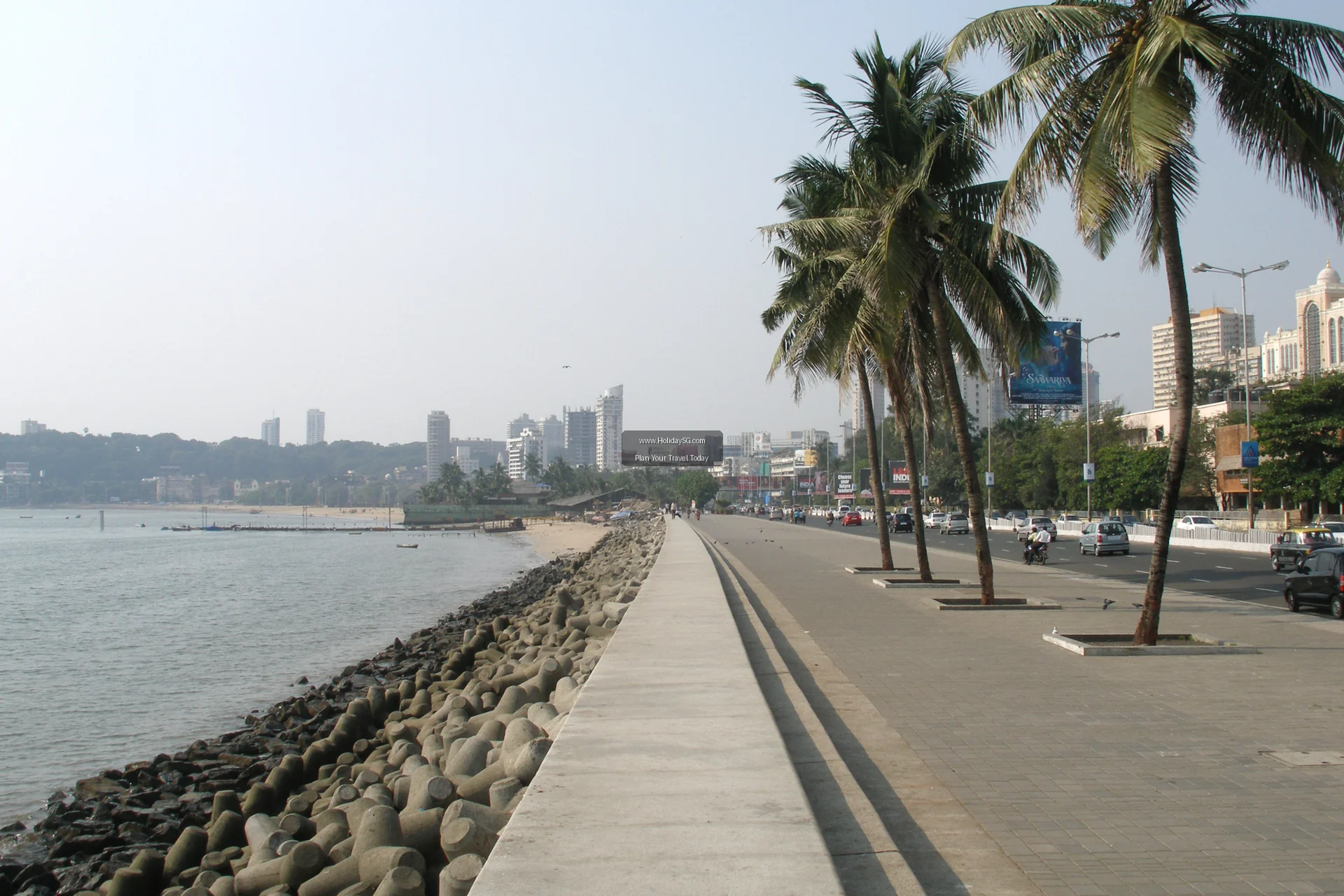
Mumbai, India’s financial capital, is a city of dreams—literally. Take a Bollywood studio tour to see how India’s film industry churns out blockbusters, or explore the Elephanta Caves, a UNESCO-listed site with ancient rock-cut temples. Delhi, the country’s capital, is a blend of old and new, from the Mughal-era Red Fort to the modern Akshardham Temple. Meanwhile, Bengaluru and Hyderabad offer a taste of India’s tech boom, with historic sites like the Charminar and Bangalore Palace adding cultural depth.
Best Time to Visit India
India’s climate varies dramatically by region, so timing your trip is key.
- October to March (Peak Season): The most comfortable time to visit, with cool, dry weather (10°C–25°C) across most of the country. This is ideal for exploring the Golden Triangle (Delhi, Agra, Jaipur), attending festivals like Diwali and Holi, or trekking in the Himalayas. However, it’s also the busiest and most expensive time.
- April to June (Summer): Temperatures soar (up to 45°C in some areas), but this is the best time to escape to hill stations like Shimla, Manali, or Darjeeling. Wildlife safaris in central India are also rewarding during this period, as animals gather around water sources.
- July to September (Monsoon): Heavy rains transform the landscape into a lush green paradise, especially in Kerala and Goa. However, flooding and landslides can disrupt travel in some regions. If you don’t mind the rain, this is a great time to experience Ayurvedic retreats in Kerala or enjoy lower prices.
India Visa Requirements & Entry Rules
Most travelers need an e-Visa to enter India. Here’s what you need to know:
- E-Visa Options: Available for 30 days (double entry), 1 year (multiple entries), or 5 years (multiple entries). Apply online at least 4–7 days before travel via the official government portal.
- Passport Validity: Must be valid for at least 6 months beyond your arrival date.
- Visa on Arrival (VoA): No longer available for most nationalities; the e-Visa is mandatory.
- Overstaying: Fines apply (₹500–₹10,000 per day), and you may face deportation or future entry bans.
For hassle-free connectivity upon arrival, consider pre-ordering an eSIM like the 14 Day 15GB Unlimited India Traveller eSIM to avoid queues at the airport.
Budgeting for Your India Trip
India is one of the most budget-friendly destinations in the world, but costs vary widely depending on your travel style.
Typical Costs for Travelers
- Budget: ₹1,500–₹3,000 per day ($18–$36 USD)
- Hostels or budget guesthouses (₹500–₹1,500/night)
- Street food and local eateries (₹100–₹300/meal)
- Public transport (buses, trains, metro)
- Mid-Range: ₹4,000–₹8,000 per day ($48–$96 USD)
- 3-star hotels or boutique homestays (₹2,000–₹4,000/night)
- Local restaurants and occasional fine dining (₹500–₹1,500/meal)
- Private taxis or ride-hailing (Uber/Ola)
- Luxury: ₹15,000+ per day ($180+ USD)
- 5-star hotels or heritage palaces (₹10,000+/night)
- Fine dining and guided tours
- Domestic flights and private drivers
Saving Money on Flights, Trains, and Accommodation
- Domestic Flights: Book 2–3 months in advance with budget airlines like IndiGo or SpiceJet for fares as low as ₹3,000 ($36 USD) one-way (e.g., Delhi to Goa).
- Trains: India’s rail network is extensive and affordable. Book via the HolidaySG website and opt for 3AC (air-conditioned sleeper) or 2AC for comfort. Scenic routes like the Toy Train to Darjeeling or the Palace on Wheels (luxury train) are worth the splurge.
- Accommodation: Hostels like Zostel or GoStops offer dorm beds for ₹300–₹800/night, while homestays and guesthouses provide local charm at ₹1,000–₹2,500/night.
Getting Around India: Transportation Guide
India’s transportation options range from chaotic to convenient. Here’s how to navigate them:
Trains: India’s Lifeline
- Booking: Use the HolidaySG website or apps like HolidaySG to check schedules and book tickets. Popular classes:
- Sleeper Class (SL): Budget-friendly but crowded (₹500–₹1,500).
- 3AC (3-tier AC): Comfortable for overnight journeys (₹1,500–₹3,000).
- 2AC (2-tier AC): More privacy and space (₹2,500–₹5,000).
- 1AC (1st Class AC): Luxury option with lockable cabins (₹5,000+).
- Tips: Book tatkal tickets (last-minute reservations) if your plans are flexible, but expect higher fares.
Domestic Flights
- Budget Airlines: IndiGo, SpiceJet, and Vistara offer cheap fares. Book early for the best deals.
- Popular Routes: Delhi to Goa (2.5 hours), Mumbai to Varanasi (2 hours), or Delhi to Leh (1.5 hours).
Metros & Local Transport
- Metro Systems: Available in Delhi, Mumbai, Bengaluru, Chennai, and Kolkata. Efficient, air-conditioned, and affordable (₹10–₹50 per ride).
- Auto-Rickshaws & Taxis: Use Uber or Ola for fixed fares. For auto-rickshaws, negotiate the price beforehand or insist on the meter. A short ride in Delhi or Mumbai costs ₹100–₹300.
Self-Drive & Road Trips
- Not Recommended for First-Timers: India’s traffic is chaotic, with erratic drivers and poor road conditions in rural areas. If you’re determined, rent a car with a driver (₹2,500–₹4,000/day) for a safer experience.
Health & Safety Tips for Travelers
Vaccinations & Medical Precautions
- Recommended Vaccines: Hepatitis A/B, Typhoid, Tetanus, and Influenza. For rural areas, consider Rabies and Japanese Encephalitis.
- Malaria & Dengue: Use mosquito repellent and wear long sleeves in high-risk areas (e.g., Goa, Kerala, Northeast India).
- Altitude Sickness: If trekking in Leh-Ladakh or Uttarakhand, acclimatize for 1–2 days. Carry Diamox if you’re prone to altitude issues.
Food & Water Safety
- Water: Drink only bottled or filtered water. Avoid ice in drinks and brushing your teeth with tap water.
- Street Food: Delicious but risky if you have a sensitive stomach. Stick to busy stalls with high turnover, and avoid raw salads or unpeeled fruits.
- Medications: Carry rehydration salts, antidiarrheal meds (Imodium), and probiotics to combat “Delhi Belly.”
Common Scams & How to Avoid Them
- “Taj Mahal is Closed” Scam: Ignore anyone claiming the Taj is closed for a “special ceremony.” The monument is open daily except Fridays.
- Overcharging Taxis: Use prepaid taxi counters at airports or ride-hailing apps. Always confirm the fare before getting in.
- Fake Tour Guides: Hire guides only from government-approved agencies or your hotel.
- Gem Scams: Avoid “too good to be true” deals on jewelry or gemstones—these are often fakes.
Safety for Solo Travelers (Especially Women)
- Dress Modestly: Cover shoulders and knees, especially in rural areas and religious sites.
- Avoid Late-Night Travel: Use trusted transport like Uber or prepaid taxis after dark.
- Stay in Well-Reviewed Accommodations: Hostels like Zostel or The Hostel Crowd are social but safe for solo travelers.
- Trust Your Instincts: If a situation feels off, remove yourself from it.
Cultural Etiquette & Local Customs
India’s cultural norms can be vastly different from the West. Here’s how to navigate them respectfully:
Dress Code
- Temples & Religious Sites: Cover shoulders and knees. Remove shoes before entering.
- Conservative Areas: In rural Rajasthan or small towns, avoid shorts or sleeveless tops.
- Beaches: Goa is more liberal, but cover up when leaving the beach.
Greetings & Social Norms
- Namaste: The traditional greeting (palms pressed together) is widely accepted. Handshakes are common in urban areas but avoid initiating them with the opposite gender in conservative regions.
- Public Displays of Affection: Kissing or hugging in public is frowned upon, especially in rural areas.
Tipping Culture
- Restaurants: 10% of the bill if service isn’t included.
- Drivers & Guides: ₹50–₹100 per day for drivers; ₹200–₹500 for guides.
- Porters & Helpers: ₹20–₹50 for small services.
Bargaining in Markets
- Where to Bargain: Markets like Delhi’s Chandni Chowk, Jaipur’s Johari Bazaar, or Goa’s Anjuna Flea Market.
- How to Bargain: Start at 50% of the asking price and negotiate with a smile. If the vendor won’t budge, walk away—often, they’ll call you back with a better offer.
Photography Etiquette
- Ask Permission: Before photographing locals, especially in rural areas or religious ceremonies.
- Temples & Monuments: Some sites charge a camera fee (₹50–₹200). Flash photography is often prohibited.
Staying Connected: SIM Cards & Internet in India
Staying connected is easy with India’s affordable mobile networks. Here’s how to get online:
Buying a SIM Card
- Where to Buy: Airports, official stores (Airtel, Jio, Vi), or authorized resellers. Avoid street vendors selling “unofficial” SIMs.
- Documents Required: Passport copy, visa copy, and a passport-sized photo.
- Activation Time: 24–48 hours (eSIMs activate instantly).
Best Mobile Networks
- Jio: Best coverage and data speeds (₹249 for 1.5GB/day for 28 days).
- Airtel: Reliable in urban areas (₹299 for 1.5GB/day for 28 days).
- Vi (Vodafone-Idea): Good for rural areas (₹249 for 1.5GB/day for 28 days).
eSIMs for Convenience
If you don’t want to deal with physical SIMs, consider an eSIM like the Airalo India eSIM Package, which offers instant activation and nationwide coverage.
Wi-Fi Availability
- Hotels & Cafés: Most mid-range and luxury hotels offer free Wi-Fi, but speeds can be slow. Cafés like Starbucks or Café Coffee Day provide reliable connections.
- Public Wi-Fi: Limited and often requires an Indian phone number for OTP verification.
Money Matters: Currency, Payments, and ATMs
Indian Rupee (INR)
- Exchange Rate: ₹1 ≈ $0.012 USD (check current rates on XE.com).
- Where to Exchange: Banks, authorized exchange counters, or ATMs. Avoid exchanging money at airports (poor rates) or with street vendors (risk of counterfeit notes).
Cash vs. Card
- Cash: Preferred in rural areas, small shops, and street markets. Carry small denominations (₹100, ₹200) for auto-rickshaws and tips.
- Credit/Debit Cards: Accepted in hotels, upscale restaurants, and malls. Visa and Mastercard are widely used; Amex is less common.
- Digital Payments: Paytm, Google Pay, and PhonePe are popular for small transactions (e.g., street food, taxis).
ATMs & Withdrawals
- Availability: ATMs are everywhere, even in small towns. Stick to bank-affiliated ATMs (e.g., SBI, HDFC, ICICI) to avoid skimming.
- Withdrawal Fees: ₹200–₹500 per transaction (check your bank’s foreign transaction fees).
- Daily Limit: ₹10,000–₹50,000 (varies by bank).
Language Guide: Communicating in India
India has 22 officially recognized languages, but English and Hindi are the most widely understood.
Hindi Basics for Travelers
- Greetings:
- Namaste (Hello)
- Dhanyavaad (Thank you)
- Kaise ho? (How are you?)
- Directions:
- Kahaan hai…? (Where is…?)
- Seedha (Straight)
- Daaye/Baaye (Right/Left)
- Shopping:
- Kitne ka hai? (How much is this?)
- Thoda kam karo (Reduce the price a little)
English in India
- Where It’s Spoken: Cities, tourist areas, hotels, and airports. Fluency varies—some Indians speak fluent English, while others may struggle with accents or complex sentences.
- Where It’s Not Spoken: Rural areas, small towns, and local markets. Learning a few Hindi phrases will go a long way.
Regional Languages
- South India: Tamil (Tamil Nadu), Malayalam (Kerala), Kannada (Karnataka), Telugu (Andhra Pradesh/Telangana).
- East India: Bengali (West Bengal), Odia (Odisha).
- West India: Marathi (Maharashtra), Gujarati (Gujarat).
- North India: Punjabi (Punjab), Kashmiri (Jammu & Kashmir).
Festivals & Events: Best Time to Experience India’s Culture
India’s calendar is packed with festivals, each offering a unique glimpse into its culture.
Diwali (October/November)
- The Festival of Lights: Celebrated nationwide with fireworks, oil lamps (diyas), and sweets. The best places to experience Diwali are Jaipur, Varanasi, and Amritsar.
Holi (March)
- The Festival of Colors: People throw colored powder and water at each other, dance to music, and feast on sweets. Mathura and Vrindavan host the most vibrant celebrations.
Pushkar Camel Fair (November)
- Rajasthan’s Livestock Extravaganza: Thousands of camels, horses, and cattle are traded, accompanied by cultural performances, folk music, and hot-air balloon rides.
Durga Puja (October)
- Kolkata’s Grandest Festival: Elaborate pandals (temporary temples) are set up across the city, showcasing artistic depictions of the goddess Durga. The streets come alive with food stalls, music, and processions.
Kumbh Mela (Every 3 Years, Next in 2025)
- The World’s Largest Religious Gathering: Millions of pilgrims bathe in the Ganges at Prayagraj (Allahabad) to wash away their sins. The next Kumbh Mela is in 2025—don’t miss it if you’re in India!
Unique Experiences You Can’t Miss in India
Beyond the usual tourist trail, India offers experiences that will stay with you forever.
Sunrise Boat Ride on the Ganges in Varanasi
Witness the city come alive as the sun rises over the Ganges. Pilgrims bathe in the sacred waters, priests chant hymns, and the ghats glow in the golden light. Hire a boat at Dashashwamedh Ghat for the best views.
Staying in a Heritage Palace Hotel
Live like royalty in a heritage palace converted into a hotel. Udaipur’s Taj Lake Palace (floating on Lake Pichola) or Jaipur’s Rambagh Palace (once home to the Maharaja of Jaipur) offer opulent stays with modern comforts.
Bollywood Dance Class in Mumbai
Learn the moves behind India’s iconic film industry with a Bollywood dance class. Studios like Shiamak Davar’s Institute offer beginner-friendly sessions where you’ll dance to popular Hindi songs.
Trekking in the Valley of Flowers (Uttarakhand)
This UNESCO-listed national park bursts into color every July–September with thousands of alpine flowers. The 4-day trek from Govindghat to the valley is challenging but rewarding, with views of snow-capped peaks and cascading waterfalls.
Cooking Class in Kerala or Delhi
Learn to cook authentic Indian dishes with a local chef. In Kerala, classes focus on coconut-based curries and seafood, while in Delhi, you’ll master North Indian staples like butter chicken and biryani. Many classes include a market tour to source fresh ingredients.
Common Traveler Questions About India
Is India Safe for Solo Female Travelers?
Yes, but with precautions. Stick to well-traveled routes, avoid isolated areas at night, and dress modestly. Solo female travelers often recommend staying in female-only dorms or women-friendly hostels like Zostel. Apps like Safetipin can help you assess the safety of neighborhoods.
How Many Days Do You Need to Explore India?
- 10–14 Days: Enough for the Golden Triangle (Delhi, Agra, Jaipur) and a short trip to Varanasi or Goa.
- 3–4 Weeks: Ideal for a deeper dive, covering Rajasthan, Kerala, the Himalayas, and Mumbai.
- 2+ Months: For long-term travelers who want to explore offbeat destinations like Northeast India, Andaman Islands, or rural villages.
Can You Use USD or EUR in India?
No. India’s official currency is the Indian Rupee (INR), and foreign currencies are not accepted for most transactions. Exchange money at banks or authorized counters—avoid street vendors.
Is Vegetarian Food Widely Available?
Absolutely! India is a vegetarian’s paradise, with diverse options like dal (lentil curry), paneer (cottage cheese) dishes, dosas (fermented crepes), and thalis (platter meals). Many restaurants label dishes as veg or non-veg for clarity.
What Should You Pack for an India Trip?
- Clothing: Lightweight, breathable fabrics (cotton/linen) for hot weather; layers for cooler regions. A scarf or shawl is useful for temples and chilly evenings.
- Footwear: Comfortable walking shoes (e.g., sandals or sneakers) and flip-flops for showers.
- Health Essentials: Hand sanitizer, wet wipes, rehydration salts, antidiarrheal meds, and a basic first-aid kit.
- Electronics: Universal adapter (India uses Type D/M plugs, 230V), power bank, and eSIM or local SIM for connectivity.
- Miscellaneous: Sunglasses, hat, sunscreen, insect repellent, and a lock for your luggage.
Final Tips for an Unforgettable India Trip
- Plan Ahead but Stay Flexible: India rewards spontaneity—leave room in your itinerary for unexpected detours.
- Embrace the Chaos: Traffic, crowds, and noise can be overwhelming, but they’re part of the experience. Take deep breaths and go with the flow.
- Respect Local Culture: Dress modestly, ask before taking photos, and observe religious customs.
- Travel Responsibly: Support local businesses, avoid single-use plastics, and choose eco-friendly tours.
Recommended HolidaySG Tours
Stay connected and make the most of your India adventure with these convenient options:
- 14 Day 15GB Unlimited India Traveller eSIM Instant Activation Nationwide
- Sim Card India Data Plan Tourist Simcard Internet Travel Package Total Data
- Sim Card India Data Plan Tourist Simcard Internet Travel Package Daily Data
- India eSIM Free Roaming Mobile Data
Ready to explore India with seamless connectivity? Get your 14 Day 15GB Unlimited India Traveller eSIM today and stay connected from the moment you land!
Book with HolidaySG online for 14 Day 15gb Unlimited India Traveller Esim Instant Activation Nationwide, Sim Card India Data Plan Tourist Simcard Internet Travel Package Total Data, Sim Card India Data Plan Tourist Simcard Internet Travel Package Daily Data.
More Photos from HolidaySG
“`html
Frequently Asked Questions
Where can I book a SIM card or eSIM for India?
- 14-Day 15GB Unlimited India Traveller eSIM (Nationwide Coverage)
- India Tourist SIM Card with Total Data Plan
- India Tourist SIM Card with Daily Data Plan
- India eSIM with Free Roaming Mobile Data
- Airalo India eSIM Package
These options provide instant activation and are ideal for travelers needing seamless connectivity.
Do foreigners (non-citizens) need a different ticket, price, or visa for India?
Yes, foreigners typically require a visa to enter India, unless they are from a visa-exempt country. India offers e-Visas for tourism, business, and medical visits, which can be applied for online before travel. Prices for attractions may vary for foreigners, with some sites charging higher entry fees for international visitors. Always check the latest visa requirements and entry fees on official Indian government websites or consult your local Indian embassy, as rules can change.
What is the best time to visit India?
The best time to visit India is during the cooler, dry months from October to March. This period offers pleasant weather across most of the country, making it ideal for sightseeing, festivals, and outdoor activities. Avoid the monsoon season (June to September) in most regions, as heavy rains can disrupt travel plans. For specific activities like trekking in the Himalayas, April to June is preferable, while wildlife safaris in national parks are best from October to February.
How long should I spend in India to explore it properly?
The ideal duration for a trip to India depends on your interests, but a minimum of 10 to 14 days is recommended to experience its diversity. For a comprehensive trip covering multiple regions (e.g., Delhi, Rajasthan, Kerala, and Goa), plan for 3 to 4 weeks. If you’re focusing on a specific area, such as the Golden Triangle (Delhi, Agra, Jaipur), 7 to 10 days is sufficient.
What are the must-visit destinations in India?
India is packed with iconic destinations. Must-visit places include:
- The Taj Mahal in Agra
- Jaipur’s palaces and forts in Rajasthan
- Varanasi’s spiritual ghats along the Ganges
- Kerala’s backwaters and houseboats
- Goa’s beaches and Portuguese-influenced culture
- The Himalayan regions of Himachal Pradesh and Uttarakhand
- Mumbai’s vibrant city life and Bollywood connections
- Kolkata’s colonial heritage and cultural landmarks
Each region offers a unique experience, so prioritize based on your interests.
How much does a trip to India typically cost?
Costs vary widely depending on travel style. Budget travelers can expect to spend around $30–$50 USD per day, covering basic accommodation, street food, and public transport. Mid-range travelers might spend $80–$150 USD per day for comfortable hotels, restaurant meals, and private transport. Luxury travel can exceed $250 USD per day. Major expenses include flights, accommodation, and entry fees to attractions, while food and local transport are relatively affordable.
How do I get around in India?
India has an extensive transport network. Domestic flights connect major cities quickly, while trains (including the famous Indian Railways) are a scenic and affordable option for long distances. Buses range from basic state-run services to luxury private coaches. For short distances, auto-rickshaws, taxis (use apps like Uber or Ola), and metro systems (in cities like Delhi and Mumbai) are convenient. Renting a car with a driver is also a popular choice for tourists.
Is India safe for solo travelers, especially women?
India is generally safe for solo travelers, including women, but it requires extra caution. Petty theft and scams can occur in tourist areas, so stay vigilant with belongings. Women should dress modestly to avoid unwanted attention and prefer well-populated areas, especially at night. Use trusted transport options and avoid isolated places. Many solo female travelers visit India without issues, but researching local customs and safety tips is essential.
What should I pack for a trip to India?
Packing for India depends on the season and regions you visit. Essentials include:
- Lightweight, breathable clothing (covering shoulders and knees for cultural respect)
- Comfortable walking shoes
- Sunscreen, sunglasses, and a hat
- Insect repellent
- A scarf or shawl for temples and cooler evenings
- Basic medical kit (including rehydration salts and antidiarrheal medication)
- Power adapter (India uses Type D and M plugs, 230V)
- Copies of important documents (passport, visa, travel insurance)
For colder regions like the Himalayas, pack warm layers.
Is India family-friendly for travelers with kids?
Yes, India is family-friendly, but it requires careful planning. Children may find the chaos overwhelming, so start with well-touristed areas like Goa, Kerala, or Rajasthan. Many hotels and resorts offer family-friendly amenities, and attractions like wildlife sanctuaries, beaches, and forts can be exciting for kids. However, be mindful of hygiene, food choices, and long travel times, which can be challenging for younger children.
What are the local customs and etiquette I should be aware of?
India has rich cultural traditions. Key etiquette tips include:
- Greet people with a “Namaste” (hands pressed together) instead of handshakes.
- Remove shoes before entering temples, homes, and some shops.
- Dress modestly, especially in rural areas and religious sites.
- Avoid public displays of affection.
- Use your right hand for eating and giving/receiving items, as the left is considered unclean.
- Bargain politely in markets but avoid aggressive haggling.
- Ask before taking photos of people, especially in rural areas.
Respecting local customs enhances your experience and avoids misunderstandings.
What are the best foods to try in India?
India’s cuisine is diverse and flavorful. Must-try dishes include:
- Butter chicken and naan (North India)
- Dosa and sambar (South India)
- Biryani (Hyderabadi or Lucknowi style)
- Street food like pani puri, bhel puri, and chaat
- Thali (a platter with multiple dishes)
- Fresh seafood in coastal regions like Goa and Kerala
- Regional sweets like rasgulla (Bengal), jalebi, and gulab jamun
Vegetarians will find plenty of options, while meat lovers can enjoy spicy curries and kebabs.
Do I need any vaccinations before traveling to India?
Yes, some vaccinations are recommended before traveling to India. Common ones include:
- Hepatitis A and B
- Typhoid
- Tetanus
- Japanese Encephalitis (for rural areas)
- Rabies (if you plan to interact with animals)
- COVID-19 (check current requirements)
Consult a travel clinic or healthcare provider at least 4–6 weeks before your trip for personalized advice.
What is the currency in India, and how should I handle money?
India’s currency is the Indian Rupee (INR). Carry a mix of cash (for small vendors, rural areas, and markets) and cards (accepted in hotels, restaurants, and larger shops). ATMs are widely available, but notify your bank before traveling to avoid card blocks. Avoid exchanging money on the street; use authorized exchange counters or banks. Digital payments (UPI, Paytm) are also popular, but not all vendors accept them.
Is India accessible for travelers with disabilities?
Accessibility in India varies. Major cities like Delhi, Mumbai, and Bengaluru have improved infrastructure, including ramps and accessible public transport, but many older buildings, temples, and rural areas lack facilities. Some hotels and attractions offer accessible rooms and services, but it’s best to confirm in advance. Travelers with disabilities may face challenges like uneven sidewalks and crowded spaces, so planning with a local tour operator can help.
What are some common scams to avoid in India?
Tourist scams are common in popular destinations. Be wary of:
- Fake tour guides offering “free” services or overcharging.
- Taxi drivers taking longer routes or refusing to use meters.
- Gem scams (selling fake or overpriced stones).
- Temple donation scams (demanding money for blessings).
- Pickpocketing in crowded areas like markets and trains.
- Fake police officers asking for “fines” or passport checks.
Always use licensed guides, prepaid taxis, and verify prices before purchasing.
Can I drink tap water in India?
No, tap water in India is not safe to drink. Stick to bottled or filtered water, and ensure the seal is intact when purchasing. Avoid ice in drinks unless you’re certain it’s made from purified water. Brush your teeth with bottled water to prevent stomach issues. Many hotels and restaurants provide safe drinking water, but carry a reusable bottle with a filter for added safety.
What are the best ways to experience India’s culture?
To immerse yourself in India’s culture:
- Attend festivals like Diwali, Holi, or Durga Puja.
- Visit local markets and bazaars for handicrafts and textiles.
- Take a cooking class to learn regional dishes.
- Watch a classical dance or music performance (e.g., Bharatanatyam, Kathak).
- Stay in heritage hotels or homestays for a local experience.
- Participate in a yoga or meditation retreat.
- Explore rural villages to see traditional lifestyles.
Engaging with locals and trying new experiences will deepen your understanding of India’s rich heritage.
How reliable is internet connectivity in India?
Wi-Fi is available in most hotels and cafes, but speeds may be slower than expected.
What are some off-the-beaten-path destinations in India?
For travelers seeking unique experiences, consider these lesser-known gems:
- Spiti Valley (Himachal Pradesh) – A remote Himalayan desert with stunning landscapes.
- Chettinad (Tamil Nadu) – Known for its heritage mansions and spicy cuisine.
- Majuli (Assam) – The world’s largest river island with vibrant tribal culture.
- Hampi (Karnataka) – Ancient ruins and boulder-strewn landscapes.
- Dzukou Valley (Nagaland) – A pristine valley with rare flowers and trekking trails.
- Gokarna (Karnataka) – A quieter alternative to Goa’s beaches.
- Khajjiar (Himachal Pradesh) – Often called “Mini Switzerland” for its scenic beauty.
These destinations offer a break from crowds and a deeper connection to India’s diversity.
What should I do in case of an emergency in India?
In case of an emergency:
- Dial 112 for police, fire, or medical assistance (India’s universal emergency number).
- For medical emergencies, call 108 (ambulance service).
- Contact your country’s embassy or consulate for assistance with lost passports or legal issues.
- Keep a list of local emergency contacts, including your hotel and tour operator.
- Travel insurance is highly recommended to cover medical emergencies, theft, or trip disruptions.
Stay calm and seek help from authorities or trusted locals.
“`
What things cost in India
Live HolidaySG prices for the experiences in this guide, so you can sanity-check a budget before you commit.
| Experience | Where | From price |
|---|---|---|
| 080 Domestic Lounge Kempegowda International Airport | Bangalore | From S$45.25 |
| 080 International Lounge Kempegowda International Airport | Bangalore | From S$50.91 |
| 080 Lounge (Domestic T2) Kempegowda International Airport | Bangalore | From S$40.38 |
| 080 Lounge - Arrival T2 Kempegowda International Airport | Bangalore | From S$46.47 |
| Bird Lounge Biju Patnaik Airport | Bhubaneswar | From S$26.19 |
| Bird Lounge Jolly Grant Airport | Dehradun | From S$26.19 |
| Bird Lounge Kozhikode International Airport | Calicut | From S$32.11 |
| Encalm Lounge (Domestic) Manohar International Airport | Goa | From S$42.83 |