

India is a destination that defies simple description. It hits you with a sensory overload of colours, sounds, and flavours, yet rewards you with some of the most profound travel experiences on the planet. Whether you are chasing the spiritual dawn on the Ganges, exploring the snow-dusted peaks of Ladakh, or digging into a spicy plate of street food in Mumbai, India in 2026 promises to be an incredible journey. This India Travel Guide 2026: Best Tips, Places & Travel Advice is packed with the best tips, top attractions, and essential travel advice to help you plan a smooth and unforgettable trip.
TL;DR: The best time to visit India is between October and March for cool, dry weather across most regions. An e-Visa is mandatory for most nationalities, and booking trains or flights well in advance through official channels saves both money and hassle. This guide covers the country’s top destinations, typical costs, safety tips, and cultural etiquette to ensure a rewarding adventure in 2026.
Why Visit India in 2026?
A Land of Diversity and Contrasts
India is not one country but a collection of dozens. Within a few hundred kilometres, the landscape shifts from arid desert to lush tropical backwaters, and then to misty Himalayan peaks. This incredible diversity means you can customise your trip around exactly what you love—history, nature, wildlife, or cuisine.
Unique Experiences You Can’t Find Elsewhere
Few places in the world offer experiences as profound as watching the Ganga Aarti in Varanasi, riding a steam-powered Toy Train through Darjeeling’s tea estates, or camping under the stars in the remote Spiti Valley. India doesn’t just show you sights; it immerses you in living traditions that have thrived for thousands of years.
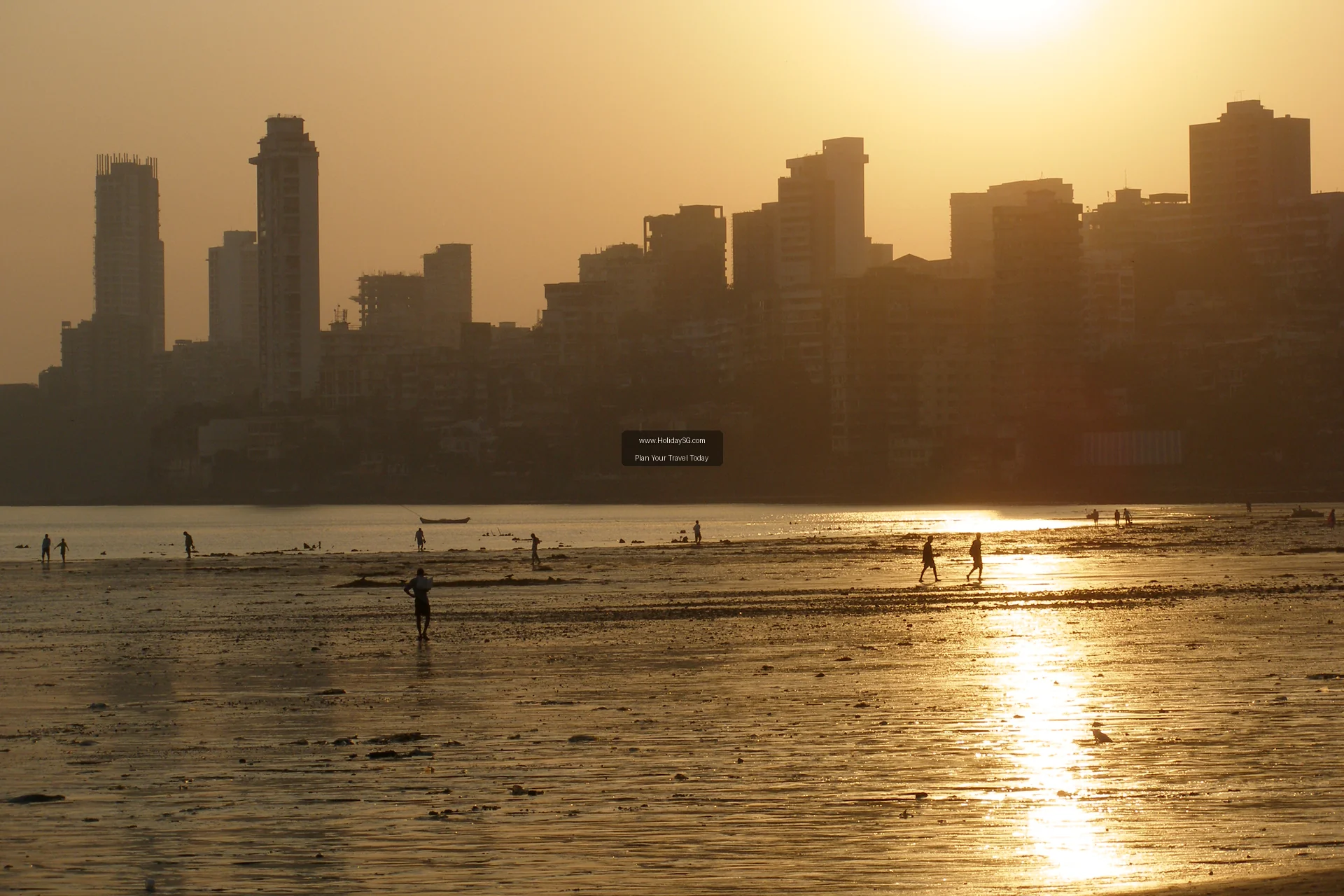
Festivals and Events to Plan Your Trip Around
If you want to see India at its most vibrant, time your visit with one of its major festivals. The calendar is packed with colour and celebration, offering a perfect window into the culture. We have highlighted the key 2026 events later in this guide to help you plan your itinerary.
Best Time to Visit India
Ready to go? Book 14 Day 15gb Unlimited India Traveller Esim Instant Activation Nationwide with HolidaySG.
October to March – The Peak Season (Cool and Dry)
This is widely considered the best time to visit India. The weather is pleasant and sunny across most of the country, making it ideal for sightseeing. It is the perfect season for exploring the Golden Triangle, Rajasthan, and Goa. Expect clear skies and comfortable temperatures, though this is also the busiest tourist period.
April to June – Hot Weather and Hill Station Escapes
The summer heat hits the plains hard, but this is the prime time to head for the hills. Hill stations like Shimla, Manali, Darjeeling, and the Himalayan regions of Ladakh and Spiti are at their most accessible. The weather is perfect for trekking and escaping the monsoon further south.
July to September – Monsoon Magic and Travel Considerations
The monsoon transforms India into a lush, green paradise. It is a fantastic time for Ayurveda treatments in Kerala or for witnessing the dramatic landscapes of the Western Ghats. However, travel can be disrupted by heavy rain and landslides in northern areas. It is generally best to avoid trekking in the Himalayas during this period.
Top Attractions in India by Region
North India – Icons and Himalayan Adventures
- Taj Mahal (Agra): The ultimate symbol of love and a must-see at sunrise.
- Varanasi: The spiritual capital of India, famous for its ghats and Ganga Aarti.
- Jaipur: The Pink City, home to the Hawa Mahal and Amber Fort.
- Delhi: A historic capital blending Mughal ruins with modern buzz.
- Leh-Ladakh: High-altitude desert landscapes, monasteries, and thrilling mountain passes.
South India – Beaches, Backwaters, and Culture
- Kerala Backwaters: Cruise through serene lagoons in Alleppey and Kumarakom.
- Goa: World-famous beaches, Portuguese heritage, and vibrant nightlife.
- Hampi: A surreal landscape of ancient Vijayanagara ruins.
- Mysore Palace: One of India’s most magnificent royal residences.
- Munnar: Rolling tea plantations perfect for a cool retreat.
East India – Tea Gardens and Wildlife
- Kolkata: The cultural capital, famous for its colonial architecture and Durga Puja.
- Darjeeling: Iconic Toy Train, stunning tea gardens, and Himalayan views.
- Sundarbans: The world’s largest mangrove forest and a haven for tiger spotting.
West India – Bollywood, Deserts, and Coastlines
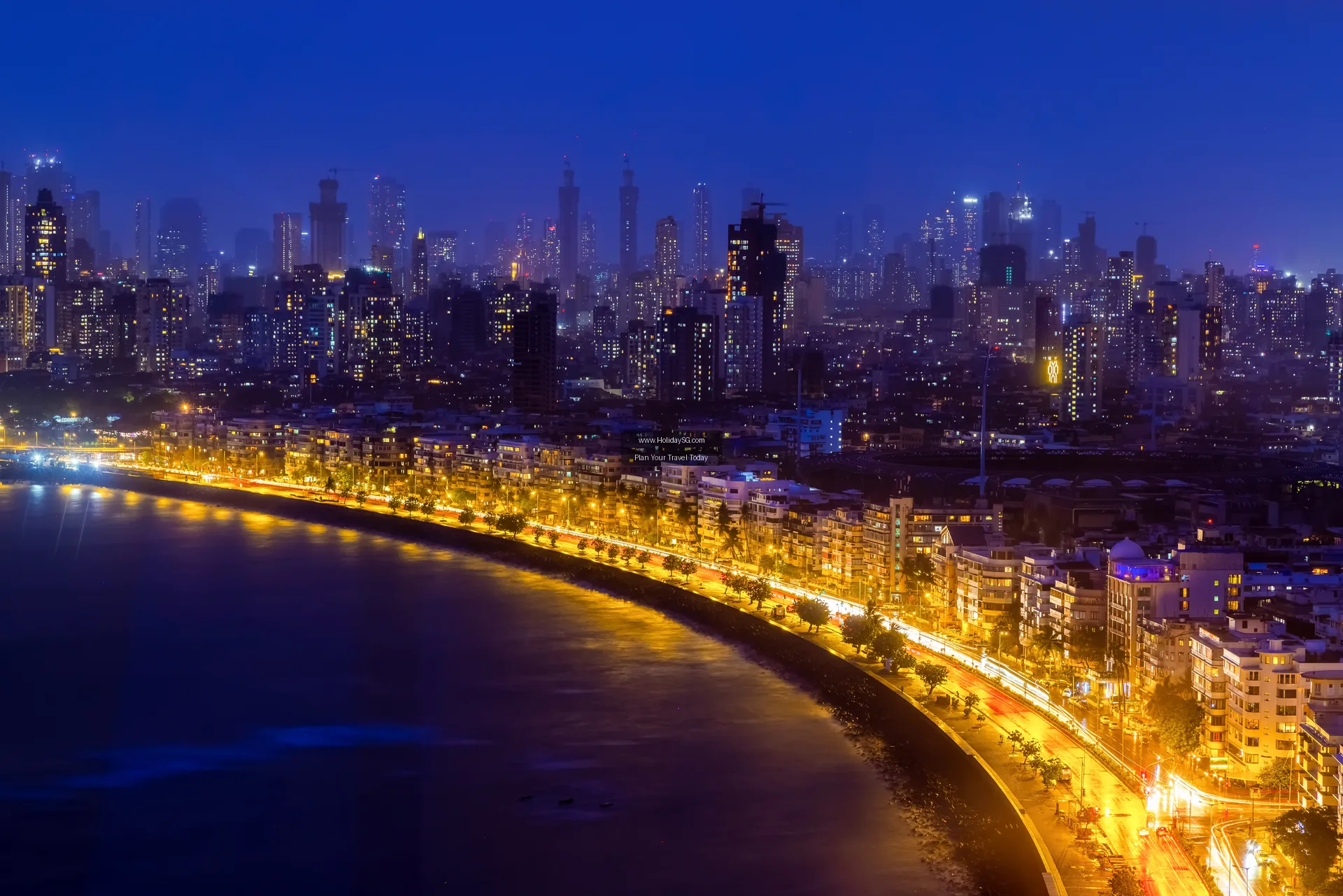
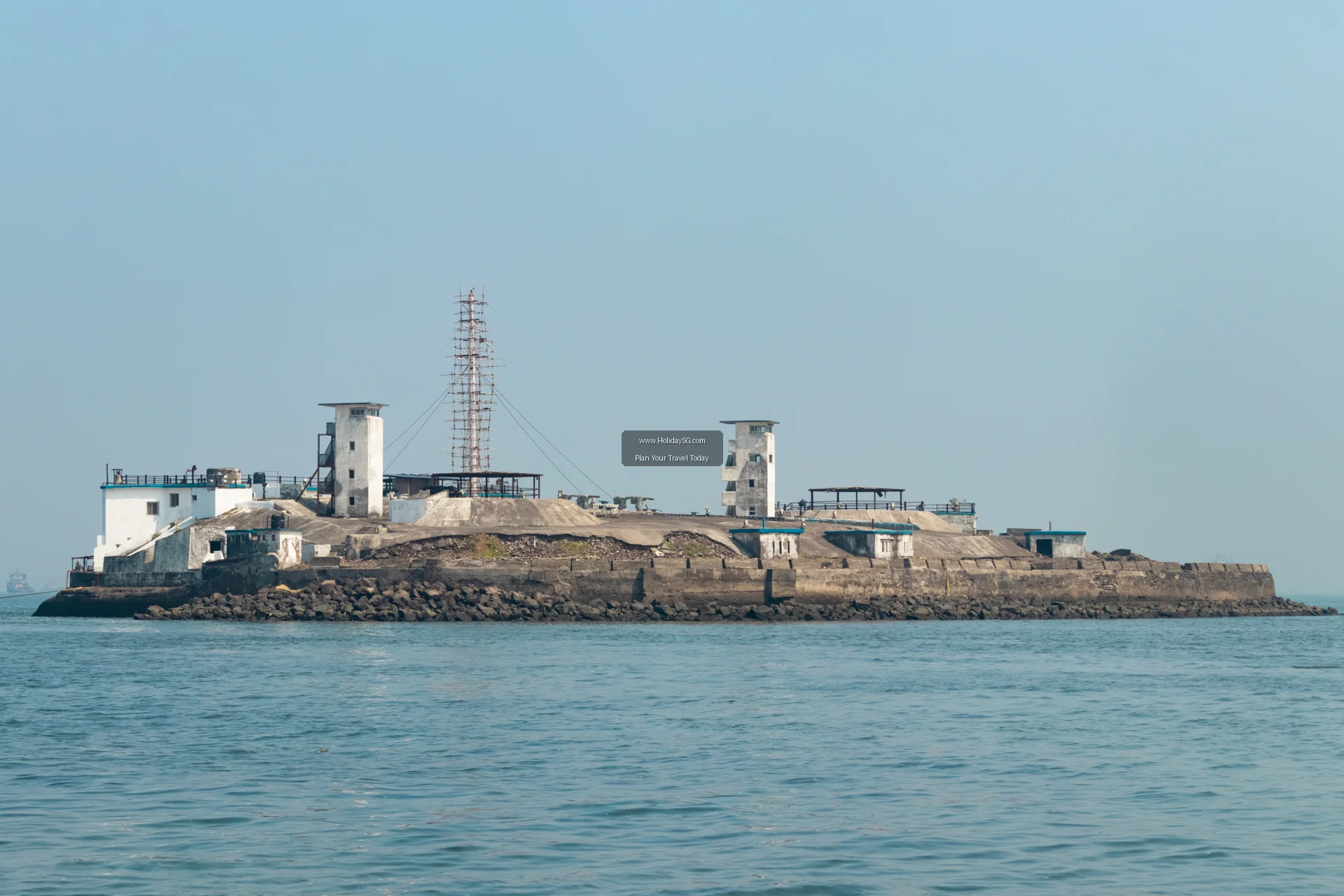
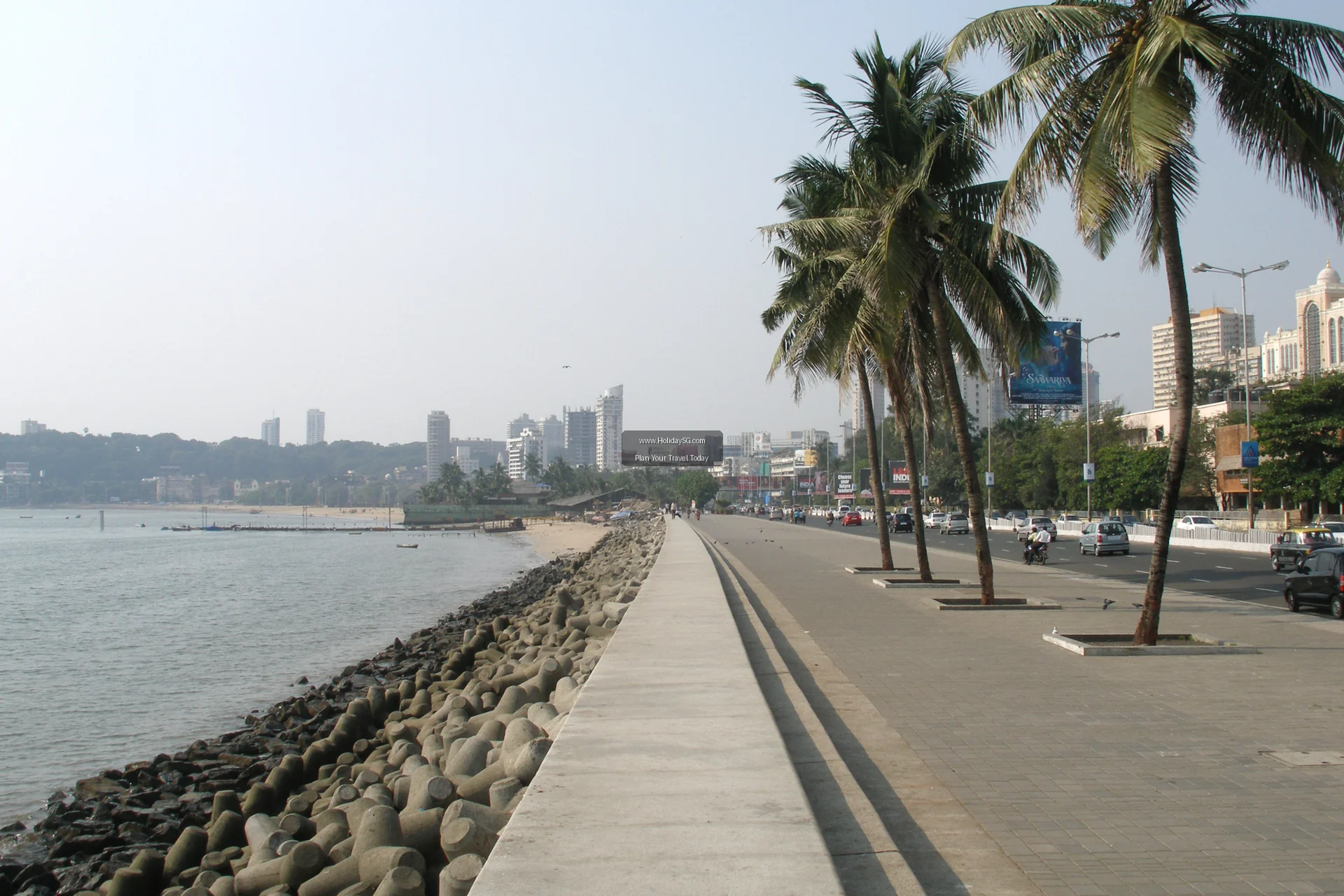
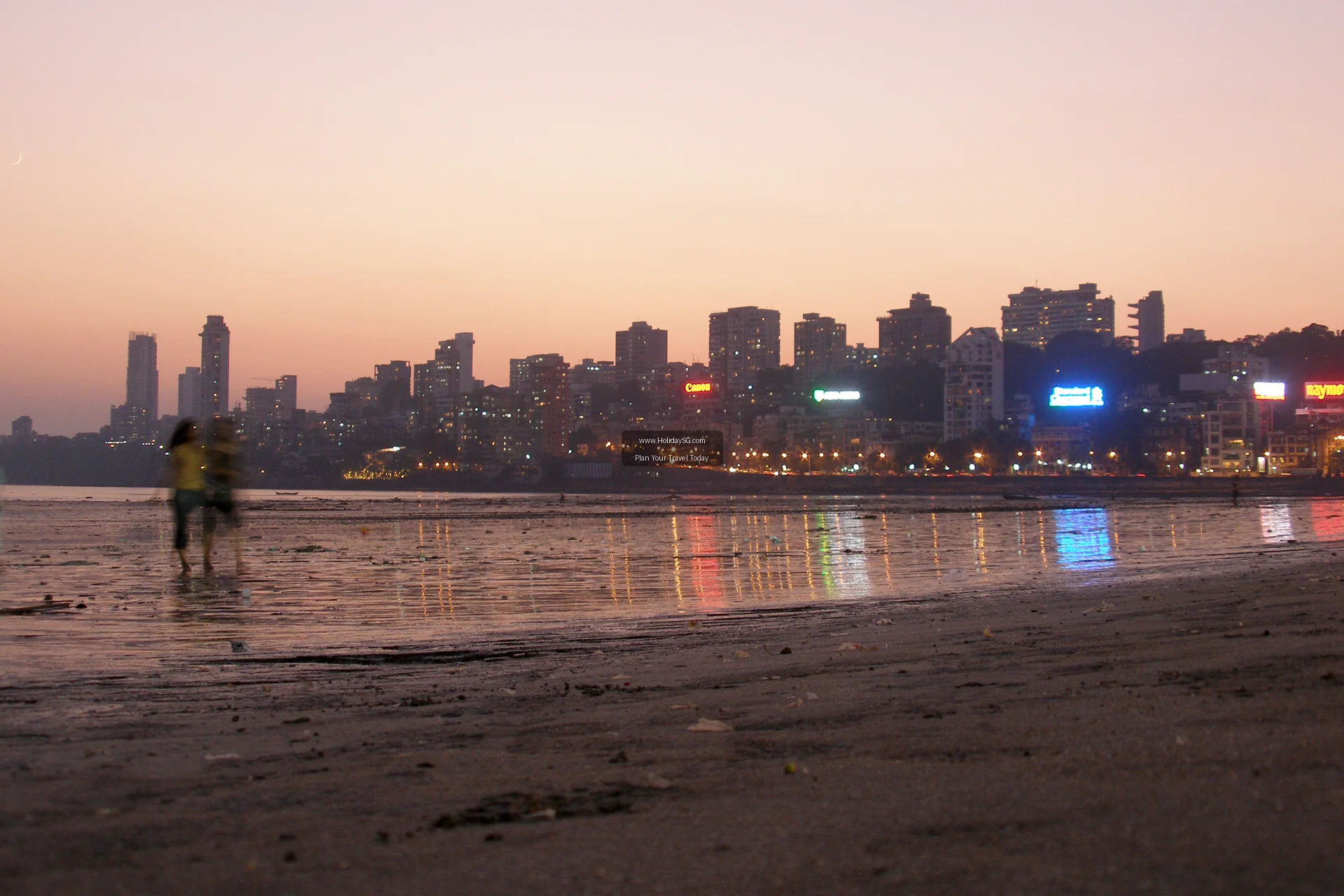
- Mumbai: The City of Dreams, home to Bollywood and the Gateway of India.
- Rajasthan: Explore the royal cities of Udaipur, Jodhpur, and Jaisalmer.
- Rann of Kutch: The surreal white desert in Gujarat is a unique natural wonder.
Central India – Temples and Hidden Gems
- Khajuraho: Famous for its stunning and intricate erotic temple carvings.
- Orchha: A quiet medieval town with stunning cenotaphs and palaces.
- Sanchi Stupa: One of the oldest stone structures in India, a UNESCO site.
India Travel Costs: Budgeting for Your Trip
Ready to go? Book 14 Day 15gb Unlimited India Traveller Esim Instant Activation Nationwide with HolidaySG.
Daily Budget Breakdown
- Budget Travelers ($20–$40/day): Hostels, street food, and public buses.
- Mid-Range Travelers ($50–$120/day): 3-star hotels, local restaurants, and private taxis.
- Luxury Travelers ($150+/day): 5-star heritage hotels, fine dining, and private guides.
Transportation Costs
Getting around India is an adventure in itself. Domestic flights are affordable if booked early ($50–$150), while trains are the best way to see the countryside (tickets range from $5 to $50 depending on class and distance). Within cities, ride-hailing apps like Uber and Ola are metered and reliable.
Entry Fees and Attraction Costs ($2–$20)
Most temples and monuments are very cheap to enter. The Taj Mahal is the notable exception, charging around $15 for foreign tourists, but it is well worth the price. Always carry smaller denominations of cash for entrance fees.
Visa Requirements for India in 2026
Types of e-Visas (30-Day, 1-Year, 5-Year)
Most tourists will need an e-Visa. The 30-day double-entry e-Tourist Visa is perfect for a short holiday. Frequent visitors can opt for the 1-year or 5-year multiple-entry visa, which allows longer stays.
How to Apply for an Indian e-Visa
The application process is done entirely online through the official Indian e-Visa portal. Ensure your passport has at least six months of validity from your date of arrival. You will need a digital photo and a scanned copy of your passport information page.
Processing Time and Tips for a Smooth Application
Standard processing takes 3 to 5 business days. It is highly recommended to apply at least a week before your departure to avoid any last-minute stress. There is no Visa on Arrival for tourists, so do not forget this step.
Getting Around India: Transportation Guide
Ready to go? Book 14 Day 15gb Unlimited India Traveller Esim Instant Activation Nationwide with HolidaySG.
Trains – The Backbone of Indian Travel
Taking the train is a rite of passage in India. For comfort, always opt for AC classes (2AC or 3AC), especially on longer overnight journeys. Similar to what we cover in our dedicated guide to the Indian Railways, booking 2–3 months in advance is essential for popular routes like Delhi to Varanasi.
Domestic Flights – Fast but Pricey
For long distances, flights save a huge amount of time. Budget carriers like IndiGo and full-service airlines like Vistara and Air India connect all major cities. Booking 2–3 months in advance usually secures the best deals.
Metro Systems – Efficient and Affordable
Major cities including Delhi, Mumbai, Bengaluru, Chennai, and Kolkata have excellent metro networks. They are cheap, air-conditioned, and bypass traffic jams—ideal for getting around efficiently.
Taxis and Ride-Hailing (Uber, Ola)
Uber and Ola are widely available in most cities and tourist towns. They provide fixed, metered fares, which removes the hassle of negotiating. Avoid accepting rides from unmarked taxis at train stations or airports.
Auto-Rickshaws – Negotiating Fares and Avoiding Scams
Rickshaws are great for short hops, but you must agree on a fare before starting your journey. A good trick is to ask your hotel or guesthouse what the fair price is, or use the Ola app which now offers Ola Auto with a fixed fare.
Health and Safety Tips for India
Vaccinations and Health Precautions
Check the CDC or WHO guidelines before you travel. Recommended vaccinations include Hepatitis A and B, Typhoid, and Tetanus. If hiking in rural areas, consider getting a rabies vaccination. For high-altitude destinations like Ladakh, plan to spend a day acclimatizing to avoid altitude sickness.
Food and Water Safety
Stick to bottled or filtered water. When eating street food, choose stalls that are busy with locals and where food is cooked fresh in front of you. Avoid salads or raw ingredients that may have been washed in tap water.
Staying Safe as a Traveler
India is generally safe for tourists, but a little vigilance goes a long way. Avoid isolated areas at night, dress modestly in rural and religious areas, and be wary of common scams like the “closed temple” trick in Agra or touts offering “free” tours. Always verify the price of a service before agreeing to it.
Cultural Etiquette: Dos and Don’ts in India
Ready to go? Book 14 Day 15gb Unlimited India Traveller Esim Instant Activation Nationwide with HolidaySG.
Dress Code – Respecting Local Norms
Cover your shoulders and knees, especially when visiting temples, mosques, and rural villages. Carrying a scarf or shawl is incredibly useful for covering up or for use in air-conditioned spaces.
Greetings and Social Interactions
The traditional “Namaste” with palms pressed together is a universally polite greeting. Public displays of affection are generally frowned upon in many areas. Always use your right hand for giving money, eating, and shaking hands.
Tipping Culture in India
Bargaining in Markets – How to Do It Right
Bargaining is expected in local markets and with street vendors. Start by offering about half of the quoted price and negotiate politely from there. A firm but friendly tone usually secures a fair deal.
Staying Connected: SIM Cards and Internet in India
Best SIM Card Providers (Airtel, Jio, Vi)
Staying online in India is cheap and essential for ride-hailing apps, maps, and translation services. Airtel and Jio offer the best coverage across the country. You can pick up a physical SIM at the airport, which requires a passport photo and a visa copy.
For ultimate convenience, buying an eSIM before you fly is a game-changer. It saves you from queuing at the airport and means you are connected the moment you land. A great option is the India Esim Free Roaming Mobile Data package, or if you need a lot of data for a two-week trip, the 14 Day 15gb Unlimited India Traveller Esim Instant Activation Nationwide offers excellent value for streaming, maps, and social media.
Where to Buy and What You’ll Need
Physical SIMs require a passport copy and a visa copy. Prepaid plans are incredibly cheap, often costing less than $10 for a month of unlimited calls and generous daily data allowances.
Wi-Fi Availability and Reliability
Wi-Fi is available in almost every hotel and café, but the speed can be inconsistent. For reliable connectivity, especially when navigating between cities, having a local SIM or eSIM is your best bet.
Common Traveler Questions Answered
Ready to go? Book 14 Day 15gb Unlimited India Traveller Esim Instant Activation Nationwide with HolidaySG.
Is India safe for solo female travelers?
Yes, India is a popular destination for solo female travel. The key is exercising caution similar to any big city. Dress conservatively, use only trusted transport (Uber/Ola), and avoid walking alone late at night. Hostels and women-only dorms are also very common.
How much cash should I carry?
ATMs are widely available in cities, but it is good to carry ₹10,000 to ₹20,000 ($120–$240) for smaller expenses like rickshaws, market purchases, and meals in local eateries. Inform your bank you are traveling to India to avoid your card being blocked.
Can I use credit cards in India?
Credit and debit cards are accepted in upscale hotels, restaurants, and shopping malls. However, cash remains king in smaller towns, markets, and for local transport. Always carry a backup of cash.
What’s the best way to book trains?
For popular routes like Delhi to Varanasi or Mumbai to Goa, you must book at least 60 to 120 days in advance to secure a seat, especially in the more comfortable AC classes.
How do I avoid scams in tourist areas?
The golden rule is to never accept “free” help from strangers at major attractions. Ignore touts saying a monument is closed (it usually isn’t). Agree on a price for a rickshaw before you get in, and use verified booking platforms for tours and taxis.
Festivals and Events in India (2026 Highlights)
Diwali – The Festival of Lights (November 2026)
The most famous Indian festival transforms cities into a sea of lights and fireworks. Jaipur and Varanasi are spectacular places to witness the celebrations, with markets staying open late and homes decorated with lamps.
Holi – The Color Festival (March 2026)
A riot of colour and joy. The most authentic celebrations happen in Mathura and Vrindavan (Uttar Pradesh), where the festival is rooted in mythology. If you are in a big city, many hostels and hotels run safe, organized Holi parties.
Pushkar Camel Fair (November 2026)
This is one of the most unique cultural events in the world. The desert town of Pushkar in Rajasthan hosts a massive livestock fair, combined with camel races, folk music, and a vibrant bazaar. It is a photographer’s dream.
Durga Puja in Kolkata (October 2026)
This is the biggest event in the Bengali calendar. The whole city of Kolkata turns into an open-air art gallery with massive temporary temples (pandals) dedicated to the goddess Durga. It is a fabulous time to experience East Indian culture.
Hemis Festival in Ladakh (June/July 2026)
If you are trekking in the Himalayas, time your trip for the Hemis Festival. It is the largest Buddhist festival in Ladakh, featuring vibrant masked dances (Cham) and music at the Hemis Monastery.
Packing Essentials for India
Ready to go? Book 14 Day 15gb Unlimited India Traveller Esim Instant Activation Nationwide with HolidaySG.
Clothing – What to Wear and What to Avoid
Pack light, breathable fabrics like cotton and linen. A versatile scarf is essential for covering your head in temples or protecting yourself from the sun. Comfortable walking shoes are a must because you will be doing a lot of them.
Gear and Gadgets (Power Bank, Adapter, etc.)
India uses Type D and Type M plug sockets, so bring a universal travel adapter. A reliable power bank is essential for long train journeys and days of sightseeing.
Health and Hygiene Must-Haves
Carry a small first-aid kit with antidiarrheal medicine, pain relievers, and rehydration salts. DEET-based mosquito repellent is vital for evenings and rural areas. Wet wipes and hand sanitizer are extremely useful for eating with your hands or dealing with less-than-clean public facilities.
Important Documents to Carry
Keep a photocopy of your passport, visa, and travel insurance separately from the originals. Also, store digital copies in your email or cloud storage as a backup.
Sustainable Travel in India: How to Explore Responsibly
Reducing Plastic Waste
Many Indian states (like Maharashtra and Sikkim) have banned single-use plastics. Follow the lead by carrying a reusable water bottle with a built-in filter and a foldable bag for shopping.
Supporting Local Communities
Buy souvenirs from government emporiums or fair-trade shops. Avoid mass-produced items and seek out genuine handicrafts. This supports local artisans rather than middlemen.
Ethical Wildlife Tourism
Never ride elephants or visit attractions that force animals to perform. Choose responsible wildlife sanctuaries and national parks that prioritize animal welfare, such as Periyar Tiger Reserve or Kaziranga.
Eco-Friendly Transportation Options
Opt for trains over domestic flights for shorter routes to reduce your carbon footprint. Within cities, use the metro or public buses instead of private taxis.
Off-the-Beaten-Path Gems in India
Ready to go? Book 14 Day 15gb Unlimited India Traveller Esim Instant Activation Nationwide with HolidaySG.
Spiti Valley – The Himalayan Desert
Remote and starkly beautiful, Spiti Valley in Himachal Pradesh offers a landscape unlike any other. It is home to ancient Buddhist monasteries, high-altitude villages, and some of the clearest night skies you will ever see.
Gokarna – Goa’s Quieter Alternative
For those who want beaches without the crowds of Goa, Gokarna in Karnataka is perfect. It has a relaxed, hippie vibe, beautiful beaches connected by cliffside trails, and a very sacred Mahabaleshwara Temple.
Majuli Island – Assam’s Cultural Heart
Located in the Brahmaputra River, Majuli is the world’s largest river island. It is a stronghold of Assamese neo-Vaishnavite culture, famous for its Satras (monasteries) and traditional mask-making.
Orchha – Madhya Pradesh’s Hidden Treasure
Often overshadowed by Khajuraho, Orchha is a stunning medieval town on the Betwa River. Its towering cenotaphs and beautifully preserved palaces see very few tourists, offering a peaceful and majestic experience.
Chettinad – Tamil Nadu’s Heritage Mansions
This region is famous for its distinct cuisine and stunning Chettiar mansions. The ornate architecture, antique shops, and spicy, aromatic food make it a fantastic detour for culture and food lovers.
Final Tips for an Amazing India Trip
Plan Ahead but Stay Flexible
India has a way of throwing curveballs. Trains run late, power outages happen, and the best-laid plans often change. Having a rough itinerary is essential, but leave room for spontaneous detours—they usually lead to the best stories.
Embrace the Chaos and Enjoy the Journey
The noise, crowds, and chaos are part of the charm. Accept that India moves at its own pace. Take a deep breath, embrace the unexpected, and you will fall in love with the country’s raw, unfiltered energy.
Must-Try Indian Dishes and Where to Find Them
Food is a highlight of any India trip. Sample fluffy dosas in South India, rich butter chicken in Delhi, fresh seafood in Goa, and fiery Chettinad curries in Tamil Nadu. Street food like pani puri and vada pav are also must-tries, but stick to busy stalls to ensure freshness.
Recommended HolidaySG Tours
Ready to go? Book 14 Day 15gb Unlimited India Traveller Esim Instant Activation Nationwide with HolidaySG.
- 14 Day 15gb Unlimited India Traveller Esim Instant Activation Nationwide
- Sim Card India Data Plan Tourist Simcard Internet Travel Package Total Data
- Sim Card India Data Plan Tourist Simcard Internet Travel Package Daily Data
- India Esim Free Roaming Mobile Data
- Airalo India E Sim Package
Conclusion: Why India Should Be Your Next Destination
India is not just a place you visit; it is an experience that stays with you long after you return home. It challenges you, inspires you, and rewards you with memories that last a lifetime. In 2026, the vibrant festivals, diverse landscapes, and warm hospitality of its people are waiting for you. Equipped with the right travel advice and a sense of adventure, your India trip is sure to be the journey of a lifetime.
Ready to explore? Check out our 14 Day 15gb Unlimited India Traveller Esim Instant Activation Nationwide for seamless connectivity on your India adventure!
Book with HolidaySG online for 14 Day 15gb Unlimited India Traveller Esim Instant Activation Nationwide, Sim Card India Data Plan Tourist Simcard Internet Travel Package Total Data, Sim Card India Data Plan Tourist Simcard Internet Travel Package Daily Data.
Frequently Asked Questions
Where can I book a SIM card or eSIM for my trip to India?
You can conveniently purchase a travel SIM card or eSIM before your trip through HolidaySG. We recommend checking out these options:
- 14 Day 15GB Unlimited India Traveller eSIM
- Tourist SIM Card – Total Data Package
- Tourist SIM Card – Daily Data Package
- India eSIM Free Roaming Mobile Data
- Airalo India eSIM Package
Do foreigners (non-citizens) need a different ticket, price, or visa for India?
Yes, almost all foreign nationals require a visa to enter India. The most common option is the e-Tourist Visa (eVisa), which can be applied for online. It is crucial to apply for your visa through the official Indian government visa portal well in advance of your travel dates, as rules, validity, and fees can change. There is typically no separate “foreigner price” for attractions, though some sites have different fees for Indian citizens and foreign tourists. Always check the latest official requirements at the Indian Ministry of Home Affairs or Bureau of Immigration websites before you book.
What is the best time (season, or time of day for the site/activity) to go?
The best time to visit India is during the cool, dry season from October to March. This period offers pleasant weather across most of the country, ideal for sightseeing. The summer months (April-June) are intensely hot, and the monsoon season (July-September) brings heavy rains. For specific regions like the Himalayas, summer (April-June) is better. For any specific monument or activity, the best time of day is usually early morning to avoid crowds and the midday heat.
How long should I spend in India?
A minimum of two weeks is recommended for a first-time trip to get a meaningful glimpse of a few key regions. A classic two-week itinerary might cover the “Golden Triangle” (Delhi, Agra, Jaipur) and possibly a state like Rajasthan or Kerala. For a deeper exploration covering North, South, and maybe West India, three to four weeks would be ideal.
What is the typical daily budget for India?
India is exceptionally budget-friendly, but costs vary widely. A backpacker can manage on $25-$40 USD per day, staying in hostels/guesthouses, eating street food, and using public transport. Mid-range travelers spending $50-$100 USD per day can enjoy comfortable hotels, private guided tours, and restaurants. Luxury travel has no upper limit. Costs are generally lower in the north and smaller cities compared to metro areas like Mumbai or Delhi.
How do I get to India from Singapore?
There are numerous direct flights from Singapore (SIN) to major Indian cities like Delhi (DEL), Mumbai (BOM), and Chennai (MAA). Airlines like Singapore Airlines, Air India, IndiGo, and Scoot operate these routes. Flight time is approximately 5-6 hours to North India and 4-5 hours to South India.
Is India family-friendly?
Yes, India can be a fantastic family adventure with proper planning. Kids often love the vibrant colors, animals, and friendly people. Choose destinations with fewer crowds and more space, like Rajasthan’s forts, Kerala’s houseboats, or Goa’s beaches. Be mindful of the pace, stay hydrated, and choose hotels with pools. Sights with lots of steps or long walks may be challenging for very young children or strollers.
What should I pack to bring to India?
Key items include: lightweight, breathable clothing that covers shoulders and knees (especially for religious sites), comfortable walking shoes, a powerful sunscreen, a hat, insect repellent, any prescription medications in original packaging, a basic first-aid kit, a reusable water bottle with a filter or purification tablets, a universal power adapter (Type C, D, and M plugs are used), and a scarf or shawl which is invaluable for sun protection, modesty, and warmth on over-airconditioned trains.
Is India accessible for travelers with disabilities?
Accessibility is a significant challenge in India. Infrastructure like ramps, elevators, and accessible toilets is not widespread, even in major tourist sites. Historic forts and temples often involve stairs and uneven terrain. Public transport, especially local trains and buses, can be very difficult. Careful planning is essential; it’s advisable to travel with a companion, research specific attractions thoroughly, and consider private, air-conditioned transport.
Is India safe for solo female travelers?
India requires heightened awareness and safety precautions for solo female travelers, as incidents of harassment can occur. However, many women travel there successfully. Essential tips include: dressing modestly, avoiding isolated areas after dark, using reputable transport services (like pre-paid taxis or ride-hailing apps), trusting your instincts, staying in well-reviewed accommodations, and connecting with other travelers. Researching regional sensitivities beforehand is key.
What is the weather like in India?
India’s climate is diverse. The main seasons are: Hot & Dry (March-June), Monsoon (July-September, with heavy rainfall), and Cool & Dry (October-February). Winter in the north can be quite cold, especially in the Himalayas. South India has a more tropical climate year-round with less temperature variation.
What are the local etiquette and customs I should know?
Key customs include: removing shoes before entering homes and temples, using your right hand for eating and passing items (the left hand is considered unclean), greeting people with “Namaste” (with hands pressed together), asking permission before photographing people, and respecting religious rituals. Modest dress, particularly at religious sites, is essential. Avoid public displays of affection.
What should I eat and drink in India?
Indian cuisine is incredibly diverse by region. Be adventurous—try butter chicken, biryani, dosas, thalis, and street snacks like pani puri. Drink only bottled or purified water and avoid ice in drinks. Be cautious with very spicy food if you’re not accustomed to it. Start with milder dishes and gradually increase the spice level. Fruit juices are a safe and delicious option.
How do I get around within India?
For tourist circuits like Rajasthan, hiring a car and driver is very popular.
Are there any health risks or vaccinations required?
Check with a travel doctor or clinic 6-8 weeks before your trip. Routine vaccinations should be up to date. Recommended vaccines often include Hepatitis A and Typhoid. Malaria prophylaxis may be advised for certain rural areas in the south and northeast. Drink only safe water, be vigilant about food hygiene, and carry anti-diarrheal medication.
Can I use my credit cards in India?
Credit cards are widely accepted in hotels, larger restaurants, and shops in cities and tourist areas. However, India is still largely a cash-based economy, especially for smaller vendors, transport, street food, and rural areas. Always carry sufficient Indian Rupees (INR) in cash. Inform your bank of your travel plans to avoid card blocks.
Is it okay to bargain while shopping?
In local markets, bazaars, and with auto-rickshaw drivers (not using meters), bargaining is expected and is part of the culture. It’s not appropriate in fixed-price stores, malls, or for paid tickets. A good rule of thumb is to start at about 40-50% of the initial asking price and settle somewhere in the middle.
What are some must-see attractions outside the Golden Triangle?
Beyond Delhi, Agra, and Jaipur, incredible destinations include: Kerala’s backwaters and spice plantations, Rajasthan’s Jaisalmer and Udaipur, the temples of Khajuraho and Hampi, the beach state of Goa, the spiritual city of Varanasi, the stunning landscapes of Ladakh, and the tea gardens of Darjeeling or Munnar.
How can I stay connected with the internet while traveling?
Getting a local SIM card or eSIM is the most reliable way. You can purchase them at airports, official carrier stores (like Airtel, Vodafone-Idea), or conveniently order an eSIM online for instant activation before you travel. Here are some reliable eSIM options. Most hotels, cafes, and restaurants also offer free Wi-Fi.
What is INR (Indian Rupee) and should I exchange money before arriving?
The currency is the Indian Rupee (INR/₹). It’s best to exchange a small amount of money for immediate expenses (like a taxi) upon arrival at the airport. For the rest, use ATMs in India to withdraw INR, which usually offer a good exchange rate. Ensure your cards have no foreign transaction fees if possible. Inform your bank of your travel plans.
Are there any specific cultural sites or activities with restricted access?
Yes. Some sites have restrictions: certain temples may not allow non-Hindus in inner sanctums; photography is often prohibited inside museums and some monuments; there may be separate entrances or different fees for foreigners; and some areas, especially in the northeast, require special permits for tourists to visit. Always check the rules for each attraction beforehand.
What things cost in India
Live HolidaySG prices for the experiences in this guide, so you can sanity-check a budget before you commit.
| Experience | Where | From price |
|---|---|---|
| 080 Domestic Lounge Kempegowda International Airport | Bangalore | From S$45.25 |
| 080 International Lounge Kempegowda International Airport | Bangalore | From S$50.91 |
| 080 Lounge (Domestic T2) Kempegowda International Airport | Bangalore | From S$40.38 |
| 080 Lounge - Arrival T2 Kempegowda International Airport | Bangalore | From S$46.47 |
| Bird Lounge Biju Patnaik Airport | Bhubaneswar | From S$26.19 |
| Bird Lounge Jolly Grant Airport | Dehradun | From S$26.19 |
| Bird Lounge Kozhikode International Airport | Calicut | From S$32.11 |
| Encalm Lounge (Domestic) Manohar International Airport | Goa | From S$42.83 |