

India travel guide 2026 – places to visit, itinerary, best time … is exactly what this guide covers.
India is a land of contrasts—where ancient temples stand beside bustling metropolises, snow-capped mountains overlook tropical beaches, and vibrant festivals light up centuries-old traditions. Whether you’re drawn to the iconic Taj Mahal, the serene backwaters of Kerala, or the adrenaline-pumping landscapes of Ladakh, India promises an adventure unlike any other. But with its vast size and diverse climates, planning a trip can feel overwhelming. This India travel guide 2026 breaks down everything you need to know: the best time to visit, must-see destinations, itinerary ideas, and practical tips to navigate the country with confidence.
TL;DR: Visit India between October and March for the best weather, explore the Golden Triangle (Delhi, Agra, Jaipur) for a classic introduction, and budget $50–$120/day for a mid-range experience. Secure an e-Visa in advance, book trains early, and pack for both heat and cultural sites.
Why Visit India in 2026?
India isn’t just a destination; it’s a sensory overload in the best possible way. Imagine waking up to the misty tea gardens of Darjeeling, bargaining in Jaipur’s bazaars, or watching the sunrise over the Ganges in Varanasi. The country’s diversity is its superpower—you can trek through the Himalayas in the morning and relax on a Goan beach by evening. For history buffs, India offers Mughal forts, colonial-era architecture, and UNESCO-listed ruins like Hampi. Foodies will delight in regional cuisines, from buttery Punjabi curries to coconut-infused Kerala dishes. And with festivals like Diwali and Holi on the 2026 calendar, you’ll have front-row seats to some of the world’s most vibrant celebrations.
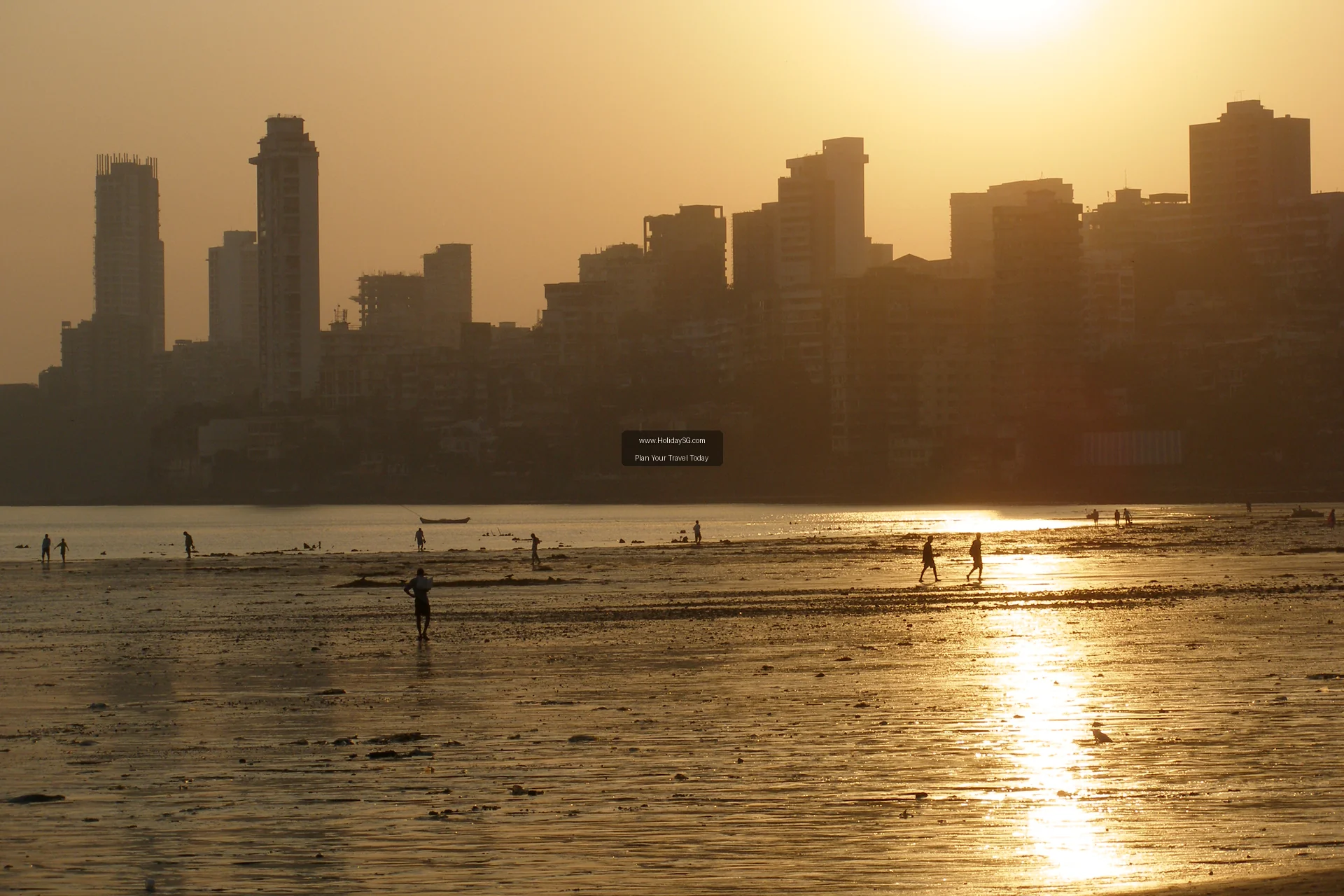
Affordability is another draw. India delivers luxury experiences at a fraction of Western prices—think five-star hotels for $150/night or private drivers for $50/day. Whether you’re a backpacker or a luxury traveler, your budget stretches further here than in most destinations.
When to Go: India’s Seasons Decoded
India’s climate varies dramatically by region, so timing your trip is key to avoiding extreme weather. Here’s what to expect in 2026:
October to March: The Sweet Spot
This is peak season for a reason. Cool, dry weather sweeps across most of the country, making it ideal for sightseeing. In Rajasthan, temperatures hover between 15°C and 30°C (59°F–86°F), perfect for exploring forts and palaces. Kerala’s backwaters and Goa’s beaches are at their most inviting, while Delhi and Agra offer pleasant days for monument-hopping. If you’re chasing festivals, plan around Diwali (November 2026), when cities like Jaipur and Varanasi glow with oil lamps and fireworks.
April to June: Escape to the Hills
The plains heat up fast—Delhi and Rajasthan can hit 45°C (113°F)—but hill stations like Shimla, Manali, and Darjeeling offer cool retreats. Ladakh opens to tourists in late May, revealing its stark, high-altitude beauty. This is also the best time to visit the Northeast, where states like Meghalaya and Arunachal Pradesh are lush and green.
July to September: Monsoon Magic (and Caution)
Monsoon transforms India into a verdant paradise, especially in Kerala, Goa, and the Western Ghats. Waterfalls roar to life, and rice paddies shimmer with emerald hues. However, heavy rains can disrupt travel plans—landslides block Himalayan trekking routes, and flooding affects rural areas. Coastal regions like Goa and Kerala are your best bets, but pack a rain jacket and waterproof shoes.
Where to Go: India’s Must-See Regions
India’s sheer size means you’ll need to prioritize. Here’s a regional breakdown of top attractions:
North India: The Golden Triangle and Beyond
The classic introduction to India, the Golden Triangle (Delhi, Agra, Jaipur) packs in iconic sights:
- Delhi: Wander the labyrinthine lanes of Old Delhi, marvel at the Qutub Minar’s towering minaret, and explore Humayun’s Tomb, the precursor to the Taj Mahal.
- Agra: The Taj Mahal needs no introduction—visit at sunrise to avoid crowds and heat. Don’t miss the red sandstone Agra Fort or the abandoned Mughal city of Fatehpur Sikri.
- Jaipur: The Pink City dazzles with the Hawa Mahal’s honeycomb façade, the opulent City Palace, and the Amber Fort’s elephant rides.
For something offbeat, head to Varanasi, where the Ganges River becomes a stage for ancient rituals, or Ladakh, where turquoise lakes like Pangong Tso reflect the Himalayas.
South India: Temples, Backwaters, and Beaches
South India moves at a slower pace, with a focus on spirituality and nature:
- Kerala: Cruise the backwaters of Alleppey on a houseboat, sip tea in Munnar’s rolling hills, or unwind on Kovalam’s beaches.
- Tamil Nadu: Marvel at the towering gopurams (gateway towers) of Madurai’s Meenakshi Temple or explore the rock-cut temples of Mahabalipuram.
- Karnataka: Hampi’s boulder-strewn ruins feel like an open-air museum, while Mysore’s palace is a masterpiece of Indo-Saracenic architecture.
West India: Bollywood, Deserts, and Coastlines
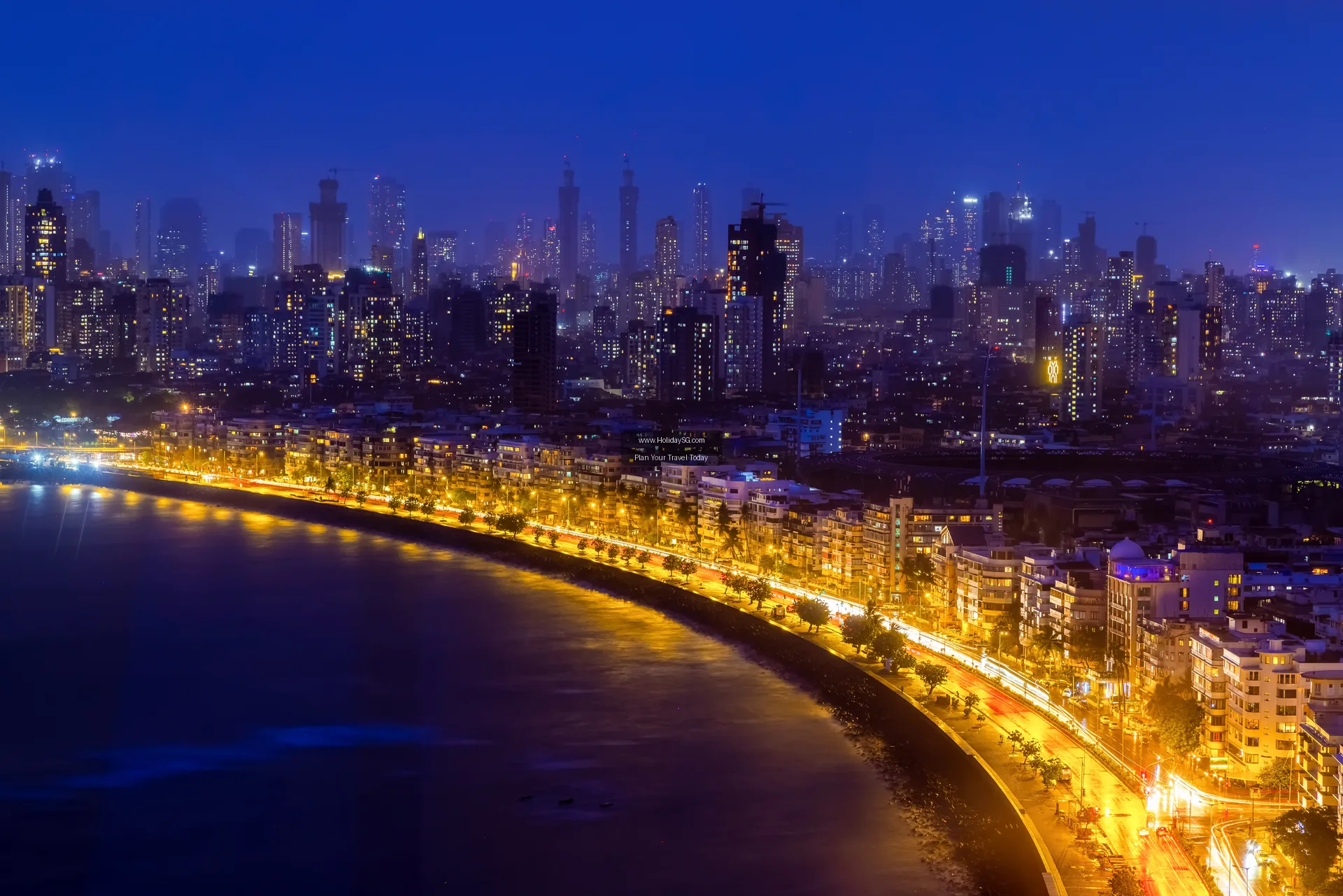
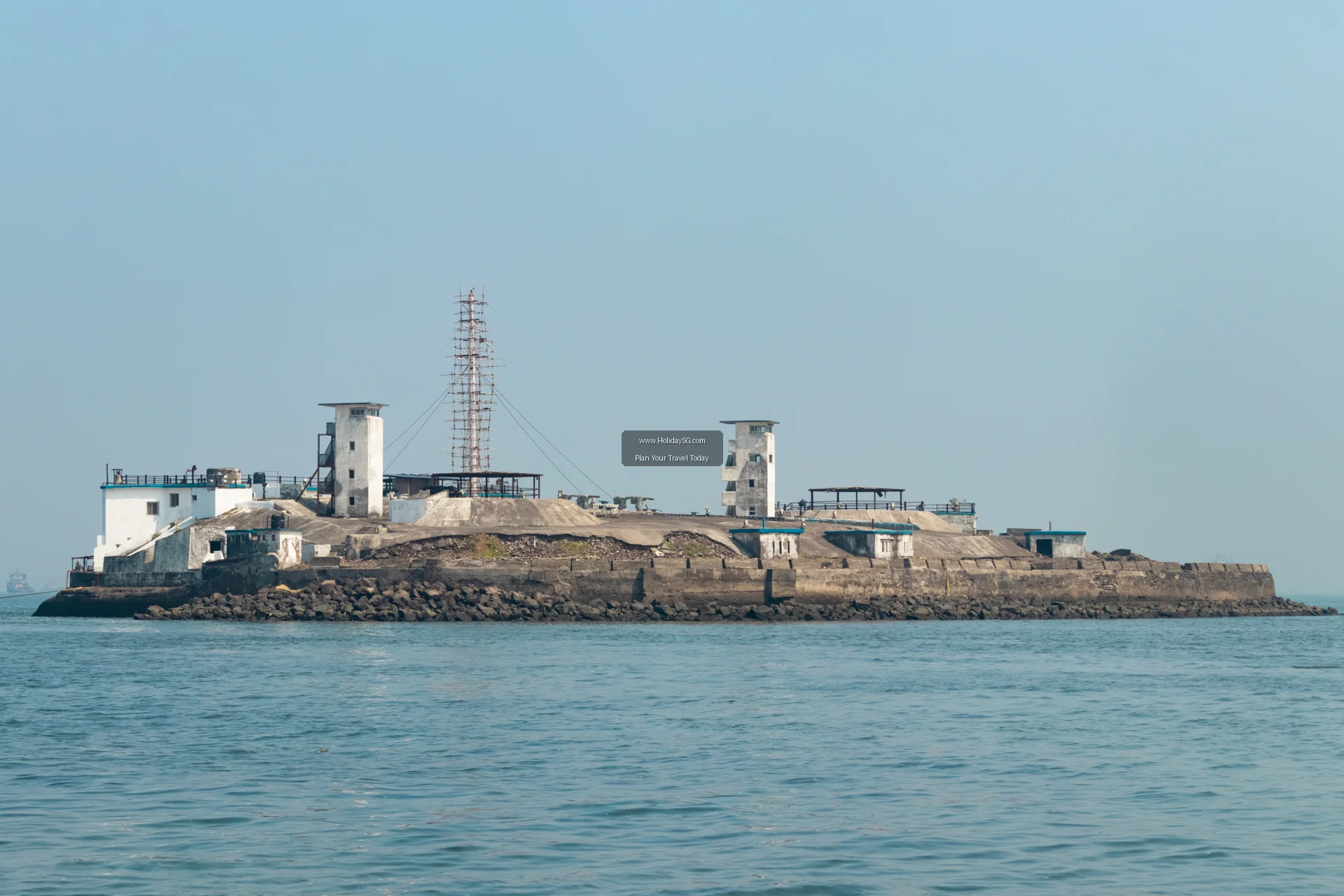
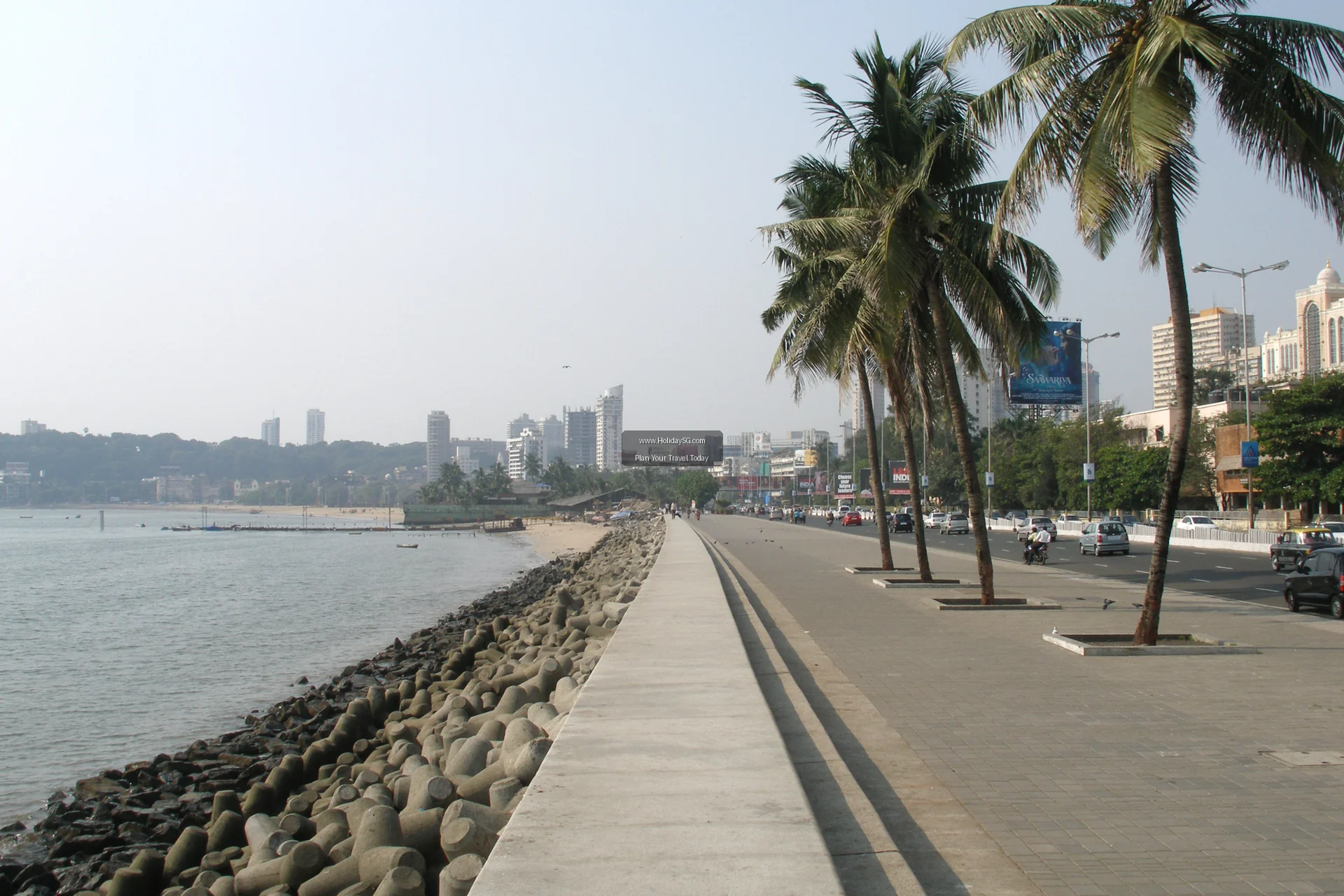
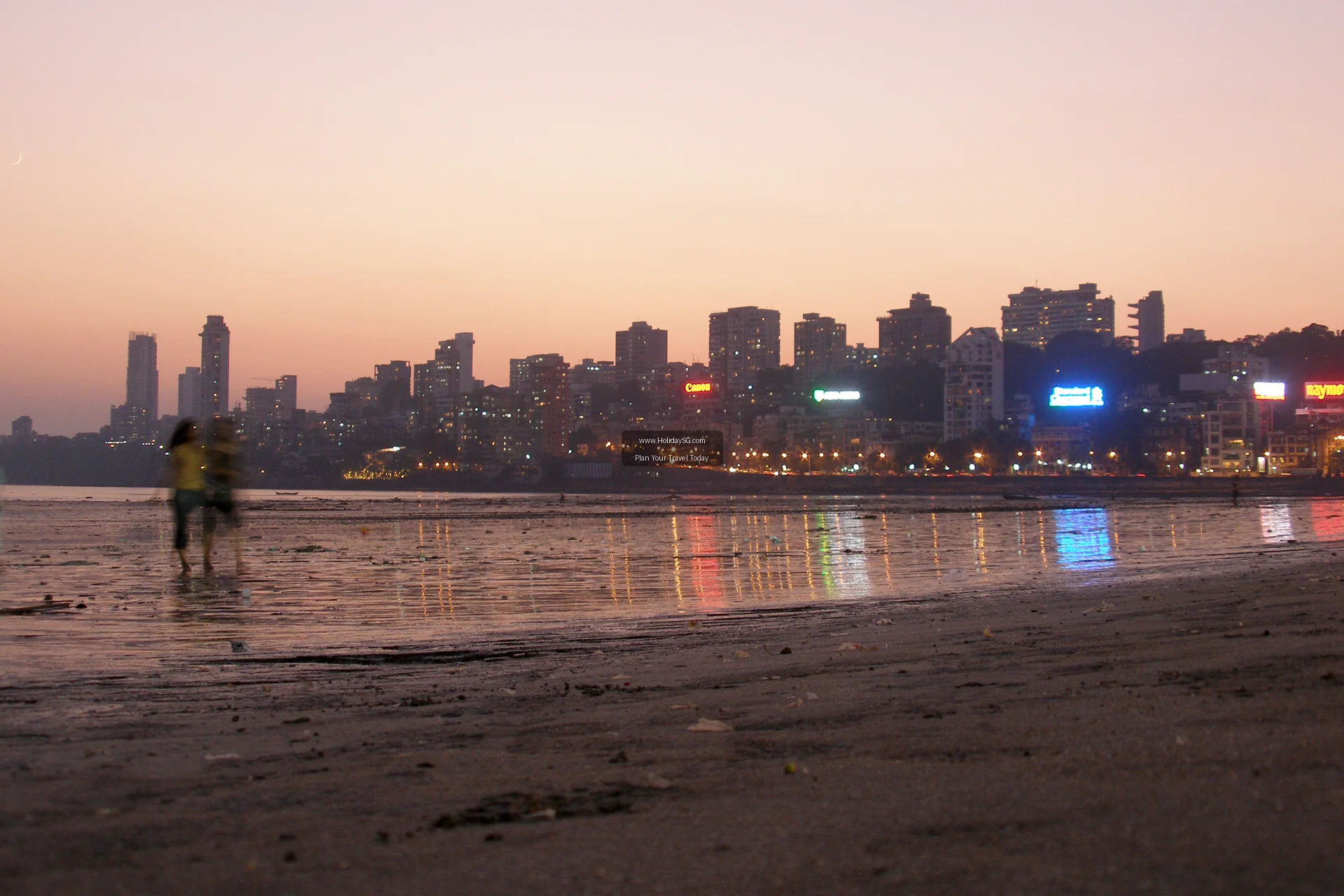
- Mumbai: India’s financial capital blends colonial charm (Gateway of India, Chhatrapati Shivaji Terminus) with Bollywood glamour. Don’t miss the Elephanta Caves’ ancient sculptures.
- Rajasthan: Udaipur’s lakeside palaces and Jaisalmer’s golden fort are postcard-perfect. For a surreal experience, visit the Rann of Kutch in Gujarat, where the white salt desert stretches to the horizon.
East India: Tea Gardens and Wildlife
- West Bengal: Kolkata’s colonial-era buildings (Victoria Memorial, Howrah Bridge) contrast with Darjeeling’s misty tea estates. Take the toy train up to Tiger Hill for sunrise views of Kanchenjunga.
- Odisha: The Sun Temple at Konark is a UNESCO-listed marvel, while Chilika Lake is a birdwatcher’s paradise.
- Bihar: Bodh Gaya is where Buddha attained enlightenment, and the ruins of Nalanda University offer a glimpse into ancient India’s intellectual hub.
Northeast India: The Road Less Traveled
Often overlooked, the Northeast is a treasure trove of natural beauty:
- Assam: Kaziranga National Park is home to the world’s largest population of one-horned rhinos.
- Meghalaya: Trek to the living root bridges in Cherrapunji, some of the world’s only bridges grown from tree roots.
- Arunachal Pradesh: Tawang Monastery, perched at 3,000 meters, is one of the largest Buddhist monasteries in India.
Itinerary Ideas for Every Travel Style
7–10 Days: The Classic Golden Triangle
Perfect for first-timers, this route covers Delhi, Agra, and Jaipur in a week. Start in Delhi with a mix of Mughal and colonial sights, then take the express train to Agra (2.5 hours) to see the Taj Mahal. End in Jaipur, where you can explore forts, shop for textiles, and enjoy Rajasthani cuisine. For a twist, add a stop in Ranthambore National Park to spot tigers.
14 Days: Cultural and Spiritual Journey
Dive deeper into India’s heritage with this route:
Delhi → Varanasi → Khajuraho → Orchha → Agra → Jaipur
- Varanasi: Take a sunrise boat ride on the Ganges and witness evening aarti (prayer ceremonies) at Dashashwamedh Ghat.
- Khajuraho: Admire the UNESCO-listed temples with their intricate erotic sculptures.
- Orchha: A hidden gem with stunning cenotaphs and riverside palaces.
10–12 Days: South India Highlights
This itinerary balances temples, nature, and relaxation:
Chennai → Mahabalipuram → Pondicherry → Madurai → Munnar → Kochi → Alleppey
- Pondicherry: Wander the French Quarter’s pastel-colored streets and visit Auroville, a utopian community.
- Munnar: Trek through tea plantations and spot Nilgiri tahrs (mountain goats) in Eravikulam National Park.
- Alleppey: Spend a night on a houseboat, drifting through Kerala’s backwaters.
14 Days: Adventure and Nature Escape
For thrill-seekers, this route covers the Himalayas and beyond:
Delhi → Leh (Ladakh) → Srinagar → Manali → Shimla → Delhi
- Ladakh: Drive to Pangong Lake (famous from 3 Idiots), visit Hemis Monastery, and acclimatize to the high altitude.
- Srinagar: Stay in a houseboat on Dal Lake and explore Mughal gardens.
- Manali: White-water raft on the Beas River or trek to Solang Valley.
10 Days: Coastal and Relaxation Getaway
Unwind with this beach-and-backwaters route:
Mumbai → Goa → Gokarna → Kochi → Munnar
- Goa: Split your time between the lively beaches of North Goa (Anjuna, Baga) and the quieter shores of the south (Palolem, Agonda).
- Gokarna: A laid-back alternative to Goa, with pristine beaches and a sacred temple.
- Kochi: Explore Fort Kochi’s Chinese fishing nets and spice markets.
Budgeting for India: Costs in 2026
India is one of the world’s most budget-friendly destinations, but costs vary widely depending on your travel style.
Daily Budget Breakdown
- Budget traveler ($20–$40/day): Hostels ($5–$15/night), street food ($2–$5/meal), public buses/trains, and free or cheap attractions.
- Mid-range traveler ($50–$120/day): 3-star hotels ($30–$70/night), restaurants ($5–$15/meal), private taxis, and guided tours.
- Luxury traveler ($150–$500+/day): 5-star hotels ($150–$400/night), fine dining, private drivers, and premium experiences like a VIP Taj Mahal tour or a houseboat in Kerala.
Key Expenses
- Domestic flights: $50–$150 one-way (e.g., Delhi to Goa). Book 2–3 months in advance for the best deals.
- Train tickets: $10–$50 for AC classes (e.g., Delhi to Varanasi in 3AC). Use HolidaySG or apps like HolidaySG to book.
- Entrance fees: $2–$15 (e.g., Taj Mahal: ~$15, Amber Fort: ~$5).
- Guided tours: $20–$100/day (e.g., a Golden Triangle tour with a private driver).
Visa Requirements: How to Get Your e-Visa
India’s e-Visa system makes entry hassle-free for travelers from 160+ countries. Here’s what you need to know:
- Types: 30-day (double entry), 1-year (multiple entry), or 5-year (multiple entry) e-Tourist Visa.
- Processing time: 3–5 business days. Apply at least 1 week before travel via the official e-Visa portal.
- Requirements: Passport with 6+ months validity, a digital passport photo, and a scanned copy of your passport’s bio page.
Pro tip: Print a copy of your e-Visa approval and carry it with you—some airlines ask to see it before boarding.
Getting Around: India’s Transport Options
India’s transport network is vast but can be chaotic. Here’s how to navigate it:
Trains: The Scenic (and Affordable) Choice
India’s rail system is one of the world’s largest, connecting cities and rural areas alike. For comfort, book AC classes (1A, 2A, or 3A). Sleeper class is cheaper but less private. Popular routes:
- Delhi to Agra: 2.5 hours on the Gatimaan Express (India’s fastest train).
- Mumbai to Goa: 8–10 hours on the Konkan Railway (stunning coastal views).
Booking tips: Create an account on HolidaySG or use apps like HolidaySG. For last-minute tickets, try Tatkal booking (opens 1 day before departure).
Domestic Flights: Fast but Less Scenic
- Delhi to Leh: 1.5 hours (avoids a 2-day drive).
- Mumbai to Kochi: 2 hours (saves a 24-hour train ride).
Private Drivers: Convenience at a Price
For road trips (e.g., the Golden Triangle or Rajasthan), hire a private driver (~$50–$80/day). They handle navigation and parking, leaving you free to enjoy the scenery. Negotiate rates in advance and confirm the vehicle type (e.g., SUV for rough roads).
Metro and Local Transport
- Metro: Available in Delhi, Mumbai, Bengaluru, Chennai, Kolkata, and Jaipur. Cheap, efficient, and air-conditioned.
- Auto-rickshaws/tuk-tuks: Always negotiate fares or insist on the meter. For fixed prices, use Uber or Ola (India’s ride-hailing apps).
Health and Safety: Staying Safe and Healthy
India’s sensory overload extends to its health and safety challenges. Here’s how to stay protected:
Vaccinations and Health Precautions
- Recommended vaccines: Hepatitis A/B, Typhoid, Tetanus, and routine vaccines (MMR, flu). For rural areas, consider Rabies and Japanese Encephalitis.
- Food and water safety: Stick to bottled or filtered water (avoid ice in drinks). Eat at busy restaurants where turnover is high. Peel fruits yourself, and avoid raw salads or street food with uncooked ingredients.
- Altitude sickness: If heading to Ladakh or Shimla, acclimatize for 1–2 days. Carry Diamox if you’re prone to altitude sickness.
Safety Tips for All Travelers
- Avoid isolated areas at night: Stick to well-lit, populated streets.
- Dress modestly: In rural areas and religious sites, cover shoulders and knees to avoid unwanted attention.
- Beware of scams: Common ones include “friendly locals” offering unsolicited help, fake tour guides, and overcharging in taxis. Use prepaid taxi counters at airports and official guides at monuments.
Solo and Female Travelers
India is generally safe for solo travelers, but women should take extra precautions:
- Transport: Use Uber/Ola or prepaid taxis. Avoid unmarked cabs.
- Accommodation: Stay in reputable hotels or hostels with good reviews.
- Dress code: Opt for loose, conservative clothing to blend in.
Cultural Etiquette: Do’s and Don’ts
India’s cultural norms can be vastly different from the West. Respect local customs to avoid offending hosts:
Dress Code
- Temples and mosques: Cover shoulders and knees. Carry a scarf or shawl to drape over your head if required (e.g., at the Golden Temple in Amritsar or Tirupati Temple).
- Rural areas: Dress modestly to avoid standing out. Loose, long-sleeved tops and pants are ideal.
Greetings and Gestures
- Namaste: Press your palms together near your chest and say “Namaste.” It’s the standard greeting and shows respect.
- Feet and shoes: Never point your feet at people or religious objects. Remove shoes before entering temples, mosques, and some homes.
- Public displays of affection: Avoid kissing or hugging in public, especially in conservative areas.
Photography
- Ask permission: Always ask before photographing people, especially in rural areas or at religious sites. Some temples ban photography entirely.
Tipping
- Restaurants: 10% is standard if service charge isn’t included.
- Drivers/guides: ₹50–₹100 per day for drivers; ₹200–₹500 for guides.
Staying Connected: SIM Cards and Wi-Fi
India’s mobile networks are fast and affordable, but connectivity varies by region.
Buying a SIM Card
- Where to buy: Airports, official stores (Airtel, Jio, Vi), or authorized resellers. Avoid street vendors.
- Requirements: Passport, visa copy, and a passport-sized photo.
- Best options:
- Jio Tourist SIM: ~$5 for 28 days, 2GB/day data. Buy at Mumbai or Delhi airports.
- Airtel: Better coverage in rural areas. Consider an Airalo India E Sim Package for instant activation without a physical SIM.
Wi-Fi and Offline Maps
- Wi-Fi: Available in hotels, cafés, and airports, but speeds can be slow. Use a portable Wi-Fi hotspot for reliable connectivity.
- Offline maps: Download Google Maps for areas with poor signal (e.g., Ladakh, Northeast India).
Festivals and Events in 2026
India’s festival calendar is packed with color, music, and tradition. Plan your trip around these highlights:
- Diwali (November 2026): The festival of lights is celebrated nationwide, but Jaipur, Varanasi, and Delhi go all out with fireworks, oil lamps, and sweets.
- Holi (March 2026): The festival of colors is most vibrant in Mathura, Vrindavan, and Jaipur. Expect music, dancing, and colored powder everywhere.
- Pushkar Camel Fair (November 2026): Rajasthan’s quirky livestock fair features camel races, folk performances, and a holy dip in Pushkar Lake.
- Durga Puja (October 2026): Kolkata’s grandest festival transforms the city into an open-air art gallery, with elaborate pandals (temporary temples) and processions.
- Goa Carnival (February 2026): A Portuguese-influenced celebration with parades, floats, and street parties.
Packing for India: Essentials for 2026
India’s climate and cultural norms demand smart packing. Here’s what to bring:
Clothing
- Lightweight, breathable fabrics: Cotton and linen are ideal for hot weather.
- Scarf/shawl: Essential for temples and cooler evenings.
- Comfortable walking shoes: Cobblestone streets and long sightseeing days require support.
- Modest outfits: Long skirts, pants, and loose tops for rural areas and religious sites.
Accessories
- Sunglasses and hat: India’s sun is intense, especially in deserts and beaches.
- Sunscreen (SPF 50+): Hard to find in local stores, so bring your own.
- Insect repellent: Mosquitoes thrive in monsoon season and rural areas.
- Reusable water bottle: Reduce plastic waste with a LifeStraw or similar filter bottle.
Electronics
- Universal adapter: India uses Type D/M plugs (230V).
- Power bank: Essential for long train journeys or power cuts in rural areas.
- Portable Wi-Fi hotspot: For reliable internet on the go.
Documents and Miscellaneous
- Passport and visa: Keep physical and digital copies.
- Travel insurance: Covers medical emergencies, theft, and trip cancellations.
- Basic first-aid kit: Band-aids, antiseptic cream, diarrhea medication, and rehydration salts.
- Earplugs and eye mask: Useful for noisy streets, trains, and early-morning temple visits.
Sustainable Travel in India
India’s beauty is fragile, and responsible tourism helps preserve it. Here’s how to travel sustainably:
- Reduce plastic: Carry a reusable water bottle and refill at filtered water stations (available in hotels and airports).
- Support local: Buy handicrafts directly from artisans, eat at local eateries, and stay in homestays.
- Respect wildlife: Avoid elephant rides or tiger temples. Opt for ethical sanctuaries like Wildlife SOS in Agra.
- Conserve water: Reuse towels, take shorter showers, and avoid wasting water—many regions face scarcity.
- Use public transport: Trains and buses have a lower carbon footprint than domestic flights.
FAQs About Traveling in India
Is India safe for solo female travelers?
Yes, but take precautions. Avoid walking alone at night, dress modestly, and use trusted transport like Uber or prepaid taxis. Stay in well-reviewed accommodations and trust your instincts.
Can I use credit cards in India?
Credit cards are widely accepted in cities (hotels, restaurants, malls), but carry cash for rural areas, street vendors, and small shops. ATMs are plentiful, but notify your bank before traveling.
What’s the best way to avoid Delhi belly?
Stick to bottled or filtered water, avoid ice in drinks, and eat at busy restaurants where food turnover is high. Peel fruits yourself, and avoid raw salads or street food with uncooked ingredients. Carry oral rehydration salts as a precaution.
Do I need a guide for the Taj Mahal?
Not mandatory, but a guide enhances the experience. Official guides cost ~₹1,000–₹2,000 and provide historical context. Book through your hotel or a reputable agency to avoid scams.
How do I book train tickets in India?
Use the HolidaySG website or apps like HolidaySG. Create an account, search for trains, and book AC classes for comfort. For last-minute tickets, try Tatkal booking (opens 1 day before departure).
What’s the deal with Indian toilets?
Western-style toilets are common in hotels and urban areas, but squat toilets dominate in rural areas and public restrooms. Carry tissues, hand sanitizer, and a small pack of toilet paper—many public toilets lack supplies.
Recommended HolidaySG Tours
Stay connected during your India adventure with these travel-friendly SIM and eSIM options:
- 14 Day 15gb Unlimited India Traveller Esim Instant Activation Nationwide
- Sim Card India Data Plan Tourist Simcard Internet Travel Package Total Data
- India Esim Free Roaming Mobile Data
- Airalo India E Sim Package
Final Tips for an Amazing India Trip in 2026
India rewards those who embrace its chaos, but a little preparation goes a long way. Here’s how to make the most of your trip:
- Book in advance: Trains, flights, and popular attractions (like the Taj Mahal) sell out quickly, especially during peak season.
- Be flexible: Delays and changes are part of the journey. Build buffer time into your itinerary.
- Respect local customs: Dress modestly, ask before photographing, and greet people with “Namaste.”
- Stay hydrated: Carry water and avoid dehydration, especially in hot weather.
- Learn basic Hindi phrases: Locals appreciate even simple attempts. Try:
- “Dhanyavaad” (thank you)
- “Kitna hai?” (how much?)
- “Bathroom kahan hai?” (where is the bathroom?)
India isn’t just a destination—it’s an experience that will challenge, inspire, and stay with you long after you leave. Whether you’re marveling at the Taj Mahal’s marble domes, cruising Kerala’s backwaters, or trekking through the Himalayas, the memories you make here will be unlike any other. Ready to explore? Stay connected with our 14 Day 15gb Unlimited India Traveller Esim Instant Activation Nationwide and start planning your 2026 adventure today!
Book these with HolidaySG:
Book with HolidaySG online for 14 Day 15gb Unlimited India Traveller Esim Instant Activation Nationwide, Sim Card India Data Plan Tourist Simcard Internet Travel Package Total Data, Sim Card India Data Plan Tourist Simcard Internet Travel Package Daily Data.
More Photos from HolidaySG
“`html
Frequently Asked Questions
Where can I book a SIM card or eSIM for India?
- 14-Day 15GB Unlimited India Traveller eSIM (Nationwide Coverage)
- Tourist SIM Card with Total Data Package (New Delhi)
- Tourist SIM Card with Daily Data Package (Mumbai)
- India eSIM with Free Roaming Mobile Data
- Airalo India eSIM Package
Do foreigners (non-citizens) need a different ticket, price, or visa for India?
Foreigners typically require a visa to enter India, which can be obtained as an e-Visa for tourism purposes. Prices for attractions may vary for foreigners, often higher than for Indian citizens. It’s essential to check the latest visa requirements and entry rules on the official Indian government website or consult your local Indian embassy, as regulations can change. Always verify current rules before planning your trip.
What is the best time to visit India?
The best time to visit India is generally between October and March, when the weather is cooler and more comfortable for travel, especially in northern regions. Southern India is best visited from November to February. For specific activities, such as trekking in the Himalayas, April to June is ideal, while monsoon season (June to September) is great for visiting lush landscapes in Kerala or Goa but may disrupt travel plans elsewhere.
How many days should I spend in India to explore it well?
The ideal duration for an India trip depends on your itinerary. A well-rounded trip covering major highlights like Delhi, Agra, Rajasthan, and Varanasi typically requires 10-14 days. For a deeper exploration, including southern India or offbeat destinations, plan for 3-4 weeks. If you’re short on time, focus on one region, such as the Golden Triangle (Delhi, Agra, Jaipur), which can be done in 5-7 days.
What is the typical cost of traveling in India?
India is a budget-friendly destination, but costs vary by travel style. Budget travelers can expect to spend around SGD 30-50 per day, including basic accommodation, street food, and local transport. Mid-range travelers may spend SGD 80-150 per day for comfortable hotels, restaurant meals, and private transport. Luxury travel can exceed SGD 200 per day. Major expenses include flights, accommodation, and entrance fees to attractions.
How do I get around in India?
India offers diverse transport options. Domestic flights are efficient for long distances, while trains (including the famous Indian Railways) are affordable and scenic. Buses range from basic to luxury, and private taxis or ride-hailing apps like Uber and Ola are convenient for city travel. For short distances, auto-rickshaws and cycle-rickshaws are popular but negotiate fares beforehand.
Is India a family-friendly destination?
Yes, India is family-friendly, but it requires careful planning. Popular family destinations include Goa, Kerala, Rajasthan, and Himachal Pradesh, which offer kid-friendly resorts, beaches, and cultural experiences. However, crowded cities and long travel times may be challenging for young children. Ensure vaccinations are up-to-date and pack essentials like hand sanitizer and snacks for comfort.
What should I pack for a trip to India?
Pack light, breathable clothing for warm weather, but include a scarf or shawl for religious sites and cooler evenings. Comfortable walking shoes are a must. Essentials include sunscreen, insect repellent, a reusable water bottle with a filter, and basic medications (e.g., anti-diarrheal, pain relievers). For women, modest clothing is recommended to respect local customs. Don’t forget a power adapter (Type D or M) and a portable charger.
Is India safe for solo female travelers?
India can be safe for solo female travelers, but extra precautions are necessary. Avoid isolated areas, especially at night, and dress modestly to blend in. Use trusted transport like Uber or prepaid taxis, and stay in reputable accommodations. While harassment can occur, many women travel safely by staying alert and following local advice. Joining group tours or hiring a local guide can enhance safety and comfort.
What are the must-try foods in India?
India’s cuisine is diverse and flavorful. Must-try dishes include butter chicken (North India), dosa and sambar (South India), biryani (Hyderabad), chaat (street food), and fresh seafood (Goa/Kerala). Vegetarians will love paneer dishes, thali meals, and dal makhani. For adventurous eaters, try regional specialties like momos (Northeast) or vada pav (Mumbai). Always eat at busy stalls or reputable restaurants to avoid foodborne illnesses.
What are the top cultural etiquette tips for India?
Respect local customs by dressing modestly, especially at religious sites. Remove shoes before entering temples or homes, and avoid touching sacred objects. Use your right hand for eating or passing items, as the left is considered unclean. Greet locals with a polite “Namaste” (hands pressed together). Avoid public displays of affection, and always ask before taking photos of people or ceremonies.
How accessible is India for travelers with disabilities?
India’s accessibility varies widely. Major cities like Delhi and Mumbai have improved infrastructure, including ramps and accessible transport, but many historic sites and rural areas lack facilities. Wheelchair users may face challenges due to uneven pavements and lack of elevators. Plan ahead by booking accessible hotels and private transport, and consider hiring a local guide to assist with navigation.
What are the visa requirements for India?
Most foreign travelers need an e-Visa or traditional visa to enter India. The e-Visa is available for tourism, business, or medical visits and can be applied for online. Processing time is usually 3-5 business days. Ensure your passport has at least six months’ validity and blank pages. Check the official Indian government website for the latest requirements, as rules may change.
What are the best places to visit in India for first-time travelers?
First-time travelers should consider the Golden Triangle (Delhi, Agra, Jaipur) for iconic sights like the Taj Mahal and Amber Fort. Other highlights include Varanasi (spiritual capital), Kerala (backwaters and beaches), Goa (relaxation), and Mumbai (urban culture). For nature lovers, the Himalayas (Himachal Pradesh, Uttarakhand) and national parks (Ranthambore, Kaziranga) offer unforgettable experiences.
What is the weather like in India?
India’s weather varies by region and season. The north experiences hot summers (April-June), monsoon rains (July-September), and cool winters (October-March). Southern India is tropical, with warm temperatures year-round and heavy monsoon rains from June to November. The Himalayas have cold winters (November-February) and pleasant summers. Check regional forecasts before traveling, as weather can impact plans.
Can I use credit cards in India, or should I carry cash?
Credit cards are widely accepted in hotels, upscale restaurants, and shopping malls, but cash is essential for street vendors, local markets, and rural areas. ATMs are available in cities, but carry small denominations (INR 100-500 notes) for convenience. Notify your bank before traveling to avoid card blocks. Avoid exchanging money on the street; use authorized exchange counters or banks.
What are the best ways to stay connected in India?
Staying connected is easy with local SIM cards or eSIMs. Purchase a tourist SIM at the airport or book an eSIM in advance for instant activation. Options include:
Wi-Fi is available in hotels and cafes, but speeds may vary.
Are there any health precautions I should take before traveling to India?
Consult a travel clinic for recommended vaccinations (e.g., hepatitis A/B, typhoid, tetanus). Malaria and dengue are risks in some areas, so use mosquito repellent and wear long sleeves. Drink bottled or filtered water, and avoid raw foods or street food from unhygienic stalls. Carry a basic medical kit with rehydration salts, antiseptics, and prescription medications. Travel insurance is highly recommended.
What are some off-the-beaten-path destinations in India?
For unique experiences, visit:
- Leh-Ladakh (Himalayan deserts and monasteries)
- Spiti Valley (remote mountain villages)
- Chettinad (heritage mansions in Tamil Nadu)
- Gokarna (serene beaches in Karnataka)
- Khajuraho (lesser-known temples with intricate carvings)
These destinations offer rich culture and fewer crowds.
How can I avoid scams in India?
Scams are common in tourist areas. Avoid “helpful” strangers offering unsolicited advice or tours. Ignore touts at train stations or airports; book transport through official counters or apps. Be wary of fake “closed” attractions—verify with your hotel. Use prepaid taxis or ride-hailing apps, and count change carefully. Research common scams (e.g., gem scams, fake guides) before your trip.
What are the best souvenirs to buy in India?
India offers unique souvenirs like:
- Handwoven textiles (Pashmina shawls, Kanjeevaram saris)
- Handicrafts (brassware, wood carvings, pottery)
- Spices (saffron, cardamom, turmeric)
- Jewelry (silver, gemstones, meenakari work)
- Tea (Darjeeling, Assam)
Shop at government emporiums or reputable stores to ensure quality and fair prices.
Is it easy to find vegetarian food in India?
Yes! India is a paradise for vegetarians, with countless meat-free options. Most restaurants offer vegetarian thalis, dosas, idlis, and curries. Street food like pani puri, samosas, and vada pav are also vegetarian. In non-vegetarian-heavy regions (e.g., Goa, Northeast), look for “pure veg” restaurants or Jain cuisine for strict vegetarian meals.
“`
What things cost in India
Live HolidaySG prices for the experiences in this guide, so you can sanity-check a budget before you commit.
| Experience | Where | From price |
|---|---|---|
| 080 Domestic Lounge Kempegowda International Airport | Bangalore | From S$45.25 |
| 080 International Lounge Kempegowda International Airport | Bangalore | From S$50.91 |
| 080 Lounge (Domestic T2) Kempegowda International Airport | Bangalore | From S$40.38 |
| 080 Lounge - Arrival T2 Kempegowda International Airport | Bangalore | From S$46.47 |
| Bird Lounge Biju Patnaik Airport | Bhubaneswar | From S$26.19 |
| Bird Lounge Jolly Grant Airport | Dehradun | From S$26.19 |
| Bird Lounge Kozhikode International Airport | Calicut | From S$32.11 |
| Encalm Lounge (Domestic) Manohar International Airport | Goa | From S$42.83 |