

Indonesia tours 2026/27 – 16 days from £4,390pp is exactly what this guide covers.
Imagine joining one of the best Indonesia Tours 2026/27 – a 16-day journey from £4,390pp – that isn’t just a holiday; it’s a comprehensive passage through one of the world’s most spectacular natural and cultural tapestries. From the spiritual heart of Bali to the pristine reefs of its eastern islands, this extended tour promises an immersive adventure, with the logistics and expert guidance already seamlessly woven together.
This 16-day Indonesia tour for 2026/27, starting from £4,390pp, is an all-encompassing island-hopping odyssey. It masterfully combines Bali’s cultural icons with wildlife encounters in Komodo and remote island paradises, making it ideal for travellers seeking depth without the planning stress. The package includes key internal flights, guides, and most meals, leaving you to focus on the adventure.
An Island-Hopping Odyssey: Discover the Best of Indonesia in 16 Days

Why This 2026/27 Tour is Your Ultimate Indonesian Adventure
Indonesia is not one destination, but a world of them. Attempting to see it independently in under three weeks is a logistical challenge that can dilute the experience. This curated tour solves that problem. It’s designed for the curious traveller who wants to understand the country’s diversity—from its deeply rooted Hindu-Buddhist traditions to its raw, untamed ecosystems. The 2026/27 timeframe places your adventure perfectly within the dry season, ensuring optimal conditions for both temple visits and open-water adventures. This is archipelago exploration at its finest, balancing iconic highlights with lesser-known wonders.
The Epic Itinerary: A Journey Across the Archipelago
Ready to go? Book Taman Mini Indonesia Indah with HolidaySG.
Bali: The Island of the Gods
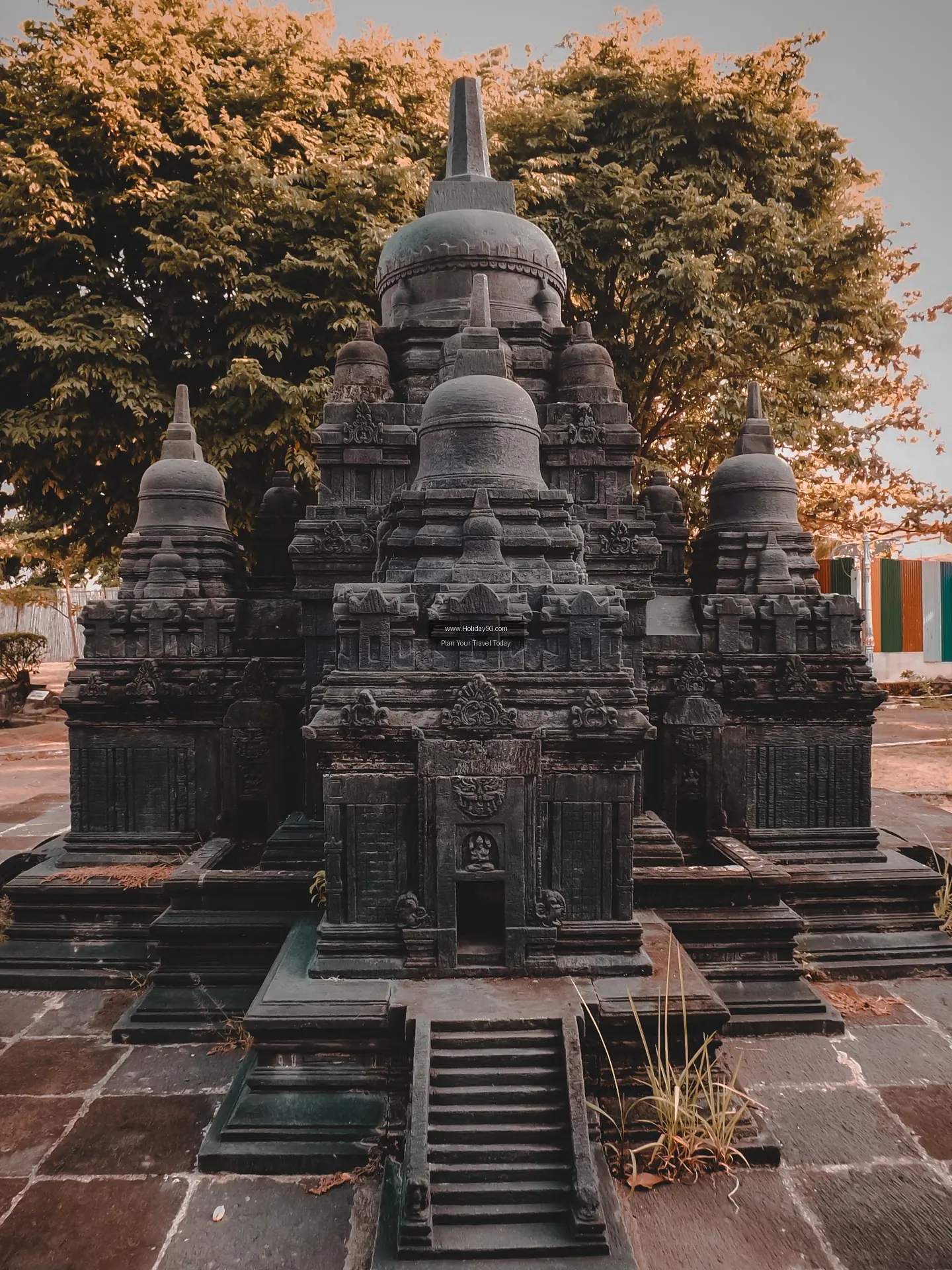
Your journey begins in Bali, but this tour swiftly moves beyond the familiar southern beaches. Expect to be immersed in the island’s spiritual and artistic core, staying in places that reflect its soul. The itinerary often includes the serene town of Ubud, the epicentre of Balinese art and dance, where you’ll visit the Tegalalang or Jatiluwih rice terraces, UNESCO-protected sites that are living examples of traditional cooperative water management. Ancient temple complexes, like the clifftop Uluwatu or the serene Tirta Empul, will punctuate your days, offering moments for quiet reflection. To deepen your understanding of the island’s layered culture, you might consider a pre-tour visit to a cultural theme park like Taman Mini Indonesia Indah, which showcases the traditions of all 34 provinces in one place.
Ubud’s Cultural Heart: Rice Terraces, Art, and Temples
Ubud serves as the perfect base for exploring Bali’s interior. Guided walks through the terraces are more than photo opportunities; they’re lessons in agriculture and community. You’ll visit artisan villages, watching masters at work carving stone or painting intricate canvases, and perhaps witness a captivating Kecak fire dance at a temple as the sun sets, the rhythm of chanting voices echoing into the night.
Komodo National Park: Dragons, Diving, and Drama
From Bali, you’ll fly to Labuan Bajo, the gateway to Komodo National Park, a UNESCO World Heritage site. This is where the adventure amps up. The core experience involves a boat journey across the Flores Sea to encounter the Komodo dragon, the world’s largest living lizard, in its natural habitat. A ranger-led trek on Rinca or Komodo Island is both thrilling and humbling. But the park’s magic lies beneath the waves. This region boasts some of the planet’s richest marine biodiversity. Snorkelling or diving at sites like Batu Bolong or Manta Point can bring you face-to-face with graceful manta rays, reef sharks, and turtles. This leg of the tour is all about dramatic landscapes and wildlife.
Raja Ampat or Sulawesi: A Remote Paradise
The final chapter of your tour ventures into even more remote waters. Many premium itineraries extend to Raja Ampat in West Papua, the crown jewel of Indonesian diving and a surreal seascape of mushroom-shaped karst islands lapped by turquoise lagoons. Here, the focus shifts to pristine snorkelling, kayaking, and village visits. Alternatively, some tours may explore the unique cultural landscapes of Sulawesi, home to the Toraja people with their distinctive tongkonan houses and elaborate funeral rites, or the marine wonder of the Togean Islands. For a dedicated experience in this latter region, our guide to a Premium Trip to Raja Ampat details what such an extension entails. This final stop ensures your tour concludes with a sense of discovery far from the beaten path.
What’s Included in Your £4,390 Tour Package?
Core Inclusions: Flights, Guides, and Most Meals
The listed price provides exceptional value, covering the major logistical hurdles. Crucially, all internal flights between islands (e.g., Bali to Labuan Bajo, Labuan Bajo to your final destination) are included. You’ll be accompanied by an experienced English-speaking guide and driver throughout, who provide context, handle bookings, and ensure your safety. The package also includes most breakfasts and a good selection of lunches and dinners, allowing you to sample regional cuisine without constant budgeting.
The Comforts of Your Stay: 3-4 Star & Unique Accommodations
Accommodation is thoughtfully selected, blending comfort with character. Expect 3 to 4-star hotels that are well-located, and in more remote areas like Raja Ampat or Komodo, you might stay in charming eco-lodges or overwater bungalows that bring you closer to nature. The twin-share basis is standard, but single rooms are available for an additional fee.
Key Activities and Entrance Fees Covered
All major activities mentioned—guiding in Komodo, entrance fees to Bali’s temples and rice terraces, guided treks, and most snorkelling excursions—are part of the package. This means no surprise costs at each stop. Your main expenses will be personal souvenirs, alcoholic drinks, and any optional activities not listed, like a private cooking class or a sunrise volcano hike.
Planning Your Trip: Essential Logistics for 2026/27
Ready to go? Book Taman Mini Indonesia Indah with HolidaySG.
Best Time to Travel: Navigating the Dry Season
Indonesia’s dry season, from April to October, is the optimal window for this tour. The months of June through August represent peak season, offering the sunniest days and calmest seas—perfect for diving and island hopping. Booking for 2026/27 well in advance is advisable, as spaces on these popular tours fill quickly, especially for prime departure dates.
Flights and Visas: What You Need to Know
Your international flight to Indonesia (typically into Denpasar, Bali) is not included. This allows you the flexibility to find the best fare or extend your trip. For most passport holders, a 30-day Visa on Arrival (VOA) is available on entry for approximately IDR 500,000 (£25). Always confirm the latest visa regulations for your specific nationality closer to your travel date. A passport with at least six months validity from your date of entry is mandatory.
Health, Safety, and Vaccination Prep
Consulting a travel health specialist at least eight weeks before departure is crucial. Routine vaccinations like Hepatitis A and Typhoid are often recommended. For regions like Komodo or Sulawesi, malaria prophylaxis may be advised, so discuss this with your doctor. The tour operator will provide detailed health and safety protocols, but comprehensive travel insurance that includes emergency evacuation is non-negotiable for this type of adventure.
Frequently Asked Questions: Your Tour Decoded
Fitness Levels and Group Dynamics
A moderate level of fitness is required. You should be comfortable walking for several hours on uneven terrain, such as temple grounds or island trails. Group sizes typically range from 8 to 16 people, creating a sociable yet intimate atmosphere. The shared experience often forges strong connections among like-minded travellers.
Solo Travellers and Single Supplements
Solo travellers are very welcome. You can choose to share a room with another solo traveller of the same gender or pay a single supplement to secure your own room. This is a great way to join a structured group tour while having your own private space.
Budgeting for Extra Costs
While the tour is comprehensive, savvy travellers should budget for: international airfare, travel insurance, most alcoholic and soft drinks, personal expenses like laundry and souvenirs, optional activities (e.g., a scuba diving certification course), and a few meals not included. A daily budget of £30-50 for these extras is a reasonable guideline.
Recommended HolidaySG Tours
Ready to go? Book Taman Mini Indonesia Indah with HolidaySG.
If this 16-day odyssey has inspired you, or if you’re looking to complement it with a focused adventure in another part of the archipelago, consider these related experiences from HolidaySG:
- Premium Trip Raja Ampat 7 Days
- Premium East Java Trip 4 Days
- Road Trip East Java Trip 4 Days
- Surfing Reat Reat 7 Days
Ready to Book? Next Steps for Your 2026/27 Indonesia Adventure
A 16-day tour across Indonesia in 2026 or 2027 is more than a holiday; it’s a profound journey through nature, culture, and history. It offers the rare chance to connect the dots between Bali’s artistic soul, Komodo’s prehistoric drama, and the untouched beauty of Indonesia’s eastern frontier. With the heavy lifting of logistics handled, you are free to be present, to wonder, and to create memories that will last a lifetime. The archipelago is calling—will you answer?
Ready to explore more Indonesian culture? Begin your journey with a visit to Taman Mini Indonesia Indah to see all 34 provinces in one place.
Book with HolidaySG online for Taman Mini Indonesia Indah, Surfing Reat Reat 7 Days, Road Trip East Java Trip 4 Days.
Frequently Asked Questions
Where can I book this 16-day Indonesia tour?
You can book this comprehensive tour or specific segments through HolidaySG. For the full experience, visit their main site. For focused add-ons, consider these specific packages: a Premium Trip to Raja Ampat, a Premium East Java Trip, or the classic Road Trip in East Java. For cultural immersion, a visit to Jakarta’s Taman Mini Indonesia Indah is highly recommended. Adventure seekers can also add a 7-Day Surfing Trip.
Do foreigners (non-citizens) need a different ticket, price, or visa for Indonesia?
Yes, visa requirements differ for non-citizens. Most tourists can obtain a Visa on Arrival (VOA) or apply for an e-Visa before travel. The VOA fee is typically around 500,000 IDR (approximately $35 USD) for a 30-day stay, which can be extended once. Prices and rules can change, so it is essential to check the official Indonesian immigration website or your nearest Indonesian embassy/consulate for the latest, accurate requirements before you travel. Tour prices for international visitors are usually the same as listed.
What is the best time (season, or time of day for the site/activity) to go?
The dry season, from April to October, is generally the best time to visit most of Indonesia, offering sunny days ideal for temples, beaches, and road trips. The wet season (November to March) brings heavy rain but can be a lush, green, and more affordable time to visit. For specific activities: the best time for surfing in Bali is during the dry season swell (June-August); for diving in Raja Ampat, visibility peaks from October to April; and for hiking volcanoes like Mount Bromo in East Java, the cool, dry mornings (often starting at 3 AM) provide the best views and conditions.
How long is the ideal trip duration to Indonesia?
While this featured tour is 16 days, a 2-3 week trip is a good minimum to experience multiple highlights without rushing. For a first-time visit focusing on one region (like Bali and the Gili Islands), 10-12 days is comfortable. For a deep dive into a specific area like Raja Ampat or a multi-island adventure, 2 weeks or more is recommended to account for travel between islands.
What is the typical daily cost for a traveler in Indonesia?
How do I get between the islands in Indonesia?
The main modes of transport are domestic flights (fast and frequent between major hubs), inter-island ferries (scenic but slow, often used for cars and backpackers), and speedboats (common for short, direct routes like Bali to Lombok). Internal flights with airlines like Garuda Indonesia, Lion Air, or AirAsia are the most efficient for covering long distances quickly.
Is Indonesia a family-friendly destination?
Absolutely. Indonesia offers warm hospitality and a wide range of family-friendly activities, from beach play and easy nature hikes to cultural workshops and theme parks like Bali Safari and Marine Park. The pace of travel and choice of destination are key; Bali, with its resorts and activities, is particularly popular for families.
What should I pack for an Indonesia tour?
Pack light, breathable clothing (cotton/linen), modest attire for temple visits (sarong and sash are often provided), a light rain jacket, sunscreen, insect repellent, a wide-brimmed hat, sunglasses, and comfortable walking shoes. Water shoes are useful for beaches and waterfalls. A universal power adapter and a portable battery pack are also wise.
Is Indonesia accessible for travelers with disabilities?
Accessibility varies greatly. Major international hotels in big cities and resort areas in Bali often have accessible facilities. However, historical sites, traditional accommodations, and public transport can be challenging. Infrastructure outside main tourist zones is developing. It is advisable to research specific attractions and book specialized tours that can cater to mobility needs.
Is Indonesia safe for tourists?
Indonesia is generally safe for tourists, with hospitality being a core cultural value. As with any destination, exercise common sense: be aware of your belongings in crowded areas, use reputable transport, and avoid isolated places at night. Petty theft can occur in tourist hotspots. It’s also wise to check for any regional travel advisories before your trip.
What is the local etiquette and dress code I should be aware of?
Indonesia is predominantly Muslim. Dress modestly when visiting religious sites and rural areas: shoulders and knees should be covered. It’s polite to use your right hand when giving or receiving items. Always ask before photographing people, especially in more traditional areas. Remove your shoes before entering someone’s home or a temple.
What kind of food can I expect, and are there vegetarian/vegan options?
Indonesian cuisine is flavorful and diverse, featuring rice, noodles, and dishes like nasi goreng (fried rice) and satay. Seafood is abundant in coastal areas. Vegetarian options like gado-gado (vegetables with peanut sauce) and tempe/tofu dishes are widely available. In tourist areas, Western and vegetarian/vegan cafes are increasingly common.
What are the must-see attractions beyond Bali on this tour?
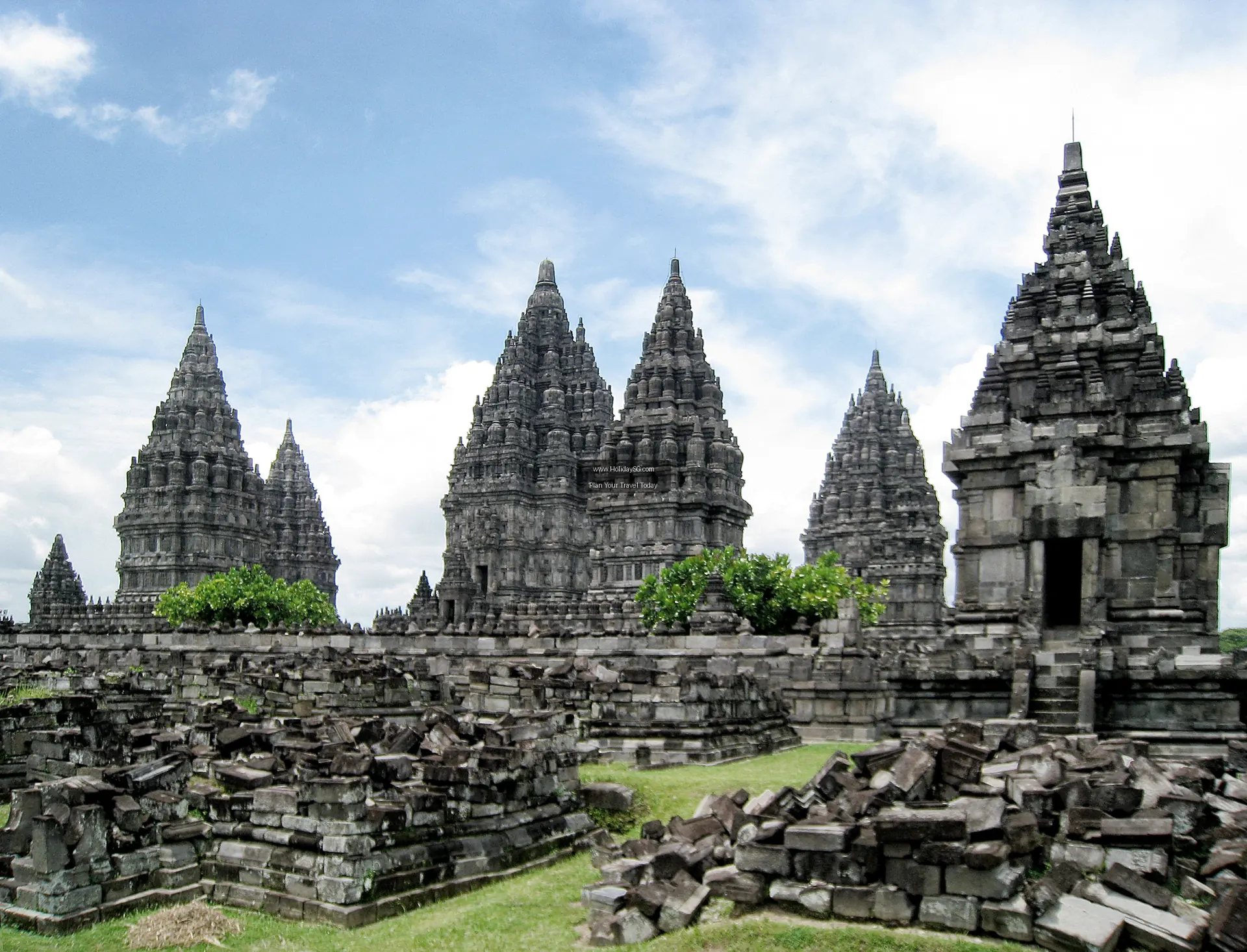
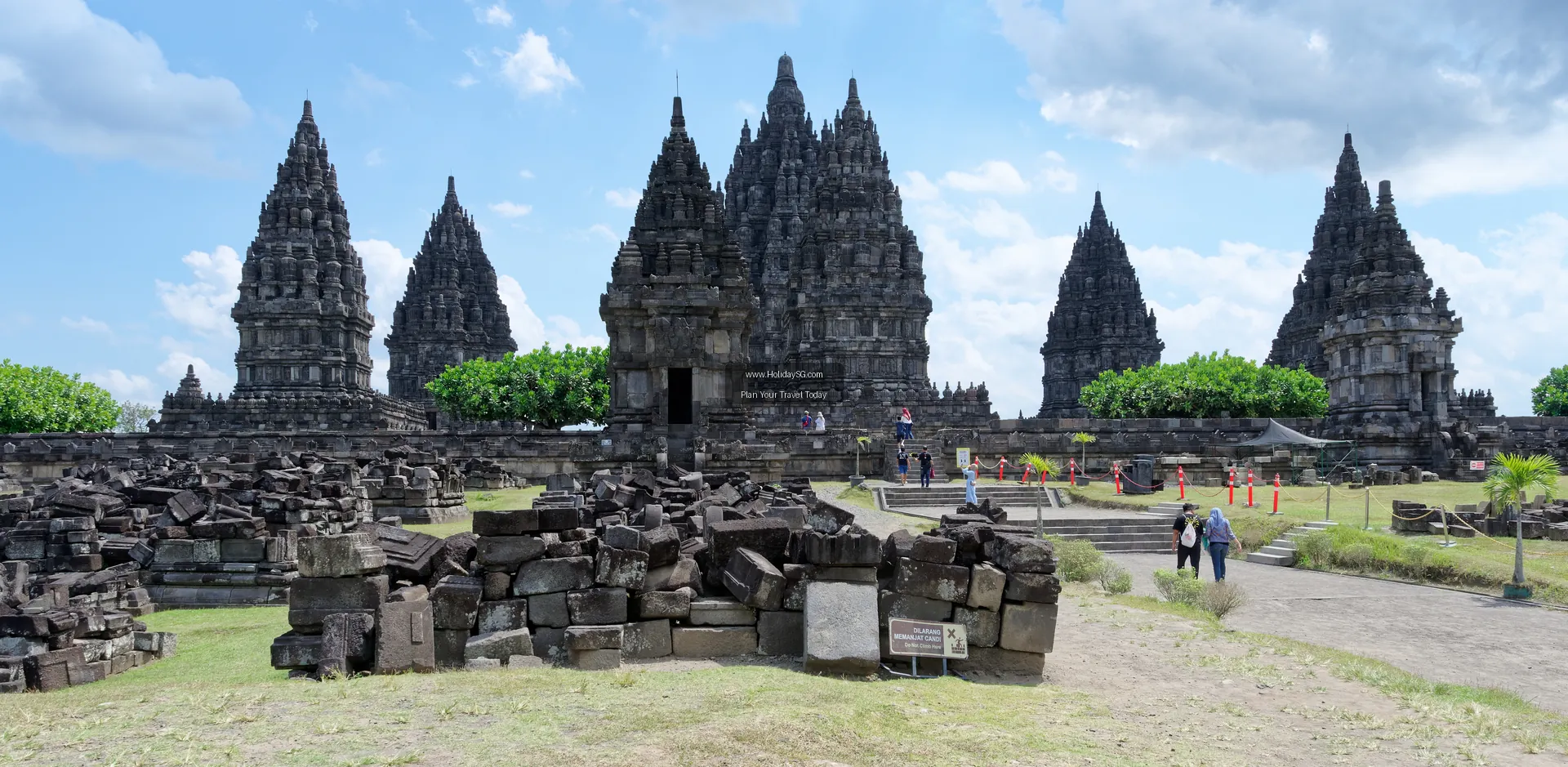
Key highlights typically include the ancient temples of Yogyakarta (Borobudur and Prambanan), the dramatic volcanoes of East Java (like Mount Bromo and Ijen), the pristine marine biodiversity of Raja Ampat, and the cultural melting pot of Jakarta. Don’t miss the unique Komodo National Park or the traditional houses of Toraja in Sulawesi if your itinerary extends further.
How reliable is Wi-Fi and mobile data in Indonesia?
Wi-Fi is widely available in hotels, cafes, and restaurants in tourist areas, though speeds can vary. For reliable mobile data, purchase a local SIM card (from providers like Telkomsel) upon arrival at the airport. Coverage is excellent in cities and popular islands but can be spotty in remote areas like parts of Raja Ampat or during long ferry journeys.
What are the health precautions I should take?
Consult your doctor or a travel clinic before your trip about recommended vaccinations (e.g., Hepatitis A, Typhoid). Drink bottled or purified water only. Use mosquito repellent to prevent dengue fever, especially during the wet season. Carry basic first-aid and prescription medications, as pharmacies may not stock international brands.
Can I use credit cards, or should I rely on cash?
Cash (Indonesian Rupiah – IDR) is king for small purchases, street food, and in rural areas. Larger hotels, restaurants, and shops in tourist zones accept credit cards (Visa/Mastercard). It’s wise to carry a mix of cash and cards. ATMs are widely available in towns and cities. Notify your bank of your travel plans to avoid card blocks.
What is a typical daily itinerary like on a 16-day tour?
Days often start early to maximize travel time and cooler temperatures. A typical day might involve a morning sightseeing tour (e.g., a temple complex or national park), lunch at a local spot, an afternoon activity (cooking class, trekking, or beach visit), and an evening cultural performance or dinner. The pace is structured to cover multiple highlights without being overly exhausting.
Are there any nearby attractions or day trips from the main tour locations?
Yes, for example: from Ubud (Bali), visit the Tegalalang Rice Terraces or Tirta Empul water temple. From Yogyakarta, explore the Dieng Plateau or the caves of Jomblang. From Surabaya, take a day trip to the Madura Island or the historic town of Malang. These add depth to your visit.
What should I know about tipping in Indonesia?
Tipping is not obligatory but appreciated for good service. A small tip (5-10%) in restaurants, rounding up taxi fares, or giving a small amount (10,000-20,000 IDR) to tour guides or hotel porters is common practice in tourist areas. It is not expected in small local warungs.
Is this tour suitable for solo travelers?
Yes, this organized 16-day tour is an excellent option for solo travelers. It provides a built-in social group, the convenience of arranged logistics, and the safety of a guided experience, while still offering free time for personal exploration in each destination.
What things cost in Indonesia
Live HolidaySG prices for the experiences in this guide, so you can sanity-check a budget before you commit.
| Experience | Where | From price |
|---|---|---|
| 10 Min - 100 Min Bali Helicopter Tours | Departing from Canggu | Bali | From S$150.47 |
| 10 Min - 100 Min Bali Helicopter Tours | Departing from Nusa D... | Bali | From S$150.47 |
| 4WD Jeep Caldera Sunrise Experience by Bali Volcano Jeep | Bali | From S$52.69 |
| 4WD Jeep Mount Batur Sunrise Experience by Bali Volcano Jeep | Bali | From S$60.13 |
| Black Lava Tour | Bali | From S$154.57 |
| Cimory Dairyland Farm Theme Park Gowa | Makassar | From S$4.00 |
| Seafood Dinner in Jimbaran Bali by New Dewata | Bali | From S$6.59 |
| Dairyland Farm Theme Park Prigen | Surabaya | From S$4.00 |