

Indonesia is more than just Bali’s beaches and rice terraces—it’s a sprawling archipelago of over 17,000 islands, each offering its own slice of adventure, culture, and natural wonder. From the misty volcanoes of Java to the pristine coral reefs of Raja Ampat, Indonesia Travel Guide 2026: Beyond Bali — 17,000 Islands Await is your key to uncovering hidden gems. Whether you’re a diver chasing manta rays, a trekker summiting active volcanoes, or a culture lover exploring ancient temples, this guide will help you plan an unforgettable trip.
Indonesia’s 17,000+ islands offer everything from Komodo dragons to world-class diving in Raja Ampat. Plan your trip during the dry season (April–October), secure a visa on arrival or e-VOA, and explore beyond Bali with this guide to Java, Sumatra, Sulawesi, and more.
Why Explore Beyond Bali?
Bali may be Indonesia’s most famous island, but it’s just the tip of the iceberg. Venture further, and you’ll discover landscapes and cultures that feel worlds away from the familiar.
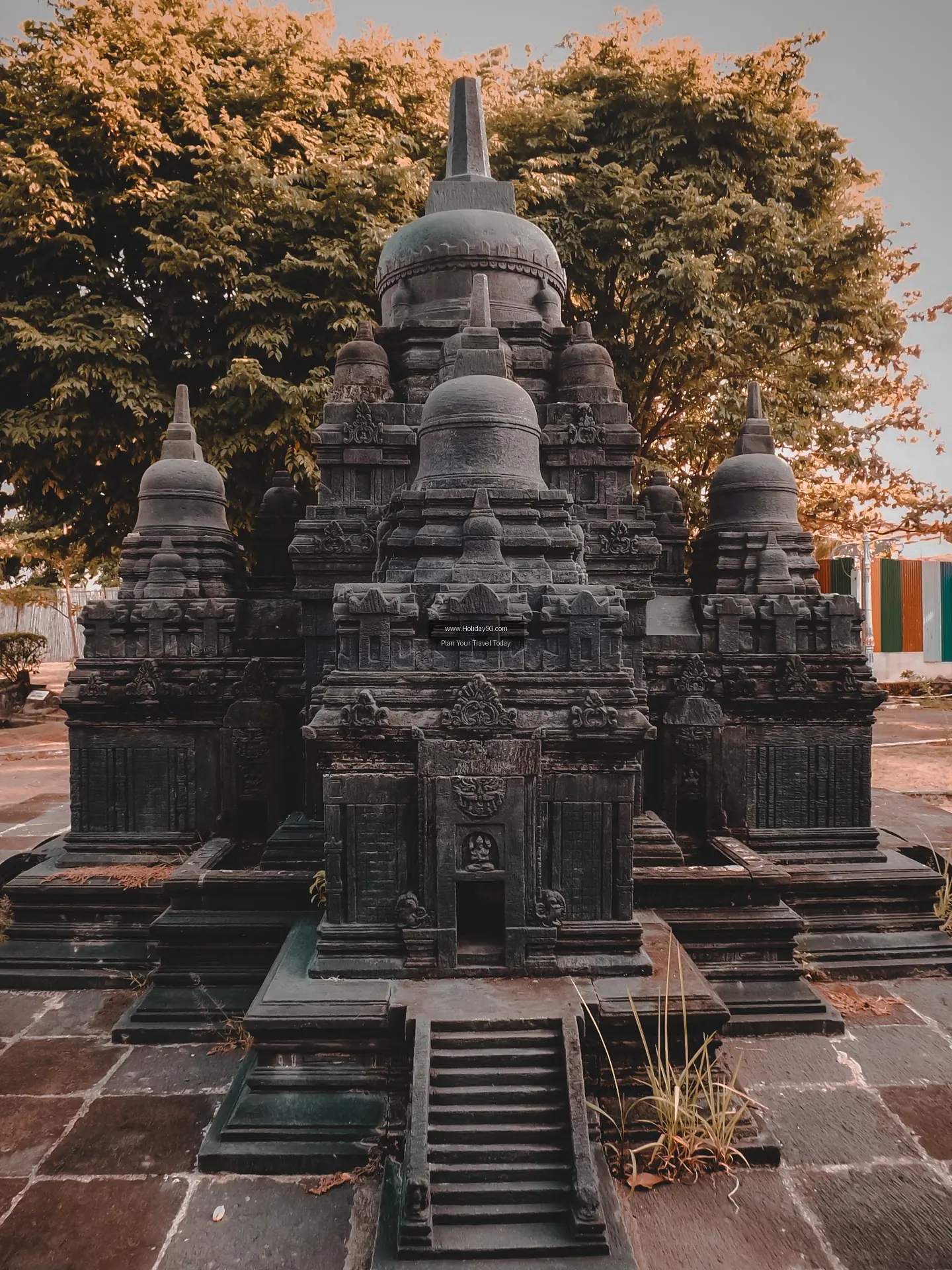
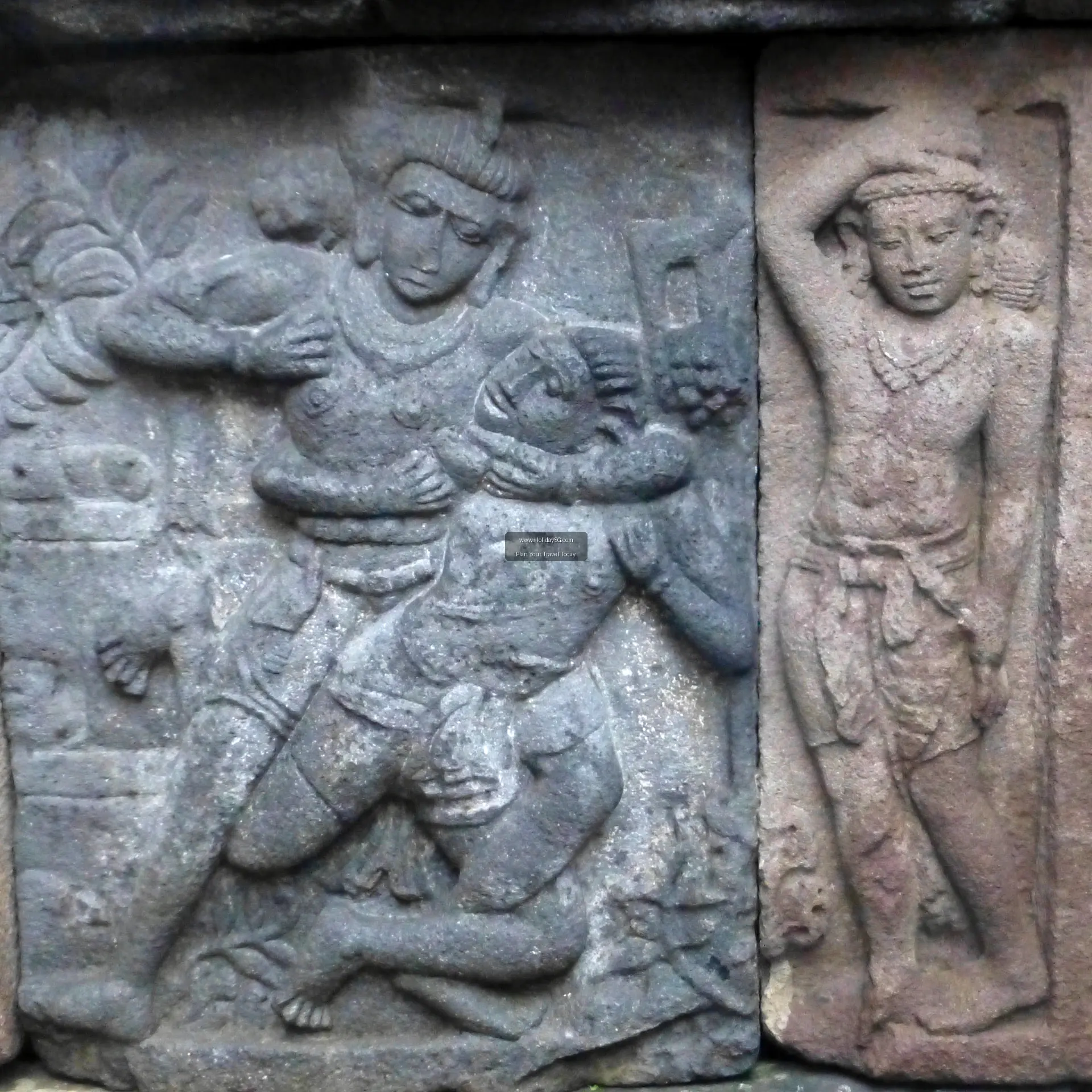
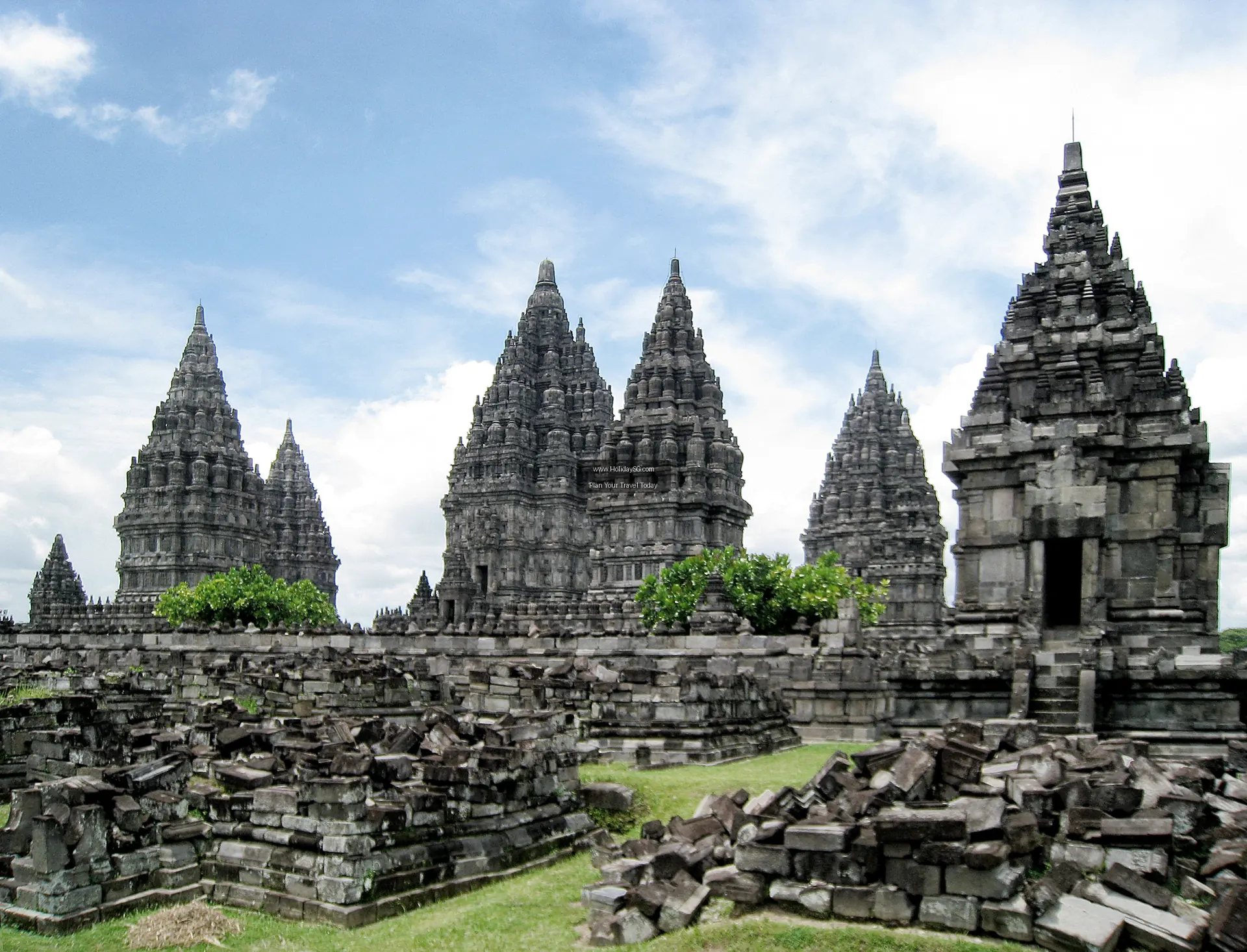
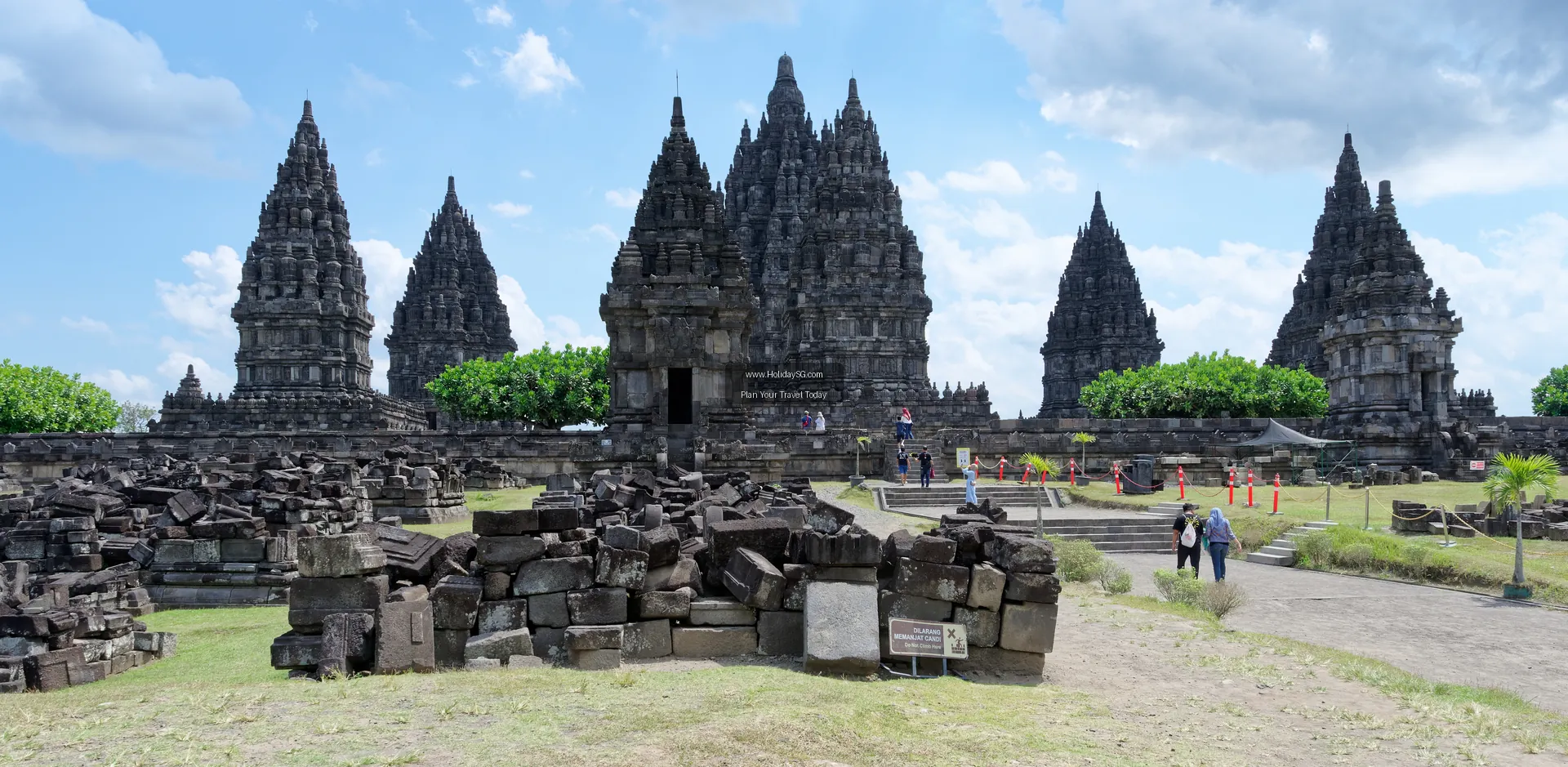
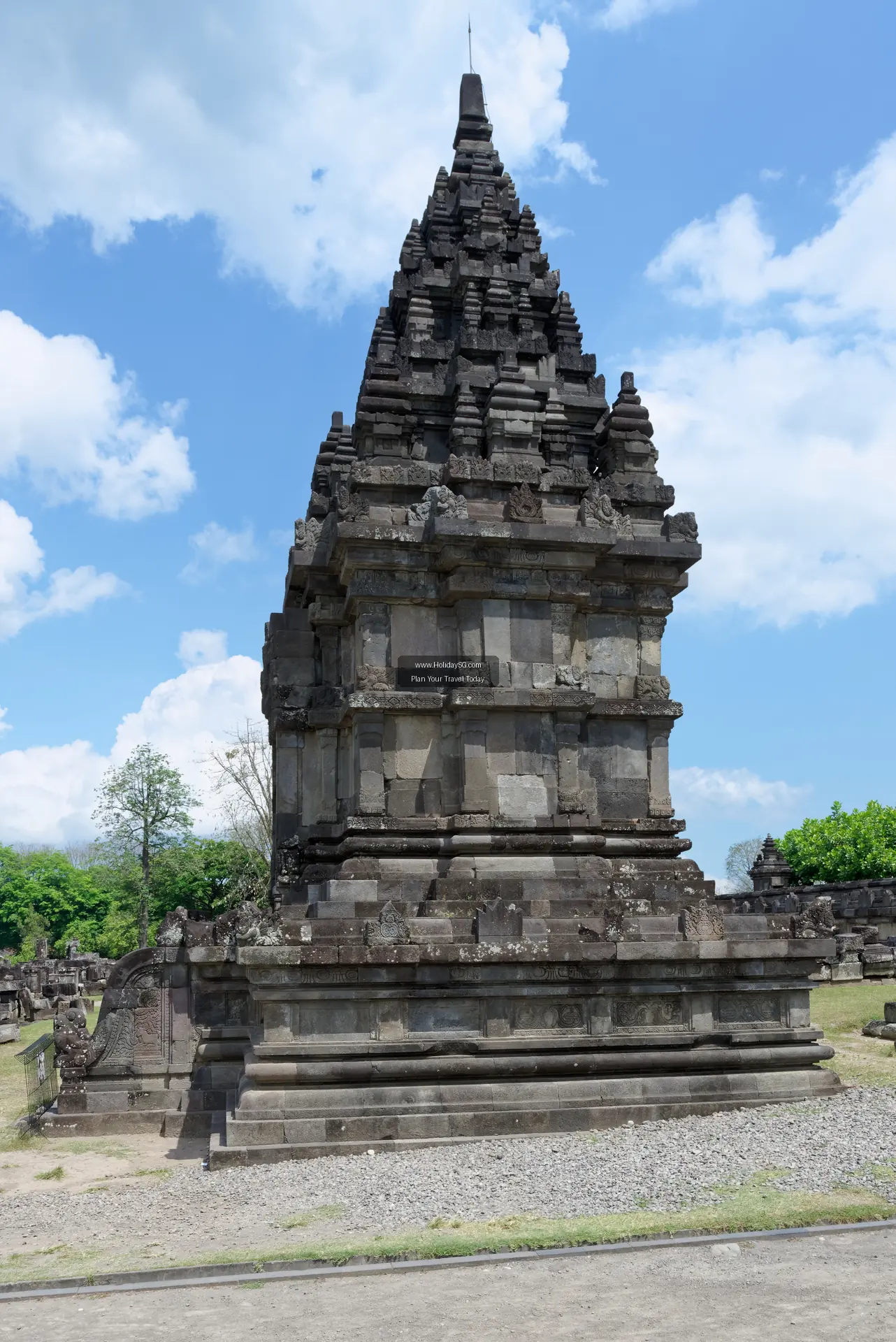
Java, the cultural heart of Indonesia, is home to the world’s largest Buddhist temple, Borobudur, and the towering Hindu complex of Prambanan. Nearby, the fiery crater of Mount Merapi offers thrilling hikes, while the city of Yogyakarta pulses with traditional arts and batik workshops. For a taste of Java’s adventure side, consider white-water rafting on the Ayung River—though Bali’s rivers are just as exhilarating for those who want a preview.
Sumatra is where wild meets wonderful. Trek through jungles to spot orangutans in Bukit Lawang, marvel at the turquoise waters of Lake Toba (the world’s largest volcanic lake), or surf the waves of the Mentawai Islands. The island’s raw, untamed beauty is perfect for travelers seeking off-the-beaten-path experiences.
Sulawesi is a land of contrasts, from the unique marine life of Bunaken National Park to the highland traditions of the Toraja people. Here, elaborate funeral rituals—complete with buffalo sacrifices and traditional dances—offer a glimpse into a culture unlike any other.
Komodo and Flores are a dream for wildlife lovers. Komodo National Park is the only place on Earth where you can see Komodo dragons in the wild, while Flores’ tribal villages and pink sand beaches (like those on Padar Island) feel like stepping into another era.
Raja Ampat, in West Papua, is a diver’s paradise. With 75% of the world’s coral species, it’s one of the most biodiverse marine environments on the planet. Overwater bungalows, manta ray encounters, and crystal-clear lagoons make it a bucket-list destination for ocean enthusiasts.
Lombok and the Gili Islands offer a quieter alternative to Bali. Lombok’s Rinjani volcano is a challenging but rewarding trek, while the Gili Islands—car-free and laid-back—are perfect for snorkeling, diving, or simply unwinding on pristine beaches.
Best Time to Visit Indonesia
Indonesia’s vast size means weather patterns vary by region, but the dry season (April–October) is generally the best time to visit most areas. During these months, you’ll enjoy sunny skies, calm seas, and ideal conditions for hiking, diving, and exploring.
- April–October (Dry Season): Ideal for Bali, Java, Lombok, Komodo, and Raja Ampat. Crowds are larger, but the weather is reliable.
- November–March (Wet Season): Cheaper rates and fewer tourists, but some areas (like Raja Ampat) may have limited access due to rough seas. Sumatra and Java can experience heavy rainfall, making jungle treks more challenging.
- Shoulder Months (April, October): The best of both worlds—good weather and fewer crowds. Perfect for budget travelers who want to avoid peak prices.
Regional Variations:
- Raja Ampat: Best visited from October to April (calm seas, best visibility for diving).
- Sumatra: Dry season runs from May to September, but the west coast can be wet year-round.
- Java and Bali: April–October is ideal, but Bali’s shoulder months (April, October) offer a quieter experience.
Visa Requirements for Indonesia in 2026
Indonesia makes it easy for travelers to explore its islands, with visa policies designed to encourage tourism.
- Visa-Free Entry (30 Days): Available to citizens of over 90 countries, including the US, UK, EU, Australia, and Singapore. This is non-extendable, so plan your trip accordingly.
- Visa on Arrival (VOA, 35 USD): Extendable to 60 days (30 days initially, plus a 30-day extension). Available at major airports and seaports.
- e-VOA (25 USD): Apply online before arrival for faster processing. Ideal for those who want to skip the queues.
- B211A Tourist Visa (50 USD): For stays up to 6 months. Apply at Indonesian embassies or consulates before traveling.
Pro Tip: Overstaying your visa can result in fines (1 million IDR per day) or even deportation, so keep track of your exit date. If you’re planning a long trip, consider the B211A visa or a border run to Malaysia or Singapore for a fresh entry.
Getting Around Indonesia: Transportation Guide
Indonesia’s vast archipelago means getting around requires a mix of flights, ferries, and local transport. Here’s how to navigate it like a pro.
Domestic Flights
Flying is the fastest way to hop between islands, and budget airlines make it affordable. Key routes include:
- Jakarta to Bali: ~1.5 hours, often under $50 with airlines like Lion Air or Citilink.
- Bali to Labuan Bajo (Komodo): ~1 hour, around $70–100.
- Jakarta to Raja Ampat: Connect via Sorong (~4 hours total, $150–200).
Tips for Booking:
- Book in advance for a great selection of, especially during peak season.
- Pack light—budget airlines charge for checked baggage.
Ferries and Boats
For shorter hops or a more scenic route, ferries and boats are a great option.
- Bali to Lombok to Gili Islands: Fast boats (~2–3 hours, $30–50) or slow ferries (~5–6 hours, $10–20).
- Labuan Bajo to Komodo: Speedboats (~1 hour, $20–30) or liveaboard tours for multi-day trips.
- Pelni Ships: Indonesia’s national ferry service connects major islands (e.g., Java to Sulawesi, Sumatra to Bali). Tickets are cheap, but journeys can take days—pack snacks and entertainment!
Safety Note: Always check weather conditions before boarding, and opt for reputable operators. Rough seas are common during the wet season.
Trains
Java has Indonesia’s most reliable rail network, with routes connecting Jakarta, Yogyakarta, and Surabaya. Trains are comfortable, affordable, and a great way to see the countryside.
- Economy Class: Budget-friendly (~$5–10 for Jakarta to Yogyakarta), but can be crowded.
- Executive Class: More spacious, with AC and meals (~$20–30 for the same route).
Sumatra has limited train routes, mostly in the north (e.g., Medan to Banda Aceh).
Local Transport
Once you’ve arrived at your destination, getting around locally is easy with these options:
- Ride-Hailing Apps: Grab and Gojek are lifesavers in cities like Jakarta, Bali, and Yogyakarta. They’re cheap, reliable, and avoid haggling with taxi drivers.
- Becaks and Ojeks: Tricycle taxis (becaks) and motorcycle taxis (ojeks) are great for short distances. Always agree on a price before hopping in.
- Bemos: Minivans that operate like shared taxis, common in rural areas. They’re cheap but can be cramped—best for short trips.
- Scooter Rentals: Popular in Bali, Lombok, and the Gili Islands. Rentals cost ~$5–10/day, but be cautious—traffic can be chaotic, and helmets are a must.
Indonesia Travel Budget: Costs and Money-Saving Tips
Indonesia is a budget-friendly destination, but costs vary depending on your travel style. Here’s what to expect:
Daily Budget Breakdown
- Budget Traveler (25–40 USD/day): Hostels ($5–15/night), street food ($2–5/meal), local transport, and free/cheap activities (hiking, beach days).
- Mid-Range (50–100 USD/day): Private rooms ($20–50/night), warungs and restaurants ($5–15/meal), tours, and domestic flights.
- Luxury (150–300+ USD/day): Boutique hotels ($100+/night), resorts, private tours, and fine dining.
Sample Costs
- Meals:
- Accommodation:
- Transport:
- Tours:
Money-Saving Tips
- Eat like a local: Warungs offer delicious, authentic meals for a fraction of restaurant prices.
- Book flights early: Domestic flights are cheapest when booked 1–2 months in advance.
- Travel in shoulder season: April and October offer good weather and lower prices.
- Use public transport: Bemos and angkots (minivans) are cheap and give you a taste of local life.
- Bargain politely: Markets, taxis, and street vendors expect haggling—start at 30–50% of the asking price.
Health and Safety in Indonesia
Indonesia is generally safe for travelers, but it’s important to take precautions to stay healthy and avoid common pitfalls.
Vaccinations and Health Precautions
- Recommended Vaccines: Hepatitis A/B, Typhoid, Tetanus, and Rabies (if visiting rural areas or jungles).
- Malaria: Risk is low in Bali and Java but higher in Sumatra, Papua, and rural areas. Consider malaria prophylaxis if traveling to these regions.
- Dengue Fever: Mosquito-borne and common in tropical areas. Use DEET repellent, wear long sleeves, and sleep under mosquito nets.
- Tap Water: Not safe to drink—stick to bottled or filtered water. Avoid ice in drinks from street vendors.
Food and Water Safety
- Street Food: Look for busy stalls with high turnover—freshly cooked food is less likely to cause issues.
- Stomach Issues: Carry rehydration salts and antidiarrheal medication. If you get sick, stick to bland foods like rice and bananas.
Safety Tips
- Petty Theft: Pickpocketing and bag snatching can occur in tourist areas. Keep valuables secure and avoid flashing expensive items.
- Natural Hazards: Indonesia is prone to earthquakes, tsunamis, and volcanic eruptions. Check alerts from BMKG (Indonesia’s meteorology agency) and follow local advice.
- Scams: Avoid unlicensed taxis, overcharging, and fake tour operators. Use Grab/Gojek or official taxi stands.
- Solo Female Travel: Indonesia is generally safe for women, but dress modestly (especially in rural areas) and avoid walking alone at night. Aceh, in Sumatra, has stricter Islamic laws—research local customs before visiting.
Cultural Etiquette and Local Customs
Indonesia is a predominantly Muslim country, but its culture is a blend of Hindu, Buddhist, and animist traditions. Respecting local customs will enrich your experience and help you connect with locals.
- Dress Modestly: Cover shoulders and knees when visiting temples, mosques, or rural areas. In Bali, sarongs are often provided at temples, but it’s polite to bring your own.
- Hand Gestures: Use your right hand for giving or receiving items (the left hand is considered unclean). Avoid pointing with your finger—use an open hand instead.
- Greetings: A slight bow with hands pressed together (salam) is a polite greeting. In Muslim areas, a handshake may be followed by placing your hand over your heart.
- Bargaining: Expected in markets, taxis (without meters), and with street vendors. Start at 30–50% of the asking price and negotiate with a smile.
- Religious Customs: During Ramadan, avoid eating, drinking, or smoking in public during daylight hours. In Bali, Nyepi (Day of Silence) is a 24-hour period of no activities, lights, or noise—even the airport shuts down!
Internet and Connectivity
Staying connected in Indonesia is easy, but speeds vary by location.
- SIM Cards: Buy at airports, seaports, or official stores. Telkomsel has the best coverage, especially in remote areas. A 1-month data package (10–20GB) costs ~$5–10.
- Wi-Fi: Available in hotels, cafés, and co-working spaces, but speeds can be slow in rural areas. In places like Raja Ampat, expect limited connectivity.
- eSIMs: Convenient for short stays. Providers like Airalo and Holafly offer plans starting at ~$5 for 1GB.
Pro Tip: If you’re working remotely, stick to cities like Jakarta, Bali, or Yogyakarta, where Wi-Fi is more reliable.
Sustainable and Responsible Travel in Indonesia
Indonesia’s natural beauty is under threat from plastic pollution, over-tourism, and unsustainable practices. Here’s how to travel responsibly:
- Plastic Waste: Indonesia is the world’s second-largest plastic polluter. Bring a reusable water bottle (refill stations are available in Bali and Yogyakarta) and say no to single-use plastics.
- Wildlife Tourism: Avoid attractions that exploit animals, such as elephant rides or civet coffee plantations. Support ethical sanctuaries like the Bali Bird Park or Sumatra’s orangutan rehabilitation centers.
- Coral Reefs: Use reef-safe sunscreen (banned in Raja Ampat) and never touch or stand on coral.
- Local Communities: Stay in homestays, buy handicrafts directly from artisans, and respect tribal customs (e.g., Toraja’s funeral rituals).
- Cultural Sensitivity: Ask before taking photos of locals, especially in rural or tribal areas. Dress modestly and follow local traditions.
Unique Experiences You Can’t Miss
Indonesia is packed with once-in-a-lifetime experiences. Here are a few to add to your itinerary:
- Sunrise at Borobudur: Arrive early to beat the crowds and watch the sun rise over Java’s misty volcanoes, framed by the temple’s stupas.
- Swim with Manta Rays: Head to Nusa Penida (Bali) or Raja Ampat’s Manta Sandy for an unforgettable encounter with these gentle giants.
- Witness a Torajan Funeral: In Sulawesi, Torajan funerals are multi-day events with buffalo sacrifices, traditional dances, and elaborate processions. It’s a rare glimpse into a culture that celebrates death as much as life.
- Climb Mount Bromo: Java’s iconic volcanic crater is best visited at sunrise, when the mist clears to reveal a surreal, otherworldly landscape.
- Stay in a Jungle Treehouse: Sumatra’s Bukit Lawang and Kalimantan’s Borneo offer treehouse accommodations where you can wake up to the sounds of gibbons and hornbills.
- Dive with Whale Sharks: Cenderawasih Bay in Papua is one of the few places where you can swim with these majestic creatures in the wild.
Festivals and Events in Indonesia (2026)
Indonesia’s festivals are a vibrant mix of culture, religion, and tradition. Here are some of the highlights for 2026:
- Nyepi (Day of Silence): March 2026 (Bali). The island shuts down for 24 hours—no flights, lights, or activities. It’s a unique opportunity for reflection and meditation.
- Waisak (Buddha’s Birthday): May 2026 (Borobudur). Thousands of monks gather at the world’s largest Buddhist temple for a grand procession.
- Bali Arts Festival: June–July 2026 (Denpasar). A month-long celebration of traditional dance, music, and crafts.
- Toraja Funeral Season: July–September 2026 (Sulawesi). The Toraja people hold elaborate funeral ceremonies during these months—an incredible cultural experience.
- Raja Ampat Festival: October 2026. A celebration of marine biodiversity, featuring cultural performances, diving competitions, and eco-tourism initiatives.
Common Traveler Questions (FAQs)
Is Indonesia safe for solo female travelers?
Yes, but take precautions. Dress modestly, avoid walking alone at night, and research local customs (e.g., Aceh has stricter Islamic laws). Stick to well-populated areas and use ride-hailing apps like Grab for safe transport.
Do I need a guide for Komodo or Raja Ampat?
- Komodo: Yes, guides are mandatory for dragon treks in Komodo National Park.
- Raja Ampat: Recommended, especially for diving. Navigation is complex, and local guides know the best spots for marine life.
Can I use USD or EUR in Indonesia?
No—Indonesian Rupiah (IDR) is required for most transactions. USD is accepted in tourist areas but at poor exchange rates. Withdraw IDR from ATMs (avoid airport exchange counters).
How do I avoid Bali’s crowds?
Visit lesser-known islands like Nusa Penida, Belitung, or the Gili Islands. Alternatively, travel during the off-season (January–March) or shoulder months (April, October).
Is English widely spoken in Indonesia?
Basic English is spoken in tourist areas, but it’s limited in rural regions. Learn a few key phrases, such as:
- Terima kasih (Thank you)
- Berapa harganya? (How much does it cost?)
- Di mana toilet? (Where is the toilet?)
What’s the best way to island-hop?
Combine domestic flights with ferries and boats. For example:
- Fly from Jakarta to Bali, then take a fast boat to Lombok and the Gili Islands.
- Fly from Bali to Labuan Bajo, then take a liveaboard to Komodo and Flores.
Are there any hidden gems beyond the popular spots?
Absolutely! Consider:
- Belitung: Pristine beaches and granite boulders, featured in the film Laskar Pelangi.
- Banda Islands: A remote archipelago with incredible diving and colonial history.
- Wakatobi: A diver’s paradise in Sulawesi, less crowded than Raja Ampat.
- Tana Toraja: Sulawesi’s highlands, where traditional tongkonan houses and funeral rituals offer a glimpse into a unique culture.
Recommended HolidaySG Tours
If you’re looking to add some adventure or relaxation to your Indonesia trip, check out these tours:
- White Water Rafting Ayung River Bali
- White Water Rafting Telaga Waja Bali
- Wellness Treatment By Body Artisan Bali
- Water Sport In Tanjung Benoa Non Indonesian Id Holder By Bali Coral Dive Water Sport
Ready to dive into adventure? Experience the thrill of White Water Rafting Telaga Waja Bali and make your Indonesian journey unforgettable!
Book these with HolidaySG:
Book with HolidaySG online for White Water Rafting Telaga Waja Bali, White Water Rafting Ayung River Bali, Wellness Treatment By Body Artisan Bali.
More Photos from HolidaySG
Book with HolidaySG online for Muslim Friendly Southern Bali Beaches Tour, Padang Bai Bali Transfer Service By Bbe Trip, One Day Tour To Penida From Bali.
Book these with HolidaySG:
- Muslim Friendly Southern Bali Beaches Tour
- Padang Bai Bali Transfer Service By Bbe Trip
- One Day Tour To Penida From Bali
- Nusa Penida West Tour Manta Snorkeling From Bali
- North Bali Custom Tourcar Bedugul Tour
- Muslim Friendly Ubud Penglipuran And Waterfall Tour In Bali
- Muslim Friendly Mount Batur Trekking And Jeep Tour In Bali
- Muslim Friendly Bali Waterfalls Private Day Tour
Frequently Asked Questions
Where can I book the tours mentioned in this article?
- Muslim Friendly Southern Bali Beaches Tour
- Padang Bai Bali Transfer Service By Bbe Trip
- One Day Tour To Penida From Bali
- Nusa Penida West Tour Manta Snorkeling From Bali
- North Bali Custom Tourcar Bedugul Tour
- Muslim Friendly Ubud Penglipuran And Waterfall Tour In Bali
- Muslim Friendly Mount Batur Trekking And Jeep Tour In Bali
- Muslim Friendly Bali Waterfalls Private Day Tour
Do foreigners (non-citizens) need a different ticket, price, or visa for Indonesia?
What is the best time (season, or time of day for the site/activity) to go?
How long should I spend in Indonesia, specifically around Bali for these off-beach experiences?
What are the typical costs for these tours and activities?
How do I get to the starting points for these tours (e.g., Ubud, Padang Bai, Singaraja)?
Are these tours suitable for families with young children?
What should I pack or bring for these experiences?
Is it easy to get around without joining a tour?
How accessible are these locations for travelers with mobility issues?
Is Indonesia, and Bali in particular, safe for tourists?
What is the weather like and should I be concerned about the rainy season?
What local etiquette should I be aware of?
What is there to eat near these attractions? Are there vegetarian or halal options?
Can I use credit cards, or should I carry cash?
What vaccinations or health precautions are recommended?
What are some must-try foods and drinks beyond Bali’s beaches?
Are there any nearby attractions or activities I can combine with these tours?
How can I ensure my tour is environmentally responsible?
What if I have a strict dietary requirement, like halal or kosher?
What things cost in Indonesia
Live HolidaySG prices for the experiences in this guide, so you can sanity-check a budget before you commit.
| Experience | Where | From price |
|---|---|---|
| 10 Min - 100 Min Bali Helicopter Tours | Departing from Canggu | Bali | From S$150.47 |
| 10 Min - 100 Min Bali Helicopter Tours | Departing from Nusa D... | Bali | From S$150.47 |
| 4WD Jeep Caldera Sunrise Experience by Bali Volcano Jeep | Bali | From S$52.69 |
| 4WD Jeep Mount Batur Sunrise Experience by Bali Volcano Jeep | Bali | From S$60.13 |
| Black Lava Tour | Bali | From S$154.57 |
| Seafood Dinner in Jimbaran Bali by New Dewata | Bali | From S$6.59 |
| Tabanan Area (2 Hours Tour) | Bali | From S$80.72 |
| Adrenaline-Pumping ATV Adventure in Bali at Dadi Bali Adventur... | Bali | From S$38.88 |