

Indonesia travel guide 2026: plan your perfect trip is exactly what this guide covers.
Indonesia is a kaleidoscope of vibrant cultures, epic landscapes, and turquoise waters, making it a perennial favorite for travelers. As we look ahead to 2026, planning your perfect trip requires a mix of adventure and smart logistics. Whether you’re dreaming of surfing in Bali, trekking volcanic peaks, or diving in pristine reefs, this guide will help you navigate the essentials for a seamless and unforgettable Indonesian archipelago adventure.
**** Indonesia’s entry process is smoother than ever with a streamlined e-visa system and affordable Visa-on-Arrival. For the best weather, plan your trip between April and October, but consider shoulder months for fewer crowds. Budget comfortably—daily costs can range from $30 for backpackers to over $200 for luxury—and prioritize buying a local SIM and using ride-hailing apps for easy transport.
### **Pre-Trip Planning: Logistics & Practicalities**
**Visas & Entry Requirements**
Most foreign visitors can obtain a Visa-on-Arrival (VOA) upon landing in Indonesia. The VOA costs approximately USD 35, is valid for 30 days, and can be extended once for an additional 30 days at a local immigration office. For a smoother experience, you can now apply for an electronic visa ahead of your trip through the official Indonesian government portal, which reduces airport queues and uncertainty. Ensure your passport has at least six months of validity from your date of arrival.
**When to Go: Seasons & Budget Considerations**
Indonesia’s peak dry season runs from April to October, offering sunny skies ideal for beach activities and temple visits across most regions, including Bali, Lombok, and Komodo. The shoulder seasons of April-May and September-October are often the sweet spot, delivering pleasant weather with significantly fewer tourists. The rainy season, from November to March, brings heavier afternoon downpours but also lush green landscapes and the best deals on accommodations and tours.
**Budgeting for Indonesia**
Indonesia caters to all travel styles. A backpacker can get by on approximately $30-50 USD per day, covering budget hostels, local *warungs* (eateries), and public transport. A mid-range traveler can expect to spend $75-150 USD per day for comfortable hotels, private drivers, and guided tours. Luxury experiences easily exceed $200 USD per day. Food is incredibly affordable: street food meals cost just $1-3, while a sit-down meal in a local restaurant ranges from $3-8.
**Money Matters: Currency & Payments**
IDR (Indonesian Rupiah) is the Indonesian Rupiah (IDR). While ATMs are widespread in tourist areas, they can dispense large denominations, so always carry smaller cash notes for rural areas, markets, and small vendors. Always have some cash in IDR for small purchases and emergencies.
### **Getting There & Getting Around**
**Major International Airports**
Your primary gateways into the country are Ngurah Rai International Airport (DPS) in Bali, Soekarno-Hatta International Airport (CGK) in Jakarta, and Juanda International Airport (SUB) in Surabaya. These hubs have frequent connections from across Asia and the world, and serve as launching points for domestic travel.
**Inter-Island Transport**
Exploring multiple islands is a highlight of any Indonesian trip. Budget airlines like Lion Air, AirAsia, and Citilink offer affordable domestic flights connecting major cities and tourist destinations. For closer islands, such as the route between Bali and Lombok or to the Gili Islands, fast boats are a popular and scenic option. For longer routes, like Java to Bali, you can opt for a conventional ferry or the more common flight.
**On-the-Ground Transportation**
Once you arrive, getting around is made simple by ride-hailing apps like Grab and Gojek. They are indispensable for safe and metered transport in cities and tourist hubs. To use these apps, purchasing a local SIM card is essential. For more freedom, especially in places like Bali or Lombok, motorbike rental is a cheap and popular option. Always ensure you have a valid international driving permit, comprehensive travel insurance, and a good helmet.
### **Indonesia’s Must-See Destinations**
**Bali: Beyond the Beaches**
While famous for its beaches, Bali’s true magic lies in its spiritual and cultural heart. Explore the iconic sea temples like Tanah Lot and Uluwatu, wander through the artistic hub of Ubud and its terraced rice paddies, and be sure to attend a traditional Kecak dance performance at sunset. For a thrilling day trip, head to Nusa Penida for snorkeling alongside majestic manta rays.
**Lombok & The Gili Islands**
Often called the “original Bali,” Lombok offers quieter beaches, powerful surf, and the challenging sunrise trek up Mount Rinjani. Just off its coast, the three Gili Islands (Trawangan, Meno, and Air) provide a car-free, laid-back paradise perfect for diving, snorkeling, and cycling.
**Komodo National Park**
A UNESCO World Heritage site, this remote park is home to the legendary Komodo dragons, the world’s largest lizards. Beyond a thrilling land safari to see the dragons, the park boasts some of the best diving and snorkeling in the world, with vibrant coral reefs and diverse marine life.
**Cultural Heartland: Yogyakarta**
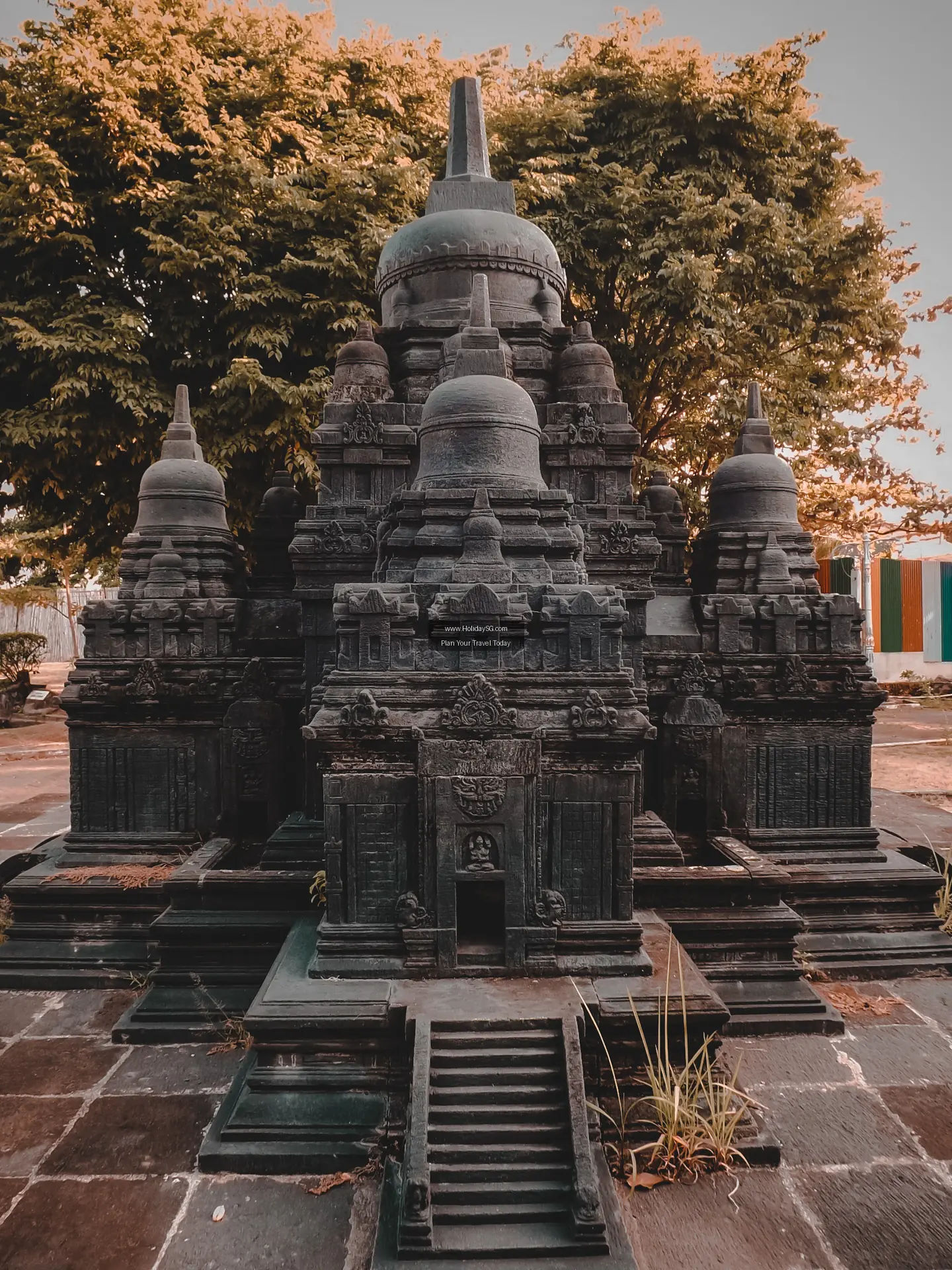
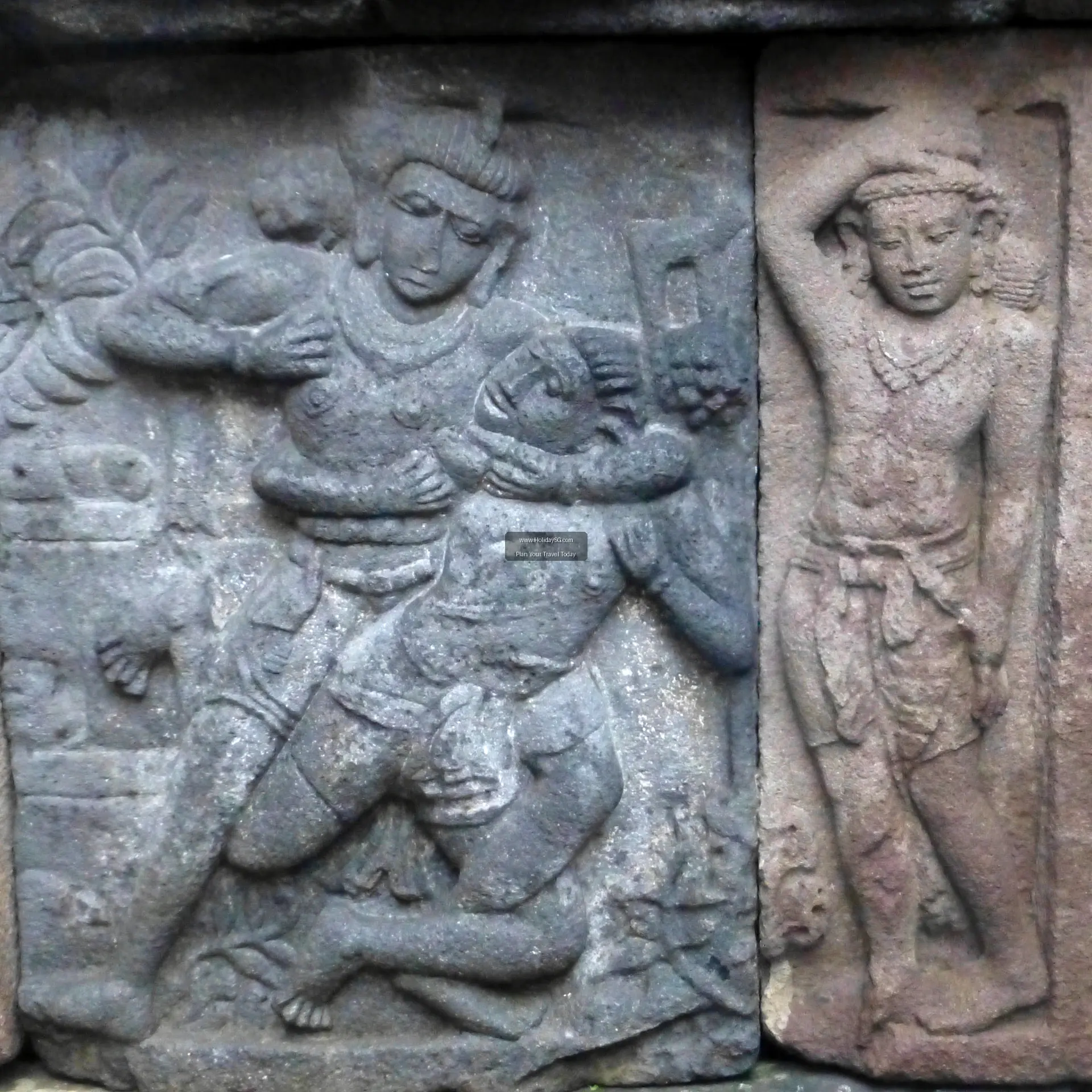
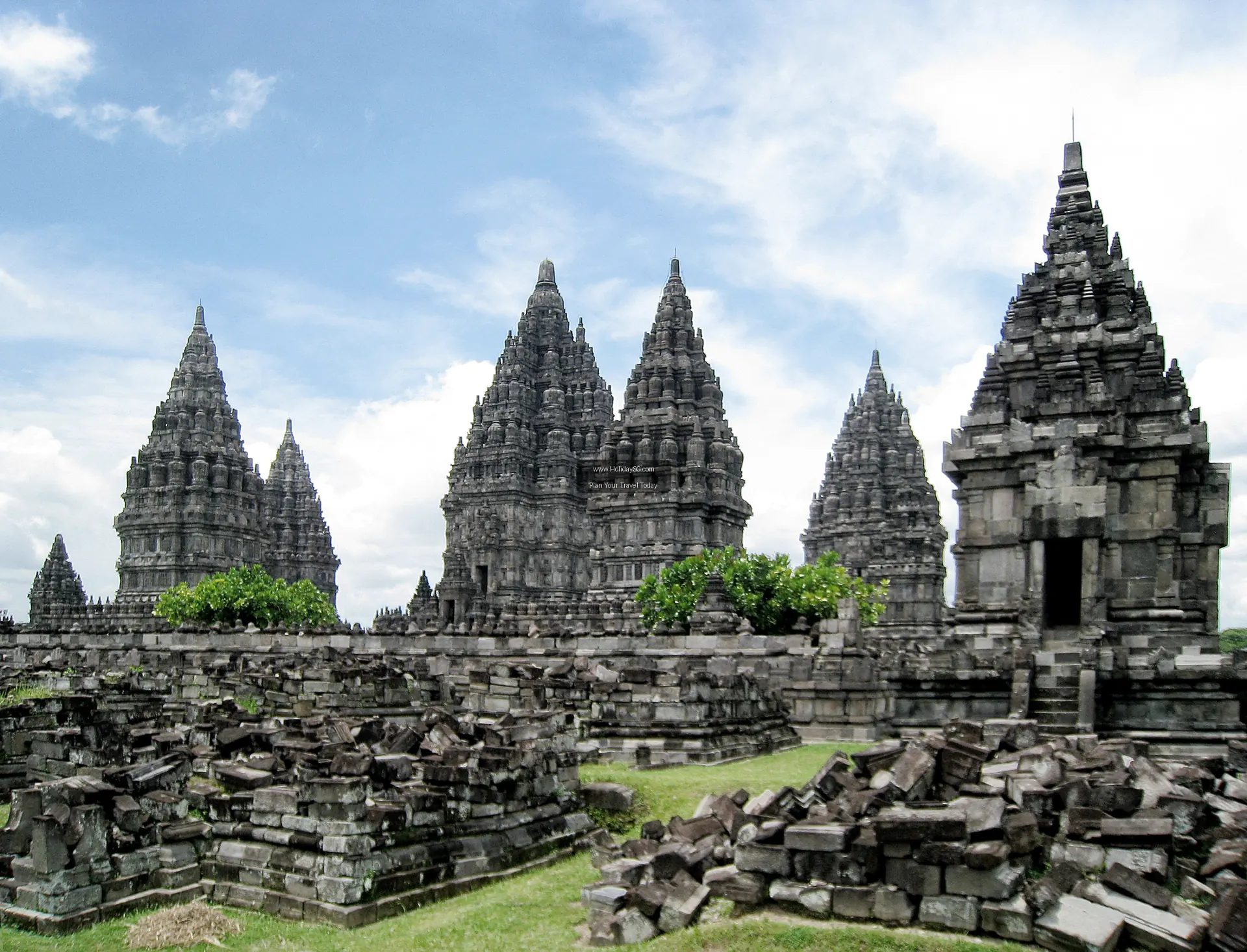
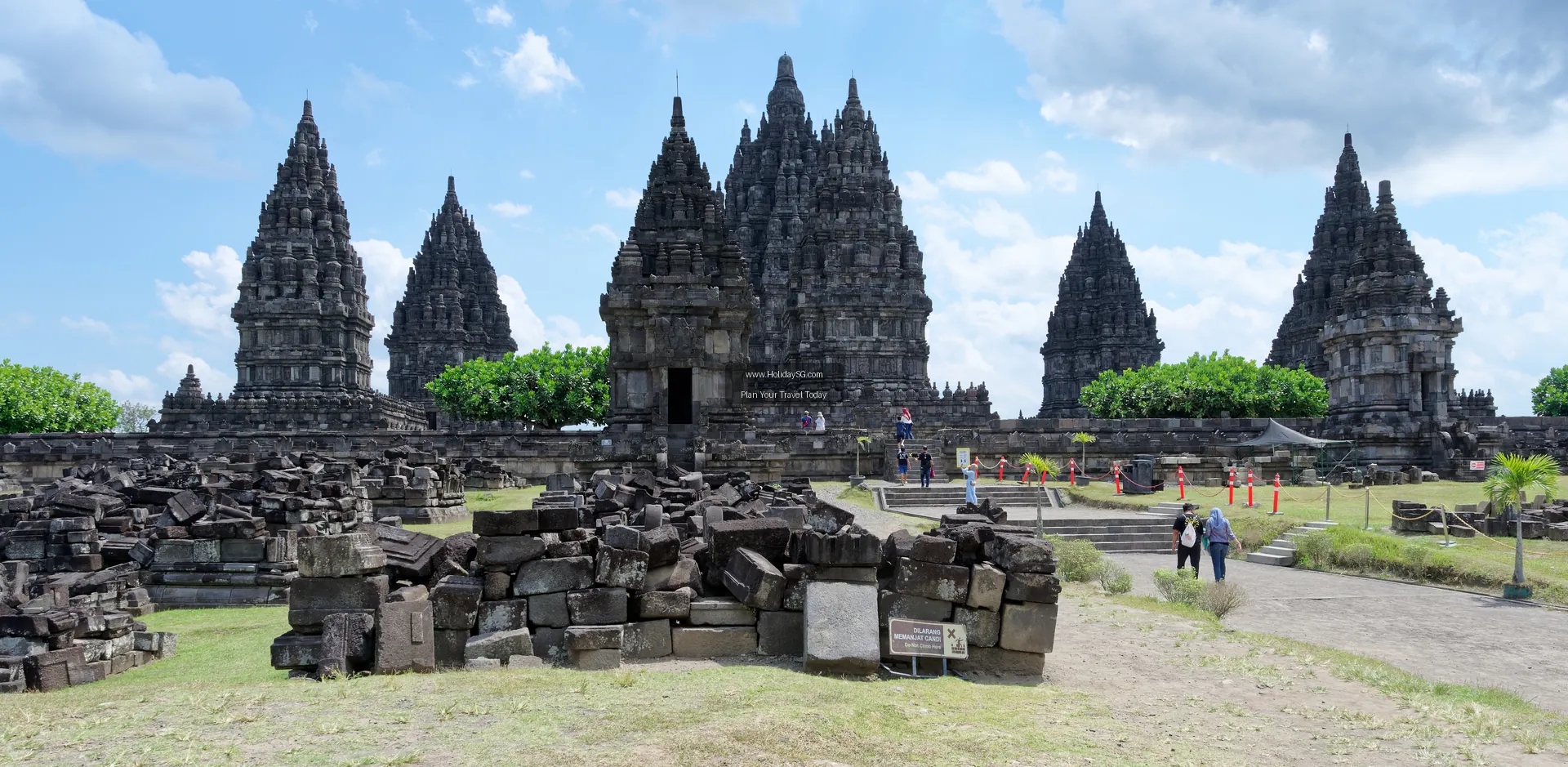
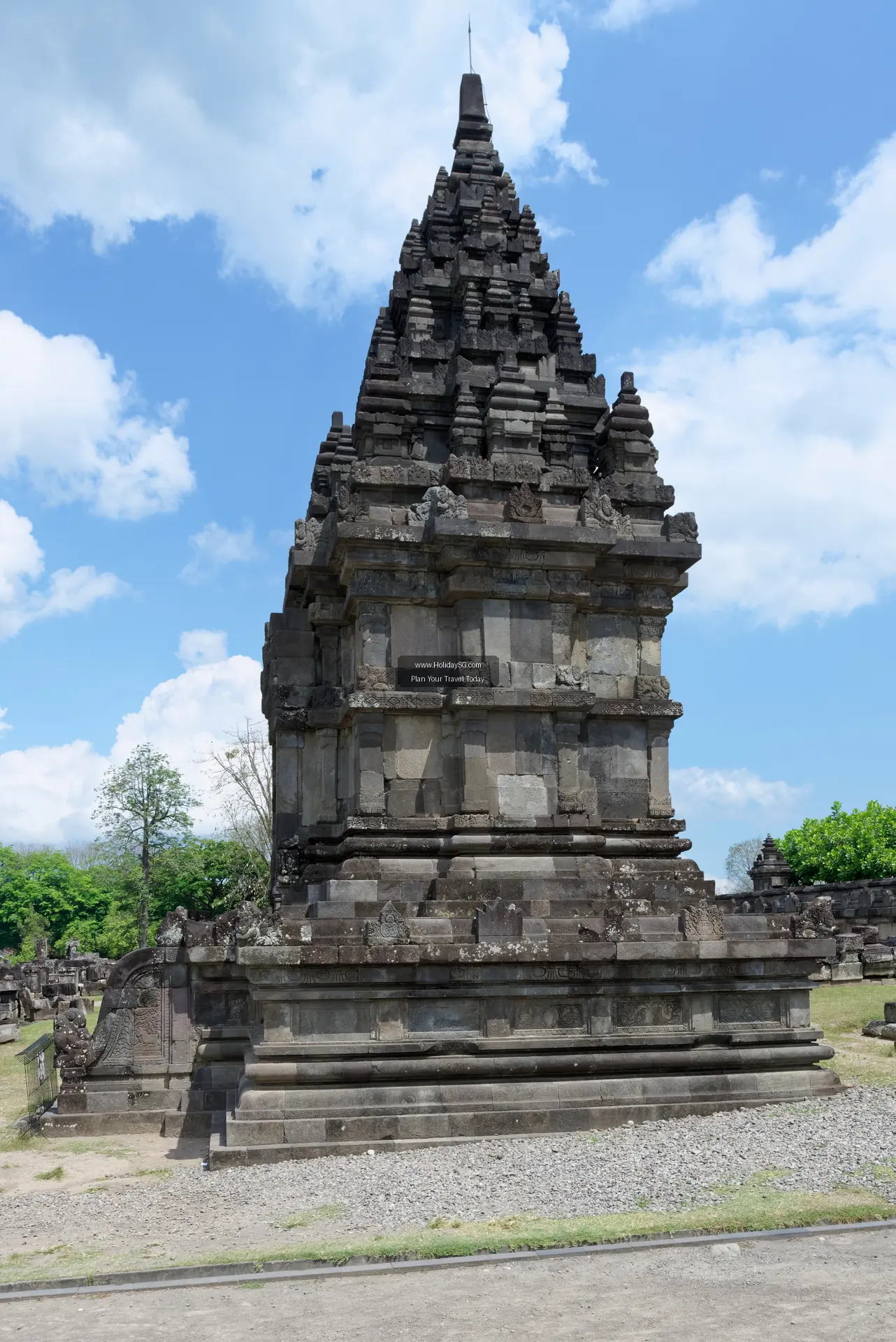
Located on the island of Java, Yogyakarta is the center of Javanese culture and the gateway to two of the world’s most magnificent ancient temple compounds: the Buddhist temple of Borobudur and the Hindu complex of Prambanan. Witnessing the sunrise from the top of Borobudur is an unforgettable spiritual experience. While in Java, the otherworldly volcanic landscape of Mount Bromo is another must-see.
**Pristine Paradise: Raja Ampat**
For the ultimate diving and snorkeling enthusiast, Raja Ampat in West Papua is the pinnacle. This remote archipelago is the epicenter of global marine biodiversity, with reefs bursting with more recorded species than anywhere else on Earth. It requires more effort and budget to reach, but it delivers a truly pristine and unparalleled underwater adventure.
### **Essential Tips for a Smooth Journey**
**Staying Connected & Healthy**
A local SIM card is a traveler’s lifeline in Indonesia. [Telkomsel](https://holidaysg.com/indonesia/jakarta/esim-indonesia-telkomsel-unlimited-travel-sim-indonesia-global-komunika) generally offers the most reliable network coverage, even in remote areas, and is perfect for using ride-hailing and navigation apps. Regarding health, consult your doctor for recommended vaccinations like Hepatitis A and Typhoid. Malaria prophylaxis is advised for travel to some remote, forested regions.
**Cultural Etiquette & Responsible Travel**
Indonesia is a predominantly Muslim country with strong Hindu and Buddhist traditions. Always dress modestly when visiting temples (sarongs are often provided or required to rent). Remove your shoes before entering homes or some shops. Use your right hand for giving, receiving, or eating, as the left hand is considered unclean. Showing respect for local customs will enrich your interactions and travel experience.
**Safety & Preparedness**
Check your government’s travel advisories before departing. Most importantly, purchase comprehensive travel insurance that explicitly covers adventure activities like trekking, motorbike riding, and scuba diving.
**Packing Essentials**
Indonesia uses Type C and F electrical plugs (230V). Power outages can occur, especially in remote areas or during storms, so a portable power bank is invaluable. Pack lightweight, breathable clothing, reef-safe sunscreen, and a rain jacket if visiting during the wet season. For island-hopping adventures, a dry bag is incredibly useful for protecting electronics on fast boats.
### **Recommended HolidaySG Tours**
For a hassle-free start to your Indonesian adventure, especially if you’re transiting through Jakarta or Batam, consider these curated experiences from HolidaySG:
- Taman Mini Indonesia Indah
- Transera Waterpark
- Treatment Spa Package By Grand Majesty Spa Batam
- Trans Studio Mini
Ready to embark on your Indonesian adventure? Stay connected effortlessly with a reliable local SIM. Check out the HolidaySG eSIM plan for Indonesia for hassle-free data on the go.
Book with HolidaySG online for Esim Indonesia Telkomsel Unlimited Travel Sim Indonesia Global, Taman Mini Indonesia Indah, Treatment Spa Package By Grand Majesty Spa Batam.
More Photos from HolidaySG
Frequently Asked Questions
Where can I book this / what’s the link?
You can book various Indonesia activities and services directly through our partner, HolidaySG. For a seamless trip, consider these popular options:
– Stay connected with an HolidaySG eSIM plan for Indonesia.
– Experience Indonesian culture at Taman Mini Indonesia Indah.
– Relax with a Treatment Spa Package By Grand Majesty Spa Batam.
– Enjoy water fun at Transera Waterpark.
– Find family-friendly attractions like Trans Studio Mini Semarang.
Do foreigners (non-citizens) need a different ticket, price, or visa for Indonesia?
Ticket prices for attractions are often the same for foreigners and locals, though some government-managed sites may have separate pricing tiers for international visitors. Regarding visas, Indonesia offers a Visa on Arrival (VOA) and a Visa-Free Arrival for citizens of many countries. The rules, durations, and fees can change. We strongly recommend checking the official Indonesian Immigration website or your nearest Indonesian embassy/consulate for the most current and accurate visa requirements before your trip.
What is the best time (season, or time of day for the site/activity) to go?
The best season to visit Indonesia is during the dry season, from April to October, when you’ll experience less rain, lower humidity, and ideal conditions for beach and diving activities. For specific activities: visit temples and outdoor attractions in the early morning (8-10 AM) to avoid crowds and midday heat. Waterparks and beach activities are best enjoyed in the mid-morning to afternoon. Evening is perfect for exploring night markets and enjoying cooler temperatures.
How long should I spend in Indonesia?
This depends entirely on your interests. For a focused trip to one region like Bali, 5-7 days is ideal. For a multi-island adventure (e.g., Bali + Lombok or Java), plan for at least 10-14 days to account for travel time and really experience each location. Many travelers spend 2-3 weeks to get a broader taste of the archipelago’s diversity.
What is the typical daily budget for Indonesia?
Indonesia can suit all budgets. A backpacker might spend $25-50 USD per day (basic hostels, local food, simple transport). Mid-range travelers can expect $75-150 USD per day for 3-4 star hotels, restaurant meals, and guided tours. Luxury travelers will spend $250+ USD per day for villas, fine dining, and private charters.
How do I get around between islands?
The primary method is by domestic flight, with airlines like Garuda Indonesia, Lion Air, and AirAsia connecting major airports. For shorter distances, ferries and fast boats are common, especially between Java, Bali, and the Gili Islands. Within larger islands like Java or Sumatra, trains and private cars with drivers are popular options.
Is Indonesia family-friendly?
Yes, Indonesia is very family-friendly. Many resorts have kids’ clubs, attractions like Transera Waterpark are designed for families, and locals are generally very warm and welcoming towards children. Just plan for slower travel times and ensure activities are age-appropriate.
What should I pack to bring to Indonesia?
Pack lightweight, breathable clothing (cotton/linen), a strong sunscreen, insect repellent, and a reusable water bottle. Bring modest clothing (covering shoulders and knees) for temple visits. Don’t forget underwater gear like a snorkel or waterproof phone case, and any necessary prescription medications.
How accessible are tourist sites for people with disabilities?
Accessibility varies greatly. Major international hotels and modern airports like in Bali are relatively accessible. However, many traditional sites, temples, and smaller islands have limited infrastructure—often involving stairs, uneven paths, and basic facilities. It’s crucial to research specific attractions in advance and consider hiring a specialized tour operator.
Is Indonesia safe for tourists?
Generally, Indonesia is safe for tourists. The main areas like Bali, Lombok, and major cities are well-trodden. Exercise normal precautions: be aware of your surroundings, watch your belongings in crowded areas, and use reputable transport. Some regions (like parts of Papua or specific provinces) have travel advisories—always check your government’s latest travel guidance before going to remote areas.
What is the weather like in Indonesia?
Indonesia has a tropical climate with two main seasons: the wet season (November to March) and the dry season (April to October). The dry season is sunnier and less humid. The wet season brings afternoon downpours, which can be heavy but are often followed by sunshine. Temperatures are consistently warm, averaging 27°C (80°F) year-round.
What are some important local etiquette rules?
The most important is to respect local customs. Dress modestly when visiting temples (sarongs are often provided or required). Use your right hand for giving and receiving items, as the left is considered unclean. When greeting, a gentle handshake or a slight nod (the “salam”) is respectful. Always ask permission before taking photos of people, especially in rural areas.
What’s the food like, and are there options for dietary restrictions?
Indonesian cuisine is flavorful, varying by region. Staples include nasi goreng (fried rice), satay, rendang, and fresh seafood. In tourist areas, you’ll find many Western and vegetarian/vegan options. For dietary restrictions, it’s helpful to learn key phrases in Bahasa Indonesia (e.g., “saya tidak makan daging” – I don’t eat meat) and look for “warungs” (local eateries) that allow you to see the food. Many hotels and restaurants also cater well to dietary needs.
Can I drink tap water in Indonesia?
It is not recommended to drink tap water in Indonesia. Always drink bottled or filtered water, which is inexpensive and widely available. Use bottled water for brushing your teeth as well to be safe.
What are popular attractions near Jakarta?
Jakarta is a gateway to many attractions. Taman Mini Indonesia Indah (link) is a theme park showcasing Indonesian culture. For a day trip, visit the Thousand Islands (Kepulauan Seribu) for beach escapes or the historic city of Bogor. Nearby in West Java, the city of Bandung offers cooler weather and stunning tea plantations.
Is it easy to get a local SIM card or eSIM for data?
Yes, it’s very easy. You can purchase a local SIM card from providers like Telkomsel at the airport or convenience stores. An increasingly convenient option is to buy an eSIM before you travel for instant connectivity upon arrival. For example, you can get an HolidaySG eSIM plan for Indonesia online.
What is the currency, and how should I handle money?
The currency is the Indonesian Rupiah (IDR). ATMs are widely available, but always use ones attached to major banks to avoid skimmers. Credit cards are accepted at hotels, larger restaurants, and stores, but carry cash for small purchases, market shopping, and in rural areas. Notify your bank of your travel plans to avoid cards being blocked.
What are typical opening hours for attractions?
Most attractions, museums, and government-run sites are open from 8:00 AM to 5:00 PM. Waterparks and entertainment venues may have longer hours, sometimes into the evening. Religious sites may have specific visiting hours around prayer times. Always check online or call ahead for the most current schedule.
Do I need travel insurance for Indonesia?
It is highly recommended to purchase comprehensive travel insurance. It should cover medical emergencies (including hospitalization and evacuation), trip cancellations, and lost luggage. Ensure it covers adventure activities you plan to do, like diving or motorbike riding.
How can I be a responsible tourist in Indonesia?
Practice sustainable tourism: choose eco-friendly accommodations, avoid single-use plastics, respect wildlife (do not ride elephants or visit unethical animal parks), support local businesses by buying handicrafts directly from artisans, and always respect sacred sites and local traditions. Consider volunteering or donating to reputable local conservation projects.
What are some common scams to watch out for?
Be wary of overly friendly strangers offering unsolicited help, especially with money exchange or transport. Always agree on taxi fares beforehand (or use ride-hailing apps like Grab or Gojek). Be cautious with “closed” attractions where a guide offers to take you to an “open” one nearby—this is often a sales tactic for overpriced goods. Use common sense and trust your instincts.
What things cost in Indonesia
Live HolidaySG prices for the experiences in this guide, so you can sanity-check a budget before you commit.
| Experience | Where | From price |
|---|---|---|
| 10 Min - 100 Min Bali Helicopter Tours | Departing from Canggu | Bali | From S$150.47 |
| 10 Min - 100 Min Bali Helicopter Tours | Departing from Nusa D... | Bali | From S$150.47 |
| 4WD Jeep Caldera Sunrise Experience by Bali Volcano Jeep | Bali | From S$52.69 |
| 4WD Jeep Mount Batur Sunrise Experience by Bali Volcano Jeep | Bali | From S$60.13 |
| Black Lava Tour | Bali | From S$154.57 |
| Cimory Dairyland Farm Theme Park Gowa | Makassar | From S$4.00 |
| Seafood Dinner in Jimbaran Bali by New Dewata | Bali | From S$6.59 |
| Dairyland Farm Theme Park Prigen | Surabaya | From S$4.00 |
Choosing Your Base: Java, Bali, Lombok or Beyond
Indonesia is an archipelago of more than seventeen thousand islands, so the first planning decision is which part of it to visit. Java is the most populous island and home to Jakarta, the cultural city of Yogyakarta and the ancient temples of Borobudur and Prambanan. Bali is the best-known island for beaches, rice terraces and a strong Hindu culture, while Lombok to the east offers a quieter coastline and views of Mount Rinjani. Further east, Labuan Bajo is the gateway to Komodo National Park, and Sulawesi and the Raja Ampat region attract divers and adventurous travellers.
For a first visit, most travellers do well to pick two bases at most. Combining Java and Bali, or Bali and Lombok, gives a good mix of culture, scenery and beach time without spending the whole trip on ferries and flights. Distances look short on a map, but inter-island transfers take time, and weather can delay boats.
Island Hopping and Ferry Logistics
Ferries link many of the main islands, from the crossing between Bali and Lombok to the boats that serve the Gili islands and the routes to Komodo. Services can be disrupted by rough seas, particularly during the wetter months and during the strong winds of the monsoon season. Build a buffer day into your plan whenever you have a flight to catch after a sea crossing, and check the operator's current schedule the day before you travel.
Fast boats are quicker but can be uncomfortable in rough water, while slower ferries cost less and have more space. Some routes include a short transfer on a small boat from the harbour to the main vessel, so keep your luggage light and waterproof. Life jackets are required on most boats, and it is sensible to check that yours is in place before you sit down.
Yogyakarta and the Ancient Temples
Yogyakarta is one of the cultural centres of Java, with a royal palace, traditional batik workshops and a lively student population. Its surrounding temples are among the most impressive in Southeast Asia. Borobudur, a Buddhist monument, is best visited at sunrise, when the mist lifts from the surrounding hills and the stone carvings are lit gently. Prambanan, a Hindu temple complex, is quieter in the late afternoon and rewards a slow walk among its towers.
Both sites are large and exposed, so bring a hat, water and sunscreen. Dress modestly and follow the guidance on the signs, since these are active places of cultural significance. Early starts are the most comfortable option, and a local guide can explain the carvings in detail.
Volcanoes, Hikes and Sunrise Treks
Indonesia has many active volcanoes, and several offer popular sunrise treks. Mount Bromo in East Java is famous for its dramatic landscape and early-morning views over the sea of clouds. Mount Rinjani on Lombok is a longer, more demanding trek that usually takes two or three days. Always check current volcanic alert levels before you go, and follow the advice of official park authorities, as conditions can change quickly.
Sunrise treks start in the dark, so bring a headlamp, warm layers and sturdy footwear. Temperatures at altitude can drop sharply, and the wind can be strong at the summit. Hire a licensed guide for multi-day hikes, and carry enough water and snacks for the full route.
Diving and Snorkelling Basics
Indonesia's reefs are among the richest in the world, and many dive centres run courses for beginners. If you are not certified, an introductory dive with an instructor is a safe way to try it, while snorkelling is an easy option for those who prefer to stay near the surface. Check the credentials of the dive operator and ask about their safety record, equipment checks and the size of groups.
Protect the reefs by avoiding touching coral, using reef-safe sunscreen and never removing shells or marine life as souvenirs. Currents can be strong at some sites, so follow the briefing and stay with your group.
Festivals and Religious Observances
Indonesia's calendar is shaped by many religious and cultural festivals. Nyepi, the Balinese Day of Silence, is observed with the island largely closed for a day, with no flights, streets empty and visitors asked to stay indoors. Ramadan, the Islamic month of fasting, changes opening hours and restaurant service during the day, and many visitors find the evenings lively with food markets. Check the dates before you book, since public holidays can affect transport and attractions.
Respect local observances. Dress modestly in religious areas, avoid loud behaviour in villages during ceremonies, and ask before photographing people taking part in festivals.
Choosing Accommodation Styles
Accommodation ranges from simple guesthouses and homestays to boutique villas and large resorts. Homestays give a glimpse of village life and often include home-cooked meals, which many travellers enjoy. Villas with pools suit couples and families who want privacy. Budget travellers can find clean, comfortable rooms in most towns, but check reviews for noise, hot water and air conditioning.
Ask whether the price includes breakfast, taxes and any service charge. Remote islands may have limited electricity or water at certain times, so check the facilities if you plan to stay somewhere quiet.
Health, Mosquitoes and Medical Care
Mosquitoes can carry dengue in some areas, so use repellent, wear long sleeves in the evening and sleep under a net or in an air-conditioned room. Drink bottled or filtered water, and be cautious with ice and raw salads in smaller warungs. Carry basic medicines for stomach upsets, headaches and allergies, along with any prescription items in their original packaging.
Medical care in major cities and tourist areas is reasonable, but remote islands have limited facilities. Travel insurance that covers evacuation is strongly recommended, particularly if you plan to hike or dive. Check the travel health advice on your government website before you travel, and ask your doctor about any recommended vaccinations.
Visa Planning for Indonesia
Entry requirements for Indonesia depend on your nationality and the purpose and length of your stay. Some visitors can enter visa-free for a short period, while others need a visa on arrival or an advance application. Check the official immigration and government websites for your passport before you book flights, and confirm that your passport has enough validity and blank pages. Keep copies of your arrival and departure documents with you during the trip.
Rules can change, so do not rely on old forum posts. If your itinerary includes multiple islands, check whether any local fees or permits apply at specific parks or sites.
Responsible Travel and Environment
Indonesia faces real environmental pressures, including plastic waste on beaches and pressure on coral reefs. Bring a refillable bottle, use reusable bags, and choose operators that follow clear environmental practices. Avoid single-use plastics where possible, and take your rubbish with you from remote beaches and trails.
Support local businesses by eating at family-run warungs, buying crafts directly from makers and hiring local guides. Small choices like these help the communities you visit and make your trip more meaningful.
Sample Two-Week Route
A two-week trip could start in Yogyakarta for temples and culture, travel to Bali for a few days of beaches and rice terraces, and finish with a short stay on Lombok or the Gili islands. This route keeps most of your travel on sea and road between islands with direct connections, and it leaves time for at least one sunrise trek and a quiet day by the water.
Allow an extra day before your international flight, so that a delayed ferry or a changed schedule does not put your departure at risk. Keep your bookings flexible where possible, and save the contact details of each accommodation and transport provider in your phone.
Booking Support From HolidaySG
HolidaySG offers selected attraction, tour and transfer bookings for Indonesia. Every booking is reviewed by our team before it is confirmed, and e-tickets are emailed once approved. If you have questions about a booking or your plans, our support team is available 9 AM to 11 PM SGT daily. For visa and entry rules, always confirm the details on the official government website.
Indonesia Travel FAQ: Your Questions Answered
Will I get altitude sickness hiking Mount Bromo or Mount Semeru?
Altitude sickness is uncommon on Bromo since the summit sits at only 2,392 metres, though some travellers feel mild shortness of breath. Semeru is taller at 3,676 metres, so ascending over two days and taking it slowly helps your body acclimatise; most fit hikers experience no serious symptoms. Drink plenty of water throughout your trek, avoid heavy meals the night before, and descend immediately if you feel severe dizziness or nausea. Starting your hike very early—many groups leave around 3am to reach the crater at sunrise—gives you the gentlest pace.
What's the quality of diving around the Gili Islands compared to other Indonesian spots?
The Gilis offer vibrant house reefs accessible by short boat rides, with coral gardens, turtles, and reef sharks common at sites like Shark Point and Meno Wall. Visibility ranges from 15–25 metres depending on season and weather, making them ideal for intermediate divers and certification courses. If you're after dramatic deep walls, strong currents, and larger pelagics, the Komodo region and Raja Ampat deliver more dramatic marine life, though they require more experience. The Gilis suit social divers who enjoy shore diving and staying put for several days.
Do I need to book tours to Borobudur in advance, or can I show up on the day?
You can walk up to Borobudur's entrance independently any day it's open and purchase a ticket at the gate without advance notice, though arriving before 6am for sunrise means joining an organised group tour or hiring a private guide to secure a good viewing spot. Most travellers arrange either a sunrise tour from Yogyakarta (departing around 3:30am) or visit in the afternoon when crowds thin out after midday. The temple complex is vast—allow at least two hours to explore the galleries and relief panels properly.
Are there non-religious reasons tourists should avoid certain areas during Ramadan?
During Ramadan, many restaurants close during daylight hours and some bars reduce service, though tourist-oriented venues in Bali, Jakarta, and Lombok stay open. Travelling during this month is absolutely fine—Indonesia functions normally—but showing discretion by not eating or drinking visibly in front of fasting locals is respectful. Some museums and attractions have reduced hours, and Eid celebrations afterward are lively and worth witnessing if your dates align.
How much should I expect to spend on a boat tour versus flying between islands?
Quick answers
How many days do I really need in Bali?
Four to five days lets you see the major temples like Tanah Lot and Ubud, relax on a beach, and adjust to the time zone without rushing. Most visitors stay 7–10 days if combining Bali with other islands like Gili Air or Lombok.
Should I exchange money before I arrive or use ATMs in Indonesia?
ATMs in Bali, Jakarta, and Yogyakarta dispense Indonesian rupiah directly and typically offer better exchange rates than changing money at the airport or beforehand. Bring a credit card from a bank with low or no foreign transaction fees, and notify your bank you're travelling abroad to avoid blocks.
What's the one thing nearly every traveller regrets not doing?
Spending a full day (not just a quick stop) at Ubud's rice terraces, art markets, and local restaurants; rushing through or skipping it means missing the cultural heart of Bali and the chance to learn about Balinese daily life beyond the tourist trail.
Is it rude to haggle at markets in Indonesia?
Haggling is expected and enjoyed at traditional markets like Ubud Art Market or Jakarta's Tanah Abang; starting at 50% of the asking price and settling somewhere in between is normal and part of the transaction, not insulting.
Things to book on this trip
Plan the rest of your trip
- Indonesia visa requirements - Check who needs a visa, the documents and the processing time.
- Ferry tickets from Singapore to Batam - See sailing times and book your ferry ticket online.
- Hotels in Indonesia - Compare hotels and check room rates for your dates.
