

Indonesia in 2026 is a dream for travelers craving diversity—think emerald rice terraces, Komodo dragons, world-class diving, and volcanoes that glow at dawn. Whether you’re a budget backpacker or a luxury seeker, this sprawling archipelago delivers unforgettable experiences without breaking the bank. From Bali’s spiritual retreats to Raja Ampat’s underwater wonders, this Indonesia travel guide 2026: top activities, budget tips & info covers everything you need to plan the perfect trip.
Indonesia offers something for every traveler in 2026, from Bali’s iconic temples and Java’s volcanic hikes to Raja Ampat’s pristine diving. Budget-friendly (as low as $30/day), culturally rich, and packed with natural wonders, it’s ideal for both first-timers and seasoned explorers. Plan around the dry season (April–October) for the best weather, and don’t miss hidden gems like Sumatra’s orangutan sanctuaries or the Gili Islands’ turtle-filled waters.
**Why Indonesia Should Be Your Next Destination in 2026**
Indonesia isn’t just a destination—it’s a collection of over 17,000 islands, each with its own personality. Here, you can surf in Bali at dawn, trek to a volcanic crater by sunrise in Java, and snorkel with manta rays in Raja Ampat—all in one trip. The country’s affordability is a major draw, with luxury resorts costing a fraction of what they would in Europe or Australia. But beyond the price tag, Indonesia’s warmth (both in climate and hospitality) and deep-rooted traditions make it a place where travelers don’t just visit—they connect.
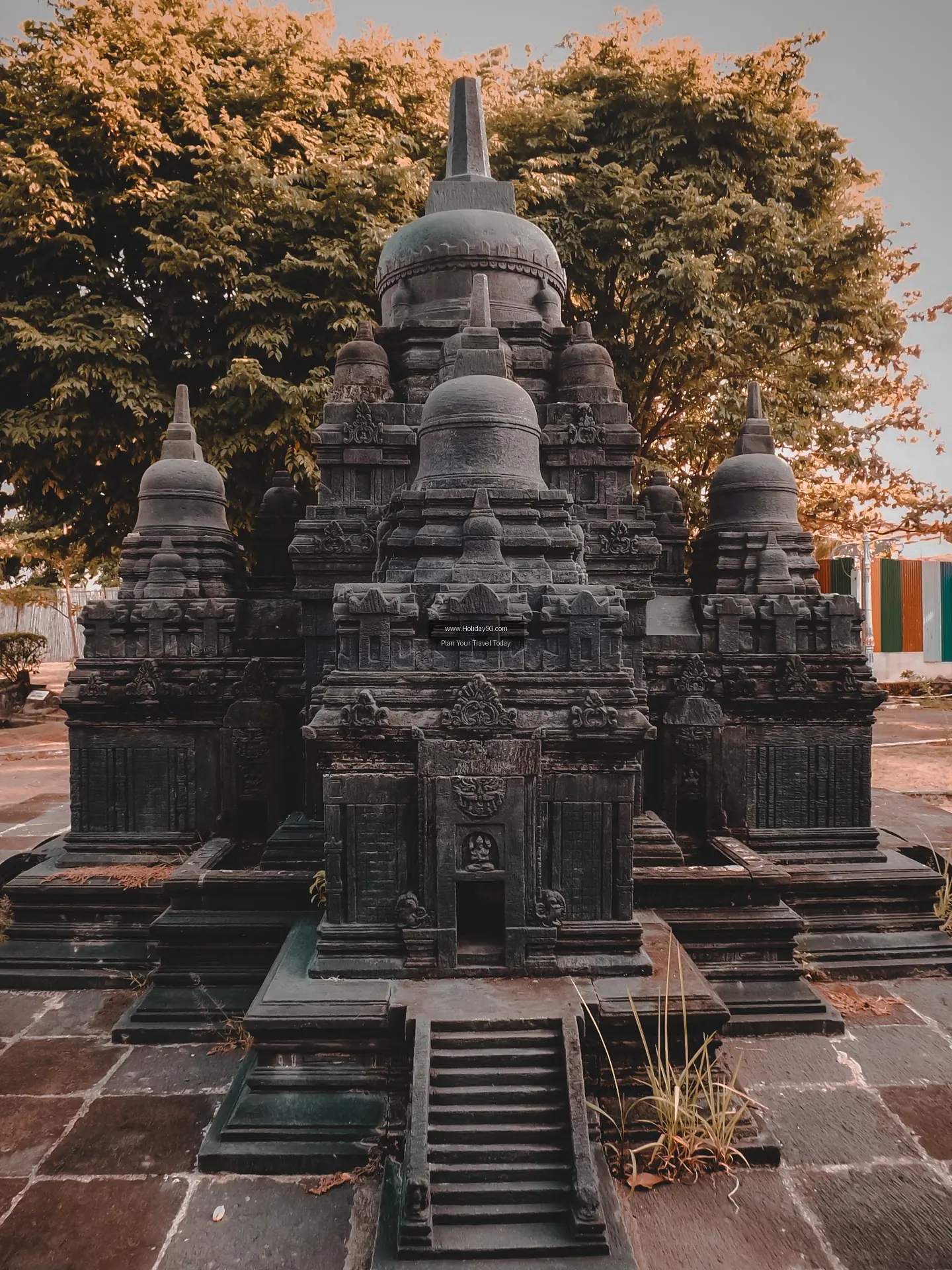
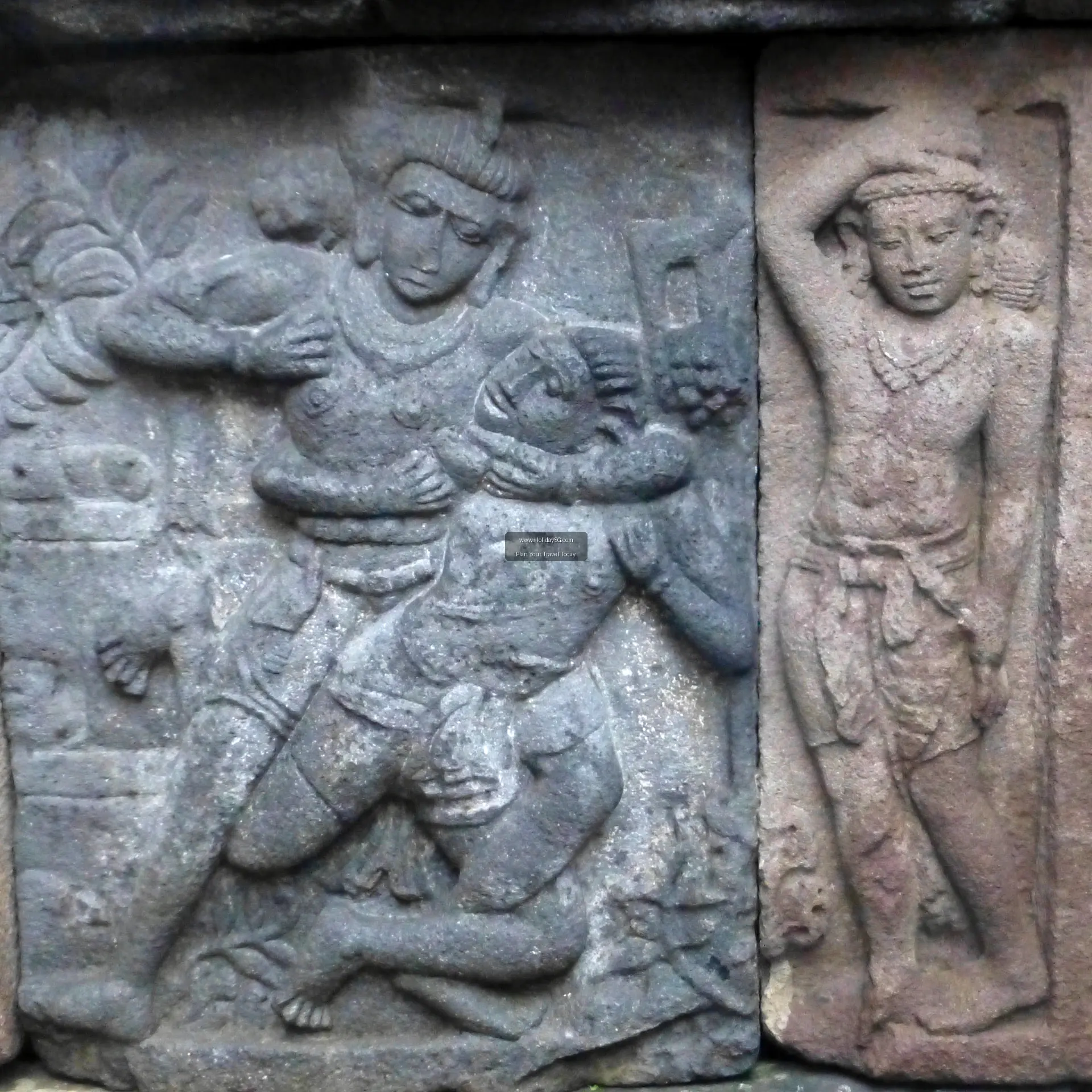
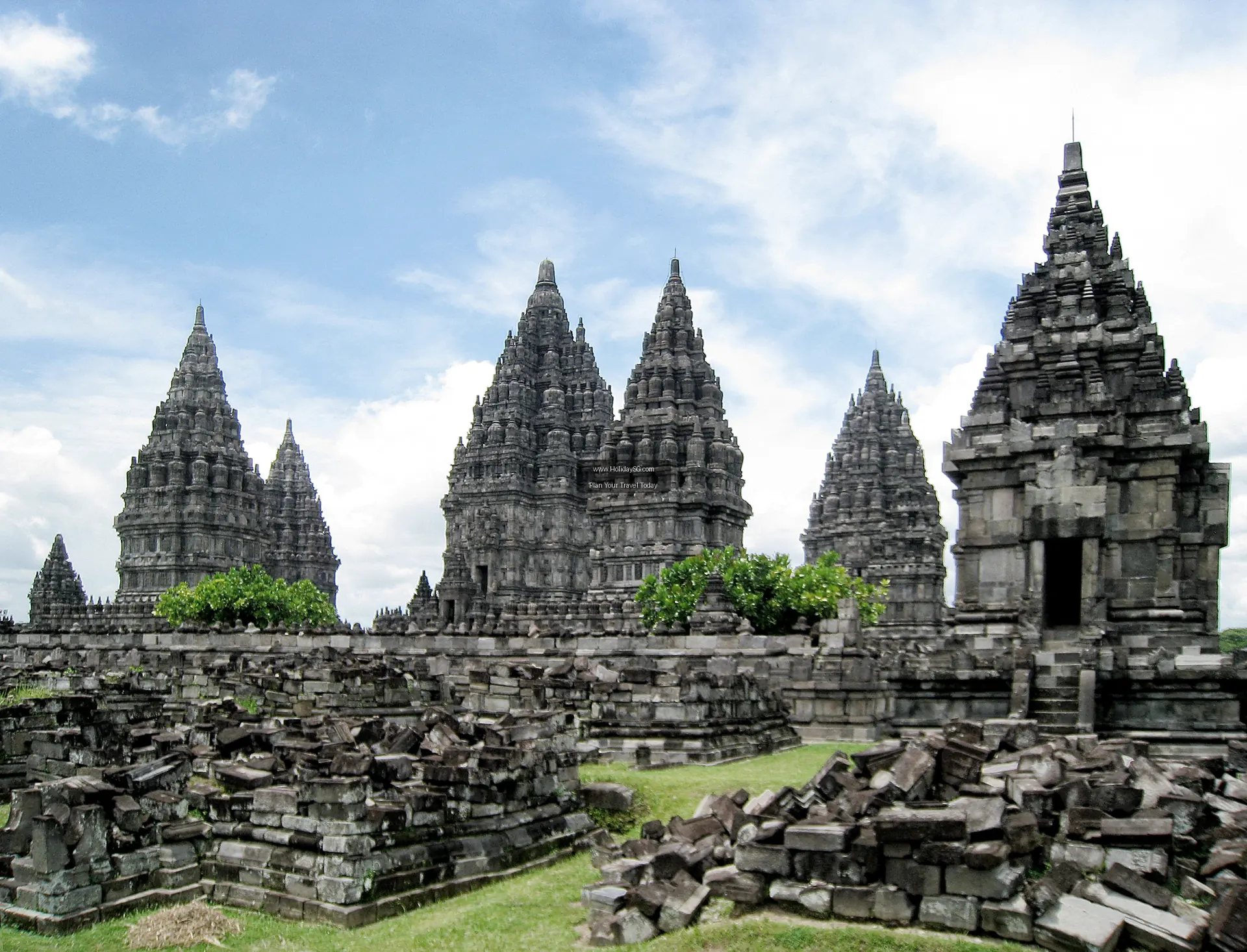
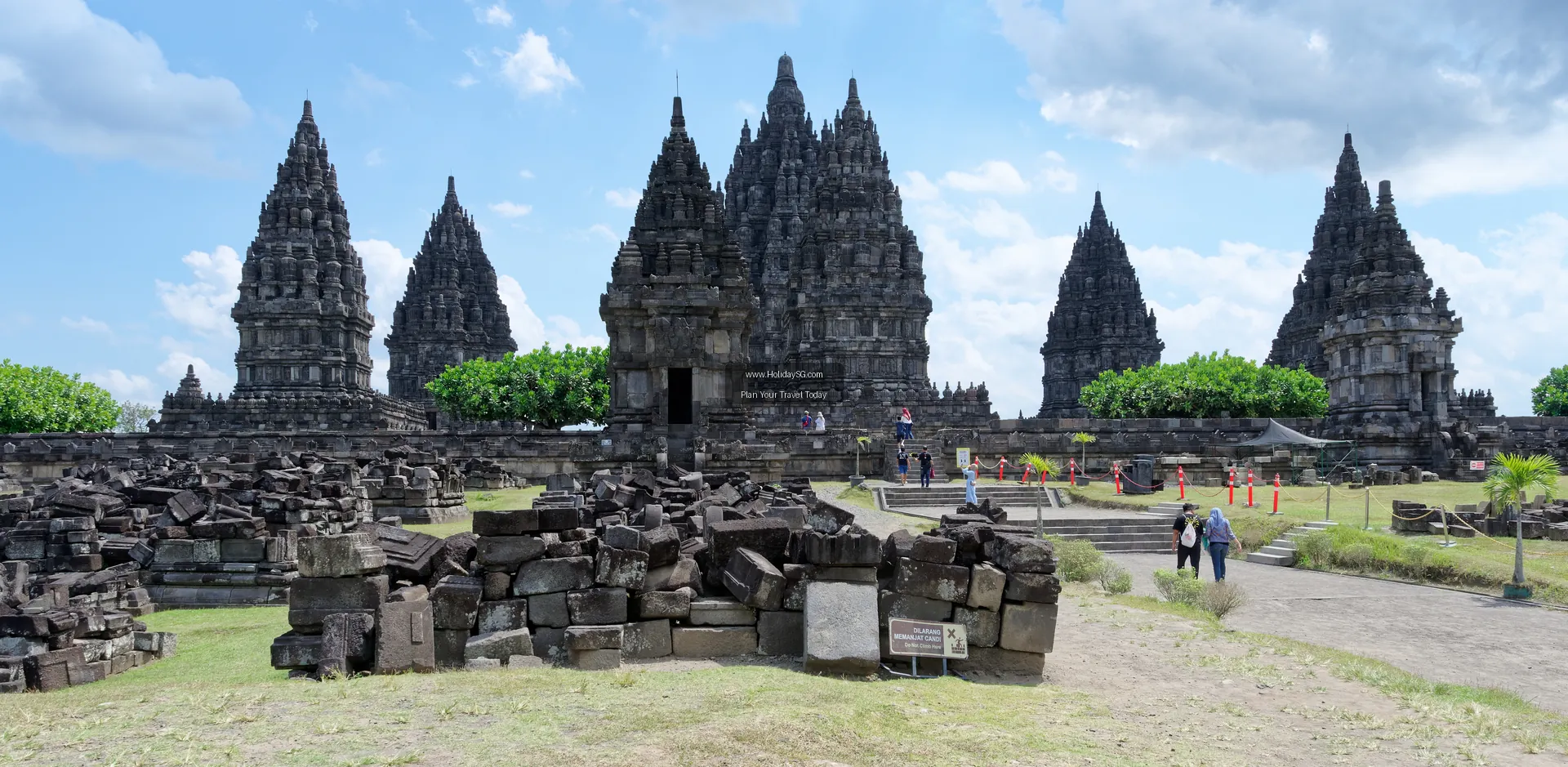
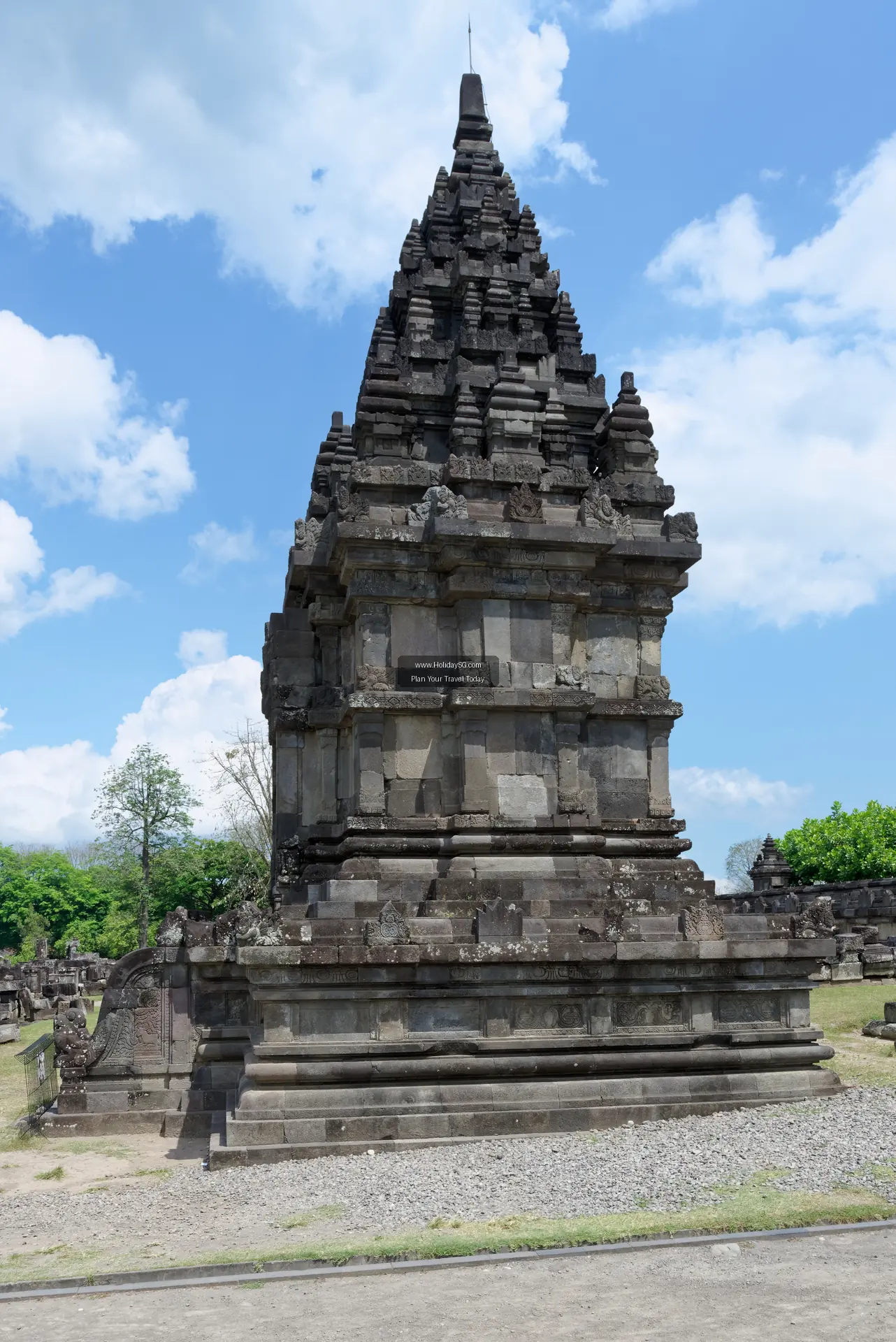
For those who love off-the-beaten-path adventures, Sumatra’s jungles and Lake Toba offer a quieter side of Indonesia, while culture enthusiasts will adore Yogyakarta’s batik workshops and the ancient temples of Borobudur and Prambanan. And if you’re chasing Instagram-worthy landscapes, the turquoise waters of Nusa Penida or the dramatic cliffs of Uluwatu will deliver.
**Top Attractions & Activities in Indonesia**
**Bali: More Than Just Beaches**
Bali is Indonesia’s most famous island, but it’s so much more than its party scene in Kuta. In Ubud, the cultural heart of Bali, the Sacred Monkey Forest is a must-visit—just watch your belongings, as the macaques are notorious thieves! Nearby, the Tegallalang Rice Terraces offer postcard-perfect views, especially at sunrise. For a unique experience, book a half-day tour like the Tabanan Area 2 Hours Tour to explore hidden waterfalls and jungle trails.
Adventure seekers shouldn’t miss the Mount Batur sunrise trek, where you’ll hike up an active volcano in the dark to watch the sunrise over Bali’s caldera. And if you’re craving island vibes, a day trip to Nusa Penida is non-negotiable. Swim in the turquoise waters of Angel’s Billabong, snap photos at Kelingking Beach (the “T-Rex cliff”), and snorkel with manta rays at Manta Point.
**Java: Temples, Volcanoes & Culture**
Java is Indonesia’s cultural and historical hub, home to two of Southeast Asia’s most impressive UNESCO sites: Borobudur and Prambanan. Borobudur, the world’s largest Buddhist temple, is best visited at sunrise when the mist rises over its stupas. Prambanan, a Hindu temple complex, is equally stunning, especially during its nightly Ramayana ballet performances.
For thrill-seekers, Mount Bromo is a bucket-list destination. The sunrise hike rewards you with surreal views of the volcano’s smoldering crater and the surrounding “Sea of Sand.” Nearby, Ijen Crater offers a once-in-a-lifetime experience: trekking to see the blue fire phenomenon, caused by sulfuric gases igniting at night.
Yogyakarta, Java’s cultural capital, is the perfect base for exploring these sites. Don’t leave without trying a batik workshop, visiting the Sultan’s Palace, or sampling gudeg (jackfruit stew), the city’s signature dish.
**Komodo National Park: Where Dragons Roam**
Komodo National Park is one of the few places on Earth where you can see Komodo dragons in the wild. These ancient reptiles, which can grow up to 10 feet long, are a sight to behold—just keep a safe distance! Beyond the dragons, the park’s Padar Island offers one of Indonesia’s most iconic viewpoints, with its three-colored beaches and dramatic cliffs.
For marine lovers, Pink Beach is a snorkeler’s paradise, with its rosy-hued sand and vibrant coral reefs. If you’re lucky, you might spot manta rays or sea turtles gliding through the water.
**Sumatra: Wildlife & Wilderness**
Sumatra is Indonesia’s wild frontier, where orangutans swing through the jungle and volcanic lakes stretch as far as the eye can see. In Bukit Lawang, you can trek through Gunung Leuser National Park to see orangutans in their natural habitat—an experience that’s both humbling and unforgettable.
For a more relaxed pace, Lake Toba is the world’s largest volcanic lake, formed by a supervolcanic eruption 75,000 years ago. The island of Samosir in the middle of the lake is a great place to unwind, with its traditional Batak villages and hot springs.
**Raja Ampat: The Last Paradise on Earth**
Raja Ampat is a diver’s dream, with some of the richest marine biodiversity on the planet. The Wayag Lagoon is the poster child of Raja Ampat, with its karst islands rising dramatically from the turquoise water. Snorkelers and divers can explore Manta Sandy, a cleaning station where manta rays gather, or Cape Kri, known for its strong currents and large pelagic fish.
If you’re not a diver, don’t worry—island-hopping tours let you soak up the beauty of Raja Ampat’s beaches and hidden lagoons. Just be prepared for limited Wi-Fi and a slower pace of life—this is a place to disconnect and immerse yourself in nature.
**Gili Islands: Party, Relaxation & Turtles**
The Gili Islands—Gili Trawangan, Gili Meno, and Gili Air—are Bali’s laid-back neighbors, offering a mix of nightlife, relaxation, and marine life. Gili Trawangan is the party island, with beachfront bars and reggae vibes, while Gili Meno is the quietest, with pristine beaches and sea turtle snorkeling spots. Gili Air strikes a balance between the two, with yoga retreats and beachfront bungalows.
One of the best ways to explore the Gilis is by bicycle or horse-drawn cart (there are no motorized vehicles on the islands). Don’t miss the sunset at Gili Trawangan’s beach bars or a snorkeling trip to see turtles and colorful fish.
**When to Visit Indonesia in 2026**
Indonesia’s weather varies by region, but the dry season (April–October) is generally the best time to visit. During these months, you’ll enjoy sunny skies and lower humidity, making it ideal for hiking, diving, and beach hopping. April and October are particularly great for avoiding crowds while still enjoying good weather.
The wet season (November–March) brings heavy rains, especially in Bali and Java, but it’s also the cheapest time to visit. Sumatra and Raja Ampat remain accessible during this period, with fewer tourists and lush, green landscapes. If you don’t mind the occasional downpour, the wet season can be a great time to explore Indonesia on a budget.
**Indonesia Travel Costs & Budget Tips for 2026**
Indonesia is one of the most budget-friendly destinations in Southeast Asia, but costs can vary widely depending on your travel style. Here’s what to expect in 2026:
**Typical Costs**
- Budget traveler: $30–$50/day (hostels, street food, local transport)
- Mid-range: $70–$150/day (3-star hotels, tours, domestic flights)
- Luxury: $200+/day (5-star resorts, private tours, fine dining)
- Domestic flights: $50–$150 (e.g., Jakarta to Bali)
- Ferries/boats: $10–$50 (e.g., Bali to Gili Islands)
- Tours: $20–$100 (e.g., Mount Bromo sunrise tour, Komodo dragon trek)
**How to Save Money in Indonesia**
- Eat like a local: Warungs (local eateries) serve delicious meals like nasi goreng (fried rice) and mie ayam (chicken noodles) for just $1–$3. Avoid touristy restaurants in places like Kuta or Seminyak, where prices are inflated.
- Use public transport: Buses and trains are cheap and efficient. For example, the Jakarta–Yogyakarta train costs around $10–$30, while a ferry from Bali to the Gili Islands is about $20–$30.
- Bargain smartly: Haggling is expected in markets and for tours, but do it with a smile. Start at 50% of the asking price and meet somewhere in the middle. Avoid bargaining in malls or supermarkets.
- Visit free attractions: Many of Indonesia’s best experiences cost little to nothing. Hike Mount Batur for free (or pay a small fee for a guide), explore Tanah Lot Temple at sunset, or relax on Kuta Beach in Bali.
- Travel in shoulder season: April and October offer the best balance of good weather and lower prices.
**Visa Requirements for Indonesia (2026 Update)**
Indonesia makes it easy for travelers to visit, with visa-free entry for citizens of over 160 countries, including the US, UK, Australia, and most EU nations. Here’s what you need to know for 2026:
- Visa-free entry: 30 days (non-extendable) for tourism.
- Visa on Arrival (VoA): $35, extendable for another 30 days. Available at major airports and seaports (e.g., Bali, Jakarta, Surabaya).
- e-VOA: Apply online before arrival for faster processing ($35). This is the most convenient option if you want to skip the immigration queue.
Always check the latest requirements before your trip, as policies can change. For example, some nationalities may need to show proof of onward travel or a return ticket.
**Getting Around Indonesia: Transportation Tips**
Indonesia’s vast size means you’ll likely use a mix of flights, ferries, and land transport to get around. Here’s how to navigate the country like a pro:
**Domestic Flights**
Indonesia’s domestic flight network is extensive, with airlines like Garuda Indonesia, Lion Air, and Batik Air offering routes between major cities and islands. Book in advance for a great selection of, especially during peak season. HolidaySG and Tiket.com are popular booking platforms.
**Ferries and Boats**
Ferries are a budget-friendly way to island-hop, but safety standards vary. Stick to reputable operators like Pelni (government-run ferries) or Eka Jaya for routes like Bali to Lombok or the Gili Islands. For luxury options, Gili Getaway offers speedboats with air conditioning and Wi-Fi.
**Ride-Hailing Apps**
Gojek and Grab are Indonesia’s answer to Uber, offering taxis, motorbike taxis (ojek), and food delivery. They’re cheaper than metered taxis and more reliable than hailing a ride on the street. In Bali, Gojek is especially useful for getting around Ubud or Seminyak.
**Motorbike Rentals**
Renting a motorbike is a popular way to explore Bali, the Gili Islands, and other tourist-friendly areas. Prices start at $5–$10/day, but make sure you have an international driver’s permit (IDP) to avoid fines. Always wear a helmet and drive defensively—Indonesian traffic can be chaotic!
**Health & Safety in Indonesia**
Indonesia is generally safe for travelers, but it’s important to take precautions to stay healthy and avoid scams.
**Vaccinations & Health**
- Recommended vaccines: Hepatitis A/B, Typhoid, Tetanus, and Japanese Encephalitis (for rural areas).
- Malaria prophylaxis: Consider taking antimalarial medication if visiting Sumatra, Komodo, or other rural areas.
- Tap water: Not safe to drink. Stick to bottled or filtered water, and avoid ice in drinks from street vendors.
- Mosquito protection: Dengue fever is a risk year-round. Use DEET repellent, wear long sleeves at dusk, and sleep under a mosquito net if staying in budget accommodations.
**Common Scams & How to Avoid Them**
- Taxi overcharging: Use Gojek or Grab instead of hailing a taxi on the street. If you must take a taxi, insist on using the meter or agree on a price beforehand.
- Fake tours: Book tours through reputable agencies or your hotel. Avoid “too good to be true” deals from street touts.
- “Free” bracelets/guides: In touristy areas like Kuta or Ubud, scammers may offer you a “free” bracelet or guide service, then demand payment. Politely decline and walk away.
- Currency scams: Always check your change, especially in markets or taxis. Some vendors may try to shortchange you or give you outdated bills.
**Safety Tips**
- Solo female travelers: Indonesia is generally safe for women, but dress modestly (especially in rural areas) and avoid walking alone at night in quiet areas.
- Natural hazards: Indonesia is prone to earthquakes, tsunamis, and volcanic eruptions. Stay informed about local conditions and follow advice from authorities.
- Wildlife encounters: Never feed or provoke wild animals, including monkeys (they can be aggressive) and Komodo dragons (they’re venomous!).
**Cultural Etiquette & Local Customs**
Indonesia is a predominantly Muslim country, but it’s also home to Hindu, Buddhist, and Christian communities. Respecting local customs will enhance your experience and help you connect with locals.
**Dress Modestly**
- Temples: Cover your shoulders and knees. Many temples provide sarongs for visitors, but it’s a good idea to bring your own.
- Rural areas: Dress conservatively, especially in Aceh and other more traditional regions.
**Greetings & Politeness**
- Handshakes: A light handshake with the right hand is the standard greeting. In some Muslim communities, men may avoid shaking hands with women—follow their lead.
- Basic phrases: Learning a few words of Indonesian goes a long way. Try:
- Selamat pagi (Good morning)
- Terima kasih (Thank you)
- Berapa harganya? (How much does it cost?)
- Tipping: Not mandatory, but appreciated. Leave 10% in restaurants if service isn’t included, and tip drivers or guides a few dollars for good service.
**Religious Sensitivity**
- Ramadan: If visiting during Ramadan, avoid eating, drinking, or smoking in public during daylight hours out of respect for fasting Muslims.
- Alcohol: While Bali and tourist areas serve alcohol freely, it’s banned in some Muslim-majority regions like Aceh.
**Internet & Connectivity in Indonesia**
Staying connected in Indonesia is easy, but speeds can vary depending on where you are.
**SIM Cards**
- Best providers: Telkomsel and XL Axiata offer the best coverage, especially in remote areas like Raja Ampat or Sumatra.
- Where to buy: Purchase SIM cards at airports, convenience stores (Indomaret/Alfamart), or official Telkomsel/XL stores. A 10GB data package costs around $5–$10.
- eSIMs: If your phone supports eSIMs, consider Airalo or Holafly for hassle-free connectivity. For example, the Esim Indonesia Telkomsel Unlimited Travel Sim offers unlimited data and is perfect for travelers who want to stay connected without swapping physical SIMs.
**Wi-Fi**
- Hotels/cafés: Most hotels and cafés in tourist areas offer free Wi-Fi, but speeds can be slow in remote destinations like Raja Ampat or Sumatra.
- Portable hotspots: If you’re traveling in a group, consider renting a portable Wi-Fi hotspot for better reliability.
**Common Traveler Questions Answered**
**Is Indonesia safe for solo female travelers?**
Yes, but take standard precautions. Dress modestly, avoid walking alone at night in quiet areas, and use Gojek or Grab for transport. Bali and the Gili Islands are particularly safe and popular with solo female travelers.
**Do I need a guide for treks like Mount Bromo or Ijen?**
While it’s possible to hike without a guide, it’s not recommended. Guides provide safety, navigation, and local insights, and they’re often required for sunrise treks. Expect to pay $15–$30 for a guide.
**Can I use USD or EUR in Indonesia?**
Indonesian Rupiah (IDR) is the preferred currency. While some tourist areas (like Bali) accept USD, exchange rates are often poor. Withdraw IDR from ATMs (avoid airport exchange counters) or use a Wise or Revolut card for the best rates.
**How do I avoid Bali belly?**
- Eat at busy warungs (high turnover = fresher food).
- Avoid raw salads, ice in drinks, and street food with questionable hygiene.
- Carry hand sanitizer and use it before eating.
- Drink bottled or filtered water (even for brushing teeth).
**Is Uber available in Indonesia?**
No, but Gojek and Grab are the local equivalents. They’re cheaper, more reliable, and widely used across Indonesia.
**Emergency Contacts & Useful Numbers**
Save these numbers in your phone before your trip:
- Police: 110
- Ambulance: 118 or 119
- Tourist Police (Bali): +62 361 763753
- Fire Department: 113
- Embassy contacts:
- US Embassy (Jakarta): +62 21 5083 1000
- UK Embassy (Jakarta): +62 21 2356 5200
- Australian Embassy (Jakarta): +62 21 2550 5555
**Sustainable Travel in Indonesia**
Indonesia’s natural beauty is under threat from plastic pollution, deforestation, and overtourism. Here’s how you can travel responsibly:
**Reduce Plastic Waste**
- Bring a reusable water bottle and refill it at water stations (common in Bali).
- Say no to plastic bags, straws, and single-use plastics.
- Participate in beach cleanups (many hotels and tour operators organize them).
**Support Ethical Wildlife Tourism**
- Avoid attractions that exploit animals, such as elephant rides, tiger selfies, or monkey performances.
- Visit ethical sanctuaries like the Bali Bird Park or Sumatra’s orangutan rehabilitation centers.
**Choose Eco-Friendly Tours & Accommodations**
- Stay in eco-lodges or homestays that support local communities.
- Book tours with responsible operators that prioritize sustainability (e.g., carbon-neutral diving trips in Raja Ampat).
**Respect Local Cultures & Traditions**
- Ask before taking photos of locals or religious ceremonies.
- Support local artisans by buying handicrafts directly from them (not from mass-produced souvenir shops).
**Recommended HolidaySG Tours**
Planning your Indonesia trip? Here are some top-rated tours to consider:
- Tabanan Jungle 4 Hours Tour
- Tabanan Area 2 Hours Tour
- Esim Indonesia Telkomsel Unlimited Travel Sim Indonesia Global
**Final Tips for an Unforgettable Indonesia Trip**
- Pack smart: Bring comfortable shoes for hiking, swimwear for beaches, and modest clothing for temples. A light rain jacket is useful year-round.
- Learn basic Indonesian: Locals appreciate even a simple terima kasih (thank you). It can also help you bargain better in markets.
- Be flexible: Indonesia runs on “island time.” Flights, ferries, and tours may delay or change last-minute—go with the flow!
- Try the food: Indonesian cuisine is diverse and delicious. Must-tries include:
- Nasi goreng (fried rice)
- Sate (satay skewers)
- Gado-gado (vegetable salad with peanut sauce)
- Rendang (slow-cooked beef curry)
- Respect the culture: Indonesia is a religious and traditional country. Dress modestly, remove your shoes before entering homes/temples, and always ask before taking photos.
- Stay connected: Buy a local SIM or eSIM to navigate, book tours, and stay in touch with loved ones.
Ready to experience Indonesia’s cultural diversity in one place? Start your journey at Taman Mini Indonesia Indah for a taste of the archipelago’s traditions, architecture, and cuisine!
Book these with HolidaySG:
Book with HolidaySG online for Taman Mini Indonesia Indah, Esim Indonesia Telkomsel Unlimited Travel Sim Indonesia Global, Tabanan Jungle 4 Hours Tour.
More Photos from HolidaySG
Book with HolidaySG online for Nusa Penida Sharing Snorkeling Adventure In Nusa Penida To 4 Spots, Kereta Gantung At Taman Mini Indonesia Indah, Indonesia Esim Free Roaming Mobile Data.
Book these with HolidaySG:
- Nusa Penida Sharing Snorkeling Adventure In Nusa Penida To 4 Spots
- Kereta Gantung At Taman Mini Indonesia Indah
- Indonesia Esim Free Roaming Mobile Data
- Indonesia Unlimited 4g5g Data Esim
- Funworld Grand Indonesia Shopping Town Arcade
- E Sim Indonesia Data Plan Tourist Travel Esim Internet Total Data E Sim
- E Sim Indonesia Data Plan Tourist Travel Esim Internet Daily Data E Sim
- Commbitz Indonesia E Sim Package
Frequently Asked Questions
Where can I book this / what’s the link?
Do foreigners (non-citizens) need a different ticket, price, or visa for Indonesia?
What is the best time (season, or time of day for the site/activity) to go?
How long should I spend in Indonesia?
What is the typical daily budget for Indonesia?
How do I get around Indonesia?
Is Indonesia family-friendly?
What should I pack for Indonesia?
Is Indonesia safe for tourists?
What is the weather like in Indonesia?
Do I need to bargain when shopping in markets?
What are some essential local customs I should know?
Is the tap water safe to drink?
What food should I try besides the famous dishes?
Are there good options for vegetarians/vegans?
How can I be a responsible tourist in Indonesia?
What are some must-visit attractions besides Bali?
Can I use my credit card in Indonesia?
What are some good day trips from Jakarta?
Is internet connectivity good in Indonesia?
What things cost in Indonesia
Live HolidaySG prices for the experiences in this guide, so you can sanity-check a budget before you commit.
| Experience | Where | From price |
|---|---|---|
| 10 Min - 100 Min Bali Helicopter Tours | Departing from Canggu | Bali | From S$150.47 |
| 10 Min - 100 Min Bali Helicopter Tours | Departing from Nusa D... | Bali | From S$150.47 |
| 4WD Jeep Caldera Sunrise Experience by Bali Volcano Jeep | Bali | From S$52.69 |
| 4WD Jeep Mount Batur Sunrise Experience by Bali Volcano Jeep | Bali | From S$60.13 |
| Black Lava Tour | Bali | From S$154.57 |
| Cimory Dairyland Farm Theme Park Gowa | Makassar | From S$4.00 |
| Seafood Dinner in Jimbaran Bali by New Dewata | Bali | From S$6.59 |
| Dairyland Farm Theme Park Prigen | Surabaya | From S$4.00 |