

Indonesia Travel Guide (Updated 2026)
Indonesia in 2026 is more vibrant than ever—a kaleidoscope of emerald jungles, turquoise waters, and cultures as diverse as its 17,000 islands. Whether you’re chasing Komodo dragons in the wild, diving into Raja Ampat’s underwater wonderland, or sipping coconut water on Bali’s sunrise beaches, this archipelago promises an adventure tailored to every traveler. With new flight routes, updated visa policies, and a growing focus on sustainable tourism, now is the perfect time to explore Southeast Asia’s largest nation with this Indonesia travel guide (updated 2026). From Jakarta’s urban energy to Sumatra’s untamed wilderness, here’s everything you need to plan an unforgettable trip.
Indonesia in 2026 offers unparalleled diversity—think Bali’s beaches, Java’s temples, and Raja Ampat’s diving—with easier visas, better connectivity, and eco-conscious travel options. Plan for dry season (April–October) for ideal weather, budget $20–$500/day depending on style, and pack for both adventure and cultural respect.
—
Why Visit Indonesia in 2026?
A Land of Diversity: Islands, Cultures, and Landscapes
Indonesia isn’t just a destination; it’s a continent of experiences. In one trip, you can trek active volcanoes in Java, spot orangutans in Sumatra’s jungles, and snorkel with manta rays in Raja Ampat—all while enjoying world-class hospitality. The country’s 300+ ethnic groups and 700+ languages create a cultural tapestry that’s as rich as its landscapes. Whether you’re a backpacker, luxury seeker, or digital nomad, Indonesia’s mix of affordability and authenticity is hard to beat.
What’s New in 2026?
Indonesia’s tourism scene is evolving fast. New flight routes (like direct connections from Europe to Bali) and expanded e-VOA options make entry smoother than ever. Sustainable travel is taking center stage, with eco-resorts in Raja Ampat and plastic-free initiatives in Bali leading the charge. Meanwhile, digital nomad visas (expected to launch in 2026) could turn Bali and Yogyakarta into even hotter remote-work hubs. For adventure seekers, Komodo National Park has introduced stricter conservation rules, ensuring encounters with dragons remain ethical and safe.
—
Top Attractions & Must-Visit Destinations in 2026
Bali: Beyond the Beaches
Bali remains Indonesia’s crown jewel, but 2026 is all about going deeper. Ubud, the island’s cultural heart, blends yoga retreats, rice terraces, and traditional dance performances. Don’t miss the Sacred Monkey Forest or a sunrise hike up Mount Batur. For a twist on the usual itinerary, try a ceramic-making workshop in Tanakita, where you can craft your own Balinese pottery.
Down south, Uluwatu’s cliffside temples and surf breaks are as breathtaking as ever, while Nusa Penida—just a boat ride away—boasts Instagram-famous spots like Kelingking Beach and Angel’s Billabong. For nightlife, Seminyak and Canggu offer beach clubs, rooftop bars, and vegan cafés, but escape the crowds with a day trip to Sidemen’s hidden waterfalls.
Jakarta: The Dynamic Capital
Indonesia’s bustling capital is often overlooked, but 2026 is the year to explore its layers. Kota Tua (Old Town) is a living museum of Dutch colonial architecture, while the National Monument (Monas) offers panoramic city views. Families will love Ancol Dreamland, a waterfront amusement park with beaches, aquariums, and even a seafood market.
For a taste of local life, dive into Taman Mini Indonesia Indah, a cultural park showcasing traditional houses, dances, and crafts from across the archipelago. Book a guided tour here to make the most of your visit.
Yogyakarta: Java’s Cultural Heart
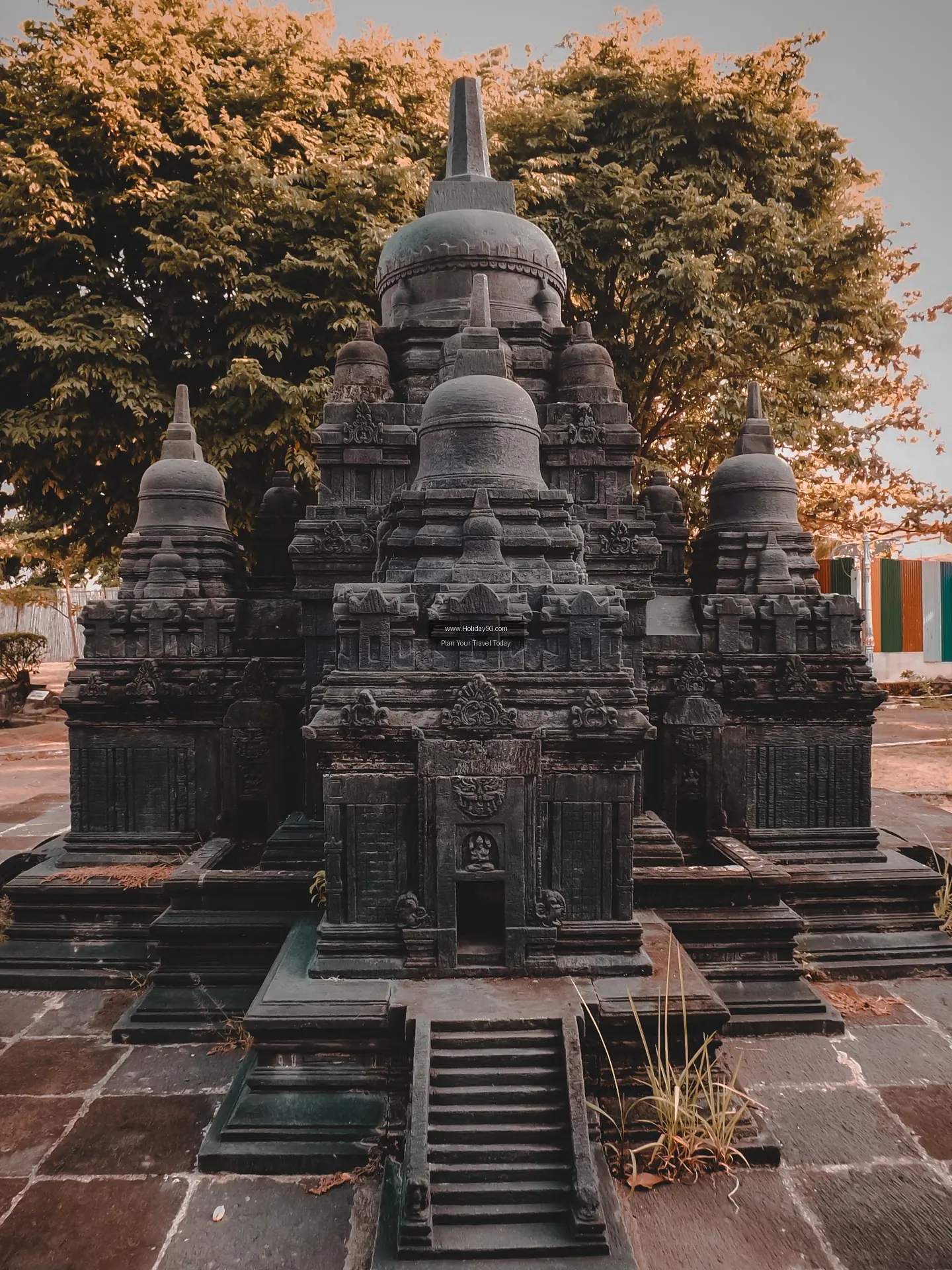
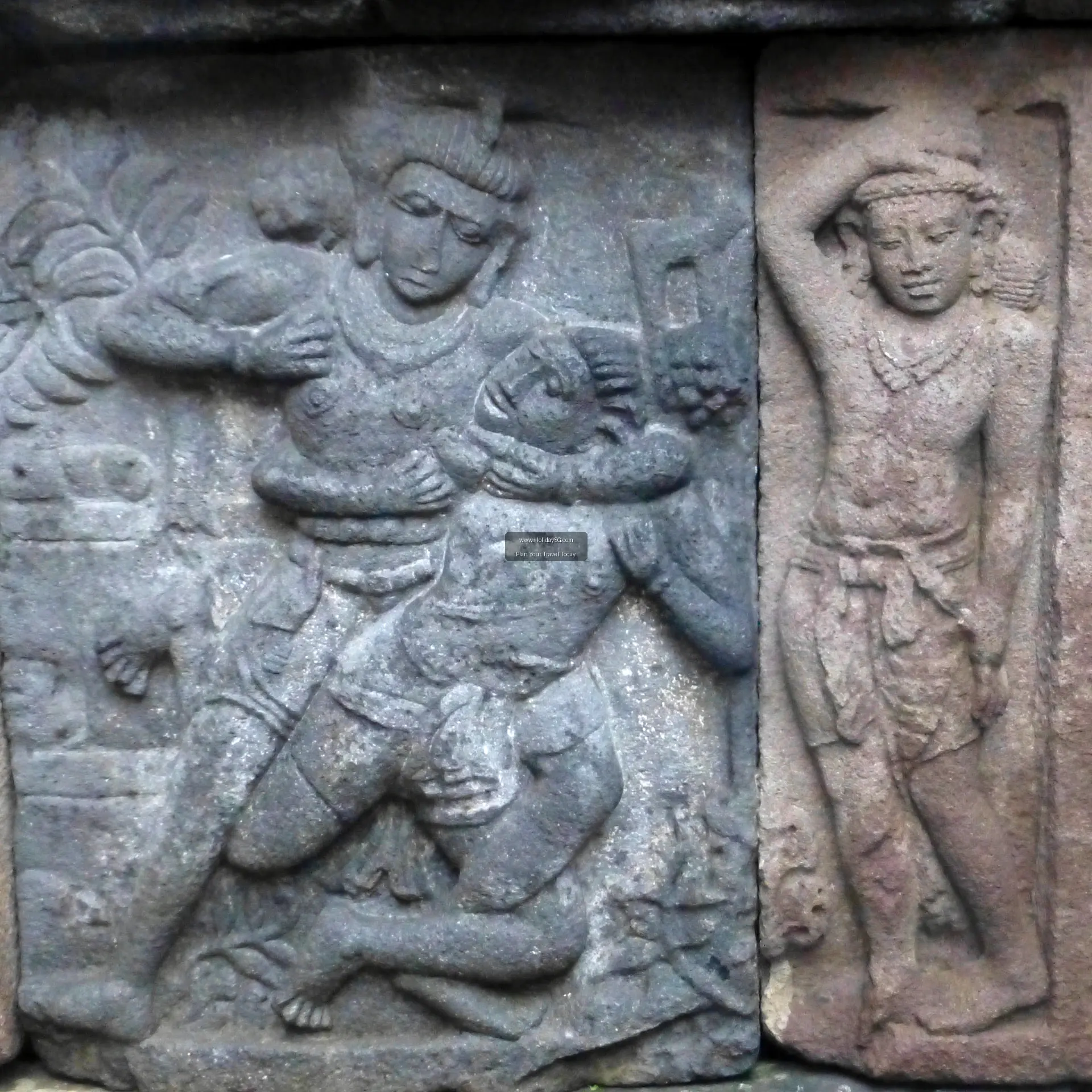
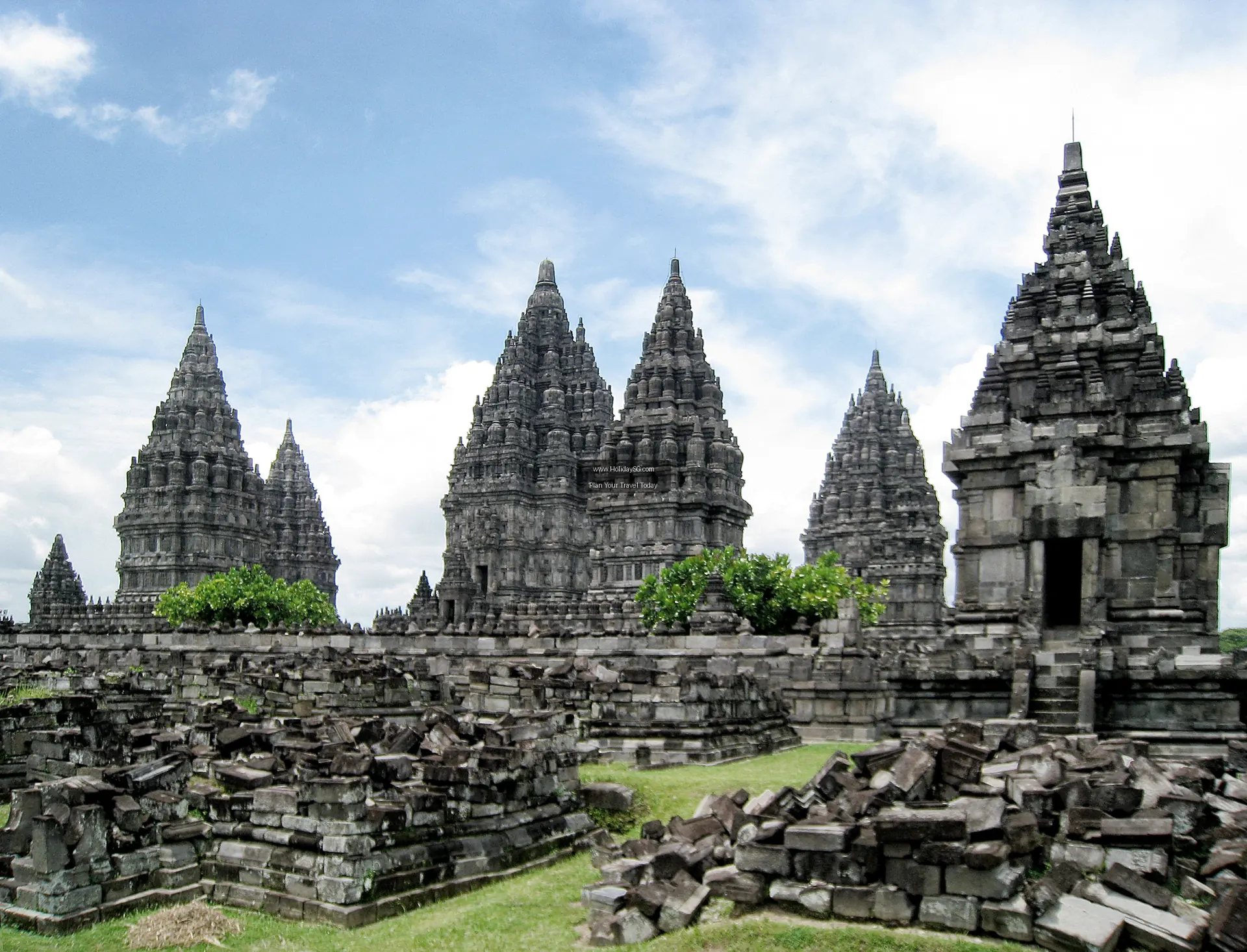
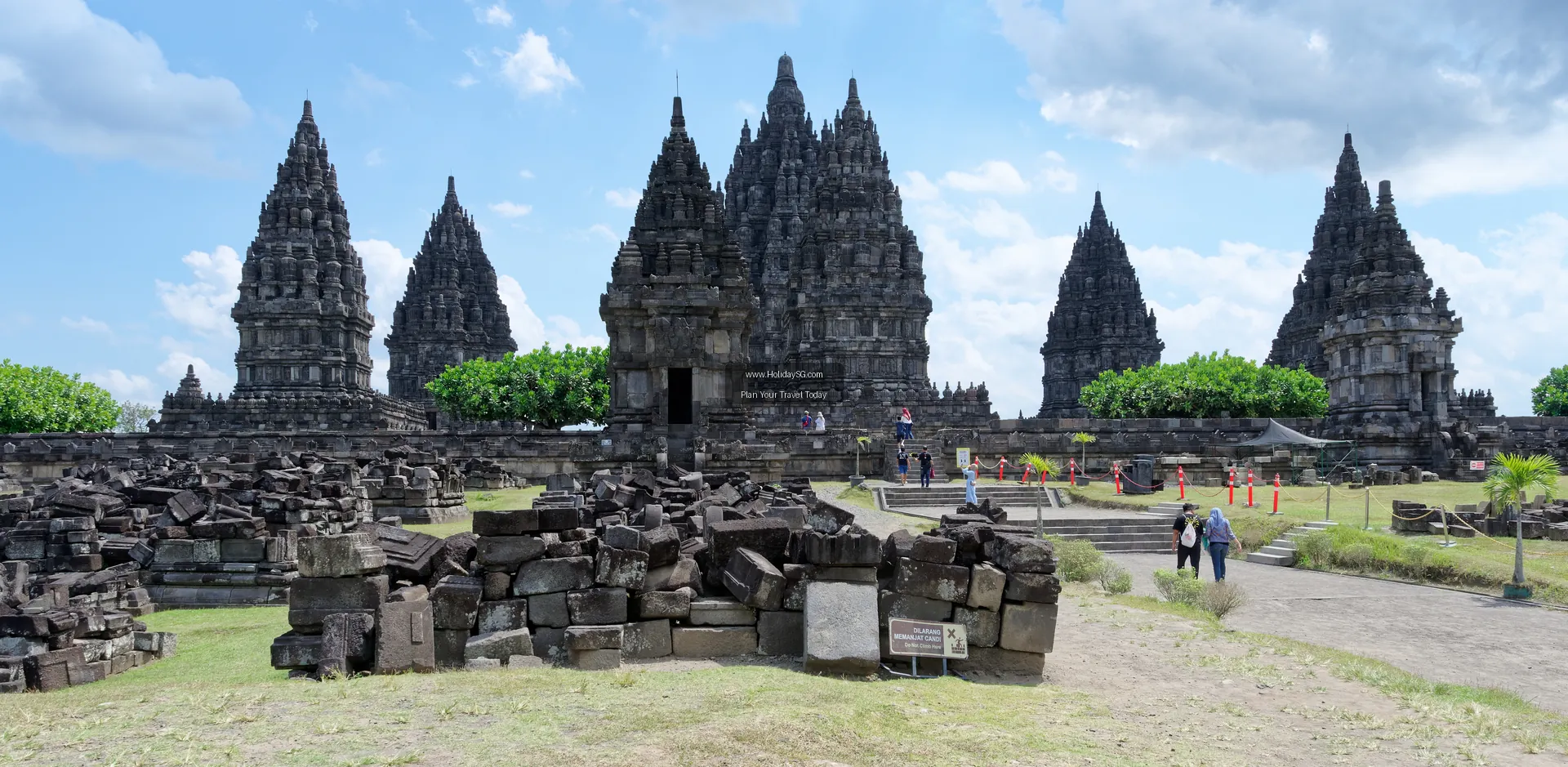
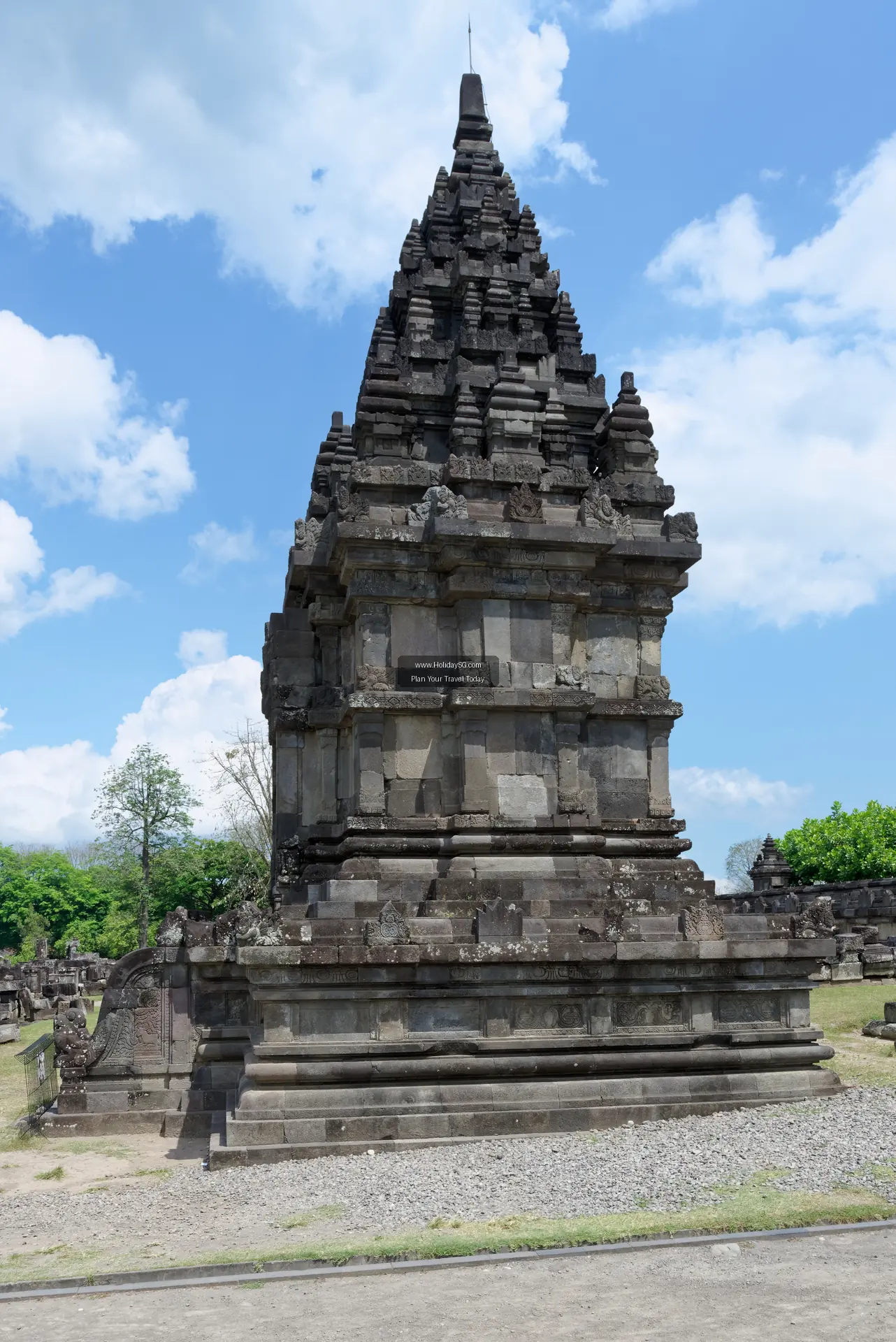
Yogyakarta is Java’s soul—home to two UNESCO-listed marvels. Borobudur, the world’s largest Buddhist temple, is best visited at sunrise, when mist rises over its stupas. Nearby, Prambanan dazzles with its towering Hindu temples dedicated to Shiva. For adventure, Mount Merapi offers jeep tours through lunar-like landscapes, where you can witness the power of Indonesia’s most active volcano.
Komodo National Park: Dragons & Diving
Komodo National Park is a bucket-list destination for wildlife lovers. The Komodo dragons—the world’s largest lizards—roam freely on Rinca and Komodo Islands, while Pink Beach (one of only seven in the world) offers surreal snorkeling. Divers shouldn’t miss Manta Point, where graceful rays glide through crystal-clear waters. Note: permits are required (arrange via a licensed tour operator), and 2026 sees stricter visitor limits to protect the ecosystem.
Raja Ampat: Paradise for Marine Lovers
Raja Ampat is the crown jewel of Indonesian diving. Its 1,500+ fish species and 75% of the world’s coral types make it a must for underwater enthusiasts. Stay in an overwater bungalow on Wayag Island, snorkel with wobbegong sharks, or kayak through hidden lagoons. Eco-tourism is key here—choose operators that prioritize reef-safe practices and limit plastic waste.
Lombok & the Gili Islands: Bali’s Laid-Back Neighbors
Lombok is Bali’s quieter, wilder sibling. Mount Rinjani, Indonesia’s second-highest volcano, offers epic treks (best from April–October), while Kuta Lombok’s empty beaches rival Bali’s in beauty. The Gili Islands—Trawangan, Meno, and Air—are car-free paradises. Gili Trawangan buzzes with beach bars and diving schools, while Gili Meno is a honeymooner’s dream with its serene beaches and sea turtle sanctuaries.
Sumatra: Wild Jungles & Volcanic Lakes
Sumatra is for adventurers. Lake Toba, the world’s largest volcanic lake, is a surreal expanse of blue surrounded by misty mountains. Nearby, Bukit Lawang is the gateway to Gunung Leuser National Park, where you can trek to see wild orangutans. For something offbeat, Samosir Island offers traditional Batak culture and lakeside homestays.
Bandung: The “Paris of Java”
Bandung’s cool highland climate and Art Deco architecture earned it the nickname “Paris van Java.” Explore tea plantations in Ciwidey, shop for bargains at factory outlets, or indulge in sundanese cuisine (try nasi timbel or sate maranggi). The city’s creative energy shines in its cafés and design studios, making it a hit with digital nomads.
Bintan & Batam: Quick Getaways from Singapore
Just a short ferry ride from Singapore, Bintan and Batam are perfect for a weekend escape. Bintan Resorts offers luxury spas and golf courses, while Batam’s duty-free shopping and seafood are ideal for budget travelers. Both islands provide a taste of Indonesia without the long-haul flight.
—
Best Time to Visit Indonesia in 2026
Dry Season (April–October): Ideal for Most Islands
Indonesia’s dry season is the best time to visit Bali, Java, Lombok, and Komodo. July and August are peak months—expect crowds and higher prices, but perfect weather. For fewer tourists, aim for April, May, September, or October, when skies are still clear and rates drop.
Wet Season (November–March): Pros & Cons
The wet season brings lush landscapes and lower prices, but heavy rains can disrupt travel plans. Sumatra and Kalimantan are best visited during this time (avoid January–February, when downpours are heaviest). Bali and Java still see plenty of sunshine between showers, making it a great time for budget travelers.
Shoulder Months: The Sweet Spot
April, May, September, and October offer the best of both worlds: pleasant weather, fewer crowds, and affordable rates. These months are ideal for trekking (e.g., Mount Rinjani or Bromo) or island-hopping.
Ramadan & Cultural Considerations
Ramadan (dates vary yearly) affects travel in Muslim-majority areas like Aceh and parts of Java. Restaurants may close during daylight hours, and attractions could have reduced operating times. Plan ahead, and be respectful of fasting locals.
—
Visa & Entry Requirements (2026 Updates)
Visa-Free Entry: Who Qualifies?
Citizens of ASEAN countries, Australia, the US, UK, EU, and more can enter visa-free for 30 days (check the latest list before traveling). This is ideal for short trips to Bali or Jakarta.
Visa on Arrival (VoA) & e-VOA: How to Apply
For stays up to 60 days, apply for a Visa on Arrival (VoA) at major airports/seaports (~$35 USD, extendable once). The e-VOA (apply online before arrival) speeds up the process—recommended for hassle-free entry.
B211A Tourist Visa: For Longer Stays
Planning a 180-day trip? The B211A Tourist Visa must be applied for at an Indonesian embassy before arrival. It’s perfect for digital nomads or slow travelers.
Passport & Other Entry Rules
Your passport must be valid for at least 6 months from your entry date, with two blank pages. Immigration may ask for proof of onward travel, so have a flight or ferry ticket handy.
—
Getting Around Indonesia: Transportation Guide (2026)
Domestic Flights: Budget Airlines & Booking Tips
Indonesia’s vast size makes flying the best way to cover ground. Lion Air, AirAsia, and Citilink offer cheap flights between islands—book 2–3 months in advance for the best deals (~$30–$100 USD one-way). Garuda Indonesia is pricier but more reliable for long-haul routes.
Ferries & Boats: Island-Hopping Made Easy
For a scenic (and budget-friendly) experience, take a Pelni ferry between islands. Fast boats connect Bali to the Gili Islands and Lombok (~$30–$50 USD), but be prepared for choppy seas during the wet season.
Ride-Hailing Apps: Gojek & Grab
Gojek and Grab are lifesavers in cities like Jakarta, Bali, and Yogyakarta. Use them for taxis, motorbike taxis (ojek), and food delivery. Prices are fixed, so no haggling is needed.
Private Drivers & Day Tours
Hiring a private driver is affordable and convenient (~$35–$60 USD/day). In Bali, drivers double as guides, taking you to hidden waterfalls and temples. For Java, a driver is essential for exploring Borobudur and Prambanan in one day.
Trains: Java’s Comfortable Rail Network
Java’s executive-class trains are a comfortable way to travel between cities. The Jakarta–Yogyakarta route (~$20–$40 USD) is popular, with scenic views of rice fields and volcanoes. Book tickets via the KAI Access app.
Motorbike Rentals: Freedom & Risks
Renting a motorbike (~$5–$10 USD/day) is common in Bali and Lombok, but be cautious—traffic can be chaotic, and accidents are common. International licenses are technically required, though enforcement varies.
—
Where to Stay: Accommodation Options & Costs (2026)
Budget Stays: Hostels, Guesthouses & Homestays
Backpackers can find hostels and guesthouses for $5–$15 USD/night, especially in Bali, Yogyakarta, and Lombok. Homestays in rural areas (~$10–$20 USD) offer a glimpse into local life—try one in Ubud or Lake Toba for an authentic experience.
Mid-Range: Boutique Hotels & 3-Star Resorts
For $30–$80 USD/night, you’ll find boutique hotels and 3-star resorts with pools, breakfast, and great locations. Bali’s Canggu and Seminyak are packed with stylish options, while Yogyakarta offers heritage stays near the temples.
Luxury: 5-Star Resorts & Private Villas
Indonesia’s luxury scene is world-class. Bali’s Four Seasons and Ayana Komodo offer overwater villas and infinity pools (~$150–$500+ USD/night). For a unique stay, book an overwater bungalow in Raja Ampat (~$200–$600 USD) or a jungle lodge in Sumatra (~$50–$150 USD).
Unique Stays: Overwater Bungalows & Jungle Lodges
Want something unforgettable? Raja Ampat’s overwater bungalows let you wake up to turquoise waters, while Sumatra’s jungle lodges put you steps away from orangutans. In Bali, treehouse villas and cliffside resorts offer Instagram-worthy views.
—
Indonesia Travel Budget: Costs & Money-Saving Tips (2026)
Daily Budget Breakdown
- Backpacker: $20–$40 USD (hostels, street food, public transport).
- Mid-Range Traveler: $50–$150 USD (private rooms, restaurants, tours, ride-hailing).
- Luxury Traveler: $200–$500+ USD (resorts, fine dining, private tours, domestic flights).
Sample Costs
- Meal at a warung (local eatery): $1–$3 USD.
- Nasi Goreng (fried rice): $2–$5 USD.
- Bintang beer: $2–$4 USD.
- Massage: $8–$20 USD/hour.
- Snorkeling tour (Gili Islands): $20–$40 USD.
How to Save Money Without Sacrificing Fun
- Eat at warungs (local eateries) for cheap, delicious meals.
- Use Gojek/Grab instead of taxis for fixed prices.
- Book flights early (3+ months in advance) for the best deals.
- Travel in shoulder season (April, May, September, October) for lower rates.
- Bargain politely in markets—start at 30–50% of the asking price.
—
Health & Safety in Indonesia (2026 Updates)
Vaccinations & Medical Precautions
Before traveling, check with your doctor about Hepatitis A/B, Typhoid, and Tetanus vaccines. Malaria prophylaxis is recommended for Sumatra, Kalimantan, and Papua. Pack a basic medical kit with rehydration salts, antidiarrheal meds, and mosquito repellent.
Mosquito Protection & Dengue Fever Risks
Dengue fever is a year-round risk—use DEET repellent, wear long sleeves at dusk, and sleep under mosquito nets in rural areas. Zika virus has been reported in some regions, so take precautions if pregnant.
Food & Water Safety: Avoiding “Bali Belly”
Stick to bottled or filtered water (even for brushing teeth). Avoid raw vegetables, unpeeled fruit, and ice in drinks from street stalls. Busy warungs (with high turnover) are safer bets for street food.
Travel Insurance: Why You Need It
Indonesia’s healthcare varies—travel insurance is a must for medical emergencies, evacuations, or trip cancellations. Some tours (e.g., Komodo trekking) require it. Expect to pay $50–$150 USD for 2 weeks.
Safety Tips: Theft, Scams & Natural Hazards
- Petty theft occurs in tourist areas (e.g., Kuta, Jakarta). Use a money belt and avoid flashing valuables.
- Avoid unlicensed taxis—use Gojek/Grab instead.
- Volcanic activity is common (check alerts for Merapi, Rinjani, Agung).
- Earthquakes and tsunamis can strike coastal areas—know evacuation routes.
—
Cultural Etiquette & Local Customs
Dress Code: What to Wear (and What to Avoid)
- Temples: Cover shoulders and knees (sarongs are often provided).
- Rural areas: Avoid revealing clothing out of respect.
- Beaches: Swimwear is fine, but cover up when leaving the beach.
Greetings & Basic Indonesian Phrases
- Hello: “Halo” (informal) or “Selamat pagi” (morning).
- Thank you: “Terima kasih.”
- How much?: “Berapa harganya?”
- Delicious: “Enak!”
Tipping & Bargaining: Do’s and Don’ts
- Tipping: Not mandatory, but appreciated (10% in restaurants, small bills for drivers/guides).
- Bargaining: Expected in markets—start at 30–50% of the asking price and negotiate politely.
Religious & Social Sensitivity
- Avoid loud behavior near mosques or churches.
- Remove shoes before entering homes or temples.
- Use your right hand for giving/receiving items (the left is considered unclean).
—
Internet & Connectivity in 2026
Best SIM Cards & eSIMs for Travelers
Buy a Telkomsel SIM card at the airport (~$5–$10 USD for 10–20GB data)—it has the best coverage. For convenience, use an eSIM (e.g., this Telkomsel eSIM) to stay connected without swapping cards.
Wi-Fi Availability & VPNs
Wi-Fi is widely available in hotels and cafés, but speeds vary. In remote areas (e.g., Raja Ampat, Sumatra), expect slow or no connection. A VPN is useful for accessing restricted sites (e.g., WhatsApp calls in some regions).
Essential Apps to Download
- Transport: Gojek, Grab, KAI Access (trains).
- Navigation: Google Maps (download offline maps), Maps.me.
- Language: Google Translate (Indonesian offline).
- Tours:com.
—
Common Traveler Questions (2026 FAQs)
Is Indonesia Safe for Solo Female Travelers?
Yes, but take precautions. Dress modestly, avoid walking alone at night, and use trusted transport (Gojek/Grab). Bali and Yogyakarta are particularly female-friendly.
Can I Use USD or EUR in Indonesia?
IDR (Indonesian Rupiah) is preferred. USD is accepted in tourist areas, but exchange rates are often poor. Withdraw IDR from ATMs (fees ~$3–$5 USD).
How Much Cash Should I Carry?
ATMs are widely available, but carry small bills for markets, warungs, and transport. $50–$100 USD in IDR is a good daily amount.
Is English Widely Spoken?
In tourist areas (Bali, Jakarta, Yogyakarta), English is common. In rural regions, learn basic Indonesian phrases or use Google Translate.
What’s the Deal with “Bali Belly”?
“Bali belly” (food poisoning) is common from street food or tap water. Stick to busy stalls, avoid raw veggies/unpeeled fruit, and drink bottled water.
Can I Drink Alcohol in Indonesia?
Yes, but alcohol is limited in Muslim-majority areas (e.g., Aceh). Stick to beer and wine in tourist zones.
Do I Need a Permit for Komodo or Raja Ampat?
Yes! Komodo National Park requires permits (~$50–$100 USD), arranged via licensed tour operators. Raja Ampat also has entrance fees (~$50 USD) and eco-taxes.
Should I Book Tours Locally or Online?
Locally is cheaper, but online (HolidaySG/HolidaySG) offers convenience and reviews. For niche experiences (e.g., ceramic-making in Tanakita), booking ahead ensures availability.
—
Sustainable & Responsible Travel in Indonesia (2026)
Reducing Plastic Waste
Indonesia is the second-largest plastic polluter in the world. Bring a reusable water bottle (refill stations are common in Bali and Yogyakarta) and say no to single-use plastics.
Ethical Wildlife Tourism
Avoid exploitative attractions (e.g., elephant rides, monkey performances). Support ethical sanctuaries like Bali Bird Park or Sumatra’s orangutan conservation programs.
Supporting Local Communities
Buy handicrafts directly from artisans (e.g., Ubud’s markets, Toraja’s woodcarvings). Respect indigenous cultures—ask before taking photos, and follow local customs.
Eco-Friendly Diving & Snorkeling
Choose reef-safe sunscreen and eco-friendly dive operators (e.g., Raja Ampat’s “Blue Communities”). Never touch coral or marine life.
Carbon Offsets & Green Travel Tips
Offset your flight’s carbon footprint with airline programs (e.g., Garuda Indonesia). Choose eco-resorts and public transport where possible.
—
Hidden Gems & Off-the-Beaten-Path Destinations (2026)
Belitung Island: Granite Boulders & Turquoise Waters
Belitung’s granite boulders and empty beaches feel like a scene from The Beach. Visit Lengkuas Island’s lighthouse or snorkel in Tanjung Tinggi’s crystal-clear waters.
Tana Toraja (Sulawesi): Unique Funeral Rituals
Toraja’s elaborate funeral ceremonies (involving buffalo sacrifices and cliffside burials) are a cultural highlight. Stay in a traditional tongkonan house and explore Lemo’s hanging graves.
Wakatobi National Park: Remote Diving Paradise
Less crowded than Raja Ampat, Wakatobi offers pristine reefs and manta ray encounters. Stay in overwater bungalows and dive with local guides.
Bromo-Tengger-Semeru: Volcanic Landscapes
Java’s Bromo-Tengger-Semeru National Park is a photographer’s dream. Hike the “Sea of Sand” at sunrise, then trek to Madakaripura Waterfall, Indonesia’s tallest.
Derawan Islands: Manta Rays & Jellyfish Lakes
East Kalimantan’s Derawan Islands are a diver’s paradise. Swim with non-stinging jellyfish in Kakaban Lake or spot manta rays at Sangalaki Island.
Banda Islands: Historic Spice Islands
The Banda Islands were once the world’s only source of nutmeg and mace. Today, they offer Dutch colonial ruins, world-class diving, and empty beaches.
—
Recommended HolidaySG Tours
- Esim Indonesia Telkomsel Unlimited Travel Sim Indonesia Global
- Taman Mini Indonesia Indah
- Tour Making Ceramics Tanakita By Campa
- Tour Kebun Kumara By Campa
—
Final Tips for an Unforgettable Indonesia Trip (2026)
Packing Essentials
- Lightweight, breathable clothing (quick-dry fabrics for humidity).
- Reusable water bottle (with filter if possible).
- Mosquito repellent (DEET-based) and sunscreen.
- Power adapter (Type C/F plugs, 230V).
- Waterproof dry bag (for boat trips and monsoon season).
Must-Try Indonesian Dishes
- Nasi Goreng (fried rice) – Try it at Warung Babi Guling Pak Dobiel in Ubud.
- Sate (skewered meat) – Sate Khas Senayan in Jakarta is legendary.
- Gado-Gado (vegetable salad with peanut sauce) – A must for vegetarians.
- Bakso (meatball soup) – Street food at its best.
- Durian – Love it or hate it, Indonesia’s “king of fruits” is an experience.
Photography Spots & Instagram-Worthy Locations
- Kelingking Beach (Nusa Penida) – The iconic “dinosaur cliff.”
- Tegallalang Rice Terraces (Ubud) – Swing over emerald paddies.
- Wayag Lagoon (Raja Ampat) – Turquoise waters and karst islands.
- Mount Bromo (Java) – Sunrise over the volcanic landscape.
- Lake Toba (Sumatra) – Serene blue waters with Samosir Island in the distance.
How to Avoid Tourist Traps & Scams
- Bargain politely in markets—don’t pay the first price.
- Avoid “too good to be true” tours (e.g., “free” temple visits with hidden fees).
- Use licensed taxis (Gojek/Grab) instead of unmarked cars.
- Check reviews before booking tours or accommodations.
Last-Minute Checklist Before You Go
✅ Passport valid for 6+ months with blank pages.
✅ Visa arranged (e-VOA or VoA if needed).
✅ Travel insurance (covering medical evacuation).
✅ Vaccinations (Hepatitis A/B, Typhoid, etc.).
✅ SIM card/eSIM for connectivity.
✅ Cash (IDR) and cards (Visa/Mastercard widely accepted).
✅ Copies of important documents (passport, insurance, itinerary).
—
Indonesia is a destination that rewards the curious. Whether you’re diving in Raja Ampat, trekking Mount Rinjani, or savoring nasi goreng in a Jakarta alley, the memories will last a lifetime. For more inspiration, check out our 7-day Bali itinerary or 14-day Java and Sumatra route. Wherever you go, Indonesia’s warmth, beauty, and diversity will leave you planning your next trip before this one ends.
Ready to stay connected on your adventure? Grab your Telkomsel eSIM here and explore Indonesia with ease!
Book these with HolidaySG:
Book with HolidaySG online for Esim Indonesia Telkomsel Unlimited Travel Sim Indonesia Global, Taman Mini Indonesia Indah, Tour Making Ceramics Tanakita By Campa.
More Photos from HolidaySG
Book with HolidaySG online for Nusa Penida Sharing Snorkeling Adventure In Nusa Penida To 4 Spots, Kereta Gantung At Taman Mini Indonesia Indah, Indonesia Esim Free Roaming Mobile Data.
Book these with HolidaySG:
- Nusa Penida Sharing Snorkeling Adventure In Nusa Penida To 4 Spots
- Kereta Gantung At Taman Mini Indonesia Indah
- Indonesia Esim Free Roaming Mobile Data
- Indonesia Unlimited 4g5g Data Esim
- Funworld Grand Indonesia Shopping Town Arcade
- E Sim Indonesia Data Plan Tourist Travel Esim Internet Total Data E Sim
- E Sim Indonesia Data Plan Tourist Travel Esim Internet Daily Data E Sim
- Commbitz Indonesia E Sim Package
Frequently Asked Questions
Where can I book this / what’s the link?
Do foreigners (non-citizens) need a different ticket, price, or visa for Indonesia?
What is the best time (season, or time of day for the site/activity) to go?
How long should I spend in Indonesia?
What are the typical costs for tourists in Indonesia?
How do I get to Indonesia?
Is Indonesia family-friendly?
What should I pack for Indonesia?
Are there accessibility options in Indonesia?
Is Indonesia safe for tourists?
What is the weather like in Indonesia?
What are local etiquette tips?
Where can I find good food in Indonesia?
What are must-see attractions near Bali?
Do I need travel insurance for Indonesia?
What language is spoken in Indonesia?
How can I stay connected with mobile data?
Are there health risks in Indonesia?
What are the best ways to get around Indonesia?
Can I use credit cards in Indonesia?
What things cost in Indonesia
Live HolidaySG prices for the experiences in this guide, so you can sanity-check a budget before you commit.
| Experience | Where | From price |
|---|---|---|
| 10 Min - 100 Min Bali Helicopter Tours | Departing from Canggu | Bali | From S$150.47 |
| 10 Min - 100 Min Bali Helicopter Tours | Departing from Nusa D... | Bali | From S$150.47 |
| 4WD Jeep Caldera Sunrise Experience by Bali Volcano Jeep | Bali | From S$52.69 |
| 4WD Jeep Mount Batur Sunrise Experience by Bali Volcano Jeep | Bali | From S$60.13 |
| Black Lava Tour | Bali | From S$154.57 |
| Cimory Dairyland Farm Theme Park Gowa | Makassar | From S$4.00 |
| Seafood Dinner in Jimbaran Bali by New Dewata | Bali | From S$6.59 |
| Dairyland Farm Theme Park Prigen | Surabaya | From S$4.00 |