

Indonesia travel tips everything you need to know is exactly what this guide covers.
# Indonesia Travel Tips: Your Ultimate Guide to Exploring the Archipelago
Indonesia is a dream destination for travelers seeking adventure, culture, and breathtaking landscapes. With over 17,000 islands, this Southeast Asian gem offers everything from pristine beaches and lush jungles to ancient temples and vibrant cities. Whether you’re planning a short getaway to Bali or a multi-week journey across the archipelago, this guide covers everything you need to know to make the most of your trip.
**** Indonesia is best visited during the dry season (April–October), with visa-free entry for many nationalities. Budget travelers can explore for $30–50/day, while mid-range trips cost $70–150/day. Use Grab or GoJek for transport, dress modestly at temples, and avoid tap water. Beyond Bali, don’t miss Java’s temples, Sumatra’s wildlife, and Raja Ampat’s diving.
—
## When to Visit Indonesia: Timing Your Trip Perfectly
Indonesia’s weather varies by region, but the **dry season (April–October)** is ideal for most travelers. During this period, you’ll enjoy sunny skies and minimal rainfall, making it perfect for hiking, beach hopping, and exploring cultural sites. Bali, Java, Lombok, and Komodo Island are at their best during these months.
The **wet season (November–March)** brings heavy rains, especially in Sumatra, Java, and Bali. While landscapes are lush and crowds thinner, travel can be disrupted by flooding and landslides. If you’re visiting **West Papua or Maluku**, note that their dry season runs from **October to April**, opposite the rest of the country.
For fewer crowds and lower prices, consider traveling during **shoulder seasons** (April–May or September–October). Avoid **December–January** if you dislike peak monsoon rains and holiday crowds.
—
## Top Destinations & Must-See Attractions
Indonesia is far more than just Bali. Here’s a breakdown of the country’s most unforgettable destinations:
### Bali: The Island of Gods
Bali is Indonesia’s most famous destination, blending spirituality, nature, and nightlife. In **Ubud**, wander through the emerald **Tegallalang Rice Terraces** or visit the sacred **Sacred Monkey Forest**. For adventure, hike **Mount Batur** at sunrise or surf in **Canggu**. Don’t miss **Uluwatu Temple**, perched on a cliff with panoramic ocean views, where the traditional **Kecak fire dance** is performed at sunset.
If you’re looking for a unique cultural experience, consider the **Tabanan Sunset 4 Hours Tour**, which takes you through Bali’s rural heartland, including hidden temples and scenic viewpoints.
### Java: Temples, Volcanoes & Culture
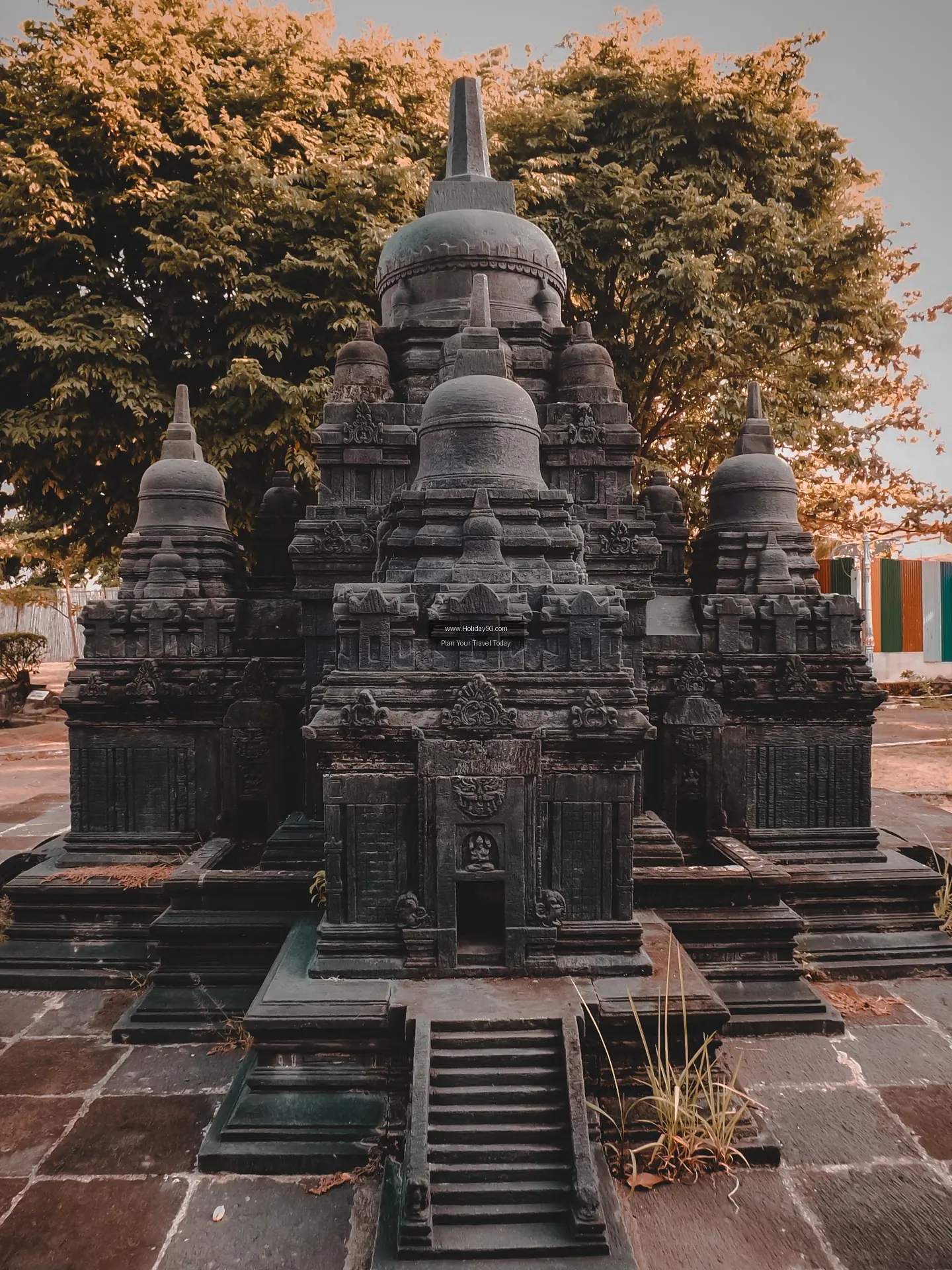
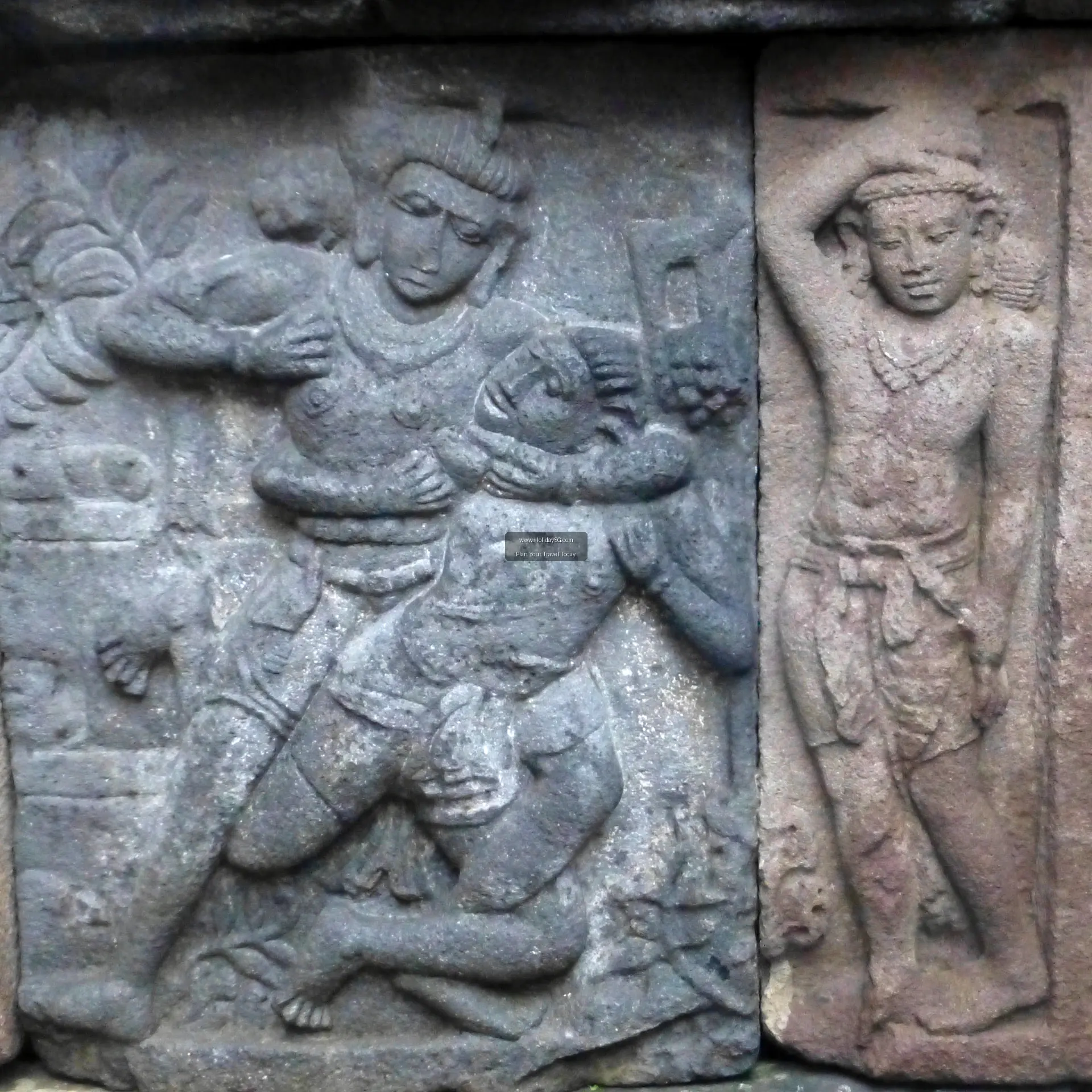
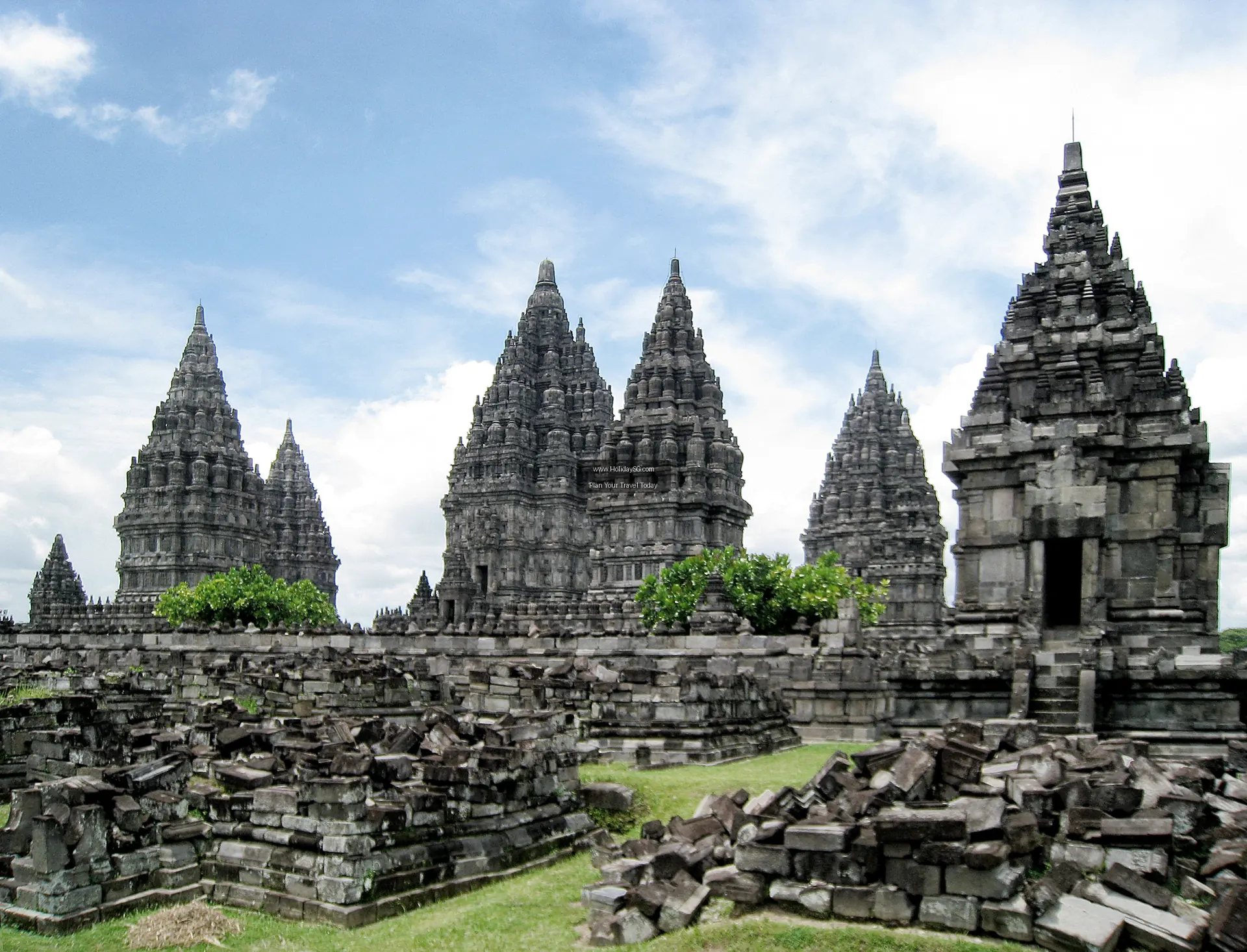
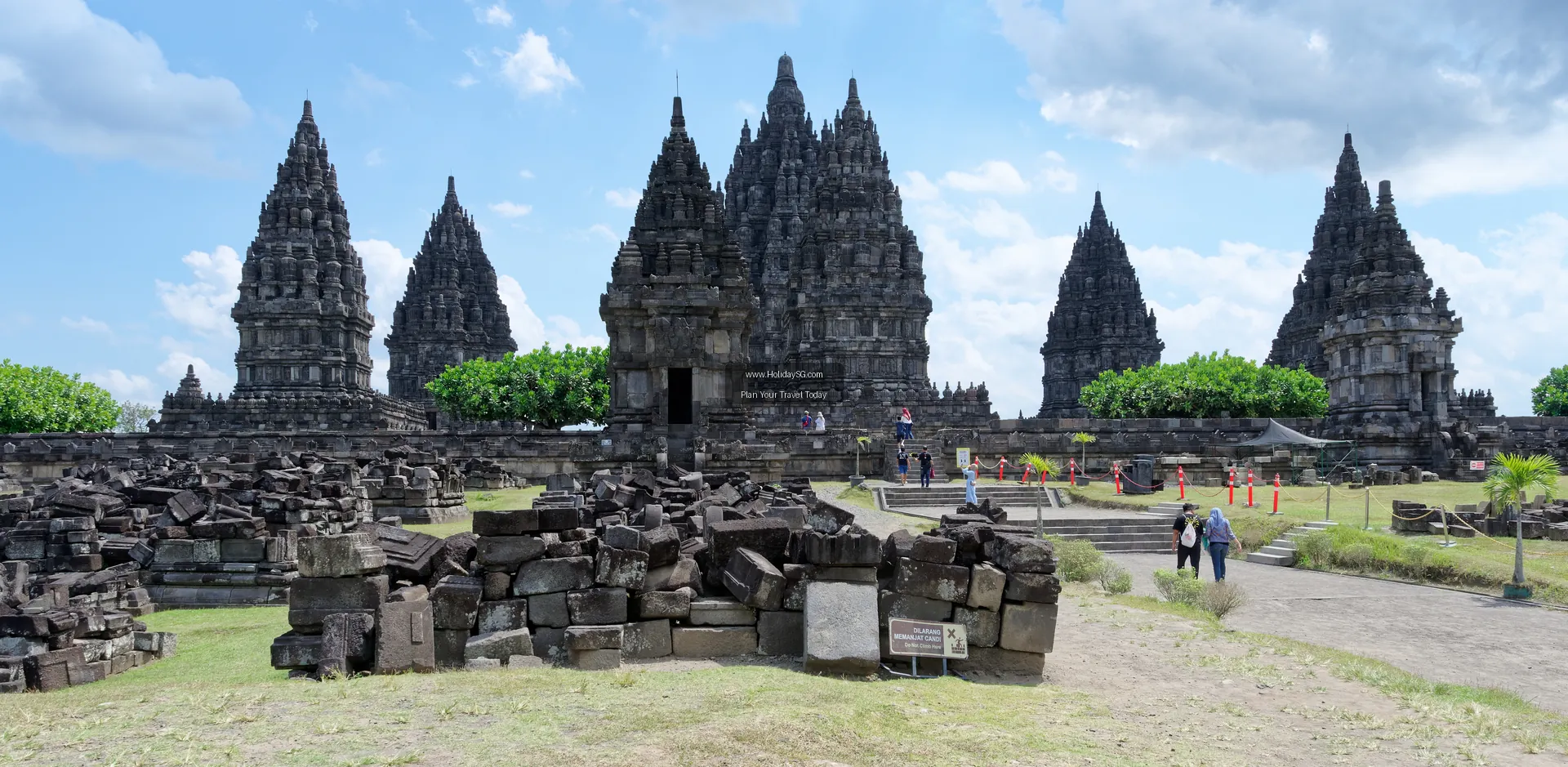
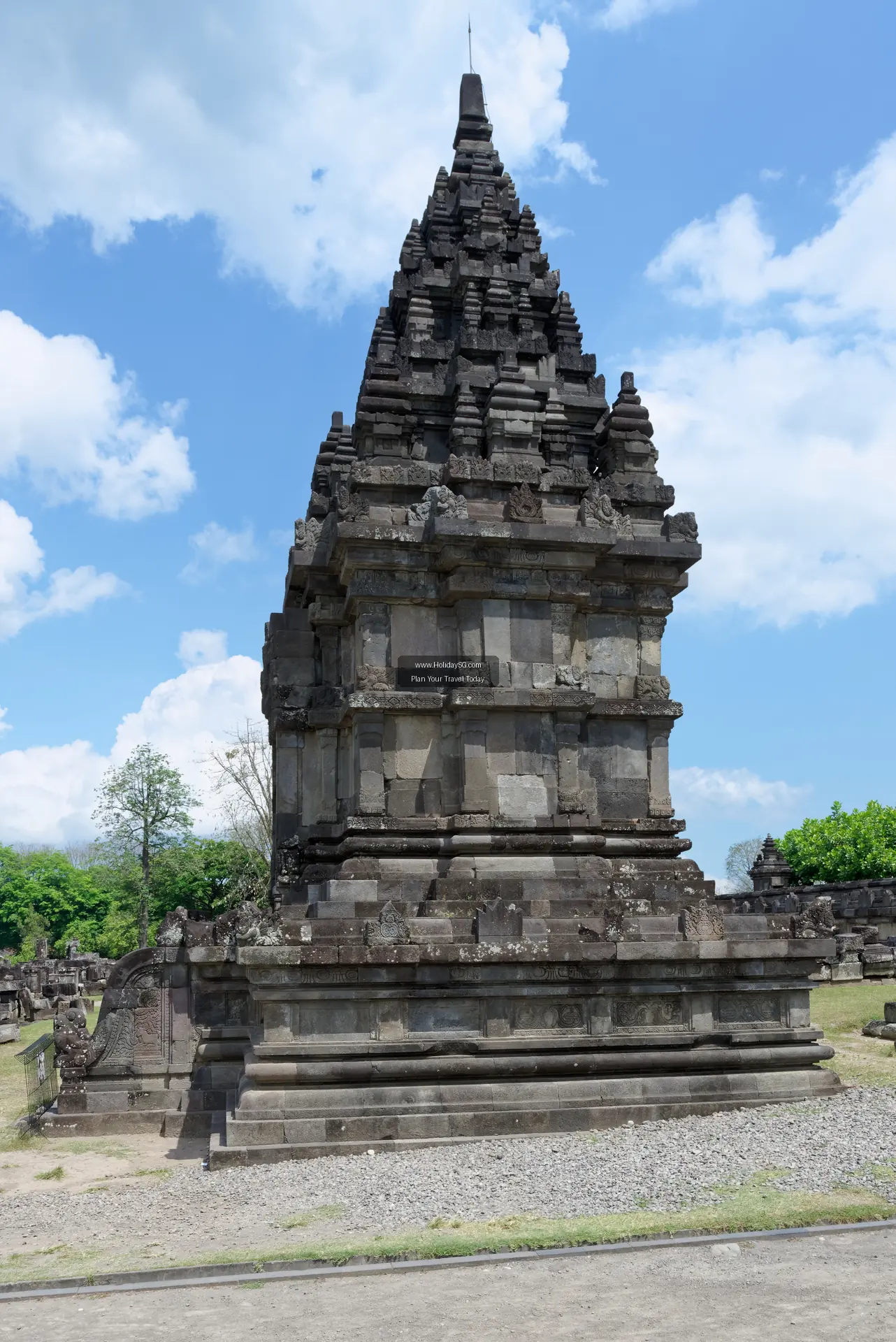
Java is Indonesia’s cultural and historical heart. The **Borobudur Temple**, the world’s largest Buddhist temple, is a must-visit, especially at sunrise. Nearby, **Prambanan Temple** showcases stunning Hindu architecture. For adventure, hike **Mount Bromo**, an active volcano with otherworldly landscapes, or explore **Yogyakarta**, a city rich in Javanese arts and traditions.
### Sumatra: Wildlife & Adventure
Sumatra is a paradise for nature lovers. **Lake Toba**, the world’s largest volcanic lake, offers serene views and Batak culture. In **Bukit Lawang**, trek through the jungle to spot wild orangutans, or explore **Kerinci Seblat National Park** for rare wildlife and challenging hikes.
### Komodo & Flores: Dragons & Diving
**Komodo National Park** is home to the famous **Komodo dragons**, the world’s largest lizards. Beyond the dragons, the park boasts **Pink Beach**, one of only seven in the world, and incredible diving in **Labuan Bajo**. Nearby **Flores** is home to **Kelimutu’s tri-colored lakes**, which change hues depending on the time of day.
### Raja Ampat: Diving Paradise
For underwater enthusiasts, **Raja Ampat** is a bucket-list destination. With over 1,500 fish species and 75% of the world’s coral species, it’s one of the most biodiverse marine ecosystems on Earth. Highlights include **Wayag Lagoon**, with its iconic karst islands, and **Misool Island**, known for its vibrant reefs.
### Lombok & the Gili Islands
Lombok is Bali’s quieter neighbor, offering stunning beaches and the challenging **Mount Rinjani trek**. The **Gili Islands**—Gili Trawangan, Gili Meno, and Gili Air—are perfect for relaxation, snorkeling, and nightlife.
### Sulawesi: Unique Cultures & Pristine Waters
Sulawesi is a cultural and natural gem. In **Tana Toraja**, witness elaborate funeral rituals and traditional tongkonan houses. For diving, **Bunaken National Park** offers some of the best underwater experiences in Indonesia, while the **Togian Islands** are a hidden paradise with white-sand beaches and turquoise waters.
—
## Visa Requirements & Entry Rules
Indonesia offers several visa options depending on your nationality and length of stay:
– **Visa-Free Entry**: Citizens of **169 countries**, including the US, UK, EU, Australia, and Singapore, can enter **visa-free for 30 days** (non-extendable). This is ideal for short trips.
– **Visa on Arrival (VOA)**: Available for **90+ countries** at major airports and seaports. The VOA costs **$35 USD** and is valid for **30 days**, extendable once for another 30 days.
– **e-VOA**: Apply online before arrival for a **$35 USD e-VOA**, valid for 30 days. This is a convenient option to skip immigration queues.
– **Other Visas**: For longer stays or business trips, apply for a **social visa, business visa, or work visa** at an Indonesian embassy.
Always check the latest requirements on the **[Indonesian Immigration website]( before traveling.
—
## Budgeting for Indonesia: Costs & Money-Saving Tips
Indonesia is a budget-friendly destination, but costs vary depending on your travel style:
– **Budget Travelers**: $30–50 USD/day (hostels, street food, local transport).
– **Mid-Range Travelers**: $70–150 USD/day (3-star hotels, restaurants, private tours).
– **Luxury Travelers**: $200+ USD/day (5-star resorts, fine dining, private guides).
### Sample Prices:
– **Meals**: $2–5 USD at a *warung* (local eatery), $8–20 USD at a restaurant.
– **Transport**: $5–10 USD/day for scooter rental, $30–50 USD/day for a private car.
– **Attractions**: $2–10 USD for temple entry (Borobudur costs $25 USD for foreigners).
– **Domestic Flights**: $40–80 USD (e.g., Java to Bali).
### Money-Saving Tips:
– Eat at *warungs* for authentic, affordable meals.
– Use **Grab or GoJek** for cheap taxis and food delivery.
com]( for the best deals.
– Stay in guesthouses or homestays for a local experience.
—
## Getting Around Indonesia: Transportation Guide
Indonesia’s vast size makes transportation a key part of trip planning. Here’s how to navigate the archipelago:
### Domestic Flights
For long distances, **domestic flights** are the most efficient option. Airlines like **Garuda Indonesia, Lion Air, and Batik Air** connect major cities.com]( for a great selection of.
### Ferries & Boats
For inter-island travel, **Pelni ships** offer cheap but slow routes between islands. For faster options, **fast boats** connect Bali to Lombok and the Gili Islands. Always check weather conditions, as rough seas can delay or cancel trips.
### Trains
Java has Indonesia’s most reliable train network, with routes like **Jakarta–Yogyakarta–Surabaya**. Book tickets in advance on **[KAI Access]( for a comfortable and scenic journey.
### Local Transport
– **GoJek/Grab**: Ride-hailing apps for taxis, motorbikes, and food delivery.
– **Ojeks**: Motorcycle taxis for short trips (negotiate the price beforehand).
– **Bemos**: Shared minivans for local travel (common in rural areas).
### Driving & Scooter Rentals
Renting a **scooter** is a popular way to explore islands like Bali and Lombok. Prices start at **$5–10 USD/day**, but ensure you have an **International Driving Permit (IDP)** and wear a helmet. For longer trips, hire a **private car with a driver** ($30–50 USD/day).
—
## Health & Safety: Staying Safe & Healthy
### Vaccinations & Health Precautions
Before traveling, check with your doctor about recommended vaccines:
– **Hepatitis A/B**
– **Typhoid**
– **Rabies** (if visiting rural areas or wildlife sanctuaries)
– **Japanese Encephalitis** (Bali and Sumatra)
### Mosquito Protection
Dengue fever and malaria are risks in rural areas. Use **DEET-based repellent**, wear long sleeves, and sleep under mosquito nets if necessary.
### Tap Water
**Do not drink tap water** in Indonesia. Stick to **bottled or filtered water**, and avoid ice in drinks from street vendors.
### Common Traveler Illnesses
– **Bali Belly**: Food poisoning from contaminated food or water. Stick to busy stalls with high turnover, and avoid raw foods.
– **Motion Sickness**: Boat trips (e.g., to the Gili Islands or Komodo) can be rough. Pack motion sickness pills.
– **Sunburn & Dehydration**: Indonesia’s tropical climate means strong sun. Wear sunscreen, a hat, and stay hydrated.
### Safety Tips
– **Petty Theft**: Watch your belongings in crowded areas like Bali’s Kuta Beach or Jakarta’s markets.
– **Scams**: Be wary of “free” offers (e.g., bracelets, tours) and unlicensed guides. Research prices beforehand.
– **Emergency Numbers**:
– Police: **110**
– Ambulance: **118**
– Tourist Police: **021-526-4073**
—
## Cultural Etiquette & Local Customs
Indonesia is a predominantly Muslim country, and respecting local customs will enhance your experience:
### Dress Modestly
At **temples and religious sites**, cover your shoulders and knees. Many temples provide **sarongs** for visitors. In conservative areas like Aceh, dress modestly even outside religious sites.
### Greetings & Politeness
– **Handshakes**: A light handshake with the right hand is common. In some areas, people may place their hand on their chest after shaking hands.
– **Basic Phrases**:
– Hello: *Halo*
– Thank you: *Terima kasih*
– Sorry: *Maaf*
### Respectful Behavior
– **Avoid Public Affection**: Holding hands is generally fine, but kissing in public is frowned upon.
– **Don’t Touch Heads**: The head is considered sacred in Indonesian culture.
– **Use Your Right Hand**: Always use your right hand for giving or receiving items, as the left hand is considered unclean.
### Bargaining & Tipping
– **Bargaining**: Expected in markets. Start at **30–50% of the asking price** and negotiate politely.
– **Tipping**: Not mandatory but appreciated. Tip **10% in restaurants** and **50,000–100,000 IDR** for guides or drivers.
—
## Language Basics: Essential Bahasa Indonesia Phrases
While English is widely spoken in tourist areas, learning a few **Bahasa Indonesia** phrases will go a long way:
### Greetings & Polite Phrases
– Hello: *Halo*
– Good morning: *Selamat pagi*
– Thank you: *Terima kasih*
– Sorry: *Maaf*
– Yes/No: *Ya/Tidak*
### Travel & Directions
– Where is…?: *Di mana…?*
– How much?: *Berapa harganya?*
– Too expensive: *Terlalu mahal*
– I don’t understand: *Saya tidak mengerti*
### Dining & Shopping
– The bill, please: *Minta bon*
– Delicious: *Enak*
– Can I have…?: *Boleh minta…?*
—
## Internet & Connectivity: Staying Online
Staying connected in Indonesia is easy and affordable:
### SIM Cards & Data Plans
Buy a **SIM card** at the airport or local shops. **Telkomsel** offers the best coverage, especially in remote areas. A **5–10 USD SIM card** typically includes **5–10GB of data**. For hassle-free connectivity, consider an **eSIM from Telkomsel**, which you can activate before arrival.
### Wi-Fi Availability
Wi-Fi is available in **hotels, cafés, and restaurants**, but speeds can be slow. For remote areas, consider a **pocket Wi-Fi device** or download **offline maps** on Google Maps.
### Useful Apps
– **Grab/GoJek**: For taxis, food delivery, and payments.
– **Google Maps**: Download offline maps for areas with poor connectivity.
– **WhatsApp**: The most popular messaging app in Indonesia.
—
## Money Matters: Currency, Payments & ATMs
### Indonesian Rupiah (IDR)
IDR (Indonesian Rupiah) is the **Indonesian Rupiah (IDR)**. Exchange rates fluctuate, but **1 USD ≈ 15,000–16,000 IDR**. Carry **small bills** for markets and transport, as vendors often don’t accept large notes.
### ATMs & Card Payments
– **ATMs**: Widely available in cities and tourist areas. Use **bank-affiliated ATMs** (e.g., BCA, Mandiri) to avoid skimming.
– **Cards**: Visa and Mastercard are accepted in **hotels, restaurants, and shops** in cities. Amex is less common. Always carry **cash** for markets, transport, and rural areas.
### Tipping Culture
Tipping is not mandatory but appreciated:
– **Restaurants**: 10% of the bill.
– **Guides/Divers**: 50,000–100,000 IDR per day.
– **Drivers**: 20,000–50,000 IDR per day.
—
## Common Traveler Questions & Concerns
### Is Indonesia Safe for Solo Female Travelers?
Indonesia is generally safe for solo female travelers, but take precautions:
– Dress modestly, especially in conservative areas.
– Avoid walking alone at night in poorly lit areas.
– Use **Grab or GoJek** for transport instead of unlicensed taxis.
### Do I Need a Visa?
Visa requirements depend on your nationality. Many travelers qualify for **visa-free entry (30 days)** or a **Visa on Arrival (35 USD, extendable)**. Check the **[Indonesian Immigration website]( for updates.
### Is Bali the Only Destination Worth Visiting?
Bali is popular for a reason, but Indonesia has **17,000+ islands** with diverse experiences. Don’t miss **Java’s temples, Sumatra’s wildlife, or Raja Ampat’s diving**.
### Can I Use Uber in Indonesia?
Uber no longer operates in Indonesia. Use **Grab or GoJek** instead for taxis, food delivery, and payments.
### How Do I Avoid “Bali Belly”?
– Eat at **busy stalls** with high turnover.
– Avoid **raw foods, ice in drinks, and tap water**.
– Pack **antidiarrheal medication** just in case.
### What Are Common Scams & How to Avoid Them?
– **Fake Guides**: Only use licensed guides (ask for ID).
– **Overcharging**: Research prices beforehand (e.g., taxi fares, temple entry fees).
– **”Free” Offers**: Ignore unsolicited offers for tours, bracelets, or massages.
—
## Sustainable & Responsible Travel in Indonesia
Indonesia faces environmental challenges, but travelers can make a positive impact:
### Reduce Plastic Waste
– Bring a **reusable water bottle** and refill at hotels or cafés.
– Avoid **single-use plastics** (e.g., straws, bags).
– Participate in **beach cleanups** (common in Bali and the Gili Islands).
### Ethical Wildlife Tourism
– Avoid attractions that exploit animals (e.g., elephant rides, tiger selfies).
– Support **ethical sanctuaries** like Bali’s **Begawan Foundation** or Sumatra’s **orangutan rehabilitation centers**.
### Support Local Communities
– Buy **handmade souvenirs** from local artisans (e.g., batik, silver jewelry).
– Stay in **eco-friendly accommodations**, such as Bali’s **Green School** or Lombok’s **Moksa**.
### Cultural Respect
– Ask before **photographing locals or religious ceremonies**.
– Learn a few **Bahasa phrases** to connect with locals.
—
## Packing List: Essentials for Indonesia
Indonesia’s tropical climate requires lightweight, breathable clothing. Here’s what to pack:
### Clothing
– **Lightweight, quick-dry fabrics** (humidity is high year-round).
– **Long-sleeve shirts and pants** (for sun protection and temples).
– **Rain jacket or poncho** (sudden downpours are common).
– **Swimwear** (for beaches, waterfalls, and hot springs).
### Footwear
– **Comfortable sandals** (e.g., Tevas or Birkenstocks).
– **Hiking shoes** (for volcano treks like Mount Bromo or Rinjani).
– **Flip-flops** (for beaches and showers).
### Health & Hygiene
– **Reef-safe sunscreen** (coral protection laws in Raja Ampat and the Gili Islands).
– **Insect repellent** (DEET-based for rural areas).
– **Hand sanitizer and wet wipes** (useful for street food).
– **Basic medications**: Antidiarrheal, antihistamines, motion sickness pills.
### Tech & Accessories
– **Power adapter** (Type C/F, 230V).
– **Waterproof phone case or dry bag** (for boat trips and beaches).
– **Portable charger** (for long days of exploring).
– **Offline maps** (Google Maps or Maps.me).
### Documents
– **Passport** (with at least 6 months validity).
– **Visa** (if required).
– **Travel insurance** (highly recommended).
– **Copies of important documents** (store digitally and physically).
—
## Recommended HolidaySG Tours
–
–
–
–
—
## Final Tips & Takeaways
Indonesia is a destination that rewards curiosity and adventure. To make the most of your trip:
– **Visit during the dry season** (April–October) for the best weather.
– **Explore beyond Bali**—Java, Sumatra, and Raja Ampat offer unforgettable experiences.
– **Respect local customs**, especially at religious sites.
– **Stay connected** with a local SIM card or eSIM.
– **Travel sustainably** by reducing plastic waste and supporting ethical tourism.
Whether you’re trekking volcanoes, diving in coral reefs, or immersing yourself in local culture, Indonesia promises a journey like no other. Ready to start planning? Check out our **Indonesia itineraries** for inspiration!
Book these with HolidaySG:
Book with HolidaySG online for Taman Mini Indonesia Indah, Esim Indonesia Telkomsel Unlimited Travel Sim Indonesia Global, Taman Sari Royal Heritage Spa Wahid Hasyim.
More Photos from HolidaySG
Book with HolidaySG online for Kereta Gantung At Taman Mini Indonesia Indah, Indonesia Esim Free Roaming Mobile Data, Indonesia Unlimited 4g5g Data Esim.
Book these with HolidaySG:
- Kereta Gantung At Taman Mini Indonesia Indah
- Indonesia Esim Free Roaming Mobile Data
- Indonesia Unlimited 4g5g Data Esim
- Funworld Grand Indonesia Shopping Town Arcade
- E Sim Indonesia Data Plan Tourist Travel Esim Internet Total Data E Sim
- E Sim Indonesia Data Plan Tourist Travel Esim Internet Daily Data E Sim
- Commbitz Indonesia E Sim Package
- Commbitz Indonesia E Sim Daily
Frequently Asked Questions
Where can I buy tickets or book activities in Indonesia?
For mobile data to use during your trip, several eSIM options are available for easy online purchase before arrival:
Do foreigners (non-citizens) need a different ticket, price, or visa for Indonesia?
What is the best time (season, or time of day for the site/activity) to go to Indonesia?
How long should I spend in Indonesia?
What is the typical daily budget for a traveler in Indonesia?
Is Indonesia family-friendly?
How do I get around Indonesia?
What should I pack for a trip to Indonesia?
Is Indonesia safe for tourists?
What is the weather like in Indonesia?
What local etiquette should I know?
Can I use my credit card in Indonesia?
What are the must-try Indonesian foods?
Is drinking tap water safe in Indonesia?
What are the top destinations for first-time visitors?
Do I need to worry about scams or tourist traps?
What are the local SIM card options? (See also eSIMs)
Is there good public WiFi in Indonesia?
What can I do on a rainy day in Indonesia?
Are there any health precautions I should take?
Can I use ride-hailing apps like Grab in all of Indonesia?
What things cost in Indonesia
Live HolidaySG prices for the experiences in this guide, so you can sanity-check a budget before you commit.
| Experience | Where | From price |
|---|---|---|
| 10 Min - 100 Min Bali Helicopter Tours | Departing from Canggu | Bali | From S$150.47 |
| 10 Min - 100 Min Bali Helicopter Tours | Departing from Nusa D... | Bali | From S$150.47 |
| 4WD Jeep Caldera Sunrise Experience by Bali Volcano Jeep | Bali | From S$52.69 |
| 4WD Jeep Mount Batur Sunrise Experience by Bali Volcano Jeep | Bali | From S$60.13 |
| Black Lava Tour | Bali | From S$154.57 |
| Cimory Dairyland Farm Theme Park Gowa | Makassar | From S$4.00 |
| Seafood Dinner in Jimbaran Bali by New Dewata | Bali | From S$6.59 |
| Dairyland Farm Theme Park Prigen | Surabaya | From S$4.00 |