

Indonesia travel tips for first-timers: what to know is exactly what this guide covers.
Indonesia is a dream destination for first-time travelers, offering a dazzling mix of tropical beaches, ancient temples, lush jungles, and vibrant cultures. From the spiritual heart of Bali to the wild landscapes of Sumatra and the underwater wonders of Komodo, this archipelago promises unforgettable experiences. But with over 17,000 islands to explore, planning your first trip can feel overwhelming. This guide covers everything you need to know about Indonesia travel tips for first-timers—from visas and budgets to cultural etiquette and hidden gems—so you can travel with confidence.
Indonesia is best visited during the dry season (April–October) for ideal weather, though the wet season offers fewer crowds and lush scenery. Visa-free entry is available for many nationalities, but check requirements before travel. Focus on 1–2 regions (e.g., Bali + Java or Lombok + Gili Islands) to avoid exhaustion, and budget IDR 300,000–1,500,000 per day depending on your travel style. Pack light, respect local customs, and prioritize health precautions like vaccinations and bottled water.
When to Visit: Timing Your Trip Right
Indonesia’s climate is divided into two main seasons: dry and wet. The dry season (April–October) is the most popular time to visit, especially for Bali, Java, Lombok, and Komodo. Days are sunny, humidity is lower, and outdoor activities like hiking and beach hopping are at their best. However, this is also peak tourist season, so expect higher prices and crowds, particularly in June–August. If you’re planning a trek to Mount Bromo or a sunrise visit to Borobudur, this is the ideal window.
The wet season (November–March) brings heavy rains, especially in the afternoons, but it’s not all bad. Landscapes are lush and green, crowds thin out, and prices drop. Sumatra and off-the-beaten-path destinations like Flores are more accessible during this time, though ferry schedules may be disrupted. If you don’t mind occasional downpours, the wet season can be a rewarding (and budget-friendly) choice.
Avoid traveling during peak holiday periods, such as Christmas, New Year, and Eid al-Fitr, when domestic tourists flood popular destinations, and prices skyrocket. Local festivals, like Bali’s Nyepi (Day of Silence), offer unique cultural experiences but may limit your activities—plan accordingly.
Visa Requirements: What You Need to Enter
Indonesia makes it easy for many travelers to visit. Visa-free entry is available for citizens of over 160 countries, including Singapore, the US, UK, and Australia, allowing a 30-day stay (non-extendable). If you plan to stay longer, a Visa on Arrival (VOA) is available for 35 nationalities, costing USD 35 and extendable for another 30 days (IDR 600,000–800,000). Extensions must be processed at an immigration office before your initial visa expires.
For longer stays or specific purposes (e.g., work, study), apply for a Social/Cultural Visa (60 days, extendable) or an e-VOA (online application for faster processing). Always check the latest requirements on the Indonesian Immigration website before your trip, as policies can change.
Top Destinations: Where to Go First
With so many islands to choose from, it’s best to focus on 1–2 regions to avoid exhaustion. Here’s a breakdown of Indonesia’s must-visit destinations:
Bali: Culture, Beaches, and Adventure
Bali is the perfect introduction to Indonesia, blending spirituality, nature, and nightlife. In Ubud, explore rice terraces like Tegallalang, visit sacred monkey forests, and take a Balinese cooking class. For surfing and beach clubs, head to Seminyak or Canggu, while Uluwatu offers dramatic cliffs, hidden beaches, and sunset views at Single Fin. Don’t miss unique experiences like a sunrise hike at Mount Batur or a purification ritual at Tirta Empul.
Java: History and Volcanic Landscapes
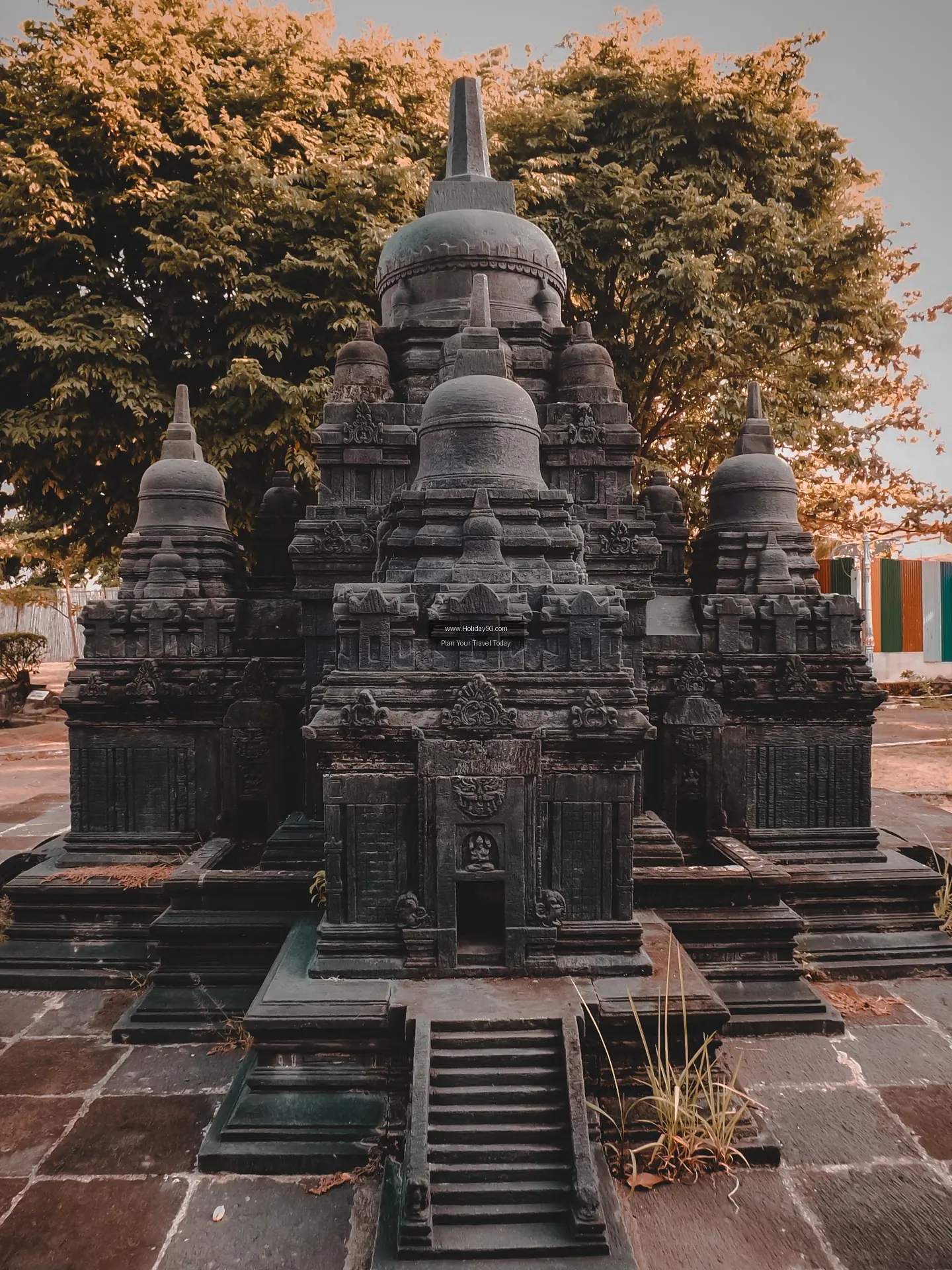
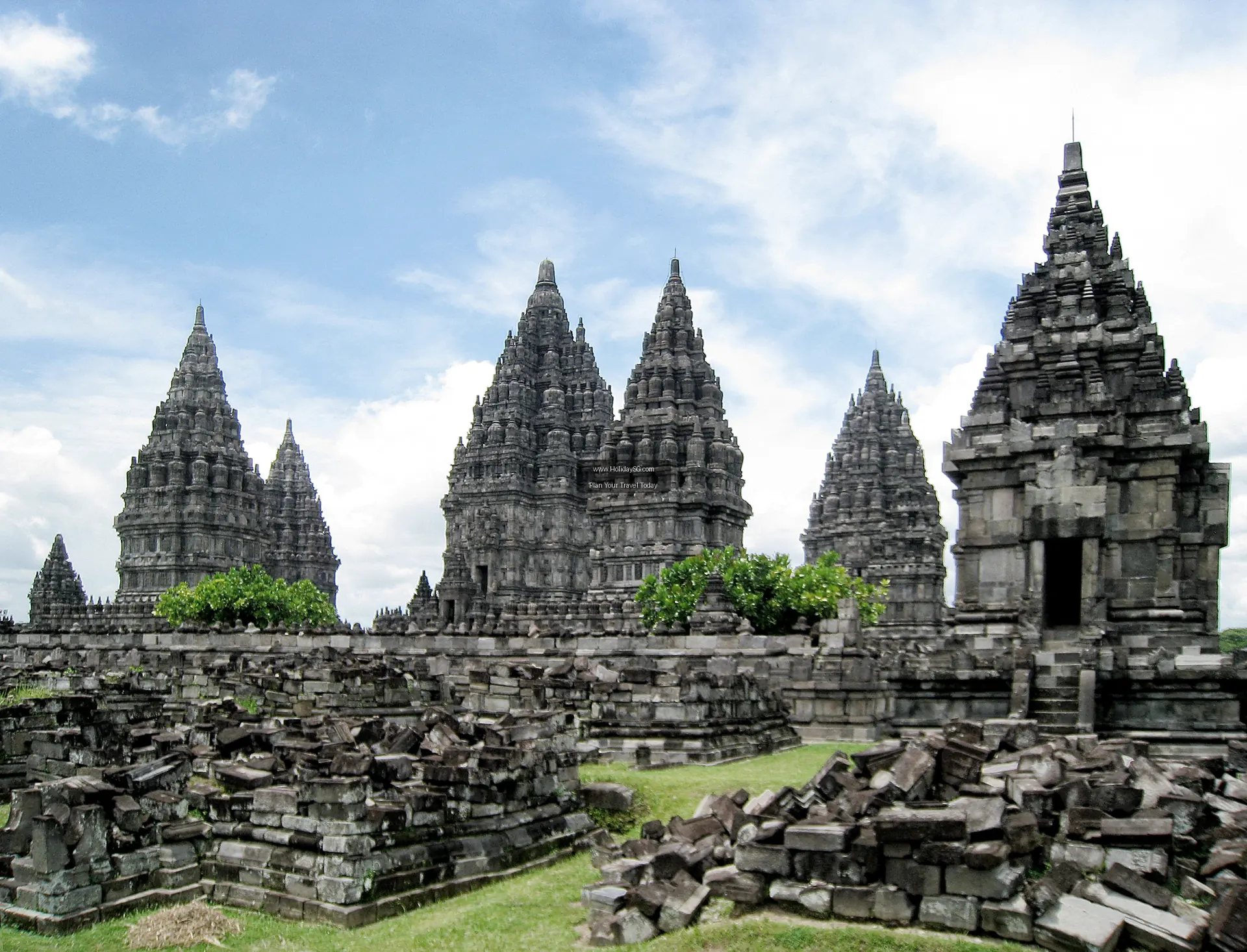
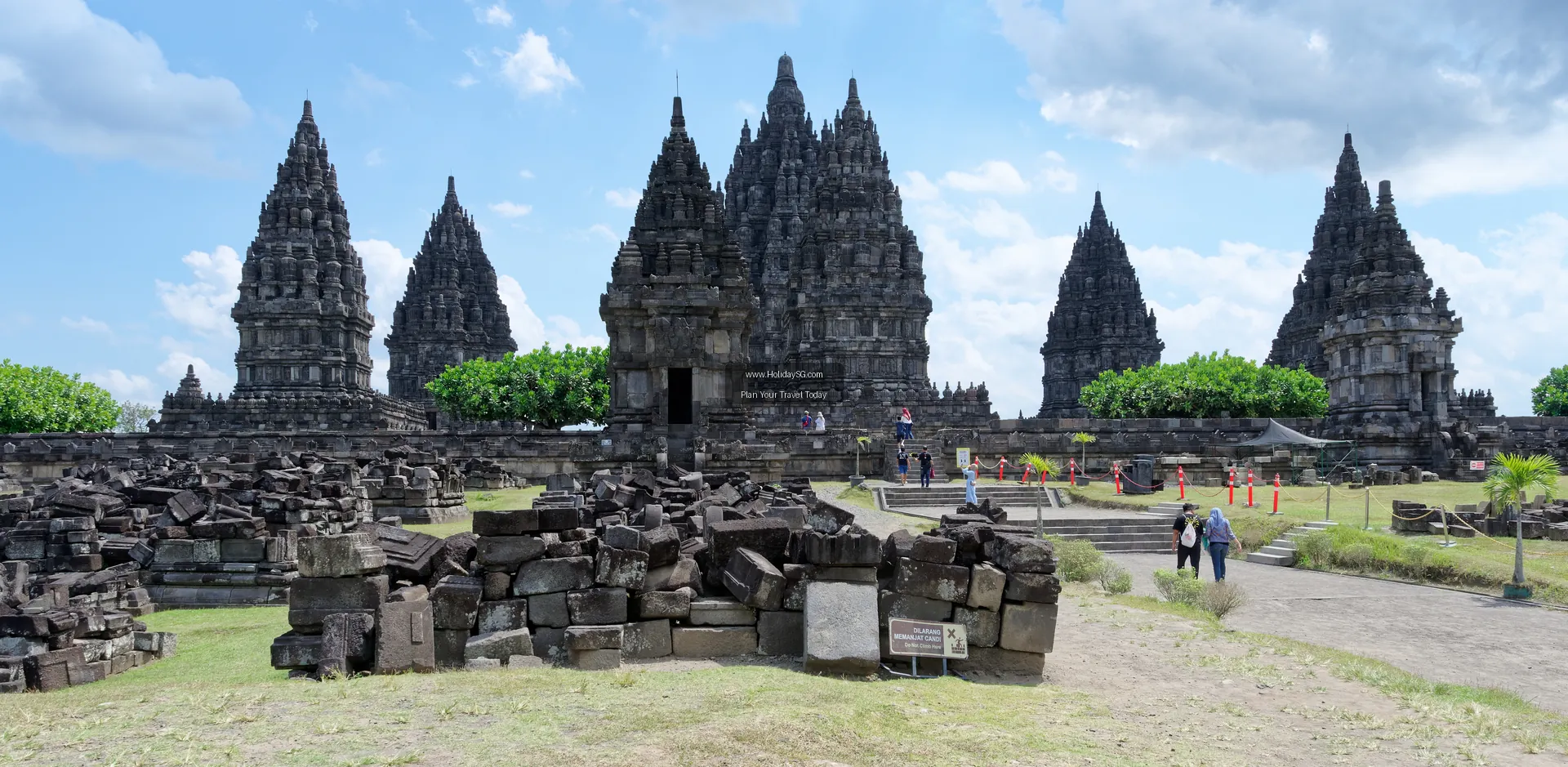
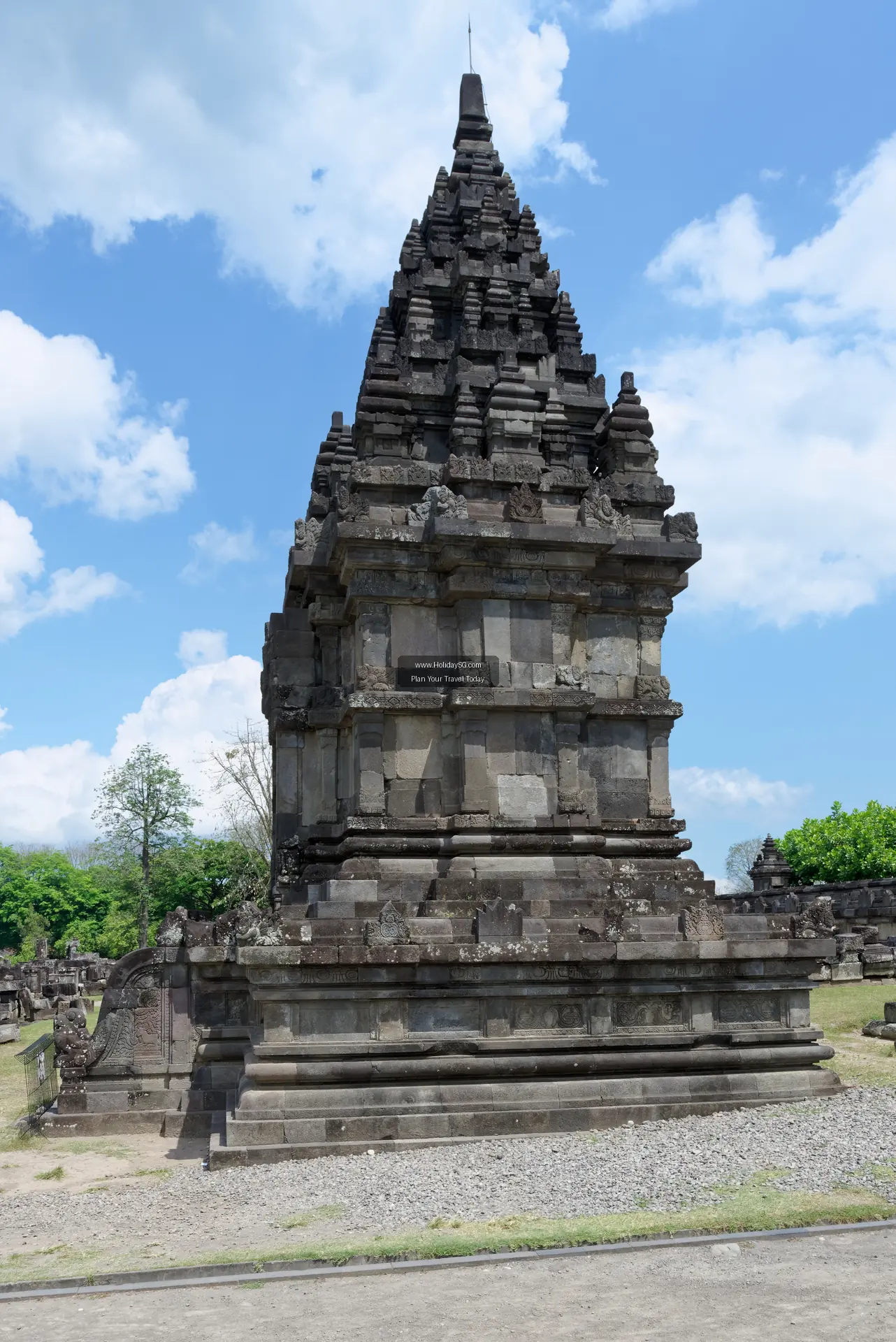
Java is a treasure trove of history and adventure. Start in Yogyakarta, the cultural heart of the island, where you can explore the ancient temples of Borobudur (best visited at sunrise) and Prambanan. Nearby, Mount Bromo offers one of Indonesia’s most iconic hikes, with surreal volcanic landscapes at dawn. For something offbeat, try Jomblang Cave, where you’ll rappel into a sinkhole filled with ancient vegetation.
Sumatra: Wildlife and Wilderness
Sumatra is for nature lovers, with dense jungles and rare wildlife. Lake Toba, the world’s largest volcanic lake, is a serene escape with Batak cultural villages. Nearby, Bukit Lawang is the best place to trek for wild orangutans in Gunung Leuser National Park. The Mentawai Islands offer world-class surfing and encounters with indigenous tribes.
Lombok and the Gili Islands: Tropical Paradise
Just east of Bali, Lombok is a quieter alternative with stunning beaches and the challenging Mount Rinjani trek. The Gili Islands (Gili Trawangan, Gili Meno, and Gili Air) are car-free paradises with white sand, turquoise waters, and vibrant nightlife on Gili T. Don’t miss Pink Beach, one of the few pink-sand beaches in the world.
Komodo and Flores: Dragons and Diving
For a truly unique experience, head to Komodo National Park, home to the famous Komodo dragons. Take a ranger-guided tour to see these ancient reptiles up close, then snorkel with manta rays or hike to the iconic viewpoint on Padar Island. Flores also offers incredible diving, with sites like Kalong Island teeming with marine life.
Getting Around: Transportation Tips
Indonesia’s vast size means you’ll likely need a mix of flights, ferries, and local transport to explore. Domestic flights are the fastest and most affordable way to cover long distances. Airlines like Garuda Indonesia, Lion Air, and AirAsia offer one-way fares from SGD 50–150, but book early for the best deals.
For island hopping, ferries connect major destinations like Bali to Lombok or Java to Sumatra. Public ferries are cheap but slow, while private speedboats (e.g., from Bali to Nusa Penida) are faster and more comfortable. Always check weather conditions, as rough seas can delay or cancel trips.
In cities, ride-hailing apps like Grab and Gojek are reliable and inexpensive, while Blue Bird taxis are a trusted alternative. Avoid unlicensed taxis, which often overcharge. If you’re comfortable on two wheels, renting a scooter is a popular (and cheap) way to explore Bali or Lombok, but be cautious—traffic can be chaotic, and accidents are common.
For day trips or multi-day tours, hiring a private driver is a great option. Rates start at IDR 600,000–800,000 per day, and drivers often double as guides, offering local insights.
Budgeting: How Much Will It Cost?
Indonesia is a budget-friendly destination, but costs vary depending on your travel style. Here’s a rough breakdown of daily expenses:
- Budget traveler: IDR 300,000–500,000
- Hostels or guesthouses (IDR 100,000–200,000/night)
- Street food and warungs (IDR 20,000–50,000/meal)
- Public transport and shared minivans (bemos)
- Mid-range traveler: IDR 800,000–1,500,000
- Private rooms or boutique hotels (IDR 400,000–800,000/night)
- Restaurants and cafes (IDR 50,000–150,000/meal)
- Tours, taxis, and occasional flights
- Luxury traveler: IDR 2,000,000+
- Resorts and villas (IDR 1,500,000+/night)
- Fine dining and private tours
- Domestic flights and private drivers
To save money, travel during the wet season, book accommodations in advance, and eat at local warungs (small eateries) instead of touristy restaurants. Bargaining is expected in markets, but do so politely—start at 50% of the asking price and meet somewhere in the middle.
Money Matters: Currency and Payments
Indonesia’s currency is the Indonesian Rupiah (IDR), and cash is king in most places, especially rural areas and markets. ATMs are widely available in cities, but notify your bank before traveling to avoid card blocks. Stick to ATMs affiliated with major banks like BNI, Mandiri, or BCA for the best exchange rates and lower fees.
Credit cards (Visa/Mastercard) are accepted in hotels, upscale restaurants, and some shops, but always carry cash for small purchases, transport, and tips. Exchange money at reputable exchange counters (avoid airport kiosks, which offer poor rates).
Health and Safety: Staying Safe and Healthy
Indonesia is generally safe for travelers, but taking precautions will ensure a smooth trip. Vaccinations are recommended, including Hepatitis A/B, Typhoid, and Rabies (especially if visiting rural areas). Malaria is a risk in Sumatra, Papua, and parts of Sulawesi, so consult a travel clinic for antimalarial medication if needed. Travel insurance is a must—choose a plan that covers medical emergencies, evacuations, and adventure activities like trekking.
Food and water safety is critical. Avoid tap water—drink bottled or filtered water, and skip ice in drinks from street vendors. Street food is delicious but choose busy stalls with high turnover to minimize risks. Pack rehydration salts and anti-diarrheal medication, just in case.
Petty theft is the most common issue, particularly in crowded areas like Bali’s Kuta or Jakarta’s markets. Use hotel safes for valuables, avoid flashing expensive items, and be cautious with your phone in busy streets. Scams are rare but can happen—agree on prices before taking taxis or tours, and book through reputable agencies.
Indonesia is also prone to natural hazards, including earthquakes, volcanic eruptions, and tsunamis. Monitor local alerts, especially if visiting active volcanoes like Mount Agung in Bali. In coastal areas, know the nearest evacuation routes in case of a tsunami.
Cultural Etiquette: Respecting Local Customs
Indonesia is a predominantly Muslim country, but Bali’s Hindu culture and other regional traditions add to its diversity. Dressing modestly is key, especially in rural areas and religious sites. Cover your shoulders and knees when visiting temples, and wear a sarong (often provided at temples) as a sign of respect. In conservative areas like Aceh, women should also cover their heads.
When interacting with locals, use your right hand for giving or receiving items, as the left hand is considered unclean. Remove your shoes before entering homes, mosques, or some shops. Public displays of affection are frowned upon, particularly in Muslim-majority regions.
Religious events like Ramadan and Nyepi (Bali’s Day of Silence) are significant. During Ramadan, avoid eating, drinking, or smoking in public during daylight hours. Nyepi is a day of complete silence, with no activities, lights, or noise allowed—even the airport shuts down!
Language and Communication: Breaking the Barrier
Bahasa Indonesia is the official language, and while English is widely spoken in tourist areas, learning a few basic phrases will enhance your experience. Here are some essentials:
- Selamat pagi (Good morning)
- Terima kasih (Thank you)
- Berapa harganya? (How much is this?)
- Tolong (Please/Help)
- Di mana toilet? (Where is the toilet?)
- Saya tidak mengerti (I don’t understand)
In rural areas, English proficiency drops, so a translation app (like Google Translate) can be a lifesaver. For staying connected, buy a local SIM card at the airport. Telkomsel and XL Axiata offer affordable data packages (IDR 50,000–100,000 for 10GB+), and coverage is excellent even in remote areas. Wi-Fi is common in cafes and hotels but can be slow—don’t rely on it for important tasks.
Unique Experiences You Can’t Miss
Indonesia is full of once-in-a-lifetime experiences. In Bali, wake up before dawn for a sunrise hike at Mount Batur, then soak in the sacred waters of Tirta Empul for a spiritual cleanse. In Java, witness the sunrise over Borobudur, one of the world’s largest Buddhist temples, or explore the otherworldly Jomblang Cave, where a single beam of light illuminates a hidden forest below.
For wildlife lovers, Sumatra offers unforgettable encounters, from trekking for wild orangutans in Bukit Lawang to visiting Batak villages around Lake Toba. In Komodo, snorkel with manta rays or take a sunset cruise around Labuan Bajo—consider booking a Sunset Trip Labuan Bajo By East Cruise for a magical experience.
Packing Essentials: What to Bring
Indonesia’s tropical climate means lightweight, breathable clothing is a must. Pack quick-dry fabrics, a light rain jacket, and comfortable sandals for temples and beaches. If you’re planning a trek (e.g., Mount Rinjani or Mount Bromo), bring sturdy hiking shoes and layers for chilly mornings.
Don’t forget reef-safe sunscreen—some areas, like the Gili Islands, ban regular sunscreen to protect coral reefs. A waterproof bag is essential for boat trips, and a power adapter (Type C/F, 230V) will keep your devices charged.
Health essentials include mosquito repellent (DEET-based for malaria-risk areas), hand sanitizer, and a basic first-aid kit. If you take prescription medication, bring a doctor’s note to avoid issues at customs.
Common Traveler Questions Answered
Is Indonesia safe for first-timers?
Yes, but exercise caution in crowded areas (e.g., Bali’s Kuta or Jakarta’s markets) to avoid pickpocketing. Stick to licensed taxis and tour operators, and use hotel safes for valuables. Solo female travelers should dress modestly and avoid walking alone at night in quiet areas.
Do I need a visa?
It depends on your nationality. Many travelers (including Singaporeans, Americans, and Australians) get 30 days visa-free, while others can obtain a Visa on Arrival (USD 35, extendable). Check the latest requirements before your trip.
How many islands should I visit?
Focus on 1–2 regions (e.g., Bali + Java or Lombok + Gili Islands) to avoid spending too much time in transit. Indonesia’s islands are vast, and travel between them can be time-consuming.
Is vegetarian/vegan food available?
Yes, especially in Bali, where tempeh, tofu, and vegan cafes are common. In other areas, clarify your dietary needs by saying tanpa daging (no meat) or tanpa susu (no milk).
What’s the best way to get around?
Domestic flights are the fastest way to cover long distances, while ferries and speedboats connect islands. In cities, use ride-hailing apps like Grab or Gojek, or hire a private driver for day trips.
Recommended HolidaySG Tours
If you’re looking for curated experiences, consider these tours:
- Sunset Trip Labuan Bajo By East Cruise
- Sunrise Telomoyo
- Esim Indonesia Telkomsel Unlimited Travel Sim Indonesia Global
Final Tips for a Smooth Trip
- Book in advance: Flights, popular tours (like Borobudur sunrise), and accommodations fill up quickly, especially in peak season.
- Carry small bills: Markets, warungs, and transport drivers rarely have change for large denominations.
- Be flexible: Weather, traffic, and ferry delays are part of the adventure—plan buffer time in your itinerary.
- Respect local customs: Dress modestly, learn a few phrases, and always ask before taking photos of people.
- Stay hydrated: The heat and humidity can be exhausting, so drink plenty of water and take breaks in the shade.
Indonesia is a destination that rewards curiosity and patience. Whether you’re chasing sunrises over volcanic peaks, diving with manta rays, or immersing yourself in local cultures, this diverse archipelago promises a journey you’ll never forget. Ready to explore Indonesia’s rich heritage and natural beauty? Start your adventure with a visit to Taman Mini Indonesia Indah for a glimpse into the country’s cultural diversity!
Book these with HolidaySG:
Book with HolidaySG online for Taman Mini Indonesia Indah, Esim Indonesia Telkomsel Unlimited Travel Sim Indonesia Global, Timezone Duta Mall.
More Photos from HolidaySG
Book with HolidaySG online for Kereta Gantung At Taman Mini Indonesia Indah, Indonesia Esim Free Roaming Mobile Data, Indonesia Unlimited 4g5g Data Esim.
Book these with HolidaySG:
- Kereta Gantung At Taman Mini Indonesia Indah
- Indonesia Esim Free Roaming Mobile Data
- Indonesia Unlimited 4g5g Data Esim
- Funworld Grand Indonesia Shopping Town Arcade
- E Sim Indonesia Data Plan Tourist Travel Esim Internet Total Data E Sim
- E Sim Indonesia Data Plan Tourist Travel Esim Internet Daily Data E Sim
- Commbitz Indonesia E Sim Package
- Commbitz Indonesia E Sim Daily
Frequently Asked Questions
Where can I book this / what’s the link?
- Indonesia eSIM Free Roaming Mobile Data
- Indonesia Unlimited 4G/5G Data eSIM
- eSIM Indonesia Total Data Plan
- eSIM Indonesia Daily Data Plan
- Commbitz Indonesia eSIM Package
- Commbitz Indonesia eSIM Daily
For a fun Jakarta activity, you can book:
Do foreigners (non-citizens) need a different ticket, price, or visa for Indonesia?
What is the best time (season, or time of day for the site/activity) to go?
How long should I spend in Indonesia for a first trip?
How much does a typical trip to Indonesia cost?
Is Indonesia family-friendly?
How do I get around Indonesia?
What should I pack for Indonesia?
Is it safe for tourists? Are there any safety tips?
What is the local etiquette I should know?
Do I need travel insurance?
Can I drink tap water in Indonesia?
What is the food like, and can I find vegetarian/vegan options?
What are the best souvenirs to buy?
How is the internet and mobile connectivity?
Is Indonesia accessible for travelers with disabilities?
What are some must-see attractions beyond the usual ones?
Is it okay to bargain?
What are the opening hours for most attractions?
Are there any cultural festivals I should try to attend?
What things cost in Indonesia
Live HolidaySG prices for the experiences in this guide, so you can sanity-check a budget before you commit.
| Experience | Where | From price |
|---|---|---|
| 10 Min - 100 Min Bali Helicopter Tours | Departing from Canggu | Bali | From S$150.47 |
| 10 Min - 100 Min Bali Helicopter Tours | Departing from Nusa D... | Bali | From S$150.47 |
| 4WD Jeep Caldera Sunrise Experience by Bali Volcano Jeep | Bali | From S$52.69 |
| 4WD Jeep Mount Batur Sunrise Experience by Bali Volcano Jeep | Bali | From S$60.13 |
| Black Lava Tour | Bali | From S$154.57 |
| Cimory Dairyland Farm Theme Park Gowa | Makassar | From S$4.00 |
| Seafood Dinner in Jimbaran Bali by New Dewata | Bali | From S$6.59 |
| Dairyland Farm Theme Park Prigen | Surabaya | From S$4.00 |