

Indonesia’s 10 must-see tourist attractions to add to your … is exactly what this guide covers.
Indonesia is a traveler’s dream, where emerald jungles meet turquoise seas, ancient temples whisper legends, and vibrant cultures unfold at every turn. From the iconic rice terraces of Bali to the otherworldly landscapes of Komodo and Raja Ampat, this sprawling archipelago offers experiences as diverse as its 17,000 islands. Whether you’re chasing world-class diving, trekking active volcanoes, or immersing yourself in time-honored traditions, Indonesia’s 10 must-see tourist attractions promise adventures that linger long after you’ve left.
TL;DR: Indonesia’s top attractions span Bali’s beaches and temples, Java’s ancient wonders like Borobudur and Prambanan, and remote paradises like Komodo National Park and Raja Ampat. Plan for the dry season (April–October), budget $20–$200/day depending on your style, and pack light—but don’t skip the reef-safe sunscreen or mosquito repellent.
Bali: The Island of Gods
Bali isn’t just a destination; it’s a feeling. This island blends spirituality, adventure, and luxury into a package that caters to every traveler. Start in Ubud, the cultural heart of Bali, where emerald Tegallalang Rice Terraces cascade down valleys like nature’s amphitheater. Wander through the Sacred Monkey Forest, where mischievous macaques swing from ancient trees, or unwind at a yoga retreat nestled in the jungle. For a deeper dive into wellness, Ubud’s holistic spas offer everything from traditional jamu (herbal medicine) to sound healing sessions.
Head south to Uluwatu, where cliffside temples and world-class surf breaks steal the show. Uluwatu Temple clings to a dramatic limestone cliff, its sunset views rivaled only by the mesmerizing Kecak Fire Dance performed against the twilight sky. Nearby, Dreamland Beach and Padang Padang (the “Bali Pipeline”) attract surfers of all levels, while hidden coves like Thomas Beach offer seclusion just steps from the waves.
For those craving a mix of beach clubs and boutique shopping, Seminyak and Canggu deliver. Sip cocktails at Finns Beach Club or Potato Head, where infinity pools meet the ocean, then browse bohemian boutiques for handmade batik or artisan jewelry. Don’t miss Tanah Lot Temple, perched on a rock formation at sunset—a postcard come to life.
But Bali’s true magic lies beyond its mainland. Nusa Penida, a short boat ride away, feels like stepping into Jurassic Park. Kelingking Beach, with its iconic T-Rex cliff, is a must-photograph spot, while Angel’s Billabong and Broken Beach offer surreal natural pools and arches. For underwater thrills, snorkel with manta rays at Manta Point or dive into crystal-clear waters teeming with marine life.
Borobudur: The World’s Largest Buddhist Temple
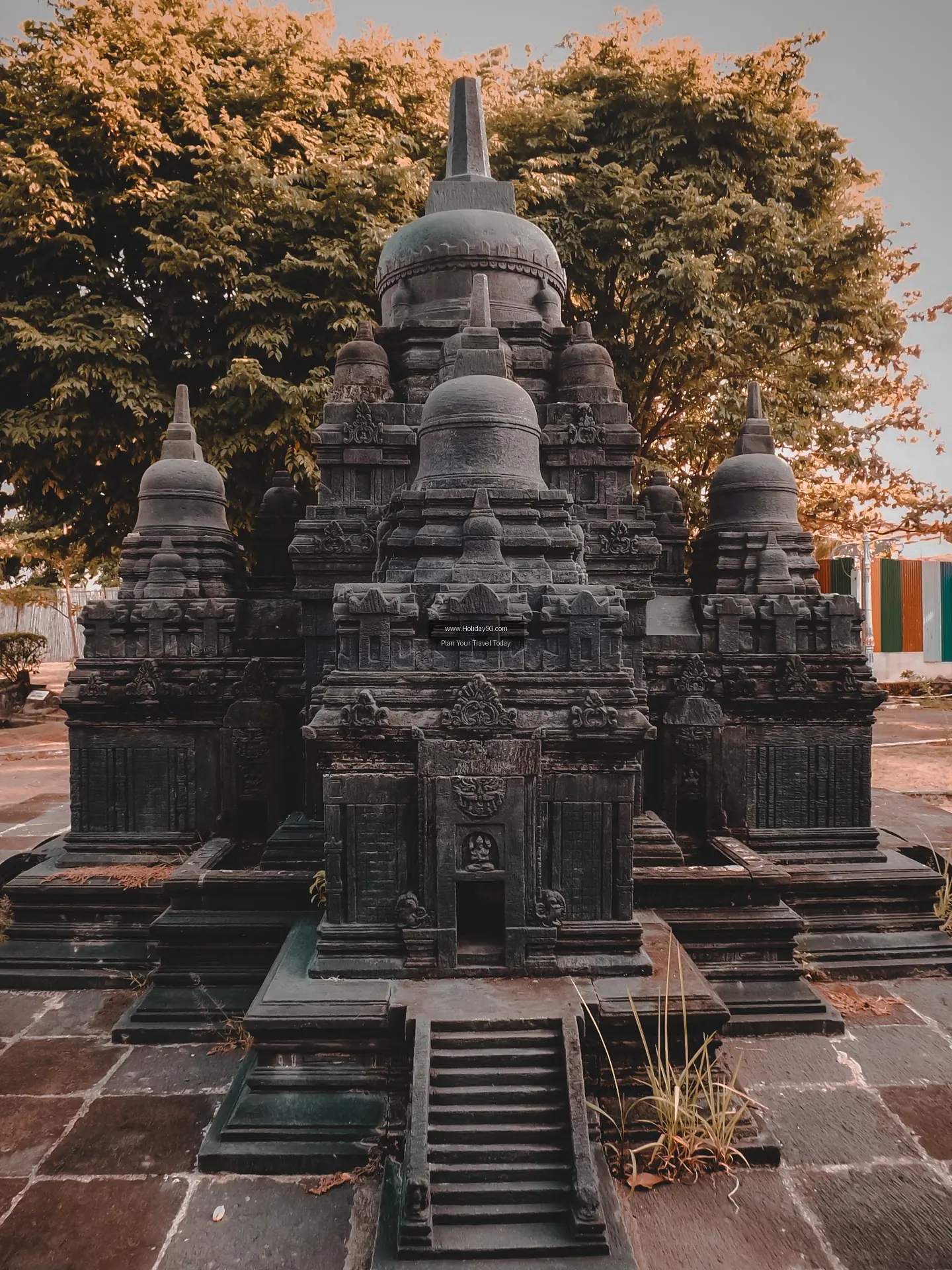
Rising from the misty plains of Central Java, Borobudur Temple is a masterpiece of ancient architecture and spiritual symbolism. Built in the 9th century, this UNESCO-listed stupa is the world’s largest Buddhist temple, its nine stacked platforms adorned with over 2,600 relief panels and 500 Buddha statues. The temple’s design mirrors the Buddhist cosmos, with the upper terraces representing the realm of formlessness—a journey both physical and metaphysical.
The best time to visit is at sunrise, when golden light bathes the temple and the surrounding volcanoes, Merapi and Merbabu, emerge from the mist. Arrive early to secure a spot at Manohara Hotel’s sunrise tour, which includes access before the crowds. Pair your visit with Prambanan Temple, just 50 kilometers away, for a full day of Javanese history.
Prambanan: A Hindu Masterpiece
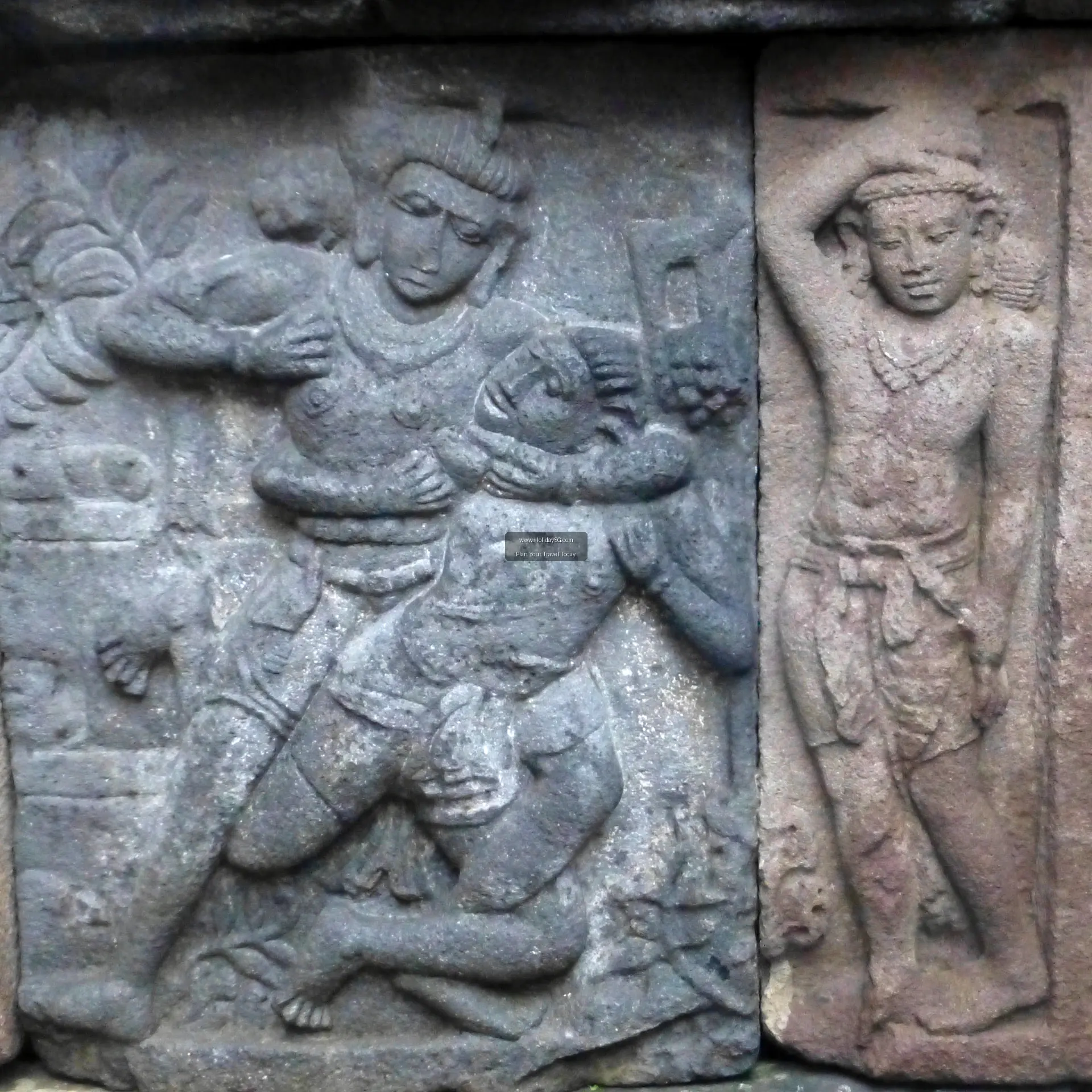
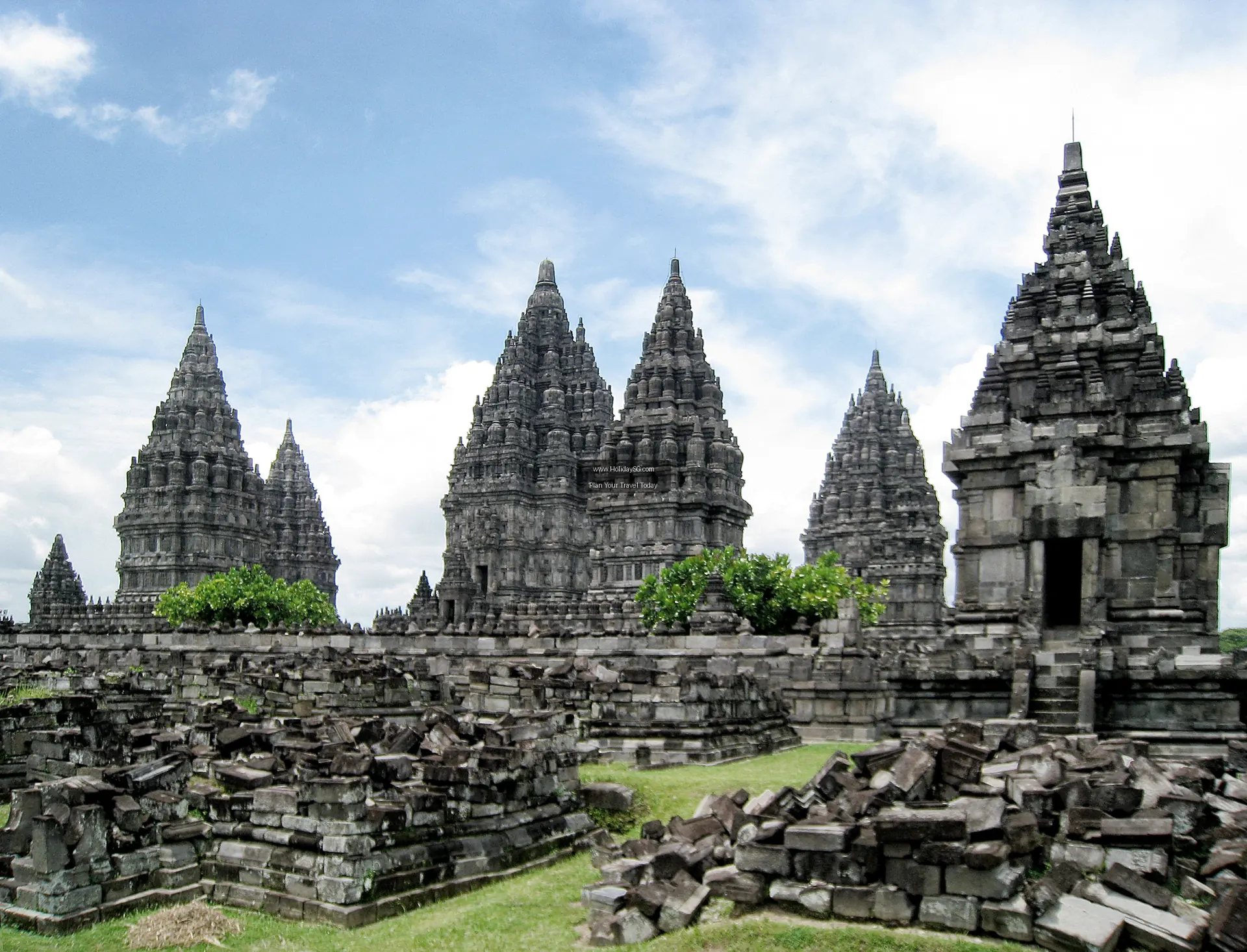
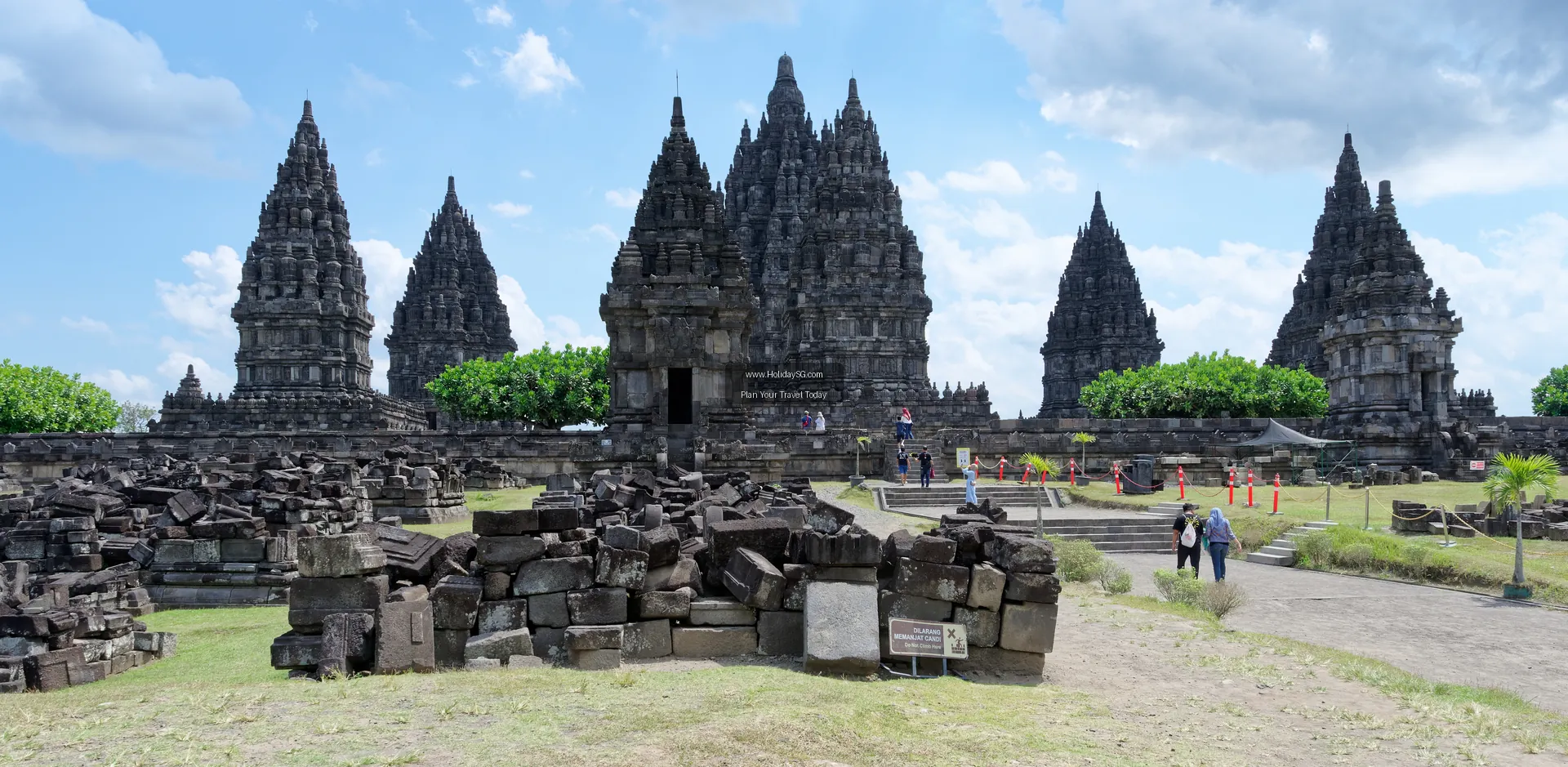
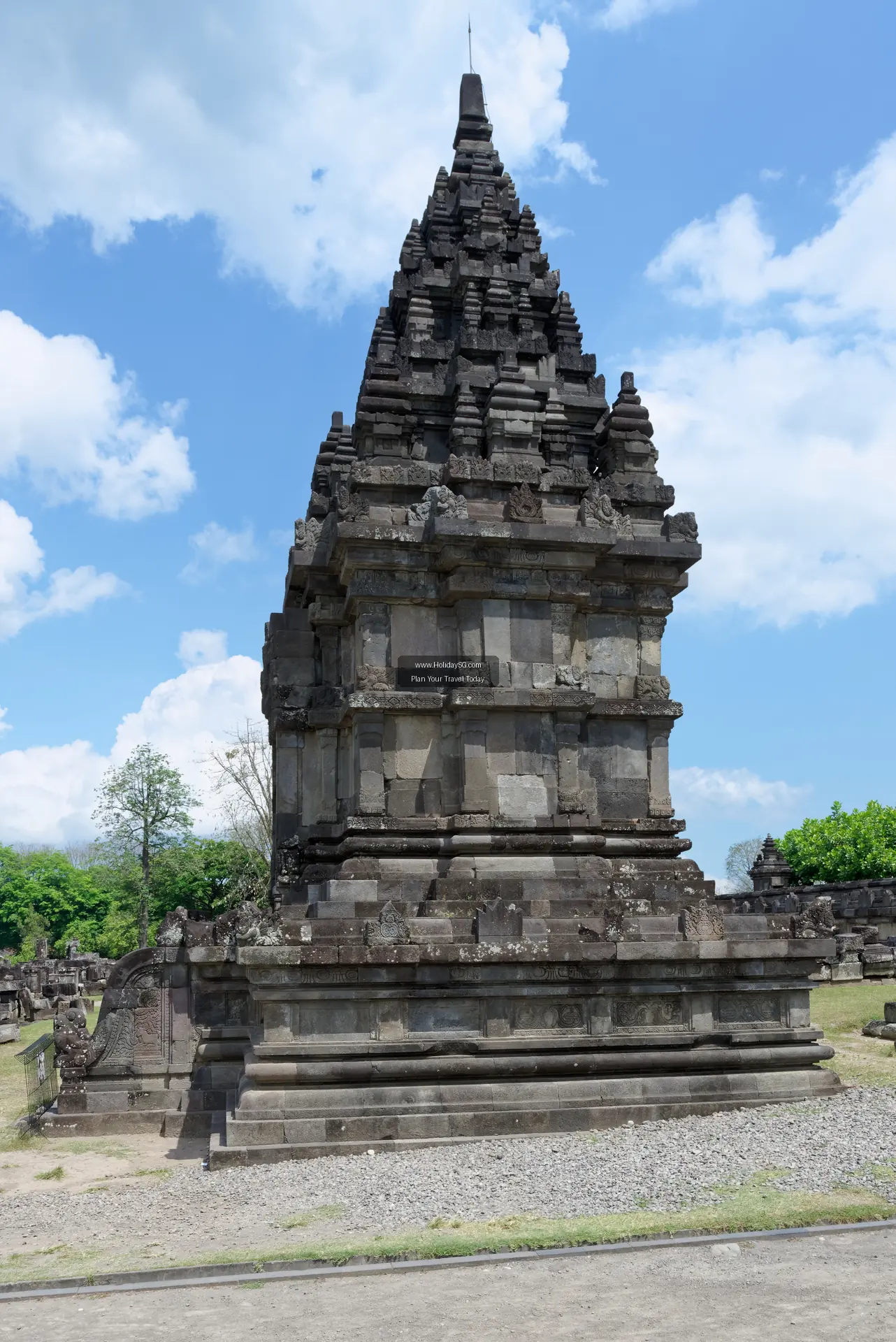
While Borobudur is Buddhist, Prambanan Temple is its Hindu counterpart—and equally breathtaking. This 10th-century complex, also a UNESCO site, is dedicated to the Trimurti (Brahma, Vishnu, and Shiva) and features towering spires that pierce the sky. The temple’s intricate carvings depict scenes from the Ramayana, a Hindu epic that comes to life during the Ramayana Ballet, performed under the stars during the dry season.
Explore the main Shiva Temple, where a statue of the deity stands in the inner sanctum, or wander through the smaller temples dedicated to Vishnu and Brahma. Dress modestly (sarongs are often provided), and consider hiring a guide to unravel the temple’s legends—like the tale of Roro Jonggrang, the princess cursed to become a statue.
Komodo National Park: Where Dragons Roam
Few places on Earth feel as primal as Komodo National Park, home to the world’s largest lizard: the Komodo dragon. These ancient reptiles, growing up to 3 meters long, rule the islands of Komodo, Rinca, and Padar, where savanna landscapes meet turquoise waters. Join a guided trek to spot them in the wild, keeping a safe distance (and an eye on your belongings—these dragons have a taste for unattended snacks).
But Komodo isn’t just about dragons. The park’s marine life is equally legendary. Pink Beach, one of only seven in the world, gets its rosy hue from red coral fragments, while Manta Point offers the chance to swim alongside graceful manta rays. Divers flock here for some of the world’s best sites, like Batu Bolong, where currents bring sharks, turtles, and schools of tropical fish.
Labuan Bajo, the gateway to Komodo, is a charming fishing town with a growing food scene. Stay in a boutique hotel like Ayam Betutu Komodo or Platypus Komodo, and book a liveaboard for multi-day diving adventures. Flights from Bali take just over an hour, but the journey feels like stepping into another era.
Mount Bromo: Java’s Volcanic Wonderland
Java’s most iconic volcano, Mount Bromo, is a surreal landscape of ash plains, sulfur vents, and misty peaks. The best way to experience it? A sunrise trek across the Sea of Sand (Tengger Caldera), where the first light reveals Bromo’s smoldering crater and the distant silhouette of Mount Semeru, Indonesia’s highest volcano.
Most visitors opt for a Jeep tour from Cemoro Lawang, which includes stops at Pananjakan Viewpoint for sunrise and a climb up Bromo’s stairs to peer into its steaming crater. For a quieter experience, visit during the week or explore the nearby Whispering Sands and Savanna Hill, where wild horses graze against a backdrop of jagged peaks.
Gili Islands: A Tropical Escape
Just off Lombok’s coast, the Gili Islands are a car-free paradise where time slows to the rhythm of the waves. Each island has its own personality:
- Gili Trawangan is the liveliest, with beachfront bars, reggae vibes, and epic diving. Rent a bike to circle the island in an hour, or snorkel with sea turtles just offshore.
- Gili Air strikes a balance between relaxation and romance, with luxury resorts and quiet beaches. Try Gili Air Santay for a beachfront bungalow or Damai for a fine-dining experience.
- Gili Meno is the smallest and most secluded, perfect for honeymooners or digital nomads seeking solitude. Stay at Meno House or Karma Reef, where overwater bungalows offer direct access to the reef.
Fast boats from Bali take 1.5–2 hours, or fly to Lombok and take a short taxi to the harbor. Once there, horse-drawn carts (cidomo) and bicycles are the main transport—just watch out for the occasional rogue coconut!
Raja Ampat: The Last Paradise on Earth
For divers and nature lovers, Raja Ampat is the ultimate bucket-list destination. This remote archipelago in West Papua boasts the highest marine biodiversity on the planet, with over 1,500 fish species and 75% of the world’s coral species. Dive sites like Cape Kri and Manta Sandy teem with life, from pygmy seahorses to reef sharks, while Wayag Lagoon offers postcard-perfect karst islands rising from turquoise waters.
Getting here takes effort—fly from Jakarta or Bali to Sorong, then take a boat to your resort or liveaboard—but the reward is unparalleled. Stay at Raja Ampat Biodiversity Resort for eco-luxury or Misool Eco Resort for a private island experience. Non-divers can kayak through mangrove forests, trek to hidden waterfalls, or simply soak in the view from a hammock.
Pro tip: Visit between October and April for the best weather, and book a liveaboard to explore multiple dive sites. Don’t forget to pack a waterproof dry bag—you’ll need it for boat transfers and sudden tropical downpours.
Lake Toba: Sumatra’s Serene Volcanic Lake
In the highlands of North Sumatra, Lake Toba is the world’s largest volcanic lake, formed by a cataclysmic eruption 75,000 years ago. At its center lies Samosir Island, a cultural hub of the Batak people, known for their distinctive tongkonan houses and vibrant traditions.
Spend your days exploring Samosir’s villages, where traditional dance performances and handicraft markets offer a glimpse into Batak culture. Visit Ambarita Village to see ancient stone chairs used for tribal meetings, or hike to Sipiso-Piso Waterfall, where a 120-meter cascade plunges into the lake. For relaxation, soak in hot springs like Sipoholon or take a boat tour to Pangururan, a lakeside town with stunning views.
Fly into Medan, then take a 4–5 hour drive (or a short flight to Silangit Airport) to reach the lake. Stay at Tabo Cottages for a rustic-chic experience or The Kaldera for luxury with a view.
Yogyakarta: Java’s Cultural Capital
Often called “Jogja,” Yogyakarta is the soul of Java—a city where tradition and creativity collide. Start at the Kraton, the Sultan’s palace, where gamelan music and wayang kulit (shadow puppet) performances keep ancient arts alive. Nearby, Malioboro Street is a sensory overload of batik shops, street food stalls, and horse-drawn carriages.
Foodies will love Jogja’s culinary scene. Try gudeg, a sweet jackfruit stew, at Warung Gudeg Yu Djum, or sample sate klathak, a local skewer dish. For a deeper dive into Javanese culture, take a batik-making workshop or visit Kasongan Village for pottery.
Jogja is also the gateway to Borobudur and Prambanan, but don’t rush off—spend a day exploring Mount Merapi, where lava tours and jeep rides take you through the volcano’s dramatic landscapes. Stay at The Phoenix Hotel for colonial charm or Plataran Borobudur for a resort with temple views.
Tana Toraja: A Land of Living Traditions
In the highlands of South Sulawesi, Tana Toraja feels like stepping into another world. This region is famous for its elaborate funeral ceremonies, where families spend years saving for a send-off that can last days and involve buffalo sacrifices, traditional dances, and cliffside burials. The tongkonan houses, with their boat-shaped roofs, are another iconic sight, often adorned with buffalo horns—a symbol of status.
Explore Lemo, where graves are carved into limestone cliffs and effigies of the deceased (tau-tau) watch over the valley. Visit Kete Kesu, a traditional village with tongkonan houses and rice barns, or hike to Bori Parinding to see ancient megaliths. If you’re lucky, you might witness a rambu solo’ (funeral ceremony), but be respectful—these are sacred events, not tourist attractions.
Fly into Makassar, then take a 6–8 hour drive (or a short flight to Toraja) to reach this remote region. Stay at Toraja Misiliana Hotel for comfort or Misa Toraja Guesthouse for a homestay experience.
Practical Travel Tips for Indonesia
When to Visit
Indonesia’s dry season (April–October) is ideal for most regions, with sunny skies and calm seas. Bali, Java, and Komodo are best visited during this time, while Raja Ampat is accessible from October to April. The wet season (November–March) brings fewer crowds and lower prices, but some areas, like Raja Ampat, may have limited access due to rough seas.
Budgeting for Your Trip
Indonesia caters to all budgets:
- Budget travelers can get by on $20–$40/day, staying in hostels, eating street food, and using local transport.
- Mid-range ($50–$150/day) opens up private rooms, tours, and domestic flights.
- Luxury ($200+/day) means resorts, private guides, and premium experiences like liveaboards in Raja Ampat.
Sample costs:
Visa Requirements
Most travelers can enter visa-free for 30 days, while others can get a Visa on Arrival (VOA) for $35, extendable to 60 days. For faster processing, apply for an e-VOA online before arrival. Check the latest requirements based on your nationality.
Getting Around
- Domestic flights are essential for long distances (e.g., Jakarta to Raja Ampat). Book via Garuda Indonesia, Lion Air, or AirAsia.
- Ferries connect islands like Bali, Lombok, and the Gili Islands. Opt for fast boats for shorter trips (e.g., Bali to Gili Trawangan).
- Local transport: Use Grab or Gojek (ride-hailing apps) in cities, or rent a scooter ($5–$10/day) for short distances. In Java, trains are a comfortable option (e.g., Jakarta to Yogyakarta).
Health and Safety
- Vaccinations: Recommended include Hepatitis A/B, Typhoid, and Tetanus. Malaria prophylaxis is advised for rural areas like Raja Ampat and Sumatra.
- Tap water: Not safe to drink—stick to bottled or filtered water.
- Safety: Petty theft occurs in tourist areas (e.g., Bali, Jakarta), so keep valuables secure. Avoid isolated beaches at night.
- Natural hazards: Check volcanic activity alerts for Mount Bromo and Mount Merapi, and swim only at patrolled beaches due to strong currents.
Cultural Etiquette
- Dress modestly at temples and rural areas. Sarongs are often provided at temple entrances.
- Remove shoes before entering homes or sacred spaces.
- Use your right hand for giving/receiving items—it’s considered more respectful.
- Bargain politely in markets, starting at 30–50% of the asking price.
- Tipping isn’t mandatory but is appreciated (10% in restaurants, small bills for drivers/guides).
Hidden Gems: Beyond the Top 10
Indonesia’s magic isn’t limited to its most famous spots. Venture off the beaten path to discover:
- Banda Islands (Maluku): Historic spice islands with pristine reefs and Dutch colonial ruins. Dive with sea snakes at Gunung Api or snorkel over coral gardens untouched by mass tourism.
- Wae Rebo Village (Flores): A remote Manggarai village where traditional mbaru niang (cone-shaped houses) dot the hills. Stay overnight in a homestay and learn about local weaving traditions.
- Derawan Islands (East Kalimantan): A quieter alternative to Raja Ampat, with jellyfish lakes, manta rays, and Nabucco Island’s powdery white sands.
- Belitung Island: Known for its granite boulders and empty beaches, this island was the setting for Laskar Pelangi (The Rainbow Troops). Visit Lengkuas Island for a lighthouse with panoramic views.
Packing Essentials for Indonesia
- Clothing: Lightweight, breathable fabrics (humidity is no joke). Pack a sarong for temple visits and a light jacket for highland areas like Tana Toraja.
- Footwear: Comfortable sandals (e.g., Tevas) for beaches and hiking shoes for volcano treks.
- Sun protection: Reef-safe sunscreen (regular sunscreen is banned in marine parks like Raja Ampat) and a wide-brimmed hat.
- Mosquito repellent: DEET-based for rural areas (dengue and malaria are risks).
- Tech: A waterproof dry bag for boat trips, power adapter (Type C/F plugs), and a portable charger.
- Extras: Earplugs (for noisy roosters or street vendors), wet wipes (for impromptu clean-ups), and a reusable water bottle with a filter.
For seamless connectivity, consider an eSIM like the Airalo Indonesia E Sim Package, which offers data plans tailored for travelers. This is especially useful for navigating remote areas like Raja Ampat or Tana Toraja, where Wi-Fi can be spotty.
FAQs About Traveling in Indonesia
Is Bali the only place worth visiting in Indonesia?
Absolutely not! While Bali is incredible, Indonesia’s diversity shines in places like Java’s temples, Sumatra’s jungles, and Sulawesi’s cultural traditions. If you crave adventure beyond the beach, explore Komodo’s dragons, Raja Ampat’s reefs, or Tana Toraja’s rituals.
How many days do I need for Komodo or Raja Ampat?
- Komodo: 3–5 days (1 day for dragons, 2–3 for diving/snorkeling).
- Raja Ampat: 5–7 days (travel time + multiple dive sites). Book a liveaboard for the best experience.
Is Indonesia safe for solo female travelers?
Generally, yes—especially in tourist-friendly areas like Bali, Yogyakarta, and the Gili Islands. Dress modestly in rural areas, avoid walking alone at night, and trust your instincts. Solo female travelers often rave about the Gili Islands and Ubud for their welcoming vibes.
Do I need to book tours in advance?
Yes, for popular spots like:
- Borobudur/Prambanan sunrise tours (sell out quickly).
- Komodo dragon treks (limited permits).
- Raja Ampat liveaboards (book months ahead).
- Mount Bromo sunrise tours (Jeep availability varies).
What’s the deal with Indonesian SIM cards?
Buy at the airport (Telkomsel offers the best coverage) or opt for an eSIM like the Commbitz Indonesia E Sim Package for hassle-free data. Expect to pay ~$5 for 10GB. Avoid street vendors—stick to official counters.
Recommended HolidaySG Tours
Planning your Indonesian adventure? Here are some top picks to stay connected and make the most of your trip:
- E Sim Indonesia Data Plan Tourist Travel Esim Internet Daily Data E Sim
- Airalo Indonesia E Sim Package
- Commbitz Indonesia E Sim Package
Indonesia is more than a destination—it’s a journey through landscapes, cultures, and experiences that will leave you forever changed. Whether you’re marveling at Borobudur’s sunrise, diving with manta rays in Raja Ampat, or trekking Mount Bromo’s volcanic plains, this country offers something for every traveler. So pack your sense of adventure, grab your eSIM, and get ready to explore Indonesia’s 10 must-see tourist attractions. Ready to start your adventure? Check out our E Sim Indonesia Data Plan Tourist Travel Esim Internet Daily Data E Sim to stay connected on the go!
Book these with HolidaySG:
- E Sim Indonesia Data Plan Tourist Travel Esim Internet Total Data E Sim
- Commbitz Indonesia E Sim Daily
Book with HolidaySG online for E Sim Indonesia Data Plan Tourist Travel Esim Internet Daily Data E Sim, E Sim Indonesia Data Plan Tourist Travel Esim Internet Total Data E Sim, Commbitz Indonesia E Sim Package.
More Photos from HolidaySG
Frequently Asked Questions
Where can I book an eSIM data plan for my Indonesia trip?
You can secure your mobile connectivity directly through HolidaySG. We offer a range of competitive plans to suit your travel needs. For flexible daily top-ups, choose the E Sim Indonesia Data Plan Tourist Travel Esim Internet Daily Data. If you prefer a larger allowance for your entire stay, the E Sim Indonesia Data Plan Tourist Travel Esim Internet Total Data is an excellent choice. We also have great deals on the Commbitz Indonesia E Sim Package, the handy Commbitz Indonesia E Sim Daily, and the trusted Airalo Indonesia E Sim Package. Book now and travel with peace of mind!
Do foreigners (non-citizens) need a visa to enter Indonesia?
Visa requirements depend on your nationality. Many travelers can visit Indonesia visa-free for up to 30 days for tourism. However, for most nationalities, purchasing a Visa on Arrival (VoA) for 30 days at the airport upon arrival is the standard procedure. As visa policies can change, we strongly recommend that you check the exact requirements with the official Indonesian Directorate General of Immigration or your nearest Indonesian embassy before your departure. This ensures you have the most current information regarding passport validity, fees, and required documents.
What is the best time to visit Indonesia’s must-see attractions?
Indonesia’s dry season, from April to October, is the ideal time for sightseeing. During these months, you’ll experience sunny weather, calm seas, and the best conditions for visiting everything from Borobudur Temple and the terraces of Tegallalang to the dive sites around Komodo and Raja Ampat. The high season peaks in July and August, while the shoulder months of April, May, and October offer a great balance of good weather and fewer crowds. If visiting specific sites like Borobudur, aim for sunrise to avoid both the heat and the biggest crowds.
How do I stay connected to the internet while traveling in Indonesia?
Wi-Fi can be unreliable, especially when moving between islands. The most dependable method is to have a local data plan on your phone. Pre-booking an eSIM from HolidaySG allows you to connect the moment you land without searching for a SIM card vendor. Options like the Daily Data eSIM or the Total Data eSIM offer straightforward connectivity for navigation, translation, and sharing your adventure.
What is the best way to get around Indonesia?
Domestic flights are the most efficient way to travel between major islands (Sumatra, Java, Bali, Lombok, Flores). For shorter distances between nearby islands, ferries and fast boats are common. Within cities, ride-hailing apps like Gojek and Grab are incredibly useful for ordering cars and motorbike taxis. In Java, don’t miss the scenic train journey. For a unique experience, hiring a private driver for a day is very affordable and allows you to customize your itinerary.
Is it better to use cash or credit cards in Indonesia?
Indonesia is primarily a cash-based economy, especially in traditional markets, local eateries (warungs), and for smaller services like taxis. You should carry Indonesian Rupiah (IDR) in small denominations for daily purchases. Credit cards are widely accepted in hotels, larger restaurants, and shopping malls in major cities like Jakarta, Bali, and Yogyakarta. ATMs are readily available, but always travel with some cash as a backup for smaller islands or rural areas.
How many days do I need to see the top attractions?
To comfortably cover the highlights without feeling rushed, we recommend a minimum of 10 to 14 days. A classic first-time itinerary could include 2 days in Jakarta, 3 days in Yogyakarta (for Borobudur and Prambanan), 5 days in Bali (Ubud, temples, beaches), and 3 days for a trip to the Gili Islands or Komodo National Park. If you want to add Raja Ampat or Sumatra, you will need significantly more time.
What is a realistic daily travel budget for Indonesia?
Indonesia offers great value for travelers. Here is a rough daily budget guide in SGD:
Budget: $30–$50 (Hostels, street food, local transport).
Mid-Range: $80–$150 (Private rooms, nice restaurants, drivers, tours).
Luxury: $200+ (Resorts, liveaboard trips, fine dining, private guides).
Costs will be higher in areas like Bali’s exclusive resorts or Komodo liveaboards compared to budget-friendly Yogyakarta.
What should I pack for a trip to Indonesia?
Pack light, breathable clothing suitable for a tropical, humid climate. Essential items include: comfortable walking shoes, a light rain jacket or umbrella (even in the dry season), a sarong for temple visits, high-SPF sunscreen, strong insect repellent, a universal travel adapter, and basic toiletries. A reusable water bottle with a filter is also highly recommended.
Is Indonesia safe for solo travelers and tourists?
Indonesia is generally a very safe and welcoming country for tourists. Solo travel is popular, particularly in Bali and Yogyakarta. The main risks are petty theft (keep an eye on your bag in crowded areas), common travel scams (negotiate taxi fares upfront), and road safety (traffic can be chaotic). As always, be mindful of your surroundings, listen to local advice regarding natural hazards, and avoid walking alone in unlit areas at night.
What are the most important local customs and etiquette rules?
Respect and politeness go a long way. Always use your right hand when giving or receiving something. Smile when greeting people—it’s a huge part of the culture. Avoid pointing with your index finger; use your thumb instead. When visiting someone’s home or a temple, remove your shoes. The head is considered sacred, so avoid touching anyone’s head. Public displays of anger or frustration are very frowned upon.
Do I need to speak Bahasa Indonesia to travel here?
English is widely spoken in the main tourist hubs such as Bali, Jakarta, and Yogyakarta. However, learning a few phrases in Bahasa Indonesia will enrich your experience and is greatly appreciated by locals. Try these:
Terima kasih (Thank you).
Selamat pagi (Good morning).
Berapa harganya? (How much is it?).
Tolong (Please / Help).
What is the dress code for visiting temples?
Modest dress is required when entering religious sites. For both men and women, your shoulders and knees must be covered. A sarong and sash are almost always required. You can usually rent or borrow them right outside the temple gates. In Bali, be especially mindful and avoid touching temple offerings (canang sari) left on the ground.
Is the food safe to eat and can I drink tap water?
Do not drink tap water. Stick to sealed bottled water for drinking and brushing your teeth. As for food, Indonesian cuisine is delicious and generally safe, especially at busy warungs where the turnover is high. If you have a sensitive stomach, start with cooked food rather than raw salads, and eat at places that seem popular with locals. Ice in reputable establishments is usually purified.
What health precautions and vaccinations do I need?
Consult your doctor at least 4–6 weeks before travel. Standard vaccinations should be up to date. Recommended vaccines often include Hepatitis A, Typhoid, and Tetanus. Rabies is present in Indonesia; avoid contact with stray dogs and monkeys. Malaria is a risk in some regions (like Papua and Flores) but very low risk in Bali and Java. Regardless of where you go, using strong DEET-based mosquito repellent is crucial to prevent bites and mosquito-borne illnesses like Dengue Fever.
Do I need a specific permit for Komodo National Park?
Yes. To visit Komodo National Park, you must pay an entrance fee and be accompanied by a licensed ranger. Independent trekking is not permitted for safety reasons. Most travelers visit as part of a boat tour or multi-day trek from Labuan Bajo in Flores. It’s highly recommended to book this in advance, especially during peak season, as permits are limited and prices are regulated.
What types of accommodation are available near these attractions?
Indonesia has a fantastic range of accommodations. You’ll find everything from luxury international resorts in Nusa Dua (Bali) to charming homestays in the villages near Borobudur, and budget-friendly hostels in Yogyakarta. In Ubud, you can stay in eco-friendly bamboo cottages surrounded by rice paddies. For Komodo, booking a liveaboard boat is a popular option. Always read recent reviews and book ahead for the best deals.
Is Indonesia a family-friendly travel destination?
Absolutely. Indonesian people are incredibly welcoming of children. Many hotels cater to families with connecting rooms, kids’ clubs, and pools. Attractions like the Bali Safari Park, Waterbom Bali, and the gentle giant turtles at the Gili Islands are perfect for kids. Just be mindful of the heat, ensure meals are not too spicy for little ones, and always supervise children around traffic and beaches.
Are these famous attractions accessible for travelers with disabilities?
Accessibility varies significantly. Major international airports and standard modern hotels in cities are generally accessible. However, many of the top historical and natural attractions—such as the temples of Borobudur and Prambanan, the Tegallalang Rice Terraces, and the caves in Java—involve uneven terrain, steep steps, and long walks. It is best to contact the specific attraction or tour operator directly to discuss your needs and inquire about accessible routes or alternative experiences.
What should I know about natural disasters in Indonesia?
Indonesia sits on the Pacific Ring of Fire, so volcanic eruptions and earthquakes are a natural part of life here. The rainy season (November to March) can cause landslides and flooding in some areas. Before traveling, check the latest alerts from your government and the Indonesian Volcanology and Geological Hazard Mitigation Center (PVMBG). Always follow instructions from local authorities. For safety, familiarize yourself with basic earthquake procedures and sign up for travel advisory notifications from your home government.
What things cost in Indonesia
Live HolidaySG prices for the experiences in this guide, so you can sanity-check a budget before you commit.
| Experience | Where | From price |
|---|---|---|
| 10 Min - 100 Min Bali Helicopter Tours | Departing from Canggu | Bali | From S$150.47 |
| 10 Min - 100 Min Bali Helicopter Tours | Departing from Nusa D... | Bali | From S$150.47 |
| 4WD Jeep Caldera Sunrise Experience by Bali Volcano Jeep | Bali | From S$52.69 |
| 4WD Jeep Mount Batur Sunrise Experience by Bali Volcano Jeep | Bali | From S$60.13 |
| Black Lava Tour | Bali | From S$154.57 |
| Cimory Dairyland Farm Theme Park Gowa | Makassar | From S$4.00 |
| Seafood Dinner in Jimbaran Bali by New Dewata | Bali | From S$6.59 |
| Dairyland Farm Theme Park Prigen | Surabaya | From S$4.00 |