

Laos is Southeast Asia’s best-kept secret—a land of misty mountains, golden temples, and the mighty Mekong River winding through untouched landscapes. Unlike its more touristy neighbors, Laos offers a slower pace, rich culture, and breathtaking natural beauty without the crowds. Whether you’re a backpacker chasing waterfalls, a culture lover exploring ancient ruins, or a digital nomad seeking serene riverside cafés, this Laos travel guide: 12 must-see attractions & things to do will help you plan an unforgettable trip. From the UNESCO-listed streets of Luang Prabang to the adventure hub of Vang Vieng and the tranquil 4,000 Islands, discover the highlights and practical tips to make the most of your journey.
Laos is a budget-friendly, off-the-beaten-path destination with stunning nature, rich culture, and adventure activities. Highlights include Luang Prabang’s temples, Vang Vieng’s karst landscapes, and the Mekong’s 4,000 Islands. Visit during the cool, dry season (November–February) for the best weather, and budget $25–$100/day depending on your travel style.
12 Must-See Attractions & Things to Do in Laos
1. Luang Prabang: The Cultural Heart of Laos
Luang Prabang is the soul of Laos—a UNESCO-listed town where saffron-robed monks, French colonial architecture, and the Mekong River create a magical atmosphere. Start your day with the Tak Bat (alms-giving ceremony), where locals offer sticky rice to monks at dawn. It’s a deeply spiritual ritual, so observe quietly and avoid flash photography.
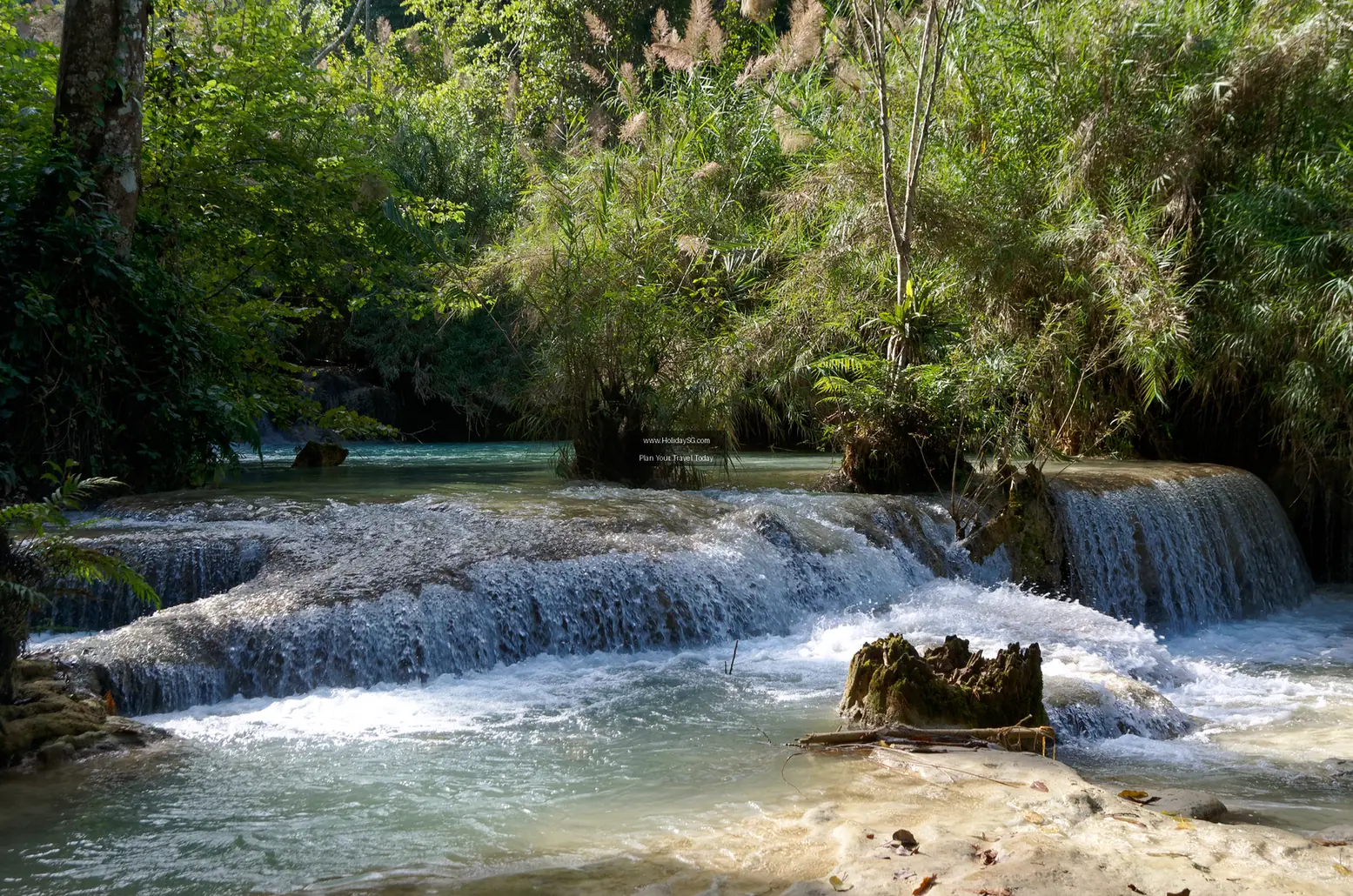
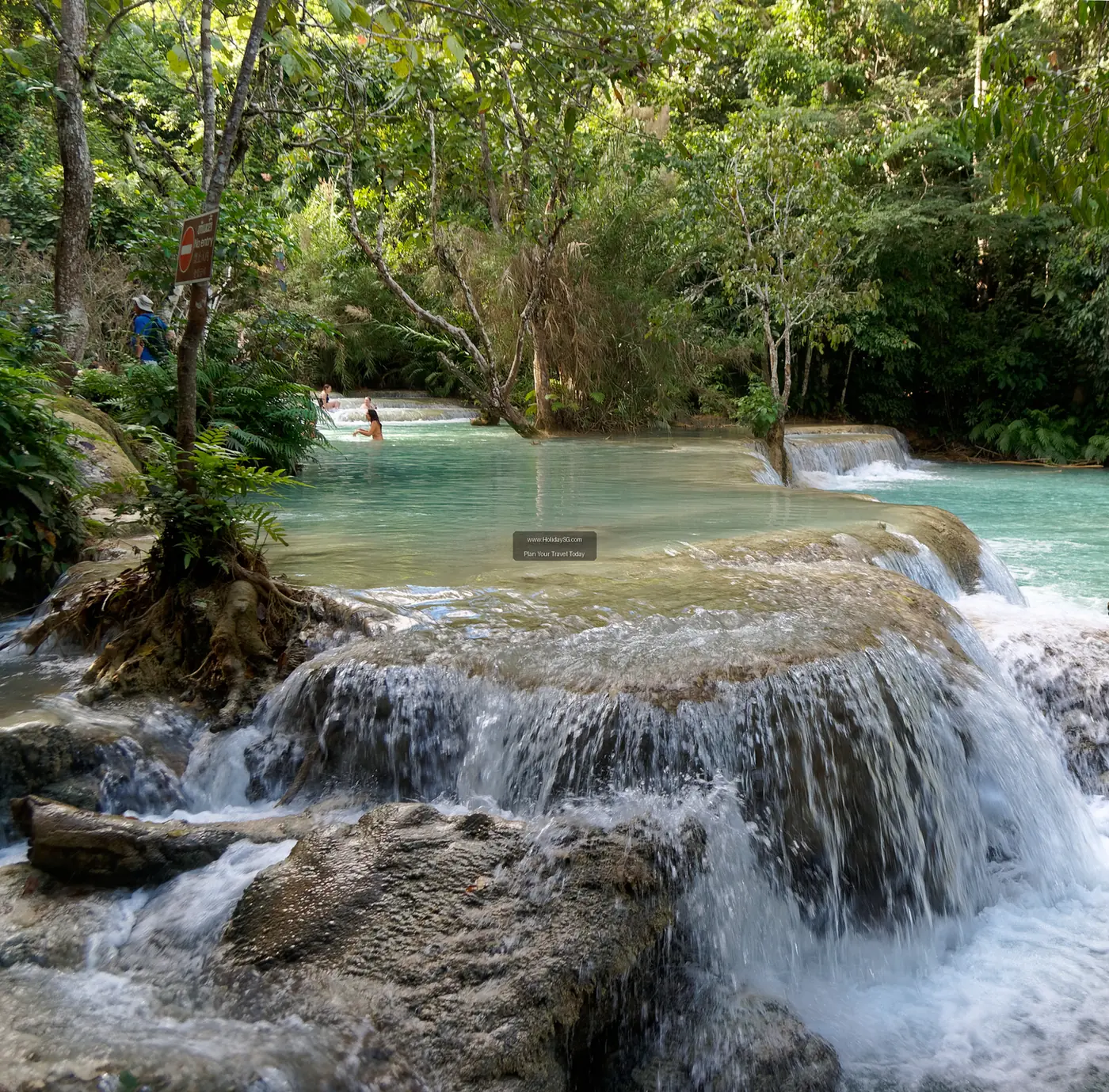
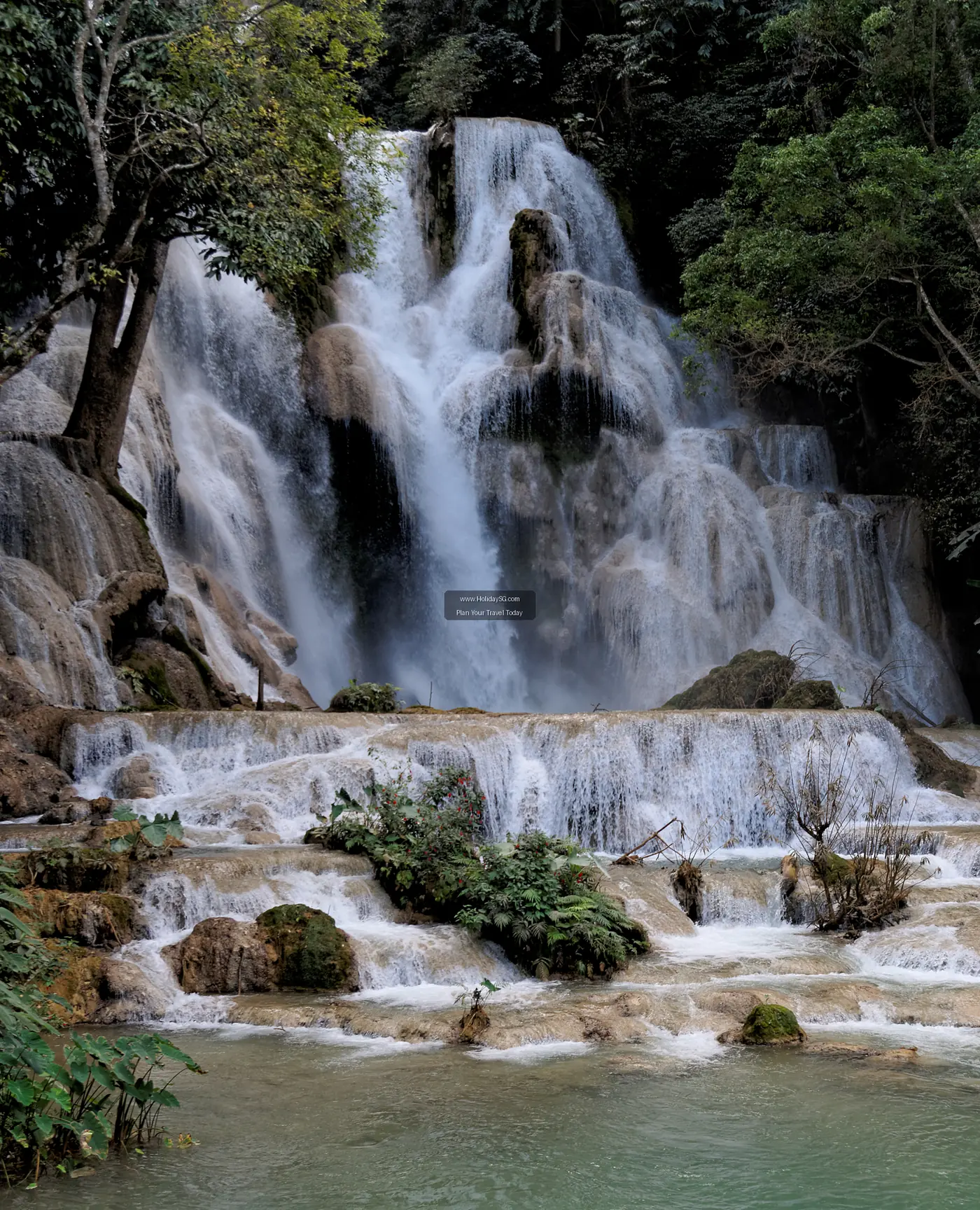
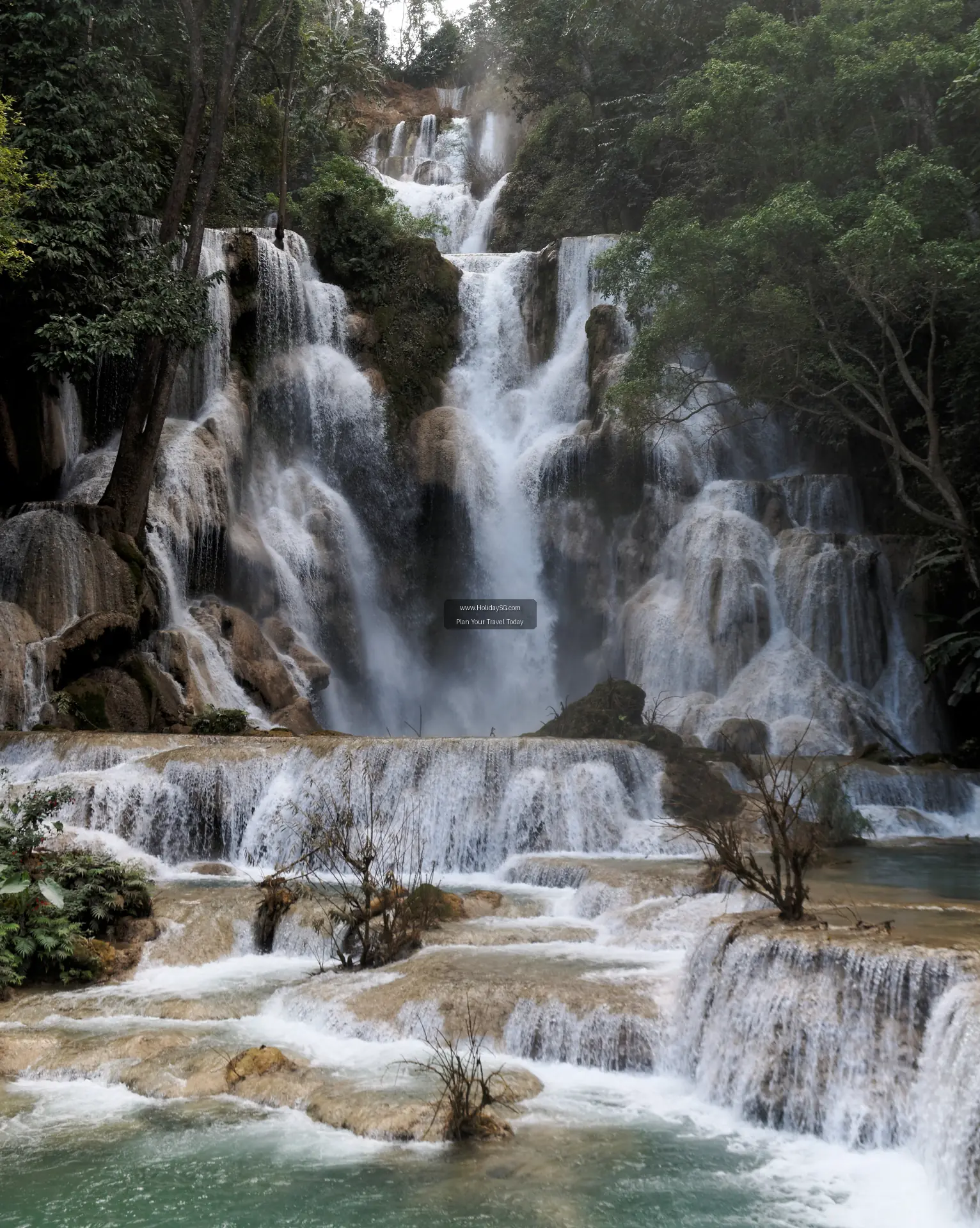

No visit is complete without exploring Wat Xieng Thong, a 16th-century temple adorned with intricate mosaics and golden carvings. For nature lovers, Kuang Si Falls is a must—turquoise pools cascade down limestone tiers, perfect for swimming. Pack a picnic or join a Bamboo Experience Class at Kuang Si Falls to learn traditional Lao crafts while enjoying the scenery.
End your day atop Mount Phousi for sunset views over the town and river. The night market is a great place to sample Lao street food, from larb (minced meat salad) to khao soi (coconut curry noodles). For a deeper cultural experience, book an Evening Baci Ceremony with a home-cooked dinner, where locals perform a traditional blessing ritual.
2. Vientiane: The Laid-Back Capital
Laos’ capital is a charming mix of French colonial buildings, Buddhist temples, and riverside cafés. Pha That Luang, the country’s most sacred monument, is a gleaming golden stupa that symbolizes Lao sovereignty. Nearby, Patuxai (Victory Gate) offers panoramic city views—climb to the top for a small fee.
For something quirkier, visit Buddha Park, a surreal sculpture garden filled with giant concrete statues of Hindu and Buddhist deities. The Mekong Riverfront is the perfect spot for sunset drinks, with bars and restaurants serving cold Beerlao (the national beer) and fresh river fish.
3. Vang Vieng: Adventure & Karst Landscapes
Vang Vieng is Laos’ adventure playground, set against a backdrop of dramatic limestone cliffs. The Nam Song River is the hub for tubing, kayaking, and stand-up paddleboarding. For thrill-seekers, a hot-air balloon ride at sunrise offers breathtaking views of the karst formations.
Explore the Tham Nam and Tham Chang caves, where you can swim through underground rivers or climb to viewpoints. The Blue Lagoon is a popular swimming spot with crystal-clear water, though it can get crowded—visit early to avoid the rush.
4. Plain of Jars (Phonsavan): A Mysterious Archaeological Site
The Plain of Jars is one of Southeast Asia’s most enigmatic sites. Thousands of giant stone jars, some weighing several tons, are scattered across the landscape. Archaeologists believe they were used for ancient burial rituals, but their exact purpose remains a mystery. Visit Site 1, the most accessible and well-preserved, or venture to Site 2 and Site 3 for a quieter experience.
Nearby, the UXO Museum provides sobering insight into Laos’ history as the most bombed country per capita during the Vietnam War. The museum explains the ongoing efforts to clear unexploded ordnance (UXO) from the land.
5. 4,000 Islands (Si Phan Don): Mekong River Paradise
The Mekong River widens into a labyrinth of islands in southern Laos, creating a tranquil escape. Don Det is the backpacker hub, with laid-back guesthouses, hammock-filled cafés, and stunning sunsets. Rent a bicycle to explore the island’s dirt paths or take a boat to Don Khon to see the Li Phi Falls and spot rare Irrawaddy dolphins.
For a slower pace, stay on Don Khong, the largest island, where you can visit local villages and relax by the river. The 4,000 Islands are perfect for digital nomads—many guesthouses offer reliable Wi-Fi, and the vibe is peaceful and inspiring.
6. Bolaven Plateau: Waterfalls & Coffee Plantations
The Bolaven Plateau is Laos’ coffee country, where cool highlands produce some of the world’s best Arabica beans. Visit a plantation for a tasting tour and learn about the coffee-making process. The region is also home to spectacular waterfalls, including Tad Fane, a twin cascade plunging 120 meters into the jungle, and Tad Yuang, a series of terraced falls perfect for swimming.
Ethnic minority villages, such as those of the Katu and Alak people, offer cultural insights. Many homestays provide opportunities to learn traditional weaving or cooking.
7. Nong Khiaw: Riverside Serenity & Limestone Cliffs
Nestled between towering limestone cliffs, Nong Khiaw is a picturesque riverside village that feels worlds away from the hustle of modern life. Hike to Pha Daeng Peak for panoramic views of the Nam Ou River, or take a boat trip to Muang Ngoi Neua, a remote village with no roads and a relaxed vibe.
Guesthouses along the river offer simple but comfortable stays, and riverside restaurants serve fresh fish and Lao dishes. It’s an ideal base for trekking, kayaking, or simply unwinding in a hammock.
8. Wat Phu (Champasak): Laos’ Ancient Khmer Temple
Wat Phu is a UNESCO-listed Khmer temple complex older than Angkor Wat. Built between the 5th and 15th centuries, the ruins sit at the base of a sacred mountain, with stunning views over the Mekong. The site includes a processional walkway, a sanctuary, and a museum with artifacts from the era.
Visit at sunrise or sunset for the best light and fewer crowds. To get there, take a boat from Champasak or drive from Pakse—it’s a long journey, but the reward is worth it.
9. Other Hidden Gems & Unique Experiences
Laos is full of off-the-beaten-path treasures. Muang Ngoi Neua, accessible only by boat, is a car-free village where time slows to a crawl. The Gibbon Experience in Bokeo offers a unique way to explore the jungle—zipline through the canopy and spend the night in a treehouse.
For waterfalls without the crowds, visit Tad Lo or Tad Sae near Luang Prabang. Northern Laos is a trekker’s paradise, with trails leading to ethnic minority villages and homestays where you can experience local life firsthand.
Practical Travel Tips for Laos
Ready to go? Book Laos Unlimited Data 4g5g Esim with HolidaySG.
Ready to go? Book Laos Unlimited Data 4g5g Esim with HolidaySG.
Best Time to Visit Laos
Laos has three distinct seasons, each offering a different experience:
- Cool & Dry Season (November–February): The best time to visit, with temperatures ranging from 15–28°C (59–82°F). This is peak tourist season, so book accommodations in advance, especially in Luang Prabang and Vang Vieng.
- Hot Season (March–May): Temperatures can soar above 40°C (104°F), making outdoor activities uncomfortable. However, this is a great time to visit the 4,000 Islands, where the river breeze offers some relief.
- Rainy Season (June–October): Lush landscapes and fewer tourists, but expect muddy trails, flooding in some areas, and limited access to remote sites. The Bolaven Plateau’s waterfalls are at their most impressive during this time.
Budgeting for Laos: Costs & Expenses
Laos is one of Southeast Asia’s most affordable destinations, but costs vary depending on your travel style:
- Budget Traveler: $25–$40/day. Stay in hostels or guesthouses, eat street food, use local transport, and focus on free or cheap activities like hiking and temple visits.
- Mid-Range Traveler: $50–$100/day. Enjoy private rooms, restaurants, guided tours, and occasional domestic flights. This budget allows for more comfort and flexibility.
- Luxury Traveler: $150+/day. Stay in boutique hotels, dine at upscale restaurants, hire private guides, and indulge in premium experiences like hot-air balloon rides or luxury Mekong cruises.
Key expenses to budget for:
- Visa on arrival: $30–$50 (varies by nationality; e-visa available for some).
- Domestic flights: $80–$120 one-way (e.g., Vientiane to Luang Prabang).
- Transport: Tuk-tuks and taxis cost $2–$10 for short trips; negotiate fares in advance.
- Guided tours: $15–$50 (e.g., Kuang Si Falls, Plain of Jars, or Mekong River cruises).
Visa Requirements & Entry Tips
Most nationalities require a visa to enter Laos. You can apply for an e-visa online (processing time: 3 business days) or obtain a visa on arrival at major entry points like Wattay International Airport (Vientiane) or Luang Prabang Airport. For visa on arrival, bring:
- Passport with at least 6 months’ validity.
- Passport-sized photos (2x).
- Visa fee in USD (cash only).
Visa extensions are possible at immigration offices in Vientiane or Luang Prabang, but it’s easier to plan your trip within the 30-day validity period.
Getting Around Laos: Transport Options
Laos’ transport network is improving, but travel can still be slow and bumpy. Here are your options:
- Buses: The cheapest way to travel long distances (e.g., Vientiane to Luang Prabang: 10–12 hours, $15–$25). VIP buses offer more comfort but are pricier.
- Minivans: Faster than buses but cramped (e.g., Luang Prabang to Vang Vieng: 4–5 hours, $10–$15).
- Boats: Scenic but slow. The slow boat from Luang Prabang to Huay Xai (near the Thai border) takes 2 days and costs $25–$40. Speedboats are faster but less comfortable.
- Domestic flights: Save time on long distances (e.g., Vientiane to Luang Prabang: 1 hour, $80–$120). Lao Airlines and Lao Skyway are the main carriers.
- Motorbike rentals: $10–$20/day. Great for exploring at your own pace, but roads can be rough, and traffic in cities is chaotic. Always wear a helmet and check the bike’s condition before renting.
- Tuk-tuks and taxis: Use for short trips within towns. Agree on a fare before getting in, as meters are rare.
Health & Safety in Laos
Laos is generally safe for travelers, but take precautions to stay healthy and avoid scams:
- Vaccinations: Recommended: Hepatitis A/B, typhoid, Japanese encephalitis (for rural areas), and rabies (for adventure travelers). Check with a travel clinic before your trip.
- Malaria: Risk in rural and forested areas. Use mosquito repellent, wear long sleeves at dusk, and consider antimalarial medication if visiting high-risk zones.
- Food and water: Drink bottled or filtered water. Avoid ice in rural areas and street food that isn’t freshly cooked. Stick to busy stalls with high turnover.
- Scams: Rare, but agree on prices for tuk-tuks, tours, and accommodations upfront. Be cautious of overcharging in touristy areas.
- Solo travel: Laos is safe for solo travelers, but avoid isolated areas at night and use licensed transport. Female travelers should dress modestly to avoid unwanted attention.
Cultural Etiquette & Local Customs
Lao people are warm and welcoming, but respecting local customs will enhance your experience:
- Dress modestly: Cover shoulders and knees when visiting temples or rural villages. Remove shoes before entering homes or temples.
- Alms-giving (Tak Bat): In Luang Prabang, observe the morning alms-giving ceremony respectfully. Dress modestly, keep a distance, and avoid flash photography or touching the monks.
- Dos and don’ts:
- Do greet locals with a smile and a slight bow.
- Don’t touch people’s heads (considered sacred) or point your feet at Buddha images or people.
- Do use your right hand when giving or receiving items.
- Language: Learn a few basic Lao phrases to connect with locals:
- Sabaidee = Hello
- Khop jai = Thank you
- Tao dai? = How much?
Money & Connectivity
Laos uses the Lao Kip (LAK), but USD is widely accepted in tourist areas. However, change is often given in kip, so carry small bills for rural areas. Here’s what you need to know:
- Currency exchange: Exchange money at banks or licensed exchange counters. Avoid street money changers to prevent scams.
- ATMs: Available in cities and towns, but withdrawals may incur fees (~$3–$5 per transaction). ATMs dispense both kip and USD. Carry USD as backup for remote areas.
- Credit cards: Accepted in upscale hotels, restaurants, and shops in cities, but cash is king in rural areas.
- Wi-Fi and SIM cards: Wi-Fi is decent in cities but slow or nonexistent in rural areas. Buy a local SIM card (Unitel or Lao Telecom) for data. For seamless connectivity, consider a Laos Unlimited Data 4G/5G eSIM before your trip.
Laos Travel FAQs: Answering Common Questions
Is Laos safe for solo travelers?
Yes, Laos is one of the safest countries in Southeast Asia for solo travelers. Violent crime is rare, but take standard precautions: avoid isolated areas at night, use licensed transport, and keep valuables secure. Female travelers should dress modestly to avoid unwanted attention.
How many days are needed to explore Laos?
A minimum of 7–10 days is ideal for covering the highlights, such as Luang Prabang, Vientiane, Vang Vieng, and the 4,000 Islands. For a deeper exploration—including remote villages, trekking, and off-the-beaten-path sites—plan for 2+ weeks.
Is Laos expensive?
No, Laos is one of Southeast Asia’s most affordable destinations. Budget travelers can get by on $25–$40/day, while mid-range travelers can enjoy comfort and experiences for $50–$100/day. Luxury travelers can splurge on boutique hotels and private tours for $150+/day.
Can I use credit cards in Laos?
Credit cards are accepted in upscale hotels, restaurants, and shops in cities like Vientiane and Luang Prabang, but cash is essential in rural areas. Always carry small bills for tuk-tuks, markets, and street food.
What’s the nightlife like in Laos?
Laos’ nightlife is low-key compared to Thailand or Vietnam. Luang Prabang and Vang Vieng have bars and clubs, but most towns close early. Vang Vieng is the party hub, with riverside bars and reggae-style hangouts. For a cultural twist, try a Baci ceremony with dinner in Luang Prabang.
Is English widely spoken?
Basic English is spoken in tourist areas, but fluency is limited. Learn a few Lao phrases to connect with locals, and use translation apps for complex conversations. In rural areas, communication may be limited to gestures and smiles.
What’s the Wi-Fi/internet situation?
Wi-Fi is decent in cities and tourist hubs but slow or nonexistent in rural areas. Buy a local SIM card (Unitel or Lao Telecom) for data, or opt for an eSIM if you need reliable connectivity from day one. For digital nomads, Luang Prabang and Vientiane have coworking spaces with good internet.
Are there ATMs in Laos?
Yes, ATMs are available in cities and towns, but they may charge withdrawal fees (~$3–$5 per transaction). Some ATMs have low withdrawal limits (e.g., 1–2 million kip per transaction), so plan accordingly. Carry USD as backup for remote areas.
What’s the best way to get around Laos?
Buses and minivans are the most common way to travel long distances, while tuk-tuks and taxis are ideal for short trips. Domestic flights save time but are pricier. For adventure travelers, motorbike rentals offer freedom, but be prepared for rough roads and chaotic traffic in cities.
Can I drink the tap water?
No, tap water is not safe to drink. Stick to bottled or filtered water, and avoid ice in rural areas. Many guesthouses and restaurants provide free filtered water for refilling bottles.
What should I pack for a trip to Laos?
Pack light, breathable clothing for the tropical climate, but include modest outfits for temple visits. Essentials include:
- Comfortable walking shoes for hiking and temple exploration.
- Mosquito repellent and sunscreen.
- A reusable water bottle with a filter.
- A rain jacket or umbrella (especially during the rainy season).
- A power adapter (Laos uses Type A, B, C, E, and F plugs).
- A good camera to capture the stunning landscapes.
Recommended HolidaySG Tours
Ready to go? Book Laos Unlimited Data 4g5g Esim with HolidaySG.
Ready to go? Book Laos Unlimited Data 4g5g Esim with HolidaySG.
Enhance your Laos adventure with these curated experiences:
- Evening Baci Ceremony Home Cooked Dinner
- Bamboo Weaving Cooking Class Half Day
- Bamboo Experience Class Kuang Si Falls Full Day
- Laos Unlimited Data 4G/5G eSIM
Final Thoughts: Why Laos Should Be Your Next Destination
Laos is a destination that lingers in your memory long after you leave. It’s a place where time slows down, where golden temples stand beside rushing waterfalls, and where the Mekong River weaves through landscapes untouched by mass tourism. Whether you’re seeking adventure, culture, or simply a peaceful escape, Laos delivers an experience that’s both authentic and unforgettable.
From the spiritual rituals of Luang Prabang to the adrenaline-pumping activities in Vang Vieng and the serene beauty of the 4,000 Islands, Laos offers something for every traveler. And with its affordability, warm hospitality, and stunning natural beauty, it’s no wonder this hidden gem is becoming a must-visit destination in Southeast Asia.
Ready to explore Laos with seamless connectivity? Stay connected throughout your journey with our Laos Unlimited Data 4G/5G eSIM and start planning your adventure today!
Book these with HolidaySG:
Book with HolidaySG online for Laos Unlimited Data 4g5g Esim, Airalo Laos E Sim Package, Evening Baci Ceremony Home Cooked Dinner.
Book with HolidaySG online for Laos Unlimited Data 4g5g Esim, Airalo Laos E Sim Package, Trekking Longlao To Kuang Si Falls Full Day Private Tour.
Book these with HolidaySG:
- Trekking Longlao To Kuang Si Falls Full Day Private Tour
- Mekong Fishing Experience Kuang Si Falls
- Luang Prabang Private Cultural Discovery With Alms Giving Museum And Kuang
- Luang Prabang Evening Street Eats And Night Market Private Tour
- Luang Prabang Morning Foodie Walking Monk
- Luang Prabang Local Villages Full Day Private Tour