

Laos in 2026 remains one of Southeast Asia’s best-kept secrets—a land of misty mountains, golden temples, and rivers that flow like liquid time. Unlike its more tourist-saturated neighbors, Laos offers a slower pace, deeper cultural immersion, and landscapes that feel untouched by modernity. Whether you’re drawn to the UNESCO-listed charm of Luang Prabang, the adventure hub of Vang Vieng, or the serene backwaters of the 4,000 Islands, this Laos travel guide 2026 will help you navigate the country’s highlights, hidden gems, and practical essentials for a seamless trip.
Laos is an affordable, culturally rich destination best visited between November and February for cool, dry weather. Must-sees include Luang Prabang’s temples, Vang Vieng’s outdoor adventures, and the laid-back 4,000 Islands. Visa on arrival is easy, transport is cheap but slow, and the food—think sticky rice and laap—is a highlight. Pack light, respect local customs, and embrace the “sabai sabai” (easygoing) vibe.
When to Visit Laos: Timing Your Trip for the Best Experience
Laos’ climate swings between three distinct seasons, each offering a different flavor of travel. The cool and dry season (November to February) is peak time, with temperatures hovering between 15°C and 28°C (59°F–82°F). This is ideal for trekking, temple-hopping, and Mekong River cruises, but expect higher prices and crowds, especially around Luang Prabang’s night market and Vientiane’s festivals. If you prefer fewer tourists, consider visiting in March or April, when the heat intensifies (up to 40°C/104°F) but the landscapes are crisp and clear. Waterfalls like Kuang Si are at their most dramatic, and cultural experiences like the Lao New Year (Pi Mai) in mid-April are unforgettable—just be prepared to sweat.

For budget travelers and nature lovers, the rainy season (June to October) transforms Laos into a lush, emerald paradise. Waterfalls roar, rice paddies glisten, and prices drop, but some rural roads become impassable, and boat services may be canceled. This is the time to explore the Bolaven Plateau’s coffee plantations or the 4,000 Islands, where the Mekong swells and dolphin sightings are more frequent. If you don’t mind occasional downpours, the rewards are worth it.
Top Destinations: Where to Go in Laos
Luang Prabang: Where Temples Meet Waterfalls
Luang Prabang is the soul of Laos—a UNESCO-listed town where saffron-robed monks glide past French colonial buildings, and the Mekong River reflects golden sunsets. Start at Wat Xieng Thong, the city’s most stunning temple, with its intricate mosaics and sweeping roofs. Nearby, Wat Mai houses a revered golden Buddha, while the Royal Palace Museum offers a glimpse into Laos’ monarchy.
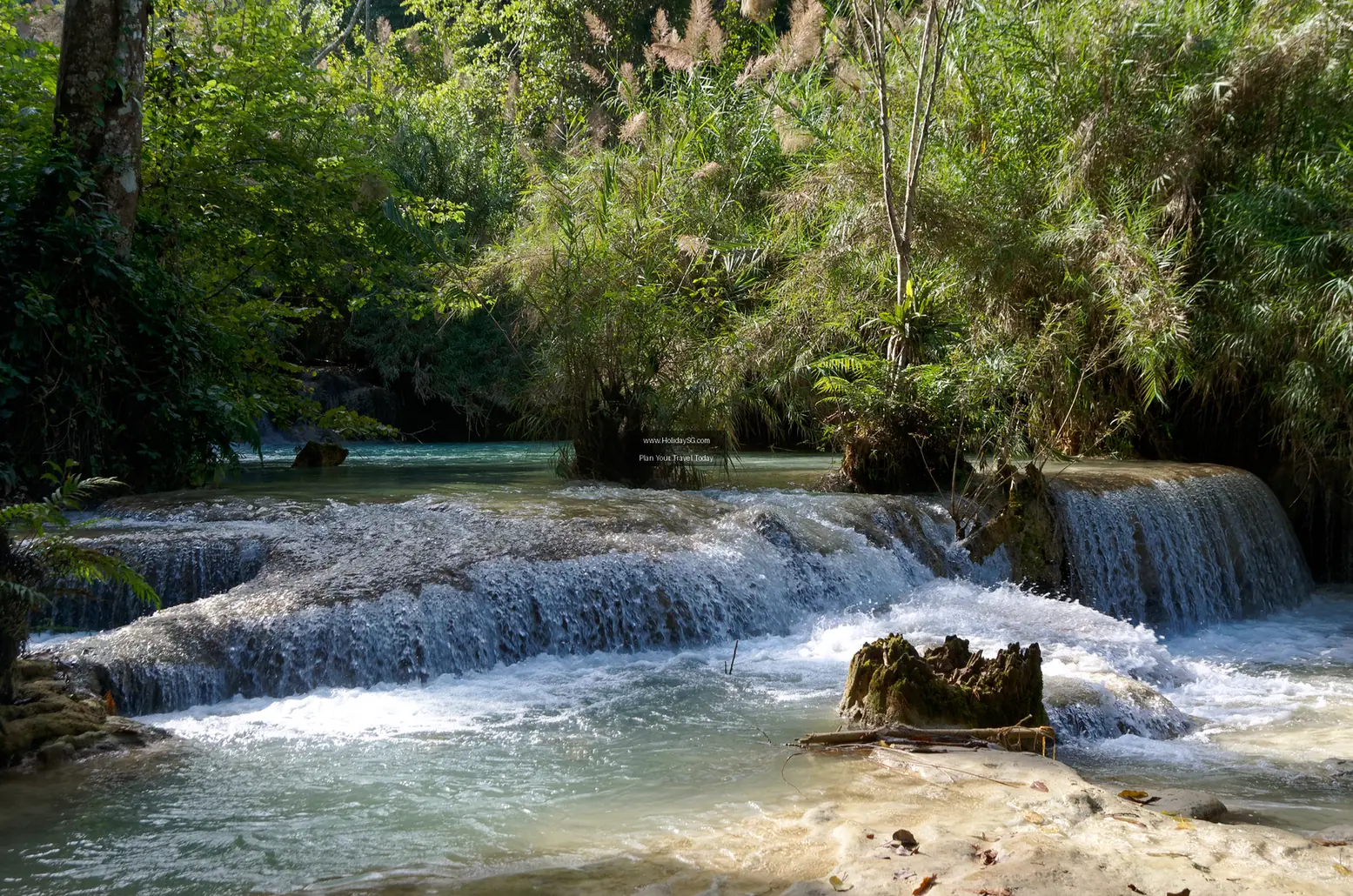
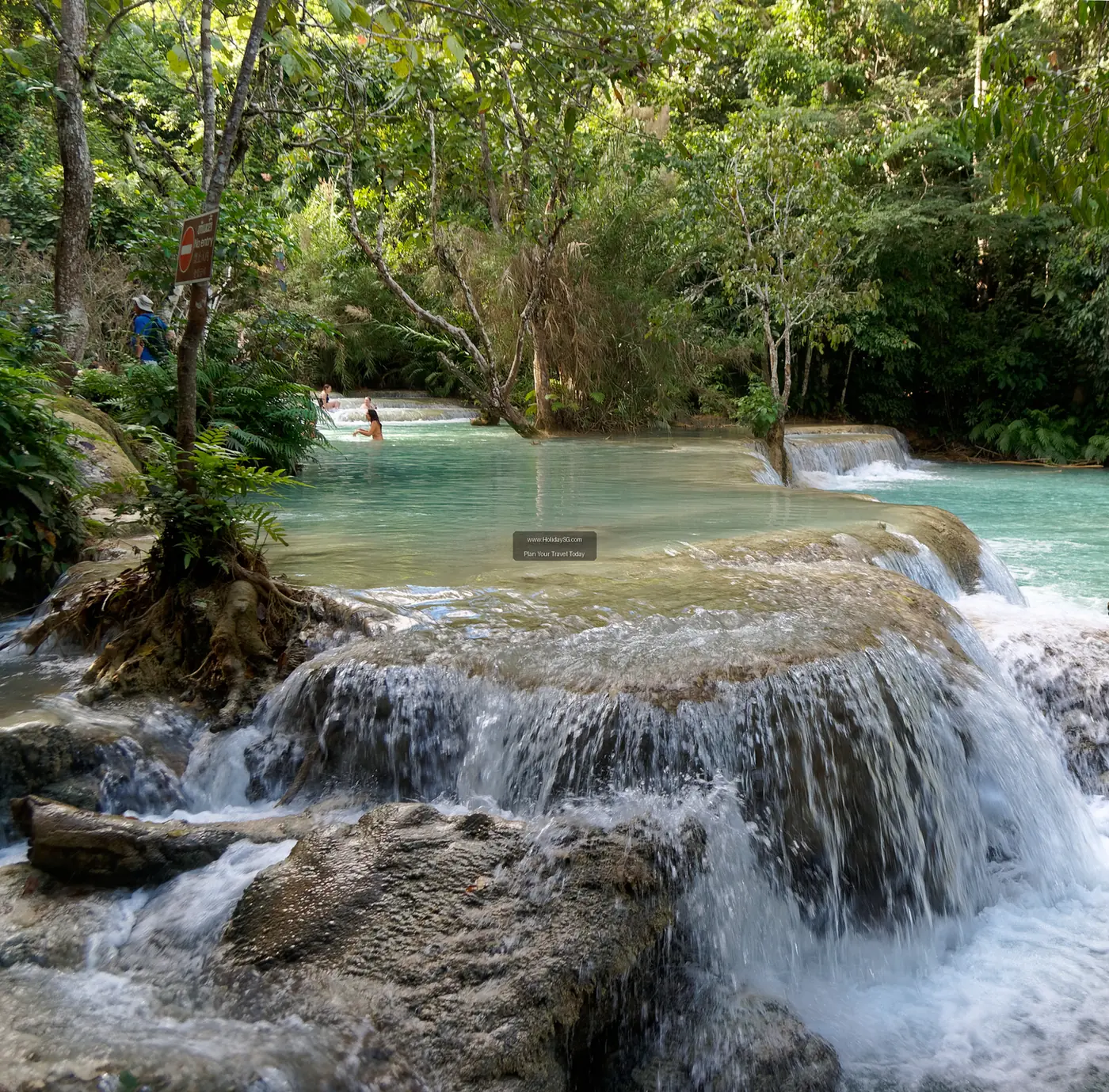
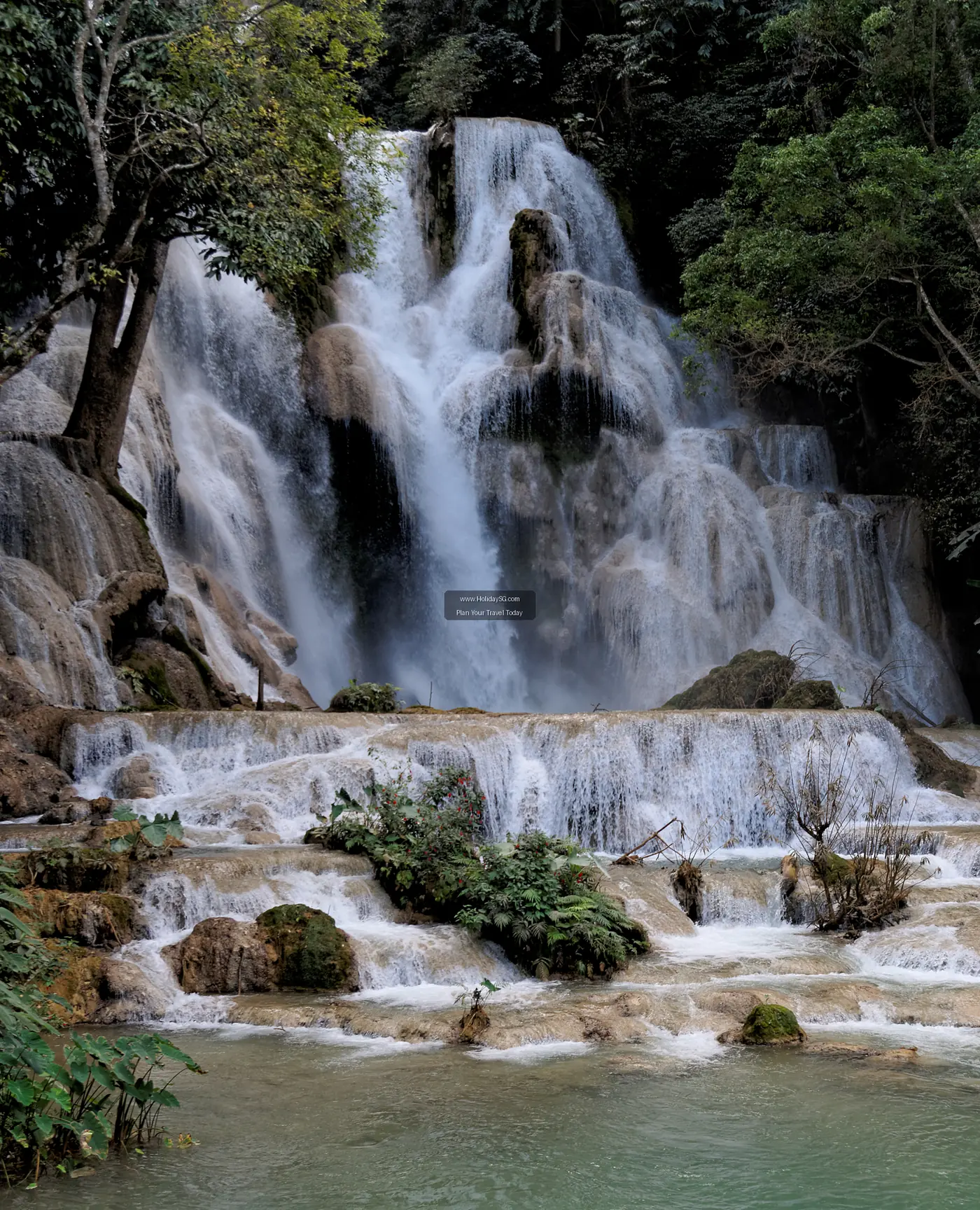
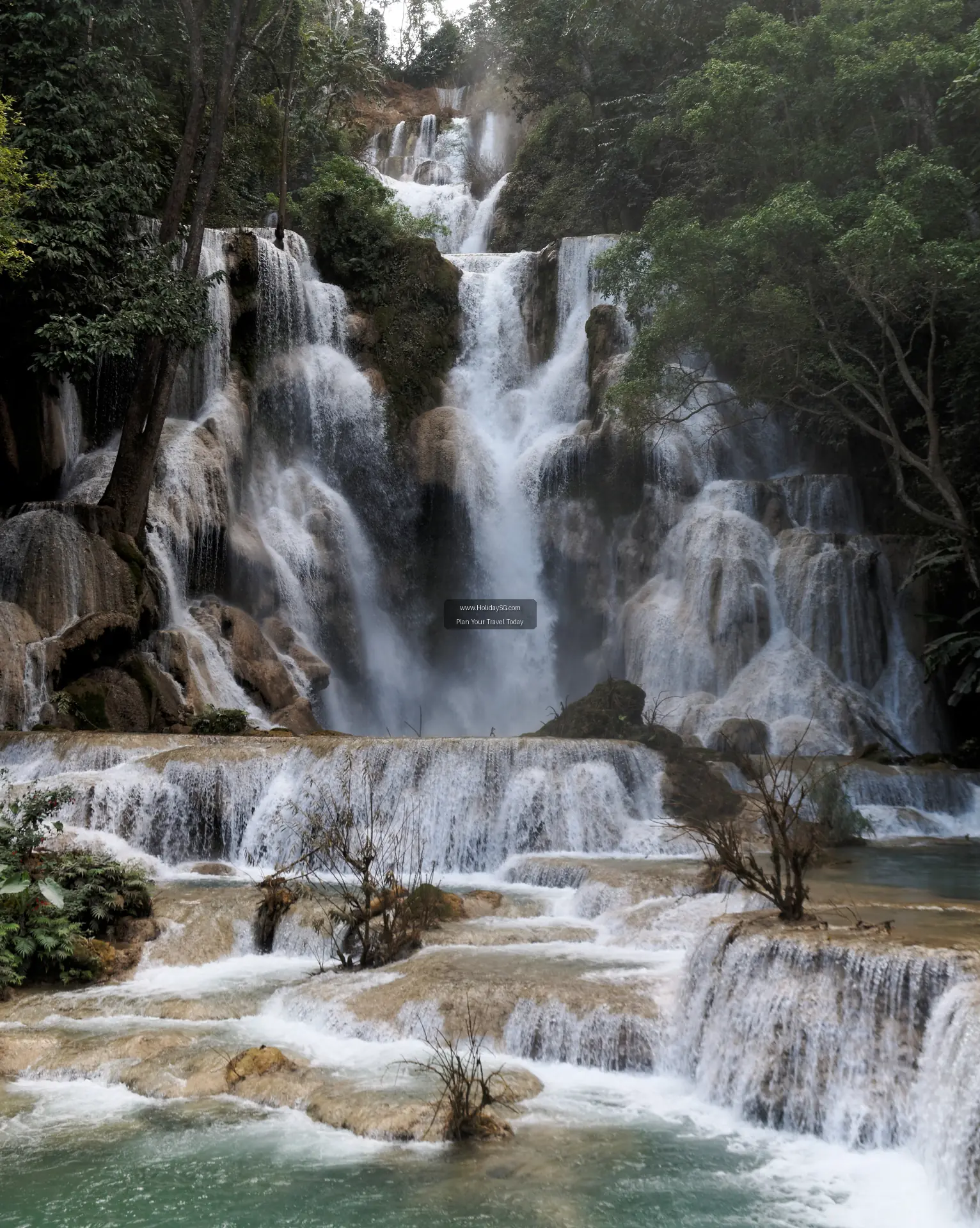
No visit is complete without a trip to Kuang Si Falls, a 30-minute drive from town. The turquoise cascades and swimming holes are postcard-perfect, but consider a trekking tour from Longlao village to experience the falls like a local, with stops at hidden viewpoints and ethnic minority villages. For a unique twist, combine the trek with a Mekong fishing experience—try your hand at traditional techniques before feasting on your catch by the river.
At dawn, the Tak Bat (alms-giving ceremony) is a humbling sight: hundreds of monks walk barefoot through the streets as locals offer sticky rice. Observe quietly, dress modestly, and never use flash photography. For a deeper dive into the ritual, a private cultural tour can include visits to lesser-known temples and a hands-on laap cooking class.
Vientiane: The Capital’s Laid-Back Charm
Laos’ capital is often overlooked, but its mix of Buddhist landmarks, French cafés, and riverside lounges makes it worth a stop. Pha That Luang, the country’s most sacred stupa, glows gold at sunset, while Patuxai—a war monument turned Arc de Triomphe—offers panoramic city views. For something quirkier, head to Buddha Park (Xieng Khuan), where giant concrete sculptures blend Hindu and Buddhist iconography.
The Mekong River is the heart of Vientiane’s social scene. Grab a beer at Bor Pen Nyang, a rooftop bar with sunset views, or explore the night market for handicrafts and sai oua (Lao sausage). If you’re craving Western comforts, Le Banneton serves the best croissants in town, a legacy of French colonial rule.
Vang Vieng: Adventure and Limestone Karsts
Once infamous for its backpacker party scene, Vang Vieng has reinvented itself as an adventure hub. The Nam Song River is the star attraction—float down it on a tubing trip, stopping at riverside bars like Naga Bar for cliff jumping and zip-lining. For a more active experience, kayak through caves like Tham Nam, where you’ll paddle through pitch-black tunnels lit only by headlamps.
The Blue Lagoon is another must-visit: a series of turquoise pools fed by waterfalls, perfect for swimming and leaping off rope swings. Nearby, Tham Chang Cave offers a short hike and stunning views of the surrounding limestone karsts. For a bird’s-eye perspective, book a hot air balloon ride at sunrise—it’s pricey but unforgettable.
Plain of Jars: Laos’ Mysterious Archaeological Site
Scattered across the Xieng Khouang plateau, the Plain of Jars is one of Southeast Asia’s most enigmatic sights. Thousands of giant stone jars, some weighing several tons, dot the landscape—no one knows for sure who carved them or why, though theories range from ancient burial urns to giant rice wine storage. Site 1 is the most accessible, with a small museum explaining the jars’ history and the UXO (unexploded ordnance) that still litters the area. Always stick to marked paths and visit with a guide.
4,000 Islands (Si Phan Don): Island Time on the Mekong
For a taste of slow travel, head to Si Phan Don, where the Mekong River splinters into a labyrinth of islands. Don Det is the backpacker hub, with reggae bars, hammock lounges, and sunrise views over the water. Rent a bicycle and pedal to Don Khon, where the Khone Phapheng Falls roar like thunder and Irrawaddy dolphins surface near the Cambodian border. Stay in a riverside bungalow, feast on grilled fish, and let the days melt away.
Bolaven Plateau: Coffee, Waterfalls, and Ethnic Villages
Laos’ coffee is a hidden gem, and the Bolaven Plateau is where it’s grown. Tour a plantation like Jhai Coffee House to learn about the bean-to-cup process, then sample a cup of kafe bor (Lao coffee) with sweetened condensed milk. The plateau is also home to some of Laos’ most spectacular waterfalls, including Tad Fane, a twin cascade plunging 120 meters into the jungle, and Tad Yuang, where you can swim in emerald pools.
For cultural immersion, visit ethnic minority villages like the Katu or Alak people. Many homestays offer weaving demonstrations and traditional meals, giving you a glimpse into rural Lao life.
Nong Khiaw and Muang Ngoi Neua: Off-the-Beaten-Path Serenity
For travelers seeking solitude, Nong Khiaw is a riverside village framed by dramatic limestone cliffs. Hike to the viewpoint at Pha Daeng, where the Nam Ou River snakes through the valley, or take a boat to Muang Ngoi Neua, a car-free village where the pace of life is dictated by the sun. Stay in a bamboo hut, kayak to hidden caves, and feast on fresh river fish—this is Laos at its most authentic.
Visa Requirements: Entering Laos in 2026
Most travelers can obtain a visa on arrival at international airports (Luang Prabang, Vientiane, Pakse) and land borders (e.g., Thailand’s Nong Khai or Vietnam’s Lao Bao). The fee ranges from $30 to $50, depending on your nationality, and you’ll need:
- A passport valid for 6+ months
- One passport-sized photo (or pay a small fee to have one taken on the spot)
- Proof of onward travel (rarely checked but technically required)
For a smoother entry, apply for an e-visa online before your trip. It costs $50 and is valid for 60 days, with processing times around 3 business days. Overland travelers should check border opening times—some crossings close early or require additional fees.
Visa extensions are possible at immigration offices in Vientiane, Luang Prabang, or Pakse ( If you overstay, expect a fine of $10 per day at the airport.
Budgeting for Laos: Costs and Money-Saving Tips
Laos is one of Southeast Asia’s most affordable destinations, but costs vary depending on your travel style. Here’s what to expect in 2026:
Daily Budget Breakdown
- Budget traveler: $25–$40/day
- Free/cheap activities: Temples, hiking, swimming
- Mid-range traveler: $50–$100/day
- Transport: VIP buses, occasional flights
- Luxury traveler: $150+/day
Money-Saving Tips
- Eat like a local: Street food stalls and markets (e.g., Luang Prabang’s night market) offer delicious meals for under $3. Try khao piak sen (noodle soup) or tam mak hoong (spicy papaya salad).
- Use public transport: Buses and songthaews (shared taxis) are cheap but slow. For long distances, VIP buses offer more comfort for a small premium.
- Bargain politely: Markets and tuk-tuk drivers expect negotiation, but always keep it friendly. In temples, bargaining is frowned upon.
- Travel in shoulder season: March–May and September–October offer lower prices and fewer crowds, though the weather can be hot or wet.
Currency and Payments
Laos’ official currency is the kip (LAK), but USD is widely accepted in tourist areas. Always carry small bills (USD $1, $5, or $10) for better exchange rates. ATMs are available in cities but may charge fees (~$4–$5 per withdrawal). In rural areas, withdraw cash in advance.
Getting Around Laos: Transport Options
Laos’ transport network is improving, but patience is key—distances are long, roads are rough, and delays are common. Here’s how to navigate it:
Domestic Flights
Laos has limited domestic routes, but Lao Airlines and Lao Skyway connect:
- Vientiane ↔ Luang Prabang (~1 hour, $80–$120)
- Vientiane/Pakse ↔ Savannakhet (~1 hour, $70–$100)
Flights are best for long distances, but always check schedules—routes can be canceled or rescheduled last minute.
Buses and Minivans
- Slow buses: Cheap but slow (e.g., Vientiane to Luang Prabang: 10–12 hours, $15–$20). Bring snacks, water, and earplugs.
- VIP buses: More comfortable, with reclining seats and air-conditioning (e.g., Vientiane to Vang Vieng: 4 hours, $10–$15).
- Minivans: Faster but cramped (e.g., Luang Prabang to Nong Khiaw: 3 hours, $8–$12). Avoid if you’re tall or prone to motion sickness.
Tuk-Tuks and Songthaews
- Tuk-tuks: Short distances in cities (e.g., Vientiane’s riverside to Patuxai: $2–$5). Always agree on a price before getting in.
- Songthaews: Shared pickups with bench seats. Common in towns like Luang Prabang and Vang Vieng (e.g., town center to Kuang Si Falls: $3–$5 per person).
Boats
- Mekong River: The slow boat from Huay Xai to Luang Prabang (2 days, $25–$40) is a classic backpacker experience, with stops in Pakbeng. For a faster (but less scenic) option, take the speedboat (6 hours, $30–$40).
- 4,000 Islands: Boats connect Don Det and Don Khon ($2–$5), and tours to Khone Phapheng Falls or dolphin-watching spots run daily.
Motorbikes and Bicycles
- Motorbikes: Rentals cost $10–$20/day (e.g., in Vang Vieng or Luang Prabang). Roads can be rough, so only rent if you’re experienced. Always wear a helmet and check for scratches before taking the bike.
- Bicycles: A great way to explore Luang Prabang, Vang Vieng, or the 4,000 Islands ($3–$8/day). Stick to flat areas—Laos’ hills are steep!
Laos Travel Tips: Culture, Etiquette, and Safety
Cultural Etiquette
Laos is a Buddhist country, and respecting local customs will enrich your experience:
- Dress modestly: Cover shoulders and knees at temples and in rural areas. Remove shoes before entering homes or temple buildings.
- Alms-giving (Tak Bat): In Luang Prabang, monks collect alms at dawn. Observe quietly from a distance, dress respectfully, and never use flash photography.
- Avoid taboos: Don’t touch people’s heads (considered sacred) or point your feet at people or Buddha images. When sitting, tuck your feet under you or to the side.
- Greetings: The traditional greeting is the nop (palms pressed together in a prayer-like gesture). Say “sabaidee” (hello) and “khop jai” (thank you).
Language Basics
English is spoken in tourist areas, but learning a few Lao phrases goes a long way:
- Hello: Sabaidee
- Thank you: Khop jai
- How much?: Tao dai?
- Delicious: Sep
- No spicy: Baw pet
Health and Safety
- Vaccinations: Recommended vaccines include hepatitis A/B, typhoid, and Japanese encephalitis (consult a travel clinic 4–6 weeks before your trip).
- Food and water: Drink bottled or filtered water and avoid ice in rural areas. Street food is generally safe, but stick to busy stalls with high turnover.
- Mosquito protection: Dengue and malaria are risks in rural areas. Use DEET repellent, wear long sleeves at dusk, and consider antimalarial medication if visiting remote regions.
- Petty theft: Rare but possible in crowded areas (e.g., night markets, bus stations). Use a money belt or anti-theft bag, and avoid flashing valuables.
- Road safety: Traffic can be chaotic, especially in Vientiane. Cross streets carefully, and avoid riding motorbikes at night.
Internet and Connectivity
Wi-Fi is common in cities and guesthouses, but speeds can be slow. For reliable data, buy a local SIM card (e.g., Unitel or Lao Telecom) at the airport or a convenience store. A 1GB data package costs $5–$10 and works well in most tourist areas. For seamless connectivity, consider an eSIM before you arrive.
Laos Food Guide: What to Eat and Where
Lao cuisine is bold, herbal, and deeply satisfying. Unlike Thai food, it’s less sweet and more reliant on sticky rice (khao niao), fresh herbs, and fermented fish (padek). Here’s what to try:
Must-Try Dishes
- Laap (Larb): Laos’ national dish—a minced meat salad (chicken, pork, or fish) mixed with lime juice, fish sauce, herbs, and toasted rice powder. Try it at Tamarind Restaurant in Luang Prabang.
- Tam mak hoong (Green papaya salad): A spicy, tangy salad made with shredded unripe papaya, tomatoes, and chili. For a twist, try tam mak hung with fermented crab (padek).
- Khao piak sen: A comforting noodle soup with thick rice noodles, chicken or pork, and herbs. Best on a rainy day.
- Sai oua: Lao sausage flavored with lemongrass, galangal, and kaffir lime leaves. Grilled and served with sticky rice.
- Or lam: A hearty stew from Luang Prabang, made with eggplant, yard-long beans, and sakhann (a bitter herb). Often includes buffalo meat.
- Mok pa: Fish steamed in banana leaves with herbs and chili—moist, fragrant, and delicious.
Where to Eat
- Street food stalls: Night markets (Luang Prabang, Vientiane) are the best places to sample Lao dishes. Look for stalls with long lines—locals know best!
- Local restaurants (phos): Small, family-run eateries serving home-style cooking. Try Khao Soi Luang Prabang for Northern Lao specialties.
- French cafés: Laos’ colonial past shines in bakeries like Le Banneton (Vientiane) or Saffron Café (Luang Prabang), where croissants and café bor (Lao coffee) are musts.
- Vegetarian options: Many temples serve vegetarian meals, and restaurants like Joma Bakery (Luang Prabang) offer veggie-friendly dishes.
Drinks to Try
- Lao coffee: Strong, sweet, and often served with condensed milk. Best enjoyed at a riverside café.
- Lao-Lao: A potent rice whiskey, often homemade. Sip it with friends or use it to make lao hai (jar whiskey) cocktails.
- Soda Lao: Unique Lao-branded soft drinks like Namthip (sparkling water) or Pepsi Lao (yes, it tastes different!).
FAQs: Common Questions About Traveling in Laos
Is Laos safe for solo travelers?
Yes! Laos is one of the safest countries in Southeast Asia for solo travelers, including women. Violent crime is rare, but take usual precautions: avoid walking alone at night in isolated areas, guard your belongings in crowded places, and trust your instincts. Solo travelers often find it easy to meet others in hostels or on group tours.
Can I use USD instead of Lao kip?
USD is widely accepted in tourist areas, but you’ll often receive change in kip. Carry small bills ($1, $5, $10) for better exchange rates, and always check your change—some vendors may give you a poor rate. For rural areas, withdraw kip in advance.
How many days do I need for a Laos trip?
- 7–10 days: Ideal for first-timers, covering Luang Prabang, Vang Vieng, and Vientiane.
- 2 weeks: Add Nong Khiaw, Plain of Jars, or the 4,000 Islands for a deeper dive.
- 3+ weeks: Explore off-the-beaten-path destinations like Bolaven Plateau, Muang Ngoi Neua, or Houaphanh Province.
Is Laos expensive?
No—Laos is one of Southeast Asia’s most affordable destinations. Budget travelers can get by on $25–$40/day, while mid-range travelers spend $50–$100/day. Even luxury experiences (e.g., boutique hotels, private tours) are cheaper than in Thailand or Vietnam.
What’s the nightlife like in Laos?
Laos isn’t a party destination like Thailand, but there are plenty of ways to unwind:
- Luang Prabang: Chill bars like Utopia (riverside lounge) or Icon Klub (live music).
- Vang Vieng: Backpacker bars along the Nam Song River, with tubing and reggae vibes.
- Vientiane: Rooftop bars (Bor Pen Nyang) and riverside lounges (The Spirit House).
- 4,000 Islands: Reggae bars (Sunset Bar on Don Det) and beachside bonfires.
Do I need travel insurance for Laos?
Highly recommended. Travel insurance covers medical emergencies (e.g., motorbike accidents, food poisoning), trip cancellations, and theft. Look for a policy that includes adventure activities (e.g., trekking, kayaking) and medical evacuation (rural hospitals may lack resources).
Sample Laos Itineraries
7-Day Classic Laos Highlights
- Day 1–3: Luang Prabang
- Explore temples (Wat Xieng Thong, Wat Mai)
- Trek to Kuang Si Falls and swim in the turquoise pools
- Sunset Mekong River cruise to Pak Ou Caves
- Observe the Tak Bat ceremony at dawn
- Day 4: Travel to Vang Vieng (bus or minivan, 4–5 hours)
- Day 5–6: Vang Vieng
- Tubing or kayaking on the Nam Song River
- Hike to Tham Chang Cave and Blue Lagoon
- Optional: Hot air balloon ride at sunrise
- Day 7: Travel to Vientiane (bus, 4 hours)
- Visit Pha That Luang and Patuxai
- Sunset drinks at Bor Pen Nyang
10-Day Northern and Southern Adventure
- Day 1–3: Luang Prabang
- Day 4–5: Nong Khiaw
- Hike to Pha Daeng viewpoint
- Boat trip to Muang Ngoi Neua (car-free village)
- Day 6–7: Vang Vieng
- Day 8–9: Vientiane
- Day 10: Fly to Pakse, travel to 4,000 Islands
14-Day Ultimate Laos Road Trip
- Day 1–4: Luang Prabang & Nong Khiaw
- Day 5–6: Vang Vieng
- Day 7–8: Vientiane & Buddha Park
- Day 9–10: Fly to Pakse, explore Bolaven Plateau (coffee plantations, Tad Fane Waterfall)
- Day 11–14: 4,000 Islands (Don Det, Don Khon, dolphin watching)
Recommended HolidaySG Tours
Planning your Laos adventure? Here are some top-rated tours to enhance your trip:
- Trekking Longlao to Kuang Si Falls Full Day Private Tour
- Mekong Fishing Experience Kuang Si Falls
- Luang Prabang Private Cultural Discovery With Alms Giving Museum And Kuang Si Waterfall
- Laos Unlimited Data 4G/5G eSIM
Final Tips for an Amazing Laos Trip
- Pack light: Laos’ infrastructure isn’t built for heavy luggage. Opt for a backpack or a small suitcase—you’ll be navigating cobblestone streets, boat transfers, and uneven roads.
- Respect local customs: Dress modestly at temples, ask before taking photos of people, and remove your shoes when entering homes.
- Be flexible: Transport delays are part of the Laos experience. Embrace the “sabai sabai” (easygoing) attitude and build buffer time into your itinerary.
- Support local businesses: Buy handicrafts from night markets, eat at family-run restaurants, and stay in guesthouses to put money directly into the community.
- Leave no trace: Laos’ nature is pristine—pack out your trash, avoid single-use plastics, and respect wildlife.
Conclusion: Why Laos Should Be on Your 2026 Travel List
Laos is a destination that lingers in your memory long after you’ve left. It’s a place where golden temples glow at sunrise, where waterfalls cascade into turquoise pools, and where the Mekong River carries stories of ancient kingdoms and modern resilience. Whether you’re seeking adventure in Vang Vieng, culture in Luang Prabang, or serenity on the 4,000 Islands, this Laos travel guide 2026 has everything you need to plan an unforgettable trip.
As you prepare for your journey, remember that Laos rewards those who slow down. Take the time to sip café bor with a local, chat with monks at a temple, or simply watch the sunset over the Mekong. The country’s magic lies in its simplicity—and in the warmth of its people.
Ready to explore? Stay connected with our Laos Unlimited Data 4G/5G eSIM and start planning your adventure today!
Book these with HolidaySG:
Book with HolidaySG online for Laos Unlimited Data 4g5g Esim, Airalo Laos E Sim Package, Trekking Longlao To Kuang Si Falls Full Day Private Tour.
More Photos from HolidaySG
“`html
Book with HolidaySG online for Laos Unlimited Data 4g5g Esim, Airalo Laos E Sim Package, Trekking Longlao To Kuang Si Falls Full Day Private Tour.
Book these with HolidaySG:
Frequently Asked Questions
Where can I book a private tour or experience in Luang Prabang?
* For a comprehensive cultural day, consider the Luang Prabang Private Cultural Discovery With Alms Giving Museum And Kuang Si Waterfall.
* To dive into local life, book the Luang Prabang Local Villages Full Day Private Tour.
* For an active adventure, try the Trekking Longlao To Kuang Si Falls Full Day Private Tour.
* For food lovers, the Luang Prabang Evening Street Eats And Night Market Private Tour and Luang Prabang Morning Foodie Walking Monk Blessing are fantastic experiences.