

Laos travel guide 2026 – all you need to know before going is exactly what this guide covers.
Laos remains one of Southeast Asia’s best-kept secrets—a land of misty mountains, golden temples, and slow-boat sunsets along the Mekong. Unlike its more tourist-saturated neighbors, Laos rewards travelers with authenticity, affordability, and a pace that encourages lingering over sticky rice and lao-lao whiskey rather than rushing from one attraction to the next. Whether you’re drawn to the UNESCO-listed charm of Luang Prabang, the adventure playground of Vang Vieng, or the serene islands of Si Phan Don, this Laos travel guide 2026 covers everything you need to plan a seamless trip.
Laos is a budget-friendly, culturally rich destination best visited between November and February. Most travelers need a visa (VOA or e-visa), and while infrastructure is basic, the rewards—think turquoise waterfalls, ancient jars, and riverside hammocks—are worth the occasional bumpy ride. Pack light, respect local customs, and prepare for a slower, more immersive travel experience.

When to Go: Timing Your Laos Adventure
Laos’ tropical climate divides the year into three distinct seasons, each offering a different perspective on the country.
Cool and Dry (November–February):
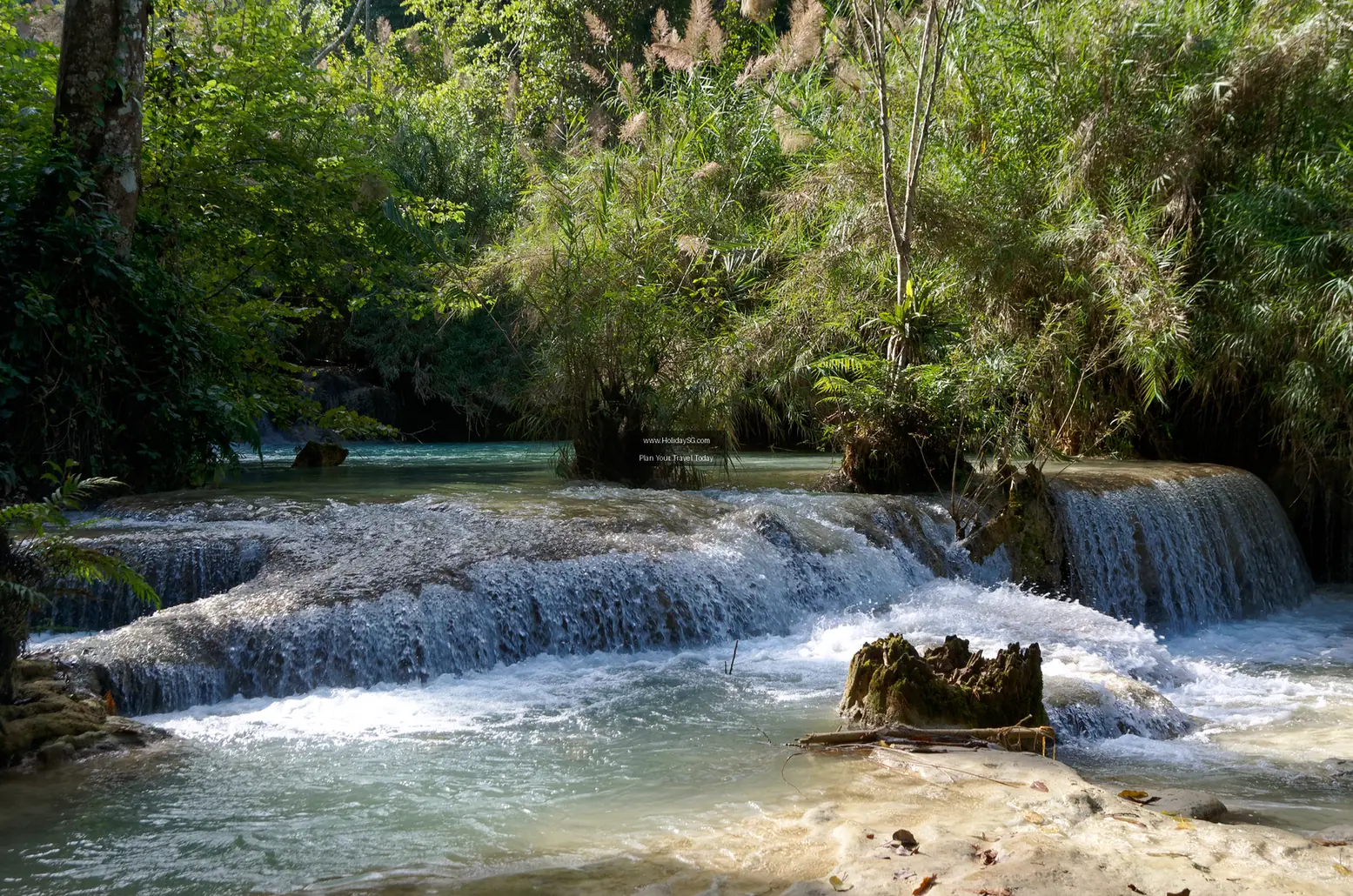
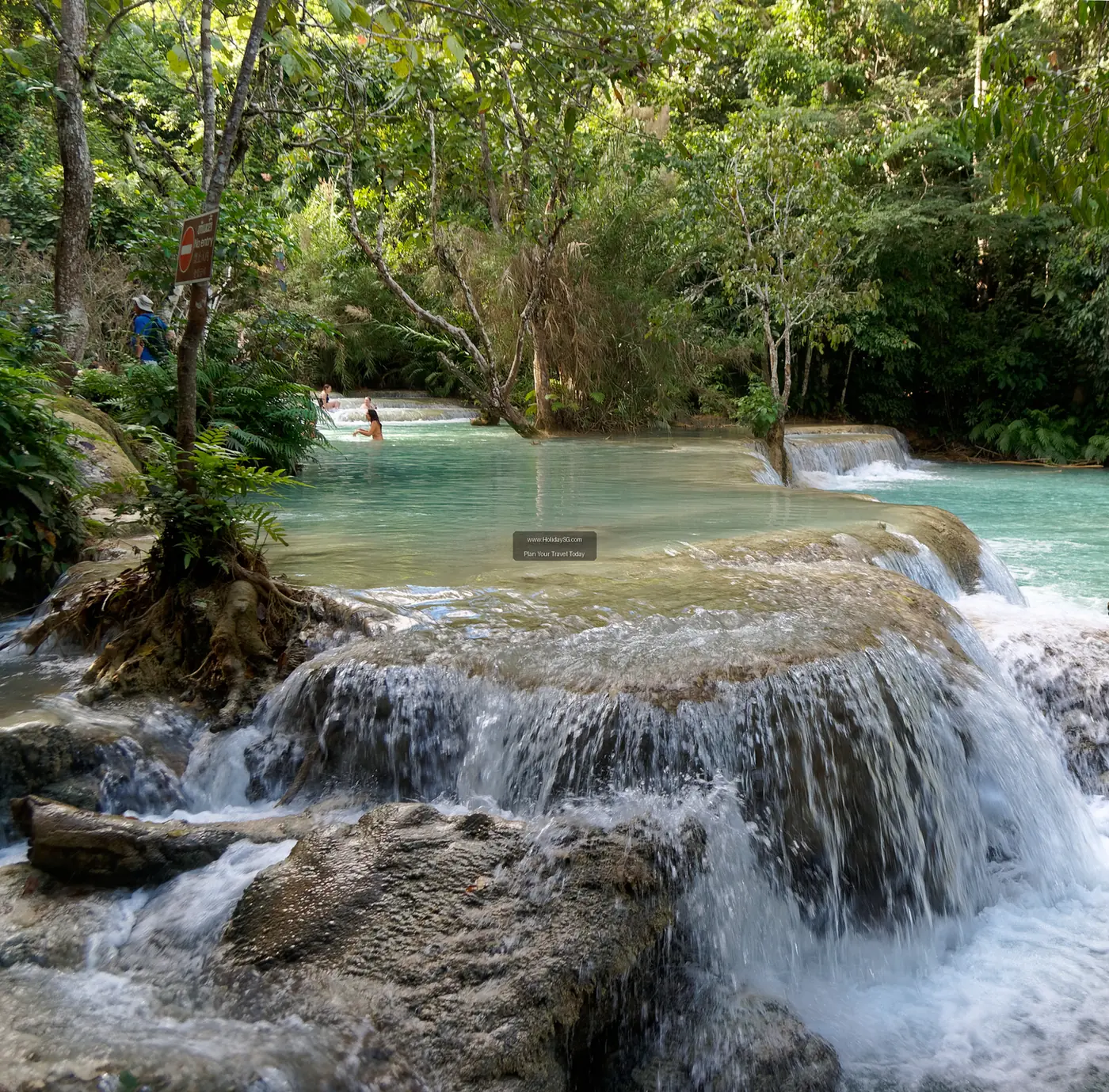
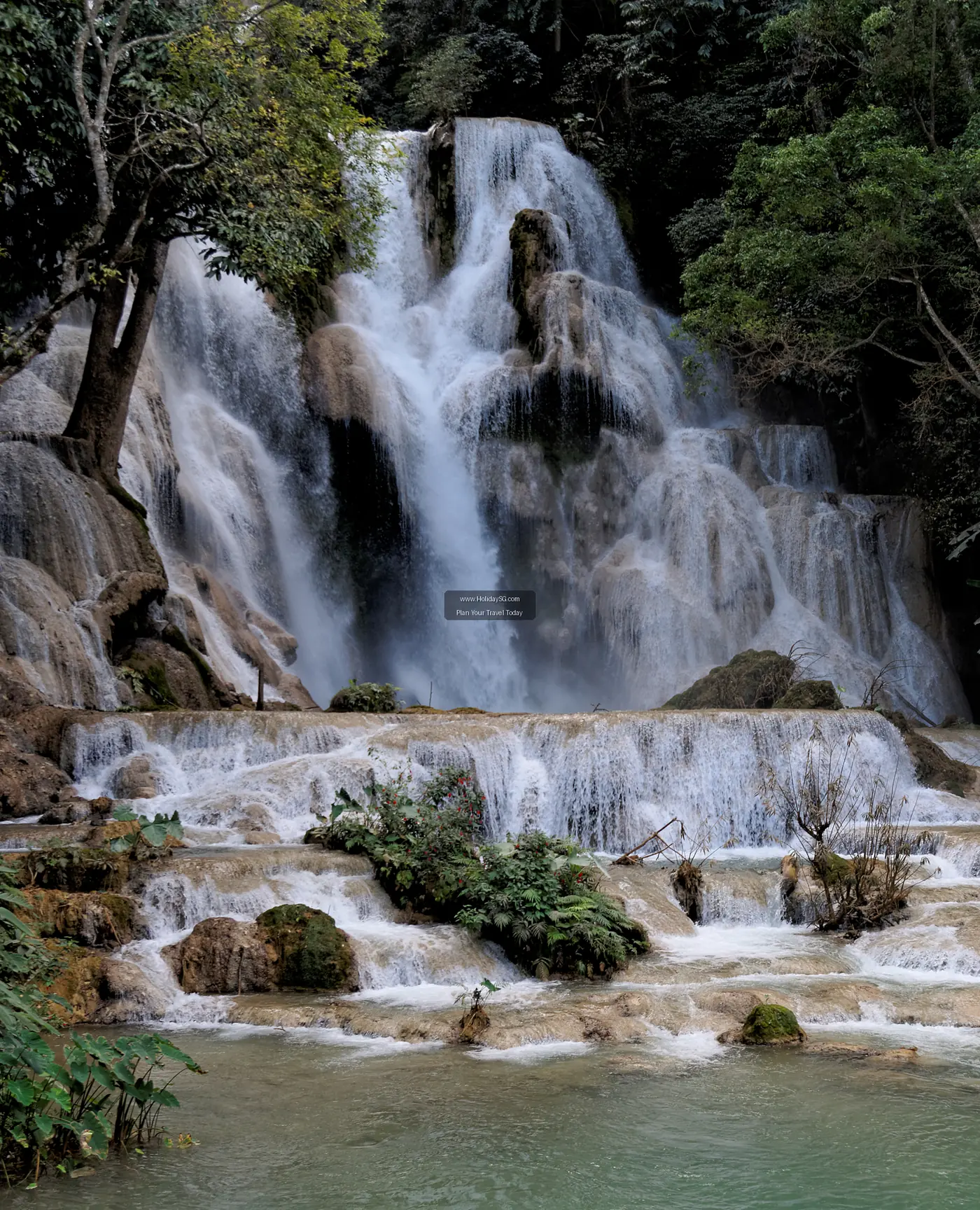
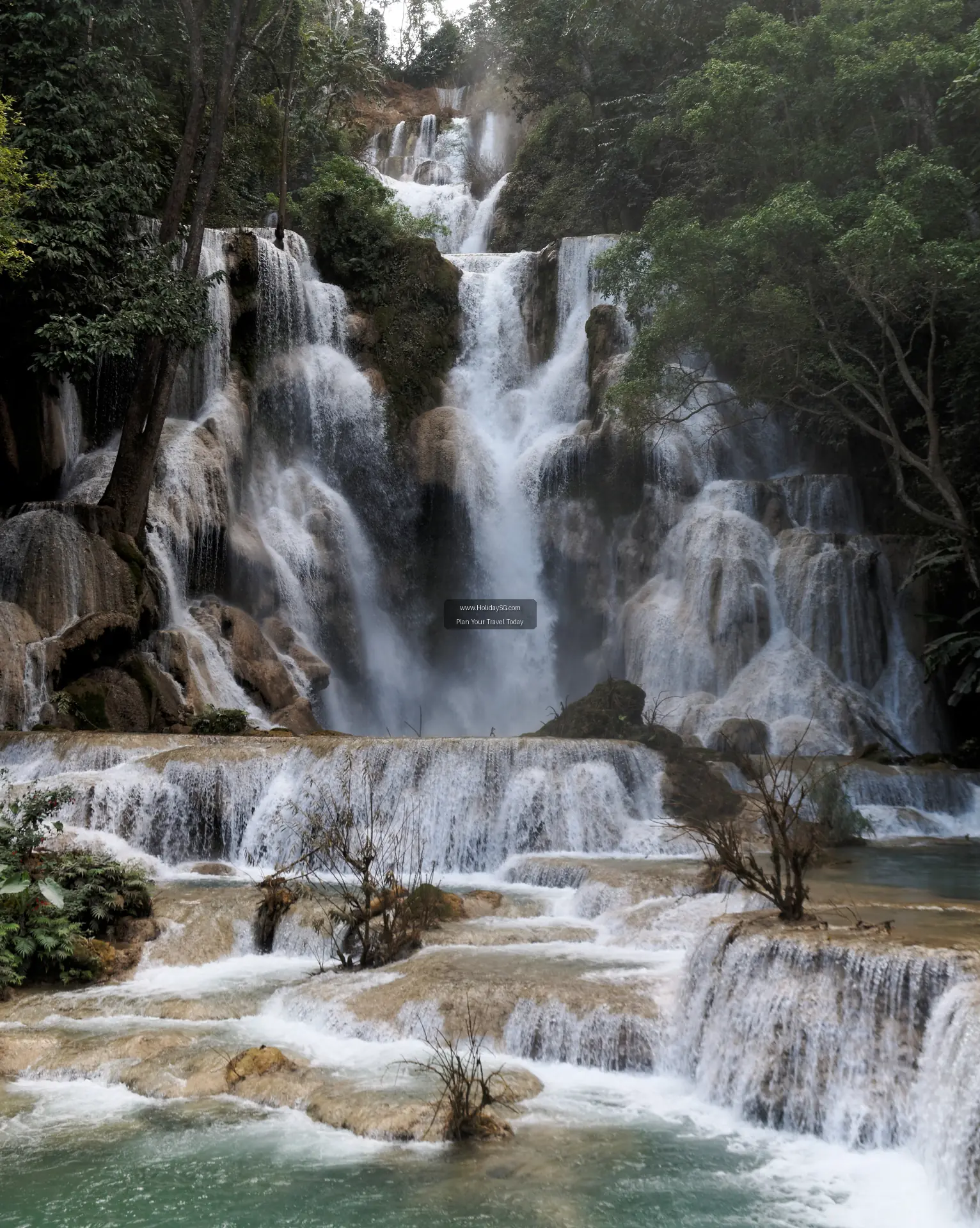
The peak season is also the most comfortable, with temperatures hovering between 15°C and 28°C. Mornings in Luang Prabang are crisp enough for a light jacket, while afternoons warm up just enough for a dip in Kuang Si Falls. This is the best time for trekking, cycling, and exploring the Plain of Jars without the hindrance of rain. However, expect higher prices and crowds, especially around Boun Ok Phansa (October/November), the end of Buddhist Lent, when locals celebrate with boat races and illuminated floats along the Mekong.
Hot and Dry (March–May):
Temperatures soar to 40°C in April, making this the least popular time to visit—unless you’re chasing waterfalls. The Bolaven Plateau’s cascades, like Tad Fane and Tad Yuang, are at their most impressive before the rainy season, and fewer tourists mean better deals on accommodation. If you can handle the heat, this is a great time to explore Vientiane’s temples or take a slow boat down the Mekong without the crowds.
Rainy Season (June–October):
Lush landscapes and dramatic skies make this a photographer’s dream, but some rural roads—particularly in the north—may become impassable. The upside? Lower prices, fewer tourists, and the chance to witness Boun Khao Padap Din, a festival honoring the dead, in August or September. If you’re planning to visit the 4,000 Islands, the Mekong’s higher water levels make boat travel easier, though some waterfalls may be less impressive.
Visa Requirements: What You Need to Know in 2026
Most travelers will need a visa to enter Laos, but the process is straightforward.
Visa on Arrival (VOA):
Available at international airports (Vientiane, Luang Prabang, Pakse) and most land borders, VOA costs USD 30–50 depending on your nationality. You’ll need:
- A passport with at least six months’ validity
- Two passport-sized photos (or a small fee to have them taken on-site)
- Cash in USD (small bills preferred; change is given in Lao kip)
E-Visa:
For a faster, hassle-free option, apply online via the official Laos e-visa website. The e-visa costs USD 50 (including a service fee) and is processed within three business days. It’s valid for 30 days and allows entry at major airports and some land borders. Pro tip: Print a copy of your e-visa approval to speed up immigration.
Visa Extensions:
If you fall in love with Laos and want to stay longer, extensions are possible at immigration offices in Vientiane, Luang Prabang, or Pakse. The cost is USD 3 per day, and you can extend for up to 30 days. Overstaying your visa incurs a USD 10 per day fine, so plan ahead.
Visa-Free Entry:
Citizens of ASEAN countries (e.g., Thailand, Vietnam, Malaysia) can enter Laos visa-free for 15–30 days, depending on nationality. Always check the latest requirements before traveling, as policies can change.
Top Destinations: Where to Go in Laos
Luang Prabang: The Cultural Jewel
Luang Prabang is the kind of place that makes you want to slow down. Nestled between the Mekong and Nam Khan rivers, this UNESCO-listed town is a blend of golden temples, French colonial architecture, and vibrant night markets. Start your day with the Tak Bat ceremony, where hundreds of saffron-robed monks walk barefoot through the streets collecting alms—a humbling sight best observed in silence.
Must-Do Experiences:
- Kuang Si Falls: A three-tiered waterfall with turquoise pools perfect for swimming. Don’t miss the Tat Kuang Si Bear Rescue Centre, home to Asiatic black bears saved from the illegal wildlife trade.
- Mount Phousi: Climb 328 steps for panoramic views of the town and Mekong River at sunset. The golden stupa at the summit is a popular spot for locals and travelers alike.
- Night Market: Stroll along Sisavangvong Road for handmade textiles, silver jewelry, and local snacks like khao jee (Lao baguette sandwiches) and sai oua (herbal sausage).
- Mekong River Cruise: A sunset cruise with a glass of lao-lao (rice whiskey) is the perfect way to unwind. For a deeper dive into local culture, book the Luang Prabang Evening Street Eats and Night Market Private Tour, which includes a guided walk through the market and a chance to sample authentic Lao dishes.
Hidden Gems:
- Traditional Arts and Ethnology Centre (TAEC): A small but fascinating museum showcasing Laos’ ethnic diversity.
- Ban Xang Khong: A riverside village known for its handmade paper and textiles. Stop by a workshop to see how mulberry bark is transformed into beautiful stationery.
Vientiane: The Laid-Back Capital
Vientiane is often overlooked in favor of Luang Prabang, but this riverside capital has its own charm. It’s a city where French baguettes are sold on street corners, and the pace of life is delightfully slow.
Key Sights:
- Pha That Luang: Laos’ most sacred monument, a gleaming golden stupa that symbolizes the country’s Buddhist heritage. Visit during Boun That Luang (November), a week-long festival with processions, fireworks, and traditional performances.
- Patuxai: Often called the “Arc de Triomphe of Laos,” this monument offers great views of the city from its rooftop. Climb the stairs for a small fee and enjoy the breeze.
- Buddha Park (Xieng Khuan): A surreal collection of concrete sculptures depicting Buddhist and Hindu deities, including a giant reclining Buddha. The park is about 25 km from the city center—hire a tuk-tuk or rent a bicycle to get there.
- COPE Visitor Centre: A sobering but important museum about Laos’ history of unexploded ordnance (UXO) and the ongoing efforts to clear them. Entry is free, but donations are appreciated.
Where to Eat:
- Kualao Restaurant: A local favorite for Lao cuisine, with dishes like larb (minced meat salad) and tam mak hoong (spicy green papaya salad).
- Le Banneton: A French bakery serving the best croissants in town—perfect for breakfast or a midday snack.
- Bor Pen Nyang: A riverside restaurant with live music and a menu of Lao and Western dishes. Try the ping kai (grilled chicken) with sticky rice.
Vang Vieng: Adventure and Scenic Beauty
Vang Vieng is a town that has reinvented itself. Once infamous for its backpacker party scene, it’s now a hub for outdoor adventures set against a backdrop of dramatic limestone karsts.
Adventure Activities:
- Tubing: Float down the Nam Song River on an inflatable tube, stopping at riverside bars for a cold Beerlao. The rapids are mild, making it suitable for beginners.
- Kayaking and Caving: Explore the Tham Nam and Tham Chang
- Hot Air Balloon Rides: For a bird’s-eye view of the landscape, book a sunrise balloon ride. The cost is around USD 100, but the views are worth every kip.
- Rock Climbing: Vang Vieng is one of Southeast Asia’s best rock-climbing destinations, with routes for all skill levels. Local guides can take you to spots like Pha Ngern Viewpoint, where you’ll climb to a stunning overlook.
Natural Wonders:
- Blue Lagoon: A series of turquoise pools fed by a waterfall, perfect for swimming and jumping off rope swings. The lagoon is about 7 km from town—rent a bicycle or take a tuk-tuk.
- Nam Xay Viewpoint: A challenging but rewarding hike to a viewpoint overlooking the karsts and rice paddies. Start early to avoid the midday heat.
Plain of Jars (Phonsavan): Ancient Mysteries
The Plain of Jars is one of Laos’ most enigmatic sites—a landscape dotted with thousands of ancient stone jars, some weighing several tons. Archaeologists believe the jars were used for burial rituals over 2,000 years ago, but their exact purpose remains a mystery.
What to See:
- Jar Sites 1, 2, and 3: The most accessible sites, located within an hour’s drive of Phonsavan. Site 1 is the largest, with over 300 jars spread across a hillside.
- UXO Museum: A sobering reminder of Laos’ history as the most bombed country per capita during the Vietnam War. The museum highlights the ongoing efforts to clear unexploded ordnance (UXO) and the impact on local communities.
- MAG (Mines Advisory Group) Visitor Centre: Learn about the work of this organization, which has cleared over 60,000 UXO in Laos since 1994.
Travel Tips:
- Stick to marked paths—UXO remains a risk in rural areas.
- Hire a local guide to learn about the history and legends of the jars. Many guides are former UXO clearance workers and can provide firsthand insights.
4,000 Islands (Si Phan Don): Island Paradise
The Mekong River widens dramatically in southern Laos, creating a labyrinth of islands known as Si Phan Don (Four Thousand Islands). This is the place to slow down, rent a hammock, and watch the river flow by.
Best Islands to Visit:
- Don Det: The backpacker hub, with cheap guesthouses, riverside bars, and a laid-back vibe. Rent a bicycle and explore the island’s dirt paths, stopping at viewpoints like Sunset Point.
- Don Khon: Home to the Khone Phapheng Falls, the largest waterfall in Southeast Asia by volume. The falls are a powerful sight, especially during the rainy season. Don Khon is also one of the best places in Laos to spot Irrawaddy dolphins—take a boat tour at dawn or dusk for the best chance of seeing them.
- Don Khong: The largest island in the archipelago, with a more local feel. Visit the Wat Phu Khao Keo temple and enjoy a meal at a riverside restaurant.
Top Experiences:
- Sunrise Dolphin Watching: Join a boat tour from Don Khon to see the rare Irrawaddy dolphins. The best time to go is early morning, when the water is calm.
- Cycling Around the Islands: Rent a bicycle and explore at your own pace. The islands are flat, making them ideal for cycling.
- Relaxing in a Hammock: The ultimate Si Phan Don experience. Many guesthouses have hammocks overlooking the Mekong—grab a book and a cold Beerlao, and let the hours slip away.
Bolaven Plateau: Waterfalls and Coffee
The Bolaven Plateau is a highland region in southern Laos known for its coffee plantations, ethnic minority villages, and stunning waterfalls.
Must-Visit Spots:
- Tad Fane and Tad Yuang Waterfalls: Two of Laos’ most impressive waterfalls, located within the Dong Hua Sao National Protected Area. Tad Fane is a twin waterfall that plunges 120 meters into a jungle gorge, while Tad Yuang is a series of cascading falls with swimming holes.
- Coffee Plantations: Laos is one of Southeast Asia’s top coffee producers, and the Bolaven Plateau is the heart of the industry. Visit a plantation to learn about the process from bean to cup and sample some of the world’s best Arabica and Robusta coffee.
- Ethnic Minority Villages: The plateau is home to several ethnic groups, including the Alak and Katu people. Visit a village to learn about their traditional way of life and purchase handmade textiles.
How to Get There:
The Bolaven Plateau is about 1–2 hours’ drive from Pakse, the largest city in southern Laos. You can rent a motorbike or hire a tuk-tuk for the day, or join a guided tour that includes stops at the waterfalls and coffee plantations.
Getting Around Laos: Transport Options
Laos’ transport network is basic but functional, with options to suit every budget and comfort level.
Domestic Flights:
Lao Airlines operates flights between Vientiane, Luang Prabang, Pakse, and Savannakhet, making it the fastest way to cover long distances. However, flights are limited and can be expensive (e.g., USD 100–150 for a one-way ticket from Vientiane to Luang Prabang). Book in advance, especially during peak season.
Buses and Minivans:
Buses are the most common way to get around Laos, with routes connecting all major towns and cities. VIP buses offer more comfort (reclining seats, air conditioning) and are worth the extra cost for long journeys (e.g., Vientiane to Luang Prabang, which takes 10–12 hours). Local buses are cheaper but slower, with frequent stops and basic facilities.
Minivans are a faster alternative to buses, but they’re often cramped and lack legroom. They’re best for short trips (e.g., Luang Prabang to Vang Vieng, which takes 4–5 hours).
Tuk-Tuks and Songthaews:
For short distances, tuk-tuks and songthaews (shared taxis) are the way to go. Always negotiate the fare before getting in, as drivers often quote higher prices to tourists. A typical tuk-tuk ride within a town costs USD 1–3, while a songthaew (which follows a set route) costs USD 0.50–1.
Boats:
The Mekong River is Laos’ lifeline, and boat travel is a scenic (if slow) way to get around. The most famous route is the slow boat from Huay Xai to Luang Prabang, a two-day journey that takes you through remote villages and stunning landscapes. The boats are basic (plastic chairs, no air conditioning), but the views make up for it. Speedboats are faster but less comfortable, with a higher risk of accidents.
For the 4,000 Islands, ferries and longtail boats connect the islands. A ferry from Don Det to Don Khon costs around USD 2, while a private longtail boat can be hired for USD 10–20.
Motorbikes and Bicycles:
Renting a motorbike is a great way to explore Laos at your own pace. Rental costs USD 10–20 per day, and you’ll need an International Driving Permit (IDP) with a motorcycle endorsement. Roads can be rough, especially in rural areas, so drive carefully and always wear a helmet.
Bicycles are ideal for exploring towns and islands. Many guesthouses rent them for USD 2–5 per day, and the flat terrain of places like Luang Prabang and the 4,000 Islands makes cycling a breeze.
Laos Travel Budget: Costs and Money-Saving Tips
Laos is one of Southeast Asia’s most affordable destinations, but costs can add up if you’re not careful. Here’s a breakdown of what to expect and how to save money.
Daily Budget Breakdown:
| Budget Level | Accommodation | Food | Transport | Activities | Total (per day) |
|---|---|---|---|---|---|
| Budget | Hostels (USD 5–10) | Street food (USD 2–5) | Local buses (USD 1–3) | Free/cheap (USD 5–10) | USD 20–40 |
| Mid-Range | Private rooms (USD 20–40) | Restaurants (USD 5–10) | Tuk-tuks, minivans (USD 5–10) | Tours (USD 10–20) | USD 50–100 |
| Luxury | Boutique hotels (USD 80+) | Fine dining (USD 15+) | Private transfers (USD 20+) | Guided tours (USD 30+) | USD 150+ |
Money-Saving Tips:
- Eat street food: Lao street food is delicious, cheap, and safe to eat. Try khao jee (Lao baguette sandwiches), sai oua (herbal sausage), and tam mak hoong (spicy green papaya salad) for just USD 1–2 per dish.
- Use local transport: Buses and songthaews are much cheaper than private taxis or flights. For example, a VIP bus from Vientiane to Luang Prabang costs USD 15–20, while a flight costs USD 100+.
- Travel in shoulder season: Prices drop between March–May and September–October, and you’ll avoid the crowds of peak season.
- Bargain politely: Haggling is expected in markets and with tuk-tuk drivers, but always do it with a smile. Start at 50% of the asking price and meet in the middle.
- Stay in guesthouses: Family-run guesthouses offer a more authentic experience than hotels and often include breakfast.
Currency and Payments:
- Lao Kip (LAK): The official currency, with 1 USD ≈ 18,000–20,000 LAK. Prices are often quoted in both kip and USD, but you’ll get a better deal paying in kip.
- USD widely accepted: Small bills (USD 1, 5, 10, 20) are preferred, and change is usually given in kip. Avoid torn or damaged USD notes, as they may not be accepted.
- ATMs: Available in cities and larger towns, but withdrawal fees (USD 3–5 per transaction) add up. Withdraw larger amounts to minimize fees.
- Credit cards: Accepted in hotels, restaurants, and some shops in tourist areas, but always carry cash for markets, buses, and rural areas.
Health, Safety, and Cultural Etiquette
Laos is a safe and welcoming country, but it’s important to take precautions and respect local customs.
Health and Vaccinations:
- Recommended vaccines: Hepatitis A and B, typhoid, and tetanus. If you’re visiting rural areas, consider malaria prophylaxis (e.g., Malarone or doxycycline).
- Drink bottled or filtered water: Tap water is unsafe to drink. Stick to bottled water, and avoid ice in drinks unless you’re sure it’s made from filtered water.
- Mosquito protection: Dengue fever is a risk, especially during the rainy season. Use DEET-based repellent, wear long sleeves and pants in the evening, and sleep under a mosquito net if your accommodation doesn’t have screens.
- Food safety: Street food is generally safe, but choose stalls with high turnover and avoid raw or undercooked dishes.
Safety Tips:
- Petty theft: Rare but not unheard of, especially in Vientiane. Keep valuables secure and avoid flashing expensive items like cameras or jewelry.
- Unexploded ordnance (UXO): Laos is the most bombed country per capita in history, and UXO remains a risk in rural areas, particularly in Xieng Khouang Province (Plain of Jars). Stick to marked paths, and never touch suspicious objects.
- Road safety: Road accidents are a leading cause of death in Laos. Avoid night buses, wear a helmet if renting a motorbike, and be cautious on poorly maintained roads.
- Solo female travel: Laos is generally safe for solo female travelers, but dress modestly and avoid walking alone at night in remote areas. Use common sense, and trust your instincts.
Cultural Etiquette:
- Dress modestly: Cover your shoulders and knees when visiting temples or religious sites. This shows respect and helps you blend in with locals.
- Remove shoes: Always take off your shoes before entering homes, temples, and some shops.
- Avoid touching heads: The head is considered sacred in Lao culture, so never touch someone’s head (even playfully).
- Don’t point your feet: Feet are considered the lowest and dirtiest part of the body. Avoid pointing your feet at people or Buddha images.
- Alms-giving (Tak Bat): If you choose to observe or participate in the morning alms-giving ceremony in Luang Prabang, do so respectfully. Dress modestly, keep a respectful distance, and never take flash photos.
Internet and Connectivity
Staying connected in Laos is easier than ever, but speeds and coverage vary.
Wi-Fi:
Most hotels, guesthouses, and restaurants in tourist areas offer free Wi-Fi, but speeds can be slow, especially in rural areas. If you’re working remotely, consider staying in a co-working space like The Office in Luang Prabang or Pakse’s Coworking Space.
Local SIM Cards:
For reliable data on the go, buy a local SIM card. The best providers are Unitel and Lao Telecom, with coverage in most towns and cities. SIM cards cost USD 1–2, and data packages start at USD 5 for 1–2GB. You’ll need your passport to purchase a SIM.
For a hassle-free option, consider an eSIM like the Laos Unlimited Data 4G/5G eSIM, which you can activate before you arrive. This is especially useful if you’re arriving late or don’t want to deal with buying a physical SIM.
VPN:
Some websites (e.g., Facebook, YouTube) may be blocked or slow in Laos. A VPN can help you bypass these restrictions and protect your privacy.
Frequently Asked Questions (FAQs)
Is Laos safe for solo female travelers?
Yes, Laos is generally safe for solo female travelers, but it’s important to take precautions. Dress modestly, avoid walking alone at night in remote areas, and trust your instincts. Petty theft is rare, but keep valuables secure. Solo female travelers often report feeling safe and welcomed in Laos, especially in smaller towns and villages.
How many days do I need for Laos?
- 7–10 days: Enough to see the highlights, such as Luang Prabang, Vang Vieng, Vientiane, and the 4,000 Islands.
- 2+ weeks: Ideal for a deeper exploration, including Bolaven Plateau, Plain of Jars, and remote villages. If you have the time, consider combining Laos with a trip to Northern Thailand or Vietnam.
Can I use USD in Laos?
Yes, USD is widely accepted in tourist areas, but it’s best to carry small bills (USD 1, 5, 10, 20). Change is usually given in Lao kip, so don’t expect to get USD back. For the best exchange rates, withdraw kip from ATMs or exchange money at licensed exchange counters (avoid street money changers).
Is Laos expensive?
No, Laos is one of Southeast Asia’s cheapest destinations. A budget traveler can get by on USD 20–40 per day, while mid-range travelers can enjoy private rooms, tours, and restaurant meals for USD 50–100 per day. Even luxury travelers can find boutique hotels and guided tours for USD 150+ per day, which is still affordable compared to other destinations in the region.
What’s the food like in Laos?
Lao cuisine is flavorful, fresh, and often spicy. Must-try dishes include:
- Larb: A minced meat salad (usually chicken, pork, or fish) flavored with lime, fish sauce, and chili. Vegetarian versions are made with mushrooms or tofu.
- Tam mak hoong: Spicy green papaya salad, a Lao staple. The dish is pounded in a mortar and pestle with chili, lime, fish sauce, and fermented crab (ask for it without crab if you’re vegetarian).
- Khao piak sen: A comforting noodle soup made with thick rice noodles, chicken or pork, and herbs.
- Sai oua: Lao sausage, made with pork, lemongrass, galangal, and kaffir lime leaves. It’s often grilled and served with sticky rice.
- Khao jee: A Lao-style baguette sandwich, a legacy of French colonialism. Fillings include pâté, ham, and pickled vegetables.
Vegetarian options are available, especially in Buddhist-influenced areas. Ask for jay (vegetarian) dishes, and be clear about your dietary preferences, as fish sauce is a common ingredient.
Do I need a visa for Laos?
Most travelers need a visa to enter Laos. Visa on arrival (VOA) is available for USD 30–50, depending on your nationality, and requires a passport photo. Alternatively, apply for an e-visa online for USD 50, which is faster and more convenient. Always check the latest requirements before traveling, as policies can change.
Recommended HolidaySG Tours
- Luang Prabang Evening Street Eats and Night Market Private Tour
- Luang Prabang Morning Foodie Walking Monk Blessing
- Luang Prabang Local Villages Full Day Private Tour
- Laos Unlimited Data 4G/5G eSIM
Final Tips for an Amazing Laos Trip
- Pack light: Laos’ transport options (buses, boats, tuk-tuks) are tight on space, so a 40L backpack is ideal. Include lightweight, breathable clothing, a rain jacket, and comfortable walking shoes.
- Learn basic Lao phrases: Locals appreciate the effort, even if your pronunciation isn’t perfect. Start with:
- Sabaidee (Hello)
- Khop jai (Thank you)
- Tao dai? (How much?)
- Baw pen nyang (No problem)
- Respect local customs: Dress modestly, remove your shoes before entering temples, and avoid public displays of affection.
- Be flexible: Transport delays are common, so build buffer time into your itinerary. Embrace the “Lao time” mentality—things move slowly, and that’s part of the charm.
- Support local businesses: Buy handicrafts from markets, eat at family-run restaurants, and book tours with local guides. Your money goes further and directly benefits the community.
Conclusion
Laos is a destination that stays with you long after you’ve left. It’s a place where golden temples glow at sunrise, waterfalls cascade into turquoise pools, and the Mekong River carries stories of ancient kingdoms and modern resilience. Whether you’re trekking through misty mountains, exploring mysterious jar sites, or simply lounging in a hammock on a quiet island, Laos offers a travel experience that’s as enriching as it is unforgettable.
This Laos travel guide 2026 has given you the tools to plan your adventure—from visa tips and budget advice to hidden gems and cultural etiquette. Now, it’s time to take the next step. Ready to explore? Stay connected with our Laos Unlimited Data 4G/5G eSIM and start your journey today!
Book these with HolidaySG:
Book with HolidaySG online for Laos Unlimited Data 4g5g Esim, Airalo Laos E Sim Package, Luang Prabang Evening Street Eats And Night Market Private Tour.
More Photos from HolidaySG
“`html
Book with HolidaySG online for Laos Unlimited Data 4g5g Esim, Airalo Laos E Sim Package, Trekking Longlao To Kuang Si Falls Full Day Private Tour.
Book these with HolidaySG:
Frequently Asked Questions
Where can I book this / what’s the link?
- For a full-day trek from Longlao to Kuang Si Falls: Trekking Longlao To Kuang Si Falls Full Day Private Tour
- For a private cultural discovery tour including alms giving and Kuang Si Waterfall: Luang Prabang Private Cultural Discovery With Alms Giving Museum And Kuang
- For an evening food tour and night market experience: Luang Prabang Evening Street Eats And Night Market Private Tour
- For a morning food tour with a monk blessing: Luang Prabang Morning Foodie Walking Monk
- For a full-day tour of local villages: Luang Prabang Local Villages Full Day Private Tour
- For a Mekong fishing experience at Kuang Si Falls: Mekong Fishing Experience Kuang Si Falls