

Laos travel guide 2026 — magazine-quality local detail is exactly what this guide covers.
Laos is Southeast Asia’s best-kept secret—a land of misty mountains, golden temples, and the mighty Mekong River flowing through untouched landscapes. Unlike its more touristy neighbors, Laos offers a slower pace, rich cultural traditions, and a sense of adventure that feels lost elsewhere in the region. This Laos Travel Guide 2026 delivers magazine-quality local detail to help you plan an unforgettable trip, whether you’re a backpacker chasing waterfalls, a luxury traveler seeking boutique stays, or a culture enthusiast drawn to ancient traditions.
TL;DR: Laos is a hidden gem for travelers who value authenticity, natural beauty, and a slower pace. Visit between November and February for the best weather, secure your visa in advance (or on arrival), and explore highlights like Luang Prabang’s temples, Vang Vieng’s adventures, and the serene 4,000 Islands. Budget wisely—Laos is affordable but requires cash—and immerse yourself in local customs for a richer experience.

When to Go: Weather, Festivals, and Crowds
Laos’ climate is defined by three distinct seasons, each offering a different flavor of travel. The cool and dry season (November–February) is the most popular time to visit, with temperatures ranging from 15°C to 28°C—perfect for exploring temples, hiking, and river cruises. This is peak tourist season, so book accommodations early, especially around major festivals like Boun Ok Phansa (October/November), which marks the end of Buddhist Lent with illuminated boat processions, and Boun That Luang (November), a vibrant religious festival in Vientiane.
If you prefer fewer crowds and don’t mind the heat, March to May brings scorching temperatures (up to 40°C) but also unique experiences like Pi Mai Lao (Lao New Year in April), where water fights and street parties take over the country. This is also the best time for waterfall visits, as the Mekong River levels are low, revealing hidden sandbars and making river cruises more scenic.
The rainy season (June–October) transforms Laos into a lush, green paradise, with fewer tourists and lower prices. While some rural roads may become impassable, this is the ideal time for photographers and budget travelers. The landscapes are at their most vibrant, and the rain usually comes in short, intense bursts, leaving plenty of time for exploration. Just be prepared for occasional delays in transport, especially to remote areas like the 4,000 Islands.
Visa Requirements: What You Need to Know in 2026
Most travelers to Laos will need a visa, but the process is straightforward. Visa on Arrival (VOA) is available at major land borders (like the Thai-Lao Friendship Bridge) and international airports (Wattay in Vientiane and Luang Prabang). The cost ranges from USD 30–50, depending on your nationality, and you’ll need a passport with at least six months’ validity, two passport-sized photos, and an arrival/departure form (usually provided on the spot).
For a hassle-free entry, consider applying for an e-visa before your trip. The cost is USD 40–50, and processing takes about three business days. Check the official e-visa website for eligible nationalities and updates. ASEAN nationals enjoy visa exemptions for stays of 14–30 days, but always verify the latest rules before traveling.
If you plan to extend your stay, visit immigration offices in Vientiane or Luang Prabang—extensions cost USD 3–5 per day. Overstaying can result in fines or even a ban from re-entering, so plan ahead.
Top Destinations: Where to Go in Laos
Luang Prabang: The Cultural Jewel
Luang Prabang is Laos’ crown jewel—a UNESCO-listed town where golden temples, French colonial architecture, and the Mekong River create a postcard-perfect setting. Start your day with the alms-giving ceremony (Tak Bat), where hundreds of saffron-robed monks walk silently through the streets at dawn. It’s a humbling experience, but remember to observe respectfully—dress modestly, keep your distance, and never touch the monks.
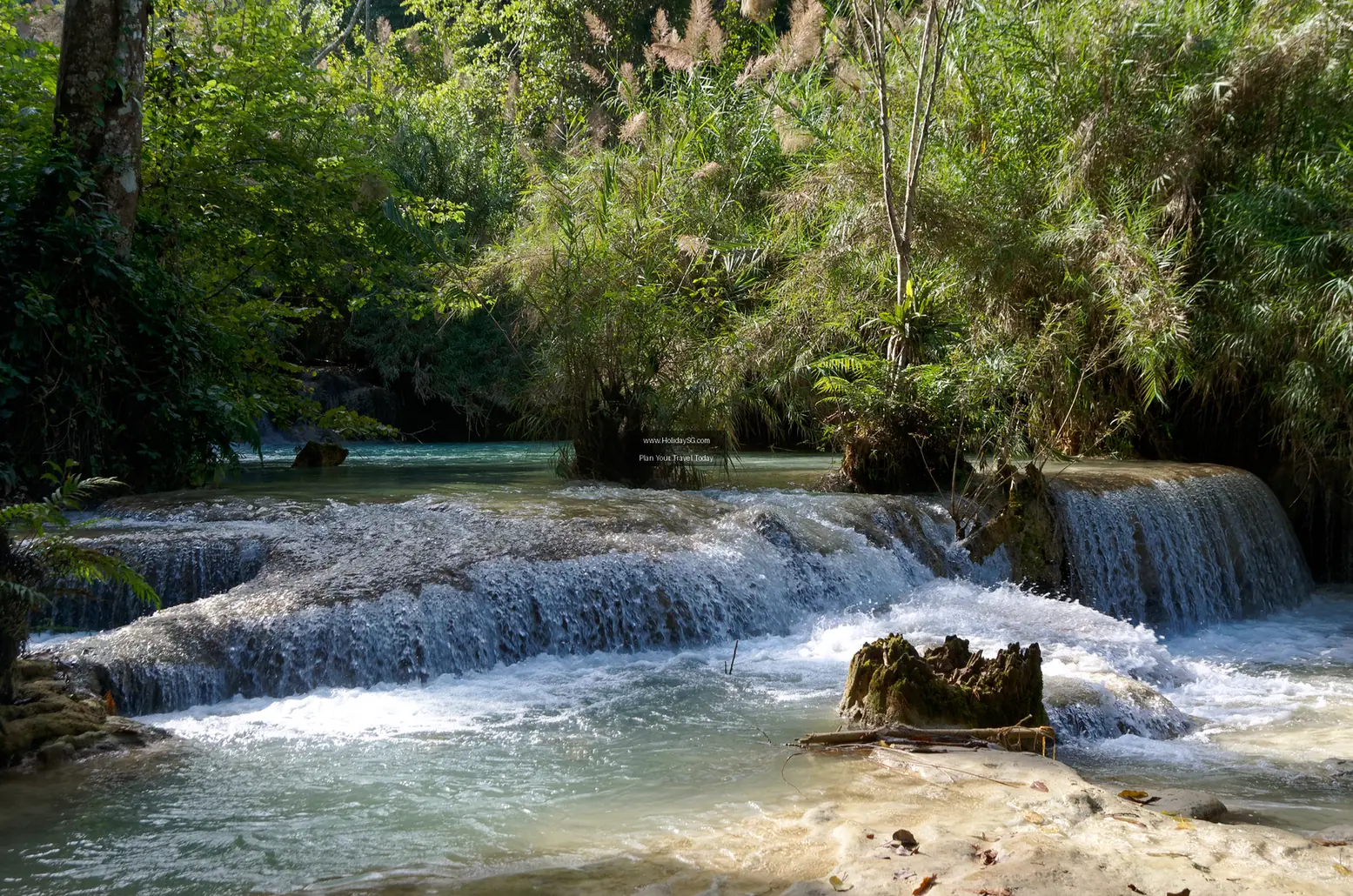
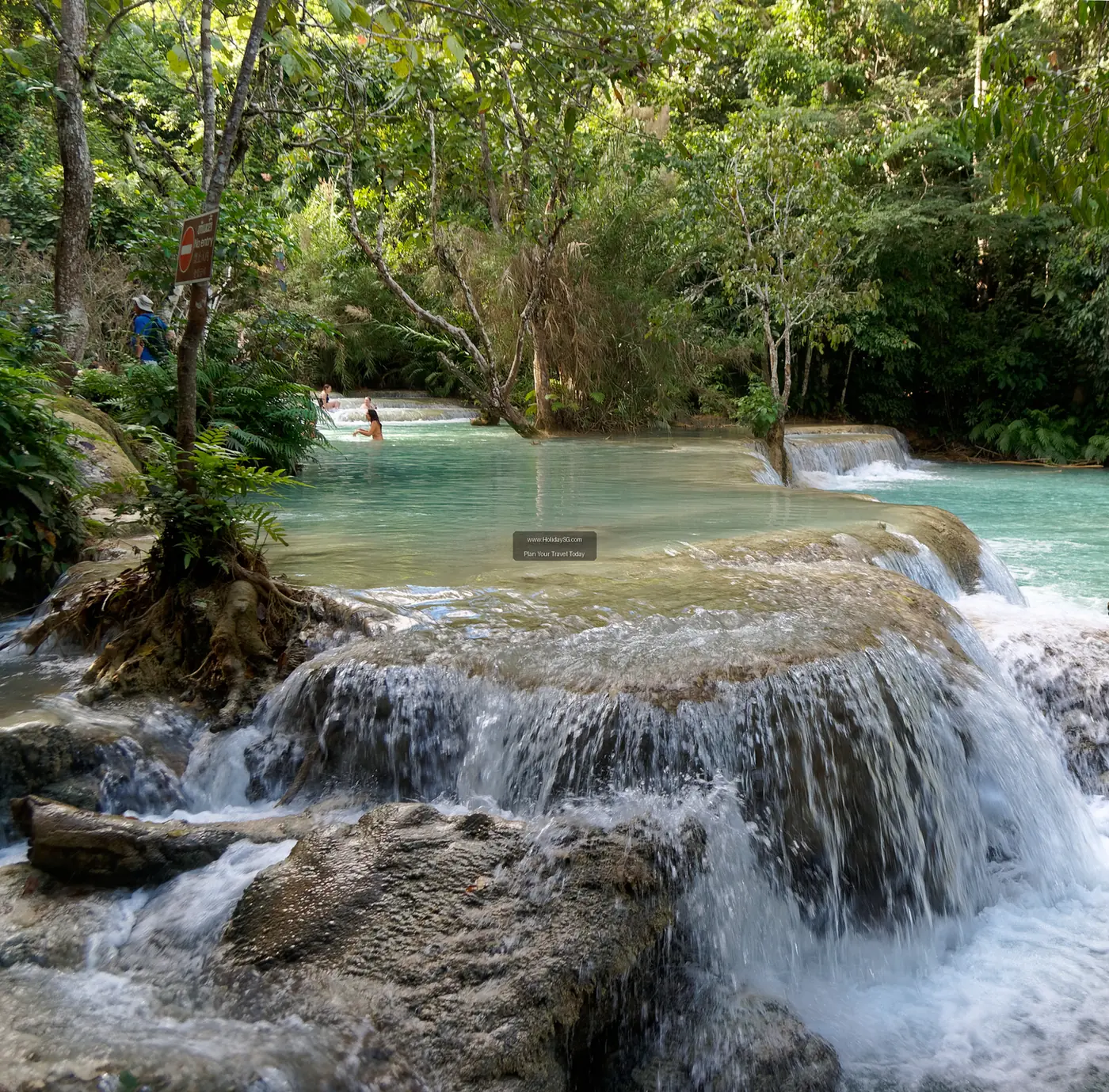
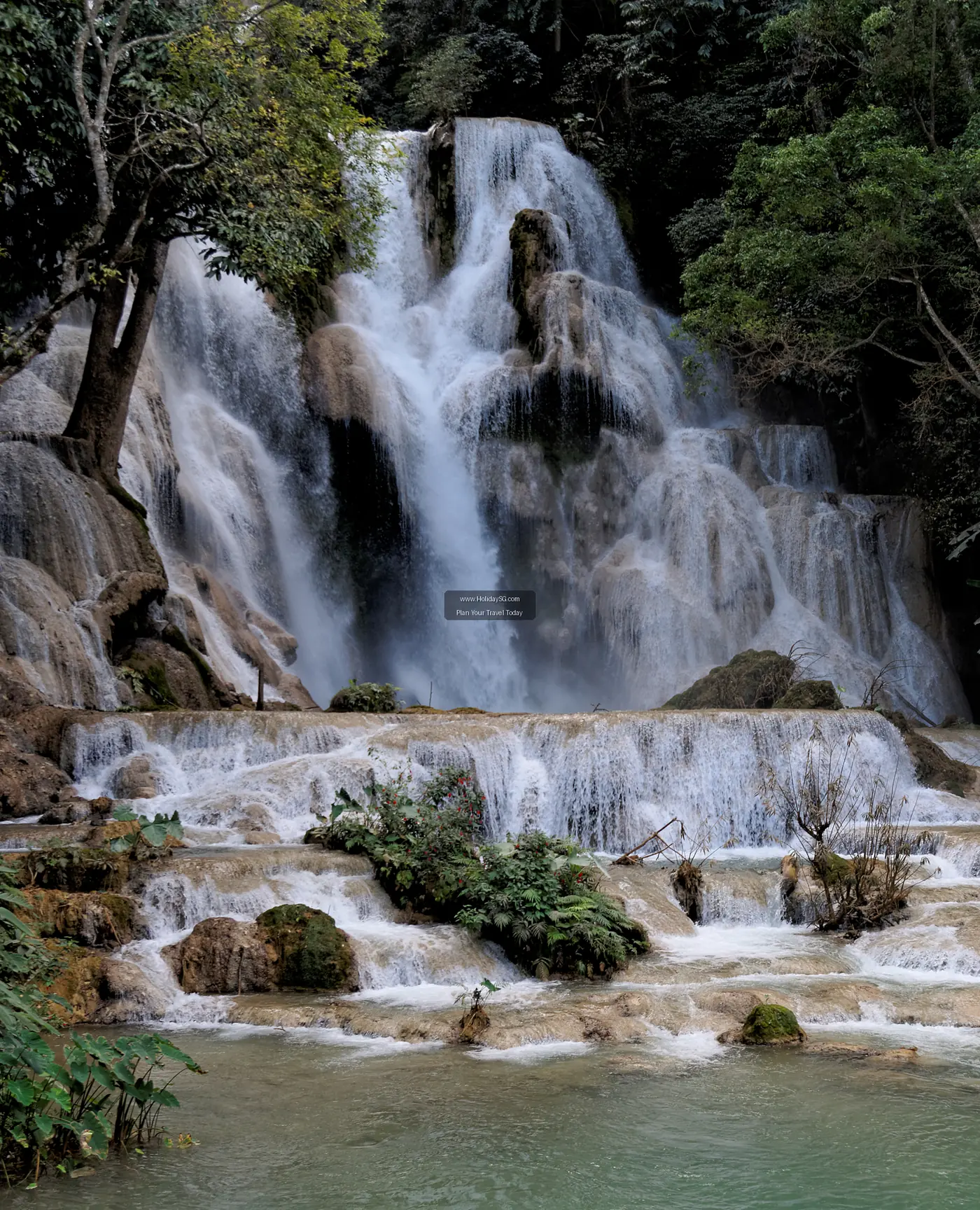
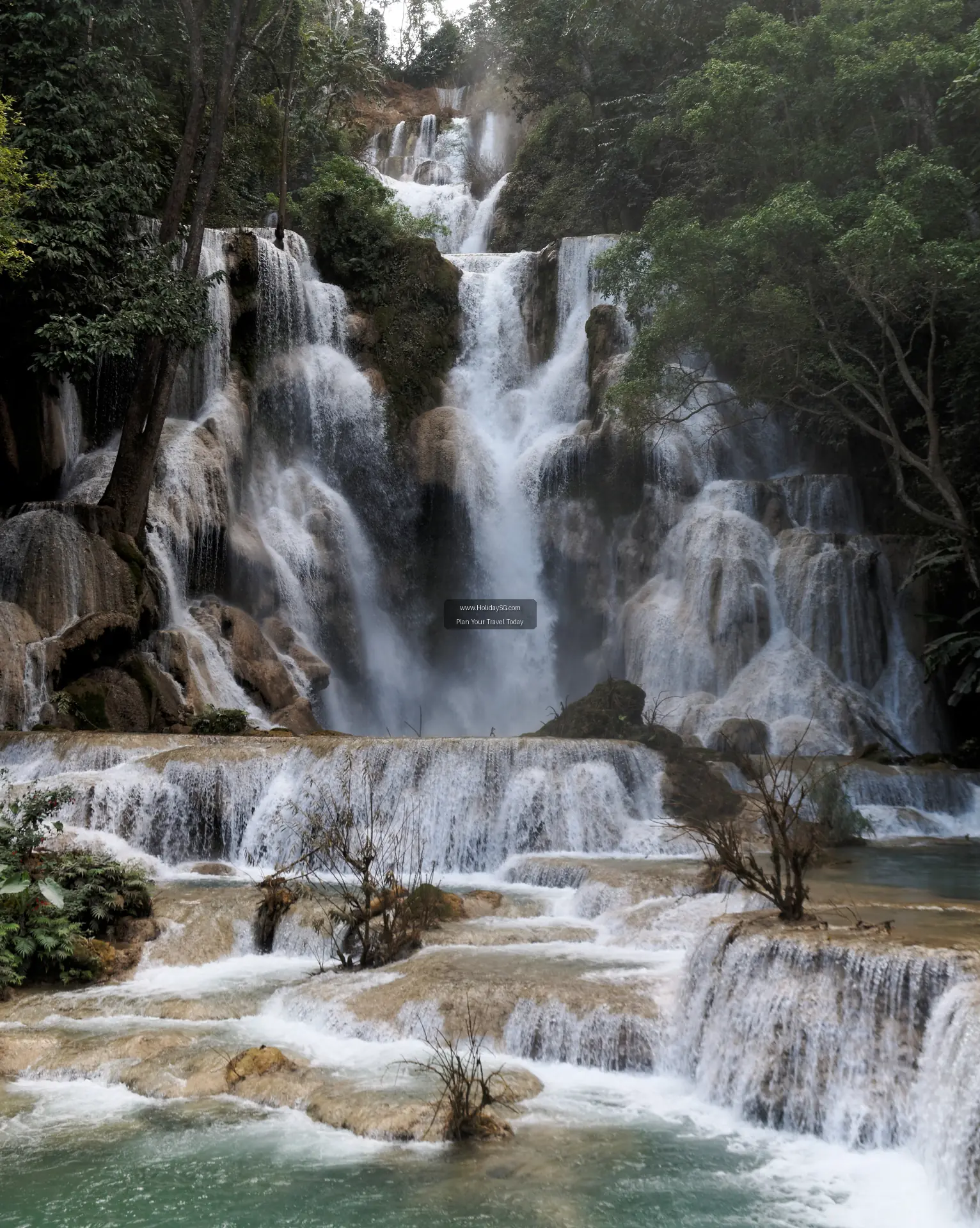
No visit to Luang Prabang is complete without a trip to Kuang Si Falls, a series of turquoise cascades surrounded by lush jungle. Swim in the cool pools, visit the nearby bear rescue center, or hike to the top for panoramic views. For a deeper dive into local culture, join a Luang Prabang Local Villages Full Day Private Tour to explore traditional craft villages and learn about rural life.
At sunset, climb Mount Phousi for breathtaking views over the Mekong and Nam Khan rivers, then wander the night market for handmade textiles, silver jewelry, and street food. Try khao soi (coconut curry noodles) or sai oua (Lao sausage)—just avoid the infamous “happy” shakes unless you’re certain of the ingredients.
Vientiane: The Laid-Back Capital
Vientiane may be Laos’ capital, but it feels more like a sleepy riverside town than a bustling metropolis. The city’s most iconic landmark is Pha That Luang, a golden stupa that gleams in the sunlight and serves as the country’s national symbol. Nearby, Patuxai—often called the “Arc de Triomphe of Laos”—offers panoramic city views from its observation deck.
For a surreal experience, visit Buddha Park (Xieng Khuan), a whimsical collection of sculptures blending Buddhist and Hindu mythology. The COPE Visitor Center is another must-visit, offering a sobering look at Laos’ history of unexploded ordnance (UXO) and the ongoing efforts to clear landmines.
Vang Vieng: Adventure and Scenic Beauty
Vang Vieng is Laos’ adventure playground, where karst mountains, the Nam Song River, and a thriving backpacker scene collide. Once infamous for its wild tubing parties, the town has reinvented itself as a hub for eco-friendly activities. Float down the river on a tube (stick to licensed operators), soar above the landscape in a hot air balloon, or explore Tham Chang Cave, a limestone cavern with a hidden lagoon.
For a unique perspective, visit the Blue Lagoon, a series of swimming holes and zip lines surrounded by jungle. Opt for eco-friendly operators to minimize your impact on the environment.
Plain of Jars (Phonsavan): Ancient Mysteries
The Plain of Jars is one of Laos’ most enigmatic attractions—a landscape dotted with thousands of ancient stone jars, some weighing several tons. The jars, believed to be over 2,000 years old, are shrouded in mystery, with theories ranging from burial urns to giant rice storage containers. Visit Jar Sites 1, 2, and 3 (the most accessible) and hire a local guide to navigate the area safely—UXO (unexploded ordnance) remains a risk in some parts.
The UXO Museum and MAG Visitor Center in Phonsavan provide eye-opening insights into the country’s landmine problem and the ongoing clearance efforts. It’s a humbling reminder of Laos’ turbulent history.
4,000 Islands (Si Phan Don): Island Paradise
Escape to the 4,000 Islands, a serene archipelago in the Mekong River where time slows to a crawl. Don Det is the backpacker hub, with rustic bungalows, sunset bars, and cycling trails. Rent a bike and explore the island’s dirt paths, or take a boat tour to spot rare Irrawaddy dolphins (best at dawn or dusk).
For a quieter experience, head to Don Khon or Don Som, where water buffalo graze along the riverbanks and traditional villages offer a glimpse into rural life. Don’t miss Khone Phapheng Falls, the “Niagara of Asia,” where the Mekong roars over a series of cascades.
Bolaven Plateau: Coffee, Waterfalls, and Ethnic Villages
The Bolaven Plateau is Laos’ agricultural heartland, famous for its coffee plantations, waterfalls, and ethnic minority villages. Sample a cup of café Lao—Laos’ strong, sweet coffee—at a roadside stall or visit a plantation to learn about the production process.
The plateau is also home to some of Laos’ most stunning waterfalls, including Tad Fane (a twin cascade plunging into a jungle gorge) and Tad Yuang (a series of terraced falls). For a cultural experience, visit the villages of the Katu, Alak, or Ta-Oy people, where traditional weaving and basket-making are still practiced.
Getting Around Laos: Transport Options
Laos’ transport network is basic but functional, with options to suit every budget and travel style.
Domestic Flights
Lao Airlines operates limited domestic routes, including Vientiane–Luang Prabang, Vientiane–Pakse, and Luang Prabang–Pakse. Flights are convenient but pricey (USD 80–150 one-way), so book in advance for the best deals.
Buses: The Backbone of Lao Travel
Buses are the most common way to get around Laos, with options ranging from VIP buses (comfortable, air-conditioned, and relatively fast) to local buses (cheap but slow and crowded). Minivans are a popular alternative for shorter routes, like Vientiane–Vang Vieng, but they can be cramped.
For hassle-free bookings, use HolidaySG or local travel agencies. Overnight buses are a great way to save time and money, but bring a jacket—air conditioning can be very cold.
Slow Boats: The Classic Mekong Experience
One of Laos’ most iconic experiences is the slow boat journey from Huay Xai to Luang Prabang, a two-day trip along the Mekong River. The boats are basic (think wooden benches and limited legroom), but the scenery—misty mountains, riverside villages, and golden temples—is unforgettable. Bring snacks, sunscreen, and a jacket for chilly mornings.
Local Transport: Tuk-Tuks, Songthaews, and Motorbikes
For short distances, tuk-tuks and songthaews (shared taxis) are the way to go. Negotiate prices upfront, as drivers often overcharge tourists. In Luang Prabang, a songthaew to Kuang Si Falls costs around USD 5–10 per person.
If you’re an experienced rider, motorbike rentals (USD 10–20/day) offer the freedom to explore at your own pace. Just be cautious—Laos’ roads can be rough, and police checkpoints are common. Always wear a helmet and check your insurance coverage.
Laos Travel Budget: Costs and Money-Saving Tips
Laos is one of Southeast Asia’s most affordable destinations, but costs vary depending on your travel style.
Daily Budget Breakdown
| Category | Budget (USD) | Mid-Range (USD) | Luxury (USD) |
|---|---|---|---|
| Accommodation | $5–15 (hostels) | $25–60 (guesthouses) | $100+ (boutique hotels) |
| Food | $3–10 (street food) | $10–25 (restaurants) | $30+ (fine dining) |
| Transport | $2–10 (local buses) | $15–30 (VIP buses) | $50+ (private drivers) |
| Activities | $5–20 (temples, waterfalls) | $20–50 (tours, guides) | $100+ (private experiences) |
| Total per day | $20–40 | $50–100 | $150+ |
Money-Saving Tips
- Eat like a local: Street food stalls offer delicious and cheap meals, like khao piak sen (noodle soup) or tam mak hoong (papaya salad).
- Bargain politely: Markets (like Luang Prabang’s night market) expect haggling, but keep it friendly.
- Travel off-season: Prices drop during the rainy season (June–October), and crowds thin out.
- Use local transport: Songthaews and local buses are dirt cheap—just be prepared for delays.
- Support local businesses: Buy handicrafts from night markets and eat at family-run restaurants.
Currency and Payments
Laos’ primary currency is the Lao Kip (LAK), but USD is widely accepted (small bills preferred). Exchange rates hover around USD 1 ≈ 20,000–22,000 LAK in 2026. ATMs are available in cities, but withdrawal fees (USD 2–5) and low limits (USD 200–300 per transaction) can add up. Credit cards are rarely accepted outside upscale hotels and restaurants, so carry cash for most purchases.
Cultural Etiquette: Dos and Don’ts in Laos
Laos is a deeply Buddhist country, and respecting local customs will enrich your experience.
Dos
- Dress modestly: Cover your shoulders and knees when visiting temples or rural villages.
- Remove your shoes: Before entering homes, temples, and some shops.
- Greet with a nop: Press your palms together in a prayer-like gesture and say “sabaidee” (hello).
- Ask permission: Before photographing locals, especially ethnic minorities.
Don’ts
- Touch someone’s head: It’s considered sacred in Lao culture.
- Point your feet: At people, Buddha images, or objects—feet are seen as the lowest (and dirtiest) part of the body.
- Raise your voice: Lao people value jai yen (“cool heart”), so stay calm and patient.
- Public displays of affection: Holding hands is fine, but kissing in public is frowned upon.
Language Basics
While English is spoken in tourist areas, learning a few Lao phrases will go a long way:
- Hello: Sabaidee (sa-bai-dee)
- Thank you: Khop jai (kop jai)
- How much?: Tao dai? (tao dai?)
- Delicious: Sep lai lai (sep lai lai)
- Cheers!: Tham jai! (tam jai!) (when drinking Beerlao)
Health and Safety in Laos
Laos is generally safe for travelers, but taking precautions will ensure a smooth trip.
Health Precautions
- Vaccinations: Consult a travel clinic for recommended vaccines, including Hepatitis A/B, typhoid, and tetanus. Malaria prophylaxis is advised for rural areas.
- Food and water: Stick to bottled or boiled water and avoid ice in drinks from street vendors. Eat freshly cooked, hot food to minimize the risk of foodborne illnesses.
- Travel insurance: Essential—medical evacuation can cost USD 10,000+, and many hospitals require upfront payment.
Safety Tips
- Petty theft: Rare but not unheard of. Keep valuables secure and use hotel safes.
- Scams: Overcharging in tuk-tuks and fake tour operators are common. Book through reputable agencies and negotiate prices upfront.
- Nighttime safety: Avoid unlit areas, especially for solo female travelers. Stick to well-reviewed hostels and guesthouses.
- Road safety: Wear a helmet if renting a motorbike, and be cautious of reckless drivers.
Internet and Connectivity
Staying connected in Laos is easier than ever, but speeds can be slow outside major cities.
Wi-Fi and SIM Cards
- Wi-Fi: Available in most guesthouses, hotels, and cafes, but speeds vary.
- Local SIM cards: Buy from Unitel, Lao Telecom, or Beeline at airports or official stores. A USD 5–10 SIM gives you 1–2 weeks of data. For seamless connectivity, consider an Laos Unlimited Data 4G/5G eSIM before your trip.
Useful Apps
- Maps.me (offline maps)
- Google Translate (download the Lao language pack)
- HolidaySG (bus and train bookings)
- Grab (ride-hailing, limited to Vientiane and Luang Prabang)
- XE Currency (exchange rate tracker)
FAQs: Common Traveler Questions
Is Laos safe for solo female travelers?
Yes, but take standard precautions: dress conservatively, avoid isolated areas at night, and stay in well-reviewed accommodations. Solo female travelers often report feeling safe, but catcalling can occur in touristy areas.
How many days do I need to explore Laos?
- 7–10 days: Enough for the highlights (Luang Prabang, Vang Vieng, Vientiane, and 4,000 Islands).
- 2+ weeks: Ideal for deeper exploration (Bolaven Plateau, Plain of Jars, and off-the-beaten-path villages).
What’s the deal with “happy” shakes and pizzas?
Some restaurants in Vang Vieng and Luang Prabang offer “happy” menu items (shakes, pizzas, brownies) that may contain opium, marijuana, or other drugs. These are illegal and risky—avoid them unless you’re certain of the ingredients.
Can I cross into Thailand, Vietnam, or Cambodia by land?
Yes! Popular land crossings include:
- Thailand: Vientiane–Nong Khai (Friendship Bridge), Huay Xai–Chiang Khong.
- Vietnam: Lao Bao–Dong Ha, Nam Phao–Cau Treo.
- Cambodia: Voeung Kam–Trapaing Kriel (4,000 Islands to Stung Treng).
Check visa requirements for each country in advance.
What’s the nightlife like in Laos?
- Luang Prabang: Chill bars (Utopia, Hive Bar) and live music at the Bowling Alley.
- Vang Vieng: Backpacker parties (Sakura Bar, Gary’s Irish Pub), but less wild than in the past.
- Vientiane: Low-key (Bor Pen Nyang, CCC Bar).
- Elsewhere: Mostly Beerlao and riverside hangouts.
Sample Itineraries for Laos
Classic 7-Day Highlights
- Days 1–3: Luang Prabang (Kuang Si Falls, night market, Mekong cruise).
- Day 4: Vang Vieng (tubing, hot air balloon, Tham Chang Cave).
- Days 5–6: Vientiane (Pha That Luang, Buddha Park, COPE Center).
- Day 7: Fly out from Vientiane.
Off-the-Beaten-Path 14-Day Adventure
- Days 1–3: Luang Prabang (UNESCO Old Town, Pak Ou Caves).
- Days 4–5: Nong Khiaw (limestone cliffs, kayaking, trekking).
- Days 6–7: Plain of Jars (Phonsavan, UXO Museum).
- Days 8–9: Vang Vieng (adventure activities, Blue Lagoon).
- Days 10–11: Bolaven Plateau (coffee plantations, Tad Fane Waterfall).
- Days 12–14: 4,000 Islands (Don Det, Irrawaddy dolphins, Khone Phapheng Falls).
Luxury and Relaxation 10-Day Itinerary
- Days 1–3: Luang Prabang (boutique hotels, private Mekong cruises, spa treatments).
- Days 4–5: Vang Vieng (hot air balloon ride, private cave tours).
- Days 6–7: Vientiane (luxury hotels, fine dining, cultural experiences).
- Days 8–10: 4,000 Islands (private bungalows, sunset dolphin tours).
Final Tips for an Unforgettable Laos Trip
- Pack light: Many guesthouses lack elevators, and roads can be rough.
- Bring cash: ATMs are scarce outside cities, and credit cards are rarely accepted.
- Respect the pace: Laos runs on “Lao time”—embrace the slow travel mindset.
- Support local businesses: Buy handicrafts from night markets and eat at family-run restaurants.
- Leave no trace: Laos’ nature is pristine—dispose of waste responsibly.
For a deeper dive into Luang Prabang’s culinary scene, consider joining a Luang Prabang Evening Street Eats and Night Market Private Tour, where you’ll sample local delicacies and learn about the city’s history.
Recommended HolidaySG Tours
- Luang Prabang Local Villages Full Day Private Tour
- Luang Prabang Evening Street Eats and Night Market Private Tour
- Luang Prabang Morning Foodie Walking Monk Blessing
- Laos Unlimited Data 4G/5G eSIM
Laos is a destination that lingers in your heart long after you leave. From the golden temples of Luang Prabang to the misty mountains of the north and the serene islands of the Mekong, this country offers a rare blend of adventure, culture, and tranquility. Whether you’re sipping coffee on the Bolaven Plateau, exploring ancient jars in Phonsavan, or simply watching the sunset over the river, Laos rewards those who take the time to slow down and soak it all in. Ready to explore? Book our Luang Prabang Local Villages Full Day Private Tour and dive deeper into the heart of Laos.
Book these with HolidaySG:
Book with HolidaySG online for Luang Prabang Local Villages Full Day Private Tour, Laos Unlimited Data 4g5g Esim, Airalo Laos E Sim Package.
More Photos from HolidaySG
“`html
Book with HolidaySG online for Luang Prabang Local Villages Full Day Private Tour, Laos Unlimited Data 4g5g Esim, Airalo Laos E Sim Package.
Book these with HolidaySG: