

Laos travel guide 2026: unlock the secrets of southeast asia’s hidden gem is exactly what this guide covers.
# Laos Travel Guide 2026: Unlock the Secrets of Southeast Asia’s Hidden Gem
Laos, the landlocked jewel of Southeast Asia, remains one of the region’s best-kept secrets—a place where golden temples stand beside misty mountains, where the Mekong River carves through lush landscapes, and where the pace of life slows to match the rhythm of the countryside. Unlike its more tourist-saturated neighbors, Laos offers an authentic blend of culture, adventure, and tranquility, making it perfect for travelers seeking something beyond the ordinary. Whether you’re a backpacker chasing waterfalls, a luxury traveler in search of boutique stays, or a culture enthusiast eager to explore ancient traditions, Laos delivers an experience that lingers long after you’ve left. This Laos travel guide 2026 unlocks the secrets of Southeast Asia’s hidden gem, helping you plan the perfect trip.

Laos is a slow-paced, culturally rich destination with stunning natural beauty, from the UNESCO-listed streets of Luang Prabang to the serene 4,000 Islands. Visit between November and February for ideal weather, secure a visa on arrival or e-visa, and budget USD 20–100/day depending on your travel style. Don’t miss the chance to explore off-the-beaten-path gems like the Plain of Jars or the Bolaven Plateau.
—
## Best Time to Visit Laos: When to Go for the Perfect Trip
Laos’ tropical climate means weather plays a huge role in shaping your experience. The country’s three distinct seasons—cool and dry, hot, and rainy—each offer something unique, whether it’s festival vibes, river adventures, or lush, crowd-free landscapes.
### Cool & Dry Season (November to February): Peak Travel Time
If you’re after perfect weather, this is the time to visit. Temperatures hover between 20–28°C, making it ideal for exploring cities, hiking, and outdoor activities. The season kicks off with Boun Ok Phansa in October, a festival marking the end of Buddhist Lent, followed by That Luang Festival in November, a vibrant celebration in Vientiane featuring processions, fireworks, and traditional performances.
However, this is also peak tourist season, so expect higher prices for flights and accommodations, especially in Luang Prabang and Vang Vieng. Book early if you plan to visit during this window, particularly around Christmas and New Year.
### Hot Season (March to May): River Travel & Off-the-Beaten-Path Adventures
As temperatures soar (often exceeding 40°C in April), the crowds thin out, and prices drop. This is the best time for Mekong River cruises, as water levels are high enough for smooth sailing between Luang Prabang and Huay Xai. It’s also a fantastic period to explore the 4,000 Islands (Si Phan Don), where you can escape the heat with a dip in the Mekong or a bike ride through palm-fringed villages.
If you can handle the heat, you’ll be rewarded with fewer tourists and a more local experience. Just pack plenty of sunscreen, a hat, and lightweight clothing—hydration is key!
### Rainy Season (June to October): Lush Landscapes & Budget Travel
The rainy season transforms Laos into a verdant paradise, with waterfalls at their most spectacular and rice paddies glowing emerald green. While downpours are frequent, they’re usually short-lived, leaving plenty of time to explore. This is the best time to visit the Bolaven Plateau, where waterfalls like Tad Fane and Tad Yuang are at their most powerful.
Travel is cheaper during this period, but some rural roads may become impassable, particularly in remote areas like the Plain of Jars. If you’re planning to trek or visit ethnic minority villages, check road conditions in advance. The upside? You’ll have popular attractions like Kuang Si Falls almost to yourself.
### Month-by-Month Weather & Festival Calendar
- November: Cool and dry; That Luang Festival (Vientiane).
- December–January: Peak season; Christmas and New Year celebrations.
- February: Still cool; Boun Makha Bucha (Buddhist festival).
- March–April: Hot and dry; Pi Mai Lao (Lao New Year, mid-April).
- May: Beginning of rains; fewer tourists, lower prices.
- June–August: Heavy rains; lush landscapes, waterfalls in full flow.
- September–October: Rain tapers off; Boun Ok Phansa (end of Buddhist Lent).
—
## Laos Visa Requirements: How to Enter Hassle-Free in 2026
Laos makes it relatively easy for tourists to visit, with options for visa on arrival (VOA) and e-visas. Here’s what you need to know to avoid last-minute stress at the border.
### Visa on Arrival (VOA): The Most Common Option
Most nationalities, including citizens of the US, UK, Canada, Australia, and EU countries, can obtain a 30-day visa on arrival at international airports (Wattay in Vientiane, Luang Prabang, Pakse) and major land borders (e.g., Nong Khai–Vientiane, Chiang Khong–Huay Xai). The cost ranges from USD 30–50, depending on your nationality, and you’ll need:
- A passport valid for at least 6 months.
- Cash in USD (small bills preferred; some borders may accept Thai Baht or Lao Kip).
Pro tip: Keep a pen handy to fill out the arrival form on the plane or bus—some borders don’t provide them!
### E-Visa: Skip the Queue
If you prefer to skip the line, Laos offers an e-visa for USD 40–50, valid for 30 days and usable at most major entry points, including:
- Wattay International Airport (Vientiane).
- Luang Prabang International Airport.
- Pakse International Airport.
- Land borders: Thai-Lao Friendship Bridge (Nong Khai), Savannakhet (to Vietnam), and Dansavan (to Vietnam).
Apply online via the official e-visa website at least 3 business days before arrival. You’ll receive an approval letter via email to present at immigration.
### Visa Extensions & Overstaying
Need more time? Extensions are possible through the Immigration Department in Vientiane (USD 3/day) or via travel agencies in Luang Prabang or Vang Vieng. Overstaying incurs a fine of USD 10/day, so it’s best to extend before your visa expires.
### Land Border Crossings: Thailand, Vietnam, Cambodia & China
Laos shares borders with five countries, making it easy to combine with a broader Southeast Asia itinerary. Popular crossings include:
- Thailand: Nong Khai–Vientiane (Thai-Lao Friendship Bridge), Chiang Khong–Huay Xai.
- Vietnam: Dansavan–Lao Bao, Savannakhet–Lao Bao.
- Cambodia: Veun Kham–Dong Kralor (near 4,000 Islands).
- China: Boten–Mohan (for travelers heading to Yunnan).
Note: Check visa requirements for neighboring countries in advance—some (like Vietnam) require visas before arrival.
—
## Top Attractions in Laos: Must-See Destinations
Laos may be small, but its diversity will surprise you. From UNESCO-listed towns to remote jungle landscapes, here’s where to focus your time.
### Luang Prabang: The Cultural Heart of Laos
Nestled between the Mekong and Nam Khan rivers, Luang Prabang is Laos’ crown jewel—a town where saffron-robed monks glide past French colonial buildings, and waterfalls cascade into turquoise pools. Start your visit with a climb up Mount Phousi for a panoramic sunset over the town, then explore the night market, where vendors sell handwoven textiles, silver jewelry, and local handicrafts.
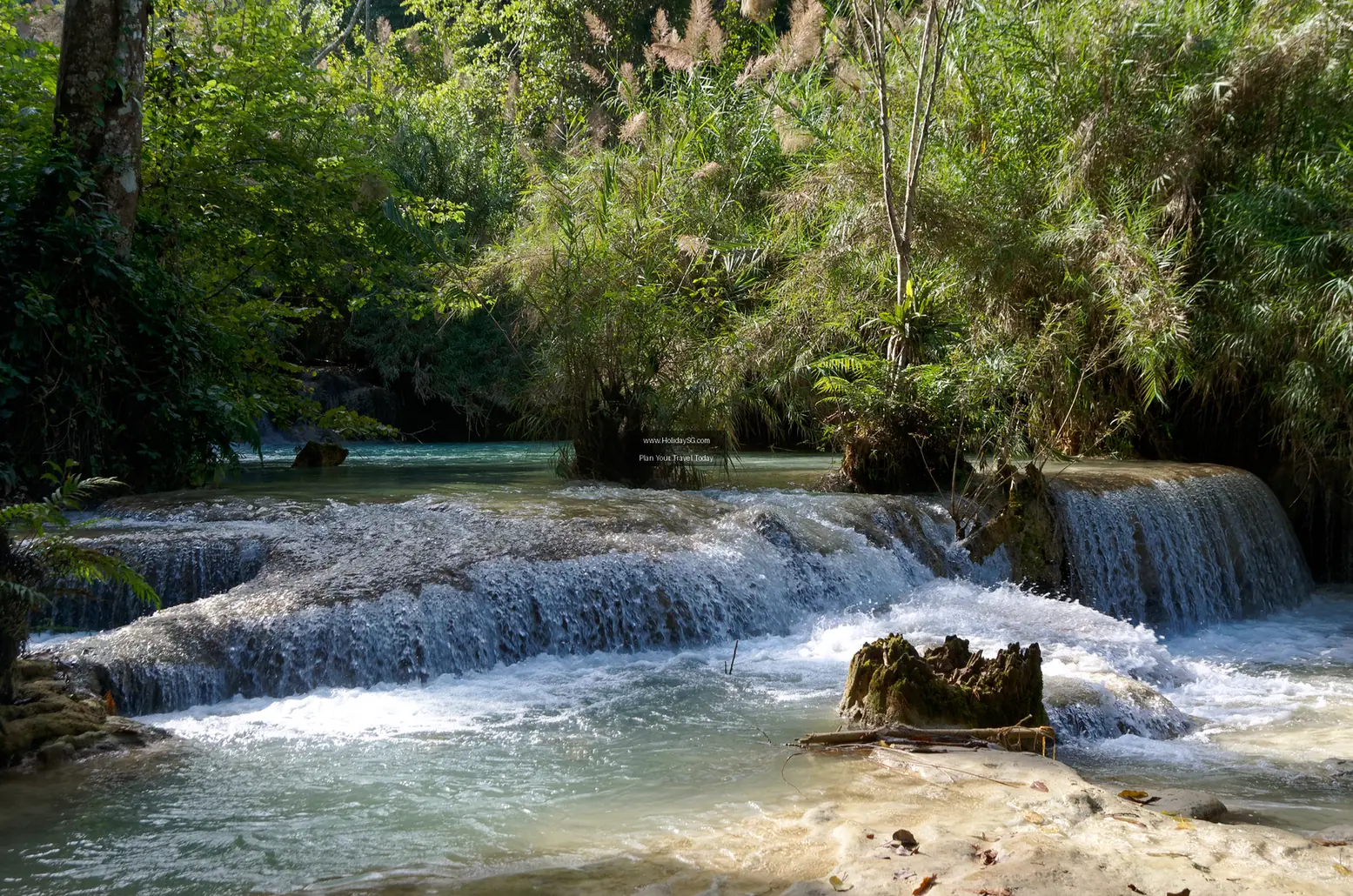
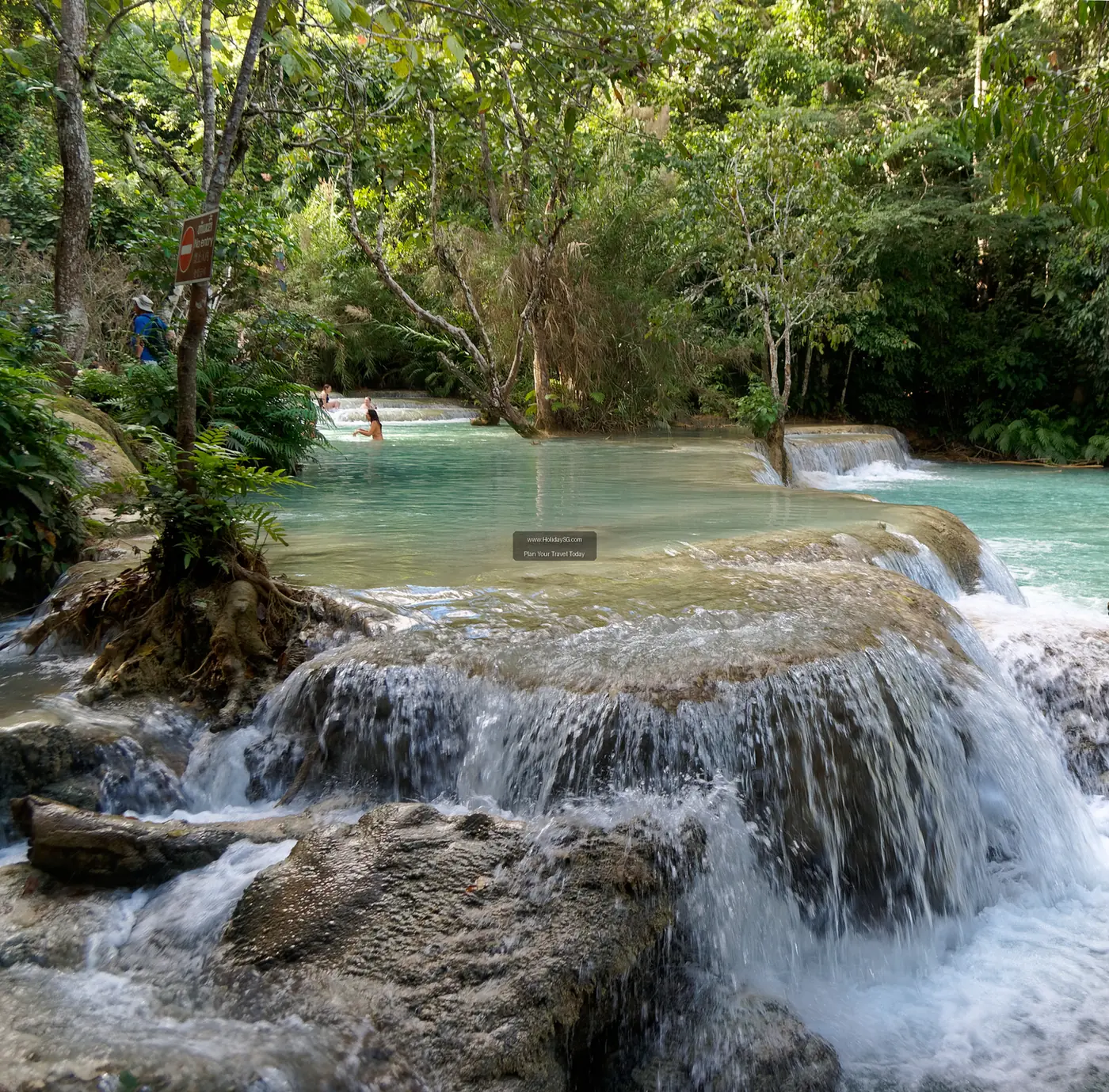
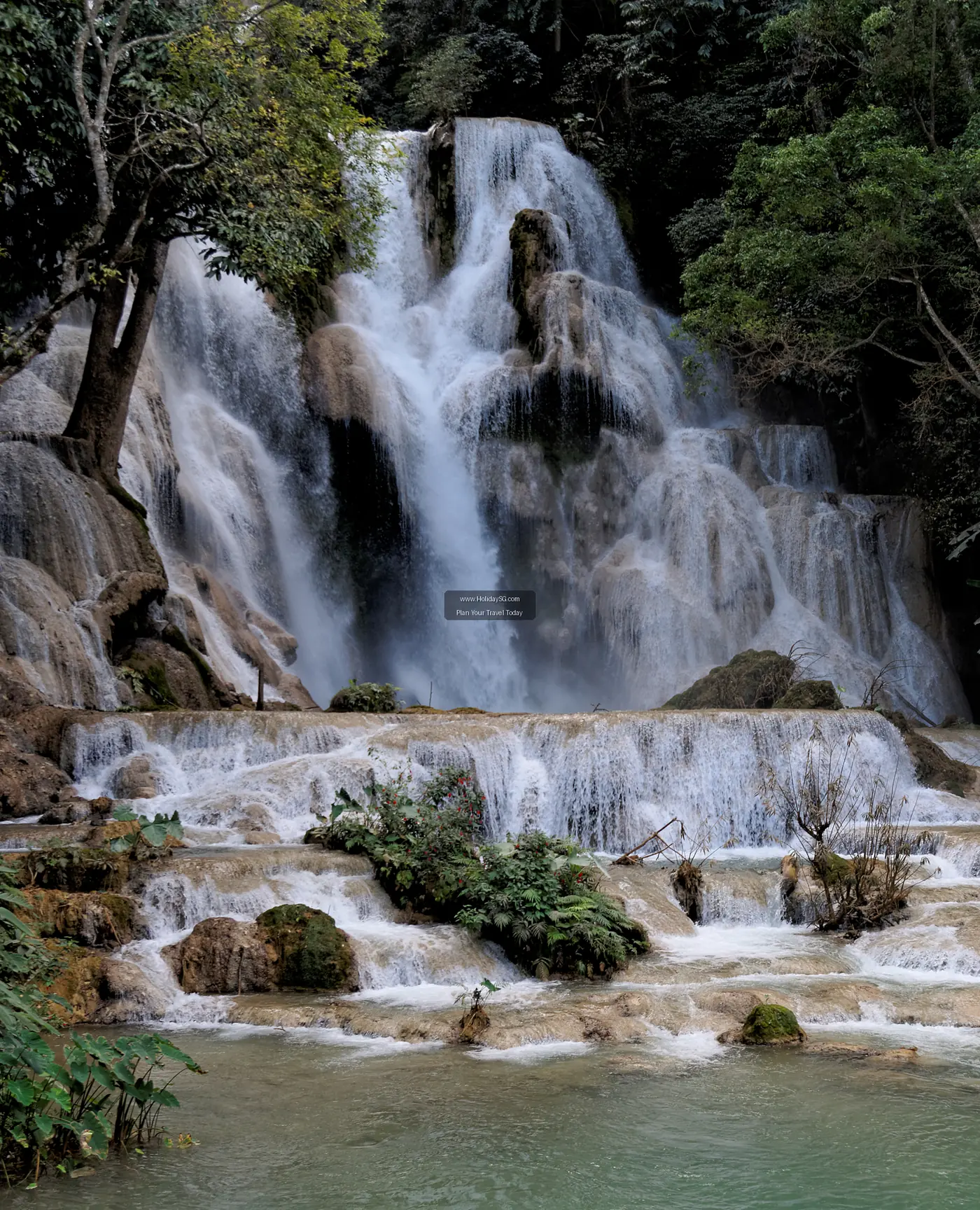
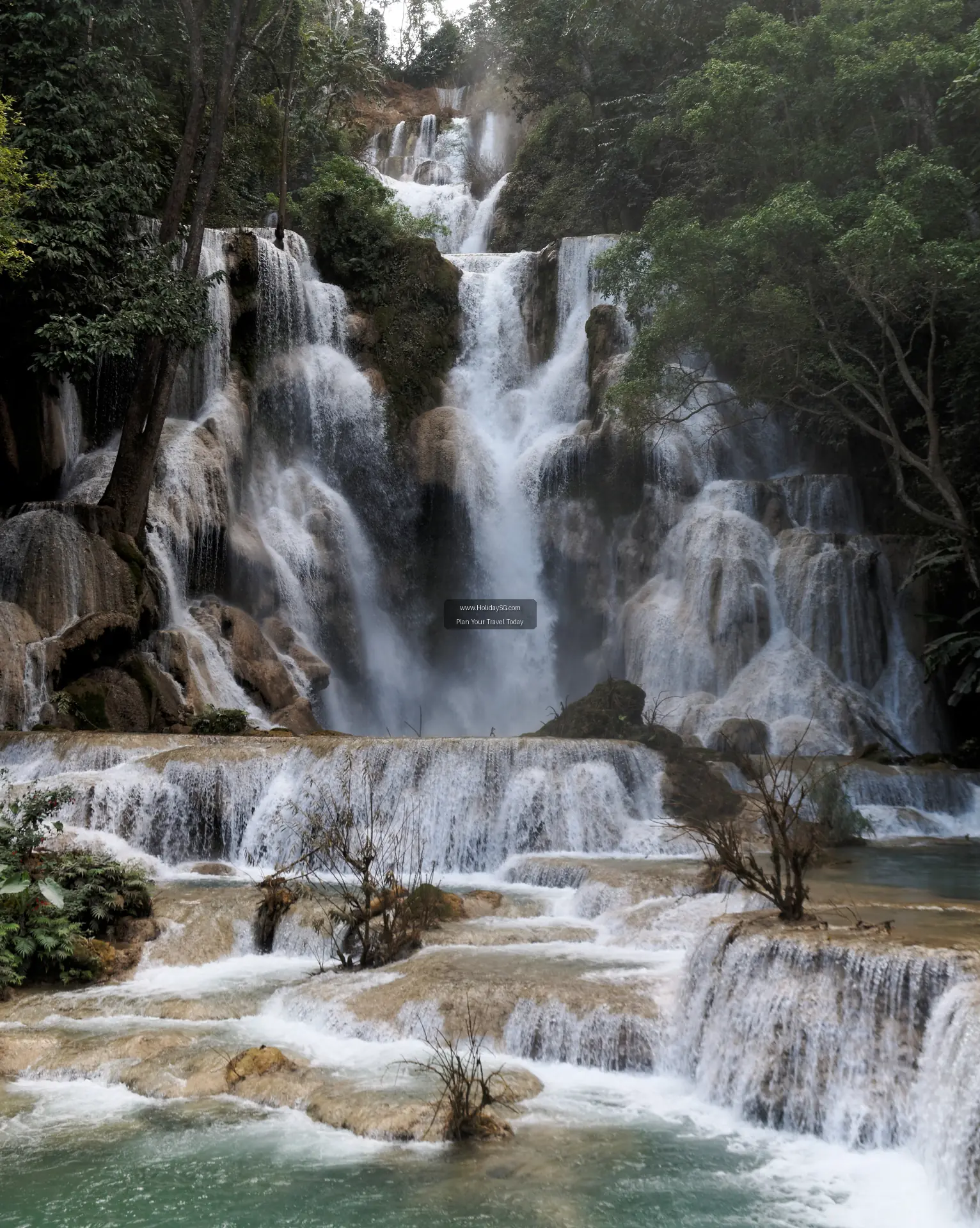
No trip to Luang Prabang is complete without a visit to Kuang Si Falls, a three-tiered waterfall with swimming holes perfect for cooling off. For a deeper cultural experience, consider joining an Evening Baci Ceremony with a Home-Cooked Dinner, where you’ll participate in a traditional Lao blessing ritual and enjoy a feast of local dishes.
Other highlights:
- Royal Palace Museum: A glimpse into Laos’ monarchy.
- Alms Giving Ceremony: Wake early to witness monks collecting offerings (observe respectfully).
- Mekong River Cruises: Opt for a slow boat to Huay Xai or a sunset cruise with cocktails.
### Vientiane: The Laid-Back Capital
Laos’ capital is often overlooked in favor of Luang Prabang, but its relaxed vibe and mix of French and Buddhist influences make it worth a stop. Pha That Luang, a golden stupa, is the country’s most sacred monument and a symbol of Lao nationalism. Nearby, Patuxai (often called the “Arc de Triomphe of Laos”) offers great city views.
For something quirkier, visit Buddha Park, a surreal sculpture garden filled with Hindu and Buddhist statues. History buffs should stop by the COPE Visitor Center, which tells the story of Laos’ unexploded ordnance (UXO) crisis and the work being done to clear them.
### Vang Vieng: Adventure & Scenic Beauty
Once infamous for its backpacker party scene, Vang Vieng has reinvented itself as an adventure hub. The Nam Song River is the star attraction, where you can tube, kayak, or paddleboard through karst cliffs and caves. For a thrill, try hot air ballooning at sunrise—few experiences compare to floating over misty mountains and emerald rice fields.
Other must-dos:
- Blue Lagoon: A series of turquoise pools perfect for swimming and cliff jumping.
- Tham Nam Cave: Explore this water-filled cave by inner tube (bring a headlamp!).
- Viewpoints: Hike or bike to Pha Ngern Viewpoint for breathtaking panoramas.
### Plain of Jars (Phonsavan): Mysterious Ancient Landmarks
The Plain of Jars is one of Southeast Asia’s most enigmatic archaeological sites. Scattered across the Xieng Khouang Plateau are thousands of giant stone jars, some weighing several tons, whose origins remain a mystery. The most accessible sites are Site 1, 2, and 3, with Site 1 being the largest and most impressive.
Pair your visit with a stop at the UXO Museum to learn about the impact of the Secret War on Laos and the ongoing efforts to clear unexploded bombs. The museum is a sobering reminder of the country’s resilience.
### 4,000 Islands (Si Phan Don): Island Paradise on the Mekong
For a taste of slow travel, head to Si Phan Don, a sleepy archipelago in the Mekong River near the Cambodian border. Don Det is the backpacker hub, where you can rent a bike, sip on a coconut, and watch fishermen cast their nets at sunset. Don’t miss:
- Irrawaddy dolphins: Take a boat tour from Don Khon to spot these rare freshwater dolphins.
- Khone Phapheng Falls: The largest waterfall in Southeast Asia, with a dramatic cascade of rapids.
- Sunset at Liphi Falls: A quieter alternative to Khone Phapheng, with a peaceful swimming hole.
### Bolaven Plateau: Waterfalls & Coffee Country
The Bolaven Plateau in southern Laos is a haven for nature lovers and caffeine addicts. The region is famous for its coffee plantations, where you can tour farms, sample locally grown beans, and sip a fresh brew with a view. The plateau is also home to some of Laos’ most stunning waterfalls:
- Tad Fane: A twin waterfall plunging 120 meters into a jungle gorge.
- Tad Yuang: A series of cascades with a suspension bridge for epic photos.
- Tad Lo: A smaller but picturesque fall with a swimming hole.
For a hands-on experience, join a Bamboo Weaving & Cooking Class in Luang Prabang, where you’ll learn to craft traditional bamboo utensils and cook Lao dishes using local ingredients.
—
## Getting Around Laos: Transport Options & Tips
Laos’ transport network is improving, but it’s still a far cry from the efficiency of neighboring Thailand or Vietnam. Here’s how to navigate the country like a pro.
### Domestic Flights: Fast but Limited
Lao Airlines operates flights between Vientiane, Luang Prabang, Pakse, and Savannakhet, with occasional routes to smaller airports like Oudomxay. Flights are quick (1 hour from Vientiane to Luang Prabang) but can be pricey (USD 80–150 one-way). Book in advance during peak season.
### Buses: The Budget Traveler’s Best Friend
Buses are the most common way to get around Laos, with routes connecting all major towns. Options include:
- Local buses: Cheap (USD 5–15) but slow and basic—expect hard seats and frequent stops.
- VIP buses: More comfortable (reclining seats, air-con) and slightly pricier (USD 15–30). Popular routes include Vientiane–Luang Prabang (10–12 hours) and Vang Vieng–Vientiane (4 hours).
- Sleeper buses: Available on longer routes (e.g., Vientiane–Pakse), with bunk beds for overnight travel.
Pro tip: Book VIP or sleeper buses through your guesthouse or a reputable agency to avoid scams.
### Minivans: Faster but Less Comfortable
Minivans are a step up from local buses in terms of speed but can be cramped and uncomfortable for tall travelers. They’re a good option for shorter trips (e.g., Luang Prabang to Vang Vieng, 4–5 hours) and cost around USD 10–15. Look for them at bus stations or ask your guesthouse to arrange a ticket.
### Tuk-Tuks & Songthaews: Local Transport
For short distances within cities, tuk-tuks and songthaews (shared pickup trucks with benches) are the way to go. Always negotiate the fare before getting in—a ride within Vientiane or Luang Prabang should cost USD 1–3. Songthaews are cheaper (USD 0.50–1) but follow fixed routes, so ask locals for directions.
### Boats: Scenic but Slow Travel
The Mekong River is Laos’ lifeline, and boat travel offers a unique perspective on the country. The most famous route is the slow boat from Huay Xai to Luang Prabang (2 days, USD 20–30), which includes an overnight stop in Pakbeng. While scenic, the journey can be long and bumpy—pack snacks, water, and a good book.
For a more luxurious experience, consider a Mekong River cruise with companies like Luang Say or Pandaw, which offer multi-day trips with gourmet meals and comfortable cabins.
—
## Laos Travel Budget: How Much Does It Cost?
Laos is one of Southeast Asia’s most affordable destinations, but costs vary depending on your travel style. Here’s a breakdown of what to expect.
### Budget Traveler (USD 20–35/day)
- Accommodation: Hostels and basic guesthouses (USD 5–15/night).
- Food: Street food and local eateries (USD 2–5/meal). Try khao jee (Lao baguette sandwich) or tam mak hoong (spicy green papaya salad).
- Transport: Local buses and songthaews (USD 1–10 per trip).
- Activities: Free or low-cost (e.g., hiking, temple visits, swimming at waterfalls).
### Mid-Range Traveler (USD 40–80/day)
- Accommodation: Private rooms in boutique guesthouses or 3-star hotels (USD 20–50/night).
- Food: Restaurants and cafes (USD 5–15/meal). Splurge on a French-Lao fusion dinner in Luang Prabang.
- Transport: VIP buses, minivans, and occasional flights (USD 10–30 per trip).
- Activities: Guided tours (USD 10–30), cooking classes, and adventure activities like tubing or kayaking.
### Luxury Traveler (USD 100+/day)
- Accommodation: 4–5 star hotels and resorts (USD 80+/night). Highlights include Rosewood Luang Prabang and The Belle Rive Boutique Hotel in Vientiane.
- Food: Fine dining (USD 30+/meal). Try L’Elephant in Luang Prabang for French-Lao cuisine.
- Transport: Private drivers, domestic flights, and luxury Mekong cruises (USD 50–200 per trip).
- Activities: Private tours, hot air balloon rides, and exclusive experiences like a Bamboo Experience Class at Kuang Si Falls.
### Money-Saving Tips
- Eat like a local: Street food is delicious and cheap—avoid touristy restaurants.
- Bargain at markets: Haggling is expected at night markets and with tuk-tuk drivers.
- Travel by bus: VIP buses are comfortable and cost a fraction of flights.
- Stay in guesthouses: Family-run guesthouses offer great value and local insights.
—
## Laos Currency & Payments: What You Need to Know
Laos’ official currency is the Lao Kip (LAK), but USD is widely accepted in tourist areas. Here’s how to manage your money like a pro.
### Lao Kip vs. USD: Which to Use?
- Lao Kip (LAK): Best for small purchases (e.g., street food, local transport, markets). Exchange rates hover around 1 USD = 20,000 LAK (check current rates before traveling).
- USD: Accepted in hotels, upscale restaurants, and tour agencies. Bring small bills (USD 1, 5, 10) for convenience.
Pro tip: Always carry a mix of USD and LAK. Some places (like border towns) may only accept one or the other.
### ATMs & Withdrawal Fees
ATMs are widely available in cities like Vientiane, Luang Prabang, and Pakse, but they’re scarce in rural areas. Withdrawal fees range from USD 3–5 per transaction, so withdraw larger amounts to minimize costs. BCEL and Lao Development Bank ATMs are the most reliable.
### Credit Cards & Digital Payments
Credit cards (Visa, Mastercard) are accepted in upscale hotels, restaurants, and some tour agencies, but cash is king in most places. Mobile payments (e.g., via Pi Pay or BCEL One) are growing in popularity but still limited to cities.
Pro tip: Notify your bank before traveling to avoid card blocks. Carry a backup card in case of emergencies.
—
## Cultural Etiquette: Dos & Don’ts in Laos
Laos is a deeply Buddhist country, and respecting local customs will enrich your experience. Here’s what to keep in mind.
### Dress Code: Modesty Matters
- Temples: Cover your shoulders and knees. Remove your shoes before entering.
- Rural areas: Dress conservatively (avoid shorts or tank tops in villages).
- Swimming: Wear a T-shirt and shorts at waterfalls—bikinis are frowned upon outside resorts.
### Temple & Home Visits
- Shoes off: Always remove your shoes before entering temples or homes.
- Feet & hands: Never point your feet at people, Buddhas, or objects (feet are considered unclean). Use your right hand to give or receive items.
- Monks: Women should avoid touching monks or handing them objects directly. If you want to offer alms during the morning alms ceremony, do so respectfully—dress modestly, kneel, and place offerings in the monk’s alms bowl.
### General Politeness
- Greetings: The traditional Lao greeting is the nop—a slight bow with hands pressed together in a prayer-like gesture. Say “sabaidee” (hello) and “khop jai” (thank you).
- Public behavior: Avoid public displays of affection, loud arguments, or pointing at people.
- Photography: Always ask before taking photos of locals, especially in rural areas.
—
## Health & Safety in Laos: Staying Safe & Healthy
Laos is generally safe, but a few precautions will help you avoid common pitfalls.
### Food & Water Safety
- Water: Tap water is not safe to drink. Stick to bottled or boiled water, and avoid ice in drinks from street vendors.
- Street food: Look for busy stalls with high turnover (fresh food = less risk). Avoid raw salads or unpeeled fruits washed in tap water.
- Food poisoning: If you get sick, rehydrate with oral rehydration salts (ORS) and stick to bland foods like rice or bananas.
### Mosquito-Borne Diseases
Laos is a malaria and dengue risk zone, particularly in rural areas. Protect yourself with:
- DEET-based repellent (30–50% concentration).
- Long sleeves and pants at dawn and dusk.
- Mosquito nets if staying in budget accommodations.
- Vaccinations: Consult a travel clinic for Hepatitis A/B, typhoid, and tetanus shots. Malaria prophylaxis may be recommended for remote areas.
### Travel Insurance: Don’t Leave Home Without It
Medical facilities in Laos are limited outside major cities. Travel insurance is a must—look for a policy that covers:
- Emergency evacuation (e.g., to Bangkok or Singapore).
- Medical treatment (including for dengue or accidents).
- Trip cancellations or delays.
### Petty Theft & Scams
Laos is low on violent crime, but petty theft can occur in tourist areas. Keep your valuables secure and be wary of:
- Tuk-tuk overcharging: Agree on a fare before getting in.
- Gem scams: If a deal seems too good to be true, it probably is.
- Fake tour operators: Book through reputable agencies or your guesthouse.
—
## Internet & Connectivity: Staying Online in Laos
Staying connected in Laos is easier than ever, but speeds can be slow in rural areas. Here’s how to stay online.
### Wi-Fi Availability
- Cities & tourist areas: Wi-Fi is widely available in hotels, cafes, and restaurants. Speeds are decent in Vientiane and Luang Prabang but can be sluggish in Vang Vieng or the 4,000 Islands.
- Rural areas: Expect limited or no Wi-Fi. Download offline maps (e.g., Google Maps) before heading off the beaten path.
### Buying a Local SIM Card
For reliable data, pick up a local SIM card at the airport or an official store. The best providers are:
- Unitel: Best coverage and speeds (USD 5–10 for 1–2 weeks of data).
- Lao Telecom: Good coverage but slightly pricier.
Where to buy: Airport kiosks (convenient but pricier) or official stores in cities (cheaper, but may require passport registration).
For hassle-free connectivity, consider a Laos Unlimited Data 4G/5G eSIM—perfect for travelers who want to stay online from the moment they land.
—
## Laos Travel FAQs: Answers to Common Questions
### Is Laos Safe for Solo Female Travelers?
Laos is generally safe for solo female travelers, but take standard precautions:
- Dress modestly to avoid unwanted attention.
- Avoid walking alone at night in quiet areas.
- Use reputable transport (e.g., VIP buses, trusted tuk-tuk drivers).
- Stay in well-reviewed guesthouses with female staff.
### How Many Days Do You Need in Laos?
- 7–10 days: Covers the highlights (Luang Prabang, Vang Vieng, Vientiane, and a quick trip to the 4,000 Islands).
- 2–3 weeks: Allows for deeper exploration (Bolaven Plateau, Plain of Jars, remote villages).
- 1 month+: Ideal for slow travel, volunteering, or combining with neighboring countries.
### Can You Cross into Thailand/Vietnam/Cambodia from Laos?
Yes! Laos shares borders with five countries, making it easy to combine with a broader Southeast Asia itinerary. Popular crossings include:
- Thailand: Nong Khai–Vientiane (Thai-Lao Friendship Bridge).
- Vietnam: Dansavan–Lao Bao (near Hue) or Savannakhet–Lao Bao.
- Cambodia: Veun Kham–Dong Kralor (near 4,000 Islands).
Note: Check visa requirements for neighboring countries in advance—some (like Vietnam) require visas before arrival.
### What’s the Food Like in Laos?
Lao cuisine is fresh, flavorful, and often spicy. Must-try dishes include:
- Laap: A minced meat salad with herbs, lime, and chili (try it with duck or fish).
- Tam mak hoong: Spicy green papaya salad (a Lao staple).
- Khao soi: A coconut curry noodle soup (influenced by northern Thai cuisine).
- Sticky rice (khao niao): Eaten with almost every meal—use your hands to roll it into balls and dip into sauces.
Vegetarian options: Many dishes can be made vegetarian—ask for “mai sai neua” (no meat) or “jai” (vegetarian).
### Do I Need Vaccinations for Laos?
Recommended vaccines include:
- Hepatitis A & B.
- Typhoid.
- Tetanus.
- Japanese encephalitis (for rural or long-term stays).
Consult a travel clinic 4–6 weeks before your trip for personalized advice. Malaria prophylaxis may be recommended for remote areas.
—
## Recommended HolidaySG Tours
Planning your Laos adventure? Here are some handpicked experiences to make your trip unforgettable:
- Laos Unlimited Data 4G/5G eSIM – Stay connected from the moment you land.
- Evening Baci Ceremony & Home-Cooked Dinner – Immerse yourself in Lao culture with a traditional blessing ritual and feast.
- Bamboo Weaving & Cooking Class (Half Day) – Learn to craft traditional bamboo utensils and cook authentic Lao dishes.
- Bamboo Experience Class & Kuang Si Falls (Full Day) – Combine bamboo crafting with a visit to one of Laos’ most stunning waterfalls.
—
## Final Tips for an Unforgettable Laos Trip
- Pack smart: Lightweight, breathable clothing for the heat, a rain jacket for the rainy season, and sturdy shoes for hiking.
- Learn basic Lao phrases: Locals appreciate even a simple “sabaidee” (hello) or “khop jai” (thank you).
- Support local communities: Buy handicrafts from markets, eat at family-run restaurants, and choose ethical tour operators.
- Download useful apps: Google Maps (for offline navigation), Grab (for ride-hailing in Vientiane), and XE Currency (for exchange rates).
- Be flexible: Laos runs on “Lao time”—delays are common, so embrace the slow pace.
—
## Conclusion: Why Laos Should Be Your Next Adventure
Laos is a destination that captivates the soul. It’s a place where golden temples stand beside misty mountains, where the Mekong River whispers stories of ancient kingdoms, and where the warmth of the people rivals the tropical sun. Whether you’re sipping coffee on the Bolaven Plateau, exploring the mysteries of the Plain of Jars, or simply watching the sunset over Luang Prabang, Laos offers an experience that’s as enriching as it is unforgettable. This Laos travel guide 2026 has given you the tools to plan your perfect trip—now it’s time to make it happen.
So why wait? Start planning your journey to Southeast Asia’s hidden gem. Laos is ready to welcome you with open arms, and when you return, you’ll understand why this slow-paced, culturally rich country leaves such a lasting impression on every traveler who ventures off the beaten path.
Ready to explore? Stay connected with our Laos Unlimited Data 4G/5G eSIM and start your adventure today!
Book these with HolidaySG:
Book with HolidaySG online for Laos Unlimited Data 4g5g Esim, Airalo Laos E Sim Package, Evening Baci Ceremony Home Cooked Dinner.
More Photos from HolidaySG
“`html
Book with HolidaySG online for Laos Unlimited Data 4g5g Esim, Airalo Laos E Sim Package, Trekking Longlao To Kuang Si Falls Full Day Private Tour.
Book these with HolidaySG:
- Trekking Longlao To Kuang Si Falls Full Day Private Tour
- Mekong Fishing Experience Kuang Si Falls
- Luang Prabang Private Cultural Discovery With Alms Giving Museum And Kuang
- Luang Prabang Evening Street Eats And Night Market Private Tour
- Luang Prabang Morning Foodie Walking Monk
- Luang Prabang Local Villages Full Day Private Tour