

Laos travel guide: the complete guide to exploring laos (2026) is exactly what this guide covers.
# **Laos Travel Guide: The Complete Guide to Exploring Laos (2026)**
Laos is Southeast Asia’s hidden gem—offering lush landscapes, rich culture, and affordability. The best time to visit is November–February for cool weather, but the rainy season (June–October) brings fewer crowds and vibrant scenery. From Luang Prabang’s temples to Vang Vieng’s adventures and the 4,000 Islands’ tranquility, this guide covers everything you need for an unforgettable trip in 2026.

—
Laos is the kind of destination that lingers in your memory long after you leave. Unlike its more tourist-saturated neighbors, this landlocked country offers a slower pace, untouched natural beauty, and a culture deeply rooted in tradition. Whether you’re drawn to the misty mountains of the north, the serene Mekong River, or the laid-back charm of its towns, Laos promises an adventure that’s as much about the journey as the destination.
For travelers seeking a mix of history, adventure, and relaxation, Laos delivers without the crowds or high price tags. But to make the most of your trip, timing, planning, and local insights are key. This guide will walk you through everything you need to know—from visa requirements and budgeting to hidden gems and cultural etiquette—so you can explore Laos with confidence in 2026.
—
## **When to Visit Laos: Finding Your Perfect Time**
Laos’ climate is divided into three distinct seasons, each offering a different experience. Your ideal travel window depends on what you want to see and do.
### **Cool & Dry Season (November–February): The Sweet Spot**
If you’re after comfortable weather and vibrant landscapes, this is the best time to visit Laos. Temperatures hover between 15–28°C (59–82°F), making it perfect for sightseeing, trekking, and exploring cities like Luang Prabang and Vientiane. The cool season also coincides with some of Laos’ most colorful festivals, including **Boun Ok Phansa** (the end of Buddhist Lent) in October and **Boun Pi Mai** (Lao New Year) in April.
However, this is peak tourist season, so expect higher prices for flights and accommodations. Book early, especially if you’re planning to visit popular spots like Kuang Si Falls or the 4,000 Islands.
### **Hot Season (March–May): For the Heat-Lovers**
Temperatures can soar up to 40°C (104°F) during these months, but the upside is fewer tourists and lower prices. This is an excellent time for Mekong River trips, as water levels are high, and boat rides are smoother. If you can handle the heat, you’ll be rewarded with stunning sunsets over the river and quieter trails.
April is particularly lively, thanks to Lao New Year celebrations. Streets turn into water fights, and locals welcome visitors with open arms (and buckets of water).
### **Rainy Season (June–October): Lush Landscapes & Fewer Crowds**
The rainy season transforms Laos into a verdant paradise. Waterfalls like Tad Fane and Kuang Si are at their most spectacular, and the countryside bursts with life. While some rural roads may become impassable, the trade-off is fewer tourists and lower prices.
This season is ideal for budget travelers and photographers. Just pack a good rain jacket and plan for occasional delays in transport.
—
## **Top Attractions & Must-Visit Destinations**
Laos may be small, but its diversity is staggering. From UNESCO-listed towns to remote jungle villages, here’s where to focus your time.
### **Luang Prabang: Where Tradition Meets Serenity**
Luang Prabang is the cultural heartbeat of Laos, and it’s easy to see why. The UNESCO-listed town is a blend of French colonial architecture, golden temples, and a slow, riverside pace of life. Must-dos include:
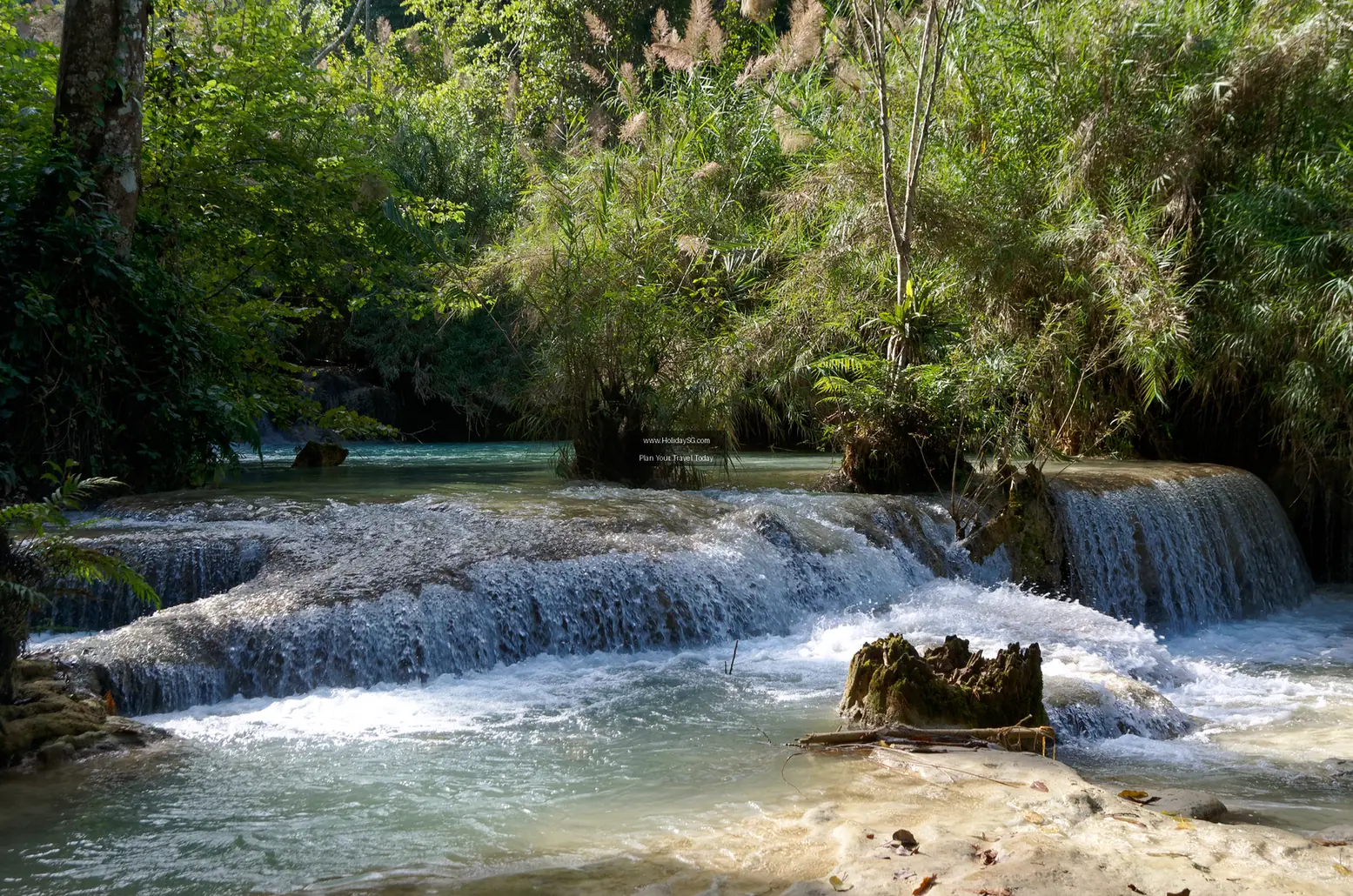
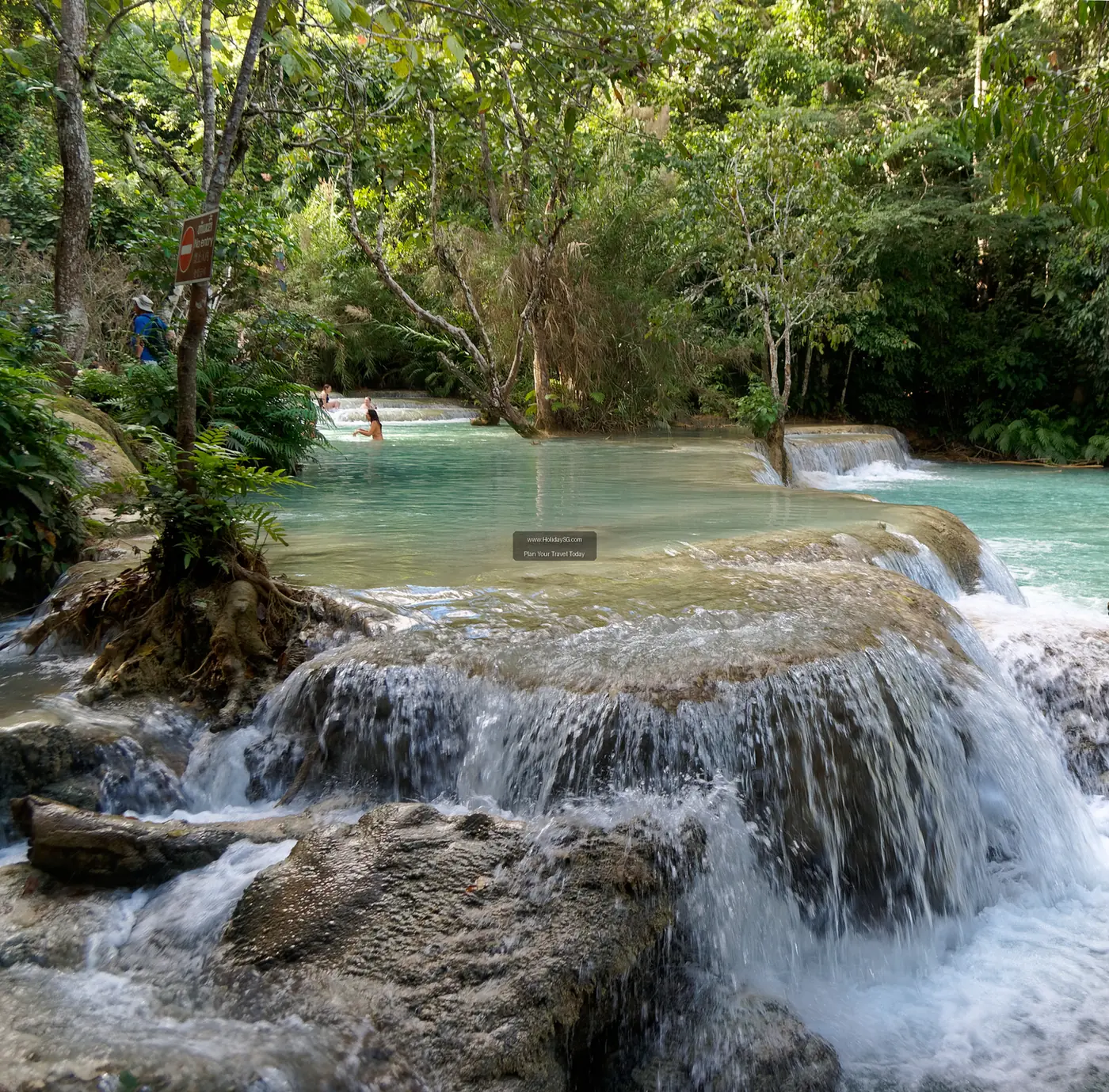
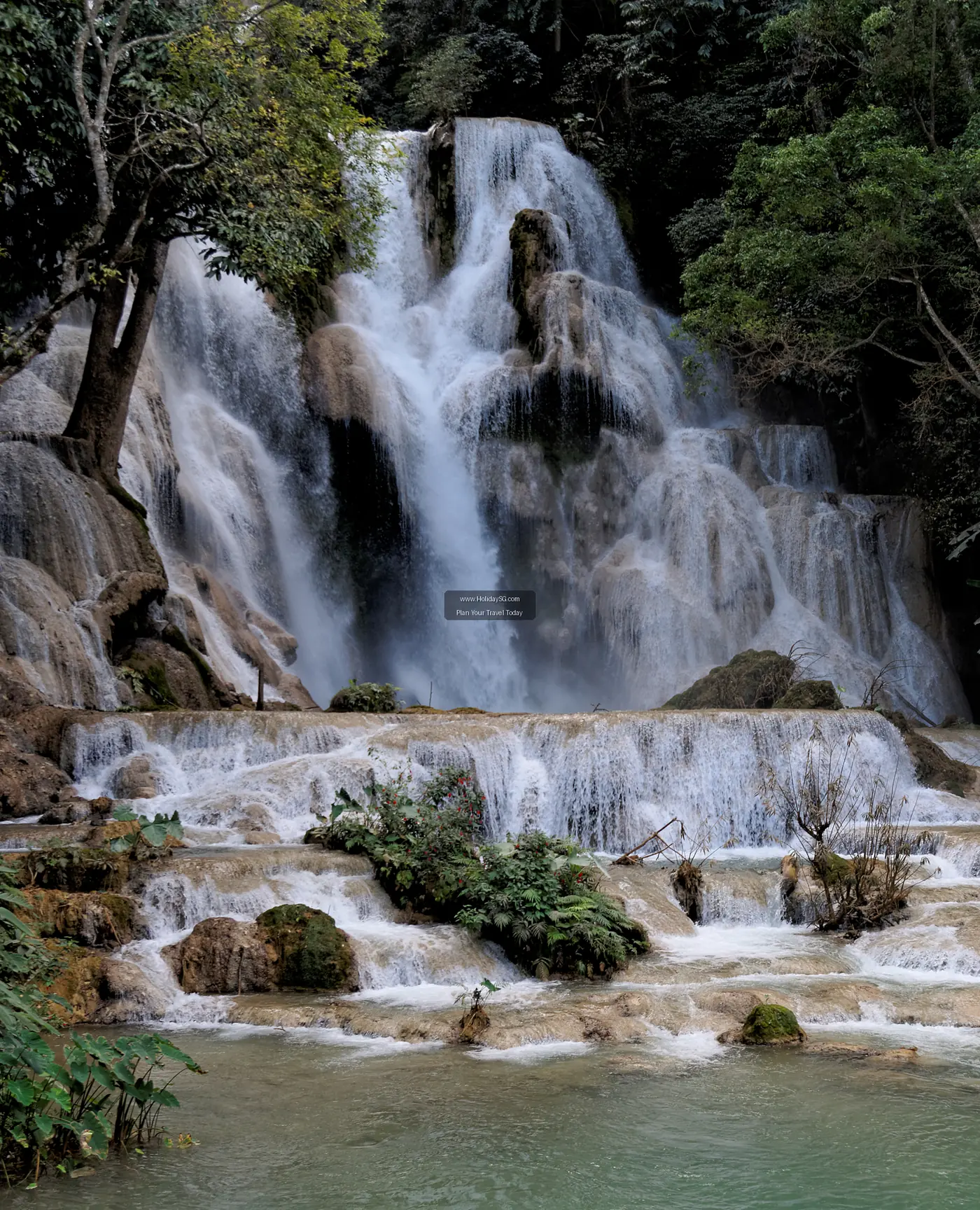
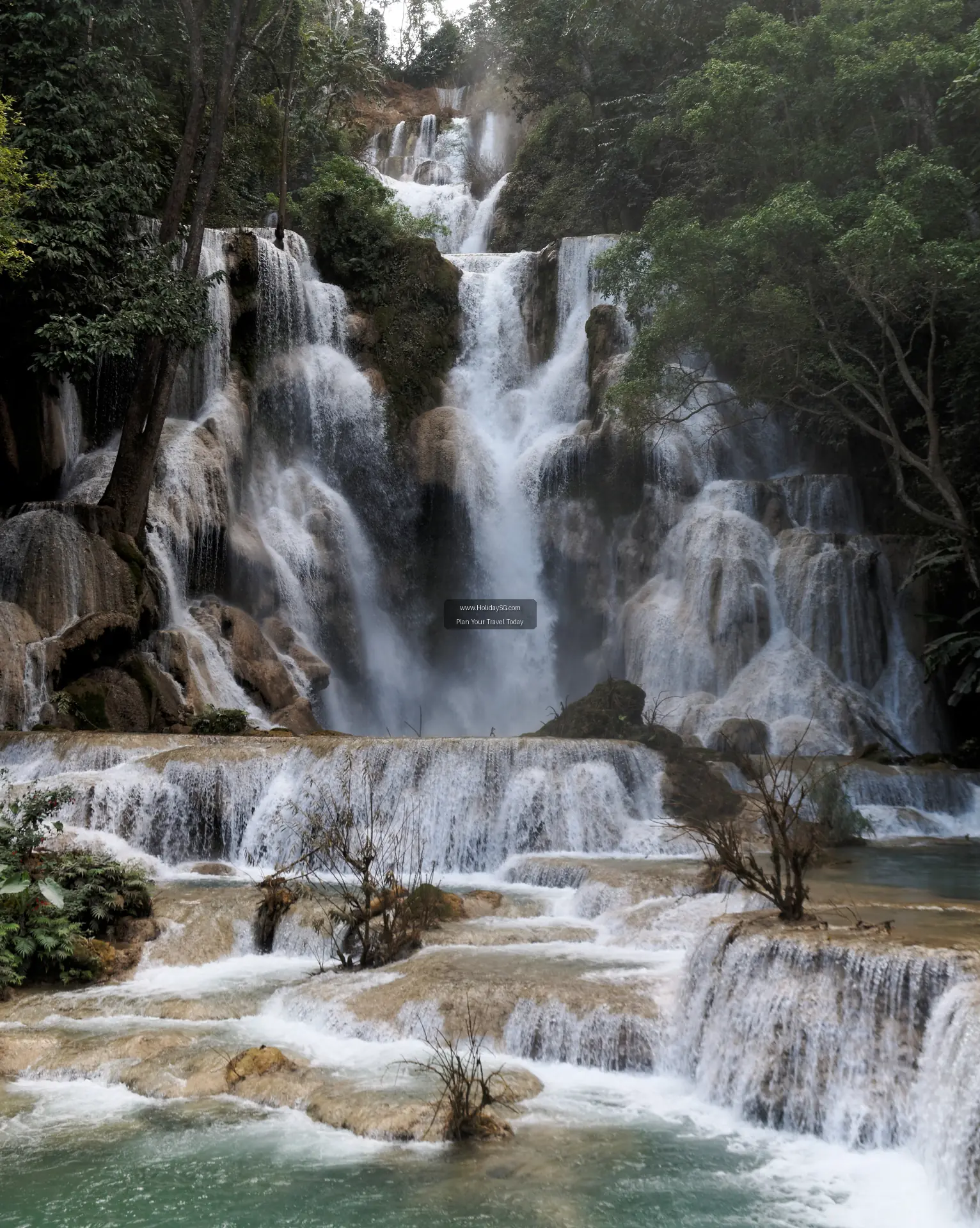
– **Kuang Si Falls**: A multi-tiered waterfall with turquoise pools perfect for swimming. For a unique experience, combine it with a Mekong fishing tour to learn traditional techniques.
– **Mount Phousi**: Climb 328 steps for panoramic views of the town and Mekong River at sunset.
– **Alms-Giving Ceremony**: Wake up early to witness hundreds of monks collecting alms—a humbling and spiritual experience. Dress modestly and observe quietly.
– **Night Market**: A treasure trove of handmade textiles, silver jewelry, and local crafts. Don’t miss the street food stalls serving *khao soi* (coconut curry noodles) and *sai oua* (Lao sausage).
For a deeper dive into Luang Prabang’s history and culture, consider a private cultural tour that includes the alms-giving ceremony, local museums, and Kuang Si Falls.
### **Vientiane: The Laid-Back Capital**
Vientiane often gets overlooked in favor of Luang Prabang, but this riverside capital has its own charm. Highlights include:
– **Pha That Luang**: Laos’ most sacred stupa, covered in gold leaf and a symbol of national pride.
– **Patuxai**: Often called the “Arc de Triomphe of Laos,” this monument offers great views of the city.
– **Buddha Park**: A surreal collection of Buddhist and Hindu sculptures scattered across a riverside park.
– **Mekong Riverfront**: Stroll along the river at sunset, stopping for a cold *Beerlao* (Laos’ national beer) at a riverside bar.
### **Vang Vieng: Adventure & Scenic Beauty**
Once infamous for its party scene, Vang Vieng has reinvented itself as an adventure hub. The limestone karsts and emerald-green Nam Song River provide the perfect backdrop for:
– **Tubing & Kayaking**: Float down the river, stopping at caves and lagoons along the way.
– **Hot Air Ballooning**: Soar over the karsts at sunrise for breathtaking views.
– **Blue Lagoon**: A series of crystal-clear pools and waterfalls, perfect for swimming and cliff jumping.
– **Cave Exploration**: Tham Nam and Tham Chang are two of the most accessible caves, with underground rivers and stunning formations.
### **Plain of Jars (Phonsavan): Ancient Mysteries**
The Plain of Jars is one of Laos’ most enigmatic sites. Scattered across the Xieng Khouang Plateau are thousands of giant stone jars, some weighing several tons. Archaeologists believe they were used for ancient burial rituals, but their exact purpose remains a mystery.
While in Phonsavan, visit the **UXO Museum** to learn about the devastating impact of unexploded ordnance from the Vietnam War. The museum is a sobering reminder of Laos’ history and the ongoing efforts to clear the land.
### **4,000 Islands (Si Phan Don): Island Paradise**
If you’re craving relaxation, head to the 4,000 Islands in southern Laos. This archipelago in the Mekong River is a world away from the hustle of cities. Key spots include:
– **Don Det**: The backpacker hub, with laid-back bungalows, hammock lounges, and sunset views.
– **Irrawaddy Dolphins**: Take a boat tour to spot these rare freshwater dolphins near the Cambodian border.
– **Khone Phapheng Falls**: Southeast Asia’s largest waterfall by volume, with powerful rapids and scenic viewpoints.
– **Biking & Kayaking**: Explore the islands’ rural landscapes and hidden beaches at your own pace.
### **Bolaven Plateau: Coffee, Waterfalls & Ethnic Villages**
The Bolaven Plateau is a haven for nature lovers and coffee enthusiasts. This fertile region is home to:
– **Coffee Plantations**: Laos produces some of the world’s best Arabica and Robusta beans. Visit a plantation to sample fresh brews and learn about the production process.
– **Tad Fane & Tad Yuang Waterfalls**: Twin waterfalls cascading into a lush gorge, with hiking trails and viewpoints.
– **Ethnic Minority Villages**: Meet the Laven, Alak, and Katu people, who have preserved their traditional way of life.
—
## **Visa Requirements for Laos (2026)**
Most travelers will need a visa to enter Laos, but the process is straightforward. Here’s what you need to know:
### **Visa on Arrival (VOA) vs. E-Visa**
– **Visa on Arrival (VOA)**: Available at major airports (Wattay International in Vientiane, Luang Prabang International) and land border crossings. Costs vary by nationality ($30–$50 USD), and you’ll need:
– A passport valid for at least 6 months.
– Two passport-sized photos (or a small fee to have them taken at the border).
– Cash in USD (small bills preferred).
– **E-Visa**: Apply online in advance through the official [Lao E-Visa website]( The e-visa costs $50 USD and is processed within 3 business days. It’s valid for 60 days and allows a single entry.
### **Visa Extensions**
If you fall in love with Laos and want to stay longer, extensions are possible. Visit the **Immigration Office** in Vientiane or Luang Prabang and pay around $3–$5 USD per day. Extensions are typically granted for 30 days.
—
## **Budgeting for Laos: Costs & Money-Saving Tips**
Laos is one of Southeast Asia’s most affordable destinations, but costs can add up if you’re not careful. Here’s a breakdown of what to expect in 2026.
### **Daily Costs for Travelers**
| Travel Style | Daily Budget (USD) | What’s Included |
|————–|——————-|—————-|
| **Budget** | $25–$40 | Hostels, street food, local transport, free/cheap activities |
| **Mid-Range** | $50–$100 | Private rooms, restaurants, tours, domestic flights |
| **Luxury** | $150+ | Boutique hotels, fine dining, private guides, premium experiences |
### **Key Expenses**
– **Accommodation**:
– Hostels: $5–$15 USD (dorm beds).
– Guesthouses: $20–$40 USD (private rooms with fan/AC).
– Mid-range hotels: $50–$100 USD (boutique stays, riverside views).
– Luxury: $150+ USD (5-star resorts, eco-lodges).
– **Food**:
– Street food: $1–$3 USD (noodle soups, *khao jee* sandwiches, fresh fruit).
– Local restaurants: $3–$7 USD (rice dishes, curries, grilled meats).
– Western/international: $7–$15 USD (burgers, pizza, pasta).
– **Transport**:
– Local buses: $1–$5 USD (short distances).
– Tuk-tuks/taxis: $5–$20 USD (negotiate prices in advance).
– Overnight buses: $15–$30 USD (e.g., Vientiane to Luang Prabang).
– Domestic flights: $50–$150 USD (Lao Airlines or Lao Skyway).
– **Activities**:
– Temple/museum entry: $1–$5 USD.
– Guided tours: $20–$50 USD (e.g., Kuang Si Falls, Plain of Jars).
– Adventure activities: $10–$50 USD (tubing, kayaking, hot air ballooning).
### **Money-Saving Tips**
– **Eat like a local**: Street food is not only delicious but also incredibly cheap. Try *tam mak hoong* (spicy papaya salad) and *laap* (minced meat salad) for under $2 USD.
– **Use public transport**: Buses and minivans are the cheapest way to get around. Avoid private taxis unless necessary.
– **Bargain politely**: Prices for tuk-tuks, souvenirs, and tours are often inflated for tourists. A smile and a friendly “thao dai?” (“how much?”) go a long way.
– **Travel in the rainy season**: Accommodation and flights are significantly cheaper, and you’ll have popular sites almost to yourself.
– **Stay in guesthouses**: Family-run guesthouses offer great value, often including breakfast and local tips.
—
## **Getting Around Laos: Transportation Guide**
Laos’ transportation network is improving, but it’s still a far cry from the efficiency of Thailand or Vietnam. Here’s how to navigate the country like a pro.
### **Domestic Flights**
Flying is the fastest way to cover long distances, but options are limited. **Lao Airlines** and **Lao Skyway** operate routes between:
– Vientiane ↔ Luang Prabang
– Vientiane ↔ Pakse (for the 4,000 Islands)
– Luang Prabang ↔ Pakse
**Pros**: Saves time (e.g., Vientiane to Luang Prabang in 1 hour vs. 10+ hours by bus).
**Cons**: Flights can be delayed or canceled due to weather, and baggage allowances are strict.
### **Buses & Minivans**
Buses are the most common way to travel between cities. Options include:
– **Local buses**: Cheap but slow, with frequent stops. Best for short distances (e.g., Vientiane to Vang Vieng).
– **VIP buses**: More comfortable, with reclining seats and air-conditioning. Often include a toilet and snacks (e.g., Vientiane to Luang Prabang, ~10–12 hours, $15–$25 USD).
– **Minivans**: Faster than buses but less comfortable (limited legroom). Popular routes include Vang Vieng to Luang Prabang (~3–4 hours, $10–$15 USD).
**Tips for bus travel**:
– Book tickets in advance at bus stations or through your guesthouse.
– Bring snacks, water, and entertainment for long journeys.
– Overnight buses save on accommodation costs but can be bumpy—bring earplugs and a neck pillow.
### **Tuk-Tuks & Songthaews**
For short distances within cities, tuk-tuks and songthaews (shared taxis) are the way to go.
– **Tuk-tuks**: Three-wheeled taxis, great for short hops. Always negotiate the price before getting in (e.g., $2–$5 USD for a ride within Luang Prabang).
– **Songthaews**: Converted pickup trucks with benches in the back. They follow set routes (like buses) and are cheaper than tuk-tuks. Flag one down and tell the driver your destination.
### **Boat Trips on the Mekong**
The Mekong River is the lifeblood of Laos, and boat trips offer a unique perspective on the country. Two main options:
– **Slow boats**: The classic way to travel between Huay Xai (Thai border) and Luang Prabang (~2 days). Boats are basic but comfortable, with wooden benches and a roof for shade.
– **Speedboats**: Faster (6–8 hours) but less safe and more expensive ($30–$50 USD). The ride is bumpy, and passengers must wear life jackets.
**Tip**: If you’re prone to motion sickness, bring medication—river travel can be rough, especially in the dry season.
—
## **Cultural Etiquette & Travel Tips**
Laos is a deeply Buddhist country, and respecting local customs will enrich your experience. Here’s what to keep in mind:
### **Dress Modestly**
– **Temples**: Cover your shoulders and knees. Remove your shoes before entering any temple or home.
– **Villages**: In rural areas, dress conservatively to avoid offending locals. Swimwear is for beaches and pools only—cover up when leaving the water.
### **Greetings & Politeness**
– The traditional Lao greeting is the **”nop”**: Press your palms together in a prayer-like gesture and bow slightly. Say *”sabaidee”* (hello) or *”khop jai”* (thank you).
– Use your right hand when giving or receiving items—it’s considered more respectful.
### **Respecting Local Customs**
– **Alms-Giving Ceremony**: In Luang Prabang, monks collect alms at dawn. If you choose to observe or participate:
– Dress modestly (cover shoulders and knees).
– Stay quiet and respectful—this is a spiritual ritual, not a photo op.
– Don’t touch the monks or their alms bowls.
– **Head & Feet Taboos**: The head is considered sacred, so never touch someone’s head (even playfully). Feet are seen as the lowest (and dirtiest) part of the body—don’t point them at people or Buddha images.
– **Photography**: Always ask permission before taking photos of locals, especially ethnic minorities. Some may ask for a small fee.
### **Bargaining**
Bargaining is expected in markets and with tuk-tuk drivers, but do it with a smile. Start at about 50% of the asking price and negotiate until you reach a fair middle ground. Avoid haggling over small amounts—what’s pocket change to you might be a meal for a local.
—
## **Health & Safety in Laos**
Laos is generally safe for travelers, but a few precautions will help you avoid common pitfalls.
### **Vaccinations & Health Precautions**
Before traveling, visit a travel clinic to discuss vaccinations. Recommended vaccines include:
– **Hepatitis A & B**
– **Typhoid**
– **Japanese encephalitis** (if visiting rural areas)
– **Rabies** (if you’ll be around animals or in remote areas)
**Malaria & Dengue Fever**: Both are present in Laos, especially in rural and forested areas. Reduce your risk by:
– Using mosquito repellent (DEET-based is most effective).
– Wearing long sleeves and pants, especially at dawn and dusk.
– Sleeping under a mosquito net (provided in most guesthouses).
**Food & Water Safety**:
– **Drink bottled or filtered water**—avoid tap water and ice in rural areas.
– **Eat freshly cooked food**—street food is safe if it’s hot and busy with locals.
– **Avoid raw salads and unpeeled fruit** (unless you’ve washed it yourself).
– **Carry hand sanitizer**—soap isn’t always available in public restrooms.
### **Travel Insurance**
Travel insurance is a must for Laos. Look for a policy that covers:
– **Medical emergencies** (including evacuation—Laos’ healthcare system is basic).
– **Theft or loss of belongings**.
– **Trip cancellations or delays**.
### **Staying Safe**
– **Petty theft**: Keep your valuables secure, especially in crowded areas like markets and bus stations. Use a money belt or anti-theft bag.
– **Scams**: Be wary of overly friendly strangers offering “special deals” or insisting you visit a particular shop or tour agency.
– **Solo travel**: Laos is safe for solo travelers, including women, but take standard precautions:
– Avoid walking alone at night in cities.
– Dress modestly to avoid unwanted attention.
– Trust your instincts—if a situation feels off, remove yourself from it.
– **Road safety**: Traffic in Laos can be chaotic. If you’re renting a motorbike, wear a helmet and drive defensively. Roads in rural areas are often unpaved and poorly lit.
—
## **Internet & Connectivity**
Staying connected in Laos is easier than ever, but coverage varies by location.
### **Wi-Fi**
– **Cities**: Wi-Fi is widely available in hotels, cafés, and restaurants in Luang Prabang, Vientiane, and Vang Vieng.
– **Rural areas**: Expect slow or no Wi-Fi in places like the 4,000 Islands, Plain of Jars, and remote villages.
### **SIM Cards**
Buying a local SIM card is the best way to stay connected. Major providers include:
– **Unitel**: Best coverage and speeds, especially in rural areas.
– **Lao Telecom**: Reliable in cities but slower in remote areas.
– **Beeline**: Cheaper but with limited coverage.
**Where to buy**: SIM cards are available at airports, convenience stores, and mobile shops. , 5GB for 7 days).
**Tip**: If you’re only visiting Laos briefly, consider an unlimited data eSIM to avoid the hassle of buying a physical SIM.
—
## **Language Basics: Useful Lao Phrases**
Lao is the official language, and while English is spoken in tourist areas, learning a few phrases will earn you smiles and better service.
| English | Lao (Pronunciation) | Lao Script |
|———|———————|————|
| Hello | Sabaidee | ສະບາຍດີ |
| Thank you | Khop jai | ຂອບໃຈ |
| How much? | Thao dai? | ເທ່າໃດ? |
| Too expensive | Phaeng lai lai | ແພງຫຼາຍຫຼາຍ |
| Where is…? | …yu sai? | …ຢູ່ໃສ? |
| Delicious | Sep lai | ເຊັບຫຼາຍ |
| Cheers! | Tham boon! | ທຳບຸນ! |
**Tip**: Lao is a tonal language, so pronunciation is key. Don’t worry about getting it perfect—locals will appreciate the effort!
—
## **Unique Experiences & Off-the-Beaten-Path Adventures**
Laos is full of hidden gems that most tourists miss. Here are a few ways to go beyond the guidebook:
### **Homestays with Ethnic Minorities**
Staying with a local family is the best way to experience Laos’ rural culture. Popular homestay destinations include:
– **Nong Khiaw**: A riverside village surrounded by limestone cliffs, with opportunities for trekking and kayaking.
– **Muang Ngoi**: A car-free village accessible only by boat, where you can hike to caves and waterfalls.
– **Ban Na Village (Bolaven Plateau)**: Home to the Katu people, who offer homestays and cultural performances.
### **Trekking in the North**
Laos’ northern mountains are a trekker’s paradise. Multi-day hikes take you through lush jungles, ethnic villages, and remote landscapes. Top trekking destinations:
– **Luang Namtha**: The gateway to **Nam Ha National Park**, where you can trek with local guides and stay in eco-lodges.
– **Oudomxay**: Less touristy than Luang Namtha, with stunning views and fewer crowds.
– **Phongsaly**: A hidden gem near the Chinese border, with tea plantations and traditional villages.
### **Cave Exploration**
Laos is home to some of Southeast Asia’s most impressive caves. Two must-visit spots:
– **Kong Lor Cave**: A 7.5km underground river cave in **Khammouane Province**. Take a boat ride through the cave, passing by stalactites and stalagmites.
– **Tham Kong Lo**: A shorter but equally stunning cave near **Vientiane**, with a river running through it and a dramatic exit into a jungle gorge.
### **Cooking Classes**
Lao cuisine is underrated, and taking a cooking class is a fun way to learn about local ingredients and techniques. Popular dishes to master:
– *Larb* (minced meat salad with herbs and lime).
– *Tam mak hoong* (spicy green papaya salad).
– *Khao poon* (spicy noodle soup).
– *Sticky rice* (a staple of Lao meals).
**Where to take a class**:
– **Luang Prabang**: Tamarind Cooking School or **Lao Cooking Class**.
– **Vientiane**: **Vientiane Cooking Class** or **Lao Kitchen**.
### **Meditation Retreats**
For a spiritual experience, consider a meditation retreat at a Buddhist temple. Options include:
– **Wat Suan Dok (Luang Prabang)**: Offers meditation sessions for foreigners.
– **Wat Pha That Luang (Vientiane)**: A peaceful setting for reflection.
– **Wat Phou (Champasak)**: A UNESCO-listed temple complex with meditation programs.
—
## **Sustainable & Responsible Travel in Laos**
Laos is at a crossroads between development and preservation. As a traveler, you can help protect its culture and environment by making mindful choices.
### **Support Local Businesses**
– **Eat at family-run restaurants** instead of international chains.
– **Buy handicrafts directly from artisans** (e.g., at Luang Prabang’s night market or in ethnic villages).
– **Stay in locally owned guesthouses** rather than international hotel chains.
### **Reduce Plastic Waste**
– **Bring a reusable water bottle** with a filter (e.g., LifeStraw) to avoid buying plastic bottles.
– **Say no to plastic bags**—carry a reusable tote for shopping.
– **Use a bamboo or metal straw** instead of plastic ones.
### **Respect Wildlife**
– **Avoid elephant rides**: Many elephants in Laos are mistreated. Instead, visit ethical sanctuaries like **MandaLao Elephant Conservation** in Luang Prabang.
– **Don’t buy wildlife products** (e.g., ivory, animal parts, or exotic pets).
– **Choose responsible tour operators** that prioritize animal welfare and environmental conservation.
### **Minimize Your Carbon Footprint**
– **Use public transport** (buses, trains) instead of domestic flights where possible.
– **Walk or bike** in cities and rural areas to reduce emissions.
– **Offset your carbon footprint** through programs like **Gold Standard** or **MyClimate**.
### **Volunteer Responsibly**
If you’re interested in volunteering, research organizations carefully to avoid scams. Avoid “orphanage tourism”—many children in these facilities are not orphans, and the industry can perpetuate harm. Instead, look for reputable NGOs focused on:
– **Education** (teaching English or vocational skills).
– **Environmental conservation** (reforestation, wildlife protection).
– **Community development** (building infrastructure, supporting local businesses).
—
## **FAQs: Common Traveler Questions**
### **Is Laos safe for solo female travelers?**
Yes, Laos is generally safe for solo female travelers, but it’s important to take standard precautions:
– Dress modestly to avoid unwanted attention.
– Avoid walking alone at night in cities.
– Trust your instincts—if a situation feels uncomfortable, remove yourself from it.
– Stay in well-reviewed accommodations with good security.
### **Do I need cash, or can I use cards?**
Cash is king in Laos. While credit cards are accepted in upscale hotels and restaurants in cities, most places (especially rural areas) only take cash. ATMs are available in cities, but they often have withdrawal limits (~$200–$300 USD per transaction). Carry small bills (USD or Lao Kip) for markets, tuk-tuks, and street food.
### **How many days do I need to explore Laos?**
– **Minimum**: 7–10 days to cover the highlights (Luang Prabang, Vang Vieng, Vientiane).
– **Ideal**: 2 weeks to explore off-the-beaten-path destinations (Plain of Jars, 4,000 Islands, Bolaven Plateau).
– **Extended trip**: 3+ weeks for trekking, homestays, and deep cultural immersion.
### **Is Laos expensive?**
No, Laos is one of Southeast Asia’s most affordable destinations. It’s significantly cheaper than Thailand or Vietnam, especially for accommodation, food, and transport. Budget travelers can get by on $25–$40 USD/day, while mid-range travelers can enjoy private rooms and tours for $50–$100 USD/day.
### **Can I drink tap water in Laos?**
No, tap water in Laos is not safe to drink. Stick to bottled or filtered water, and avoid ice in rural areas. Bring a reusable water bottle with a filter to reduce plastic waste.
### **What’s the nightlife like in Laos?**
Laos’ nightlife is low-key compared to Thailand or Vietnam. Vang Vieng has the most vibrant scene, with riverside bars and backpacker hangouts. Luang Prabang offers relaxed lounges and cocktail bars, while Vientiane has a few clubs and live music venues. Don’t expect a wild party scene—Laos is more about chilled evenings with a *Beerlao* in hand.
—
## **Recommended HolidaySG Tours**
If you’re looking to book experiences in advance, here are some top-rated tours to consider:
- Trekking Longlao to Kuang Si Falls Full Day Private Tour
- Mekong Fishing Experience Kuang Si Falls
- Luang Prabang Private Cultural Discovery With Alms Giving, Museum And Kuang Si Waterfall
- Laos Unlimited Data 4G/5G eSIM
—
## **Final Tips for Your Laos Adventure**
Laos is a destination that rewards those who slow down and embrace the journey. Here are a few final tips to make your trip unforgettable:
### **Packing Essentials**
– **Lightweight, breathable clothing** (covering shoulders and knees for temples).
– **Comfortable walking shoes** (for trekking and exploring cities).
– **Rain jacket or poncho** (if traveling in the rainy season).
– **Mosquito repellent** (DEET-based) and **antimalarial medication** (if visiting rural areas).
– **Reusable water bottle** with a filter (to reduce plastic waste).
– **Power adapter** (Laos uses Type A, B, C, E, and F plugs; 230V).
– **Basic first-aid kit** (band-aids, antiseptic, diarrhea medication).
### **Cultural Immersion**
– **Learn a few Lao phrases**—locals will appreciate the effort.
– **Participate in a temple stay or meditation session** for a deeper understanding of Buddhism.
– **Attend a local festival** (e.g., Boun Ok Phansa, Boun Pi Mai) to experience Lao culture at its liveliest.
### **Go Beyond the Tourist Trail**
– **Visit lesser-known destinations** like **Nong Khiaw**, **Muang Ngoi**, or **Phongsaly**.
– **Take a cooking class** to bring a taste of Laos home with you.
– **Volunteer responsibly** with a reputable organization.
### **Leave No Trace**
– **Respect the environment** by minimizing plastic waste and avoiding single-use items.
– **Support sustainable tourism** by choosing eco-friendly accommodations and tour operators.
– **Leave places as you found them**—take only photos, leave only footprints.
—
Laos is a country that captivates with its simplicity and authenticity. Whether you’re exploring the golden temples of Luang Prabang, tubing down the Nam Song River in Vang Vieng, or relaxing on the 4,000 Islands, you’ll find a warmth and hospitality that’s hard to match.
So pack your bags, brush up on your Lao phrases, and get ready for an adventure that’s as enriching as it is unforgettable. **Sabaidee**—your Lao journey awaits!
Book these with HolidaySG:
Book with HolidaySG online for Laos Unlimited Data 4g5g Esim, Airalo Laos E Sim Package, Trekking Longlao To Kuang Si Falls Full Day Private Tour.
More Photos from HolidaySG
“`html
Book with HolidaySG online for Laos Unlimited Data 4g5g Esim, Airalo Laos E Sim Package, Trekking Longlao To Kuang Si Falls Full Day Private Tour.
Book these with HolidaySG:
Frequently Asked Questions
Where can I book tours or get a data SIM for Laos?
– Get connected immediately with the Laos Unlimited Data 4G/5G eSIM or the Airalo Laos eSIM Package.
– For Luang Prabang, explore top-rated experiences like the Luang Prabang Private Cultural Discovery with Alms Giving Museum and Kuang Si Waterfall or the Trekking Longlao to Kuang Si Falls Full Day Private Tour.
– You can also find unique food tours like the Luang Prabang Morning Foodie Walking Monk Blessing and Luang Prabang Evening Street Eats and Night Market Private Tour.
Do foreigners need a different ticket, price, or visa for Laos?
What is the best time (season, or time of day) to go to Laos or do specific activities?
– The famous Luang Prabang alms-giving ceremony occurs daily at dawn (around 5:30 AM).
– Visiting Kuang Si Falls is best on a sunny day, and arriving early (before 10 AM) helps avoid crowds.
– Evening night markets in Luang Prabang come alive after 5 PM.
How many days do I need to explore Laos?
What is the typical budget for backpackers and mid-range travelers?
How do I get to Laos, and what are the main entry points?
Is Laos family-friendly?
What should I pack for a trip to Laos?
– A lightweight rain jacket or poncho (essential if visiting May-October).
– Modest clothing for temple visits (cover shoulders and knees).
– Sturdy sandals or waterproof shoes for trekking and wet areas.
– Sunscreen, insect repellent, a hat, and a reusable water bottle.
– A basic first-aid kit and any personal medications.
How do I get around within Laos?
Is Laos safe for tourists?
What is the local etiquette I should know?
– Remove your shoes before entering someone’s home or a temple.
– Never touch anyone’s head, as it’s considered the most sacred part of the body.
– Use your right hand to give or receive items; the left hand is considered unclean.
– When visiting temples, dress modestly (long pants/skirts, covered shoulders).
What food must I try in Laos?
– Laap: The national dish, a spicy minced meat or fish salad.
– Khao Piak Sen: A comforting Lao noodle soup.
– Or Lam: A rich, stew-like dish from Luang Prabang with local herbs.
– French baguettes (Khao Jee): A delicious legacy of French colonialism.
– Try it all at the Luang Prabang Night Market or on a street food tour.
Can I use my credit cards and ATMs in Laos?
Is the tap water safe to drink?
What are the must-see attractions in Luang Prabang?
– The morning alms-giving ceremony.
– The stunning Kuang Si Waterfalls (consider a private tour that includes it).
– Royal Palace Museum and Wat Xieng Thong temple.
– The vibrant Night Market and morning Phosi Market.
– For a deeper cultural experience, join a Local Villages Full Day Private Tour.
Is there good internet and Wi-Fi access?
How do I handle currency exchange?
Are there any unique outdoor adventures in Laos?
– Trekking through northern hill tribe villages (e.g., near Luang Prabang).
– Kayaking or tubing on the Nam Song River in Vang Vieng.
– Caving in the Kong Lor Cave or the thousand caves of Vang Vieng.
– The Mekong Fishing Experience near Kuang Si Falls.
Is Laos accessible for travelers with mobility issues?
What are some good day trips from Luang Prabang?
– Kuang Si Waterfalls and Bear Rescue Centre.
– The Pak Ou Caves, home to thousands of Buddha statues, via a scenic Mekong River boat trip.
– Visits to local craft villages for weaving and whisky tasting.
– A full-day cultural immersion with the Luang Prabang Local Villages Full Day Private Tour.